
Canadian Silver Maple Leaf vs. American Silver Eagle
Silver Eagle vs. Maple Leaf: Which Bullion Coin Fits Your Goal?
The American Silver Eagle and Canadian Silver Maple Leaf are both government-issued, one-troy-ounce silver bullion coins. The Maple Leaf offers .9999 fineness and distinctive modern security features; the Eagle offers .999 fineness and the Walking Liberty design. Compare the exact issue, delivered price, condition, and buyback terms before choosing.
Neither coin is automatically the better purchase. A design preference may settle the choice for a collector, while a bullion buyer may focus more closely on the premium paid and the amount a dealer would currently offer when buying it back.
Key Takeaways
- Both are established sovereign one-ounce silver bullion formats.
- The Maple Leaf is .9999 fine silver; the Silver Eagle is .999 fine silver.
- The Maple Leaf has a 38 mm diameter, compared with 40.60 mm for the Silver Eagle.
- Security features and designs depend on the issue year.
- Face value is the legal-tender denomination, not the usual retail price.
- Compare complete transaction costs rather than assuming one series always has the lower premium.
Silver Maple Leaf vs. American Silver Eagle at a Glance
The Silver Eagle program began in 1986, followed by the Silver Maple Leaf in 1988. Both series have changed over time, so use specifications and reference images that match the coin being offered.
| Feature | Canadian Silver Maple Leaf | American Silver Eagle |
|---|---|---|
| Issuing mint | Royal Canadian Mint | United States Mint |
| Series introduction | 1988 | 1986 |
| Bullion format | One troy ounce of silver | One troy ounce of silver |
| Fineness | .9999 — 99.99% | .999 — 99.9% |
| Diameter | 38 mm | 40.60 mm |
| Face value | CAD $5 | USD $1 |
| Obverse | Monarch portrait appropriate to the issue | Adolph A. Weinman’s Walking Liberty |
| Reverse | Maple leaf | Heraldic eagle on Type 1; landing eagle with an oak branch on Type 2 |
| Modern security features | Radial lines and a micro-engraved maple-leaf mark on applicable issues | Interrupted reeded edge on Type 2 issues |
Proofs, special editions, privy-mark issues, and certified coins may have different presentation and pricing. Do not compare them directly with ordinary bullion listings without accounting for those differences.
Does the Maple Leaf Contain More Silver?
The Maple Leaf has a higher stated fineness, but fineness and fine-metal weight are different measurements. Fineness describes purity; the one-ounce bullion specification describes the silver quantity used to identify and trade the product.
Both coins are sold as one-ounce silver bullion coins. Do not multiply rounded published weight figures by purity and use tiny discrepancies to override the issuing mint’s stated bullion specification.
The practical purchase comparison is usually the complete price for the exact coin, including its premium, condition, and transaction costs. The .9999 marking may matter to your preference, but it does not by itself establish a better resale outcome.
Design, Size, and Recognition
The Maple Leaf’s reverse centers on Canada’s maple-leaf emblem. Its obverse portrait depends on the issue year. At 38 mm, it has a smaller diameter than the Silver Eagle.
The Silver Eagle carries Walking Liberty on the obverse, adapted from the design used on the Walking Liberty half dollar. Type 2 coins feature an eagle approaching a landing with an oak branch on the reverse. Earlier Type 1 coins use a heraldic eagle design.
The Eagle’s 40.60 mm diameter gives it a larger face, but larger diameter does not mean more silver. Coins can distribute the same nominal metal quantity across different diameters and thicknesses.
Both series are familiar bullion products. Recognition can help a dealer identify what is being offered, but the dealer’s actual bid still depends on the coin, quantity, condition, demand, and existing inventory.
How Their Security Features Differ
Silver Maple Leaf
Modern Silver Maple Leafs feature fine radial lines and a micro-engraved maple-leaf security mark. On applicable issues, the small mark includes the final two digits of the year, visible under magnification.
The Royal Canadian Mint also offers Bullion DNA authentication for eligible products through participating dealers with the appropriate equipment. This is different from simply inspecting the coin with a magnifying glass.
American Silver Eagle
Type 2 Silver Eagles include an interrupted reeded edge as a security feature. Use references for the correct date and type, because older Type 1 Eagles should not be expected to display the same features.
Premiums: Compare the Actual Quote
Statements such as “Eagles always cost more” or “Maples are always the best value” leave out the transaction details. Premiums change with supply, demand, quantity, condition, year, and seller terms.
Compare the same number of coins using the same payment method. Include shipping, applicable tax, and any other charges before deciding which offer is lower.
Also check package quantities. Standard mint tubes commonly hold 20 Silver Eagles or 25 Silver Maple Leafs. Comparing the price of one tube of each without adjusting for coin count is not an equal comparison.
Use a Per-Coin Comparison
Delivered cost per coin = complete order total ÷ number of coins
Then request an indicative buyback offer for the same product and quantity. The difference helps explain transaction costs, but it does not guarantee a future resale price.
Agate’s silver spot-price and physical-premium guide explains the relationship between a market reference and the price of a finished bullion coin.
Face Value Does Not Determine Bullion Value
The Maple Leaf’s CAD $5 denomination and the Eagle’s USD $1 denomination identify their legal-tender face values. They do not mean that a Maple Leaf has five times the bullion value of an Eagle.
For a bullion purchase, compare silver content, product premium, and the actual selling terms. For a collectible purchase, account separately for factors such as grade, finish, date, and special presentation.
Which Coin Fits Your Preferences?
Consider the Silver Maple Leaf If You Prefer
- .9999 fineness.
- The maple-leaf design and Canadian mint origin.
- The smaller 38 mm diameter.
- Modern radial lines and applicable authentication features.
Check the actual issue year before assuming a particular portrait or security feature is included.
Consider the Silver Eagle If You Prefer
- United States Mint origin.
- The Walking Liberty design.
- The larger 40.60 mm diameter.
- Building a collection around the American Eagle series.
If you want a specific date or reverse type, choose a listing that expressly identifies it.
You can also compare individual examples of both before deciding which series to collect more extensively. There is no need to treat a design preference as a prediction about future premiums or resale demand.
Shop Both Coins at Agate Metals
These year-varies listings let you compare the two bullion formats. Review each product page for current pricing, condition, packaging, and available stock.
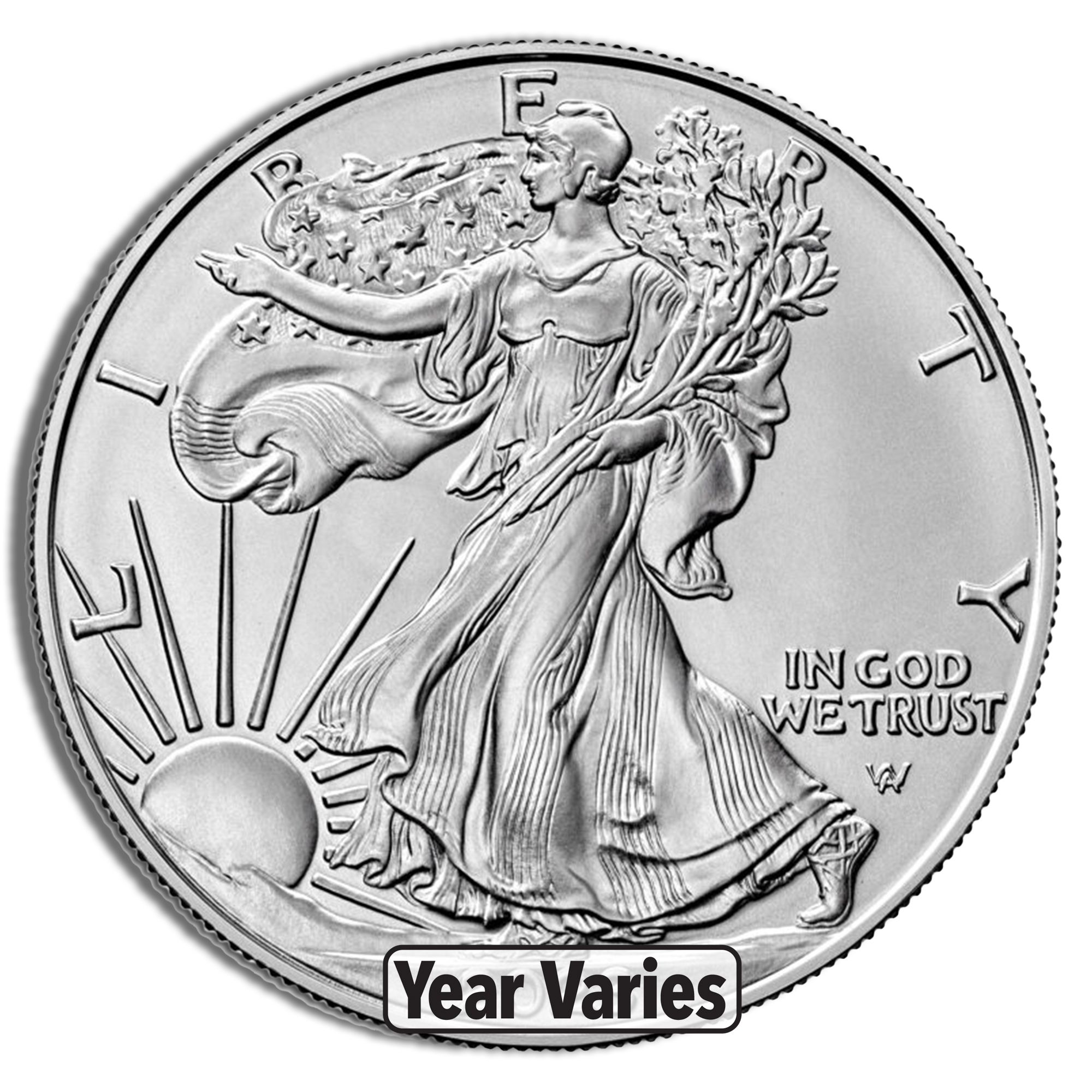
American Silver Eagle – BU (Year Varies)
Compare the U.S. Mint’s one-ounce silver bullion format with the Maple Leaf. A year-varies order does not guarantee a particular date or reverse type unless the listing says otherwise.
- Mint
- United States Mint
- Format
- 1 troy oz silver bullion coin
- Fineness
- .999 silver
- Diameter
- 40.60 mm
- Face value
- USD $1
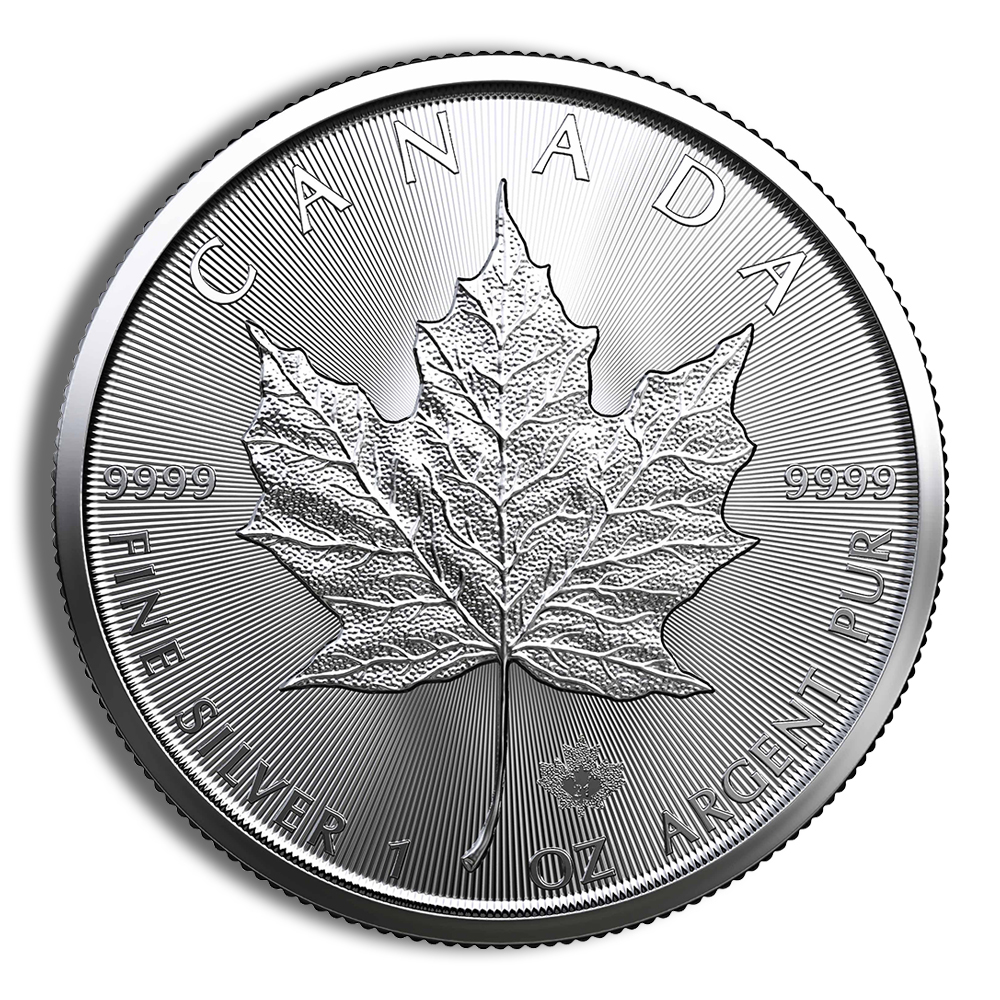
1 oz Canadian Silver Maple Leaf (Year Varies)
Compare the Royal Canadian Mint’s .9999 silver bullion format with the Eagle. Portraits and security features depend on the supplied year.
- Mint
- Royal Canadian Mint
- Format
- 1 troy oz silver bullion coin
- Fineness
- .9999 silver
- Diameter
- 38 mm
- Face value
- CAD $5
Product images are representative of the linked listings. Confirm the exact order terms; year-varies products do not promise the pictured date. Prices and stock can change.
A Five-Step Buying Checklist
- Choose bullion or a collectible issue. Standard bullion, proof coins, and certified examples are different purchases.
- Confirm specifications. Check the mint, year, fineness, design type, and offered condition.
- Compare equal quantities. Use the same coin count, payment method, and delivery assumptions.
- Read the policies. Understand authenticity concerns, returns, cancellations, and buyback procedures before ordering.
- Protect the coins and records. Retain invoices and suitable packaging, and avoid unnecessary handling or cleaning.
For additional formats, browse Agate’s silver bullion selection. Owners preparing for eventual resale can also review silver coin storage and handling considerations.
Frequently Asked Questions
Is a Silver Maple Leaf better than a Silver Eagle?
Neither is universally better. The Maple Leaf offers .9999 fineness and distinctive modern security features, while the Eagle offers U.S. Mint origin and Walking Liberty. Compare the exact product, condition, delivered cost, and buyback terms.
Does the higher-purity Maple Leaf contain substantially more silver?
No. Both are sold as one-ounce silver bullion coins. Higher fineness describes a purity difference, not a substantially larger bullion quantity. Use the issuing mint’s specifications rather than drawing conclusions from rounded figures.
Why do Silver Eagles and Maple Leafs have different premiums?
Supply, demand, distribution costs, quantity, condition, year, and seller terms can differ. Compare current quotes on an equal per-coin basis rather than assuming a fixed premium relationship.
Are both coins legal tender?
Yes. The standard Silver Maple Leaf has a CAD $5 face value, and the standard American Silver Eagle has a USD $1 face value. Those denominations are separate from their usual bullion selling prices.
Do both coins come in tubes containing the same quantity?
Standard mint tubes commonly contain 20 Silver Eagles or 25 Silver Maple Leafs. Verify the seller’s package quantity because listings may offer individual coins, partial tubes, or different packaging.
Can visible security features prove a coin is authentic?
They help with inspection but should not be treated as conclusive on their own. Match the features to the correct issue and use appropriate professional verification when authenticity is uncertain.
Mint References
- Royal Canadian Mint — 2026 Silver Maple Leaf product information
- United States Mint — Bullion coin program
Educational comparison only. Specifications and security features depend on the issue. Prices, premiums, inventory, dealer bids, and policies can change; confirm the exact listing and transaction terms before buying or selling.