
What Is a Goldback? How Goldback Currency Works and What Buyers Should Know
Educational guide for physical precious-metal buyers. Product availability, premiums, carrier rules, and market conditions can change.
A Goldback is a privately issued, flexible physical-gold product made with a precise amount of 24-karat gold sealed between protective polymer layers. It is designed for voluntary local exchange in participating communities, but it is not ordinary paper money and it is not issued by the U.S. Mint. A 1 Goldback contains 1/1,000 of a troy ounce of gold; larger denominations contain proportionally more. Buyers should compare gold content, current exchange rate, retail premium, condition, authenticity, and resale options.
What to Check Before Buying Goldbacks
- Series, denomination, and stated gold content
- Current Goldback exchange rate versus underlying melt value
- Dealer price, quantity discount, shipping, and tax treatment
- Visible security features and overall condition
- Acceptance and resale options in your own area
- Whether your goal is barter utility, collecting, gifting, or low-premium bullion
How Much Gold Is in a Goldback?
The denomination describes both the unit and its proportional gold content. According to the issuer’s Goldback FAQ, each unit represents 1/1,000 of a troy ounce of gold. That makes the gold content easy to scale:
| Denomination | Stated Gold Content | Approximate Troy-Ounce Fraction |
|---|---|---|
| 1 Goldback | 1/1,000 troy oz | 0.001 oz |
| 5 Goldbacks | 5/1,000 troy oz | 0.005 oz |
| 10 Goldbacks | 10/1,000 troy oz | 0.010 oz |
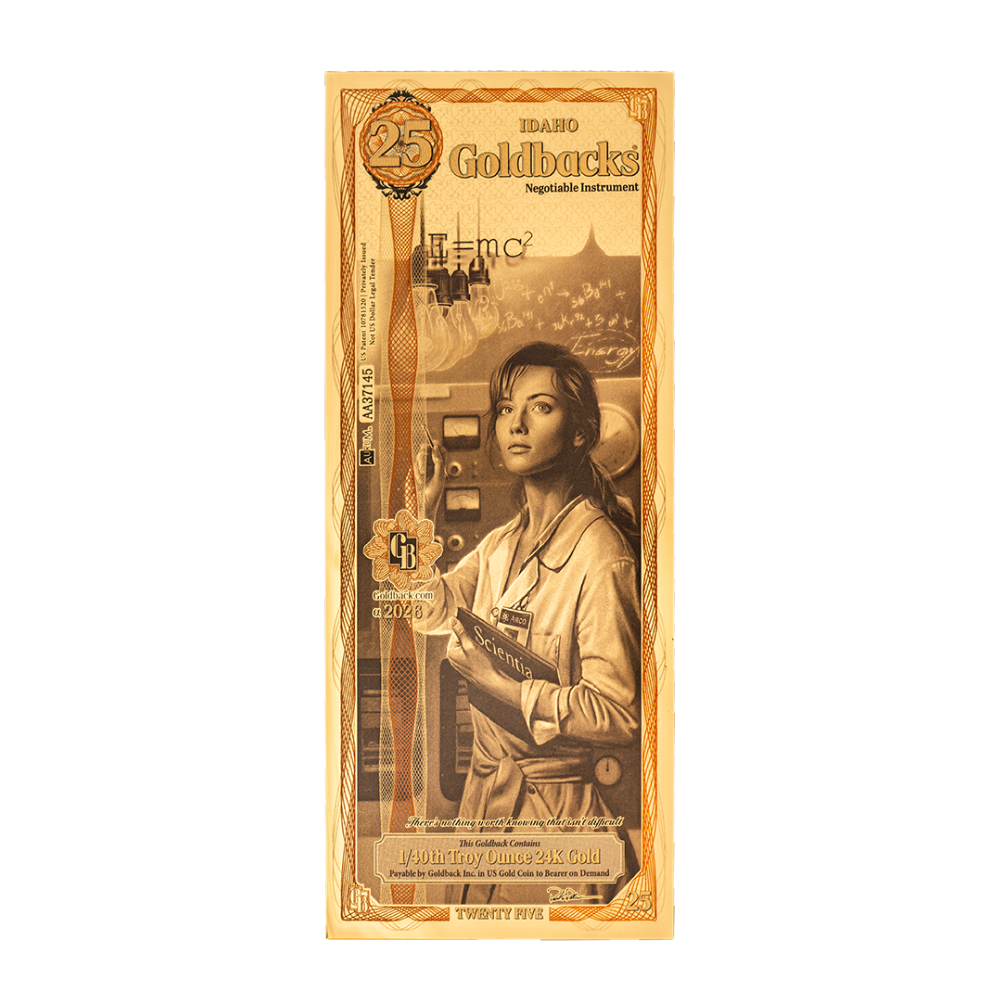
| 25 Goldbacks | 25/1,000 troy oz | 0.025 oz |
| 50 Goldbacks | 50/1,000 troy oz | 0.050 oz |
| 100 Goldbacks | 100/1,000 troy oz | 0.100 oz |
Confirm the current series and specifications on the item you are buying. Product designs and available denominations can change.
How Goldbacks Are Made
A Goldback is not gold-colored paper. The manufacturer describes a process in which gold is deposited as a very thin layer and encapsulated in polymer. The artwork, serial information, and anti-counterfeiting elements are incorporated into the finished piece. The issuer provides an overview of how Goldbacks are manufactured.
The thin construction makes tiny, spendable fractions possible in a form that is easier to handle than a loose speck of gold. That specialized manufacturing is also one reason the retail price can sit well above the melt value of the contained metal.
Goldback Exchange Rate Versus Gold Melt Value
These are two different numbers:
- Melt value is the stated gold weight multiplied by the current gold spot price.
- Exchange value is a published reference rate intended for voluntary transactions involving Goldbacks.
Goldback publishes a daily exchange rate. That rate can include costs and market demand beyond the raw gold. It is not a promise that every merchant, dealer, or private buyer will use the same number.
Joe’s counter rule: Never compare a Goldback’s purchase price with a one-ounce bar using price alone. First calculate the cost per fine ounce, then decide whether the small denomination, design, portability, and possible exchange use justify the premium for you.
Goldbacks Compared With Bullion Coins and Cash
| Feature | Goldback | Sovereign Bullion Coin | U.S. Cash |
|---|---|---|---|
| Issuer | Private issuer | Government mint | U.S. government |
| Underlying material | Fractional 24K gold in polymer | Specified precious-metal content | Fiat currency, not redeemable for a fixed gold weight |
| Typical use | Voluntary exchange, collecting, gifting | Bullion ownership and resale | General payments and settlement |
| Premium per ounce | Usually high because the gold fraction is extremely small | Usually lower in common one-ounce sizes | Not measured as a bullion premium |
| Acceptance | Depends on willing participants | Normally sold through bullion markets rather than spent | Broad legal and commercial acceptance |
Are Goldbacks Legal Tender?
Do not rely on a blanket yes-or-no claim. The practical point is that Goldbacks are privately issued and used by mutual agreement. Their legal or tax treatment can depend on the jurisdiction and transaction. A merchant can decide whether to accept them and at what rate. Confirm current state and local rules with an appropriate professional rather than treating promotional language as legal advice.
Why Goldback Premiums Are High
Dividing one ounce of gold into one thousand usable pieces is far more expensive than stamping one bar. The premium can reflect fractional fabrication, artwork, serial control, security features, packaging, distribution, and dealer costs. Demand for a particular series or design can add a collector component.
That does not make the premium automatically good or bad. It makes the buyer’s purpose essential. Someone seeking the lowest cost per ounce will usually compare common bars and coins. Someone seeking a visually distinctive small gold unit may accept more premium.
How to Check a Goldback Before Buying
- Buy from a dealer who identifies the exact series and denomination.
- Compare the design with official examples for that series.
- Inspect the serial or denomination details and embedded security elements.
- Look for delamination, cuts, writing, heavy creases, or surface damage.
- Compare the dealer price with the issuer’s current exchange rate and the underlying gold value.
- Keep the invoice and avoid destructive testing.
Because the gold layer is extremely thin, do not cut, scrape, burn, or acid-test a Goldback. Those methods can destroy the product. A knowledgeable dealer can use visual and other non-destructive checks appropriate to the item.
Storage and Handling
Store Goldbacks flat, dry, and away from heat, solvents, adhesives, and sharp objects. Protective sleeves or an archival holder can reduce wear. Do not laminate one yourself; added plastic or adhesive may obscure features and make resale evaluation harder. Record the series, denomination, quantity, purchase date, and invoice.
Who Might Consider Goldbacks?
- Small-denomination users: buyers interested in voluntary gold-based exchange
- Collectors: people who appreciate regional art, series, or designs
- Gift buyers: those who want an approachable physical-gold item
- Bullion buyers: only after understanding the higher per-ounce premium
If your main objective is gold weight, compare gold bars versus coins. If ordering online, use the full-price checklist in how to buy gold bullion online without overpaying.
Joe Agate’s Bottom Line
A Goldback is best understood as a specialized fractional-gold product, not a replacement for every kind of cash or bullion. It combines a stated gold weight with elaborate manufacturing and a voluntary exchange system. Know how much gold you are getting, separate exchange value from melt value, inspect the product, and buy it for the job you actually want it to do.
Shop Related Products at Agate Precious Metals
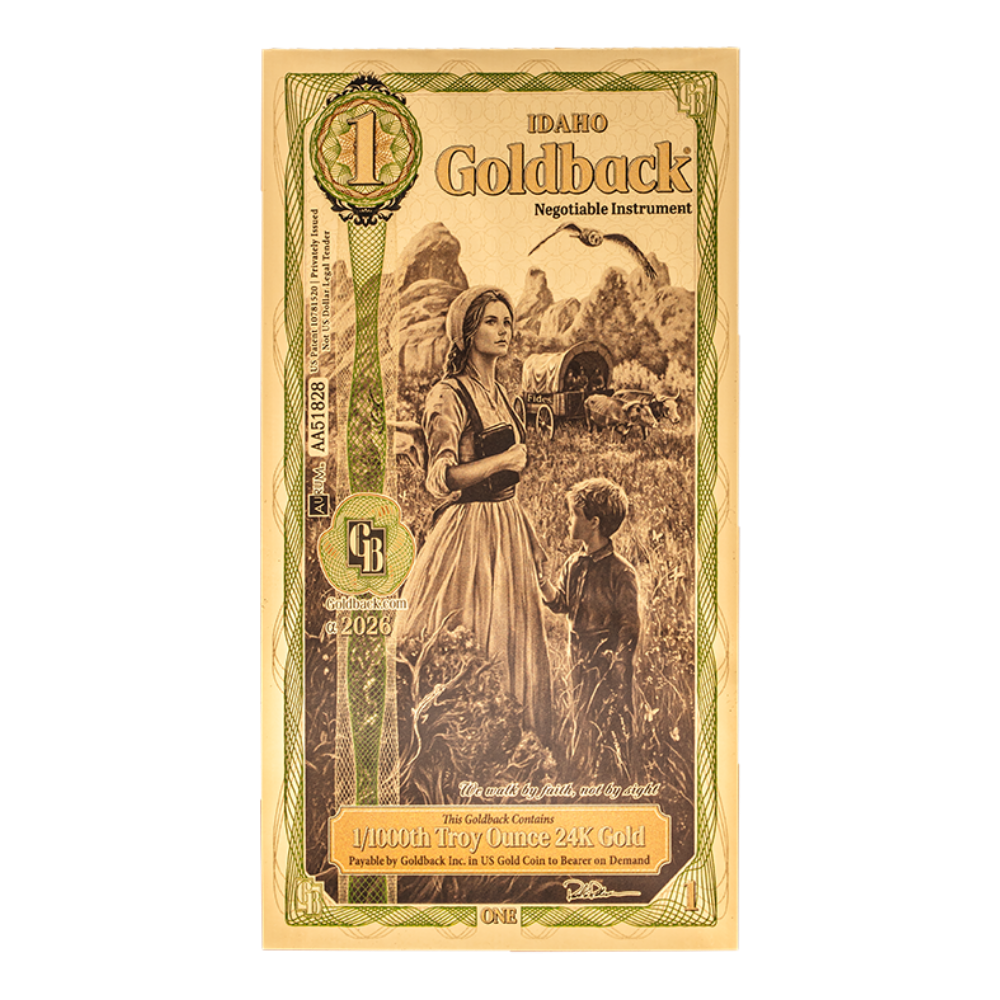
Idaho 1 Goldback
A flexible one-denomination Goldback containing fractional 24K gold.
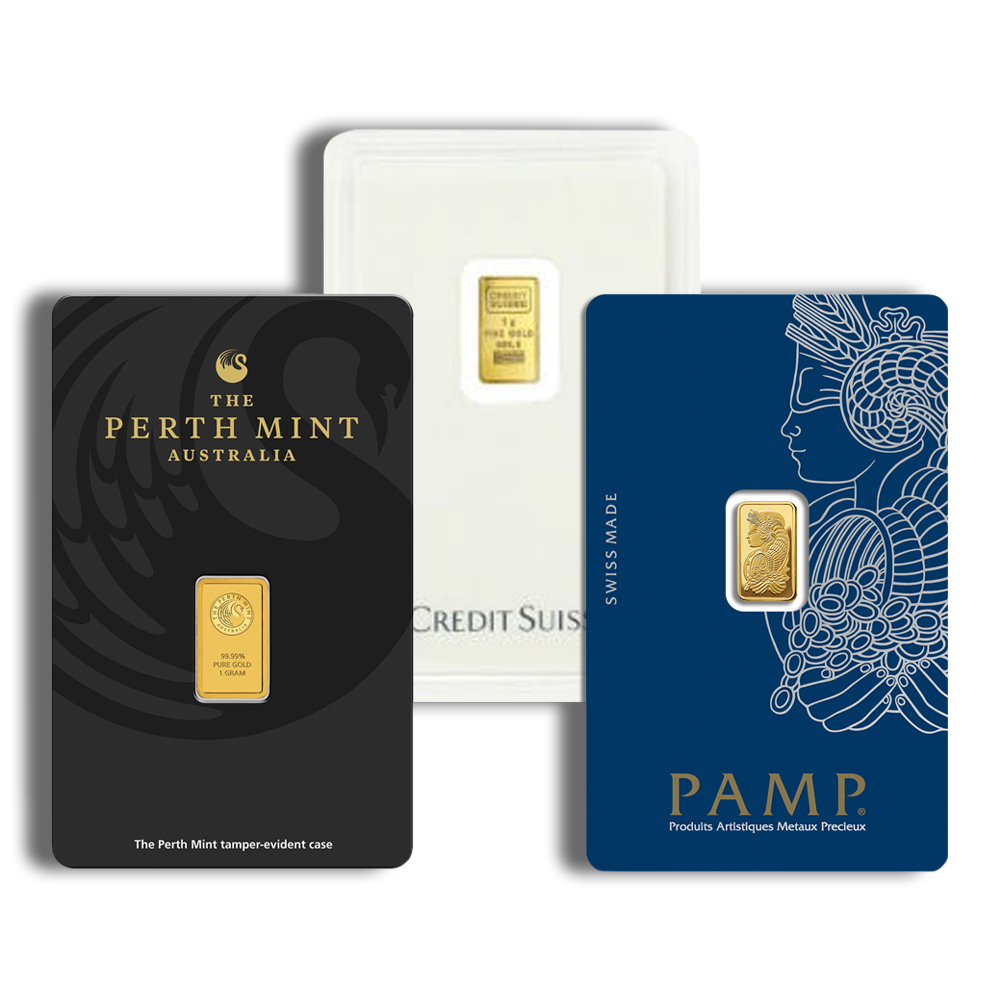
1 gram Gold Bar – Brand Varies (Carded)
A compact carded gold bar for fractional physical-gold ownership.
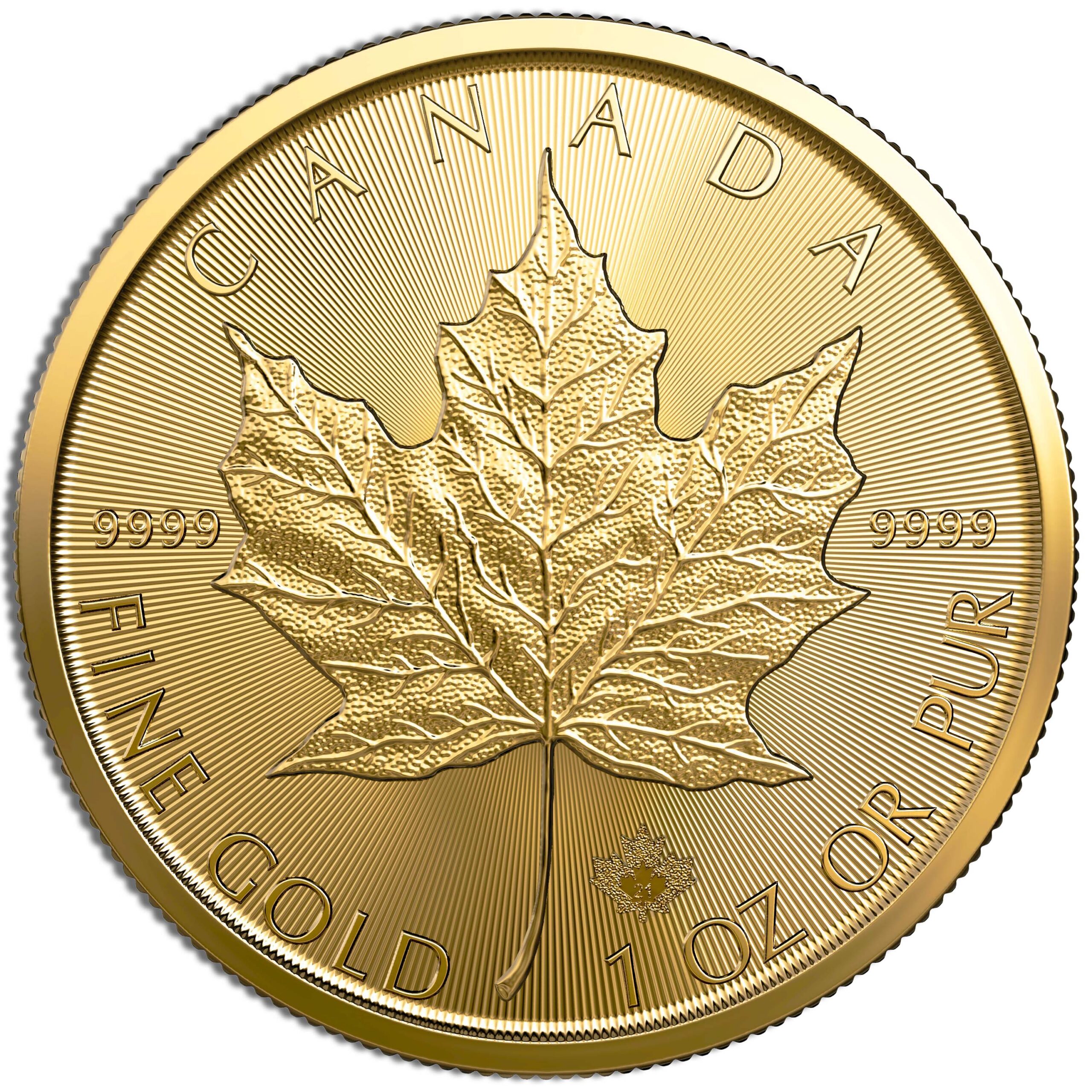
1 oz .9999 Gold Maple Leaf (Year Varies)
A Canadian sovereign bullion coin struck in .9999 fine gold.
Availability and pricing can change with inventory and precious-metal markets. Open each product page for current information.
Frequently Asked Questions
How much gold is in one Goldback?
One Goldback contains 1/1,000 of a troy ounce of 24-karat gold according to the issuer. Higher denominations contain proportionally more gold.
Is a Goldback issued by the U.S. Mint?
No. Goldbacks are privately issued products. They should not be confused with U.S. Mint bullion coins or federal paper currency.
Why does a Goldback cost more than its melt value?
Its price can include fractional manufacturing, artwork, security features, packaging, distribution, dealer costs, and market demand in addition to the contained gold.
Can I spend Goldbacks anywhere?
No. Use depends on voluntary acceptance by the other party, and the rate used can vary. Check local acceptance and current legal or tax treatment before a transaction.
Are Goldbacks a better investment than gold bars?
They serve different purposes. Bars commonly offer a lower cost per fine ounce, while Goldbacks emphasize tiny denominations, design, and possible voluntary exchange. Neither result is guaranteed.
This article provides general educational information and does not constitute individualized investment, tax, legal, grading, appraisal, insurance, or shipping advice. Precious-metal prices and premiums fluctuate. Confirm current product specifications, policies, fees, and carrier terms before completing a transaction.