
90% Silver Coins Explained: Face Value, Melt Value, and the Truth About “Junk Silver”
Agate Precious Metals Buyer Guide
90% Constitutional Silver Bags: Face Value, Melt Value, and Premiums
Primary topic: 90% silver coins explained. Reviewed September 2026. Educational information only; verify current product, market, and transaction details before ordering or selling.
For common circulated U.S. 90% silver dimes, quarters, and half dollars, a practical melt estimate is face value multiplied by approximately 0.715 troy ounce of silver per $1 face, then multiplied by the current silver spot price. Original full-weight specifications total about 0.7234 troy ounce per $1 face. The correct result depends on the qualifying coins, wear, spot-price timestamp, premium, and dealer terms.
“Junk silver” is trade slang for common-date circulated coins valued mainly for their silver content. It does not mean the coins are worthless. Dates, mint marks, varieties, proofs, certification, and condition can create collector value above a basic melt estimate.
Before Treating a Coin as Bullion
- Verify the denomination, date, mint mark, and composition.
- Separate key dates, varieties, proofs, certified coins, and unusually high-grade pieces.
- Confirm the listing’s face-value unit, denomination mix, and allowed dates.
- Ask whether the calculation uses original full-weight or circulated-content assumptions.
- Keep original holders, envelopes, certificates, and receipts.
- Do not clean, polish, melt, or alter a coin before evaluation.
What Is a 90% Silver Bag?
A “90% silver bag” is generally a dealer or market description for a bulk lot of qualifying U.S. 90% silver coins. It is not a single universal U.S. Mint product size. Before comparing an offer, identify the stated face value, denomination mix, date range, sorting method, condition, and whether the lot may contain collectible pieces.
Common market descriptions may refer to $50, $100, $500, or $1,000 face-value lots, but the exact contents and packaging vary. A bag may be supplied in a canvas bag, plastic container, tubes, or another form of packaging. The seller’s written listing controls.
What One Dollar Face Value Means
| Common group | Pieces per $1 face | Composition | Full-weight silver | Typical consideration |
|---|---|---|---|---|
| 90% dimes | 10 | 90% silver | About 0.7234 troy oz per $1 face | Smallest common units |
| 90% quarters | 4 | 90% silver | About 0.7234 troy oz per $1 face | Fewer pieces to count |
| 90% half dollars | 2 | 90% silver | About 0.7234 troy oz per $1 face | Larger, recognizable units |
| Mixed $1 face lot | Varies | Verify the listing | Depends on qualifying contents and wear | Denomination flexibility |
The full-weight figure is specification-based. Circulated coins lose a small amount of metal through wear, so dealers commonly use an estimate near 0.715 troy ounce per $1 face for typical circulated lots. That is a working estimate, not a guarantee for every group of coins.
How to Calculate 90% Silver Bag Melt Value
For a circulated estimate, multiply the face value by 0.715 to estimate fine troy ounces. Then multiply those ounces by the silver spot price recorded at the same time.
Teaching example: A $10 face-value lot using the 0.715 estimate represents approximately 7.15 troy ounces of silver. Multiply 7.15 by the spot price observed when you perform the calculation. This is an illustration, not a live quote or guaranteed dealer offer.
Some dealers quote “times face” instead of a per-ounce price. To compare the quote fairly, convert both offers to the same basis. Include shipping, payment costs, taxes where applicable, testing, insurance, and any other transaction charges.
90% Silver Melt Value by Denomination
| Denomination | Pieces per $1 face | Approximate full-weight silver per coin | Approximate full-weight silver per $1 face |
|---|---|---|---|
| 90% dime | 10 | About 0.07234 troy oz | About 0.7234 troy oz |
| 90% quarter | 4 | About 0.18084 troy oz | About 0.7234 troy oz |
| 90% half dollar | 2 | About 0.36169 troy oz | About 0.7234 troy oz |
Use the full-weight figures for specification-based calculations and the disclosed circulated estimate for typical worn lots. If a group contains unusual wear, damaged coins, mixed compositions, or nonqualifying pieces, the result may differ.
For additional denomination calculations, use Agate’s Silver Coin Melt Value Calculator.
Half Dollars vs. Quarters vs. Dimes
There is no universal “best” denomination. Choose based on the product’s actual premium, your storage needs, the size of a possible future sale, and whether the pieces may carry collector interest.
| Denomination | Potential advantage | What to verify |
|---|---|---|
| Half dollars | Larger units can reduce the number of pieces required for a face-value amount. | Design, date range, premium, collector interest, and exact composition. |
| Quarters | Middle-sized units that may be convenient to count and store. | Whether the lot is ordinary bullion or includes dates and varieties needing review. |
| Dimes | Smaller units provide more face-value pieces within a group. | Piece count, sorting, wear, and the premium for smaller units. |
Franklin, Walking Liberty, Mercury, and 1964 Kennedy issues can attract different premiums depending on date, condition, demand, and buyer. Do not assume one type always sells faster or commands the highest premium.
Why “Pre-1965” Needs Care
“Pre-1965” is useful shorthand for many common U.S. silver dimes, quarters, and half dollars, but it is not a universal rule for every U.S. coin. Cents and nickels are not ordinary 90% silver products, and silver-dollar specifications differ from dime, quarter, and half-dollar calculations.
Kennedy half dollars dated 1965 through 1970 use a 40% silver composition, not 90%. Verify the series, date, and composition instead of buying a coin simply because it looks old.
Wear, Condition, and Numismatic Value
Wear can reduce actual metal weight. Bent, holed, polished, or heavily damaged coins may trade on different terms. Conversely, an uncirculated coin, scarce date, key mint mark, or desirable variety can carry collector value above its silver content.
Mercury dimes and Walking Liberty half dollars may have additional type-collector interest, but that does not make every example rare. Keep date-and-grade-specific coins separate from bulk bullion until they have been reviewed.
Never clean or polish a coin to improve its appearance. Surface damage may reduce collector interest and can make evaluation more difficult.
Storing Heavy 90% Silver Bags
Bulk 90% silver becomes heavy quickly. A $1,000 face-value lot using the 0.715 circulated estimate represents approximately 715 troy ounces of estimated fine silver, but the total physical weight and handling requirements depend on denomination mix, wear, and packaging.
Canvas bags, tubes, plastic containers, and other packaging each have handling tradeoffs. The packaging does not establish the metal content; the qualifying coins and the listing terms do.
How to Compare a 90% Silver Bag Offer
Before buying or selling, ask for enough information to compare like with like.
- Confirm the stated face value and denomination mix.
- Confirm the qualifying dates and composition.
- Record the silver spot source and timestamp.
- Identify whether the calculation uses 0.7234 full-weight or a circulated estimate near 0.715.
- Calculate the premium above estimated melt value.
- Include shipping, payment fees, taxes, testing, and insurance.
- Ask whether key dates, proofs, or collectible pieces are excluded.
- For a sale, request the dealer’s buyback terms and payment timing in writing.
For a broader selling workflow, read how to compare bullion dealer buyback quotes and who buys silver coins.
Who May Benefit From 90% Silver?
- Small-unit buyers: Dimes divide a face-value amount into more pieces than quarters or halves.
- Counting-focused buyers: Quarters and halves may reduce piece count.
- Historic-coin buyers: Specific designs may matter, but premiums should be verified.
- Metal-first buyers: Mixed-denomination lots can be compared with modern silver bars and rounds on delivered cost.
- Collectors: Date-and-grade-specific coins should be evaluated separately from common bulk bullion.
For modern formats, compare silver bars versus silver rounds. No format guarantees acceptance, immediate liquidity, a profit, or a particular resale price.
Compare Current 90% Silver Listings
Agate’s current listings may separate mixed denominations from specific dime, quarter, and half-dollar types. Open each product page for the current face-value unit, date range, condition, price, fulfillment terms, and availability.
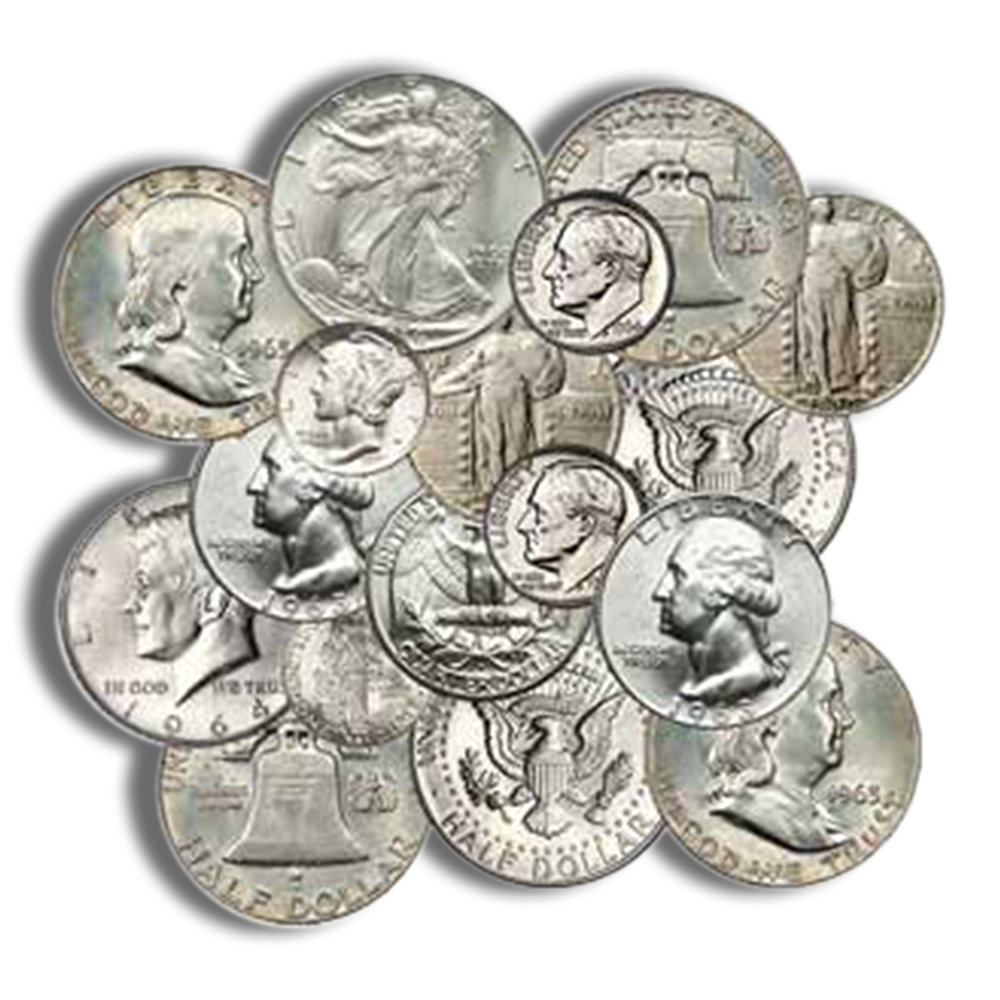
$1 FV Various 90% Silver Coins
Mixed qualifying denominations under the live product terms.
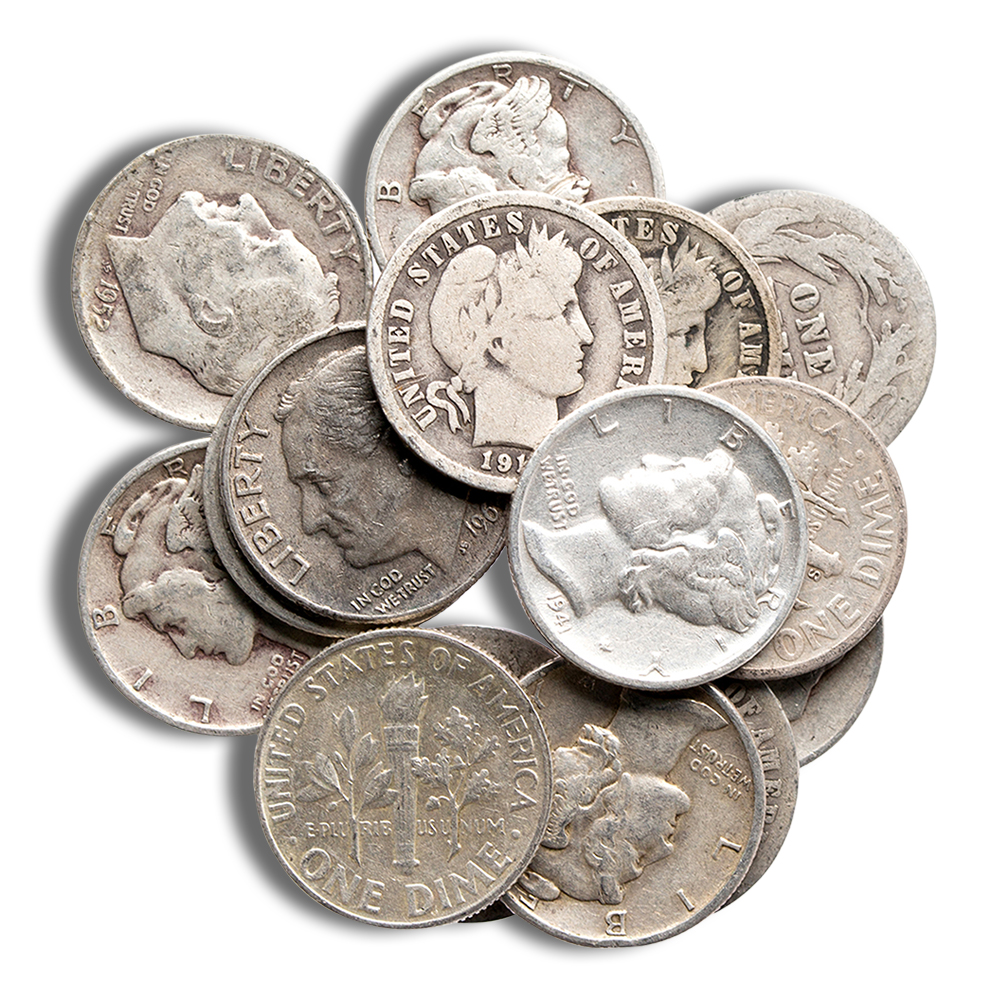
$1 FV 90% Silver Roosevelt Dimes
Ten Roosevelt dimes totaling one dollar face value under the listing.
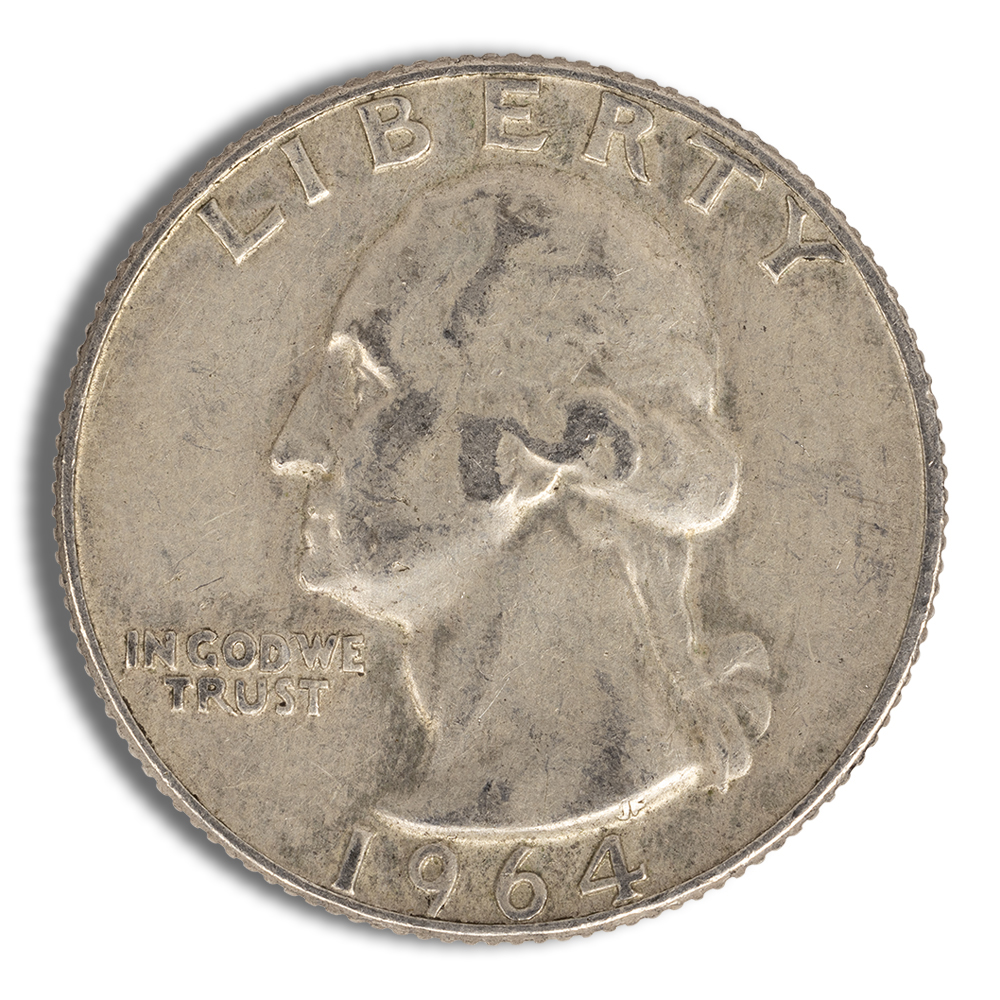
$1 FV 90% Silver Washington Quarters
Four Washington quarters totaling one dollar face value.
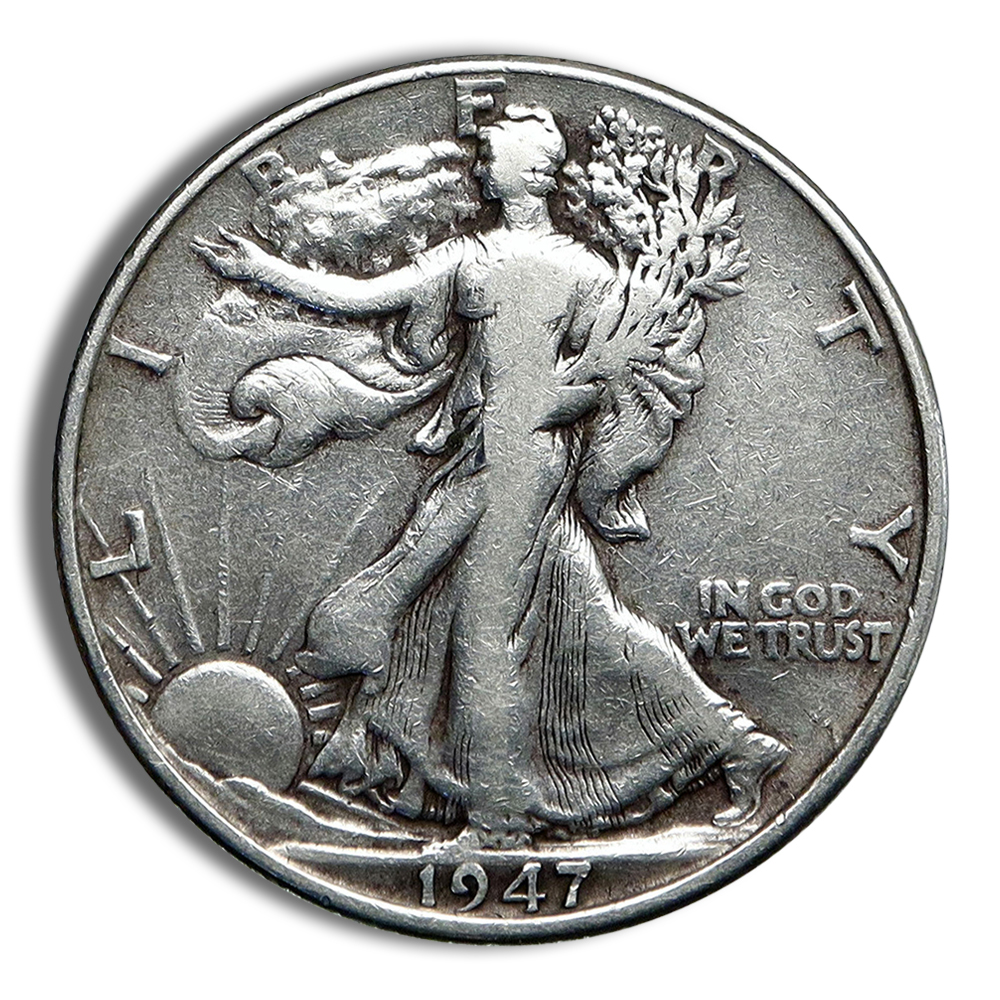
$1 FV Walking Liberty Halves
Walking Liberty half dollars sold by face value under the live listing.
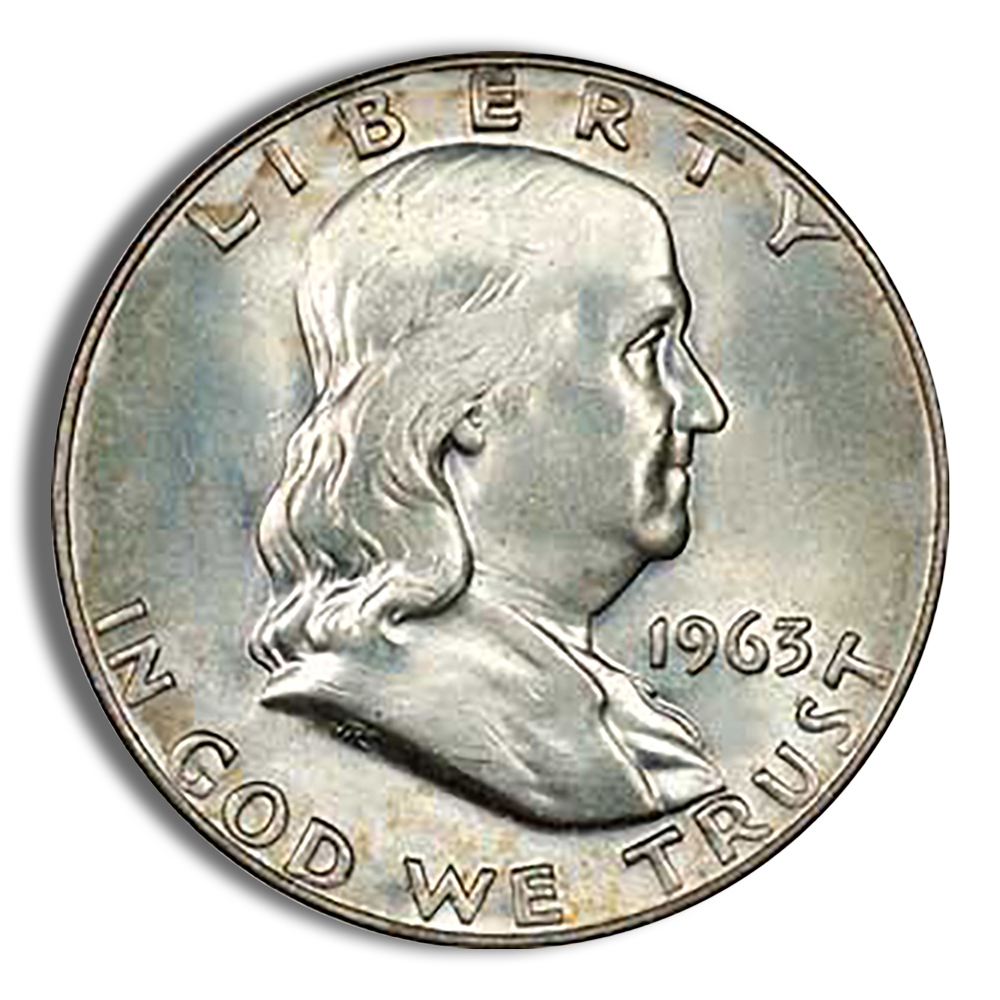
$1 FV Franklin Half Dollars
Two Franklin half dollars per one dollar face value.
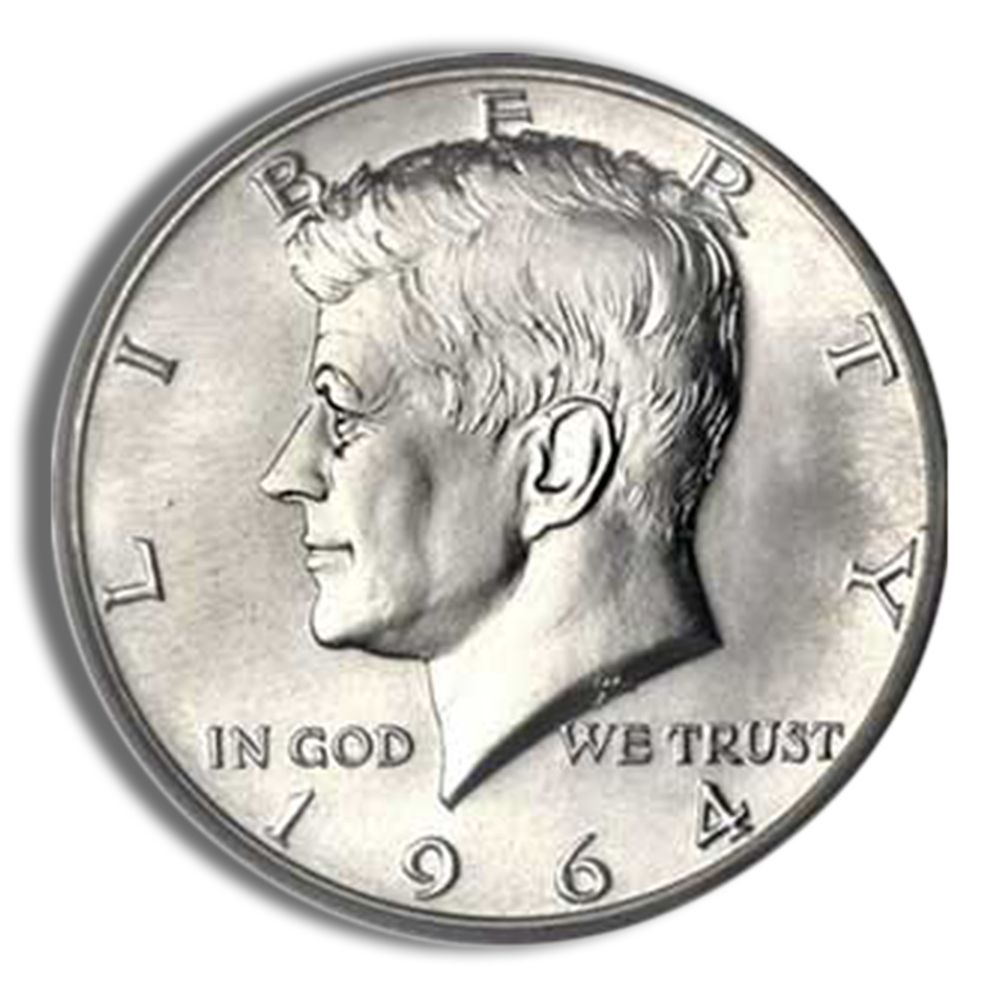
$1 FV 1964 Kennedy Halves
1964 Kennedy half dollars in a one-dollar face-value listing.
Inventory note: Prices, premiums, years, packaging, and availability can change. Confirm the live product page and checkout terms before ordering.
Frequently Asked Questions
How much silver is in $1 face value of 90% coins?
At original full weight, common 90% dimes, quarters, and half dollars total about 0.7234 troy ounce per dollar face. Circulated estimates often use about 0.715 troy ounce because of wear.
What does a 90% silver bag mean?
It usually describes a bulk lot of qualifying 90% silver coins sold by stated face value. The exact face value, denomination mix, dates, condition, and packaging must be verified on the listing.
Are all pre-1965 U.S. coins 90% silver?
No. Verify the denomination and series. The shorthand generally refers to qualifying dimes, quarters, and half dollars, not every U.S. coin minted before 1965.
Are 1965 Kennedy half dollars 90% silver?
No. Kennedy half dollars dated 1965 through 1970 use a 40% silver composition. A 1964 Kennedy half is a 90% silver issue.
Why is it called junk silver?
It is trade slang for common-date circulated coins valued mainly for their silver content. It is not a statement that the coins have no value.
Should I clean old silver coins?
No. Cleaning can scratch or chemically alter surfaces and may reduce collector value. Preserve the coins as received until they are evaluated.
Does melt value equal a dealer’s offer?
No. A dealer offer may reflect wear, sorting, verification, quantity, current demand, handling, shipping, refining, and resale spread.
Sources and Buyer References
- U.S. Mint — Historic Coin Production
- U.S. Mint — The Dime
- U.S. Mint — Half-Dollar Composition Change
Review date: September 2026. Weight assumptions, spot prices, premiums, inventory, policies, and buyer terms can change. Confirm the current source and product listing before making a decision.