
How to Compare Bullion Buyback Quotes and Find the Best Net Offer
How to Compare Bullion Buyback Quotes and Find the Best Net Offer
A bullion dealer buyback quote is the amount a dealer is prepared to pay for specific gold, silver, platinum, or palladium products under stated market conditions. To compare bullion buyback quotes effectively, look past the headline percentage and calculate the final net proceeds after confirming the spot-price source, metal content, product classification, deductions, price-lock period, inspection terms, and payment timing.
Know the product before comparing the offer
Use the quote worksheet below to compare net proceeds, then explore the product categories that may receive different bids.
For U.S. precious-metals sellers—including Western New York residents, first-time investors, and experienced stackers—this is the difference between an offer that looks strong on paper and the amount you actually receive. This guide shows how to compare the same products, quantities, and conditions, verify whether pricing is based on fine-metal content, face value, gross weight, or a product-specific bid, and account for shipping, insurance, testing, handling, and payment costs before you choose where to sell.
A quote is not automatically a promise to purchase every item at the advertised rate. It may be conditional on the product being authentic, matching the description, arriving by a deadline, and passing the dealer's inspection. Before sending valuable metal, ask for the terms in writing.
Key Takeaways
- Compare the same products, quantities, and condition—not just the advertised percentage of spot.
- Confirm whether the quote is based on fine-metal content, face value, gross weight, or a product-specific bid.
- Subtract shipping, insurance, testing, handling, and payment costs to calculate the net offer.
- Ask when the price becomes final and what happens if a product is reclassified after inspection.
- If you are deciding where to sell, compare local and online selling options A higher gross quote is not necessarily the better offer if its deductions, timing, or return terms are less favorable.
What Is a Precious Metals Bullion Buyback Quote?
A buyback quote reflects a dealer's current bid for metal or a specific precious-metals product under stated market conditions. The bid may be expressed as a dollar amount per coin, a price per ounce, a percentage of spot, or a total amount for the lot.
The quote is different from several other prices:
- Spot price: A market reference for a unit of refined metal, usually quoted per troy ounce.
- Melt value: An estimate based on the fine-metal content multiplied by a spot-price reference.
- Retail ask: The price a dealer asks a customer to pay when buying the product.
- Dealer bid or buyback price: The amount the dealer offers to acquire the product.
- Premium: The amount above a metal's spot or melt value that reflects fabrication, distribution, scarcity, demand, brand, condition, or collectibility.
- Net proceeds: The amount you actually receive after agreed deductions and transaction costs.
For a common bullion item, the basic calculation may look like this:
Fine-metal ounces × spot reference = approximate metal value
The dealer's bid will usually be different from that estimate because the dealer must account for market movement, authentication, handling, storage, resale demand, overhead, and risk. The size of the difference, including the spread between buy and sell pricing, is not meaningful unless the comparison uses the same product, the same time, and the same assumptions.
Step 1: Identify Exactly What the Dealer Is Pricing
Before comparing offers, prepare a consistent inventory. Do not describe a mixed collection simply as “silver coins” or “gold bars.” A dealer may price each category differently.
Record:
- Metal: gold, silver, platinum, palladium, or another alloy.
- Product type: bar, sovereign coin, private-mint round, circulated coin, proof, or collectible.
- Weight: grams, pennyweights, or troy ounces.
- Purity: such as .9999 fine gold, .999 fine silver, or 90% silver.
- Refiner or mint: such as PAMP, Valcambi, Perth Mint, the U.S. Mint, or the Royal Canadian Mint.
- Year, date, mint mark, and denomination when relevant.
- Packaging: assay card, capsule, tube, box, certificate, or grading holder.
- Condition: sealed, circulated, damaged, cleaned, scratched, or unknown.
- Quantity of each matching item.
Separate the inventory into groups before requesting quotes. For example, keep one-ounce silver Eagles separate from generic one-ounce rounds, and keep graded Morgan dollars separate from common circulated silver. A dealer cannot accurately compare a product-specific bid with a generic melt offer unless the categories are clear.
For silver coins sold online, Agate's How to Sell Silver Coins Online Safely guide explains how to document the lot, compare online terms, and understand inspection and shipping conditions. This article focuses more narrowly on comparing the financial structure of the quote itself.
Step 2: Confirm the Spot-Price Reference
If a dealer quotes a percentage of spot, ask which exact spot price reference is being used; note that the answer should identify the metal, the price source, the time of the quote, and the currency.
Ask:
- Is the quote based on the current bid, ask, midpoint, or another reference?
- Which market or data source is used?
- How exactly does the buyback price relate to spot?
- Is the price locked when the quote is issued, when the shipment is received, or after inspection?
- What happens if the market moves before the lot arrives?
- Does the quote expire after a stated number of hours or days?
Spot prices can change between the initial conversation and physical inspection. That does not automatically make a revised offer improper, but the price-lock rules should be clear before you ship.
For educational background, see Agate's Gold and Silver Spot Prices & Bullion Premiums guide and Silver Coin Melt Value. These pages explain market concepts and calculation methods; they are not a substitute for a current dealer quote.
Step 3: Verify the Fine-Metal Calculation
A quote can look attractive until you discover that the percentage applies to a different unit than you expected. Confirm whether the dealer is pricing:
- Fine troy ounces
- Gross weight
- Face value for circulated U.S. silver
- A fixed product price
- A percentage of spot
- A product category with a stated per-unit bid
Check whether a bar’s stated weight represents fine-metal content or gross metal weight. Do not multiply by purity a second time when the specification already states fine ounces. For a 90% silver coin group, the fine-silver content depends on the denomination, date range, and standard convention used by the buyer. For a gold bar marked .9999, the fine-gold calculation is different from a lower-purity alloy even when the gross weight is the same.
Do not assume that a dealer's percentage can be compared across metals or products. A 98% quote for a common bullion item and a 90% quote for a collectible or mixed lot may reflect entirely different pricing bases.
Request an itemized explanation:
| Quote question | What to confirm |
|---|---|
| What is being measured? | Fine metal, gross weight, face value, or product category |
| What unit is used? | Troy ounce, gram, coin, bar, or lot |
| What purity is assumed? | Marked or tested fineness, and whether fine content is already stated |
| Is a product premium included? | Brand, mint, date, condition, packaging, or scarcity |
| Is the quote conditional? | Whether inspection can change the amount |
If the quote cannot be explained in these terms, it is difficult to compare fairly.
Step 4: Ask Whether Product Premium or Collector Value Is Included
Many products trade for more than their raw metal value. A recognized sovereign coin, sealed assay bar, limited release, proof, or scarce date may have demand that is not captured by a generic melt calculation.
Ask the dealer:
- Is this being quoted as generic bullion?
- Is the mint or refiner recognized in the dealer's market?
- Does sealed packaging affect the bid?
- Are graded or proof coins reviewed separately?
- Are dates, mint marks, or varieties evaluated for collector value?
- Will cleaned, damaged, or impaired items be priced differently?
A dealer may reasonably offer a melt-based bid for a common piece while applying a different bid to a product with a liquid resale market. The key is that the classification should be transparent.
Agate's Who Buys Silver Coins? article explains how investors, collectors, and dealers can evaluate the same coin differently. The Gold Bars vs. Coins comparison is also useful when the resale decision depends on product format.
Step 5: Calculate Deductions and Net Proceeds
The best quote is the one that produces the strongest net result under comparable terms, not the one with the highest advertised percentage alone, and any percentage-based offer should still be judged against the live spot price at the time of the quote.
Use this worksheet:
Gross quoted amount
− shipping cost
− insurance cost paid by you
− testing, handling, or processing fee
− payment or wire fee, which may vary by payout method
= estimated net proceeds
Keep potential reclassification or rejected-item costs in a separate scenario until the dealer confirms them. Do not deduct an uncertain loss as if it were an agreed fee.
For example, imagine two dealers quote a mixed silver lot:
Hypothetical comparison only — not current prices or dealer quotes.
| Item | Dealer A | Dealer B |
|---|---|---|
| Gross quote | $10,000 | $9,850 |
| Seller-paid insured shipping | −$120 | $0 |
| Processing fee | −$75 | $0 |
| Payment fee | −$25 | −$20 |
| Estimated net | $9,780 | $9,830 |
Dealer A has the higher gross quote, but Dealer B produces the higher estimated net amount under these assumptions. Hidden fees and other deductions can materially change what you actually receive in cash. Always request the complete fee structure in writing before you accept a quote. The example is illustrative only; actual prices, fees, and market conditions change.
Also consider timing. A quote that pays two business days after inspection may be more useful than one that takes several weeks, but do not trade away reasonable verification and written terms merely for speed, especially when comparing offers that advertise competitive rates.
Step 6: Understand Inspection and Revised Offers
Many dealers provide a preliminary quote from a written description or photographs, but they may revise the quote after inspecting the metal and finalize the purchase before issuing cash. Ask specifically what can cause the amount to change after inspection.
Possible reasons include:
- The product is not the item described.
- The stated weight or purity is inaccurate.
- The piece is counterfeit or cannot be authenticated.
- The coin is damaged, cleaned, altered, or missing expected packaging.
- A collectible item was submitted as generic bullion or vice versa.
- The quote was conditional on a price lock that expired.
- The market moved under the agreed terms.
Before shipping, ask:
- Will the dealer contact me before accepting a lower offer?
- How long do I have to accept or reject a revised offer?
- Who pays return shipping if I decline?
- What happens to items that are rejected?
- When does ownership transfer?
- How is the final settlement documented?
A clear inspection process protects both sides. Avoid any arrangement in which the seller cannot understand how a revised amount will be determined.
Step 7: Compare Payment, Shipping, and Insurance Terms
A buyback quote is part of a transaction, not just a number on a screen. Confirm how the metal moves, who bears risk, and when payment is sent.
Review:
- Approved carrier and service level
- Packaging requirements
- Signature requirement
- Declared value instructions
- Insurance responsibility
- Tracking and delivery confirmation
- Inspection time after delivery
- Payment method and expected timing
- Return procedure for declined revised offers
Do not assume that ordinary carrier coverage applies to precious metals. Follow the written instructions from the verified dealer and confirm the current policy before shipping.
For a broader selling workflow, read How to Sell Silver Coins Online Safely. For local transaction considerations, Agate's How to Choose a Reputable Gold Dealer guide provides a useful dealer-screening framework.
Step 8: Compare at Least Two Offers Using the Same Inventory
Send the same inventory list, photographs, quantity, condition notes, and questions to each buyer. Record differences in quote timing so market movement is not mistaken for a difference in dealer pricing.
Keep a comparison record with these columns:
| Category | Dealer 1 | Dealer 2 | Dealer 3 |
|---|---|---|---|
| Product category used | ________ | ________ | ________ |
| Spot reference | ________ | ________ | ________ |
| Quote timestamp | ________ | ________ | ________ |
| Price-lock period | ________ | ________ | ________ |
| Gross amount | ________ | ________ | ________ |
| Seller-paid costs | ________ | ________ | ________ |
| Inspection conditions | ________ | ________ | ________ |
| Revised-offer terms | ________ | ________ | ________ |
| Payment method and timing | ________ | ________ | ________ |
| Estimated net proceeds | ________ | ________ | ________ |
Alongside the numbers, consider dealer reputation and how clearly each buyer explains the transaction.
Do not create a bidding contest based on incomplete or misleading information. The goal is to understand the market and the terms, not to force a buyer to match a number that applies to a different product or condition.
Common Buyback-Quote Mistakes
Comparing different products
A generic round, a sovereign coin, a proof, and a graded collectible should not automatically be compared as if they were identical.
Ignoring the price-lock deadline
A quote may be valid only for a short period. Ask what event locks the price and what happens if delivery is delayed.
Treating the first quote as final
A preliminary quote may change after authentication and inspection. Understand that process before shipping.
Focusing only on percentage of spot
A percentage without the metal content, deductions, and timing does not tell you the final result.
Sending a mixed lot without an inventory
When products are not separated, collectible pieces may be evaluated as generic bullion and disputes become harder to resolve.
Cleaning or altering the metal
Cleaning, polishing, drilling, acid testing, or removing original packaging can reduce value or complicate evaluation.
Product categories dealers may price differently
These supplied retail listings illustrate product formats. Their asking prices are not buyback quotes. Compare offers for the exact items you own.
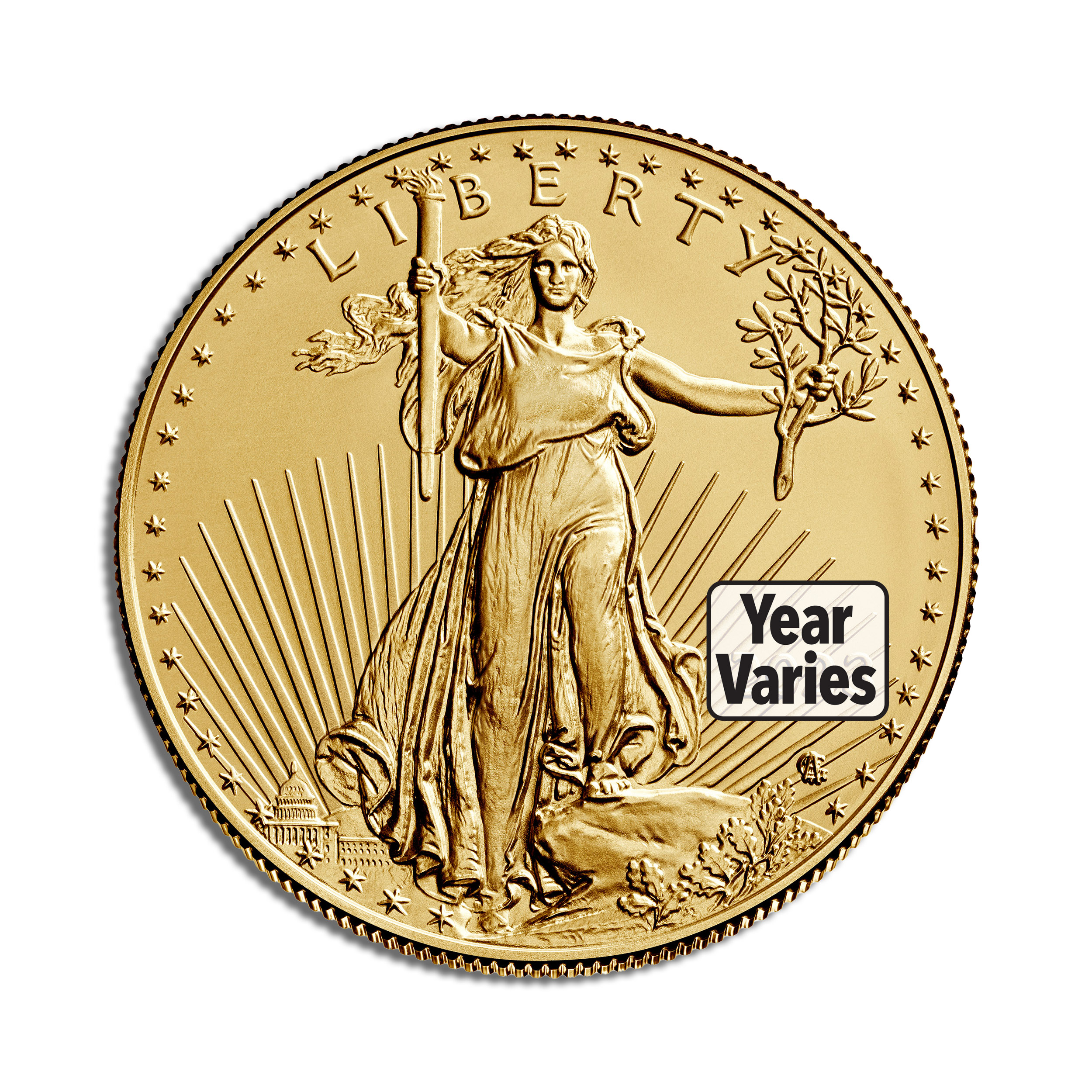
1 oz Gold Eagle – BU (Year Varies)
A one-ounce Gold Eagle with year selected under the listing terms.
View Current Price & Availability →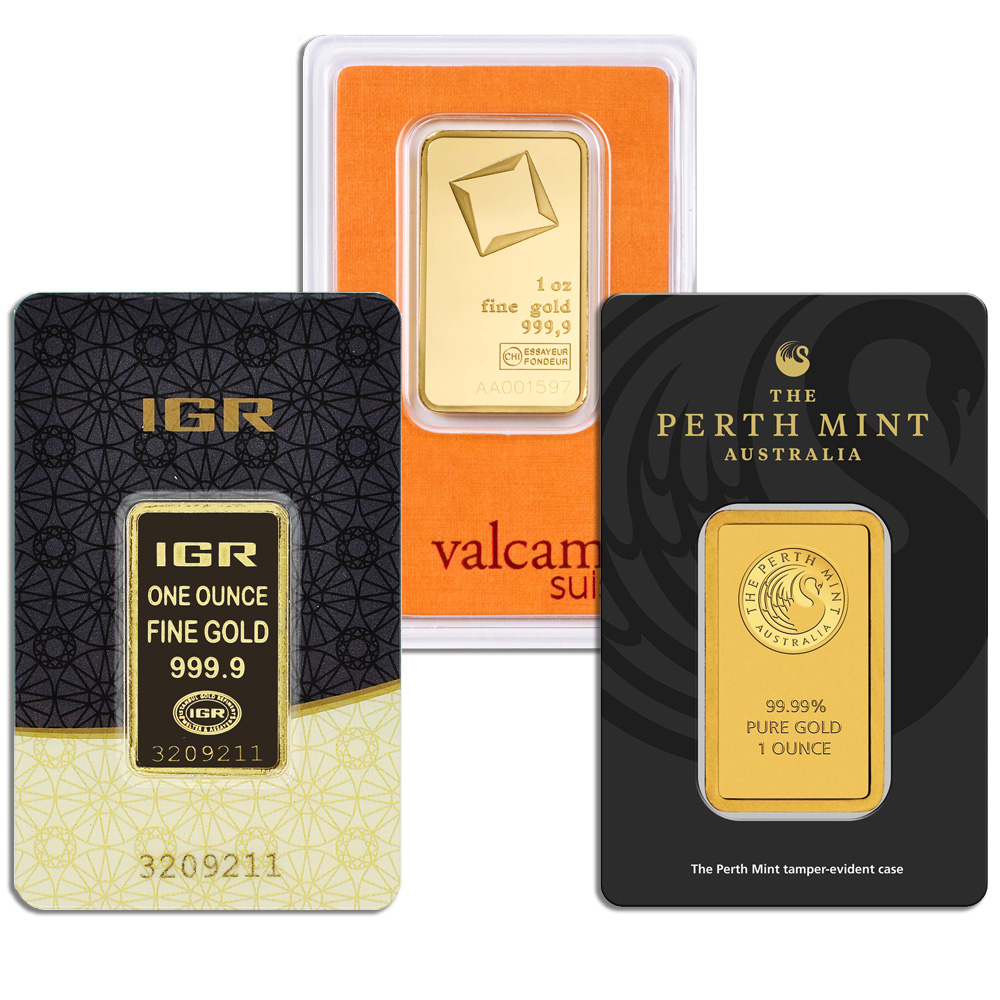
1 oz Gold Bar – Brand Varies .9999 (Carded)
A carded one-ounce .9999 listing where the brand is selected at fulfillment.
View Current Price & Availability →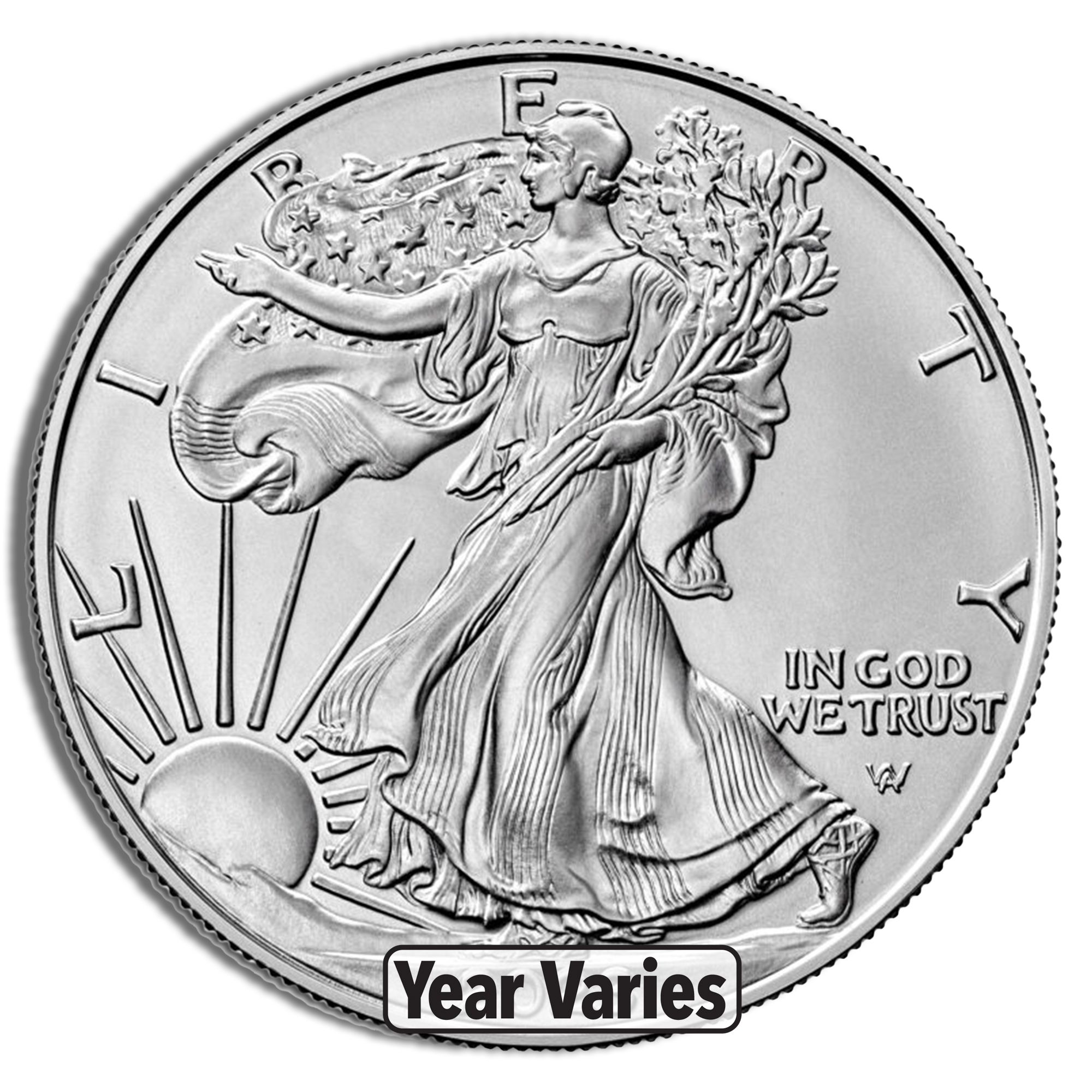
Silver American Eagle – BU (Year Varies)
A one-ounce .999 American Silver Eagle in BU condition with year varying.
View Current Price & Availability →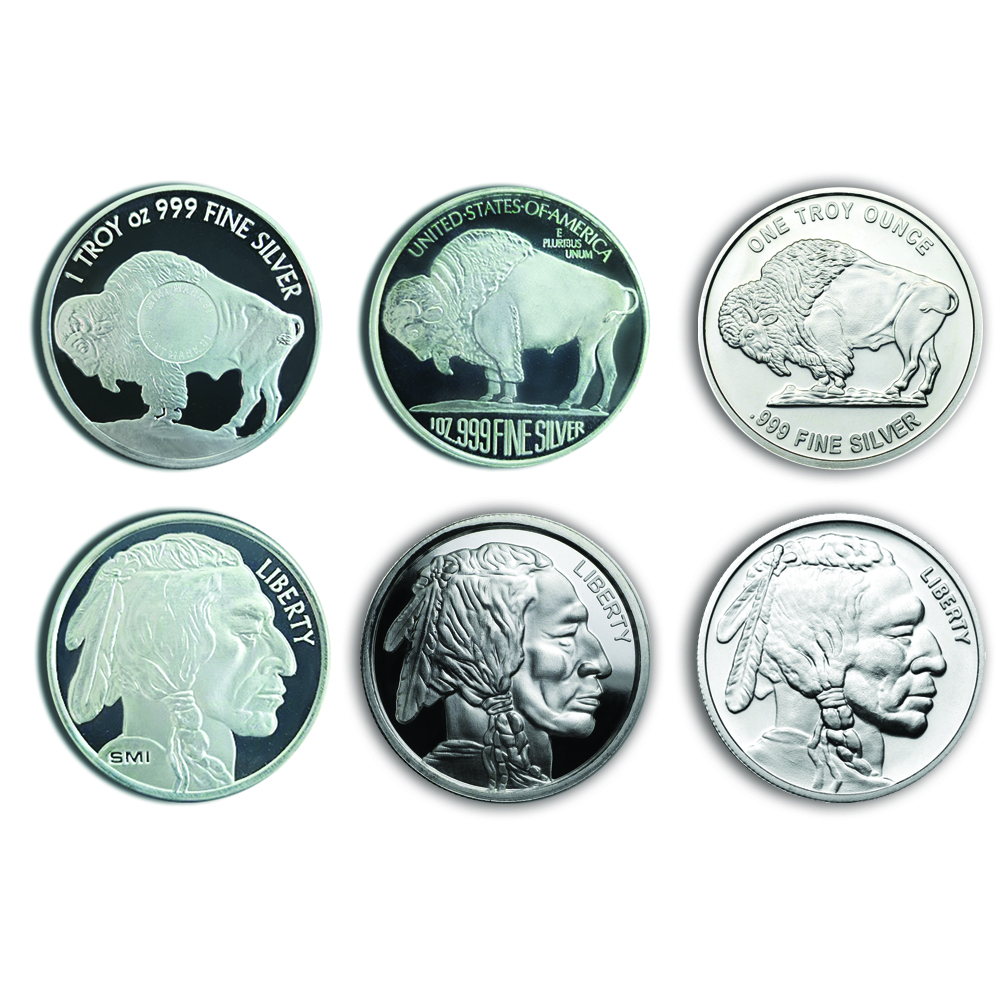
1 oz Silver Round – Buffalo Design
A private-mint one-ounce round; it is not a government coin.
View Current Price & Availability →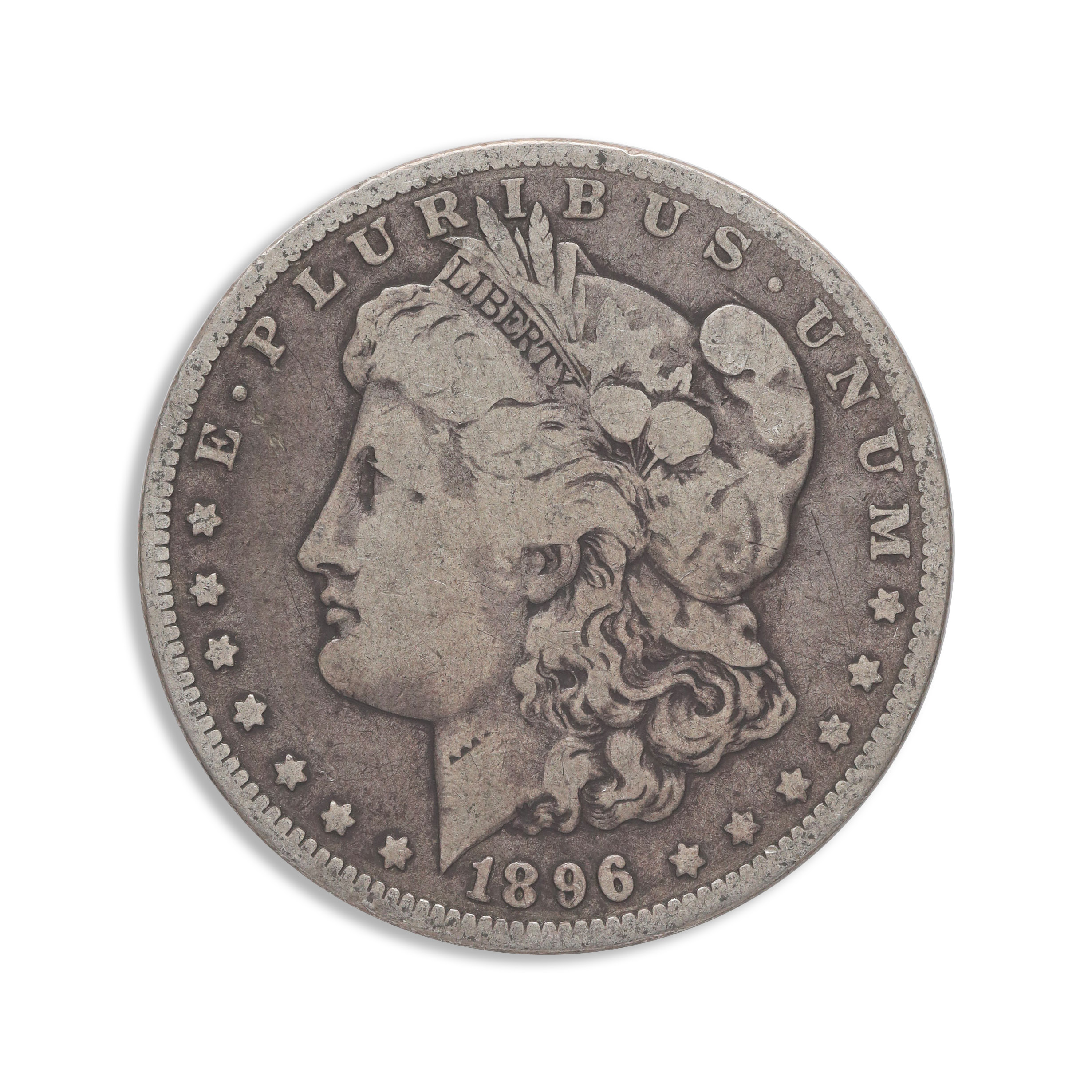
1878–1904 Morgan Silver Dollar – VG
A raw circulated pre-1921 Morgan offered with a dealer condition description.
View Current Price & Availability →Product links and images are supplied references. Confirm current specifications, stock, packaging, and checkout terms on each listing.
What to request from Agate
For a proposed Agate sale, ask for the current written quote and an explanation of product classification, inspection conditions, deductions, and settlement timing. Do not assume that a retail listing establishes a purchase commitment or a guaranteed buyback price.
For recordkeeping questions, see the guide to bullion buyback taxes and reporting. Confirm rules applicable to your circumstances separately from the dealer's commercial quote.
Frequently asked questions
What is a good bullion buyback percentage?
There is no single percentage that is good for every product. The comparison depends on the metal, fine content, product type, premium, market conditions, deductions, inspection terms, and payment timing. Compare the complete net offer for the exact item rather than relying on a universal percentage.
How do I compare two gold or silver dealer quotes?
Give both dealers the same inventory, photographs, quantity, condition notes, and questions. Confirm the spot reference, unit of measurement, product classification, price-lock period, deductions, inspection rules, payment timing, and estimated net proceeds.
Is a dealer's buyback price the same as melt value?
No. Melt value is an estimate based on fine-metal content and a spot-price reference. A dealer's buyback price is a bid that also reflects authentication, market risk, product demand, operating costs, and expected resale value.
Why did a dealer lower the quote after receiving my coins?
A quote may be revised if the item differs from the description, cannot be authenticated, has damage or cleaning, is missing expected packaging, or was priced under conditional terms. Ask for the reason, the revised calculation, your acceptance deadline, and the return-shipping terms.
Should I sell collectible coins for a bullion quote?
Not automatically. Scarce dates, proofs, graded coins, varieties, and original packaging may deserve a numismatic review. Ask whether the dealer is evaluating the item for collectible value or only for its metal content.
Should I accept the highest gross quote?
Not necessarily. Compare the final estimated net amount after shipping, insurance, testing, payment fees, possible reclassification, and timing. A slightly lower gross quote can produce a better net result if its terms are clearer and its deductions are lower.
Make the decision using comparable written terms
To compare a bullion dealer's buyback quote, begin with the same clearly identified inventory and then verify the spot reference, fine-metal calculation, product classification, premium treatment, deductions, price lock, inspection process, shipping risk, and payment terms. The most useful comparison is the net amount you can reasonably expect under written, comparable conditions.
Disclosure and Scope
Agate Precious Metals buys and sells physical precious-metal products and may benefit from transactions resulting from this article. This guide is general educational information, not individualized investment, financial, tax, legal, insurance, appraisal, grading, authentication, carrier, or shipping advice. Spot prices, dealer bids, premiums, buyer terms, carrier rules, testing procedures, and payment policies can change. Confirm the current written terms directly with the dealer and carrier before shipping metal or accepting an offer.