
Buying Gold and Silver the Smart Way: Straight Advice From a Buffalo Coin Dealer
How to Buy Gold and Silver Without the Hype: A Buffalo Coin Dealer's Guide
I’m Joe Agate, a working coin dealer in Buffalo. Every week, I talk with people buying their first Silver Eagle, comparing gold bars, sorting inherited coins, or trying to figure out whether the “limited-time opportunity” in front of them is actually a good deal.
My goal here is simple: show you how to understand premiums, recognize common counterfeit warning signs, and buy physical gold and silver without fear, pressure, or hype.
Precious metals are real products with real wholesale markets, production costs, and resale spreads. They are not magic. When you understand those moving parts, you can make a calmer purchase and know what questions to ask before money changes hands.
Joe’s rule: If a dealer cannot explain the price, the product, and the likely resale process in plain English, slow down. A good transaction should still make sense after the sales pitch ends.
Start With the Difference Between Spot and Retail
The spot price is the current wholesale benchmark for unfabricated precious metal, generally quoted per troy ounce. It is the starting point—not the price at which a finished coin or bar automatically appears in your hand.
A physical product must be refined, minted, tested, packaged, transported, insured, inventoried, and sold. The amount charged above its metal value is called the premium.
How to Calculate a Premium
Use this simple formula:
Premium in dollars = Retail price − Metal value
To compare products with different prices, calculate the percentage:
Premium percentage = (Retail price − Metal value) ÷ Metal value × 100
If a one-ounce silver product has $40 of silver value and sells for $45, the premium is $5, or 12.5%. This is only an example; spot prices and retail premiums can change throughout the trading day.
The U.S. Mint explains that bullion pricing typically reflects the market value of the metal plus a premium covering minting, distribution, and marketing. The Mint distributes its bullion coins through authorized purchasers, which then support a two-way wholesale market through dealers and other distributors.
What a Premium Actually Pays For
A reasonable premium may include:
- Refining and fabrication
- Government or private-mint production costs
- Wholesale distribution
- Shipping and insurance
- Testing and authentication
- Dealer operating expenses
- Inventory and market risk
- Current supply and demand
Premiums expand when demand jumps or inventory becomes difficult to replace. They can tighten when supply improves or retail demand slows. That is why two legitimate dealers may quote different prices on the same day—and why yesterday’s premium is not automatically today’s premium.
Compare Products by Purpose, Not Just Price
| Product Type | Typical Premium Level | Main Advantage | Main Tradeoff |
|---|---|---|---|
| Generic silver rounds and bars | Lower | More metal for each dollar spent | Less government-mint recognition |
| Sovereign bullion coins | Moderate | Broad recognition and strong resale familiarity | Usually costs more than generic bullion |
| One-ounce gold bars | Lower to moderate | Compact, efficient gold ownership | Packaging and refiner recognition matter |
| Fractional gold coins and bars | Higher per ounce | Lower purchase price and easier divisibility | More fabrication cost per ounce |
| Collectible or numismatic coins | Highly variable | Potential rarity, history, and collector appeal | Requires more knowledge and can have a wider resale spread |
There is no single product that is best for everyone. A stacker focused on maximum silver weight may prefer generic rounds. A buyer who values worldwide recognition may prefer American Eagles or Canadian Maple Leafs. A collector may knowingly pay more for rarity or condition.
The mistake is paying a collectible premium when you thought you were buying ordinary bullion.
Learn the Spread Before You Buy
The premium tells you what you pay above metal value. The spread tells you the gap between the dealer’s retail selling price and current buyback price.
Ask this before buying:
“If I needed to sell this back under today’s market conditions, approximately what would you pay?”
The answer can change with the market, but the dealer should be able to explain how buybacks generally work. A low retail price is less impressive if the product is difficult to resell. A slightly higher premium can sometimes make sense when the product has stronger recognition and a more competitive two-way market.
I tell customers to compare the entire round trip—not just the price shown on the day they buy.
How I Check Gold and Silver for Counterfeit Warning Signs
Counterfeits range from crude copies to sophisticated plated pieces. No single home test proves authenticity in every case. Good authentication layers several checks together and escalates to professional equipment when necessary.
1. Know the Correct Specifications
Before testing a coin or bar, identify what it is supposed to be. Confirm the official:
- Weight
- Diameter, length, and width
- Thickness
- Metal and fineness
- Edge style
- Design details
- Security features
A counterfeit may match the weight but miss the dimensions. Another may look correct but fail purity testing. Specifications give you a baseline for every other check.
2. Weigh and Measure It
Use a calibrated scale and quality calipers. Small manufacturing tolerances exist, but a meaningful difference in weight or dimensions deserves investigation.
Tungsten creates a special challenge with gold because its density is close to gold. That is one reason professional dealers do not rely on weight alone for higher-value pieces.
3. Use a Magnet Correctly
Gold and silver are not strongly magnetic. If a supposed solid-gold or solid-silver item sticks firmly to a magnet, that is a major warning sign.
But passing a magnet test does not prove an item is genuine. Many non-precious metals are also nonmagnetic. Think of the magnet as a quick rejection tool, not a final authentication method.
4. Inspect the Design and Surface
Compare the item with images and specifications from the issuing mint. Look closely at:
- Lettering shape and spacing
- Portrait details
- Reeded edges
- Mint marks and dates
- Frosted and mirrored surfaces
- Seams, plating bubbles, or discoloration
- Incorrect fonts or soft design details
Modern bullion coins may include advanced anti-counterfeiting features. The Royal Canadian Mint’s Bullion DNA program combines precision radial lines, micro-engraved security marks, and dealer authentication technology on supported products.
5. Use Instrument Testing When the Value Justifies It
Depending on the item, a professional dealer may use:
- Electronic conductivity or resistivity testing
- Ultrasonic testing
- X-ray fluorescence analysis
- Specific-gravity testing
- Sigma-type precious-metal verification
- Acid testing for suitable scrap or jewelry
Each method has strengths and limitations. The product’s shape, packaging, thickness, and value determine which combination makes sense.
6. Do Not Treat Packaging as Proof
Assay cards, capsules, slabs, labels, and certificates can also be copied. Packaging is useful, but it should support authentication—not replace it.
Buy the metal and the dealer’s accountability. Keep your invoice, product description, and any serial-number documentation.
How to Choose a Reputable Gold and Silver Dealer
The safest-looking website is not automatically the safest transaction. Whether you buy locally in Buffalo or online, evaluate the business behind the product.
Look for Transparent Information
A trustworthy listing should clearly identify:
- Exact metal weight
- Purity or fineness
- Mint or brand
- Condition
- Whether the year or design varies
- Current price or pricing method
- Shipping and insurance terms
- Return or cancellation policy
- Buyback options, if offered
The U.S. Mint’s bullion consumer-awareness guidance is a useful starting point for understanding its distribution model and approved Authorized Purchaser network.
Watch for Pressure and Fear-Based Selling
The biggest red flags are often in the sales process, not the coin.
Be cautious when someone:
- Guarantees profits or says prices can only rise
- Uses political fear or economic panic to force an immediate decision
- Claims an ordinary product is “rare” without market evidence
- Avoids stating the premium in dollars and percentage terms
- Pushes a large retirement rollover without clearly disclosing fees
- Refuses to discuss the current buyback value
- Wants payment sent to an unrelated person or entity
- Contacts you through an unsolicited high-pressure call or message
The Commodity Futures Trading Commission warns that precious-metals prices can fluctuate and that dishonest sellers may overstate safety, inflate product prices, or hide fees and commissions. The CFTC also cautions against claims that gold is guaranteed to be safe or destined to produce large returns.
I sell metals, but I will still tell you this: gold and silver can decline. Premiums can contract. A customer who may need the money next month should think differently from someone building a long-term physical-metal position.
A No-Hype Buying Plan for Beginners
You do not need a complicated strategy to make a sensible first purchase.
Step 1: Decide What Job the Metal Must Do
Ask yourself what matters most:
- Maximum metal weight: Consider lower-premium generic rounds or bars.
- Broad recognition: Consider major sovereign bullion coins.
- Compact value: Gold stores more value in less space than silver.
- Divisibility: Smaller coins and bars are easier to sell in pieces, but often cost more per ounce.
- Collecting: Buy numismatic products because you understand and want the collectible—not because someone promises guaranteed appreciation.
Step 2: Set a Budget You Can Leave Alone
Do not use rent money, emergency savings, or high-interest debt to chase a metals move. Physical bullion is better approached with money you can leave committed without being forced to sell during an unfavorable market.
Step 3: Compare Equivalent Products
Compare one-ounce silver coins with other one-ounce silver coins. Compare one-ounce gold bars from recognized refiners with similar bars. Do not compare a generic round directly with a limited-mintage proof and conclude that one dealer is simply more expensive—the products serve different markets.
Step 4: Ask for the Full Delivered Cost
Include:
- Product price
- Payment-method surcharge
- Shipping
- Insurance
- Sales tax, where applicable
- Storage or IRA fees, if relevant
The number that matters is the total amount paid to receive and own the product.
Step 5: Start With Recognizable Products
For many first-time buyers, the simplest choices are widely traded one-ounce silver coins or rounds and recognized gold coins or bars. Familiar products are easier to compare across dealers and generally easier to present for resale.
Step 6: Keep Records and Store Metal Securely
Save invoices, photographs, serial numbers, and packaging. Decide in advance whether you will use a home safe, bank safe-deposit box, insured vault, or qualified custodian. Never advertise where you store physical metal.
What I Would Ask Before Buying Any Bullion Product
These questions cut through most sales noise:
- What is the exact weight and purity?
- What is the current metal value?
- What is the premium in dollars and as a percentage?
- Why does this product cost more or less than the alternatives?
- Is the item bullion, semi-numismatic, or collectible?
- How was it authenticated?
- What is the complete delivered price?
- What would the dealer’s approximate buyback price be today?
- What are the return, cancellation, and shipping policies?
- Will I receive an itemized invoice?
If the answers are clear, you can make an informed decision. If the answers become evasive or emotional, walk away.
My Straight Answer on Gold Versus Silver
Customers often ask me which metal is “better.” My answer depends on the buyer.
Gold is compact and efficient for storing substantial value. Silver offers a lower entry price and more divisibility, but it takes considerably more space for the same dollar amount. Gold products often carry lower percentage premiums than comparable small silver products, while silver can be easier to accumulate gradually.
Many buyers choose both. The right mix depends on budget, storage, liquidity needs, and personal preference—not on a social-media prediction.
Shop Recognizable Gold and Silver Bullion
When you are ready to compare physical products, start with clear weights, stated purity, recognizable mints or refiners, and transparent pricing. Agate Precious Metals offers sovereign coins, fractional gold, and investment-grade bars and rounds for buyers at different budget levels.
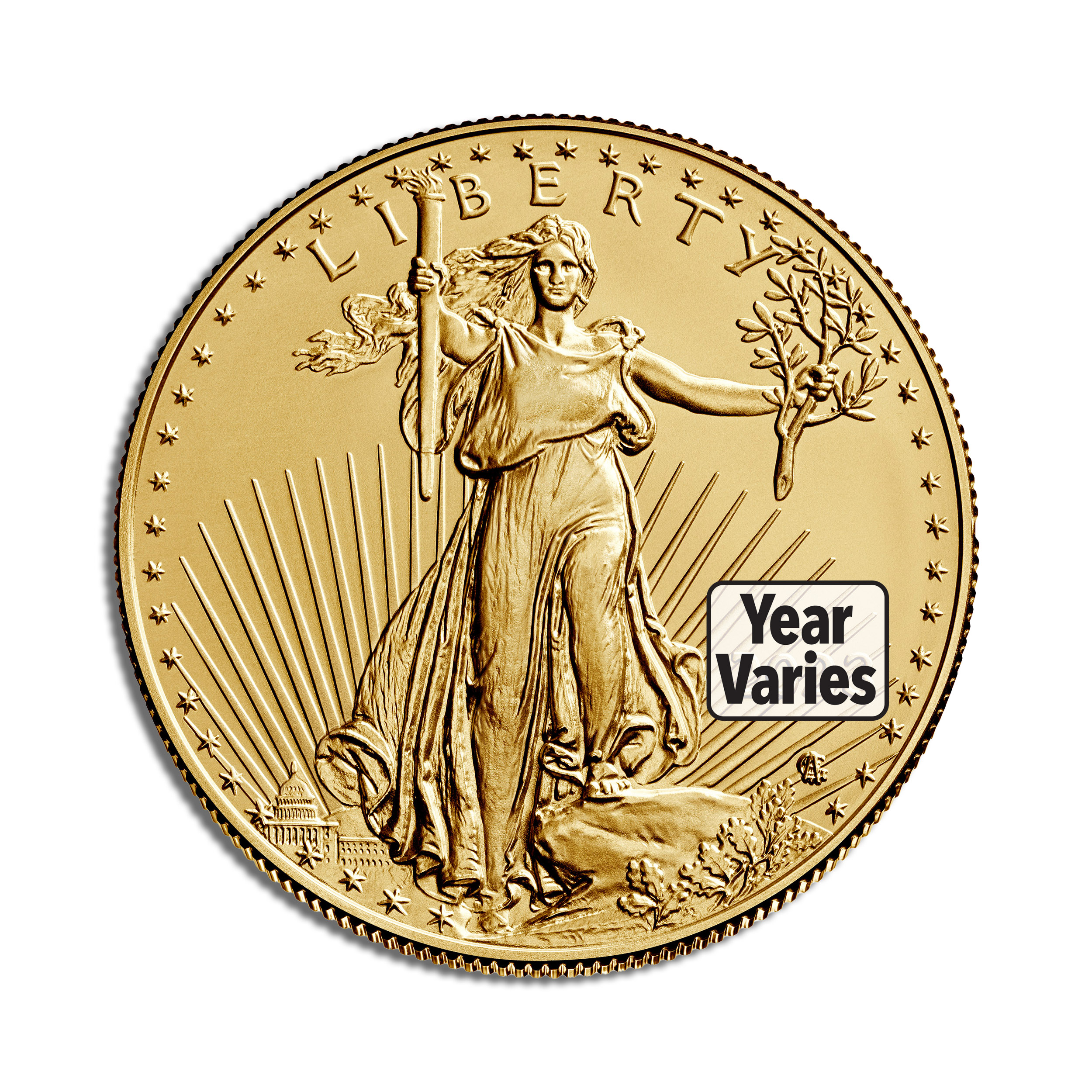
1 oz Gold Eagle – BU
A highly recognizable year-varies American Gold Eagle bullion coin.
View Current Price & Availability →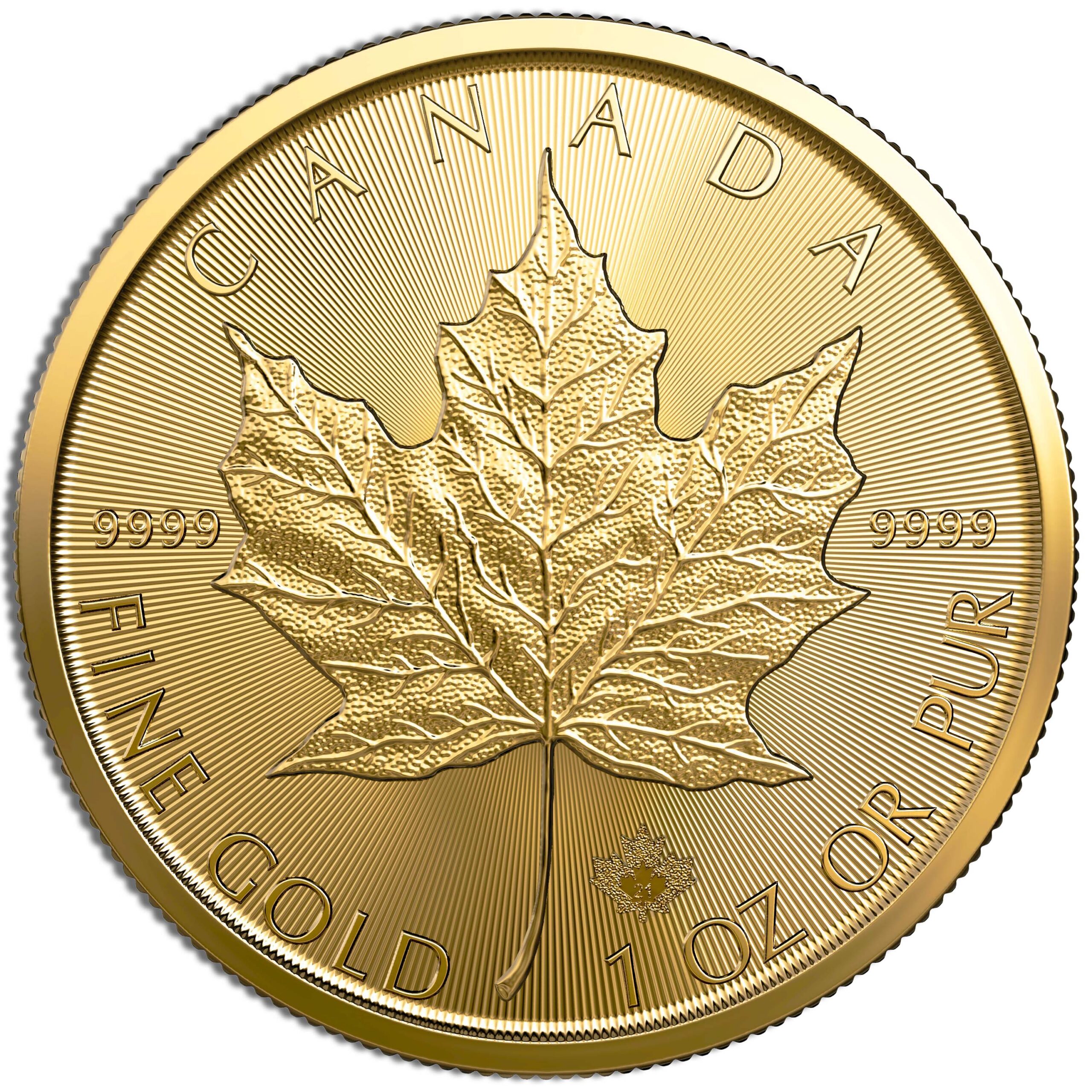
1 oz Gold Maple Leaf
A year-varies Canadian sovereign coin struck in .9999 fine gold.
View Current Price & Availability →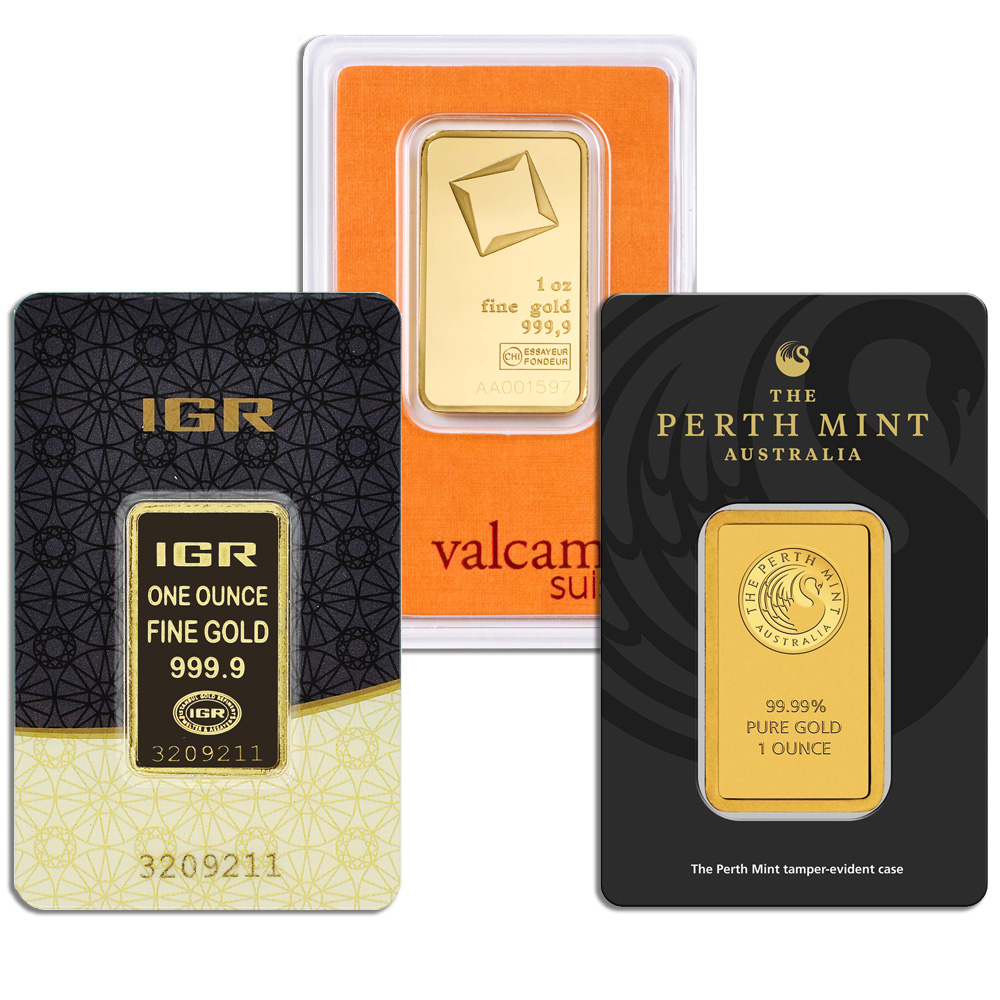
1 oz Gold Bar – Carded
A .9999 fine one-ounce gold bar from a recognized producer.
View Current Price & Availability →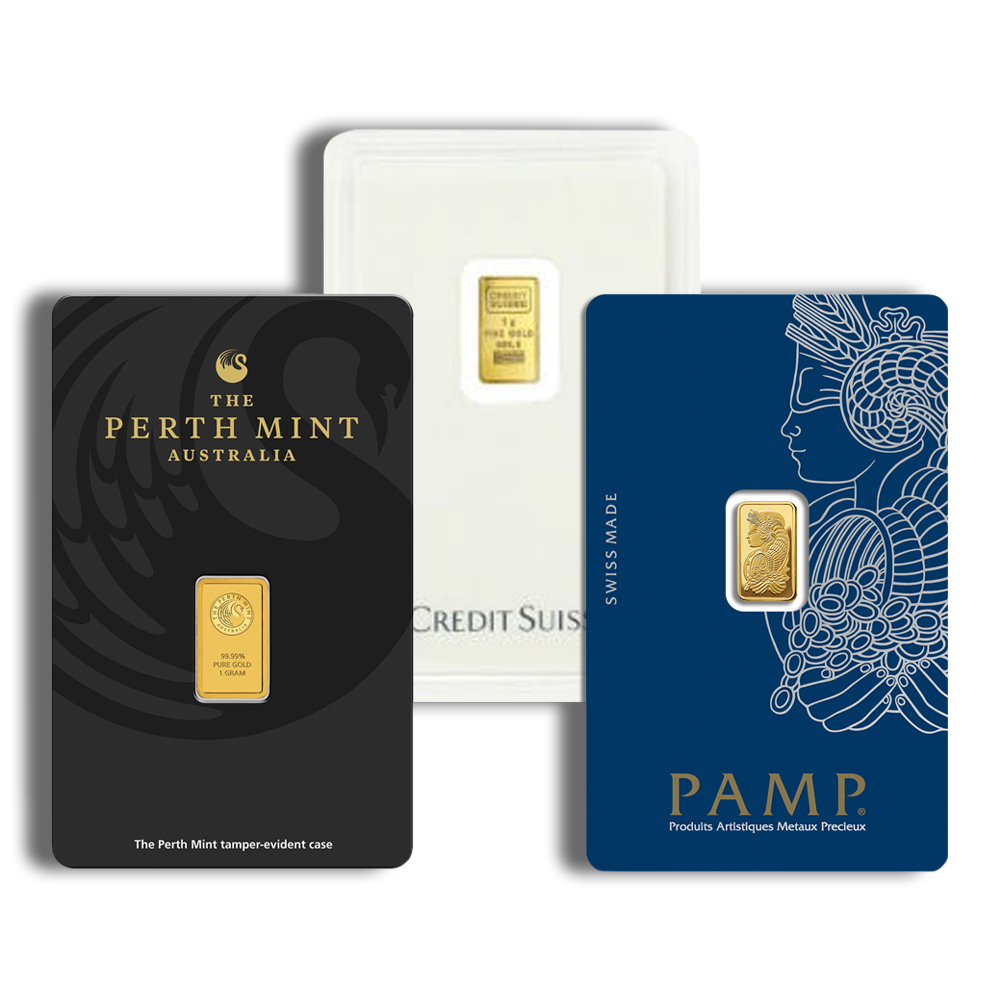
1 gram Gold Bar – Carded
A compact fractional gold bar sealed in a protective assay card.
View Current Price & Availability →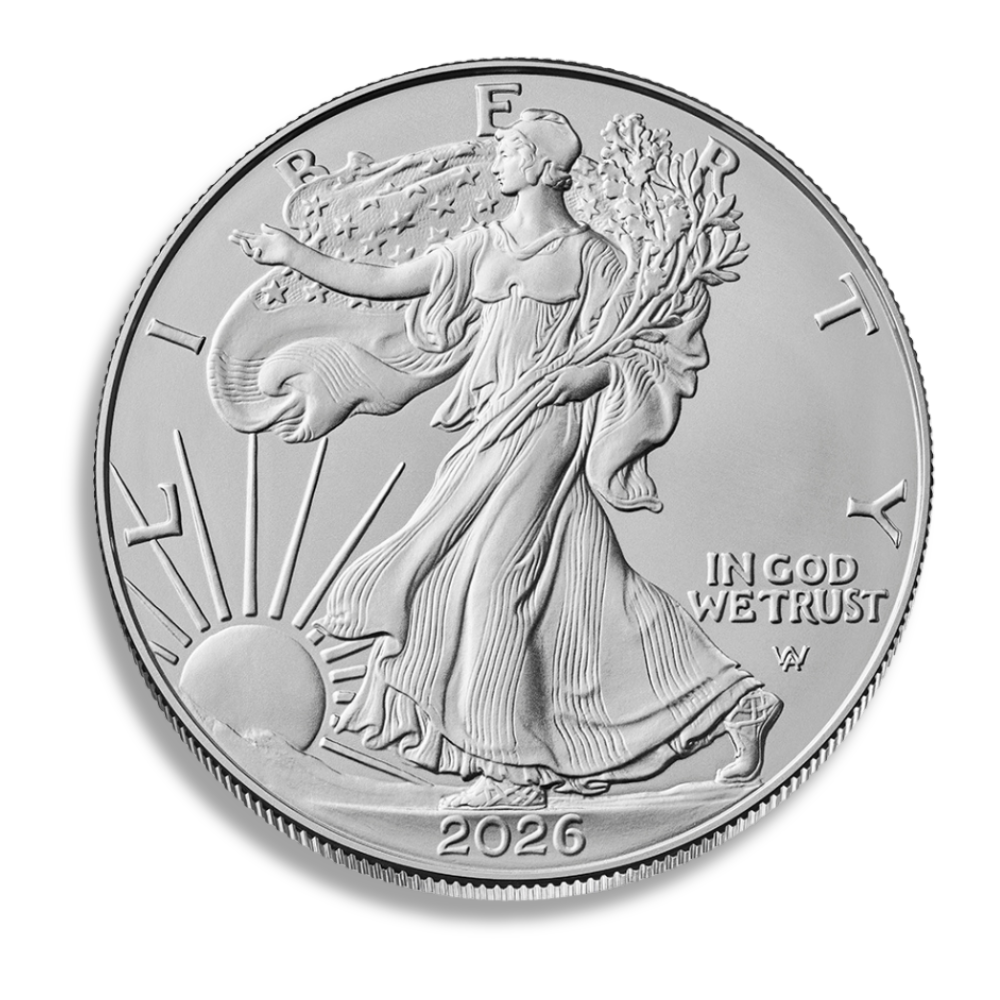
2026 Silver American Eagle
A current-year one-ounce American silver bullion coin.
View Current Price & Availability →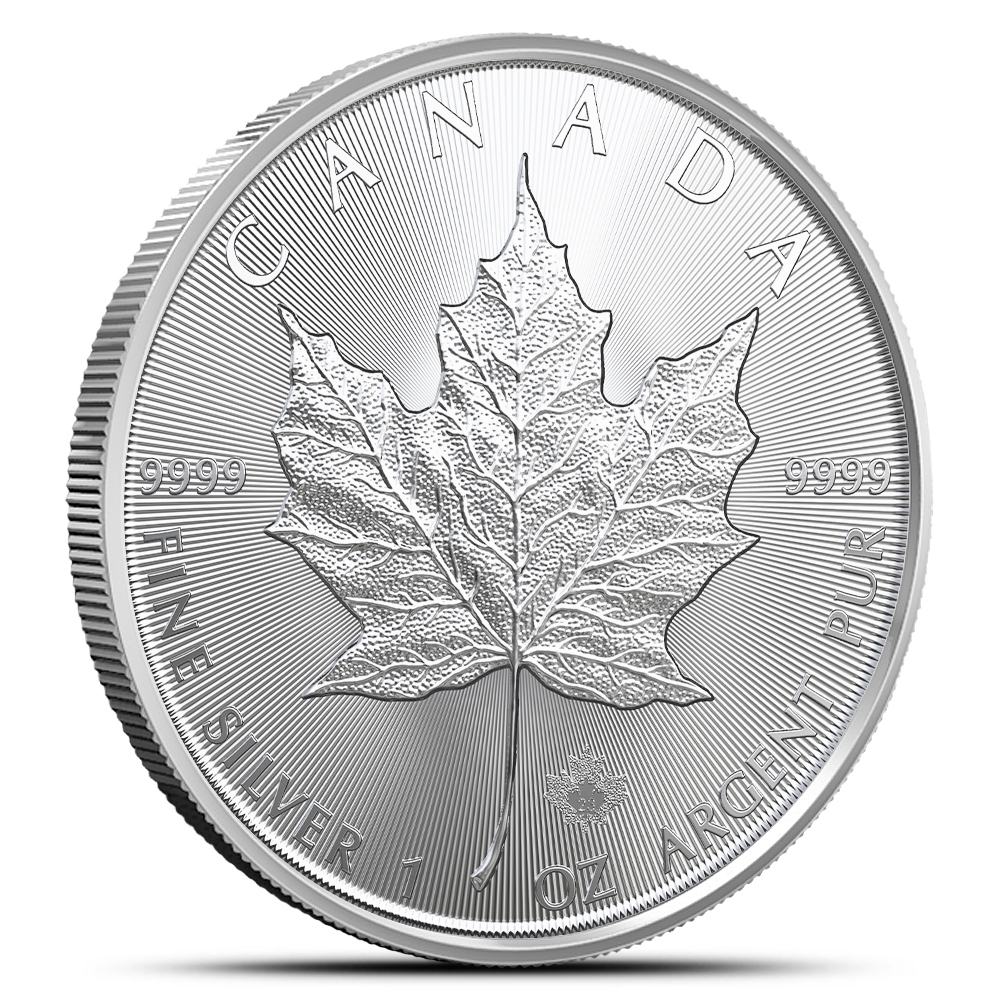
2026 1 oz Silver Maple Leaf
A current-year Canadian bullion coin struck in .9999 fine silver.
View Current Price & Availability →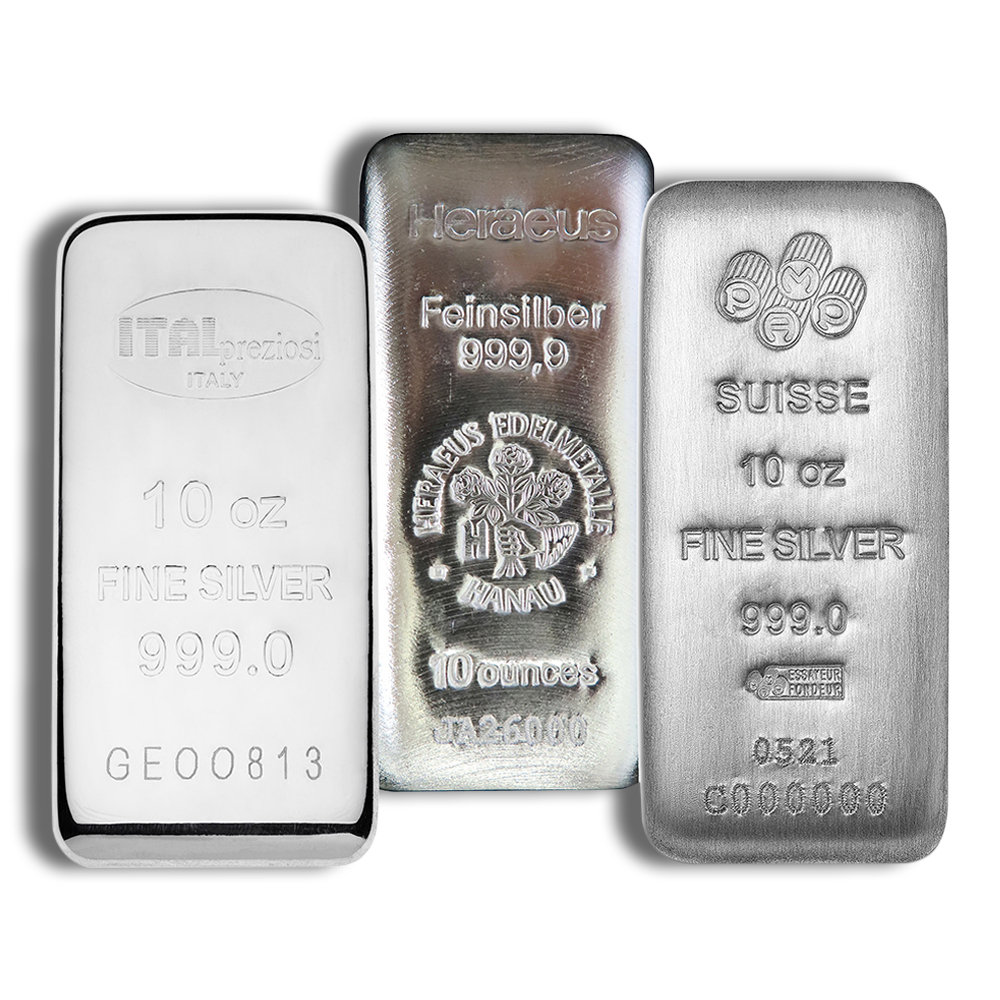
10 oz Silver Bar
An IRA-eligible silver bar offering efficient weight and storage.
View Current Price & Availability →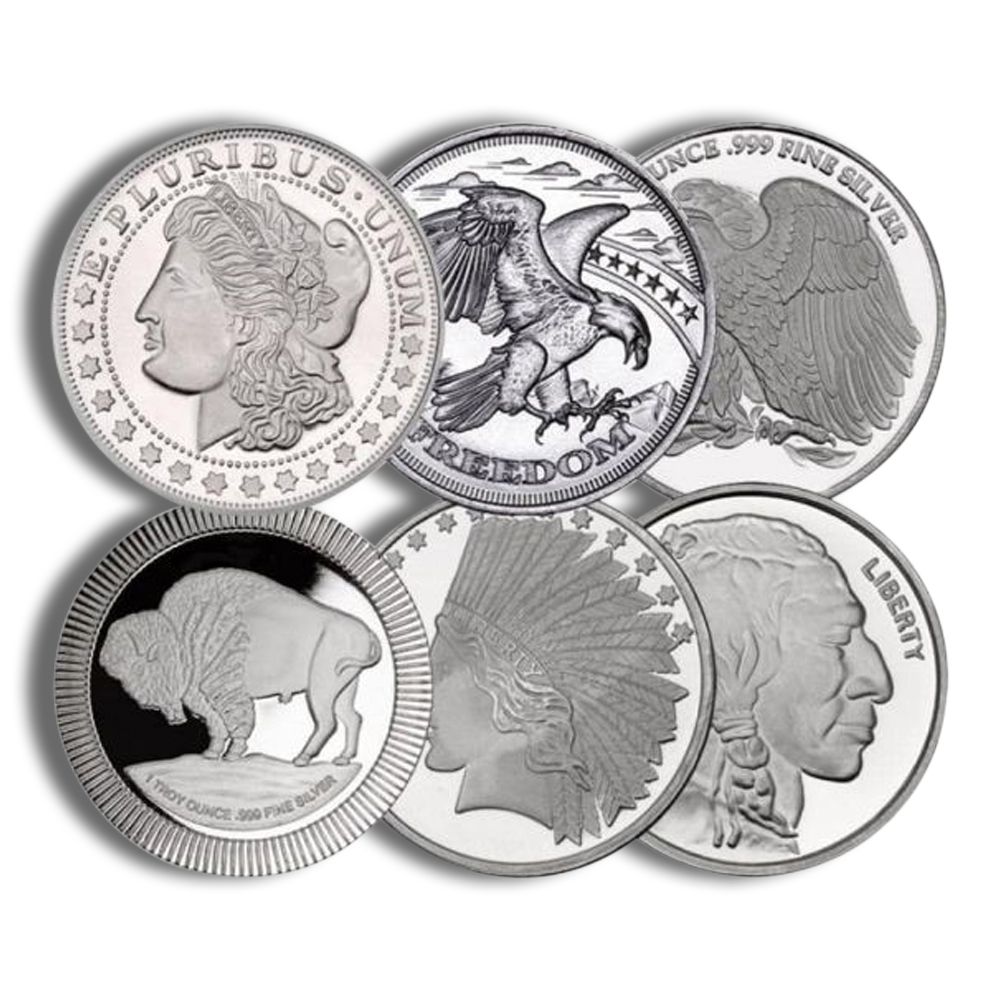
1 oz Silver Round
An IRA-eligible .999 silver round with a design that varies.
View Current Price & Availability →Product availability and pricing can change with inventory and precious-metal markets. Follow each product link for current information.
Frequently Asked Questions
What is a normal premium on gold or silver?
There is no permanent normal rate. Premiums vary by product, mint, size, supply, demand, payment method, and dealer inventory. Compare the premium in both dollars and percentage terms, then ask about the current resale spread.
Is the lowest-premium bullion always the best purchase?
Not necessarily. A lower premium can mean more metal for your money, but recognition, condition, market demand, and dealer buyback liquidity also matter. Compare the product’s entire ownership and resale path.
Can a magnet prove that gold or silver is real?
No. Strong magnetic attraction is a warning sign, but many counterfeit metals are nonmagnetic. Authentication should combine specifications, weight, dimensions, visual inspection, and appropriate professional testing.
Are government-minted coins impossible to counterfeit?
No. Popular sovereign coins are counterfeited, although modern security features can make accurate copying more difficult. Buy from an accountable source and verify high-value items using multiple testing methods.
Should beginners buy collectible coins?
Beginners should first understand the difference between bullion value and collector value. Collectible coins can be rewarding, but grading, rarity, condition, and market demand require additional knowledge. Never pay a large collectible premium based only on a promise of future appreciation.
Is physical gold or silver guaranteed to increase in value?
No. Precious-metal prices and retail premiums can rise or fall. Physical bullion may play a role in a broader plan, but it should not be sold as a guaranteed profit or a risk-free substitute for diversified financial planning.
Buy With Clarity, Not Fear
After years of talking with buyers across the counter and online, I have learned that the strongest customers are not the ones chasing every headline. They know what they own, understand what they paid, keep good records, and have a realistic plan for resale.
That is how I want people to buy from Agate Precious Metals: with clear information and no pressure.
Understand the spot price. Calculate the premium. Ask about the spread. Verify the product. Keep your records. And if the deal only works when someone makes you afraid to miss it, it is probably time to step back.
This article provides general educational information and does not constitute individualized investment, tax, or legal advice. Precious-metal prices and premiums fluctuate, and past performance does not guarantee future results.
Explore the complete precious-metals selection at Agate Precious Metals.