
Gold and Silver Prices Explained: Spot Prices, Premiums, and Market Value
Gold and Silver Prices Explained: Spot, Melt, and Premiums
Spot price is a metal-market reference, melt value estimates the precious metal inside an item, and retail price is the seller’s asking price for the product. A dealer bid is a separate purchase offer. Comparing these figures requires the same fine-metal weight, currency, timestamp, and transaction assumptions.
Understanding these terms makes it easier to compare gold coins, silver bars, fractional gold, and other bullion products. It also helps explain why the price on a chart differs from a checkout total or the amount a dealer offers when you sell.
Spot Price, Melt Value, Retail Price, and Dealer Bid
| Term | What it means | What it does not establish |
|---|---|---|
| Spot price | A market reference for a specified precious metal, currency, and observation time. | The delivered price of a particular coin or bar. |
| Melt value | Fine-metal quantity multiplied by a reference price. | Collector value or guaranteed sale proceeds. |
| Retail price or ask | The seller’s asking price for an identified product. | The amount a dealer will pay to buy that item. |
| Dealer bid | An offer to purchase an item under stated conditions. | An unconditional offer for every similar product. |
| Premium | The amount a product’s price exceeds its reference metal value. | A premium you will necessarily recover when selling. |
| Market value | An estimate of value within a defined market and date. | One universal price for every buyer and transaction. |
What Does Price per Ounce Mean?
Precious-metal prices commonly use the troy ounce, which equals approximately 31.1035 grams. An ordinary ounce is approximately 28.3495 grams. Using the wrong ounce changes the calculation.
Also distinguish gross weight from fine-metal content. Gross weight includes the entire item, while fine-metal content measures the amount of the specified precious metal. An alloyed gold coin can weigh more than one troy ounce while containing one fine troy ounce of gold.
Check the exact product specification before multiplying weight by a price. For silver-specific units and quote timing, use Agate’s silver price-per-ounce guide.
Calculate Fine-Metal Value First
When starting with gross grams, use:
Exclude gemstones and other components that do not contain the metal being valued. Different alloys should be identified and calculated separately.
If the specification already states that a product contains one fine troy ounce, use that ounce directly. Multiplying its stated fine content by fineness again would understate the metal quantity.
For karat examples, see the gold melt-value guide for 10K, 14K, 18K, and 24K. For older U.S. silver coins, use the silver coin melt-value chart and formula.
How to Calculate a Gold or Silver Premium
The product premium compares the asking price with the item’s reference metal value:
In a hypothetical example, a one-fine-ounce silver product offered at $44 against a $40 metal reference carries a $4 premium, or 10%. A $6 delivery charge on a one-item order raises the delivered cost to $50 before any other charges.
Manufacturing, distribution, packaging, product demand, and seller margin can all affect an asking price. The premium is a price difference; it is not a direct measurement of dealer profit.
All figures in these examples are illustrative and are not current Agate prices or quotes.
Compare the Dealer Bid with Your Complete Cost
If the hypothetical $50 delivered item has a same-time $39 buyback bid, the difference is $11, or 22% of the delivered purchase cost. This comparison describes those two quotes. It does not establish a future sale price.
Future proceeds depend on the future bid for your exact item, its condition, and any deductions. A change in spot price alone does not determine your return.
The CFTC precious-metals buyer checklist encourages buyers to examine costs and resale terms. Ask what remains subject to authentication and whether shipping, testing, or other charges reduce the final payment.
Why Equal-Weight Products Can Have Different Prices
Two products containing the same fine-metal weight can have different retail prices. The mint or refiner, finish, date, condition, packaging, scarcity, and current demand can affect the premium.
A proof coin and an ordinary bullion coin are different products. A named-refiner bar and a brand-varies listing also make different promises about what will be delivered. Compare equivalent products before deciding that one offer is expensive or inexpensive.
For a physical-format comparison, read gold bars versus coins.
Use the Right Comparison for Your Goal
| Your goal | What to compare |
|---|---|
| Acquire metal weight | Delivered dollars per fine ounce for equivalent products. |
| Collect a scarce issue | Authenticated date, grade, surfaces, and comparable completed sales. |
| Sell an existing holding | Net bids for the same lot within a comparable quote window. |
| Follow the market | A consistent quote source, currency, unit, and observation time. |
The precious-metals price-chart guide explains how to compare chart sources. Keep a transaction record showing quantity, reference time, payment method, fees, and quote expiration.
Compare Gold and Silver Products
Use these product listings to compare physical formats with a metal-price reference. Images may be representative. Open each page for current specifications, condition, packaging, availability, and pricing.
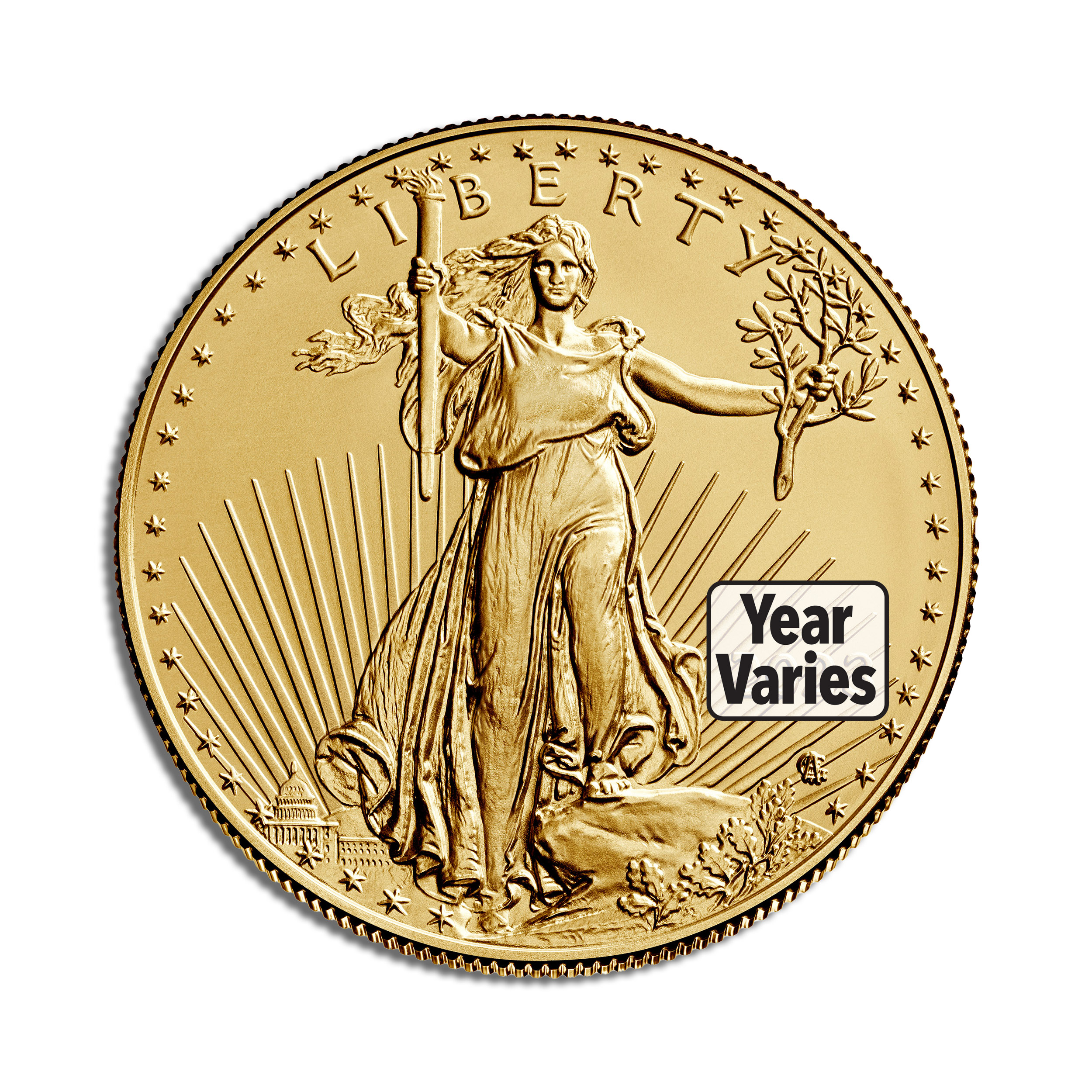 Gold coin
1 oz Gold Eagle – BU (Year Varies)
Review the year-varies and condition terms when comparing this bullion coin.
View Current Price & Availability →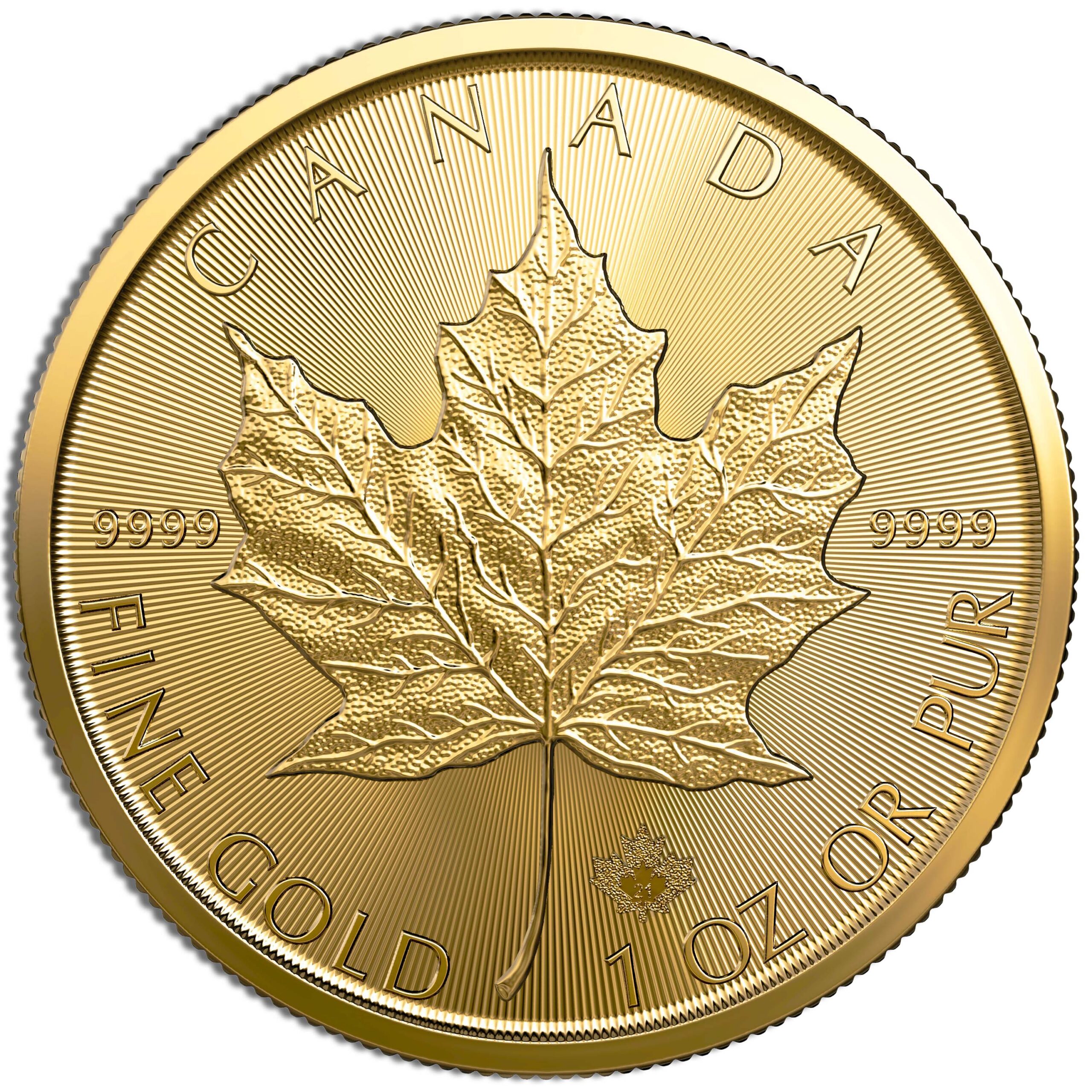 Gold coin
1 oz .9999 Gold Maple Leaf (Year Varies)
Compare the current product premium and the exact listing specifications.
View Current Price & Availability →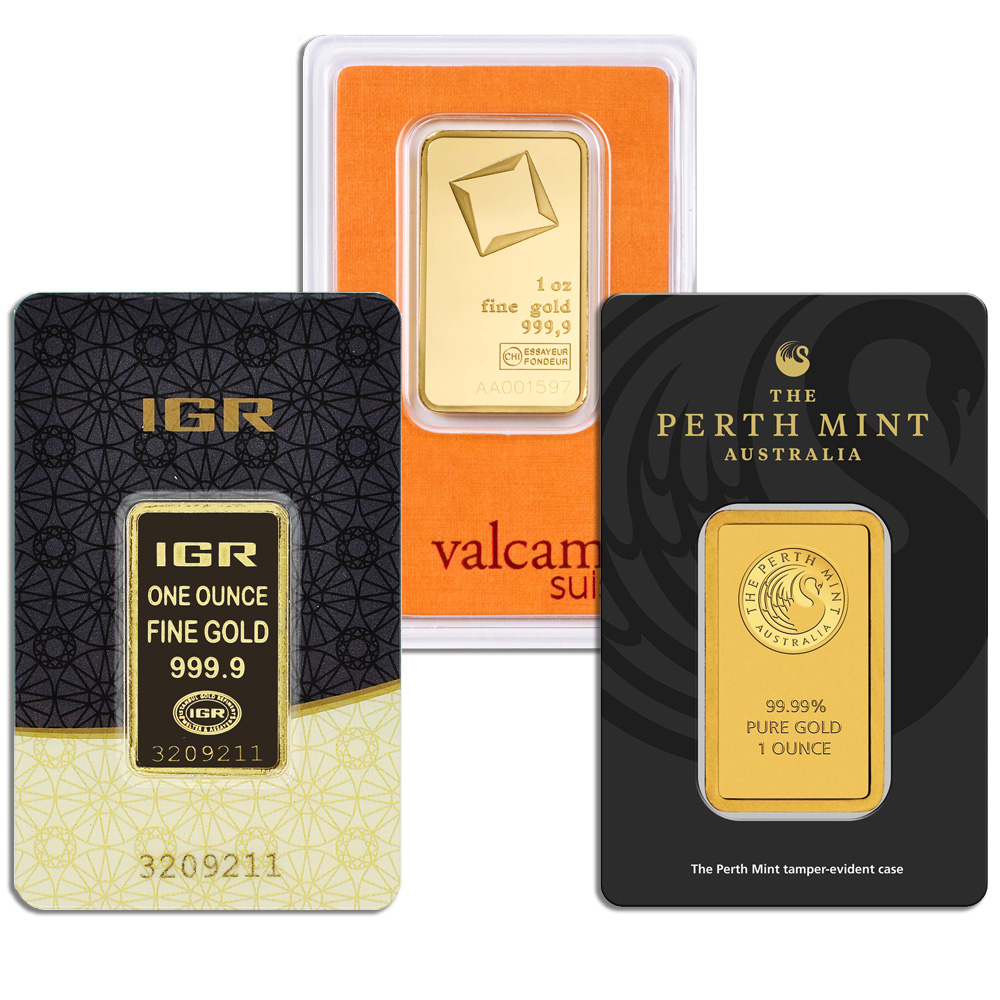 Gold bar
1 oz Gold Bar – Brand Varies .9999 (Carded)
Review the brand-varies fulfillment and carded-packaging terms.
View Current Price & Availability →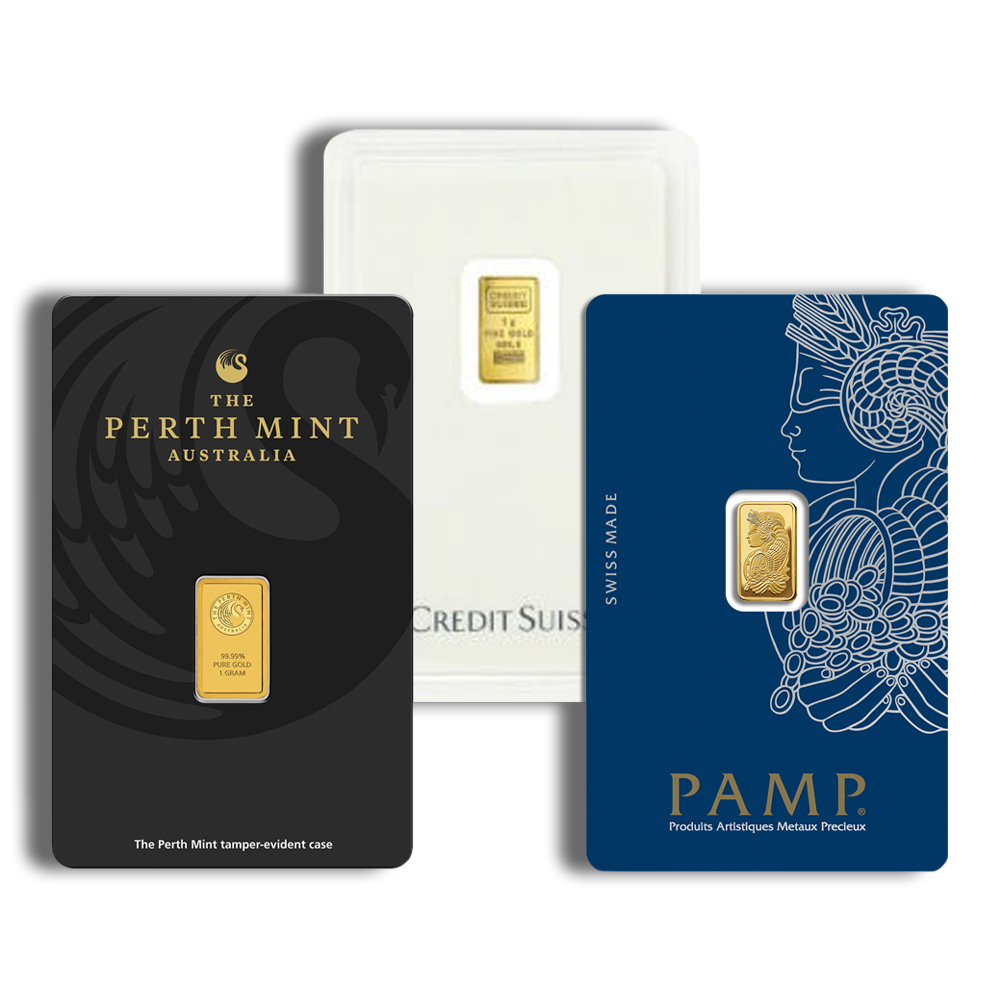 Fractional gold
1 gram Gold Bar – Brand Varies (Carded)
Compare its complete cost per gram with other gold-bar sizes.
View Current Price & Availability →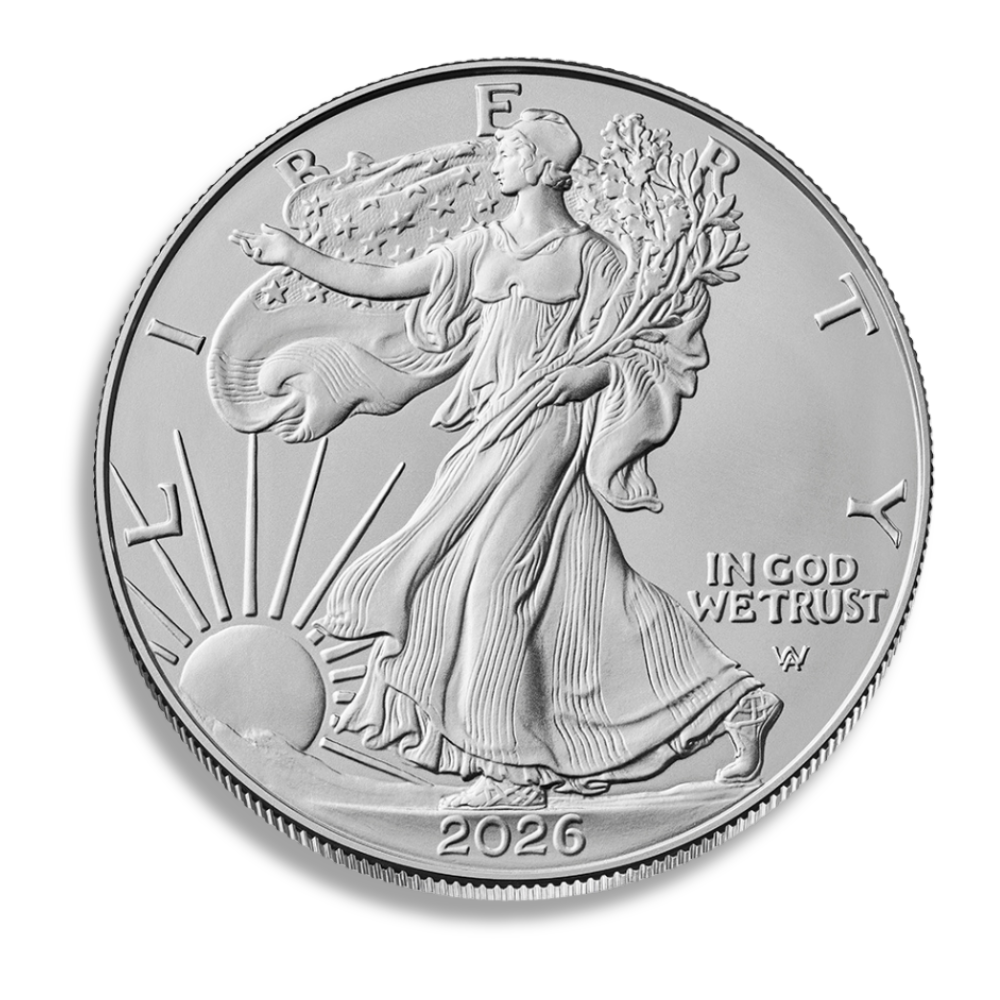 Silver coin
2026 Silver American Eagle – BU
Compare the dated issue’s premium with other one-ounce silver products.
View Current Price & Availability →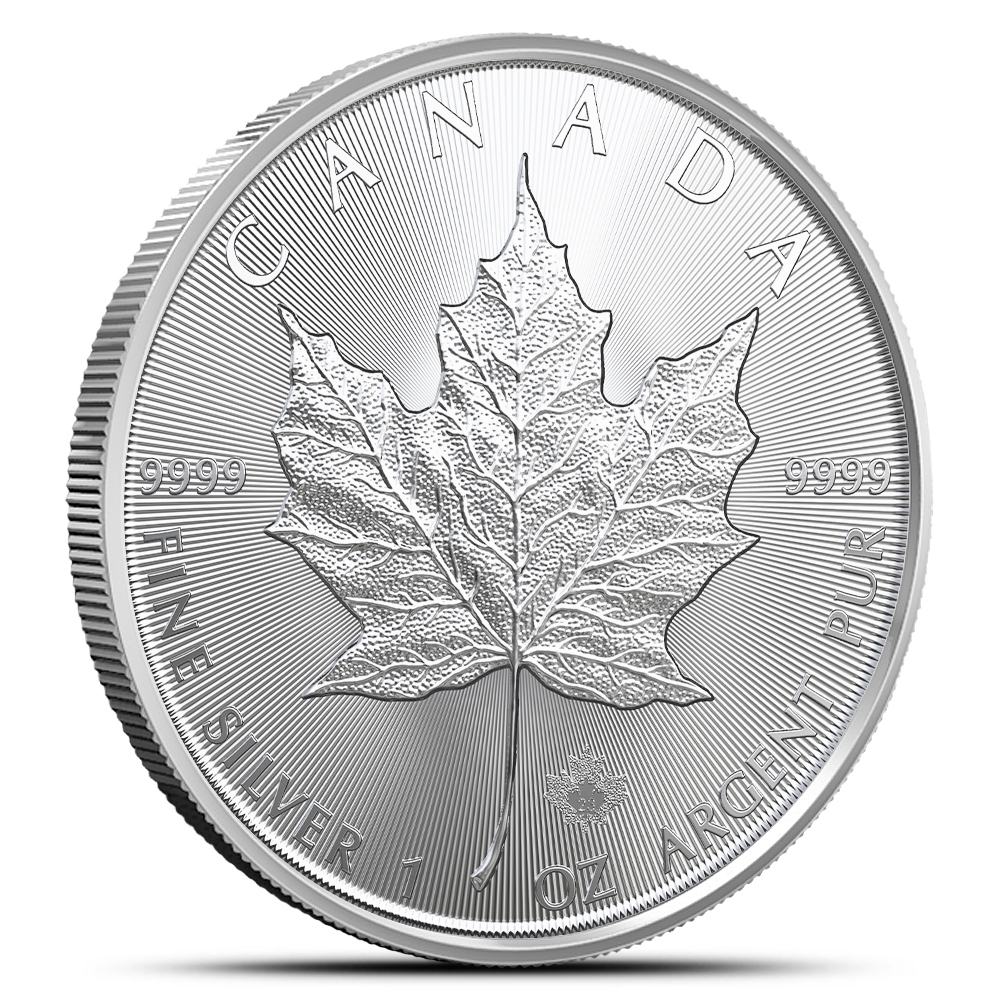 Silver coin
2026 1 oz Canadian Silver Maple Leaf
Review the product details and compare equivalent quantities at checkout.
View Current Price & Availability →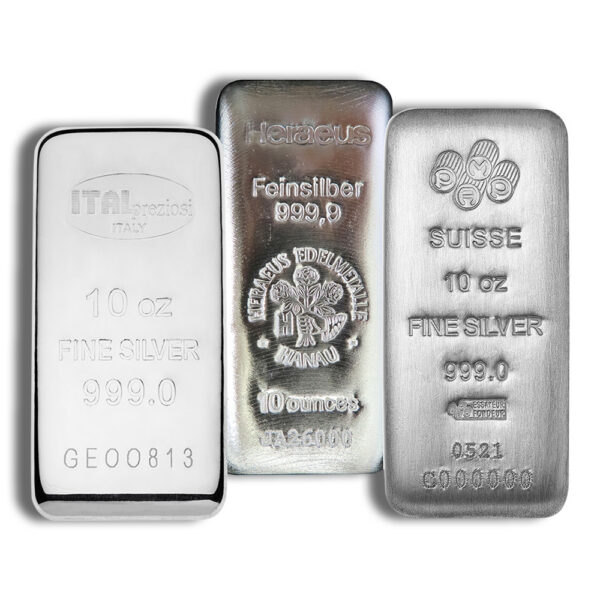 Silver bar
10 oz Silver Bar – Brand Varies
Compare the delivered price per fine ounce with smaller silver formats.
View Current Price & Availability →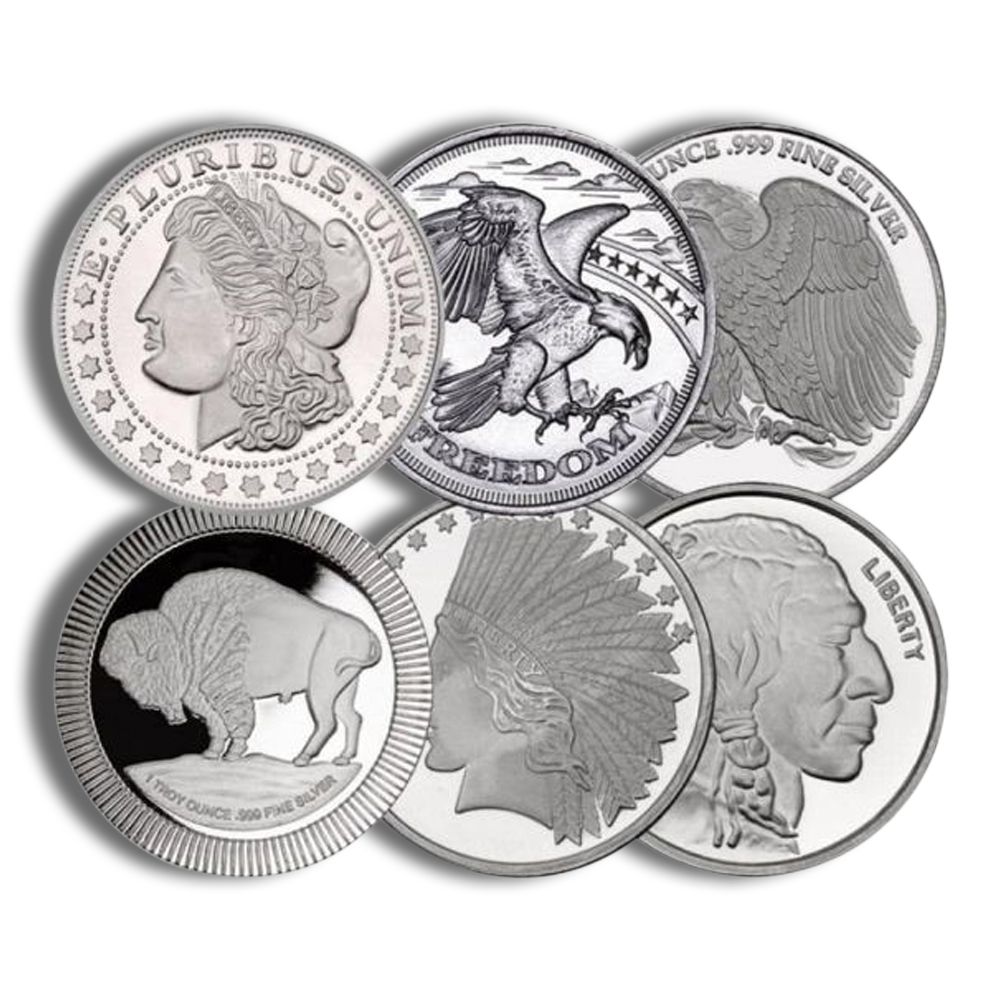 Silver round
1 oz Silver Round – Design Varies
Review the design-varies terms and current price for your quantity.
View Current Price & Availability →Product prices and availability can change. Retail listings are not buyback offers or guarantees of retirement-account eligibility.
Frequently Asked Questions
Is melt value what a dealer pays?
Not necessarily. Product demand, verification costs, transaction fees, and the dealer’s resale market can change the bid. Request a quote for the exact item and quantity.
Is a bullion premium the dealer’s profit?
No. The premium can include manufacturing, distribution, packaging, and other costs as well as margin.
Why do equal-weight coins cost different amounts?
Their mint, finish, condition, scarcity, packaging, and demand may differ. Confirm equal fine-metal content and comparable product terms before comparing prices.
Does higher purity always mean higher value?
No. Fine-metal quantity and collector factors also matter. An alloyed coin can contain the same amount of gold as a higher-purity bar while having a different gross weight.
What does price per ounce mean?
Confirm whether the quoted unit is a fine troy ounce, a gross troy ounce, or another unit. Precious-metal references commonly use fine troy ounces.
Will I recover the premium when I sell?
There is no guarantee. The resale premium or discount depends on the exact product, condition, buyer demand, and market at the time of sale.
Sources and Review Information
Research review: . Examples are illustrative and do not represent current prices or dealer quotes. Product specifications and transaction terms can change.