
Can You Buy Gold Bars From a Bank in the United States?
Educational guide for physical precious-metal buyers. Product availability, premiums, carrier rules, and market conditions can change.
Yes, a U.S. bank can sometimes facilitate access to physical gold, but most ordinary retail branches do not keep gold bars at the teller counter. Availability varies by institution, location, account relationship, and service model. A bank may offer safe-deposit storage, brokerage exposure, or a referral without selling take-home bullion. Call the specific bank first, then compare its complete price and delivery process with a dedicated bullion dealer.
What to Ask the Bank Before Visiting
- Do you sell physical gold that the customer takes possession of?
- Which bar brands, weights, and purities are available?
- Is the quoted price live, and what premium or service fee is included?
- Is the metal held at the branch, ordered for pickup, or stored through a third party?
- Will I receive an itemized invoice and serial-number documentation?
- Does the bank buy the bar back, and how is the buyback price calculated?
Why Most Bank Branches Do Not Stock Gold Bars
Physical bullion is a specialized inventory business. The seller must source metal, update prices as spot moves, secure high-value inventory, test incoming bars, insure transportation, and maintain a resale channel. Most U.S. retail branches are structured around deposits, loans, payments, and other banking services—not a live precious-metals counter.
That does not mean banks are absent from the gold market. Financial institutions participate in wholesale metals, custody, financing, and investment products. Those services are different from selling a one-ounce bar to a walk-in consumer.
Three Different Things a Bank May Mean by “Gold”
| Bank Offering | What You Own | Do You Take Home a Bar? |
|---|---|---|
| Physical bullion purchase | A specifically identified coin or bar | Sometimes, depending on the program |
| Brokerage or fund product | A security or account interest with gold exposure | No |
| Safe-deposit box or custody | You store metal you already own, subject to the agreement | The bank is providing storage, not necessarily selling the metal |
Ask who owns the actual metal, whether it is allocated to you, whether you can withdraw it, and which written agreement controls. “Gold exposure” and “physical gold in hand” are not interchangeable.
How Dedicated Bullion Dealers Differ
A bullion dealer is built around physical products. Inventory may include recognized refinery bars, sovereign coins, fractional sizes, and secondary-market items. Pricing is commonly tied to spot plus a product premium, and a dealer may maintain an active buyback market.
The U.S. Mint’s bullion distribution model illustrates this specialization: it does not sell ordinary American Eagle bullion coins directly to the public. It distributes them through authorized purchasers, and the products then move through wholesalers and dealers.
Bank vs. Bullion Dealer Comparison
| Factor | Bank | Dedicated Bullion Dealer |
|---|---|---|
| Physical inventory | Often limited or unavailable at branches | Core business function |
| Product selection | May be narrow | Often includes multiple brands, weights, coins, and bars |
| Pricing | May include service or relationship fees | Usually quoted as spot plus product premium |
| Authentication | Depends on the program and provider | Dealer should explain sourcing and testing |
| Buyback | May not be offered | Often available, subject to testing and market conditions |
| Storage | May offer safe-deposit or custody services | Some dealers coordinate vault or custodian options; many ship directly |
Questions About Price and Premium
Whether the seller is a bank or dealer, ask for:
- The spot price and timestamp used
- The fine-gold content
- The premium in dollars and percentage
- Any account, handling, delivery, custody, or payment fees
- The complete cost to take possession
- The current buyback price
A familiar bank logo does not automatically mean the price is competitive. Likewise, a dealer’s lower headline price is incomplete if shipping, payment fees, or a wide buyback spread are hidden.
Can a Bank Authenticate a Gold Bar?
Do not assume every branch has precious-metal testing equipment or trained bullion staff. If the bank sells through a third-party program, ask who sourced and authenticated the product. If you bring your own bar for storage, determine whether the institution inspects the contents or merely rents a box.
For a retail bar, verify weight, fineness, refiner, serial number where applicable, packaging condition, and professional test results. Our gold bar safety checklist applies regardless of the seller’s industry.
What About a Safe-Deposit Box?
A safe-deposit box can provide physical security, but it is governed by a rental agreement. Ask about access hours, authorized users, documentation, insurance, and what happens if fees are unpaid. Do not assume the contents receive the same protection as money held in a deposit account. Consider separate insurance if appropriate and available.
A Step-by-Step Bank Buying Process
- Call the bank and ask whether it sells deliverable physical bullion.
- Request the exact brand, size, fineness, and condition.
- Ask whether the product is in branch, special order, allocated storage, or a third-party offering.
- Get all fees and the price-lock terms in writing.
- Ask for the current buyback method.
- Compare the same product with at least one dedicated bullion dealer.
- Verify the item and retain the invoice when taking possession.
Joe Agate’s Bottom Line
You may be able to buy physical gold through a bank, but do not assume your neighborhood branch sells bars or that the bank channel is automatically cheaper or safer. Call first. Define whether you want metal in hand or financial exposure. Then compare the exact product, delivered premium, authentication, and resale process with a dealer that handles bullion every day.
If you decide to use a dealer, see how to buy gold bullion online without overpaying.
Shop Related Products at Agate Precious Metals
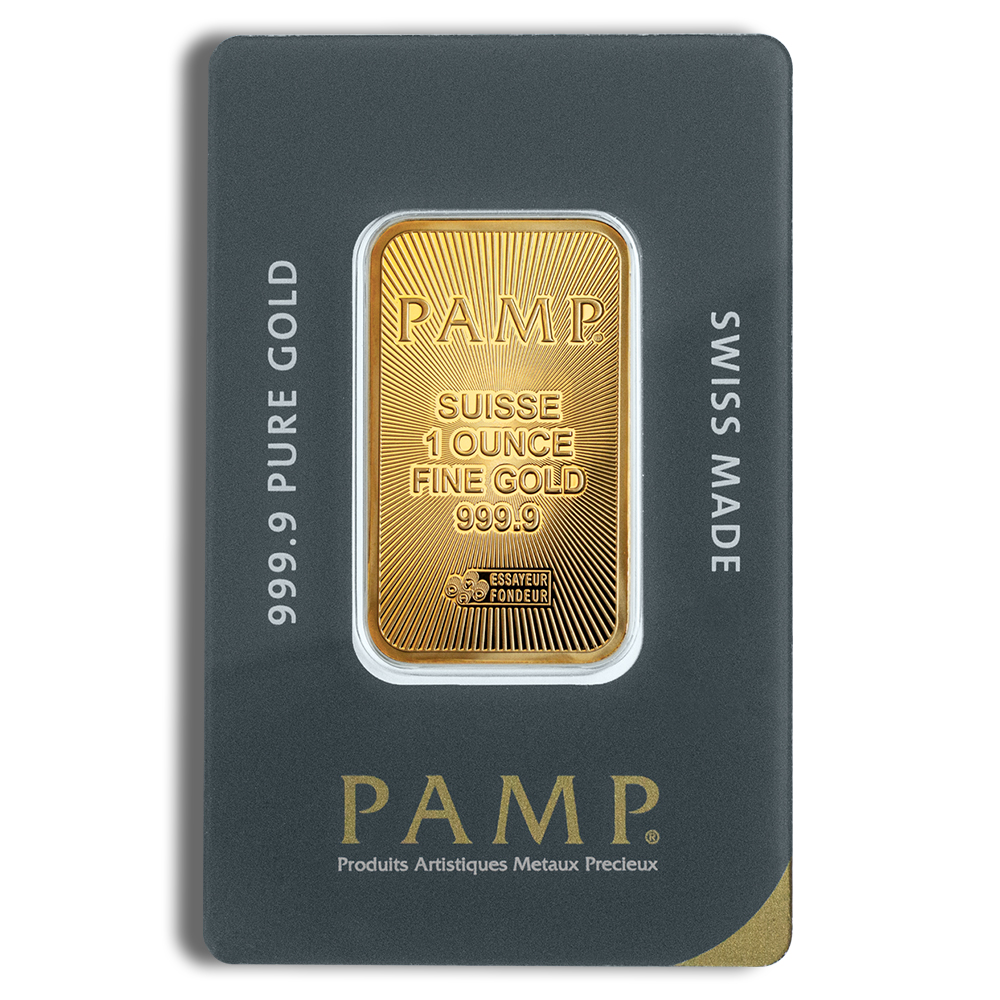
1 oz Gold Bar – PAMP Suisse (Carded)
.9999 fine one-ounce PAMP Suisse gold bar in assay packaging.
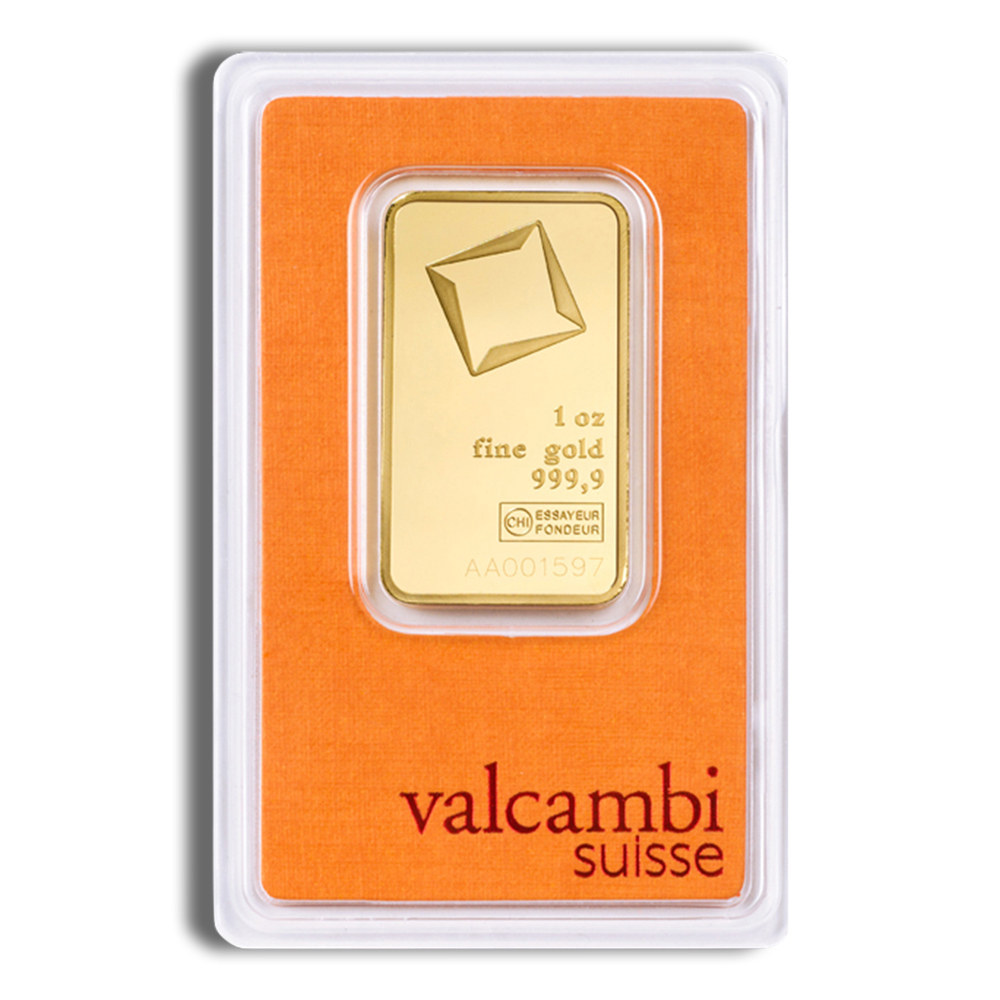
1 oz Gold Bar – Valcambi (Carded)
.9999 fine one-ounce Valcambi Suisse gold bar in assay packaging.
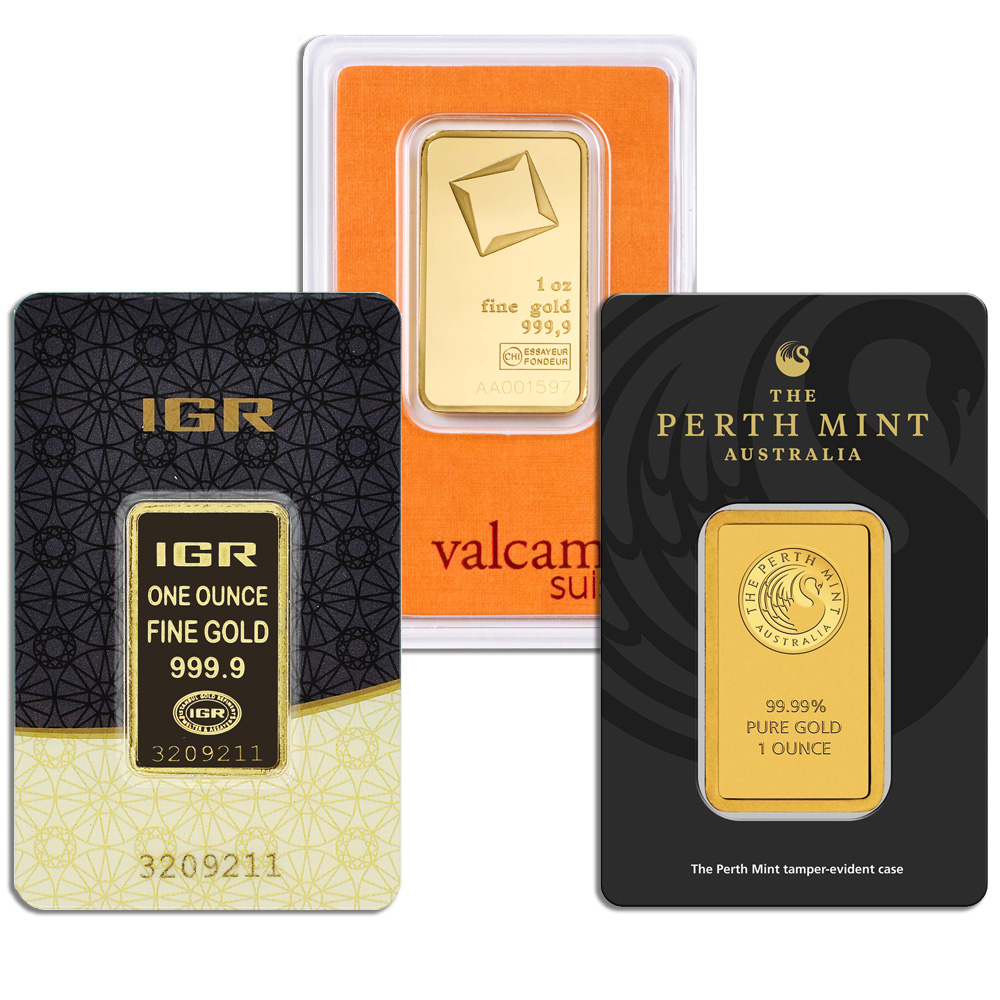
1 oz Gold Bar – Brand Varies (Carded)
A carded .9999 fine gold bar from a recognized producer.
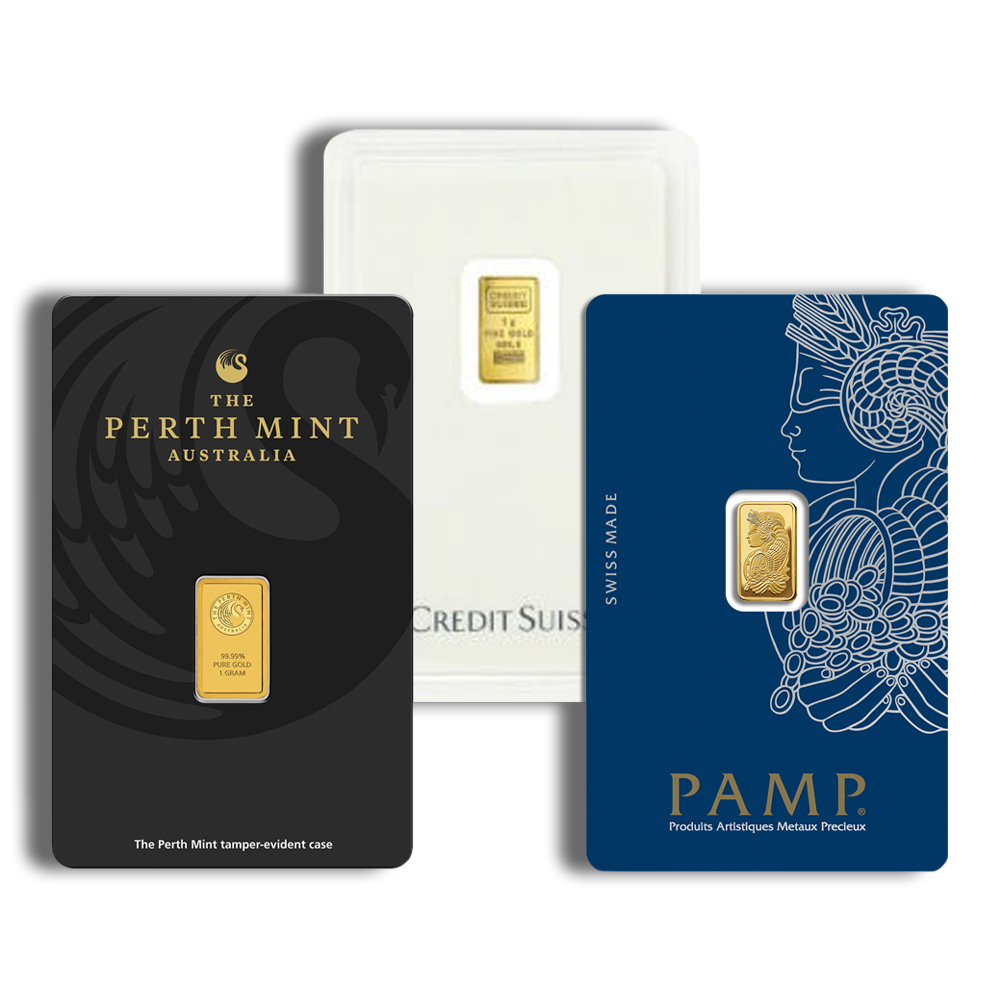
1 gram Gold Bar – Brand Varies (Carded)
A compact carded gold bar for fractional physical-gold ownership.
Availability and pricing can change with inventory and precious-metal markets. Open each product page for current information.
Frequently Asked Questions
Do Bank of America, Chase, or Wells Fargo sell gold bars at branches?
Services can change and vary by branch, but ordinary U.S. retail branches generally should not be assumed to stock take-home bullion. Contact the specific institution directly before visiting.
Is buying gold from a bank safer than buying from a dealer?
A bank name does not replace product verification. Evaluate the specific program, provider, bar, premium, documentation, delivery method, and buyback terms. A reputable specialist dealer may offer more transparent bullion expertise.
Can I store gold in a bank safe-deposit box?
Many banks offer safe-deposit boxes where available, but access, insurance, contents, and liability are governed by the rental agreement. Confirm all terms before relying on the box for bullion storage.
Does FDIC insurance cover gold in a safe-deposit box?
Do not assume deposit insurance applies to safe-deposit-box contents. Review the institution’s agreement and obtain qualified insurance guidance for your specific situation.
Why does a bullion dealer charge above spot?
The premium covers fabrication, distribution, insurance, inventory risk, testing, payment costs, and dealer operations. Compare the complete premium and buyback spread rather than expecting a finished bar at the wholesale spot benchmark.
This article provides general educational information and does not constitute individualized investment, tax, legal, grading, appraisal, insurance, or shipping advice. Precious-metal prices and premiums fluctuate. Confirm current product specifications, policies, fees, and carrier terms before completing a transaction.