
Gold Bars vs. Coins: Which Is Better for a Small Investor?
Educational guide for physical precious-metal buyers. Product availability, premiums, carrier rules, and market conditions can change.
Gold bars usually offer more gold for each dollar, while major government-minted coins often provide stronger public recognition and flexible resale. For a small buyer, the better choice depends on budget, premium, storage, divisibility, and where you expect to sell. If your goal is efficient weight, compare bars first. If broad familiarity and coin-by-coin resale matter more, sovereign bullion coins may justify the added premium.
What to Check Before Choosing
- Compare premium per fine ounce, not only the item’s total price.
- Ask for the dealer’s current buyback price on each format.
- Decide whether you may need to sell part of the position later.
- Confirm exact gold content; face value is not bullion value.
- Consider storage space, packaging, testing, and handling.
Gold Bars vs. Coins at a Glance
| Factor | Gold Bars | Gold Bullion Coins |
|---|---|---|
| Premium | Often lower for common one-ounce and larger bars | Often higher because of sovereign minting and coin demand |
| Recognition | Strong when produced by a recognized refiner | Very strong for major sovereign programs |
| Divisibility | Depends on the number and size of bars owned | Easy to sell coin by coin; fractional sizes are widely available |
| Authentication | May use assay cards, serials, and refiner-specific systems | Uses official specifications, design details, security features, and testing |
| Handling | Assay packaging can be sensitive to damage | Coins can be stored in capsules or tubes and handled by the edge |
| Collector potential | Usually limited, except for special brands or designs | Some dates, conditions, finishes, or varieties can carry collector value |
Why Gold Bars Often Cost Less per Ounce
Bars are efficient to manufacture. A standard minted or cast bar does not require the same sovereign coin program, legal-tender denomination, or annual design production. That can produce a lower premium, especially in one-ounce and larger sizes.
But compare equivalent products. A one-gram bar can carry a much higher percentage premium than a one-ounce coin because the tiny bar still requires fabrication, assay packaging, distribution, and dealer handling. “Bars are cheaper” is generally true only when weight, brand, condition, and size are held reasonably constant.
Why Buyers Pay More for Government-Minted Coins
American Gold Eagles, Canadian Gold Maple Leafs, and other sovereign bullion coins are recognized across many dealer networks. Their issuing mints publish specifications, and the designs are familiar to buyers. The U.S. Mint bullion program distributes American Eagle bullion coins through authorized purchasers who support a two-way market.
The coin’s legal-tender face value is not its market value. A gold coin trades based primarily on precious-metal content, current spot, condition, demand, and premium. Never evaluate a bullion coin by the dollar amount stamped on it.
Divisibility: The Small-Buyer Advantage
Suppose you own one one-ounce bar and need to sell only one-quarter ounce of value. You cannot cut a conventional bar without changing the product. Four quarter-ounce coins or bars give you the option to sell one unit and keep three.
That flexibility has a cost. Fractional products usually carry higher premiums per ounce. A practical approach is to balance an efficient core size with a smaller amount of fractional metal for flexibility.
Purity and Actual Gold Weight
Many retail gold bars and Gold Maple Leafs are .9999 fine. The American Gold Eagle is 22 karat, or 91.67% gold by total mass, but each one-ounce Gold Eagle still contains a full troy ounce of pure gold; its additional alloy increases durability.
Compare fine-gold content, not just gross weight or purity percentage. A lower-fineness sovereign coin can contain the same full ounce of gold as a .9999 bar while weighing more overall because of the alloy.
Storage and Handling
Bars stack efficiently, and one-ounce carded bars are compact. Large bars concentrate value into fewer pieces and fewer packages. Coins in tubes can also store neatly, but individual capsules take more space.
Damaged assay packaging may affect how quickly a bar resells or whether a dealer performs extra testing. Normal contact marks on bullion coins may matter less when the coin is sold strictly as bullion, but serious damage can still affect demand. Keep either format dry, secure, documented, and protected from unnecessary handling.
Counterfeit Risk and Testing
Both bars and coins can be counterfeited. Bars may offer matching serial numbers and refiner-specific authentication; coins may offer precise dimensions, design features, and modern security elements. Neither format is automatically counterfeit-proof.
For safe buying, use layered checks: known source, exact specifications, weight and dimensions, visual inspection, and professional instrument testing when value or circumstances justify it. See our first-time gold bar safety checklist for a step-by-step process.
Resale and the Buyback Spread
Ask a dealer what it would pay for the exact bar and exact coin under current conditions. The answer may reveal more than the retail premium. A widely recognized coin may cost more today but recover more of its premium on resale. A generic bar may be cheaper to buy but trade closer to melt on the way out.
Joe’s rule: Compare the whole round trip. Purchase premium, dealer buyback, testing requirements, and ease of sale belong in the same decision.
Which Format Fits Which Buyer?
Gold bars may fit better when:
- Your priority is lower premium per ounce.
- You plan to store value compactly.
- You are comfortable with refiner brands, assay packaging, and dealer testing.
- You are buying one-ounce or larger sizes.
Gold coins may fit better when:
- You value sovereign-mint recognition.
- You expect to sell individual pieces to a broad dealer market.
- You prefer durable alloyed coins such as the Gold Eagle or high-purity coins such as the Maple Leaf.
- You want the possibility of limited collector interest in certain dates or conditions.
Joe Agate’s Practical Answer
For many small buyers, a mix makes sense: efficient one-ounce bars or coins for the core, plus a limited number of fractional pieces for flexibility. I would not pay a large extra premium simply because a salesperson says coins are “safer” or bars are “smarter.” I would compare the actual products and buyback numbers in front of me.
If you plan to buy online, continue with how to buy gold bullion online without overpaying.
Shop Related Products at Agate Precious Metals
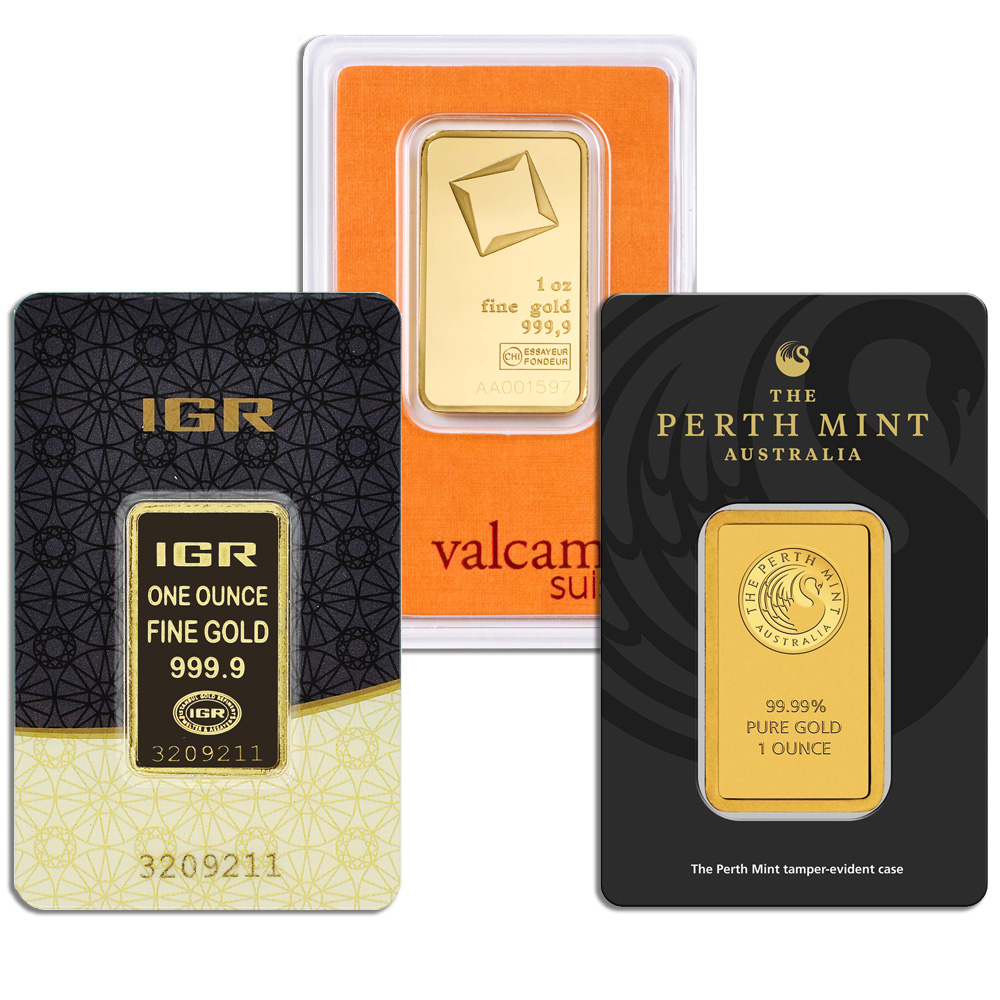
1 oz Gold Bar – Brand Varies (Carded)
A carded .9999 fine gold bar from a recognized producer.
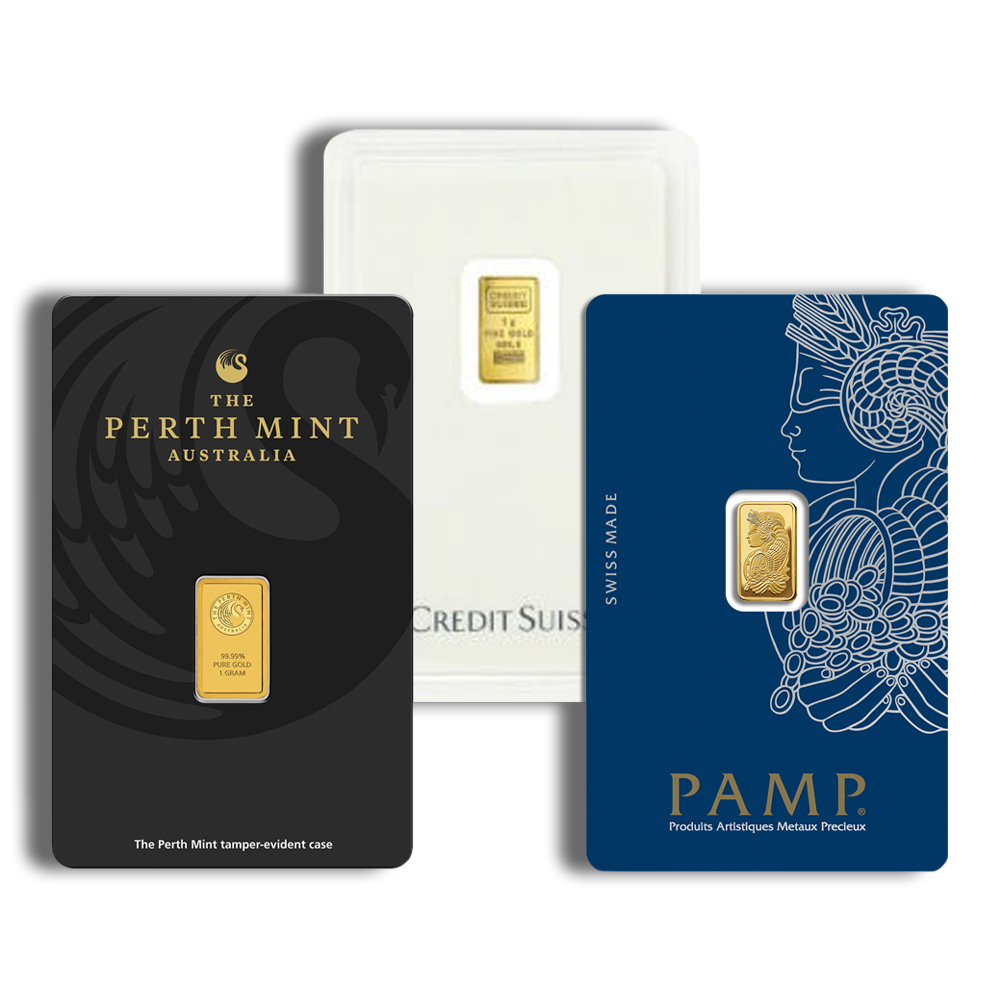
1 gram Gold Bar – Brand Varies (Carded)
A compact carded gold bar for fractional physical-gold ownership.
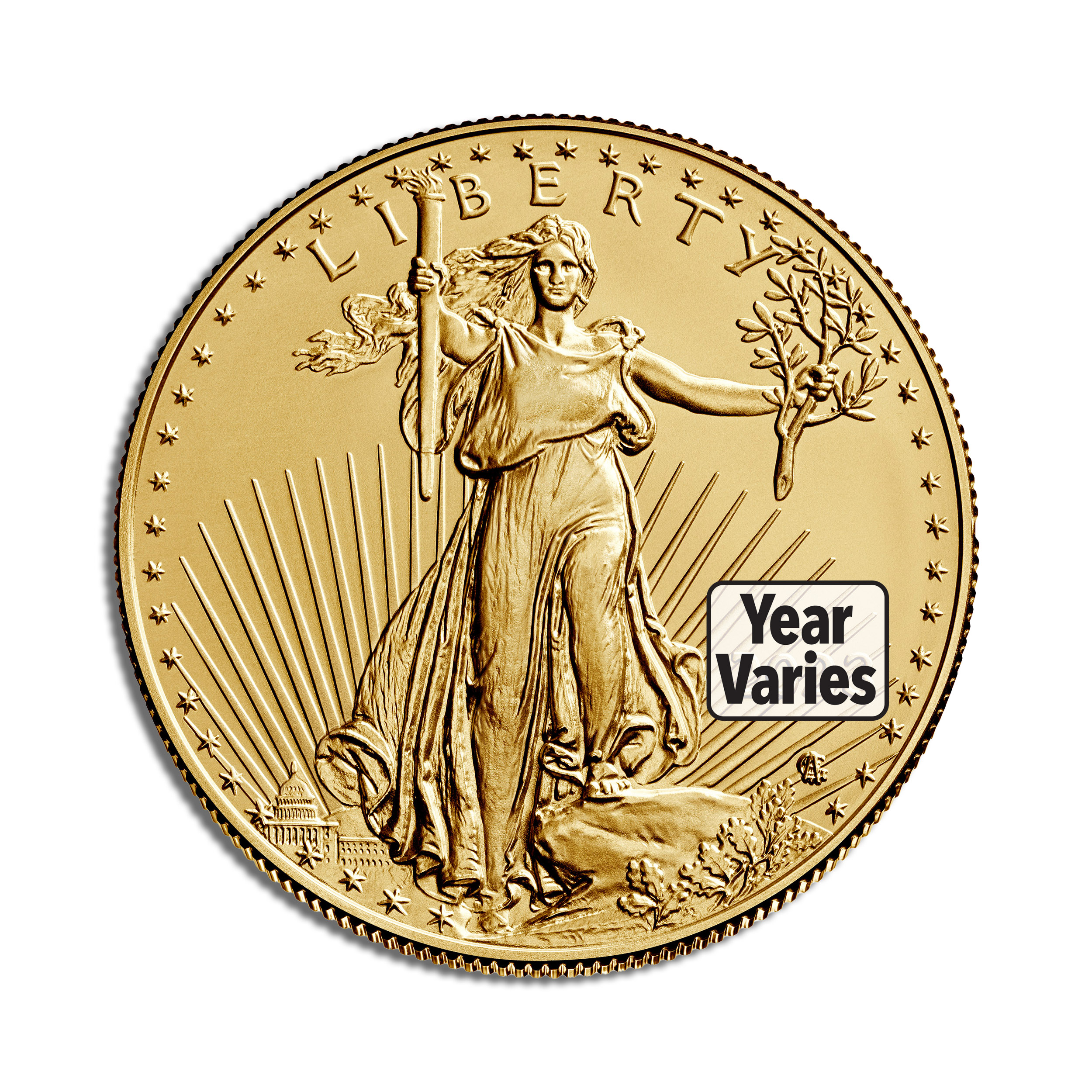
1 oz Gold Eagle – BU (Year Varies)
A widely recognized American Gold Eagle bullion coin.
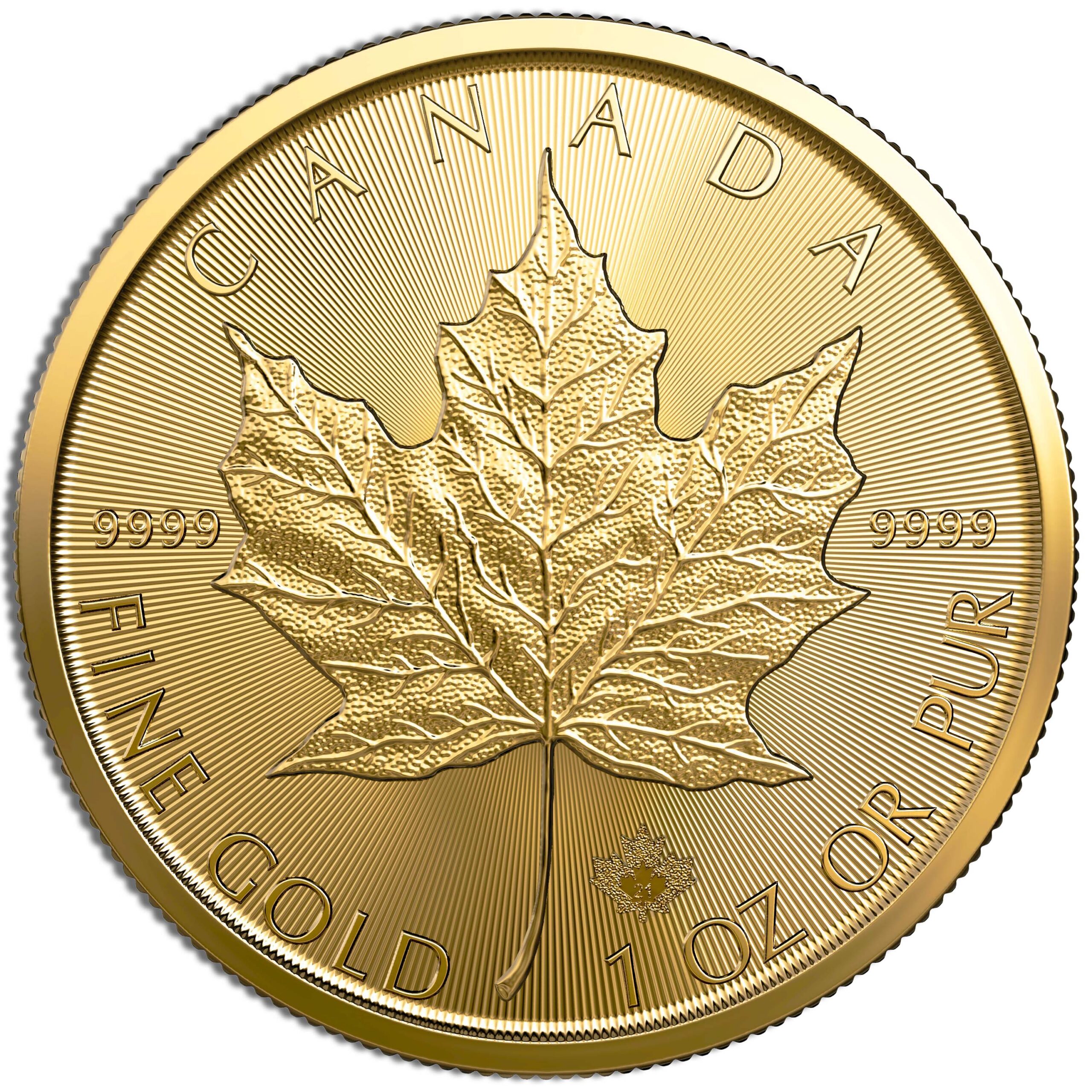
1 oz .9999 Gold Maple Leaf (Year Varies)
A Canadian sovereign bullion coin struck in .9999 fine gold.
Availability and pricing can change with inventory and precious-metal markets. Open each product page for current information.
Frequently Asked Questions
Are gold bars cheaper than gold coins?
Common one-ounce and larger bars often carry lower premiums than comparable sovereign coins, but fractional bars can be expensive per ounce. Compare equivalent weights and the full delivered price.
Are gold coins easier to sell than bars?
Major sovereign coins are widely recognized, while bars from recognized refiners are also liquid through bullion dealers. Ease of resale depends on brand, condition, location, testing, and current dealer demand.
Do gold coins contain less gold because they have a face value?
No. Face value is a legal denomination, not the bullion value. Verify the coin’s stated fine-gold content through the issuing mint’s specifications.
Should a beginner buy a one-ounce bar or fractional gold?
A one-ounce bar may offer a more efficient premium, while fractional gold lowers the purchase amount and improves divisibility. The right choice depends on budget and likely resale needs.
Can gold bars and coins both be counterfeited?
Yes. Use an accountable seller and layered authentication for either format. Government origin or assay packaging does not eliminate counterfeit risk.
This article provides general educational information and does not constitute individualized investment, tax, legal, grading, appraisal, insurance, or shipping advice. Precious-metal prices and premiums fluctuate. Confirm current product specifications, policies, fees, and carrier terms before completing a transaction.