
Silver American Eagle Buying Guide: Dates, Premiums, and Authenticity
Educational guide for physical precious-metal buyers. Product availability, premiums, carrier rules, and market conditions can change.
To buy Silver American Eagle coins intelligently, first decide whether you want ordinary bullion or a collectible issue. Standard bullion Eagles derive most of their value from one troy ounce of .999 fine silver plus market premium. Proofs, burnished coins, special finishes, certified grades, key labels, and certain dates can carry additional collector value. Confirm the coin type, year, condition, packaging, authenticity, and current buyback spread before paying.
What to Check Before Buying
- Is it a bullion, proof, burnished/uncirculated, enhanced, or other special issue?
- Does it have a mint mark, and should that product have one?
- Are you paying for silver content, condition, certification, scarcity, or all four?
- How far is the complete price above the current silver value?
- Will the seller or another dealer buy the same coin back, and at what approximate price?
Silver American Eagle Basics
The American Silver Eagle program began in 1986. A standard coin contains one troy ounce of .999 fine silver and carries a one-dollar legal-tender denomination. That face value does not set its market value.
The U.S. Mint’s current American Eagle product information identifies the familiar Walking Liberty obverse and the Type 2 reverse introduced in 2021. Modern products also use a reeded-edge variation as an added security feature.
Bullion, Proof, and Burnished Coins Are Different Products
| Type | Typical Identification | Primary Value Drivers |
|---|---|---|
| Bullion | Standard investment strike; generally no visible mint mark | Silver value, wholesale supply, retail demand, condition |
| Proof | Specially prepared finish, retail packaging, mint mark | Silver plus finish, mintage, packaging, condition, collector demand |
| Burnished/uncirculated | Special collector version, often with a W mint mark | Finish, mintage, condition, packaging, collector demand |
| Certified coin | Encapsulated and graded by a third-party grading service | Underlying coin plus grade, label, attribution, population, market demand |
A common mistake is comparing a raw bullion coin with a graded proof and concluding that one seller is charging an excessive premium. These are not equivalent products. Decide which market you are entering before comparing prices.
Do Dates Matter?
For ordinary bullion buyers, many common dates trade within a similar range. However, dates can matter when production levels, condition rarity, packaging, special releases, or collector demand differ. The 2021 design transition also created Type 1 and Type 2 coins in the same year.
Do not assume an older coin is automatically rare. A date’s value depends on surviving supply and current demand, not age alone. A dealer should be able to explain why a particular date costs more than a random-year bullion Eagle.
How Silver Eagle Premiums Work
The retail price generally equals the current silver value plus fabrication, government-mint distribution, wholesale, shipping, insurance, and dealer margin. The U.S. Mint distributes bullion coins through an Authorized Purchaser network, rather than selling regular bullion Eagles directly to the public.
Premiums can rise when retail demand increases faster than the distribution pipeline can replace inventory. They can contract later even if silver’s spot price does not move much. This means a buyer can be correct about silver and still overpay for the specific coin.
Use two calculations:
- Dollar premium: delivered price minus current silver value
- Premium percentage: dollar premium divided by current silver value
Then ask for the current buyback quote. The gap between the sell price and buy price is the spread you must overcome before profit begins.
How to Check Authenticity
Verify the specifications
A genuine Silver Eagle should align with official weight, dimensions, composition, design, and edge characteristics for its year and type. Use a calibrated scale and calipers. A counterfeit may match one measurement while failing another.
Inspect design details
Compare lettering, spacing, relief, fields, edge reeds, date style, and mint mark with official U.S. Mint images. Soft details, incorrect fonts, seams, plated surfaces, or an edge that does not match the year deserve more testing.
Use more than a magnet
Silver is not strongly magnetic, but many non-silver metals are also nonmagnetic. A magnet can expose some obvious fakes; it cannot prove authenticity. Professional dealers may add conductivity, specific-gravity, XRF, or other testing.
Evaluate the holder separately
Slabs, labels, capsules, boxes, and certificates can be copied. For certified coins, verify the certification number through the grading service and compare the holder with known examples. The holder supports the coin; it does not replace examination.
Mint Marks and Common Confusion
Standard bullion Silver Eagles generally do not display a mint mark, even though production may occur at different U.S. Mint facilities. Proof and burnished collector products may show mint marks. A seller should not describe an unmarked bullion coin as a rare mint-mark issue without credible attribution and documentation.
Raw, Graded, or Impaired?
| Condition | Best For | Main Caution |
|---|---|---|
| Raw BU | Bullion buyers who want a clean standard coin | Avoid paying graded-coin premiums without certification |
| Certified high grade | Collectors who value grade, label, and holder | Modern high grades can be common; compare populations and resale |
| Impaired | Buyers focused on lower-cost silver content | Scratches, spotting, cleaning, or damage can reduce collector appeal |
An impaired Eagle still contains its stated silver when genuine. It may be an efficient option for someone who wants official U.S. bullion but does not need pristine surfaces. Do not pay BU or certified premiums for an impaired coin.
Questions to Ask the Seller
- Is this bullion or a collector issue?
- What exactly explains the premium?
- Is the year guaranteed or random?
- Is the coin raw, certified, cleaned, spotted, toned, or impaired?
- What packaging is included?
- How was authenticity checked?
- What would you pay to buy it back today?
Joe Agate’s Buying Approach
For a first Silver Eagle purchase, I would keep it simple: a clearly described raw bullion coin from an accountable dealer, priced against current silver with an understandable premium. Once you know the base product, you can decide whether dates, proofs, labels, or high grades are worth paying more for.
Compare Silver Eagles with lower-premium one-ounce silver rounds, and review our online bullion buying checklist before checkout.
Shop Related Products at Agate Precious Metals
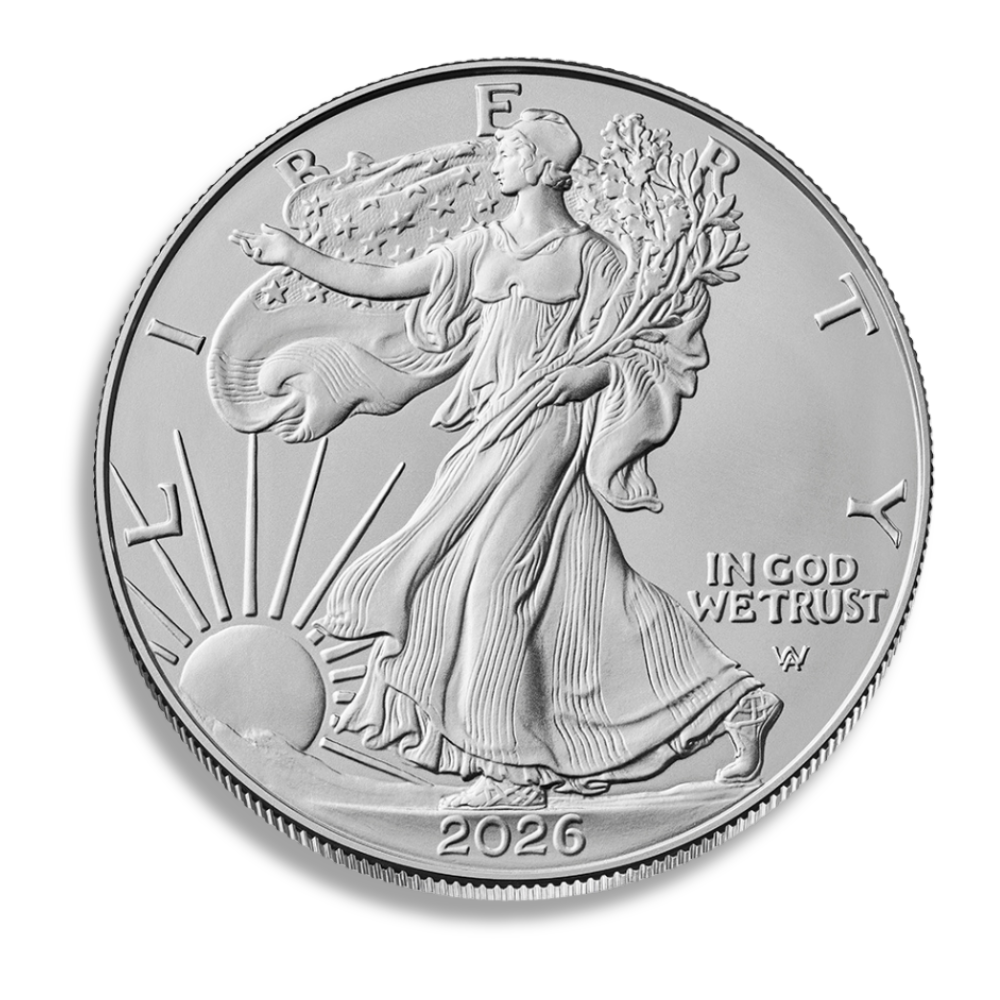
2026 Silver American Eagle – BU
A current-year one-ounce American Silver Eagle bullion coin.
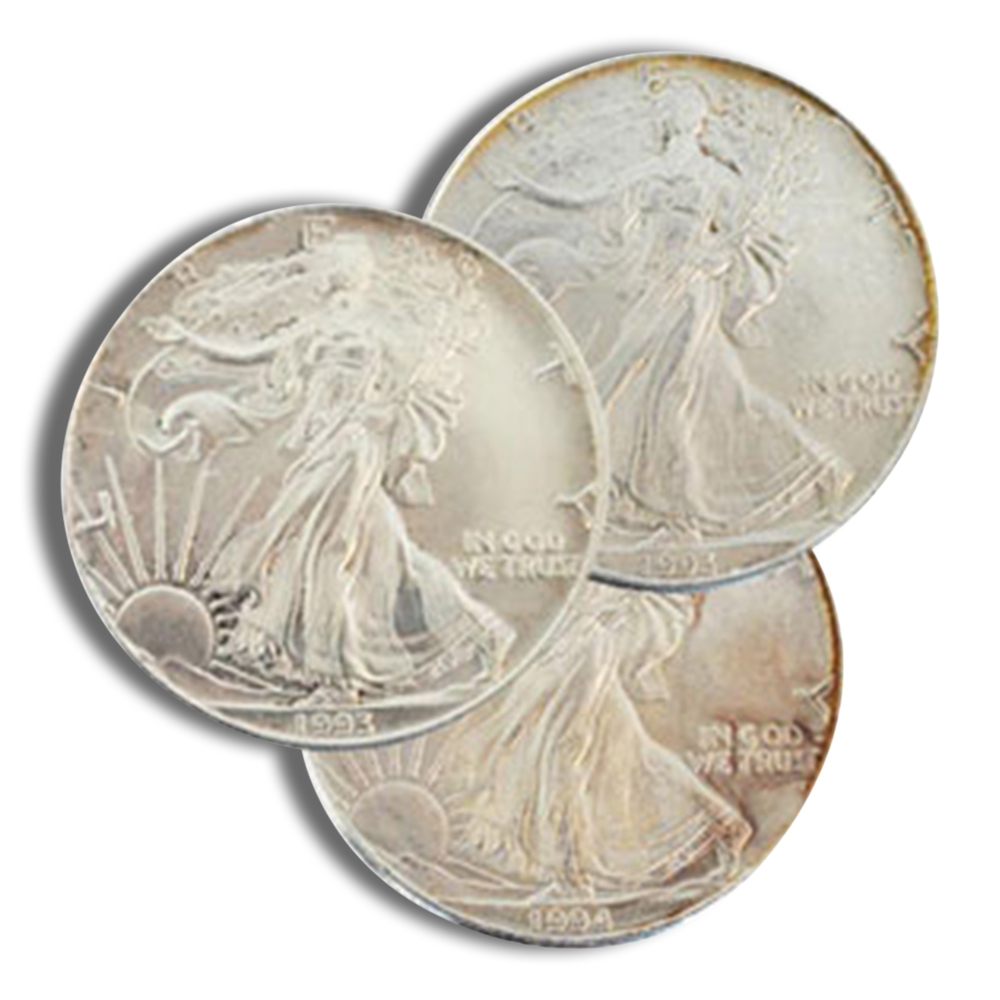
Silver American Eagle – Impaired
A genuine one-ounce Silver Eagle sold primarily for metal value.
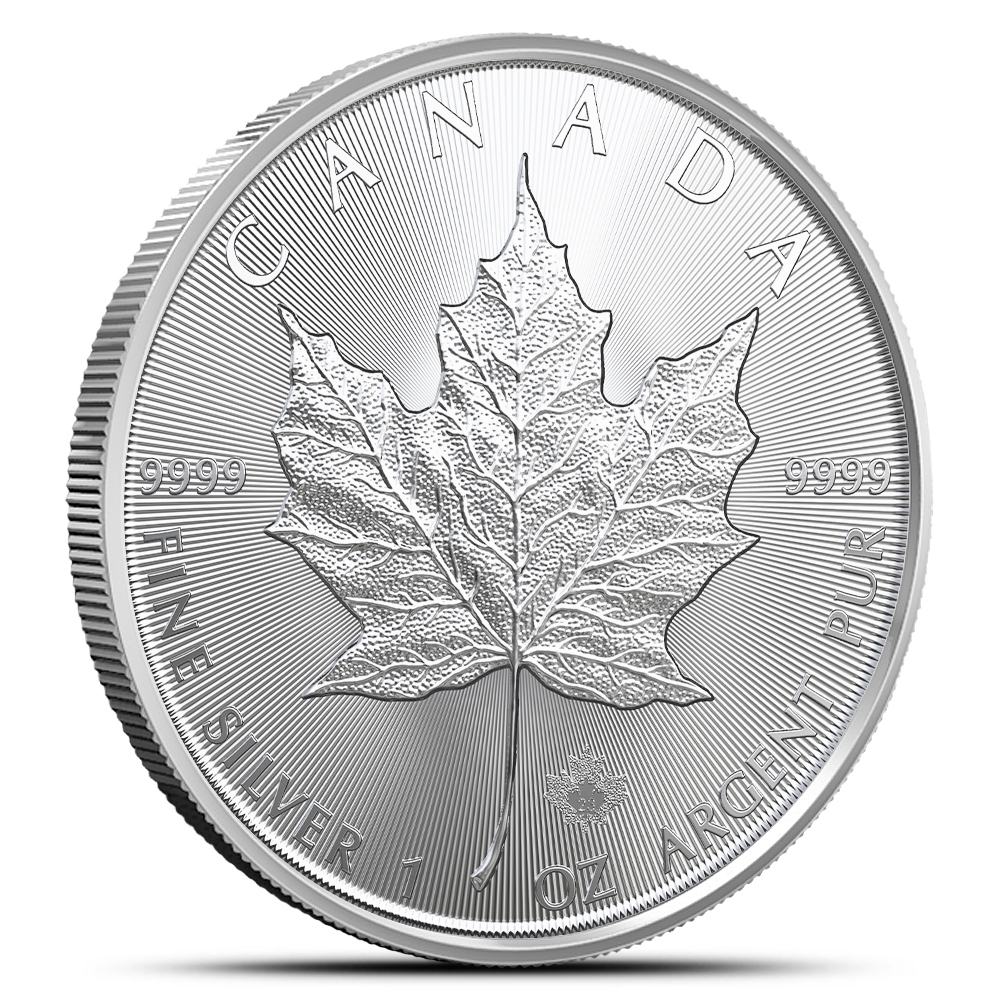
2026 1 oz Canadian Silver Maple Leaf
A recognizable Canadian bullion coin in .9999 fine silver.
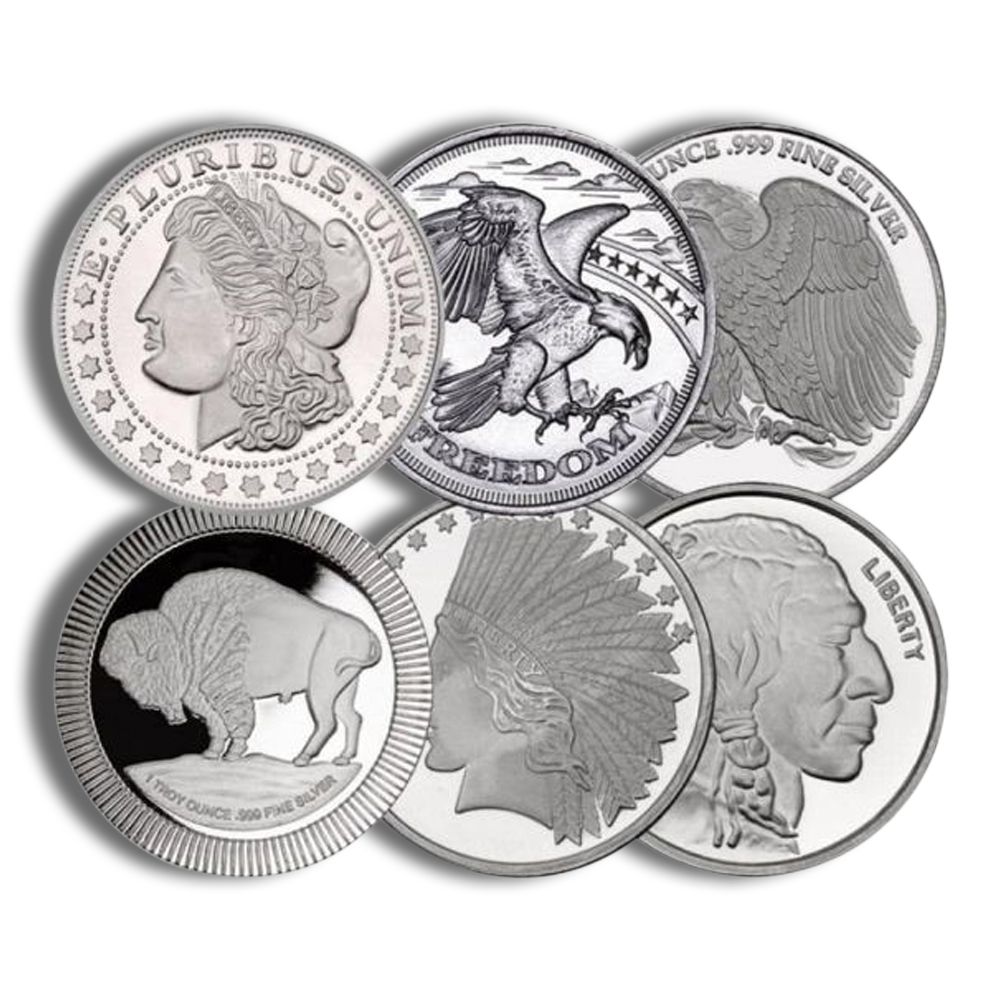
1 oz Silver Round – Design Varies
A one-ounce .999 fine silver round with a design that varies.
Availability and pricing can change with inventory and precious-metal markets. Open each product page for current information.
Frequently Asked Questions
How do I buy Silver American Eagle coins?
Choose an accountable dealer, identify whether the coin is bullion or collectible, compare its complete premium with silver value, confirm condition and authenticity, and ask about buyback terms before paying.
Do bullion Silver Eagles have mint marks?
Standard bullion Silver Eagles generally do not display a mint mark. Proof, burnished, and other collector versions may carry mint marks depending on the issue.
Are older Silver Eagles always worth more?
No. Age alone does not create rarity. Date, type, mintage, surviving condition, certification, packaging, and collector demand determine whether an older issue earns a premium.
What is an impaired Silver Eagle?
An impaired Silver Eagle has condition problems such as scratches, spotting, cleaning, or damage. When genuine, it still contains the stated silver, but it usually has less collector appeal.
Can I authenticate a Silver Eagle with a magnet?
A magnet can reveal some obvious counterfeits, but it cannot prove authenticity. Combine official specifications, weight, measurements, design inspection, and professional testing when appropriate.
This article provides general educational information and does not constitute individualized investment, tax, legal, grading, appraisal, insurance, or shipping advice. Precious-metal prices and premiums fluctuate. Confirm current product specifications, policies, fees, and carrier terms before completing a transaction.