
How to Sell Scrap Gold and Silver
How to Sell Scrap Gold and Silver
To sell scrap gold and silver, identify what you have, separate likely purities, estimate the metal content, and compare itemized net offers. Before accepting, confirm how the buyer tested the pieces, measured their payable weight, and calculated deductions. Keep potentially collectible jewelry, coins, and bullion separate: a metal-only offer may overlook value worth investigating.
What “scrap” means—and what it does not mean
Scrap describes material being valued primarily for recoverable metal rather than design, history, or resale appeal. It does not mean every damaged item should be melted. A broken designer bracelet may still be repairable, while an attractive plated ornament may contain little recoverable precious metal.
Start with a photo inventory and visible markings. Do not clean coins, remove stones, cut chains, or break weighted silver objects apart just to make the lot easier to price. Those steps can destroy evidence or reduce resale options.
How gold scrap value is estimated
Karat indicates gold proportion: a nominal 18K alloy is 18/24 gold. For a preliminary estimate, multiply the eligible alloy weight by the purity fraction. Use confirmed fineness when available rather than assuming that every item matches its stamp.
Gold-plated, gold-filled, overlay, and vermeil items
These are not interchangeable with solid gold alloy. Their gold is a surface layer, and a mark referring to that layer does not make the whole item that purity. Vermeil also involves a silver base, so it needs a different assessment from gold over base metal. See the FTC’s precious-metal description guidance for the distinction between alloy and coated products.
How silver scrap value is estimated
Sterling is commonly identified by STERLING or 925 markings. A preliminary sterling calculation uses a .925 fraction, but markings still need confirmation. Silverplate and EPNS pieces must not be assigned the same fraction. A weighted candlestick or a hollow-handled knife can also contain non-silver material that makes its gross weight unsuitable for a direct melt calculation.
The scrap-value formula
Estimated melt value = eligible metal-bearing weight in grams × purity fraction ÷ 31.1034768 × reference price per troy ounce.
Keep gold and silver calculations separate. Use a reference price for the correct metal, note its date and time, and do not mix grams with pennyweights. For mixed-purity lots, calculate each group first and then add the estimates.
Why a dealer offer differs from melt value
A theoretical estimate does not include the costs of turning mixed material into a saleable or refined product. Testing, processing, shipping, overhead, risk, and margin can affect the bid. The relevant question is not simply whether the offer is below melt; it is whether the calculation is clear and competitive for your actual lot.
For comparison, ask each buyer for the net amount you would receive. A higher headline percentage can be offset by deductions. Record whether the quoted figure is provisional pending assay, and whether accepting it authorizes destructive processing.
Avoid selling a collectible item as scrap
Check coins for dates, mintmarks, grading holders, and original packaging. For jewelry and flatware, record maker names, complete sets, and any provenance. Ask whether the buyer is offering only for metal or also considering resale value. A scrap quote and a specialist appraisal answer different questions.
Choosing a selling route
| Route | What to clarify before proceeding |
|---|---|
| Coin or bullion dealer | Whether jewelry and mixed scrap are accepted, not just bullion |
| Jewelry buyer | Whether stones and designer value are separately evaluated |
| Pawn shop | Whether you are discussing an outright sale or a loan |
| Mail-in buyer | Insurance coverage, assay terms, acceptance deadline, and return costs |
| Specialist collector buyer | Whether maker, rarity, or condition changes the valuation |
Questions before accepting an offer
Ask for the tested purity, payable weight, market reference, deductions, and payment method. Find out when the offer expires and what happens if you decline. Retain the itemized receipt and your original photos. For a mail-in transaction, get written terms before shipping; a tracking number alone does not establish insurance coverage for precious metals.
Compare recognizable bullion products
Coins and bars deserve a product-level evaluation before being treated as scrap. These Agate catalog examples show familiar bullion formats; retail asking prices are not offers for your items.
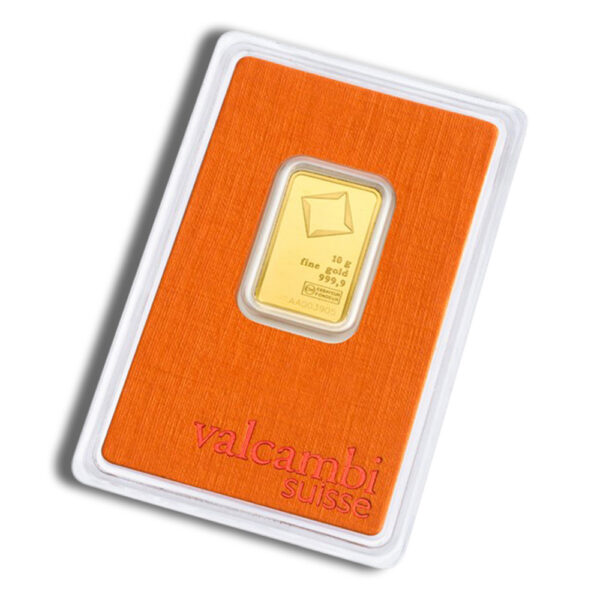
10 Gram Valcambi Gold Bar
A carded gold bar for comparing a defined bullion format with jewelry and scrap.
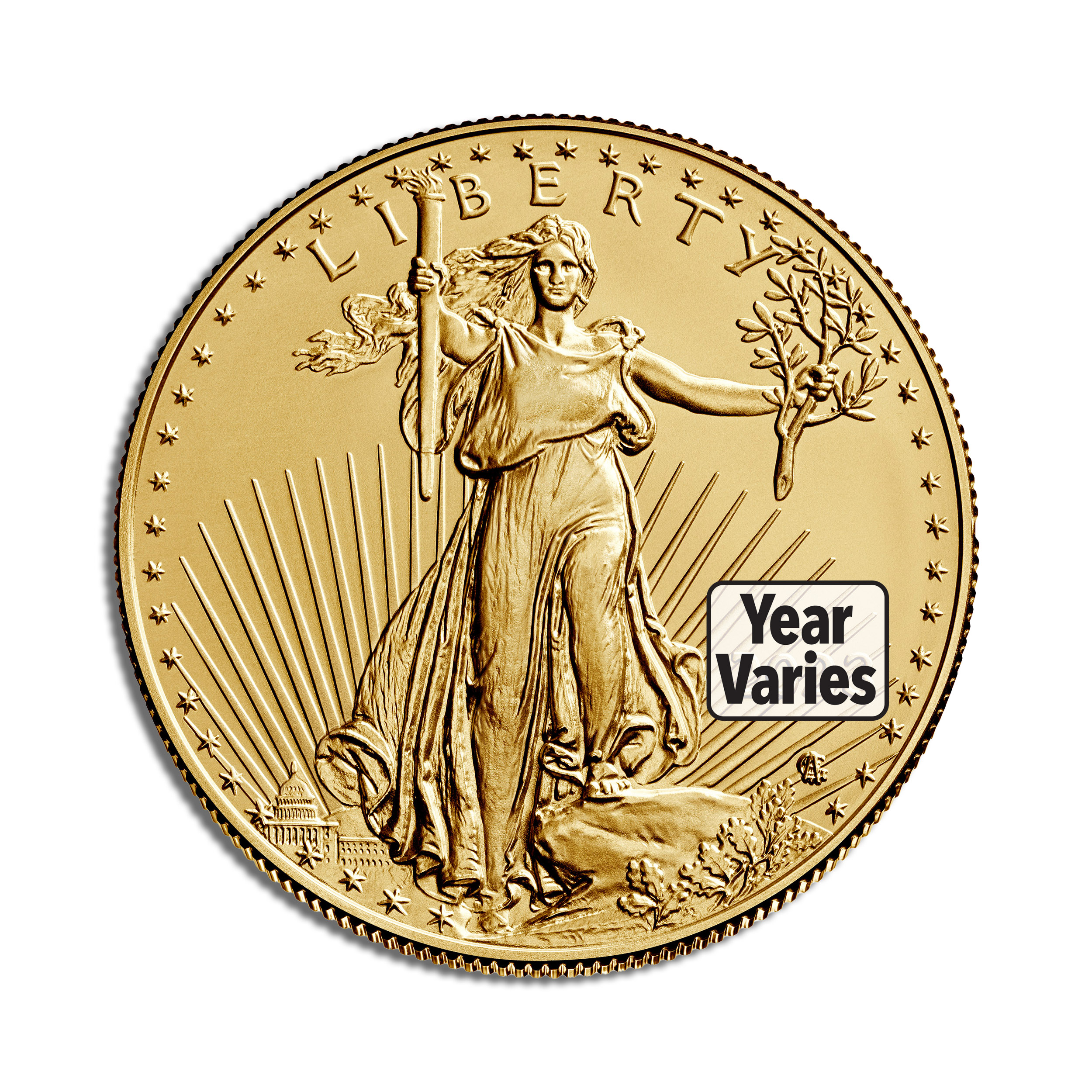
1 oz Gold Eagle — BU
A year-varies bullion coin to evaluate as a recognized product rather than unidentified scrap.
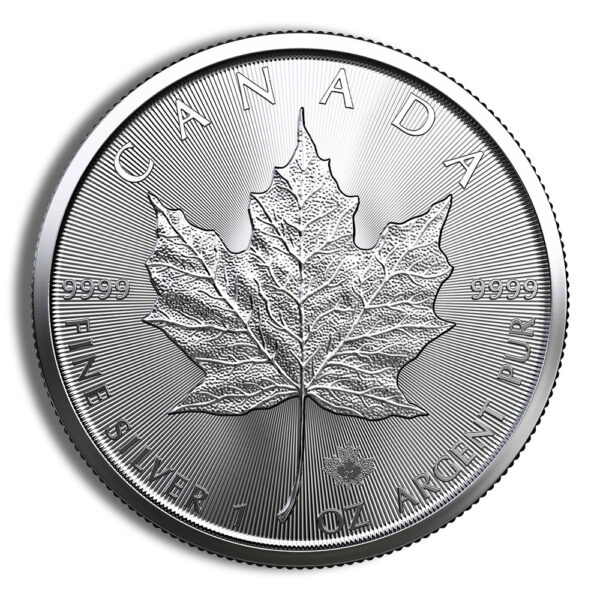
1 oz Canadian Silver Maple Leaf
A year-varies silver bullion coin. Compare its retail presentation with a metal-only estimate.
Follow each listing for current details and availability. Contact Agate separately to discuss selling or evaluation arrangements.
Frequently asked questions
Can broken jewelry still have value?
Yes. Damage does not remove its gold or silver content, but non-metal components and resale potential still need evaluation.
Is a hallmark enough to establish purity?
No. Treat it as an identification clue and ask how the buyer confirms the composition.
Should I combine everything into one bag?
Keep groups labeled and retain an inventory. Mixing different purities makes it harder to understand the calculation.
Will I receive the calculator’s melt value?
Not necessarily. It is an estimate before the buyer’s evaluation and costs, not a binding purchase offer.
How can Agate help me get started?
Use the Agate contact page to describe your items and ask what evaluation arrangements are available. Confirm acceptance before visiting or sending valuables.
Related Agate guides
Where to Sell Scrap Gold and Silver Near Buffalo and West Seneca · Gold Melt Value Calculator Guide: 10K, 14K, 18K, and 24K · Silver Melt Value Calculator Guide: Sterling, 925, and 90% Silver
Contact Agate Metals to discuss evaluation arrangements before visiting or shipping.