
Gold Melt Value Calculator Guide: 10K, 14K, 18K, and 24K
Gold Melt Value Calculator Guide: 10K, 14K, 18K, and 24K
Estimate gold melt value by multiplying the eligible alloy weight by its gold purity, converting that fine-gold weight to troy ounces, and multiplying by a gold reference price per troy ounce. This guide shows the calculation; it is not a live-price calculator or a purchase offer. Stones, non-gold components, and unverified purity can change the result.
How to estimate gold melt value
Melt estimate = grams × purity fraction ÷ 31.1034768 × gold reference price per troy ounce.
First identify the weight of the gold-bearing alloy, not the gross weight of a ring with a large stone. Next choose a purity fraction. Finally enter a dated price for pure gold in dollars per troy ounce. If the reference is already dollars per gram, do not divide by the troy-ounce conversion again.
Gold purity table
| Marking | Nominal karat fraction | Percentage used in a karat-based estimate |
|---|---|---|
| 10K | 10/24 | 41.6667% |
| 14K | 14/24 | 58.3333% |
| 18K | 18/24 | 75% |
| 22K | 22/24 | 91.6667% |
| 24K | 24/24 | 100% nominal; use actual confirmed fineness |
14/24 and .585 are not exactly the same. A confirmed .585 alloy uses 58.5%, while a nominal 14K calculation uses 58.3333%. Do not switch between the two silently. Likewise, when a fine-gold product specifies .9999, use that fineness when calculating from gross mass rather than assuming mathematical 100% purity.
How weight affects the estimate
One troy ounce equals 31.1034768 grams. One pennyweight equals 1.55517384 grams, and 20 pennyweights equal one troy ounce. An ordinary ounce is approximately 28.3495 grams. Selecting the wrong ounce unit changes the answer even when the rest of the math is correct.
A home scale can provide a rough starting point. The buyer still needs to determine eligible weight and composition. Treat springs, attachments, stones, and mixed-metal construction separately. Do not perform destructive tests yourself on potentially valuable pieces.
Worked examples for 10K, 14K, and 18K gold
The following examples assume 10 grams of eligible alloy and a deliberately hypothetical $3,000 per troy ounce gold reference. This is not today’s market price or an Agate quote. Intermediate figures are unrounded; final dollar amounts are rounded to cents.
| Alloy | Fine gold in 10 g | Theoretical melt value |
|---|---|---|
| Nominal 10K | 4.166667 g | $401.88 |
| Nominal 14K | 5.833333 g | $562.64 |
| Confirmed .585 | 5.85 g | $564.25 |
| Nominal 18K | 7.5 g | $723.39 |
For the nominal 14K example: 10 × (14/24) ÷ 31.1034768 × 3,000 = $562.64. Replace the hypothetical price with your dated reference. Keep the purity basis and the weight basis unchanged when comparing quotes.
Why the estimate is not a final offer
The formula estimates contained-metal value before recovery costs. A buyer may account for testing, processing, refining, overhead, and changing market conditions. Ask whether an initial quote is provisional and whether a later assay can change it. Compare the final net payment, not only a percentage in an advertisement.
14K gold melt value per gram
For nominal 14K gold, the per-gram formula is gold price per troy ounce ÷ 31.1034768 × (14/24). With the hypothetical 3, 000reference, thatisabout * *56.26 per gram of eligible alloy**. For a confirmed .585 alloy, the same example is about $56.43. These are metal estimates, not promised payouts.
Jewelry may have value beyond melt
Designer identity, antique interest, workmanship, gemstones, and condition can matter independently of gold content. Keep boxes, receipts, and provenance with the piece. Before treating jewelry as raw material, ask whether a resale or specialist evaluation is appropriate. A calculator cannot assess those qualities.
What to do before requesting a quote
Photograph markings, record approximate weight, separate likely purities, and note the reference price you used. Contact the buyer to confirm item acceptance, evaluation arrangements, and any costs. Keep your assumptions visible so a difference between your estimate and the offer can be explained.
Compare recognizable bullion products
Coins and bars deserve a product-level evaluation before being treated as scrap. These Agate catalog examples show familiar bullion formats; retail asking prices are not offers for your items.
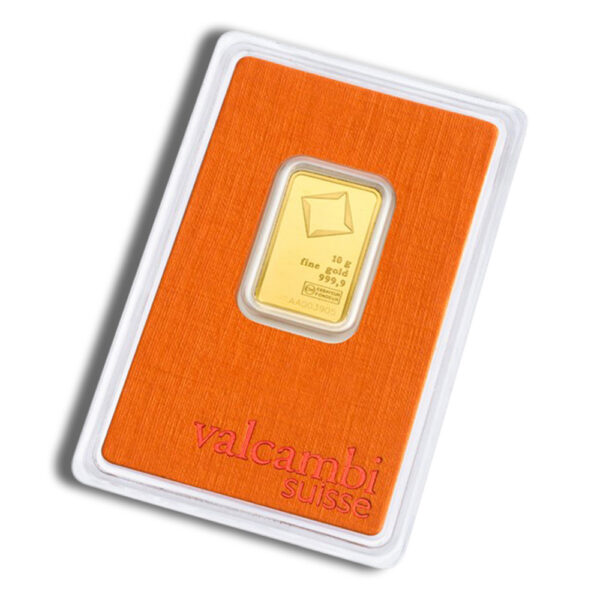
10 Gram Valcambi Gold Bar
A carded gold bar for comparing a defined bullion format with jewelry and scrap.

1 Gram Gold Bar — Carded
A small-format gold bar. Brand varies; review the listing before ordering.
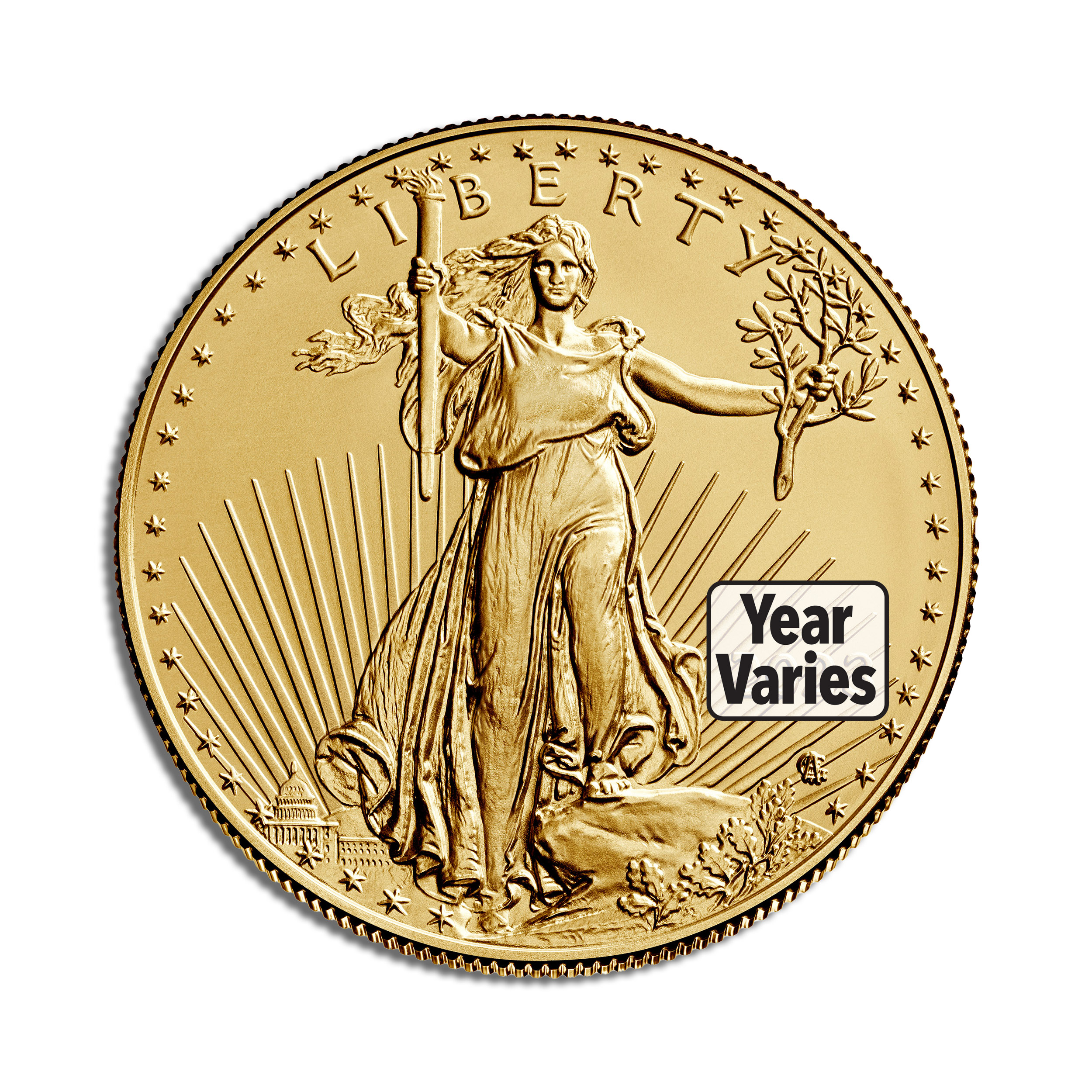
1 oz Gold Eagle — BU
A year-varies bullion coin to evaluate as a recognized product rather than unidentified scrap.
Follow each listing for current details and availability. Contact Agate separately to discuss selling or evaluation arrangements.
Frequently asked questions
Does 14K mean exactly .585?
No. The nominal fraction 14/24 is approximately .583333. Use .585 only when that is the appropriate confirmed fineness for the calculation.
Can I use this formula for gold-plated jewelry?
Not by applying the surface karat to the whole item. Coated material requires an assessment of the actual gold layer rather than the gross object weight.
Do I subtract purity again from an advertised fine-gold weight?
No. If the stated weight is already fine gold content, multiplying it by purity again would double-count the adjustment.
Is a calculator result a guaranteed minimum?
No. It depends on assumptions and excludes costs. Collector or jewelry resale value can also differ from the metal-only estimate.
Related Agate guides
Where to Sell Scrap Gold and Silver Near Buffalo and West Seneca · How to Sell Scrap Gold and Silver · Silver Melt Value Calculator Guide: Sterling, 925, and 90% Silver
Contact Agate Metals to discuss evaluation arrangements before visiting or shipping.