
Fractional Gold Premiums Explained: 1/10 oz vs. 1/4 oz vs. 1/2 oz and Gram Bars
Fractional Gold Premiums Explained: Coins and Gram Bars
A fractional gold premium is the amount paid above the reference metal value of a gold product smaller than one troy ounce. Compare delivered cost with the exact fine-gold content, using the same spot price and timestamp. Smaller pieces offer a lower purchase amount but can cost more per fine ounce.
Fractional gold can suit collecting, gifting, or buying in smaller increments. The useful comparison includes the size, product format, packaging, and complete checkout cost—not just the lowest advertised item price.
Find the gold size that fits your budget
Compare fractional Gold Eagles and carded gram bars. Check the fine-gold content and total delivered price for each option.
Two Premium Formulas
- Premium dollars = delivered checkout cost − melt value.
- Premium percentage = premium dollars ÷ melt value × 100.
- Delivered cost should include the product, shipping, payment-method cost, and applicable tax.
- Melt value equals fine troy ounces multiplied by the live gold spot price.
Fractional gold sizes compared
One troy ounce equals approximately 31.1035 grams. The table converts weight units; it does not claim that every bar's nominal mass is its exact fine-gold content. Check the manufacturer's specification and fineness before calculating metal value.
| Format | Grams equivalent | Troy ounces equivalent | What to compare |
|---|---|---|---|
| 1 gram bar | 1 | 0.03215 | Total cost; card and brand terms |
| 5 gram bar | 5 | 0.16075 | Cost per fine gram |
| 1/10 oz coin | 3.11035 | 0.10000 | Stated fine content and coin premium |
| 1/4 oz coin | 7.77587 | 0.25000 | Divisibility versus total cost |
| 10 gram bar | 10 | 0.32151 | Named versus brand-varies terms |
| 15 gram bar | 15 | 0.48226 | Whether this format is actually offered |
| 1/2 oz coin | 15.55174 | 0.50000 | Larger purchase amount and premium |
| 20 gram bar | 20 | 0.64301 | Cost compared with half-ounce and one-ounce options |
For fractional Gold Eagles, the fractional ounce describes fine-gold content, not the coin's heavier total alloy weight. For bars, use the stated fine content when provided; if a specification instead gives gross metal weight, account for fineness. Do not apply purity twice to a quantity already stated as fine gold.
Work through a purchase comparison
Suppose you are evaluating a 1/10-ounce coin. Take the live spot price shown when you shop and multiply it by 0.10. That is the coin's gold melt value. Next, put the product in the cart and select the payment and shipping method you would actually use. Subtract melt value from that delivered checkout total. Finally, divide the premium dollars by melt value and multiply by 100. Repeat the calculation for a quarter-ounce coin and a gram bar. The smallest checkout total may still have the highest percentage premium. Conversely, the larger item may reduce per-ounce friction but tie up more cash in a single piece.
Joe's dealer note: I compare what leaves your bank account with how much fine gold arrives. A product-page price that excludes your payment fee or shipping is not the complete comparison.
Why smaller gold pieces can carry higher premiums
A refiner must fabricate, inspect, package, and distribute a small bar. A mint must strike and distribute a fractional coin. Those costs do not necessarily fall in direct proportion to the metal weight. Packaging, order handling, and product demand can also influence the final premium.
This does not mean every small item is overpriced or every larger item has a lower premium. Identify what the smaller format provides: a lower purchase amount, the ability to sell fewer ounces at a time, gift presentation, or a preferred mint or design.
Fractional coins versus gram bars
Fractional coins
Government-issued Gold Eagles combine legal-tender status with a familiar sovereign design. Compare their stated fine-gold ounces rather than gross alloy weight. Keep ordinary bullion separate from proofs, collectible dates, and certified coins when comparing premiums.
Several small coins let you sell individual pieces rather than an entire larger piece. That flexibility does not guarantee an easier sale or recovery of the original premium. Request actual bids on the products you are considering.
Gram bars
Bars commonly identify weight and fineness, while carded products may include assay information. Named-brand listings specify the refiner; brand-varies listings allow fulfillment within the seller's stated terms.
Read the carded gold bar guide and the brand-varies gold bar guide before treating bar listings as interchangeable. An assay card preserves information and presentation; it is not conclusive proof of authenticity by itself.
Which format fits your purpose?
| Your priority | Options to compare | Decision point |
|---|---|---|
| Gift presentation | Carded gram bar or fractional coin | Packaging and design within your total budget |
| Gradual purchases | Sizes matching a repeatable spending amount | Recurring shipping and payment costs |
| Sell in smaller amounts | Several smaller pieces | Extra acquisition premium versus divisible holdings |
| Lower cost per fine ounce | 20 gram, half-ounce, and one-ounce formats | Actual delivered cost and required purchase amount |
| Specific refiner | Named-brand listings | Whether brand certainty is worth the price difference |
Owning several sizes of gold creates different selling increments, but it does not diversify exposure away from the gold market. Neither small size nor gift packaging guarantees a return.
Compare like with like
Use the same spot timestamp, payment method, order size, and destination for every option. Separate bullion from proofs, collectible dates, damaged pieces, and certified coins. For bars, compare carded with carded and no-card with no-card. Record the dealer's buyback if resale flexibility matters; the retail premium is only one side of the spread. Transparent limitation: No format has a permanent fractional-gold premium. A 15-gram bar may not be in the live catalog, and the relative pricing of every other size can change during the day. Recalculate at checkout.
Compare fractional gold products
Use the supplied listings below to compare fine-gold amount, format, and packaging. Retail listings are separate from buyback quotes; confirm current price, availability, and checkout terms on the product page.
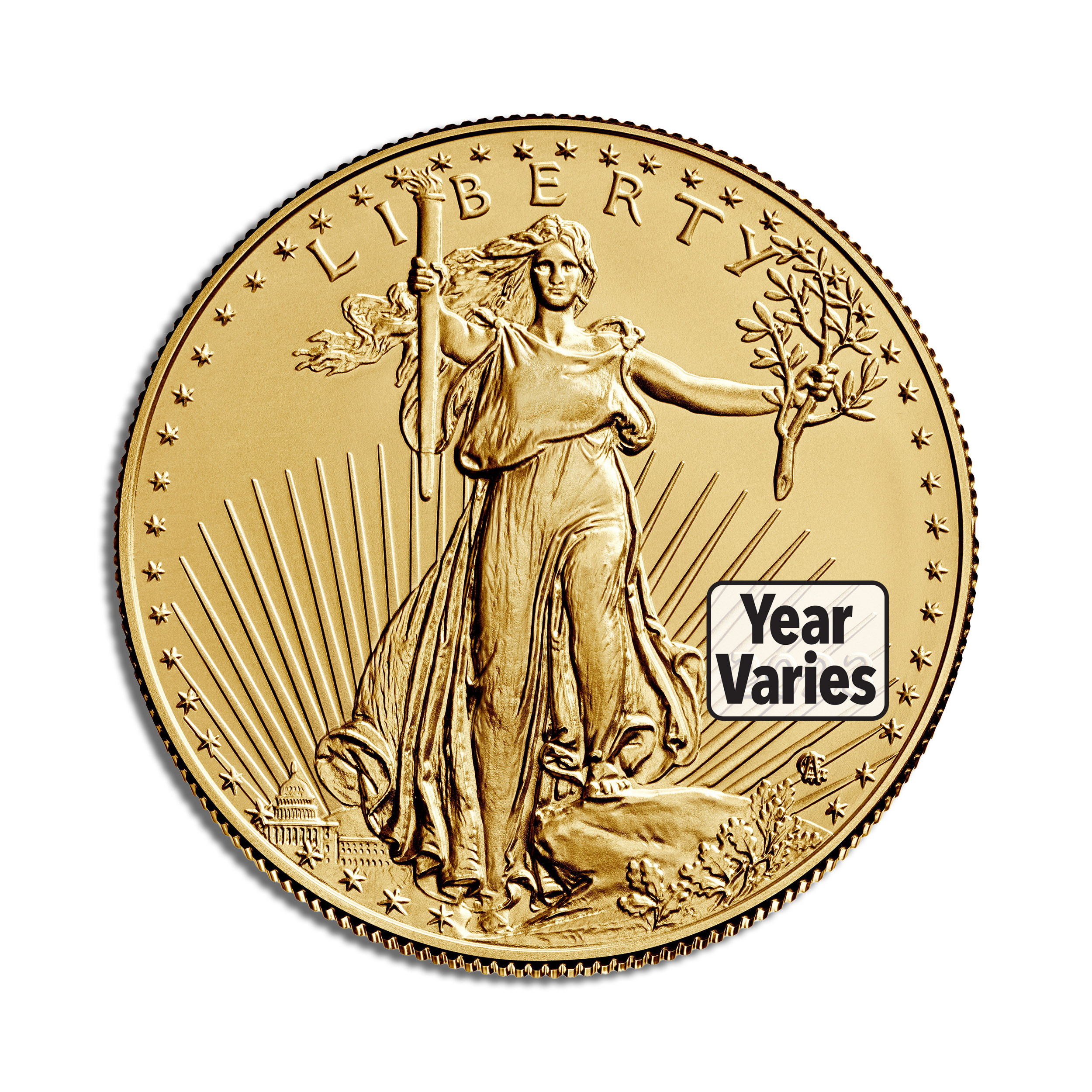
1/10 oz Gold Eagle – BU (Year Varies)
A sovereign U.S. bullion coin containing one-tenth troy ounce of fine gold.
View Price & Availability →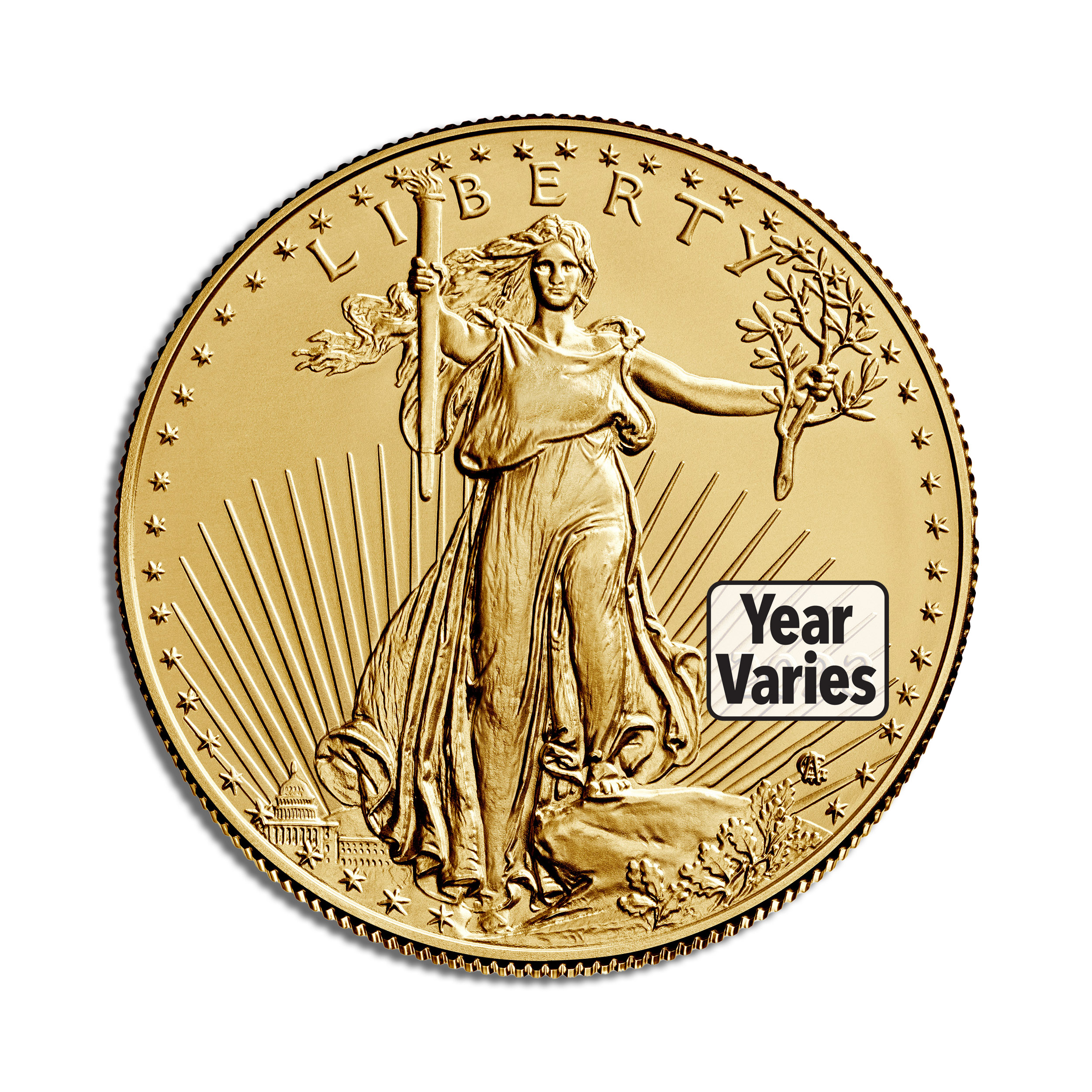
1/4 oz Gold Eagle – BU (Year Varies)
A quarter-ounce Gold Eagle for buyers comparing divisibility with per-ounce cost.
View Price & Availability →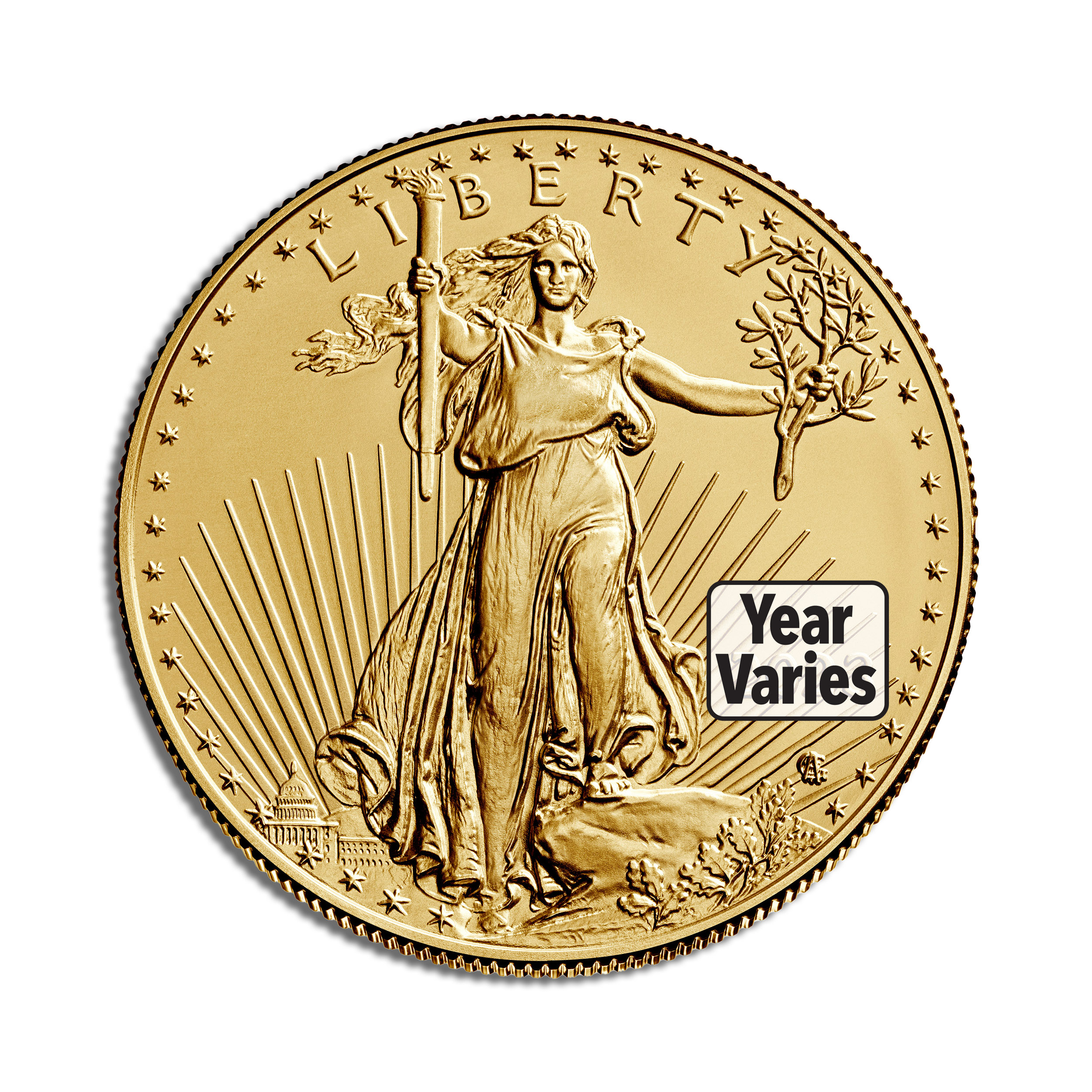
1/2 oz Gold Eagle – BU (Year Varies)
A half-ounce Gold Eagle that sits between quarter-ounce and full-ounce formats.
View Price & Availability →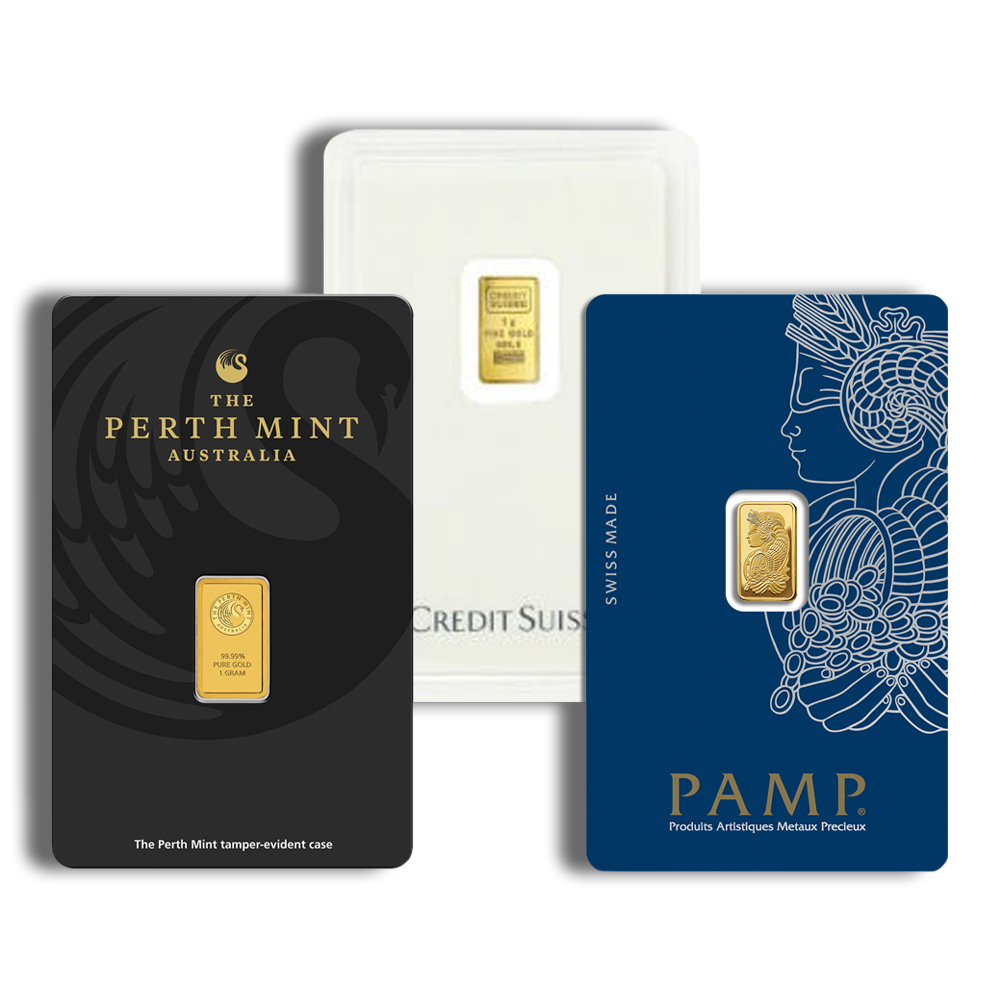
1 gram Gold Bar – Brand Varies (Carded)
A one-gram carded bar where the fulfilled refiner or design may vary.
View Price & Availability →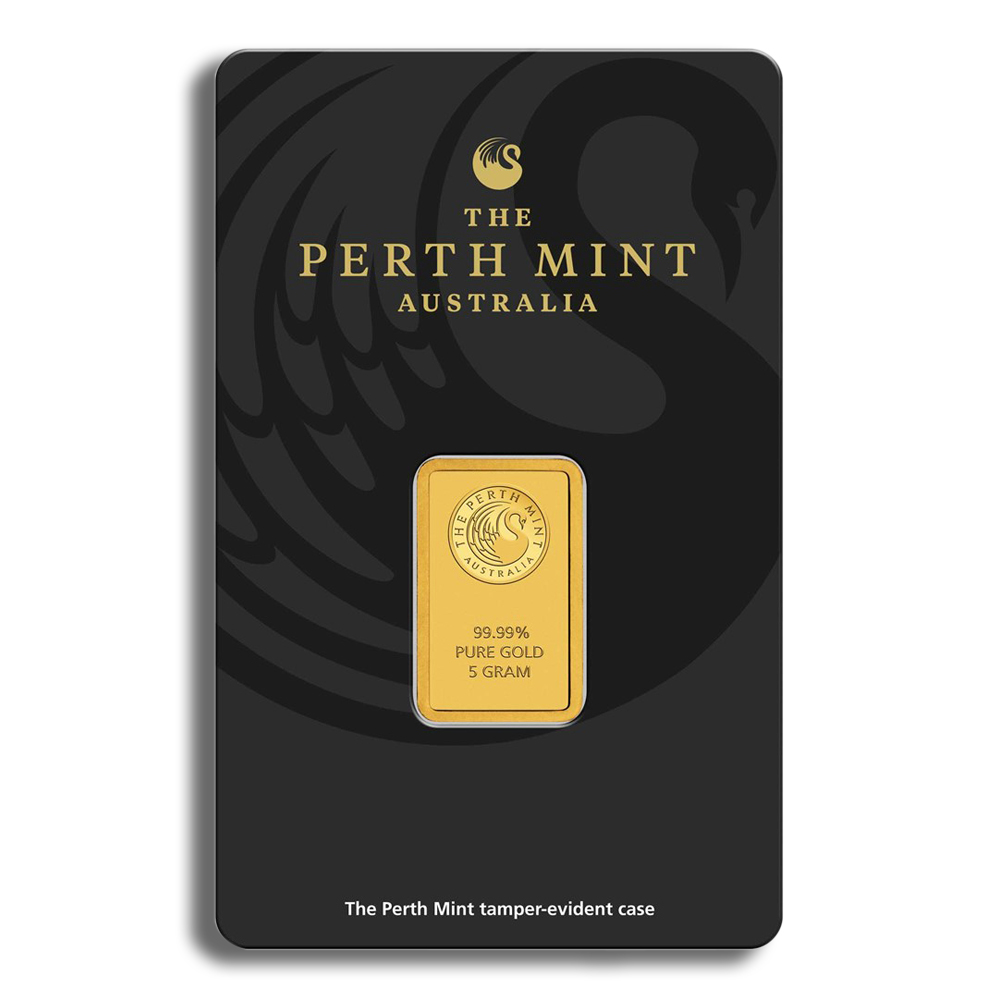
5 gram Gold Bar – Perth Mint (Carded)
A five-gram named bar that offers a step up from single-gram formats.
View Price & Availability →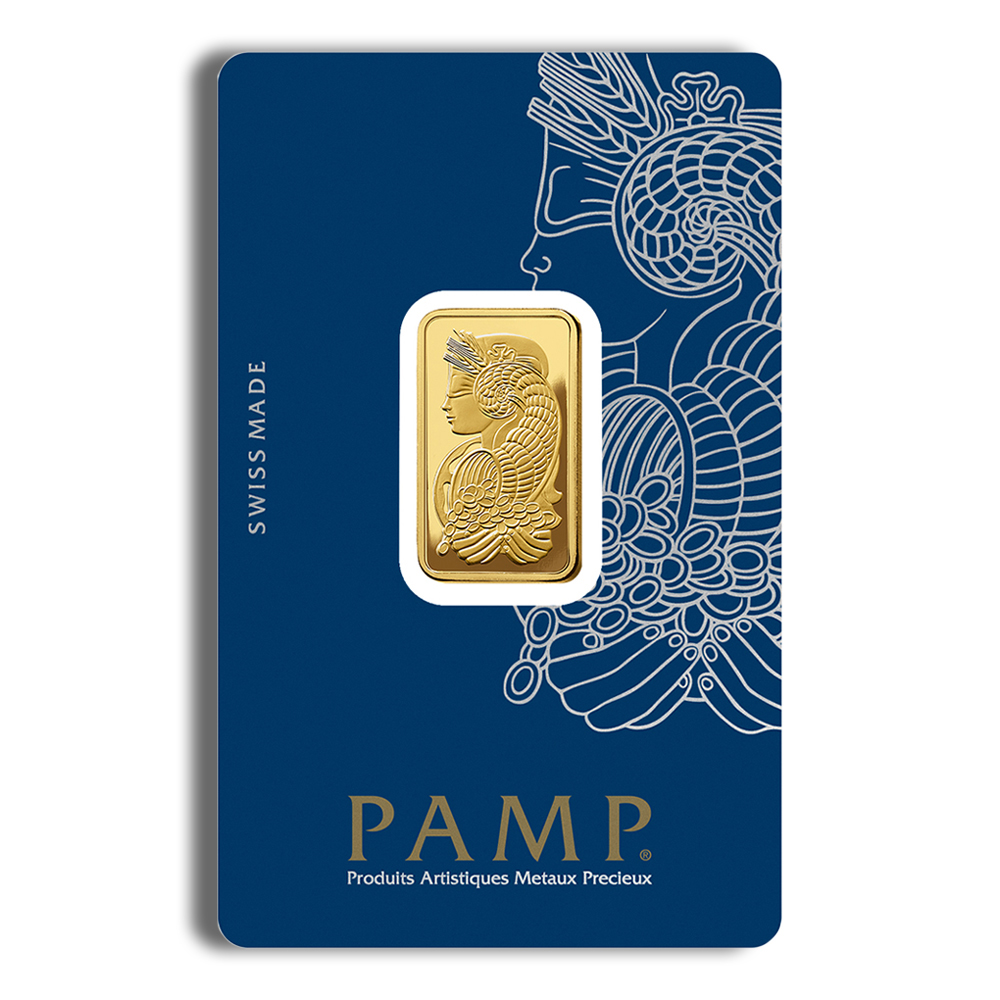
10 gram Gold Bar – PAMP Fortuna (Carded)
A ten-gram PAMP Fortuna bar in carded assay packaging.
View Price & Availability →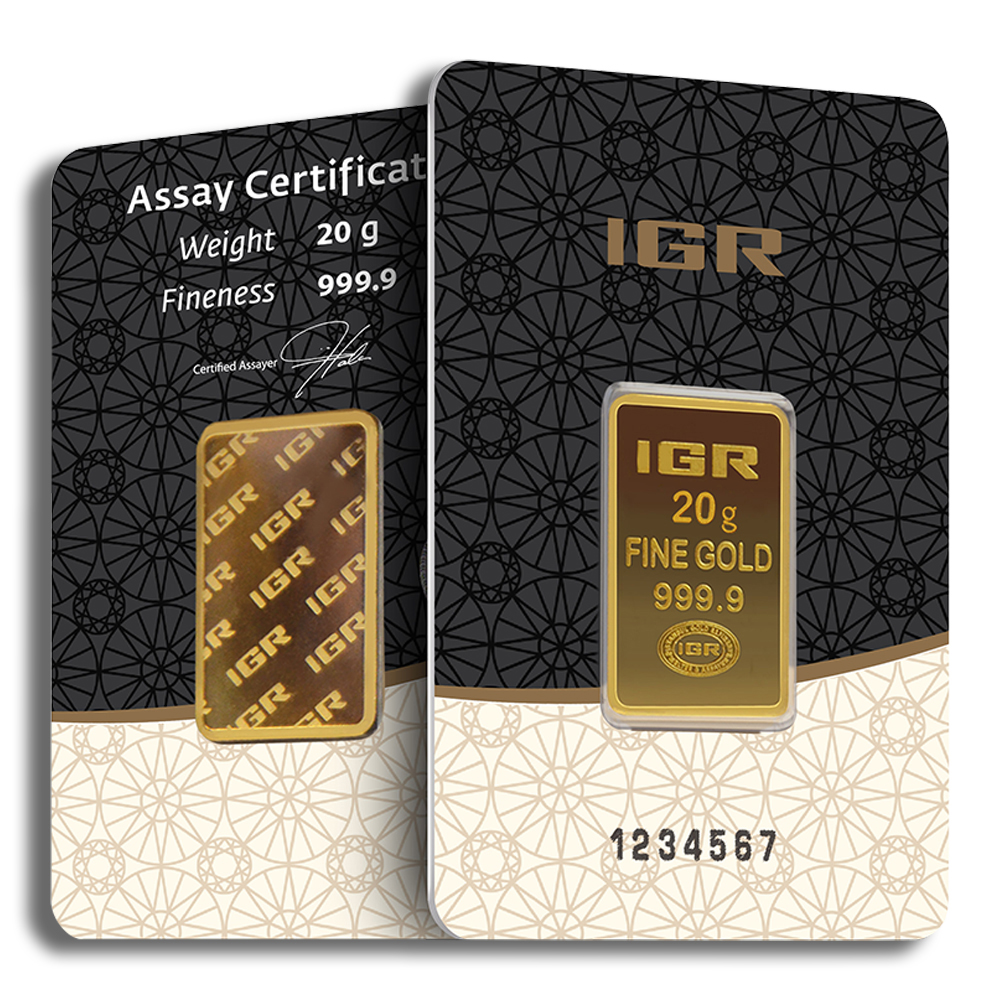
20 gram Gold Bar – IGR Metals (Carded)
A twenty-gram IGR bar in carded packaging.
View Price & Availability →Product links and images are from the supplied draft. Prices, premiums, years, packaging, and stock can change; no current stock or price is asserted here.
Frequently asked questions
What is a fractional gold premium?
It is the amount above the reference metal value of a product smaller than one troy ounce. An all-in premium includes the required costs of acquiring it, such as shipping and payment charges.
Why can a 1/10 oz coin cost more per ounce than a 1 oz coin?
Fabrication, distribution, packaging, and handling costs are spread across less gold. Product demand and availability also matter, so compare actual prices instead of assuming a fixed premium.
Are gram bars cheaper than fractional coins?
Sometimes. Compare delivered cost per fine gram or fine ounce, the exact product format, brand terms, and current buyback bids. A smaller checkout amount alone does not establish better value.
Should shipping be included in the comparison?
Yes. Required shipping and payment charges are part of your acquisition cost. For a mixed order, allocate shared costs consistently rather than charging the entire shipping amount to every item.
Which fractional size has the lowest premium?
There is no permanent winner. Larger sizes may reduce cost per fine ounce, but inventory, demand, payment terms, and order size can change the comparison.
Compare your next gold purchase
Choose a size that serves your budget or collection, calculate the complete delivered premium, and review the exact product terms before ordering.
Explore fractional gold options →Sources and buyer references
Educational information. Gold prices and resale premiums can fall. Product size, recognition, and packaging do not guarantee liquidity or investment returns.