
How to Choose a Precious Metals Broker: Fees, Storage & Products
Precious Metal Brokerage
A precious metal brokerage facilitates buying and selling physical commodities like gold and silver, connecting individual investors with the metals they want at a transparent price. This page covers the main types of brokerage services available, the attributes that separate reliable brokers from questionable ones, and the criteria that determine which option fits your goals.
Types of Precious Metal Brokerage
Brokerage services for physical precious metals fall into four functional categories. Many companies involved in the industry operate across more than one, but each serves a distinct buyer profile.
Full-Service Precious Metals Dealers
Full-service dealers hold their own inventory of gold, silver, platinum, and palladium products. They handle purchasing, shipping, vault storage, grading, and authentication under one roof. Collectors seeking limited-mintage coins graded by PCGS or NGC, along with investors who want allocated storage through providers like Brink’s or Loomis, are the core customers. Premiums over spot tend to run higher here (often 5–15% on numismatic pieces) because the dealer assumes inventory risk and provides end-to-end services.
Online Precious Metals Brokers
Digital-first platforms operate with lower overhead and pass some of that savings to customers through tighter spreads. They list live pricing on their website, offer bullion bars, rounds, and coins, and ship directly. Fractional gold and silver products have grown on these platforms, lowering entry points for new buyers. Some online brokers now offer digital-vaulted ownership where clients buy precious metals that remain in an insured vault; storage, insurance, and auditing fees are bundled at annual rates as low as 0.10% for gold.
Institutional Precious Metals Brokers
Wholesale brokers serve hedge funds, central banks, jewelry manufacturers, and other high-volume clients. Trading happens over the counter in London Bullion Market Association (LBMA) standard bars, with settlement typically on a T+2 basis. Spreads are measured in basis points rather than percentage points; Interactive Brokers, for example, charges 1.5 basis points on gold trades up to $500,000 and storage of 0.10% per annum. Minimum order sizes start in the tens of thousands of ounces, making this category inaccessible to most individual investors.
IRA-Focused Precious Metals Brokers
Investors can use self-directed IRAs for precious metals, but only specific coins and bars meeting IRS purity requirements (typically .995 for gold, .999 for silver and platinum) qualify. IRA-focused brokers handle custodian coordination, IRS-approved depository placement, and ongoing documentation. Fees stack up: account setup, annual custody charges, and storage fees that often exceed standard vaulting costs. The United States has the world’s largest reserves of gold, and domestic IRA investors represent a growing segment of this market.
What to Look For in Precious Metal Brokerage
Four attributes separate a trustworthy brokerage from one that erodes your returns through hidden costs or risk.
Pricing Transparency and Competitive Spreads
Fee transparency is critical when selecting a precious metals dealer or broker. Pricing models include live spot prices plus a markup for selling physical metals. You should compare dealer spreads, which consist of buy and sell prices of metals. For bullion bars and widely recognized coins, premiums typically range from 2–5% over spot. Numismatic or collectible pieces carry higher markups. Brokerages primarily earn money through buy/sell spreads and premiums on metals, so a broker that publishes its cost-per-ounce breakdown for each product type gives you the data to verify you are getting the best price.
Gold fell to $4,339.43 on September 1, 2026. Silver dropped to $64.80 on the same date. Platinum fell to $1,754.40, and palladium dropped to $1,327.75. These spot prices form the baseline against which every broker’s premium should be measured.
Product Authentication and Quality Assurance
Counterfeit bars and misrepresented coins cost buyers thousands. Proper authentication includes assay reports from LBMA-accredited refiners, grading by NGC or PCGS for collectible coins, and non-destructive testing methods such as X-ray fluorescence or ultrasonic measurement. Emerging techniques use acoustic analysis and machine learning for counterfeit detection. Widely recognized bullion products are generally easier to sell and value, which matters when it comes time to liquidate.
Secure Storage and Insurance Options
Physical metals are typically stored in allocated or unallocated vault storage. Allocated storage means specific bars with serial numbers belong to you; unallocated storage gives you a general creditor claim against the custodian’s pooled holdings. After the Credit Suisse collapse, many clients shifted to allocated arrangements to ensure bar-level ownership. Brokerages may offer secure storage solutions in partnership with third-party vaults such as Brink’s, Loomis, or IDS Delaware. Storage fees for allocated gold run 0.10–0.50% per annum in top-tier vaults; silver storage costs more (0.40–0.60%) because of its lower value-to-weight ratio. Perth Mint charges 1.0% annually for allocated gold storage and 1.9% for allocated silver. Insurance must be insured against theft, damage, and loss through policies from Lloyd’s underwriters or equivalent specie insurers, with clear documentation of who bears risk.
Market Expertise and Customer Education
A broker’s resources should cover purity standards (.999 vs .9999 fine), weight metrics (troy ounces vs grams), the distinction between bullion and numismatic value, and regulatory constraints for IRA eligibility. Silver prices are more volatile than gold prices due to industrial demand, and platinum is the most volatile of all precious metals. These are the kinds of specifics a knowledgeable broker communicates upfront, along with the fact that precious metals prices can drop due to technical imbalances and can be affected by geopolitical issues and supply changes. Gold prices are determined by market sentiment, not supply and demand alone, which is a nuance many brokers gloss over. Reputable brokerages provide a buyback policy allowing customers to sell their metals back, and they disclose the terms of that policy before the initial transaction.
How to Choose the Right Precious Metal Broker
Turn the attributes above into a decision by matching your goals to the broker type that fits.
- Investment goals and portfolio size. Investors buy precious metals to diversify portfolios and hedge against inflation. Precious metals provide low or negative correlation to stocks and bonds, and investing in precious metals can reduce portfolio volatility. Gold is often seen as a safe-haven asset during economic uncertainty. If your goal is long-term inflation protection, a bullion-focused broker with low premiums and allocated storage makes sense. If you want exposure without holding physical metal, investors can buy ETFs for exposure to precious metals companies, or invest through mutual funds and fund structures. But physical precious metals carry no credit risk and cannot be inflated, which ETFs and paper instruments cannot guarantee.
- Product preferences and specialty needs. A collector buying limited-mintage platinum coins has different requirements than an investor stacking silver bars. Platinum is rarer than gold and often fetches higher prices. Palladium is primarily used in catalytic converters for vehicles, creating demand tied to the automotive industry. Silver has industrial applications that make its price more sensitive to manufacturing cycles. Gold is the most recognized precious metal for investment. Match your interest in coins, bars, or collectible elements to the broker’s catalog.
- Service level requirements. Full-service dealers offer support from purchasing through storage and resale. Online platforms prioritize efficient execution and low cost. IRA brokers handle custodial compliance. Some clients need all three functions from one company; others prefer to separate them.
- Budget and fee structure preferences. Investing in precious metals has no cash flow or income, so every dollar in fees reduces your net return. A 1 oz gold bullion coin purchased at a $50 premium over spot, with $20 shipping and 1.0% annual storage, requires a meaningful price increase just to break even. Compare total cost of ownership across brokers before committing to a purchase.
Shop Gold and Silver from Agate Precious Metals
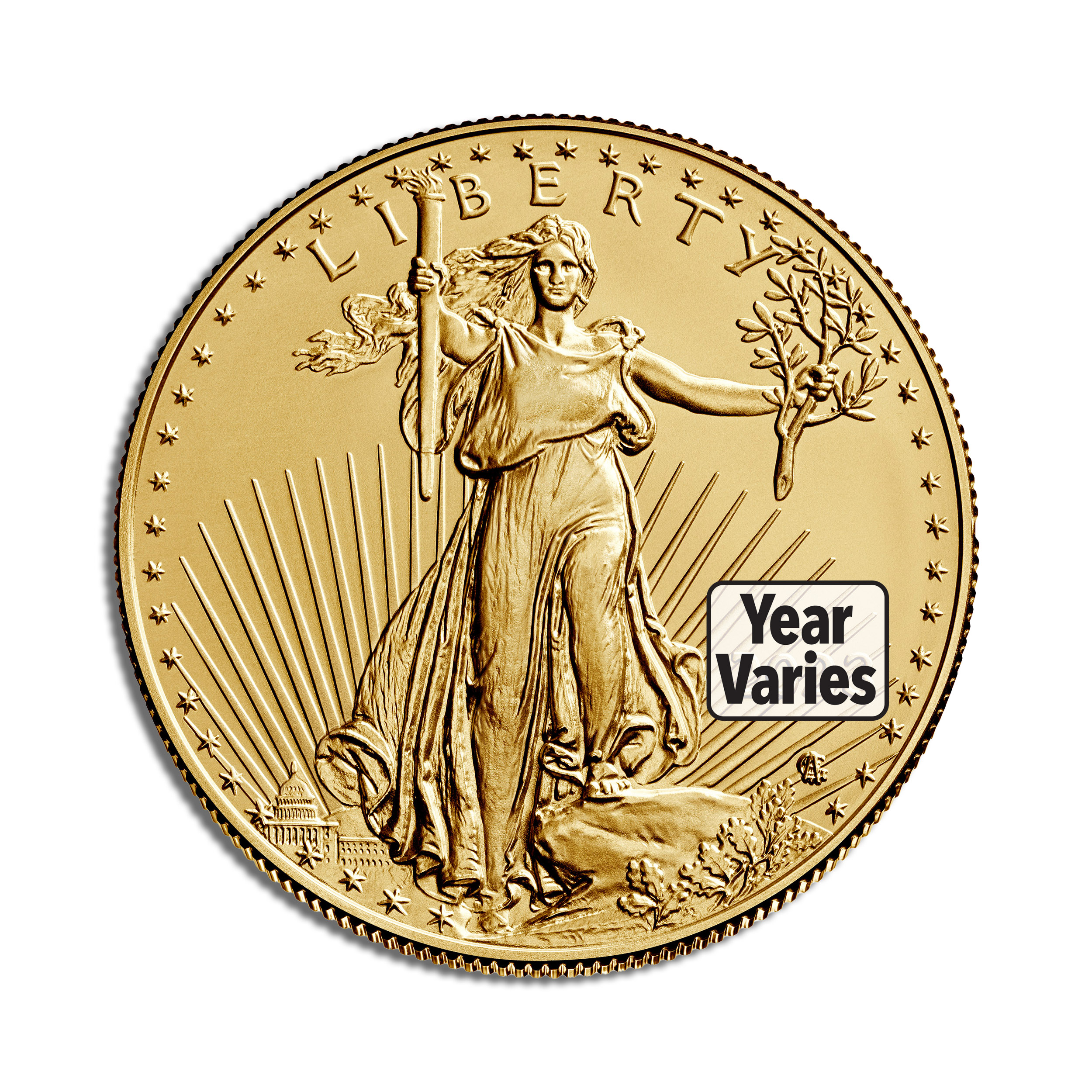
1 oz Gold Eagle – BU
Year-varies American Gold Eagle bullion coin.
View Current Price & Availability →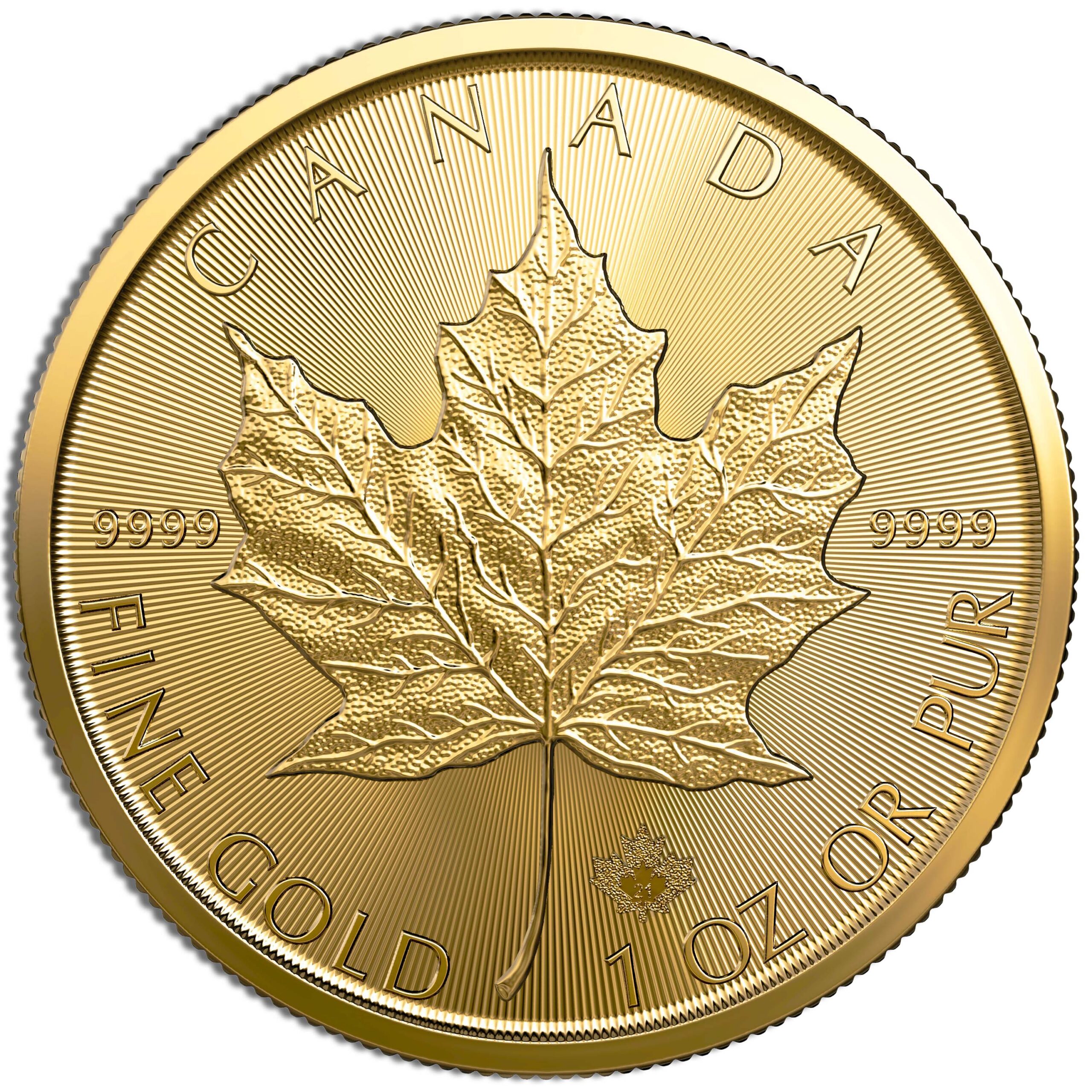
1 oz .9999 Gold Maple Leaf
Year-varies Canadian Gold Maple Leaf bullion coin.
View Current Price & Availability →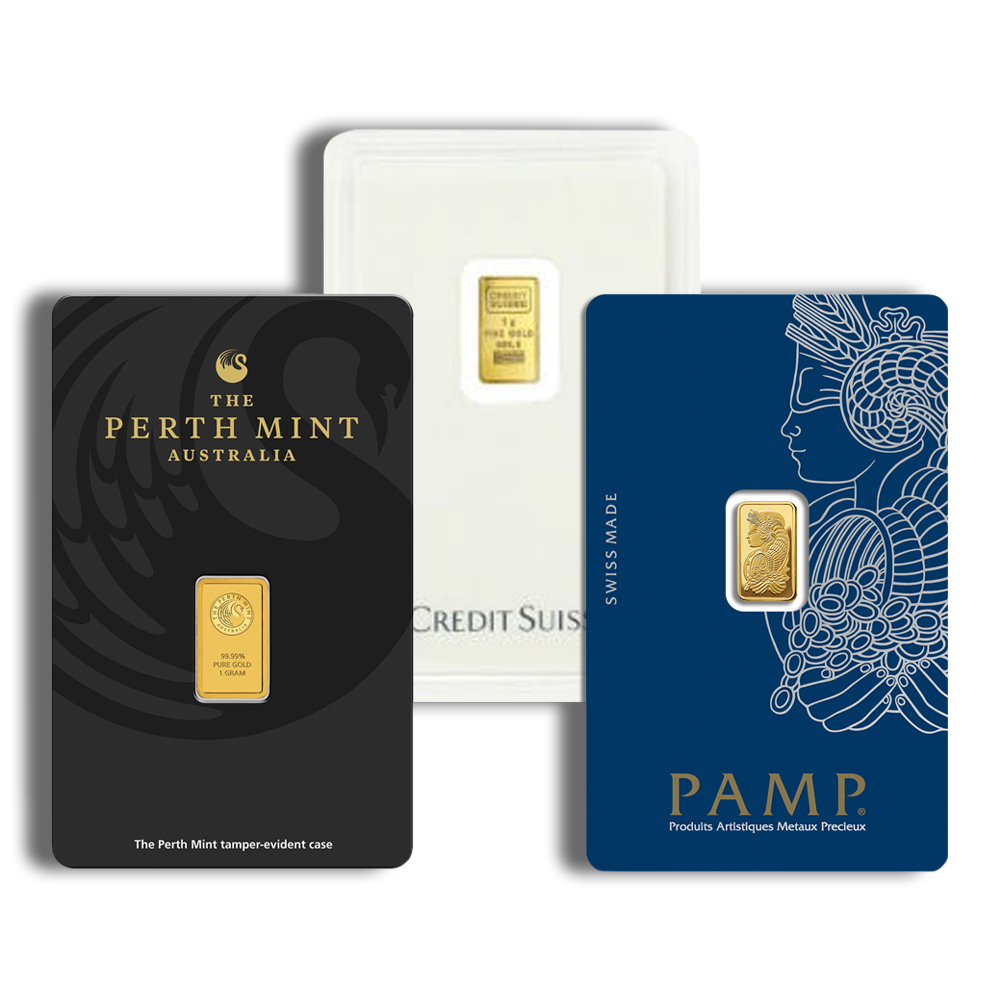
1 gram Gold Bar – Carded
A carded fractional gold bar from a recognized brand.
View Current Price & Availability →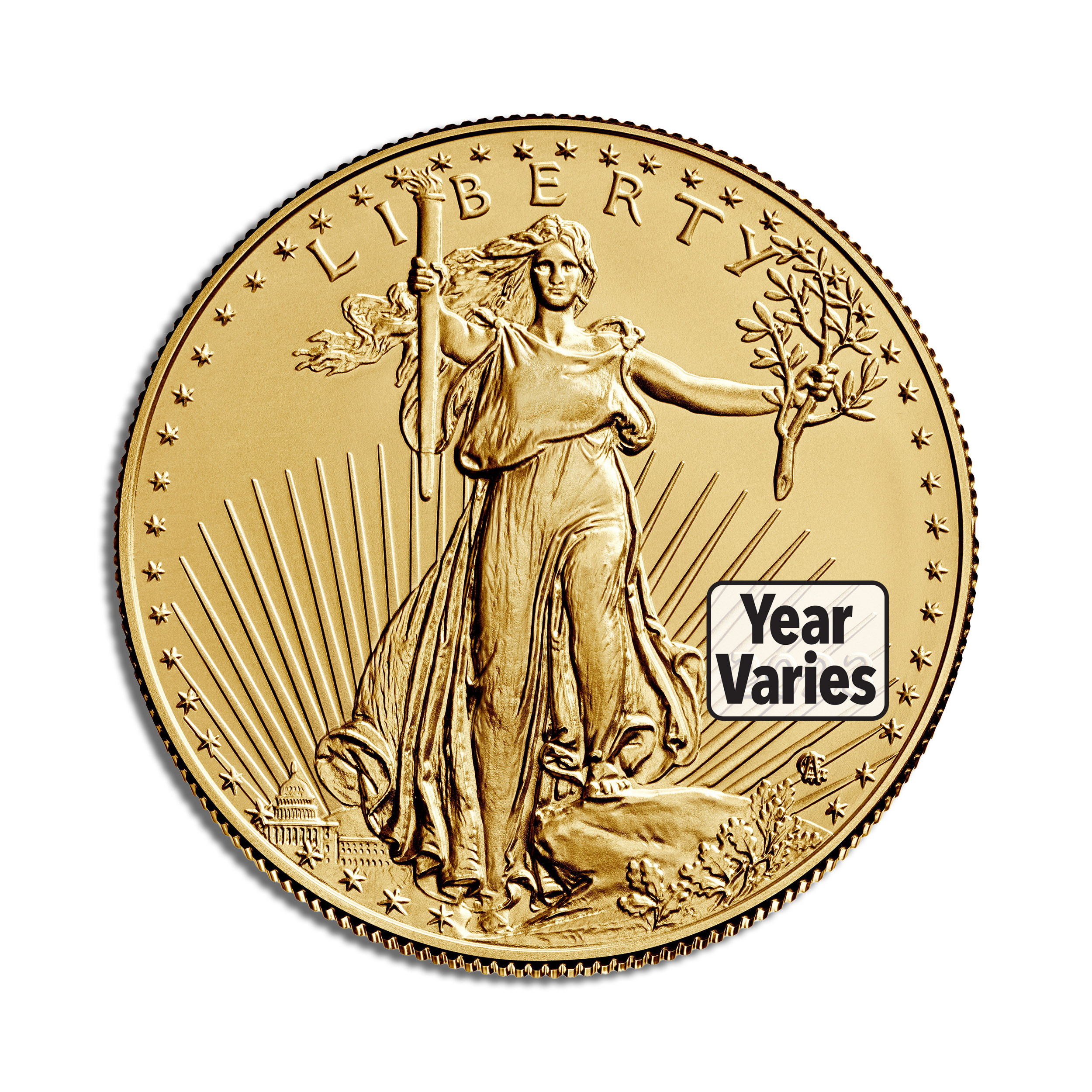
1/10 oz Gold Eagle – BU
Year-varies fractional American Gold Eagle coin.
View Current Price & Availability →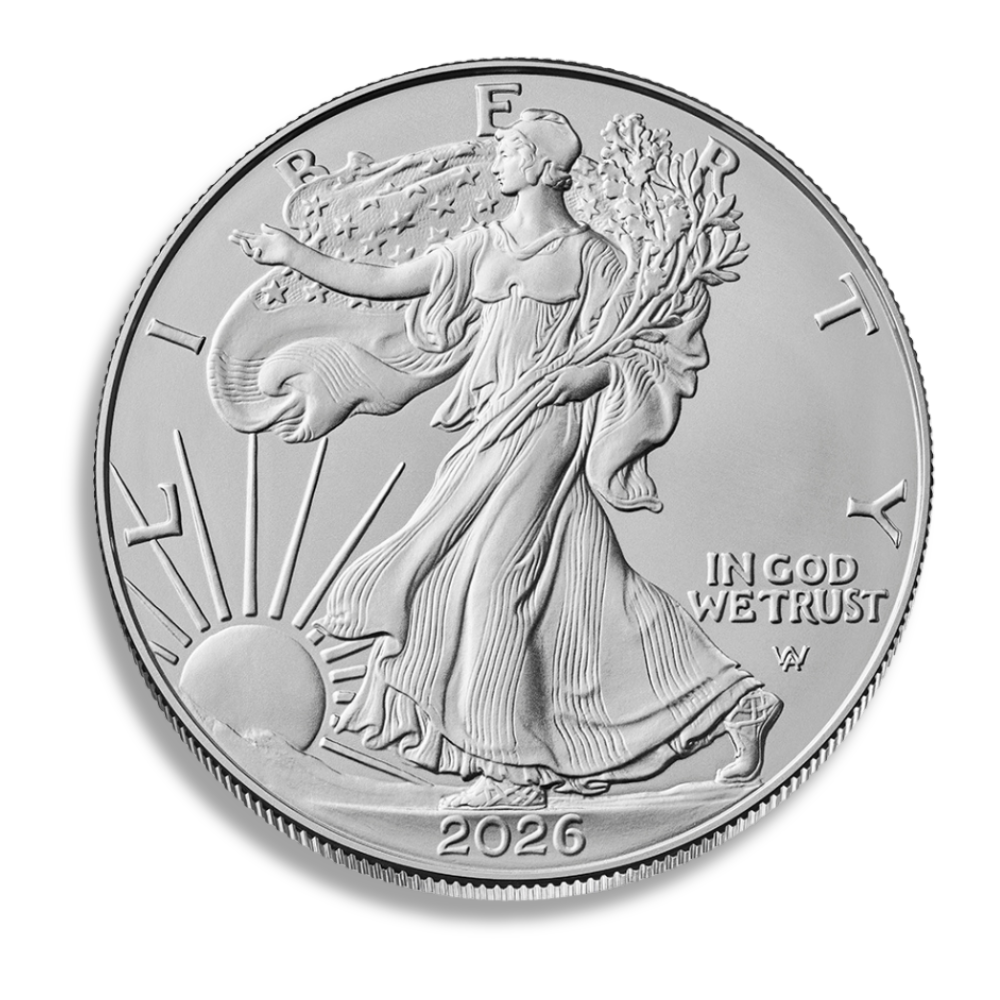
2026 Silver American Eagle
A current-year one-ounce American silver bullion coin.
View Current Price & Availability →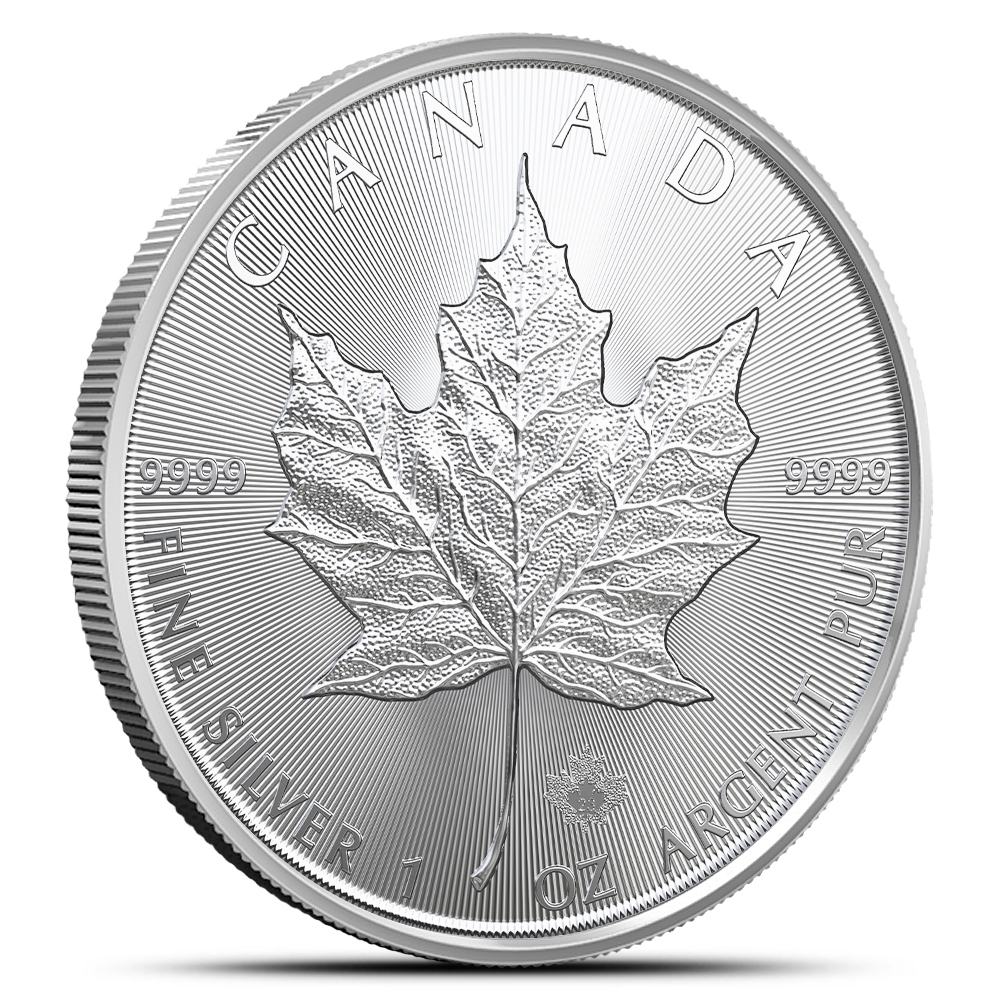
2026 1 oz Silver Maple Leaf
A .9999 fine Canadian silver bullion coin.
View Current Price & Availability →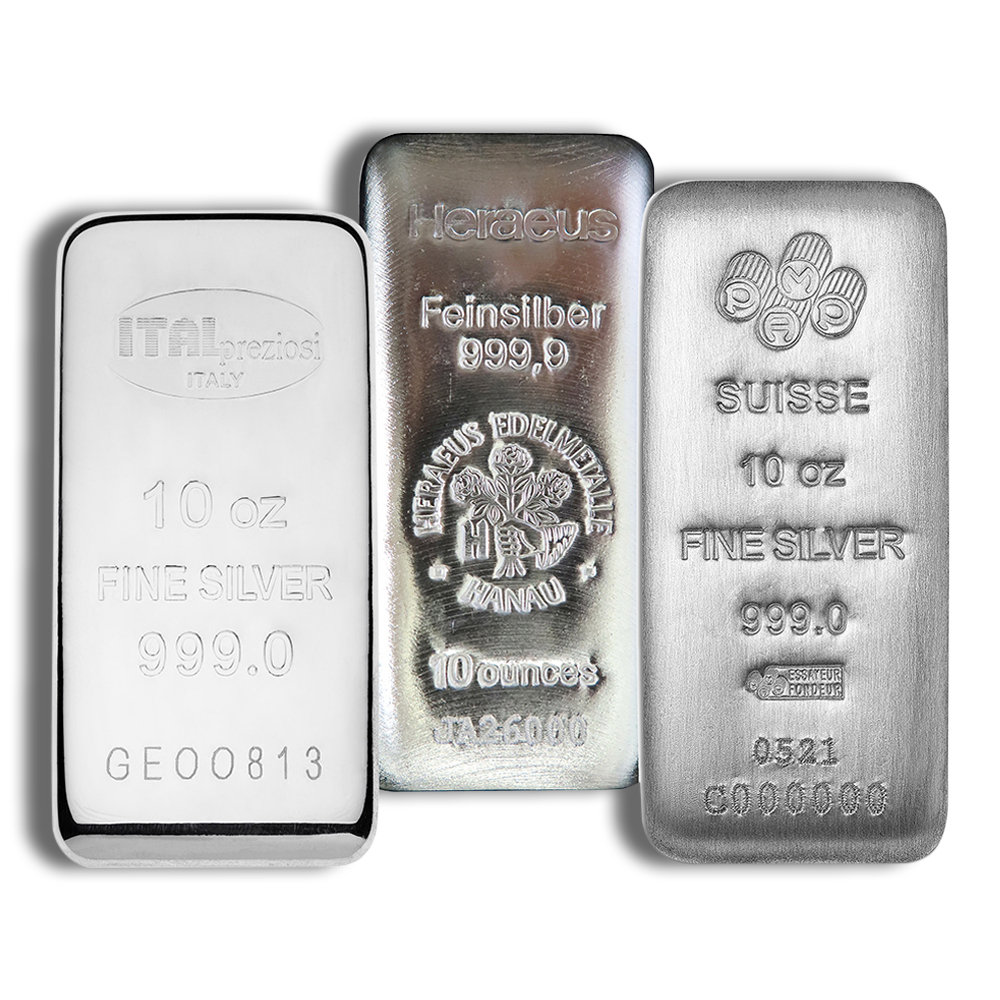
10 oz Silver Bar
IRA-eligible silver bar from a recognized brand.
View Current Price & Availability →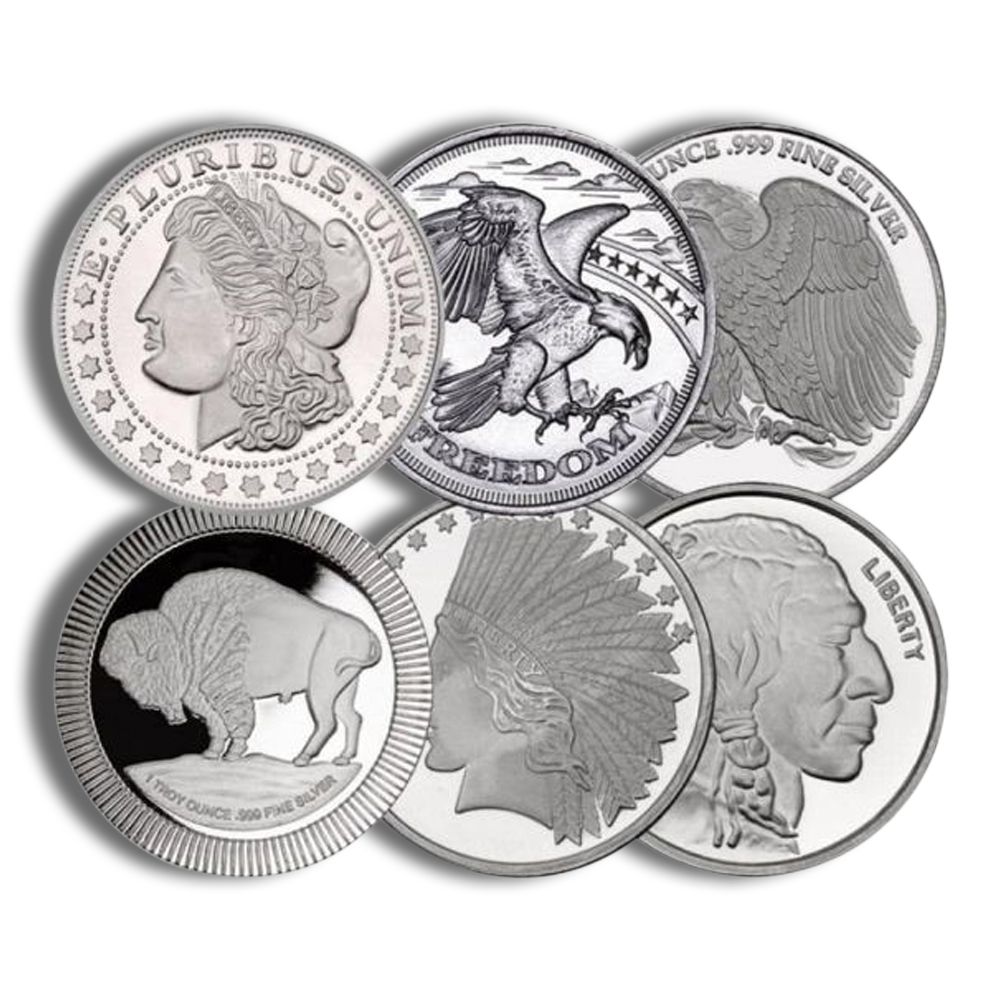
1 oz Silver Round
IRA-eligible .999 silver with a design that varies.
View Current Price & Availability →Product availability and pricing can change with inventory and precious-metal markets. Follow each product link for current information.
Frequently Asked Questions
What’s the difference between precious metal dealers and brokers?
A dealer holds inventory, takes on the risk of buying metal before a customer orders, and sells from stock. A broker arranges a transaction between buyer and seller without necessarily holding the metal. In practice, most firms labeled “brokers” in the precious metals marketplace function as dealers. The distinction matters for fee structure: dealers embed their margin in the premium over spot; brokers may charge a separate commission on top. Brokers charge a markup over the market spot price when selling physical metals in either case.
How do precious metal brokerage fees work?
Total cost includes the spot price, a fabrication or minting premium, shipping and handling, authentication or grading fees (for collectible coins), storage fees (0.10–1.9% per annum depending on metal and vault), insurance, and any IRA custody charges. APMEX, for example, charges a flat $100 per storage request for its Citadel Verified service before ongoing fees apply. Precious metals provide inflationary protection and intrinsic value, but these costs must be covered by price appreciation before a profit materializes.
Should I use a local or online precious metals broker?
Local dealers let you inspect coins and bars in person, verify weight and form, and walk away with your purchase. Premiums tend to be higher because of retail overhead. Online brokers offer wider selection, lower markups, and convenience, but you rely on the site’s authentication process, shipping security, and published photography. Researching a broker’s reputation and customer reviews is essential before investing through either channel. Check for registered business status, complaints with state attorneys general, and any CFTC enforcement history.
What credentials should I look for in a precious metals broker?
Look for recognized refiner accreditation through the LBMA, coin grading via PCGS or NGC, vault insurance from Lloyd’s or equivalent underwriters with third-party audits, and IRS approval for custodians and depositories if you plan to hold metals in an IRA. For brokers offering margin or financing, verify CFTC or NFA registration. The broker should publish fee schedules covering every stage of the transaction, from payment to storage to resale, with no hidden charges.
Finding Your Precious Metals Partner
Selecting a precious metals broker comes down to matching your goals (whether you want to buy gold silver bullion for long-term holding, build a collection of graded coins, or fund an IRA) to the broker whose fee structure, product range, and storage options align with those goals. Watch for transparent pricing, proper authentication, allocated and insured storage, and a clear buyback guarantee. Start by comparing spreads across two or three brokers for the specific product you want, and let the numbers guide your decision.
Explore gold, silver, and precious metals from Agate Precious Metals.