
Morgan Dollar Value Guide: What Makes a Morgan Dollar Valuable?
Educational guide for physical precious-metal buyers. Product availability, premiums, carrier rules, and market conditions can change.
A Morgan Dollar’s value depends on far more than its silver content. Date, mint mark, surviving population, grade, strike, luster, surface preservation, cleaning, toning, variety, and provenance can move two similar-looking coins into very different price ranges. Before accepting an online estimate, identify the coin correctly and compare recent market evidence for the same date, mint, variety, and condition. Individual appraisal requires inspection.
What to Check on a Morgan Dollar
- Read the date and locate the mint mark on the reverse below the wreath.
- Do not clean, polish, dip, or rub the coin.
- Check weight, diameter, edge, and metal composition against reliable specifications.
- Separate ordinary circulation wear from scratches, cleaning, damage, or altered surfaces.
- For a valuable candidate, consider authentication and grading by a major service.
Morgan Dollar Basics
Morgan Dollars were struck from 1878 through 1904 and again in 1921. The classic coin was designed by George T. Morgan. Standard issues weigh about 26.73 grams, measure about 38.1 millimeters, and contain 90% silver and 10% copper. Their silver content provides a floor of metal value, but collector demand often matters much more.
Modern Morgan Dollars issued beginning in 2021 are separate commemorative-style products with different specifications. Do not compare a 2021 Morgan directly with an 1881-CC simply because both use the Morgan design.
The Seven Main Drivers of Morgan Dollar Value
1. Date
Some years had lower original mintages, but mintage is only a starting point. Melting, Treasury storage, releases, and collecting patterns changed the surviving population. A high-mintage date can be difficult in an exceptional grade, while a lower-mintage date may survive in greater numbers than expected.
2. Mint mark
Classic Morgan Dollars were struck at Philadelphia, Carson City, New Orleans, San Francisco, and—for 1921 only—Denver. Mint marks include CC, O, S, and D. Philadelphia coins generally have no mint mark.
3. Grade and surface preservation
Grade reflects wear and the quality of preserved surfaces. An uncirculated coin can still have bag marks, weak strike, unattractive toning, or impaired luster. A numeric grade should be evaluated together with the coin’s eye appeal.
4. Strike and luster
Morgan Dollars vary by mint, year, and die pair. Weakly struck hair above Liberty’s ear or flat eagle-breast feathers may affect market appeal even when the coin shows little wear. Original cartwheel luster is important on Mint State pieces.
5. Cleaning or damage
Hairlines, unnatural shine, residue, scratches, rim damage, holes, and harsh cleaning can reduce value sharply. A cleaned rare date can still be valuable, but it should not be priced like an unimpaired straight-graded coin.
6. Variety
Die varieties—often cataloged as VAMs—can add value when they are recognized and in demand. Attribution requires exact diagnostic features. Do not pay a variety premium based only on a seller’s handwritten label.
7. Provenance and original packaging
Coins released by the General Services Administration in distinctive holders can carry added collector interest, especially Carson City issues with original boxes and certificates. The coin remains the primary asset, but intact presentation materials and credible provenance can matter.
Morgan Dollar Mint Marks
| Mark | Mint | What Buyers Should Know |
|---|---|---|
| No mark | Philadelphia | Includes many common and several better dates; identify by date and condition |
| CC | Carson City | Strong collector following; authenticity and exact date matter |
| O | New Orleans | Some issues are common, but strike and high-grade rarity can be important |
| S | San Francisco | Includes exceptionally well-made coins and important key dates |
| D | Denver | Used for 1921 Morgan Dollars |
Why Carson City Morgan Dollars Are Popular
Carson City coins connect collectors with the Comstock era and the historic Nevada mint. The CC mark is easy to recognize and has a strong market following. But “CC” alone does not determine price. Date, grade, surfaces, authenticity, and GSA provenance still control.
PCGS explains that Treasury hoards and later GSA sales brought substantial quantities of certain Carson City dollars to market. Some dates are more available than their reputation suggests, while others remain genuinely scarce.
How Condition Changes Value
| Condition Category | Typical Characteristics | Value Context |
|---|---|---|
| Circulated | Visible wear on high points; luster reduced or absent | Common dates may trade near a modest collector premium over silver |
| About Uncirculated | Light friction on high points with remaining luster | Can be attractive but should not be priced as fully Mint State |
| Mint State | No circulation wear; marks and strike still vary | Price spreads can widen dramatically by numeric grade |
| Details/problem coin | Cleaning, damage, alteration, or other impairment | May be valuable, but usually discounted versus problem-free examples |
Do Not Clean a Morgan Dollar
Cleaning removes or alters the surface that collectors evaluate. Even a soft cloth can create hairlines. Dip, polish, baking soda, and jewelry cleaners can leave unnatural color or stripped luster. Leave dust and toning alone until a qualified numismatist evaluates the coin.
Joe’s counter rule: The fastest way to turn a potentially collectible Morgan into a problem coin is to “make it shiny.” Original surfaces beat brightness.
Raw Versus Certified Morgan Dollars
Certification by PCGS, NGC, or another recognized service can provide authentication, grade opinion, attribution, and a standardized holder. It does not guarantee that a coin will rise in value, and the label does not eliminate the need to compare eye appeal and market prices.
Grading fees may not make sense for common, low-value coins. They become more useful when authenticity, a better date, a high grade, a variety, or a meaningful price difference is involved. PCGS publishes grading and submission information; use current service details rather than assuming every coin should be submitted.
How to Research Current Morgan Dollar Value
- Identify exact date and mint.
- Check whether the coin appears cleaned, damaged, altered, or counterfeit.
- Estimate a conservative grade range.
- Review price guides for orientation.
- Compare recent completed auction results for the same issue and grade.
- Compare dealer buy and sell prices.
- Account for certification, holder, provenance, toning, and eye appeal.
Asking prices are not completed sales. A single auction record for an exceptional coin does not establish the value of an average example.
When to Get an In-Person Opinion
Seek professional inspection when you have a CC or key-date candidate, a high-grade-looking coin, an unusual variety, a GSA holder, a large inherited group, or any coin whose authenticity is uncertain. Clear photographs help with triage, but they cannot fully reveal luster, hairlines, edge alterations, weight, or metal composition.
Joe Agate’s Bottom Line
Morgan Dollar value is a sequence, not a guess: identify date and mint, protect the surfaces, authenticate the coin, estimate condition conservatively, and compare real market evidence. If someone gives you a precise appraisal from one blurry photograph, treat it as a preliminary opinion—not a final value.
Shop Related Products at Agate Precious Metals
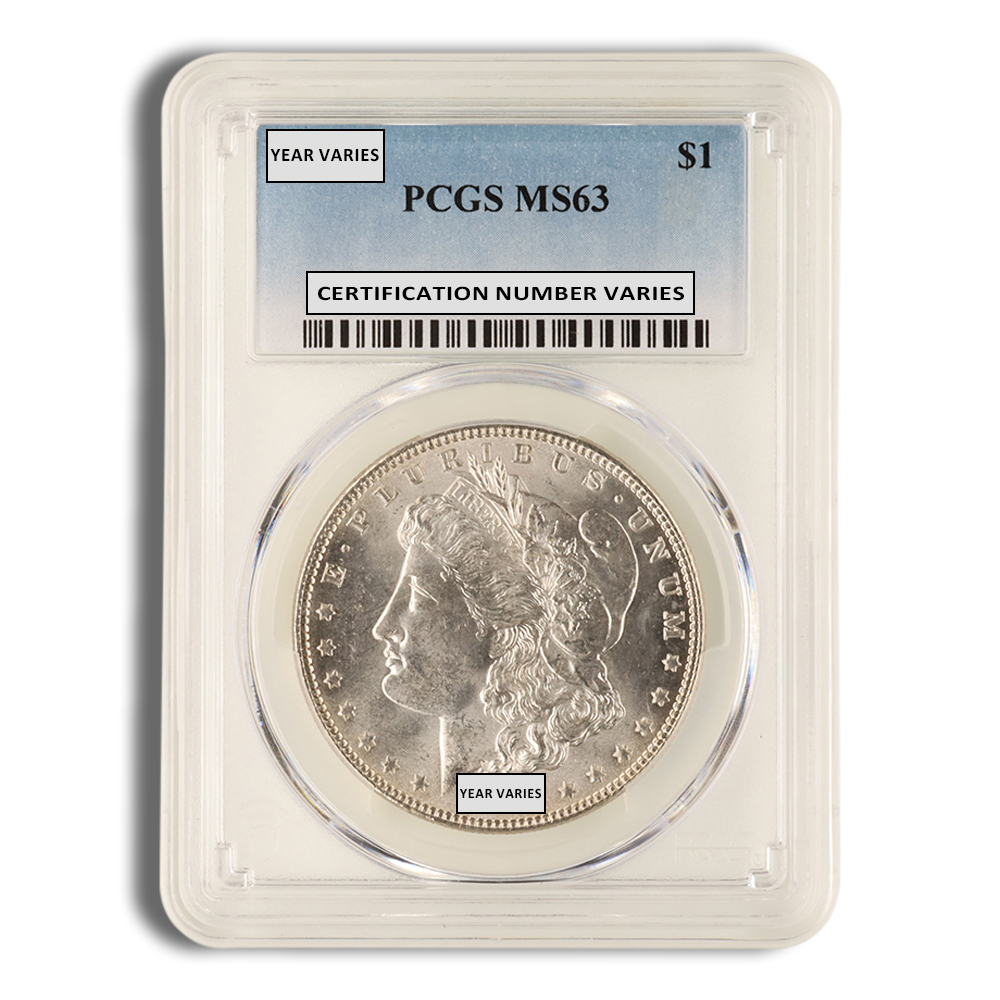
Pre-1921 Morgan Dollar – PCGS MS63
A certified pre-1921 Morgan Dollar graded PCGS MS63.
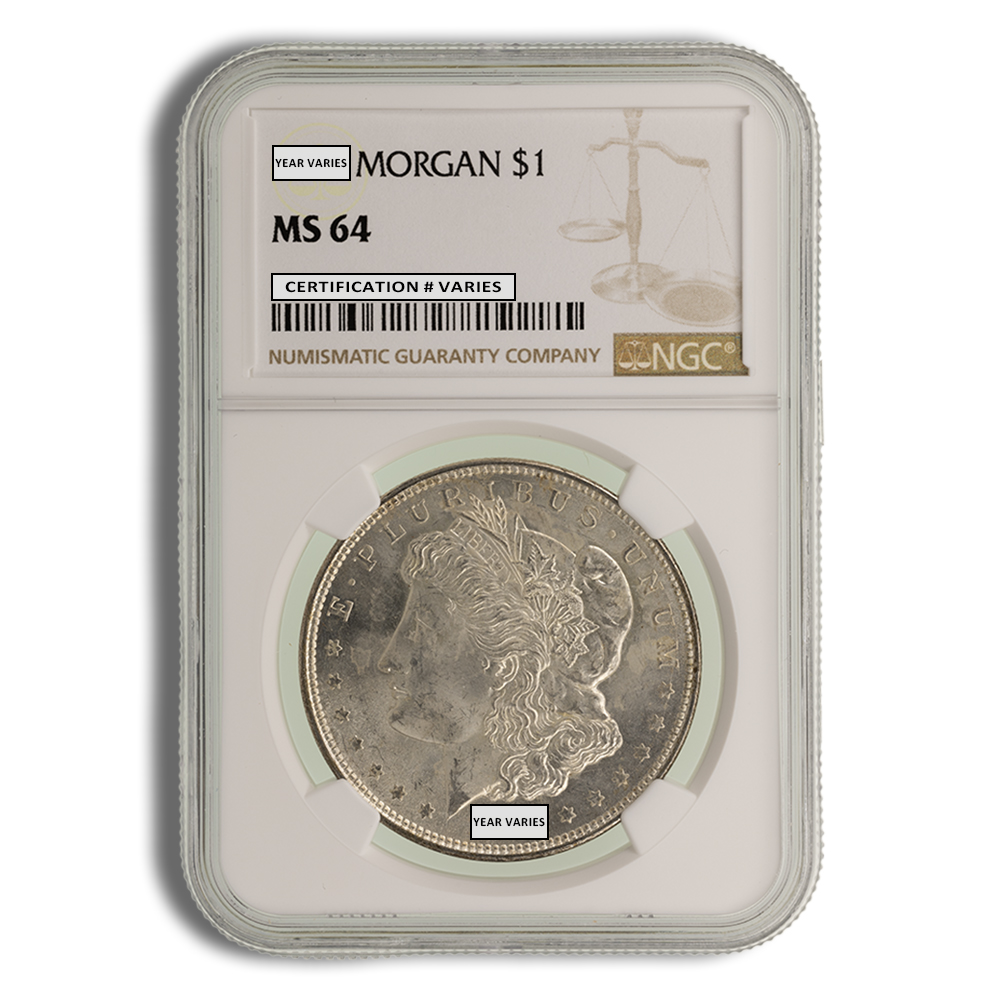
1921 Morgan Dollar – NGC MS64
A 1921 Morgan Dollar authenticated and graded NGC MS64.
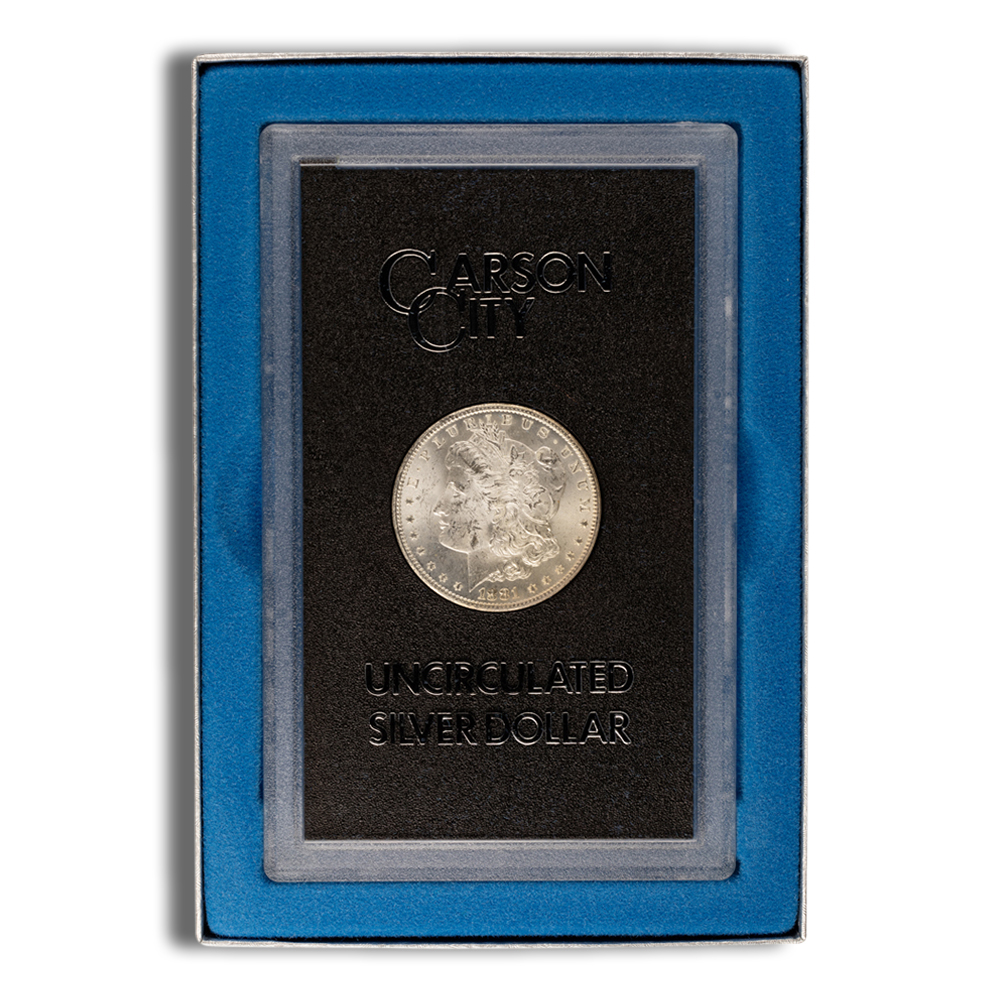
1881-CC GSA Morgan Dollar with Box & COA
A Carson City Morgan Dollar with its GSA presentation materials.
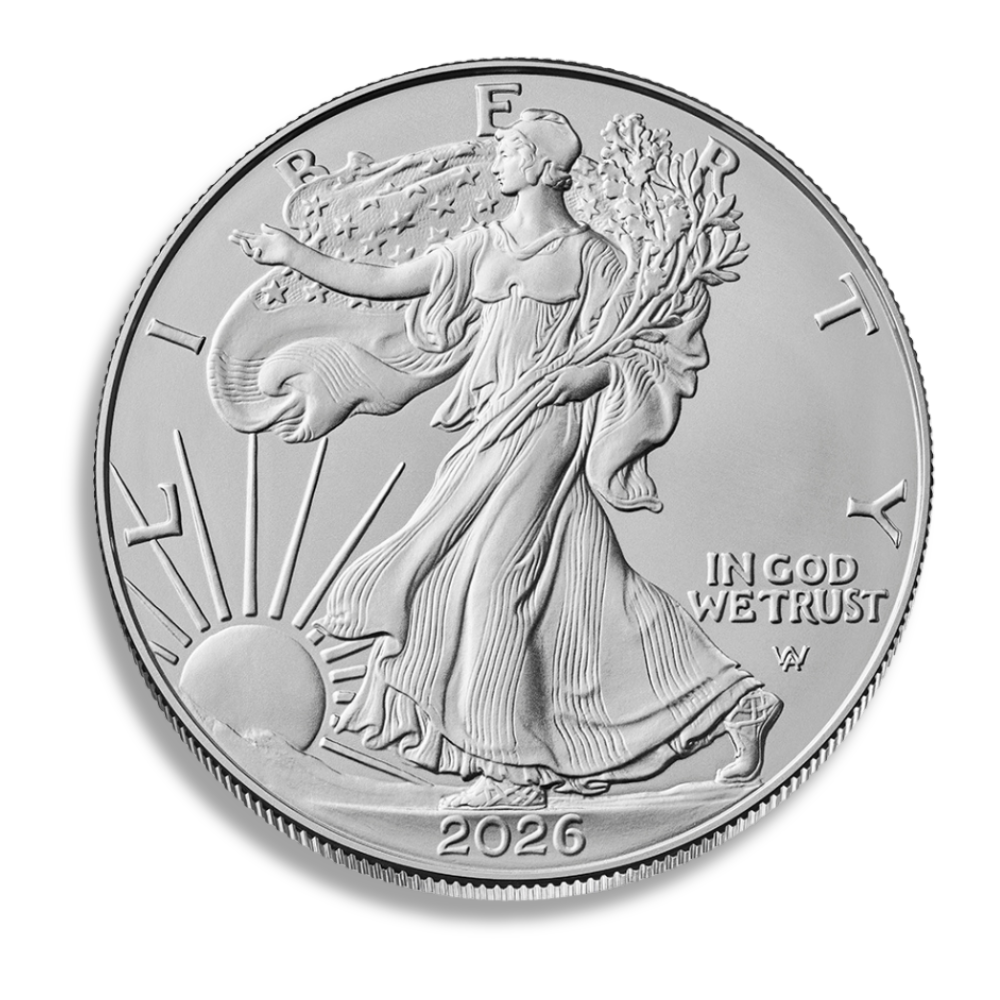
2026 Silver American Eagle – BU
A current-year one-ounce American Silver Eagle bullion coin.
Availability and pricing can change with inventory and precious-metal markets. Open each product page for current information.
Frequently Asked Questions
How much silver is in a Morgan Dollar?
A classic Morgan Dollar contains 90% silver and has an actual silver weight of approximately 0.7734 troy ounce when struck to standard. Wear can reduce the gross weight of circulated coins.
Where is the mint mark on a Morgan Dollar?
On classic Morgan Dollars, the mint mark is on the reverse below the wreath and above the letters DO in DOLLAR. Philadelphia issues generally have no mint mark.
Are all Carson City Morgan Dollars valuable?
Carson City Morgan Dollars have strong demand, but values vary widely by date, grade, surfaces, authenticity, and provenance. The CC mark alone does not create one fixed price.
Should I clean an old Morgan Dollar before selling it?
No. Cleaning can create hairlines, remove original luster, alter color, and reduce collector value. Leave the surface unchanged until the coin is evaluated.
Can a photograph determine the exact grade of a Morgan Dollar?
A photograph can support a preliminary opinion, but exact grading and authentication often require in-hand examination of luster, surfaces, edge, weight, and other diagnostics.
This article provides general educational information and does not constitute individualized investment, tax, legal, grading, appraisal, insurance, or shipping advice. Precious-metal prices and premiums fluctuate. Confirm current product specifications, policies, fees, and carrier terms before completing a transaction.