
1/10 oz Gold Coin in Grams: Weight Explained
Agate Precious Metals Buyer Guide
Fractional Gold Premiums Explained: 1/10 oz vs. 1/4 oz vs. 1/2 oz and Gram Bars
A fractional gold premium is the amount you pay above the metal value of a gold coin or bar containing less than one troy ounce of fine gold. Smaller pieces often cost more per fine ounce because production, packaging, and handling costs are spread over less gold.
The useful comparison is the complete delivered cost for the fine-gold weight you receive. A one-gram bar may have a lower purchase price than a quarter-ounce coin while carrying a higher percentage premium. Your choice depends on whether you value a smaller purchase amount, gift presentation, divisibility, or a lower cost per ounce.
Two Premium Formulas
Premium dollars = delivered checkout cost − melt value
Premium percentage = premium dollars ÷ melt value × 100
- Delivered checkout cost: Include the product price, shipping, payment-method charges, and applicable tax.
- Melt value: Multiply the product’s fine-gold content in troy ounces by the gold spot price used for your comparison.
- Use consistent terms: These formulas measure your all-in acquisition premium. A dealer’s advertised product premium may exclude shipping, tax, or payment charges.
Fractional Gold Sizes Compared
One troy ounce equals approximately 31.1035 grams. The table below puts common fractional sizes into the same units so you can compare their metal content before comparing prices. It does not assume that every size is currently available.
| Format | Grams | Troy Ounces | What to Compare |
|---|---|---|---|
| 1 gram bar | 1.0000 g | 0.03215 oz | Small purchase amount, packaging, and delivered premium. |
| 1/10 oz coin | 3.11035 g fine gold | 0.10000 oz fine gold | Coin recognition, condition, and premium per fine ounce. |
| 5 gram bar | 5.0000 g | 0.16075 oz | Per-gram cost compared with individual one-gram bars. |
| 1/4 oz coin | 7.77587 g fine gold | 0.25000 oz fine gold | Purchase amount, divisibility, and current dealer bid. |
| 10 gram bar | 10.0000 g | 0.32151 oz | Named-refiner versus brand-varies pricing and packaging. |
| 15 gram bar | 15.0000 g | 0.48226 oz | Exact specifications and availability before comparing. |
| 1/2 oz coin | 15.55174 g fine gold | 0.50000 oz fine gold | Larger purchase amount versus smaller-coin premiums. |
| 20 gram bar | 20.0000 g | 0.64301 oz | Delivered cost per ounce compared with half-ounce and one-ounce products. |
Bar rows show nominal gram weights converted to troy ounces. Confirm whether the manufacturer specifies gross weight or guaranteed fine-gold content. If the stated weight is gross weight, multiply it by fineness to calculate fine-gold content. Do not apply purity twice when the specification already states fine-gold weight. Fractional Gold Eagle sizes refer to their fine-gold content; their total alloy weight is higher.
Worked Example: Compare Premiums at Checkout
Start with a 1/10-ounce coin. Multiply the spot price by 0.10 to find its reference gold value. Then select the actual payment and shipping methods you intend to use and calculate the complete checkout cost.
Hypothetical example—not a current Agate quote: At an assumed gold spot price of $4,000 per troy ounce, a coin containing 0.10 fine troy ounce has a metal value of $400. If its delivered cost is $450:
- Premium dollars: $450 − $400 = $50.
- Premium percentage: $50 ÷ $400 × 100 = 12.5%.
- Delivered cost per fine ounce: $450 ÷ 0.10 = $4,500.
Repeat the same calculation for a quarter-ounce coin, half-ounce coin, or gram bar using the same spot reference. These figures illustrate the method; they are not live prices.
The smallest checkout total can have the highest percentage premium. A larger piece may reduce your cost per fine ounce, but it also commits more money to a single item. Smaller separate pieces give you more flexibility to sell only part of your holdings.
Dealer perspective: Compare what leaves your bank account with how much fine gold arrives. A product-page price that excludes your shipping or payment charges is not the complete comparison.
Why Small Gold Often Carries Higher Premiums
A refiner still has to fabricate, inspect, package, and distribute a one-gram bar. A mint still has to strike and distribute a 1/10-ounce coin. Those activities do not become ten times cheaper simply because the piece contains one-tenth as much gold.
Assay packaging, order handling, distribution, and payment processing can also add costs that do not fall proportionally with metal weight. Demand for affordable individual pieces, gifts, and gradual purchases can influence premiums as well.
A higher percentage premium does not automatically make a smaller product the wrong choice. Identify what the extra cost provides: a lower entry amount, attractive presentation, separate pieces for future sales, a particular refiner, or a preferred coin design.
Fractional Gold Coins vs. Gram Bars
Fractional Gold Coins
Government-issued bullion coins offer a stated denomination and an identifiable issuing authority. When comparing fractional Gold Eagles with other products, use the stated fine-gold content rather than the coin’s total alloy weight.
Keep ordinary bullion comparisons separate from proofs, certified grades, and collectible dates. Those products may carry premiums for features beyond gold content. A year-varies bullion listing also differs from an offer for a particular date or design.
Fractional Gold Bars
Small bars commonly display their weight and fineness, and carded products may include assay information. A named-refiner listing identifies the brand being offered; a brand-varies listing allows fulfillment according to the seller’s stated selection terms. Neither format is automatically cheaper at every moment.
Read Agate’s carded gold bar guide and brand-varies gold bar guide before treating different listings as interchangeable.
Which Fractional Gold Size Fits Your Goal?
- Buying a gift? Compare a carded gram bar with a fractional coin. Consider presentation and the recipient’s preferences alongside metal content.
- Making smaller purchases over time? Set a repeatable budget and track the delivered premium on each order. Shipping charges can materially affect small purchases.
- Wanting to sell in smaller increments? Several separate pieces allow partial sales. Compare that flexibility with the additional acquisition premium and the dealer’s current bid for each format.
- Prioritizing gold weight per dollar? Compare half-ounce, 20-gram, and one-ounce options alongside smaller pieces. Calculate the actual delivered cost per fine ounce rather than assuming the largest is cheapest.
- Wanting a particular mint or design? Choose a named listing. If brand choice matters less, compare brand-varies products after reviewing their fulfillment and packaging terms.
Compare Like With Like
Use the same spot timestamp, payment method, order quantity, and delivery destination. Compare carded bars with carded bars and similar-condition bullion coins with one another. Do not mix a proof or certified collectible into a basic bullion comparison without accounting for its additional features.
For a multi-item order, allocate shared shipping and order fees consistently. You can also compare the total order cost with the combined fine-gold content of all items. Avoid charging the entire shipping fee to every piece when calculating a per-item premium.
Ask about the current buyback bid as well. The premium you pay when buying is not necessarily recovered when selling. Retail pricing and dealer bids respond to product demand, condition, inventory, and transaction costs.
Before ordering: No format has a permanent premium advantage. Inventory and checkout terms can change, and a size discussed in this guide may not be stocked. Recalculate using the exact product and order you intend to purchase.
Compare Fractional Gold Products
Use these Agate listings to compare coin sizes, gram-bar formats, and packaging. Open each product page for its current specifications, price, and availability.
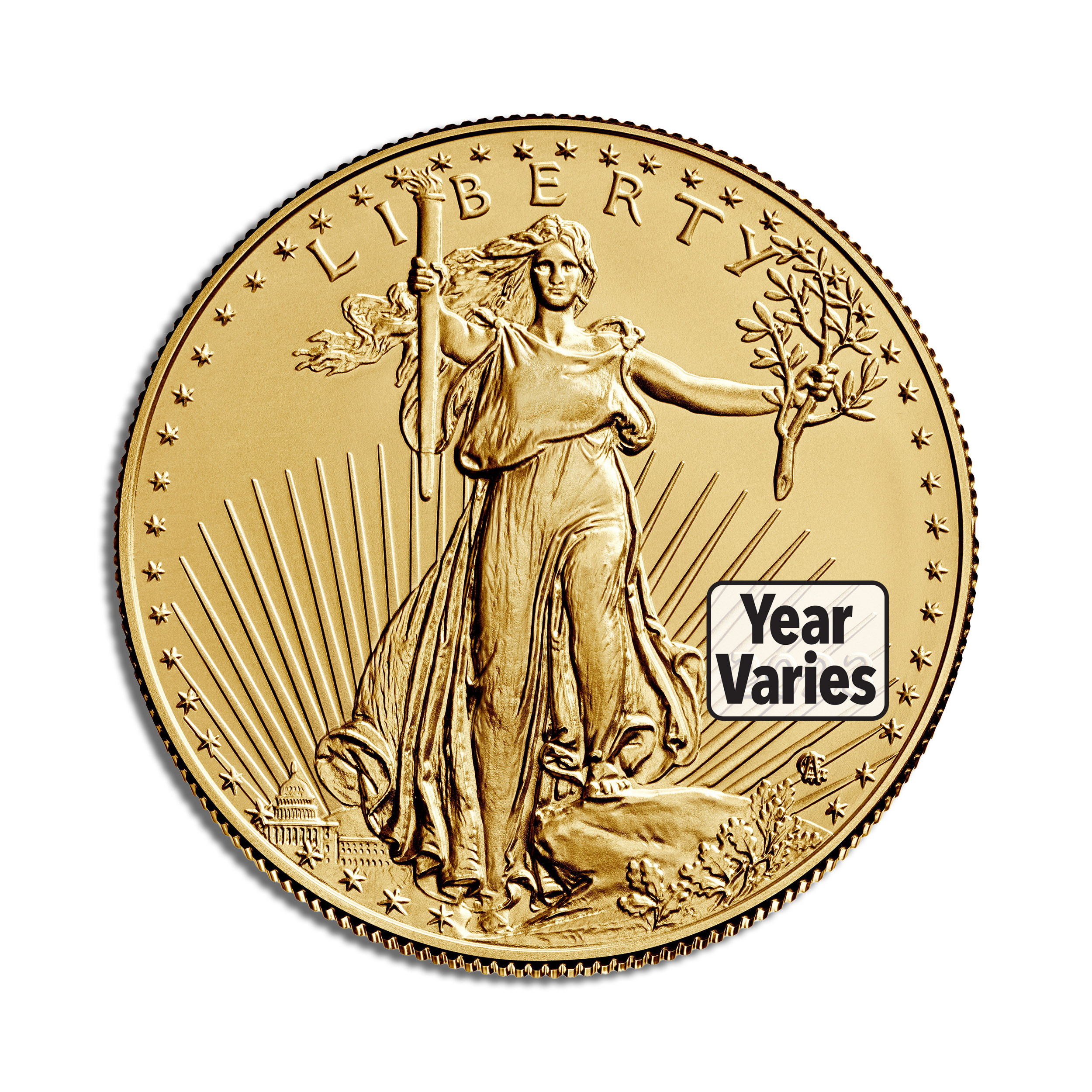
Fractional Gold Coin
1/10 oz Gold Eagle – BU (Year Varies)
Contains 0.10 troy ounce of fine gold. Compare its smaller purchase amount with the delivered premium on quarter-ounce and half-ounce Eagles.
View Price & Availability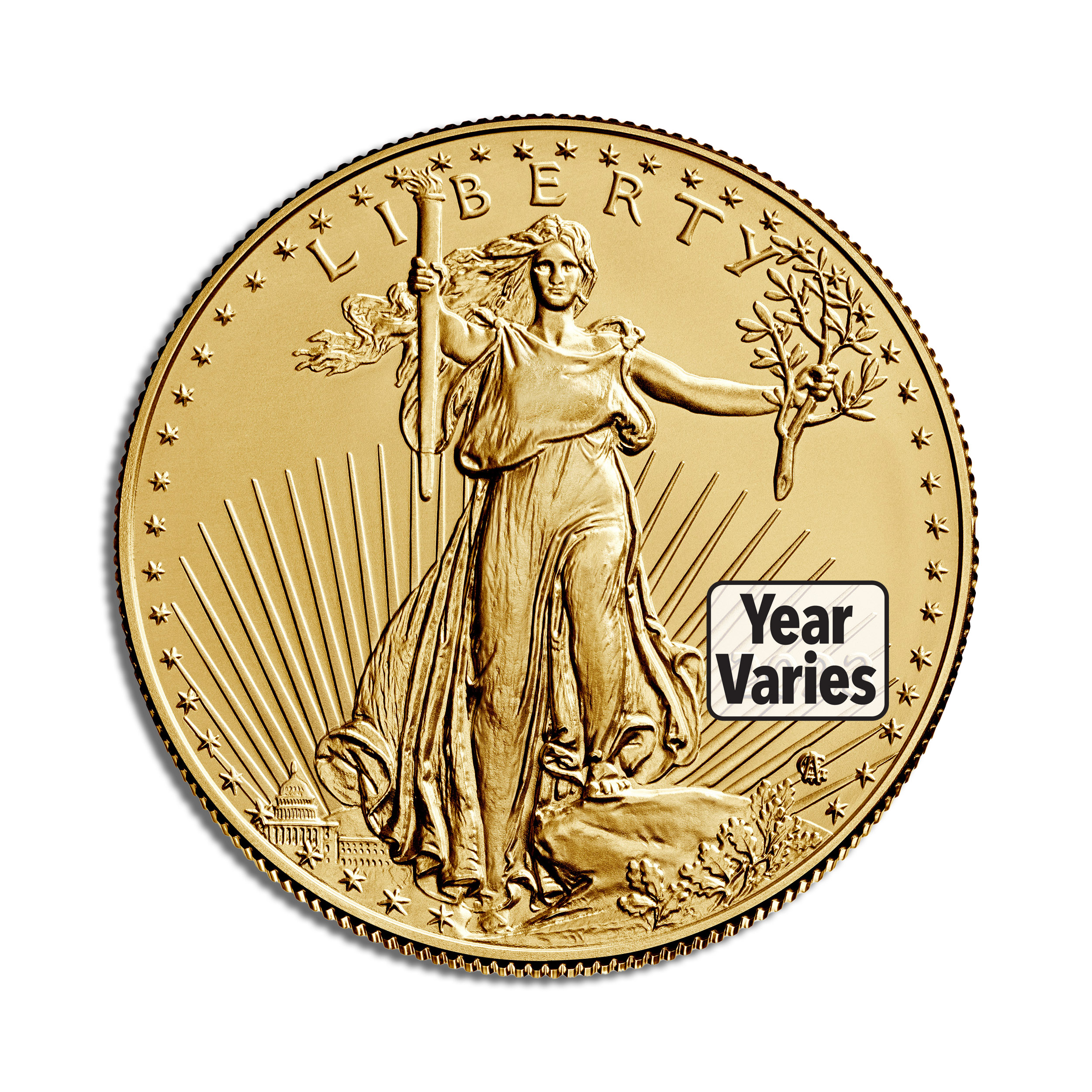
Fractional Gold Coin
1/4 oz Gold Eagle – BU (Year Varies)
Contains 0.25 troy ounce of fine gold. A useful comparison point when balancing purchase size with the ability to sell individual pieces later.
View Price & Availability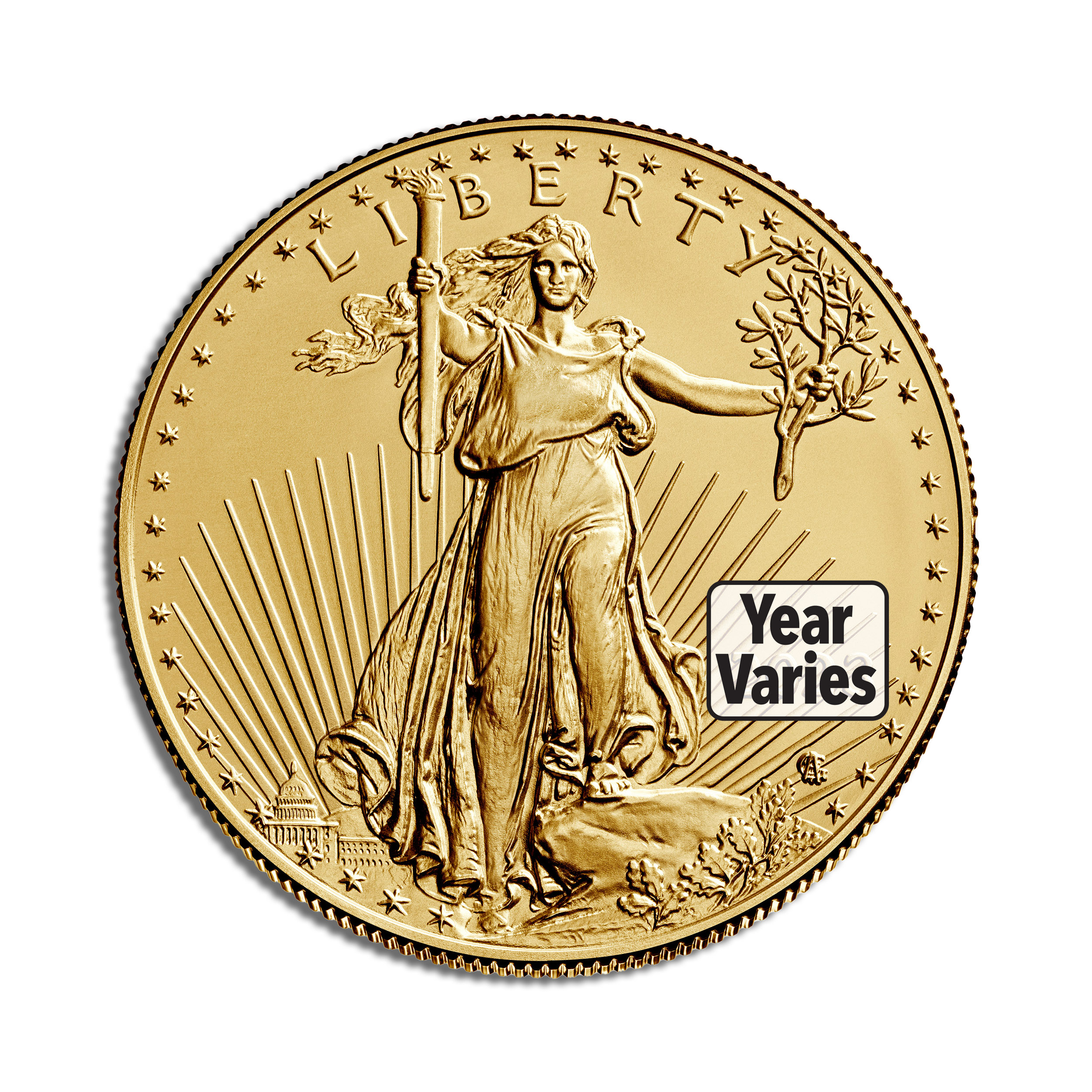
Fractional Gold Coin
1/2 oz Gold Eagle – BU (Year Varies)
Contains 0.50 troy ounce of fine gold. Compare one half-ounce coin with two quarter-ounce coins using complete checkout totals.
View Price & Availability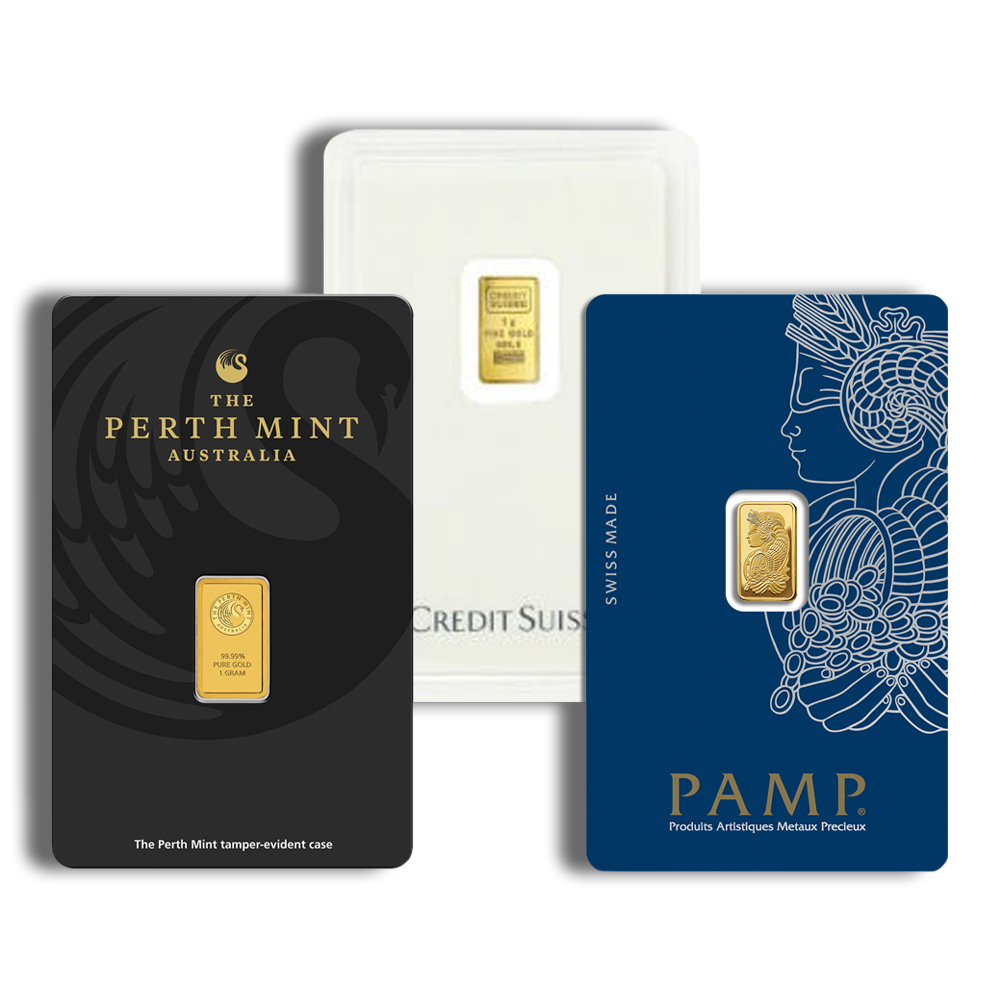
Small Carded Gold Bar
1 Gram Gold Bar – Brand Varies (Carded)
A small bar format with refiner selection governed by the listing’s brand-varies terms. Check packaging and delivered cost before comparing it with named bars.
View Price & Availability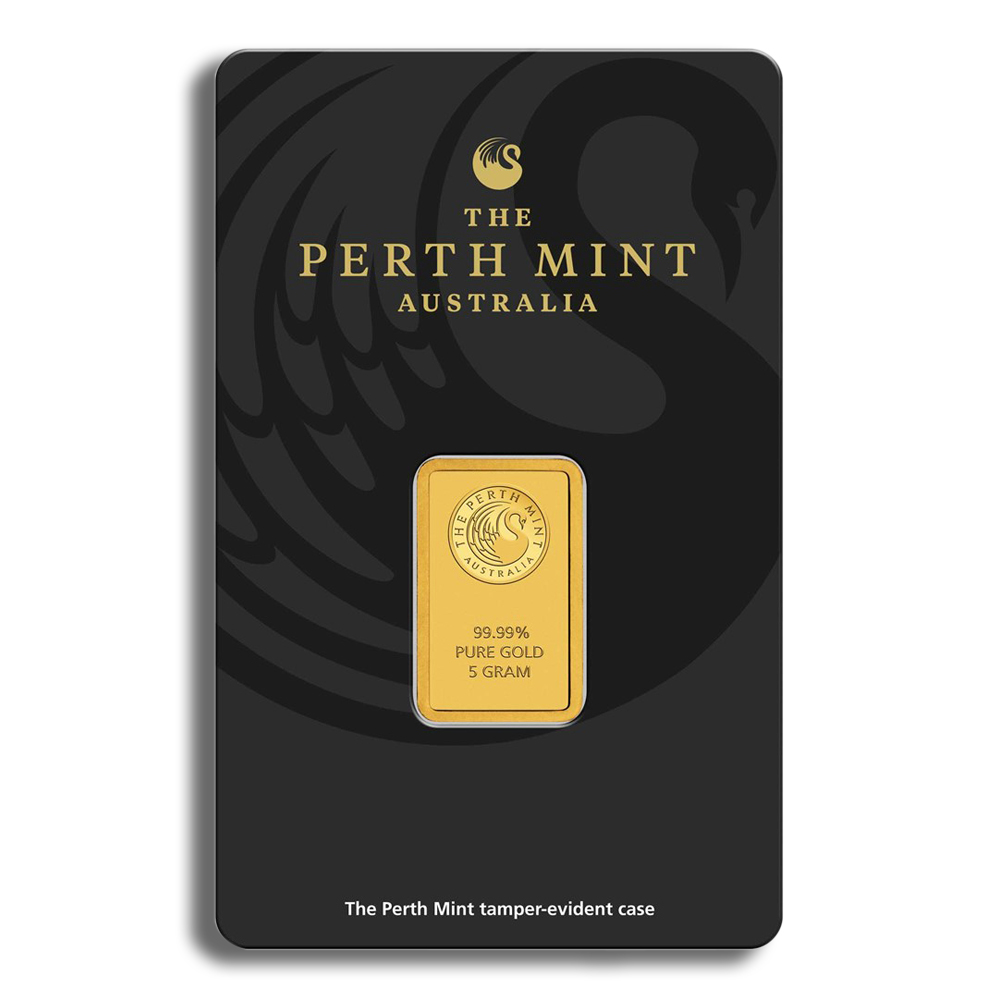
Named Carded Gold Bar
5 Gram Gold Bar – Perth Mint (Carded)
Compare this five-gram format with five individual one-gram bars. The larger piece and separate smaller pieces serve different divisibility needs.
View Price & Availability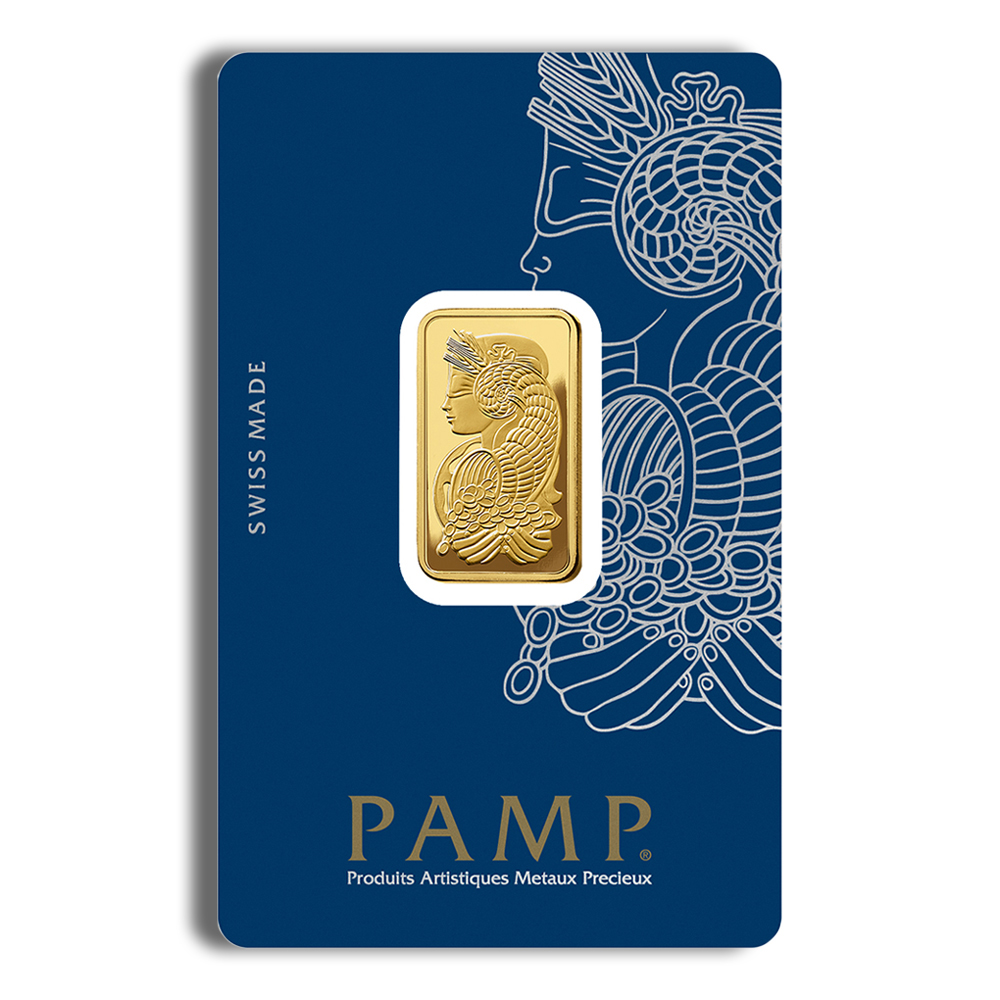
Named Carded Gold Bar
10 Gram Gold Bar – PAMP Fortuna (Carded)
A PAMP Fortuna option between quarter-ounce and half-ounce formats by nominal weight. Normalize fine-gold content before comparing the purchase totals.
View Price & Availability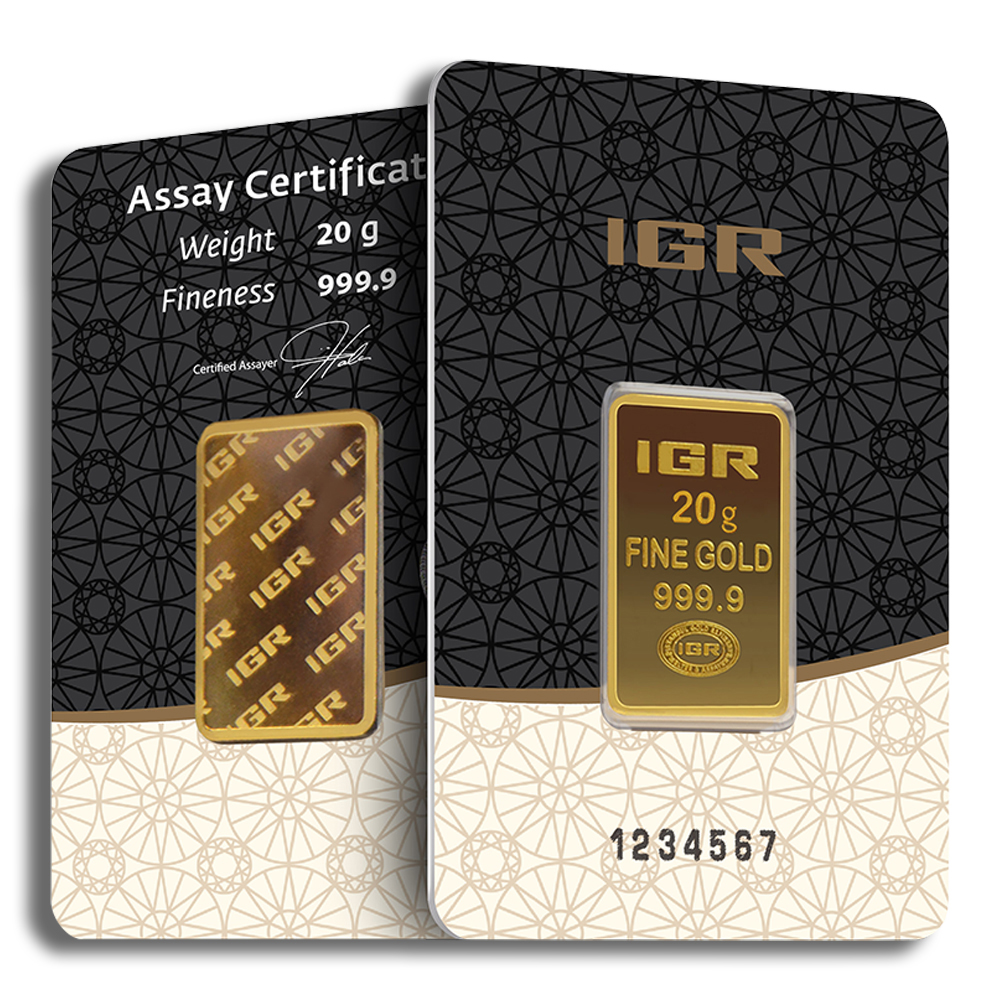
Larger Fractional Gold Bar
20 Gram Gold Bar – IGR Metals (Carded)
A larger gram-bar format for comparison with half-ounce and one-ounce products. Check the current premium and buyback terms rather than assuming a size advantage.
View Price & AvailabilityProduct images are illustrative; delivered years, designs, or brands may vary where stated. Prices, premiums, packaging, specifications, and availability can change. Review the exact listing and checkout terms before ordering.
A Practical Comparison Checklist
- Set your total budget: Include the full cost of the order, not only its advertised unit price.
- Normalize the weight: Compare fine-gold grams or fine troy ounces using the same unit throughout.
- Calculate both premiums: Record the dollar amount and the percentage above reference metal value.
- Match the format: Account for packaging, condition, refiner, date selection, and collectible features.
- Consider the eventual sale: Ask for an indicative current bid and understand that future bids can change.
Frequently Asked Questions
What is a fractional gold premium?
It is the amount paid above the metal value of a gold product containing less than one troy ounce of fine gold. For an all-in comparison, subtract melt value from your delivered checkout cost, then divide the difference by melt value to calculate the premium percentage.
Why does a 1/10 oz coin often cost more per ounce than a 1 oz coin?
Manufacturing, packaging, distribution, and handling costs are spread over less gold. Demand for smaller purchase sizes can also influence pricing. Compare actual checkout totals because the difference changes by product and market conditions.
Are gram bars cheaper than fractional gold coins?
Some are, but there is no permanent rule. Compare the delivered cost per fine ounce, packaging, brand, condition, and current buyback bid. A lower item price alone does not establish a lower premium.
Should shipping and tax be included in the premium?
Include them when calculating your all-in acquisition premium, along with any payment-method charges. A quoted product premium may exclude these costs, so distinguish the advertised premium from your actual delivered cost.
Which fractional gold size has the lowest premium?
There is no fixed winner. Larger pieces often spread production costs over more gold, but inventory, demand, promotions, and checkout terms can change the result. Calculate the premium for the exact products available when you shop.
Will I recover the premium when I sell fractional gold?
Not necessarily. A dealer’s bid depends on the product, condition, demand, and market at the time of sale. Compare current bids for the same formats, but do not treat today’s buyback terms as a guarantee of a future selling price.