
1943 Steel Penny Value: Mintmarks, Condition and Errors
Agate Precious Metals · Coin education
1943 Steel Penny Value: Mintmarks, Condition and Errors
1943 steel penny value depends on its mintmark, condition, original coating, corrosion and any authenticated error. Standard examples are zinc-coated steel cents made during World War II. A magnet can help screen composition, but it cannot establish collector value or authenticate a rare copper or bronze error.
Editorial review: .
Why Were Pennies Made of Steel in 1943?
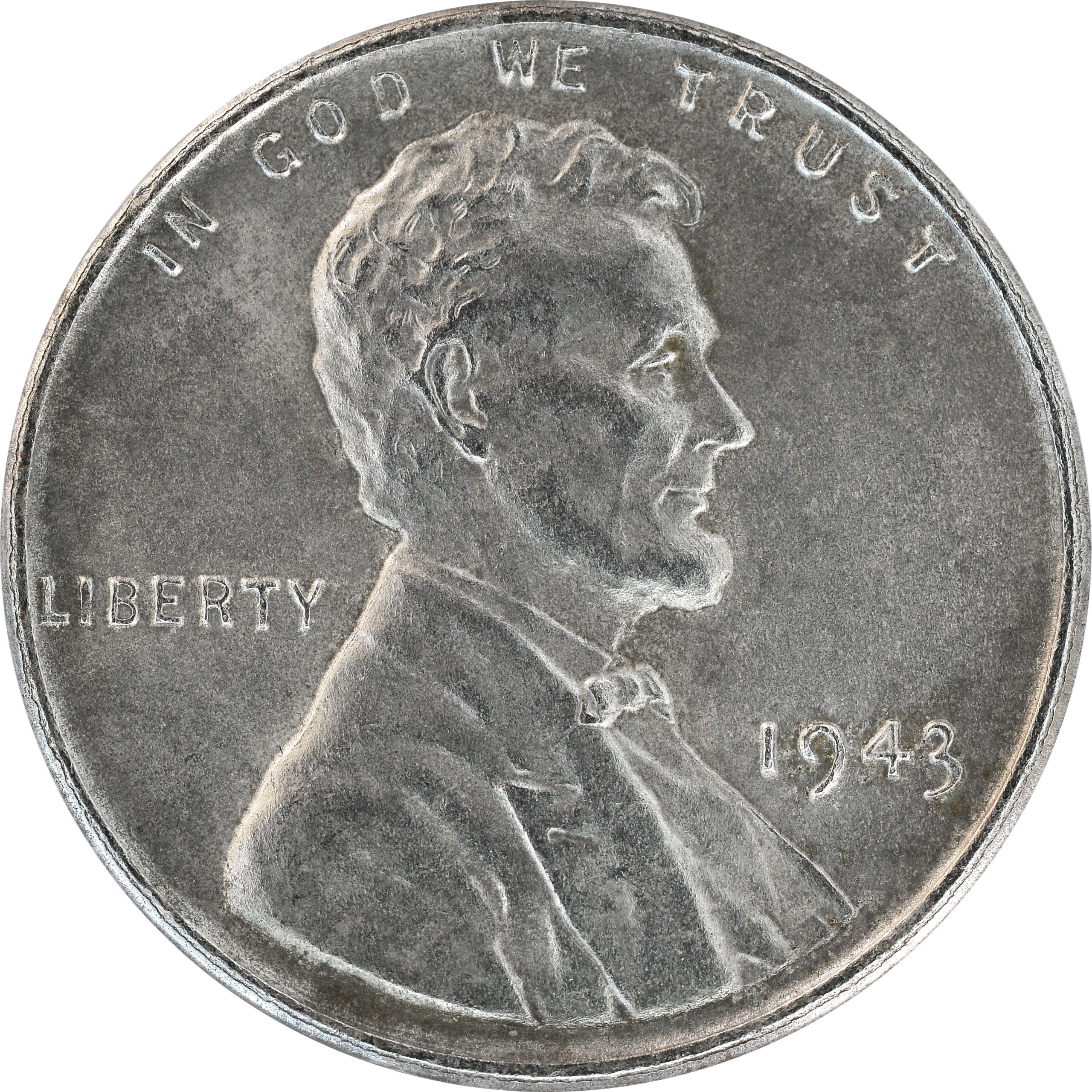
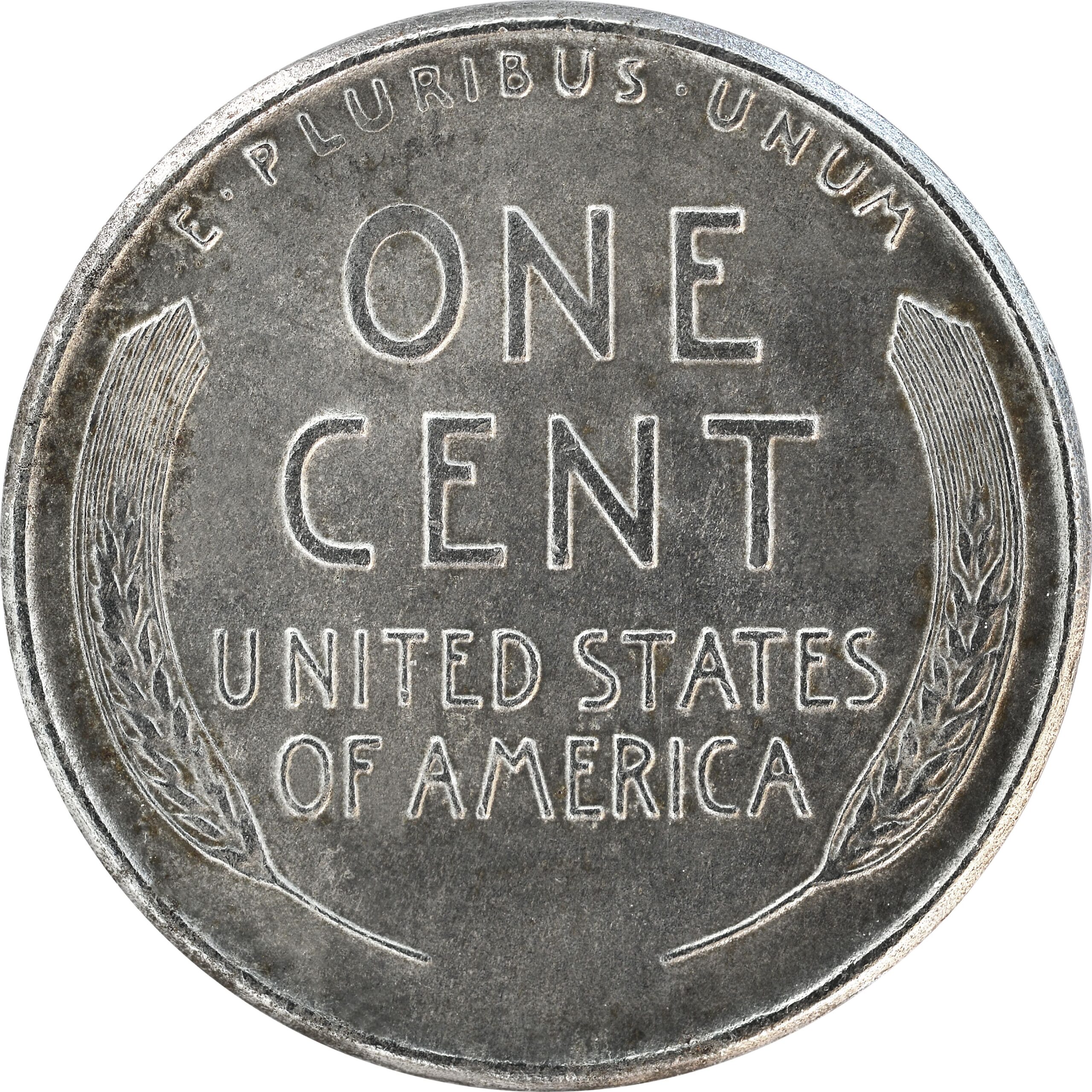
Copper was needed for the war effort, so the U.S. Mint used zinc-coated steel for standard 1943 cents. The familiar Lincoln portrait remained on the obverse, with wheat ears on the reverse.
The steel composition gives an ordinary example a gray appearance and magnetic response. This is a historic base-metal coin, not a gold or silver bullion product.
Identify the Date and Mintmark
Confirm that the date reads 1943. Denver and San Francisco cents have D or S below the date; Philadelphia examples normally have no mintmark.
Inspect the entire coin under neutral light. Plating, lighting, corrosion and alteration can change its appearance. Color alone is not a reliable composition test.
Condition and Original Coating
Examine the zinc coating, luster, rim, contact marks and signs of corrosion. Rust can develop when moisture reaches exposed steel. Flaking, bubbling, orange corrosion, scratches and reprocessed surfaces affect preservation and collector interest.
A highly reflective surface does not necessarily mean the coin is original or high grade. Replating and other treatments can make a worn coin look brighter without restoring its original condition.
Rare Copper or Bronze Error Claims
Rare 1943 cents struck on copper-alloy planchets are documented, but a copper-colored cent is not automatically one of these errors. Plated steel cents, altered dates and counterfeits can produce misleading appearances.
A nonmagnetic result does not prove an error. Weight, dimensions, design diagnostics and qualified authentication must agree. For a potentially valuable coin, use a recognized grading and authentication service rather than destructive home testing.
Do not file, drill, scrape, polish or acid-test a suspicious cent. Preserve the coin and the evidence supporting its identification.
Which Evaluation Fits Your Coin?
| Observation | Appropriate Next Step |
|---|---|
| Ordinary magnetic steel example | Compare matching mintmarks and condition in completed sales. |
| Rust, replating or other surface concerns | Document the damage and avoid comparisons with original high-grade coins. |
| Unexpected composition or possible altered date | Preserve the piece and obtain qualified authentication. |
Retail asking prices, dealer bids and auction results are different references. Include sale dates, fees and the exact condition when comparing them.
Safe Review Checklist
- Photograph the date, mintmark, both faces and edge.
- Record magnetic response without striking or scratching the coin.
- Note corrosion, coating damage and possible alteration.
- Record weight when safe, using a suitable calibrated scale.
- Keep the source, invoice and certification information.
- Seek qualified review before presenting the coin as a rare error.
Frequently Asked Questions
Are all 1943 pennies steel?
Standard 1943 cents are zinc-coated steel. Rare copper-alloy errors exist, but an exception must be authenticated for the individual coin.
Does sticking to a magnet make a penny valuable?
No. Magnetic response is expected for an ordinary steel cent. Value still depends on identification, condition and collector demand.
Why does a steel penny rust?
The steel core can corrode when moisture reaches it, particularly where the protective zinc coating is damaged or worn.
Should I clean rust from a 1943 cent?
No. Cleaning can alter the coating and surfaces. Obtain professional advice before treating a potentially collectible example.
Is a steel penny a precious-metals investment?
No. It is a base-metal coin evaluated mainly through numismatic factors rather than gold or silver content.
Sources and Review Information
- U.S. Mint — Historic coin production
- U.S. Mint — 1943 cent identification and misconceptions
- Numista — Steel Lincoln cent reference
References describe the coin type and do not authenticate an individual specimen. Market prices and buyer terms can change.