
1776 to 1976 Half Dollar Value: Silver or Clad?
Agate Precious Metals · Coin education
1776 to 1976 Half Dollar Value: Silver, Clad and Collector Checks
1776 to 1976 half dollar value depends first on whether the coin is copper-nickel clad or 40% silver, then on finish, condition and collector demand. Not every Bicentennial Kennedy half dollar contains silver. Identify the exact issue before comparing melt value, dealer offers, proof premiums or claimed mint errors.
Reviewed . No live appraisal or market quote is provided.
What Is the Bicentennial Kennedy Half Dollar?
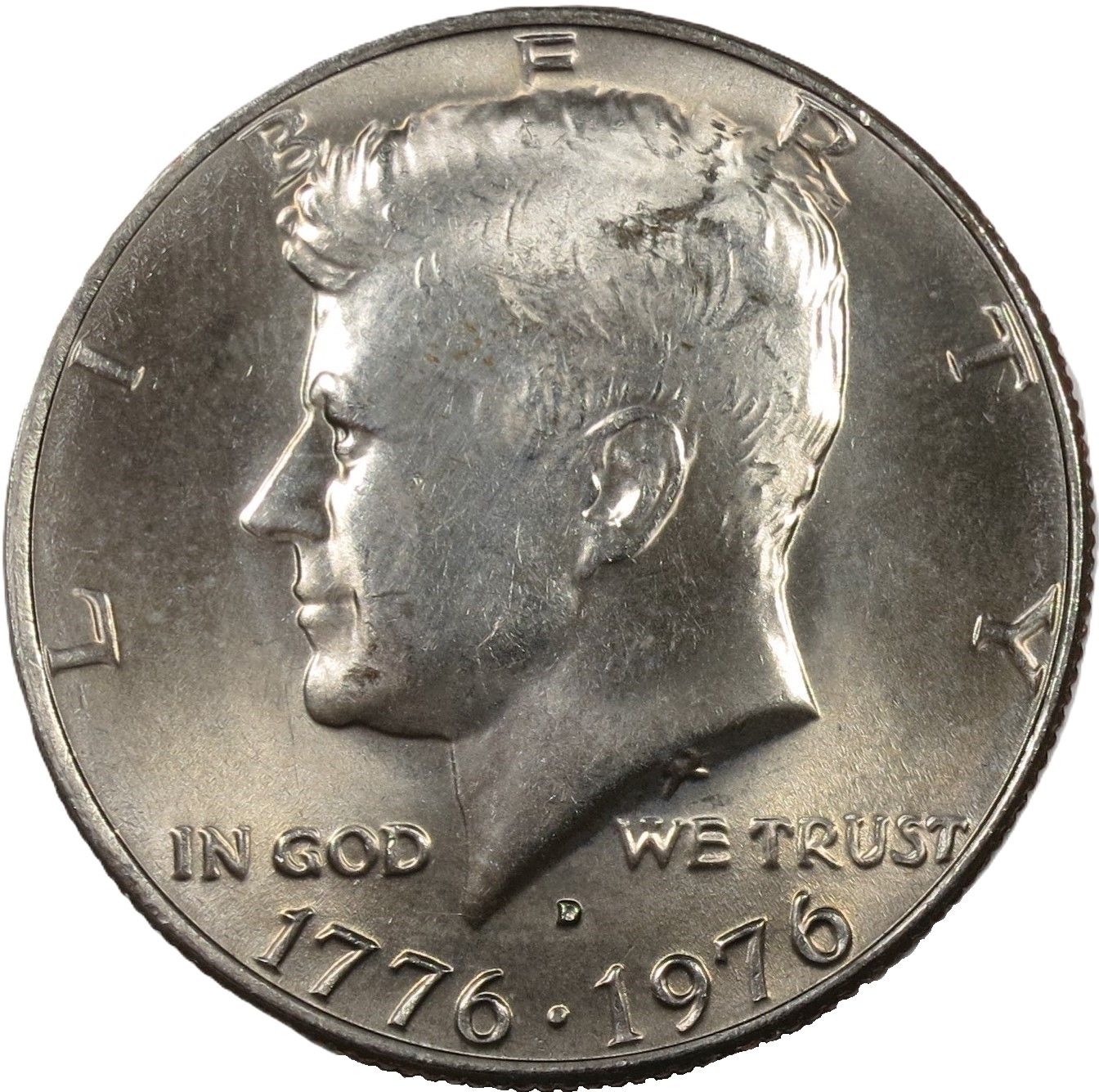
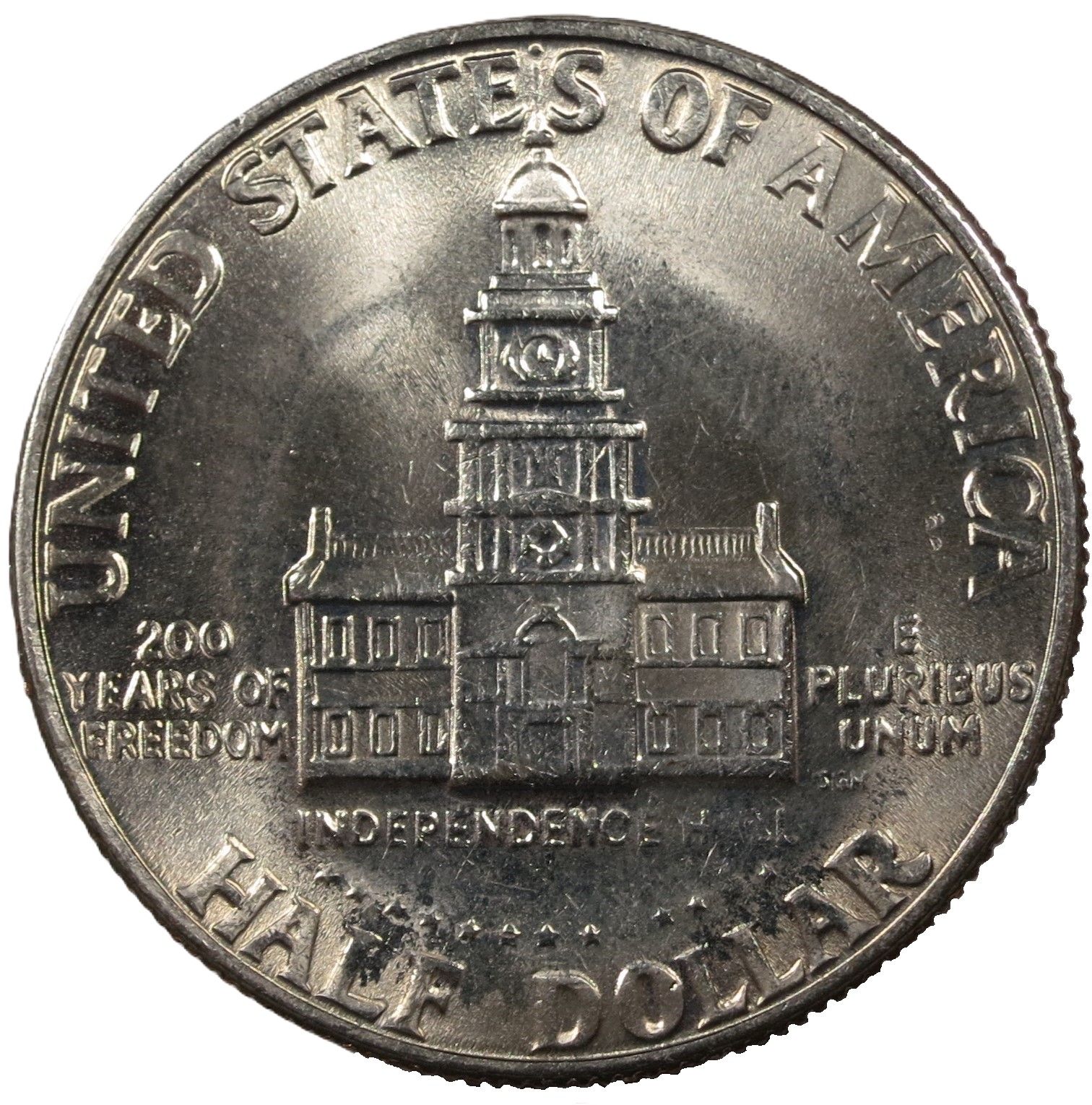
The Bicentennial half dollar carries the dual date 1776–1976. It retains John F. Kennedy’s portrait on the obverse and replaces the usual reverse with Independence Hall. The dual date commemorates the United States Bicentennial; it does not mean the coin was minted in 1776.
The U.S. Mint produced circulating clad coins and collector versions. Proof finish and silver composition are separate characteristics: a proof can be clad or silver.
Are All 1776–1976 Half Dollars Silver?
No. Ordinary circulation issues are copper-nickel clad. Special collector issues also include 40% silver versions. The same dual date appears on both, so the date alone cannot establish composition.
| Issue | Composition | Identification Priority |
|---|---|---|
| Circulation half dollar | Copper-nickel clad | Confirm the coin against the correct clad specifications. |
| Clad proof | Copper-nickel clad | Proof appearance does not establish silver content. |
| Silver collector issue | 40% silver | Confirm composition and whether the finish is proof or uncirculated. |
Original packaging, weight, edge appearance and finish can assist identification. None should be used alone. Packaging can be switched, and plating or alteration can make appearance misleading.
Mintmarks, Proofs and Uncirculated Coins
The mintmark appears on the obverse below Kennedy’s portrait. Philadelphia examples normally have no mintmark, D identifies Denver, and S identifies San Francisco.
An S mintmark does not automatically mean silver: San Francisco produced different collector versions. Confirm the exact issue. Proof describes a manufacturing method, while uncirculated describes an unworn condition or a designated collector product. A shiny circulated coin is not necessarily a proof.
Melt Value Versus Collector Value
Estimated silver melt value = verified fine-silver troy ounces × timestamped silver spot price.
This formula applies only after silver content is established. It does not apply to an ordinary clad half dollar. Use Agate’s silver coin melt-value calculator and composition chart with the appropriate silver-content assumption.
Collector value can reflect preservation, finish, recognized varieties and demand. A dealer bid also reflects transaction costs and resale conditions. Compare those figures separately from melt and retail asking prices.
Condition, Errors and Safe Identification
Inspect luster, wear, contact marks, hairlines and rim damage. Cleaning or polishing can reduce collector appeal. A plating problem, scratch or damaged edge is not automatically a mint error.
For a claimed wrong-planchet strike, doubled die or other valuable error, require recognized diagnostics and qualified attribution. Preserve the coin without filing, acid testing or scraping.
- Confirm the date and mintmark.
- Identify composition and finish using suitable references.
- Photograph both faces and the edge.
- Record packaging and certification details.
- Compare matching completed sales or written dealer offers.
Agate’s U.S. silver coin years guide explains why date and coin type must be considered together.
Frequently Asked Questions
Are all 1776–1976 half dollars silver?
No. Circulating versions are clad, while certain collector issues contain 40% silver. Confirm the exact version.
How can I tell whether a Bicentennial half dollar is 40% silver?
Compare its issue, specifications, packaging and finish with reliable references. Do not rely only on its color, edge or mintmark. Seek professional testing if the evidence conflicts.
What is the difference between proof and uncirculated?
Proof refers to a specialized production method. Uncirculated refers to an unworn coin or designated collector issue. Neither term, by itself, establishes silver composition.
Are Bicentennial half-dollar errors valuable?
Some authenticated errors attract collector interest. Value depends on the specific error, condition and demand; damage or alteration should not be sold as a mint error.
Does the mintmark determine value?
It helps identify the issue, but composition, finish, condition, authenticity and demand also matter.