
Agate Precious Metals Field Guide
What Does .999 vs. .9999 Fine Silver Mean?
Primary keyword: 999 vs 9999 silver. Specifications and live listings were checked on the review date; verify the exact item before acting.
.999 silver is at least 99.9% pure silver, while .9999 silver is at least 99.99% pure. The difference is nine-hundredths of one percentage point. For most bullion buyers, the product’s stated fine-silver weight, total delivered price, recognition, and resale market matter more than that extra decimal place. A one-ounce bullion coin advertised as containing one troy ounce of fine silver is not automatically giving you less silver just because its fineness is .999 instead of .9999.
Fast Answer
- .999 means 999 parts silver per 1,000 parts by mass.
- .9999 means 9,999 parts silver per 10,000 parts by mass.
- The purity gap is 0.09 percentage point, or 0.9 part per thousand.
- Fineness and stated fine-metal content must be read together.
- Higher fineness does not automatically mean a better premium or buyback.
How to Read Silver Fineness
Fineness is the proportion of precious metal in an alloy by mass. Dealers and mints may write the same idea as .999, 999, 99.9%, “three nines fine,” or .999 fine silver. Four-nines silver may appear as .9999, 999.9, 99.99%, or “four nines fine.” Always confirm which notation the producer uses rather than counting digits without context.
| Marking | Plain-English Meaning | Maximum Other Material |
|---|---|---|
| .999 / 999 / 99.9% | At least 999 parts silver per 1,000 | Up to 1 part per 1,000 |
| .9999 / 999.9 / 99.99% | At least 9,999 parts silver per 10,000 | Up to 1 part per 10,000 |
| Sterling / .925 | 925 parts silver per 1,000 | 75 parts per 1,000 |
| 90% coin silver | Approximately 900 parts silver per 1,000 | Approximately 100 parts per 1,000 |
Purity Is Not the Same as Fine-Silver Weight
Suppose two pieces each had a total mass of exactly one troy ounce. At .999, the mathematical silver content would be about 31.072 grams; at .9999, it would be about 31.100 grams—a difference of roughly 0.028 gram. That example explains the decimal, but many bullion products are specified to contain a full stated ounce of fine silver. A mint can make total mass slightly heavier so the promised fine-silver content is delivered.
Read the item’s official specification. “One troy ounce .999 fine silver” commonly describes one troy ounce of silver content, not merely a one-ounce object multiplied by .999. Total weight, minimum fineness, and fine-metal content are related fields, but they are not interchangeable.
Joe’s dealer note: I’m Joe Agate, a working coin dealer in Buffalo. I compare what the piece promises—fine ounces, purity, maker, condition, and current market—not just which label has one more nine.
Does .9999 Silver Sell for More?
Not necessarily. Retail premiums and dealer bids also reflect the mint, product recognition, fabrication, current supply, demand, condition, quantity, and transaction size. A widely traded .999 sovereign coin may have a stronger market than an unfamiliar .9999 product. Conversely, buyers may prefer a recognized four-nines series such as the Canadian Silver Maple Leaf. There is no permanent premium rule created by purity alone.
Use the live spot price as a reference, then compare delivered acquisition cost. When planning resale, ask for an actual bid on the exact product rather than assuming every extra nine returns a premium.
When the Extra Nine Can Matter
- Program specifications: a product line or institutional policy may require a stated minimum fineness.
- Manufacturing: industrial users can have purity requirements unrelated to retail bullion collecting.
- Collector preference: some buyers build sets around a mint, country, or four-nines standard.
- Marketing and recognition: a mint may make unusually high purity part of the series identity.
- Local rules: tax or account eligibility can depend on jurisdiction and product; confirm current requirements with a qualified professional.
A Better Buying Checklist
- Confirm the item states silver, not merely a silver color or coating.
- Verify minimum fineness and stated fine-metal weight.
- Check the issuing mint or refiner and exact product type.
- Compare total checkout cost, not only the displayed item price.
- Review condition and packaging terms, especially on secondary-market products.
- Ask how the exact piece is bought back.
- Keep the invoice and product description with your records.
For broader comparisons, use Agate’s guides to silver bars versus rounds, Silver Eagle versus Silver Maple Leaf, and the silver bullion collection.
Authentication Still Requires More Than a Stamp
A .9999 mark can be copied. Weight, dimensions, magnet response, conductivity, surface details, provenance, and professional instruments form a layered screening process. No home test or purity stamp conclusively authenticates a piece. If results conflict, stop the transaction and ask a reputable dealer or qualified testing service to examine it.
Bottom Line
.999 and .9999 both describe high-purity silver. The extra nine reduces the permitted non-silver portion, but it rarely decides the entire purchase. Compare fine-silver content, recognizability, premium, current bid, and seller terms. Buy the product that fits the purpose—not the longest purity label.
Compare .999 and .9999 Silver Products
Use the live pages to compare the stated fine-silver content, mint or refiner, format, packaging, delivered cost, and current availability.
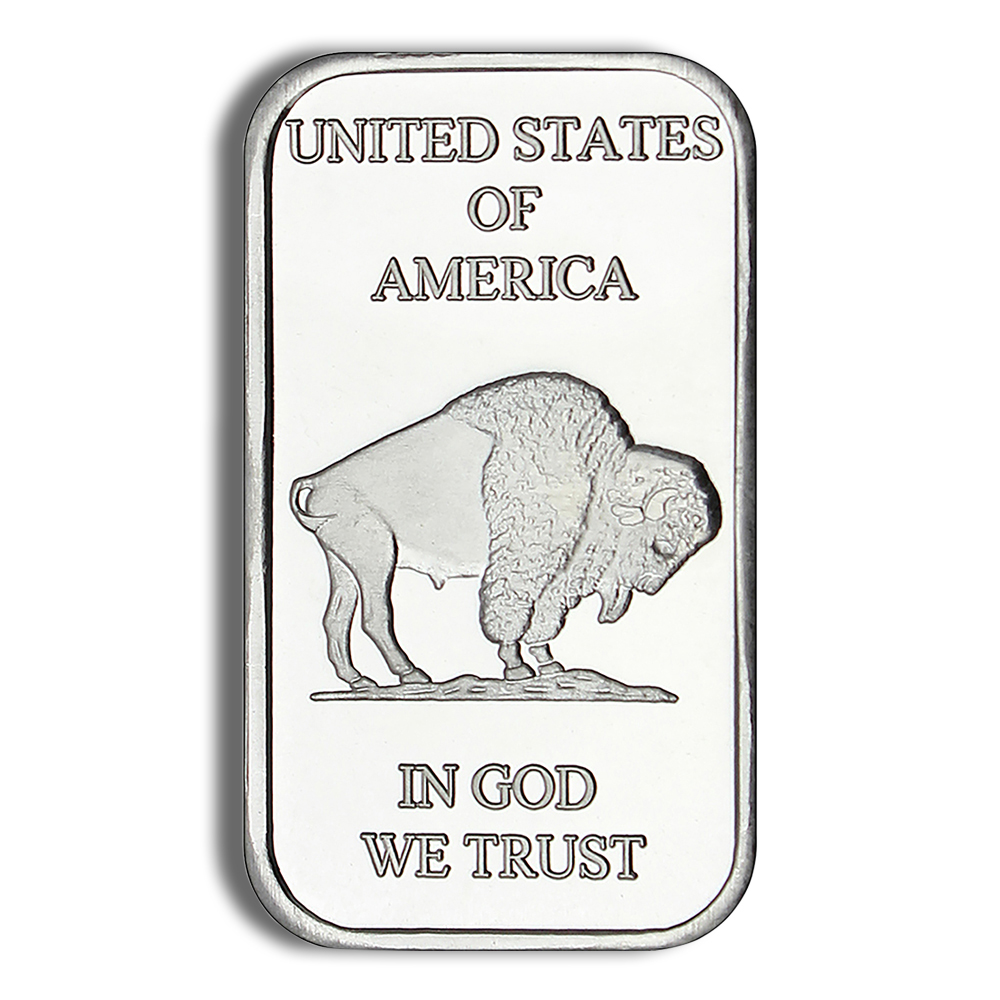
1 oz Silver Bar – Buffalo Design
A one-ounce silver bar with a familiar Buffalo-inspired design.
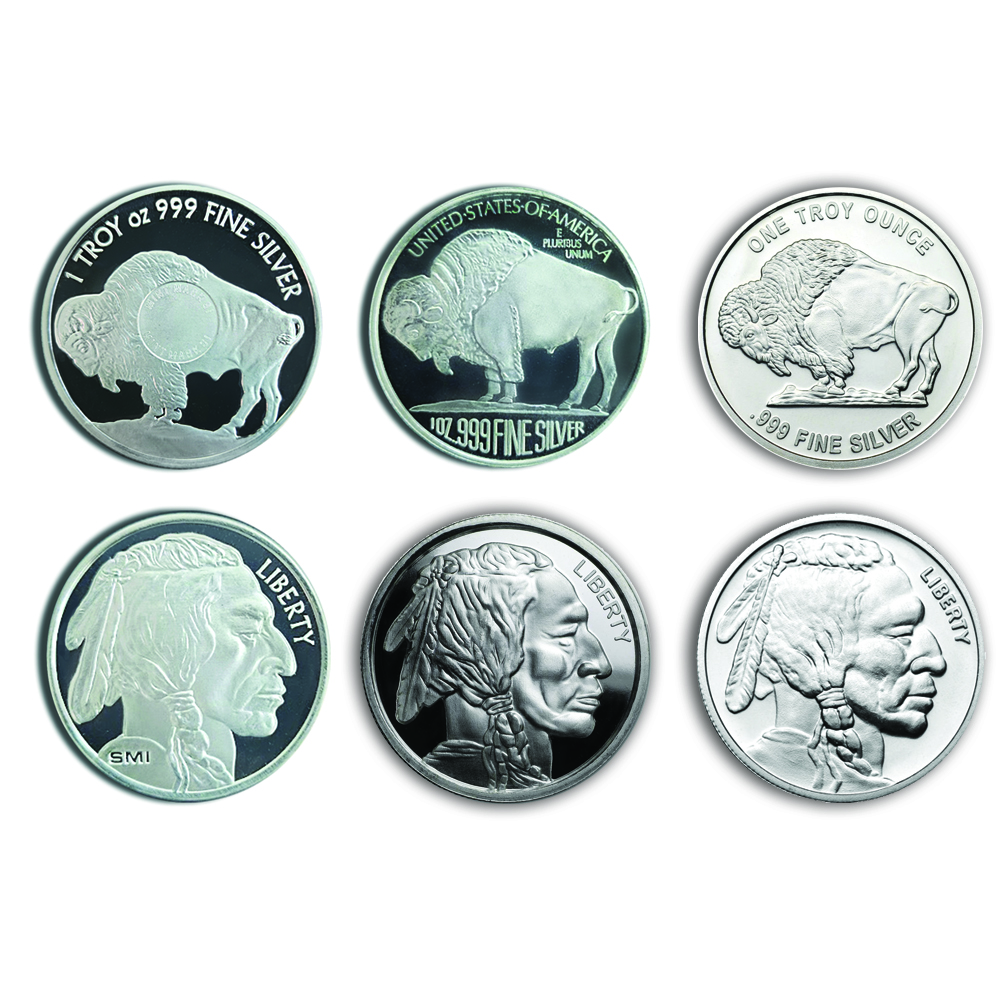
1 oz Silver Round – Buffalo Design
A private-mint one-ounce round; it is not a government coin.
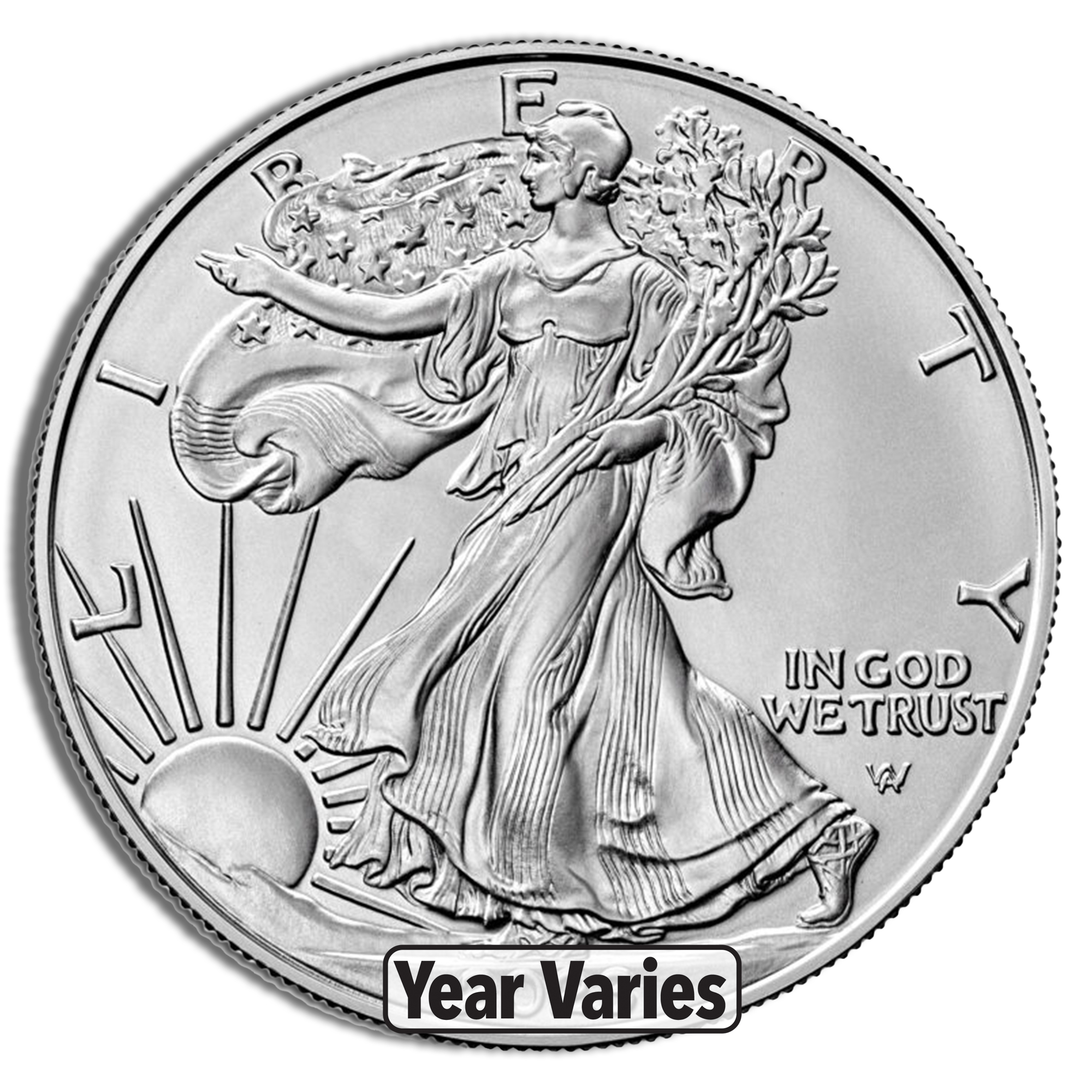
Silver American Eagle – BU (Year Varies)
A one-ounce .999 American Silver Eagle in BU condition with year varying.
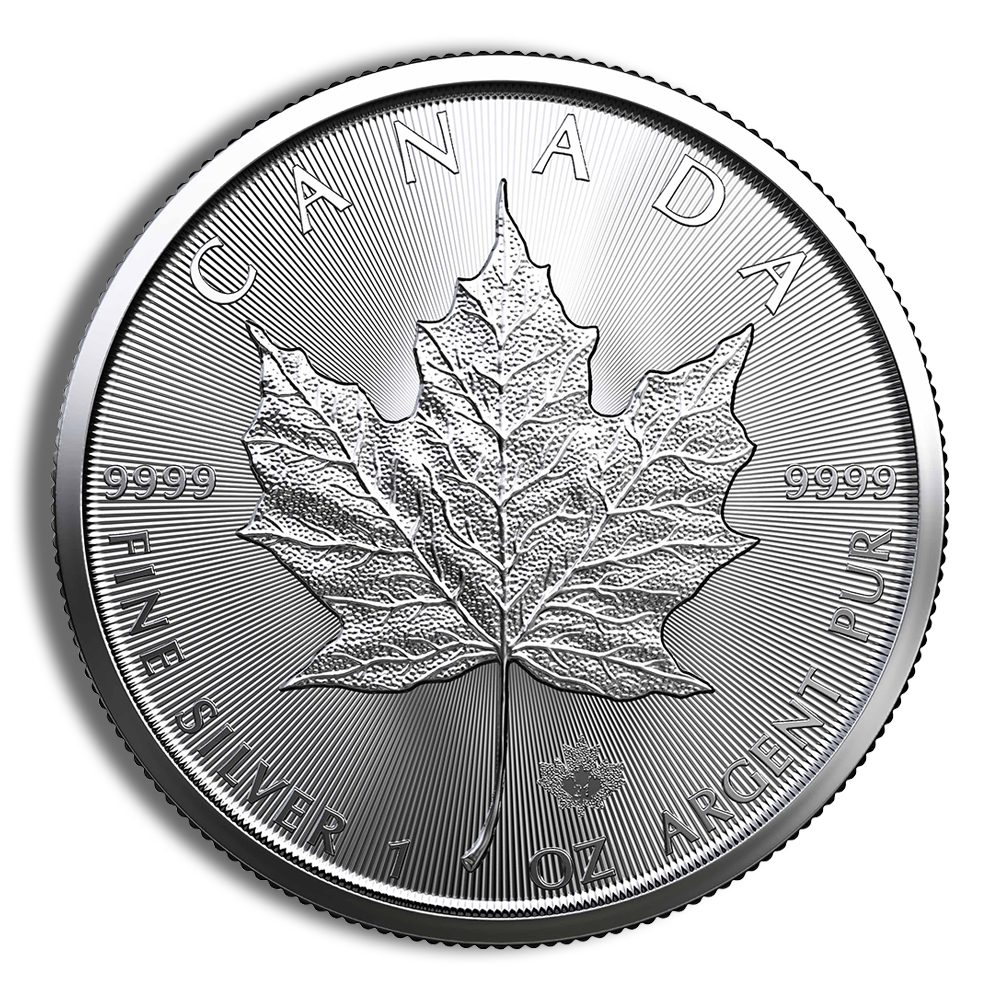
1 oz Canadian Silver Maple Leaf (Year Varies)
A one-ounce .9999 Canadian Silver Maple Leaf with the year selected from inventory.
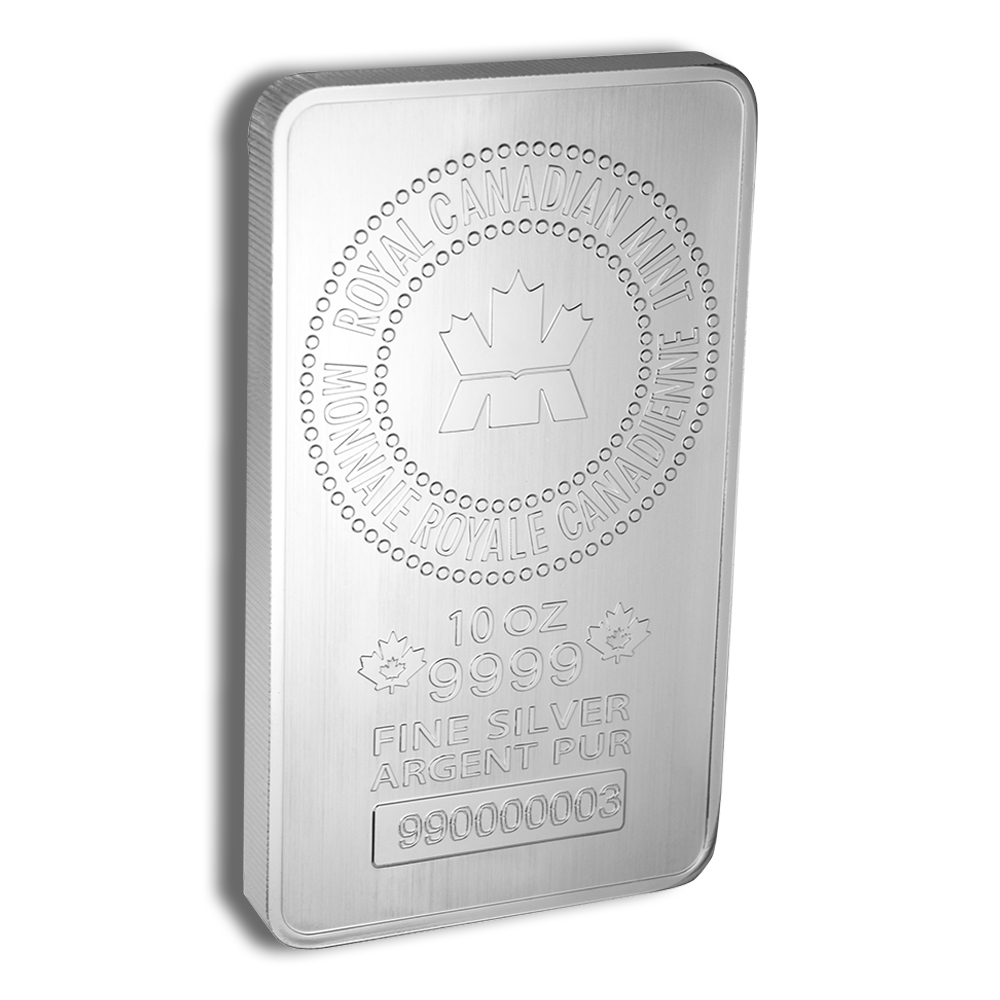
10 oz Silver Bar – Royal Canadian Mint – RCM (Sealed)
A named Royal Canadian Mint ten-ounce silver bar in sealed presentation.
Product pages, images, prices, premiums, packaging, years, and stock were reviewed September 3, 2026 and can change. The live listing controls the order.
Frequently Asked Questions
Is .9999 silver better than .999 silver?
It is purer by specification, but it is not automatically the better purchase. Compare fine-silver content, premium, recognition, condition, and resale terms.
How much purer is .9999 silver?
The difference is 0.09 percentage point, equal to 0.9 part per thousand.
Does a .999 one-ounce coin contain a full ounce of silver?
Many products are specified as containing one troy ounce of fine silver even at .999 fineness. Verify the official specification for the exact product.
Is sterling silver the same as .999 silver?
No. Sterling is normally .925, or 92.5% silver, while .999 is at least 99.9% silver.
Can a .9999 stamp prove authenticity?
No. Stamps can be copied. Use layered screening, seller provenance, and professional verification for important purchases.
Sources and Verification References
Educational information only—not individualized investment, tax, legal, insurance, appraisal, or financial advice. Screening tests can reject suspicious pieces but cannot conclusively authenticate precious metal. Prices, premiums, bids, inventory, packaging, product specifications, shipping, payment methods, and policies can change; verify the live listing and transaction terms.