
90% Silver Coins Explained: Face Value, Melt Value, and the Truth About “Junk Silver”
Agate Precious Metals Buyer Guide
90% Silver Coin Melt Value: Dimes, Quarters, and Half Dollars
Primary topic: 90 percent silver coins. Educational content; verify live product and market details before ordering.
“90% silver coins” usually means circulated U.S. dimes, quarters, and half dollars struck in the traditional 90% silver composition before the 1965 changeover, plus 1964 Kennedy halves. Dealers often sell common examples by face value because metal content—not a rare date—is the main pricing anchor. “Junk silver” is trade slang; the coins are real historic money and should still be checked for collector value.
Before Treating a Coin as Bullion
- Verify denomination, date, mint mark, and composition.
- Separate key dates, varieties, unusually high grades, and original coins.
- Confirm the listing’s face-value unit and allowed denominations.
- Understand whether the silver calculation uses full-weight or circulated assumptions.
- Never clean a coin to improve its appearance.
What One Dollar Face Value Means
| Common Group | Pieces per $1 Face | Composition | Theoretical Silver at Full Weight | Buyer Use |
|---|---|---|---|---|
| 90% dimes | 10 | 90% silver | About 0.7234 troy oz | Smallest pieces |
| 90% quarters | 4 | 90% silver | About 0.7234 troy oz | Fewer pieces to count |
| 90% half dollars | 2 | 90% silver | About 0.7234 troy oz | Large, recognizable units |
| Mixed $1 FV lot | Varies | Verify listing | Depends on qualifying contents/wear | Denomination flexibility |
The full-weight figure is a specification-based calculation. Circulated coins lose a little metal through wear, so bullion dealers commonly use an approximate rule of thumb near 0.715 troy ounce of silver per $1 face value for typical circulated 90% dimes, quarters, and halves. That is an estimate, not a guarantee for every lot. The live listing and actual coins control.
How to Estimate Melt Value
For a quick circulated estimate, multiply face value by the disclosed silver-ounces-per-dollar assumption, then multiply by the current silver spot price. Example for teaching only: if a dealer uses 0.715 ounce per $1 face, then $10 face represents an estimated 7.15 troy ounces. Multiply that by the live silver price, then compare the selling price and all checkout costs.
Some dealers quote a multiple of face value—such as “times face”—instead. Divide the total asking price by face value to find that multiple. Do not compare a times-face quote with a per-ounce quote until both are converted using the same metal assumption.
Why “Pre-1965” Needs Care
The phrase is useful shorthand, not a universal rule for every U.S. coin. Cents and nickels are not ordinary 90% silver coins, and silver-dollar specifications differ from dime-quarter-half calculations. Kennedy half dollars dated 1965 through 1970 use a 40% silver composition, not 90%. Verify the series rather than buying anything simply because it looks old.
Joe’s dealer note: I’m Joe Agate, a working coin dealer in Buffalo. Before I put a common silver coin in a bullion lot, I look for dates, mint marks, varieties, and condition that could make it worth more than melt.
Wear, Condition, and Numismatic Value
Wear can reduce actual metal weight. Bent, holed, polished, or heavily damaged coins may also trade on different terms. Conversely, an uncirculated coin, scarce date, key mint mark, or desirable variety can carry collector value far above its silver. A bullion formula should never replace a coin-by-coin check when the material could be collectible.
Mercury dimes and Walking Liberty halves may carry more type-collector interest than later common designs. That does not make every example rare. It means you should compare the exact product class and avoid random claims about “unsearched” lots.
Who 90% Silver Fits
- Small-unit buyer: dimes divide face value into ten pieces.
- Fast counting: quarters or halves reduce piece count.
- Historic-coin buyer: choose a specific design and accept that premiums may differ.
- Metal-first buyer: compare mixed-denomination lots and silver bars or rounds on delivered cost.
- Collector: buy date-and-grade-specific coins separately from bulk bullion.
For modern formats, see silver bars vs. silver rounds. For selling questions, read Who Buys Silver Coins?
Inventory note: These listings were checked September 3, 2026. Face-value units, dates, denomination mix, condition, stock, and price can change; confirm the live page.
Bottom Line
Price common 90% silver by verified face value, a disclosed silver-content assumption, live spot, and the market premium. Then protect yourself from the biggest mistake: treating a collectible date or variety as ordinary bullion.
Roadmap Upgrade: 90% Silver Melt Value by Denomination
The primary melt-value relationship is simple: silver ounces × current silver spot price = estimated melt value. Common 90% dimes, quarters, and half dollars contain about 0.7234 troy ounce per $1 face at original full weight. For typical circulated lots, dealers commonly use an estimate around 0.715 troy ounce per $1 face because wear removes a small amount of metal.
| Denomination | Pieces per $1 Face | Full-Weight Silver per Coin | Full-Weight Silver per $1 Face |
|---|---|---|---|
| 90% dime | 10 | About 0.07234 troy oz | About 0.7234 troy oz |
| 90% quarter | 4 | About 0.18084 troy oz | About 0.7234 troy oz |
| 90% half dollar | 2 | About 0.36169 troy oz | About 0.7234 troy oz |
Quick 90% Silver Calculator
Enter current silver spot and the dollars of face value. This uses the 0.715 circulated estimate.
A dealer offer may differ from this estimate because of actual wear, sorting, verification, quantity, current demand, handling, shipping, refining, and resale spread. Before selling, separate key dates, varieties, proofs, certified coins, and unusually high-grade examples. For more denominations, use Agate’s Silver Coin Melt Value Calculator.
Compare 90% Silver Coin Lots
Agate’s current listings separate mixed denominations from specific dime, quarter, and half-dollar types. Read the exact date, denomination, condition, and fulfillment terms.
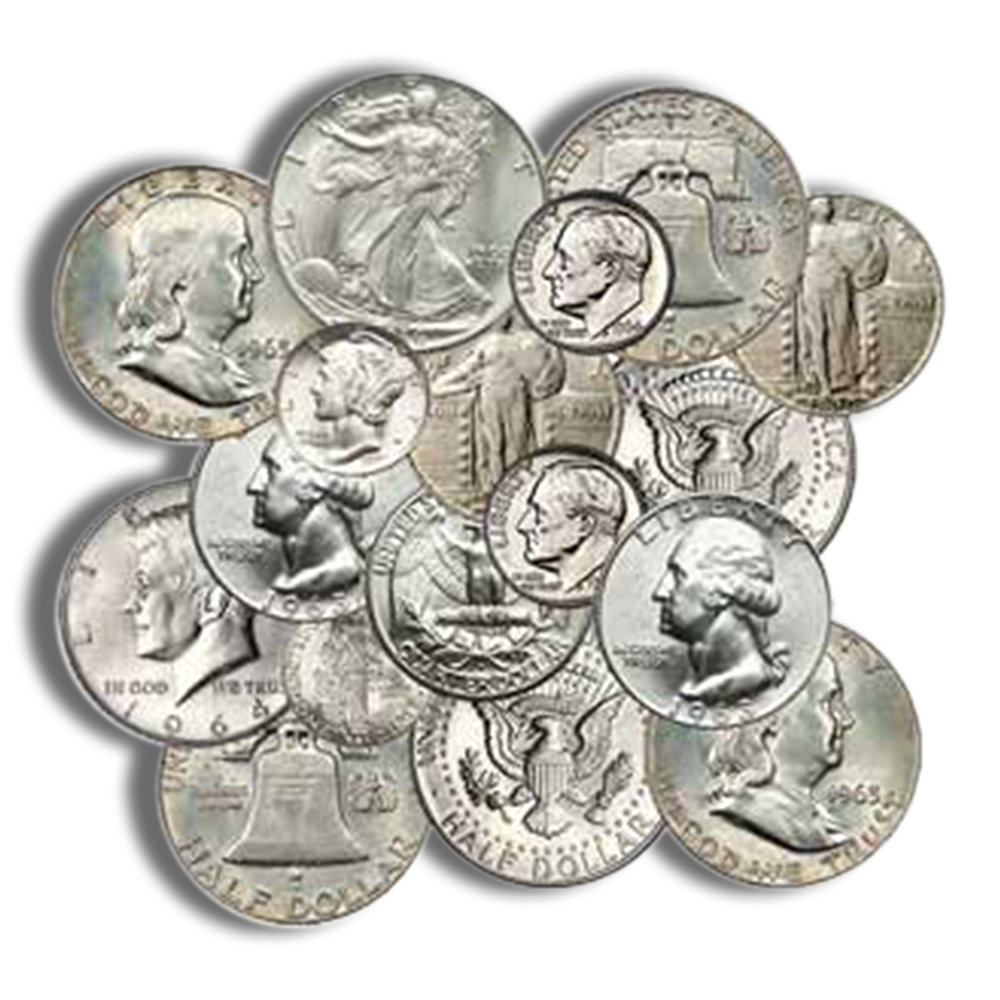
$1 FV 90% Silver Coin Various Denominations (Pre-1965)
A one-dollar face-value lot of qualifying pre-1965 90% silver denominations.
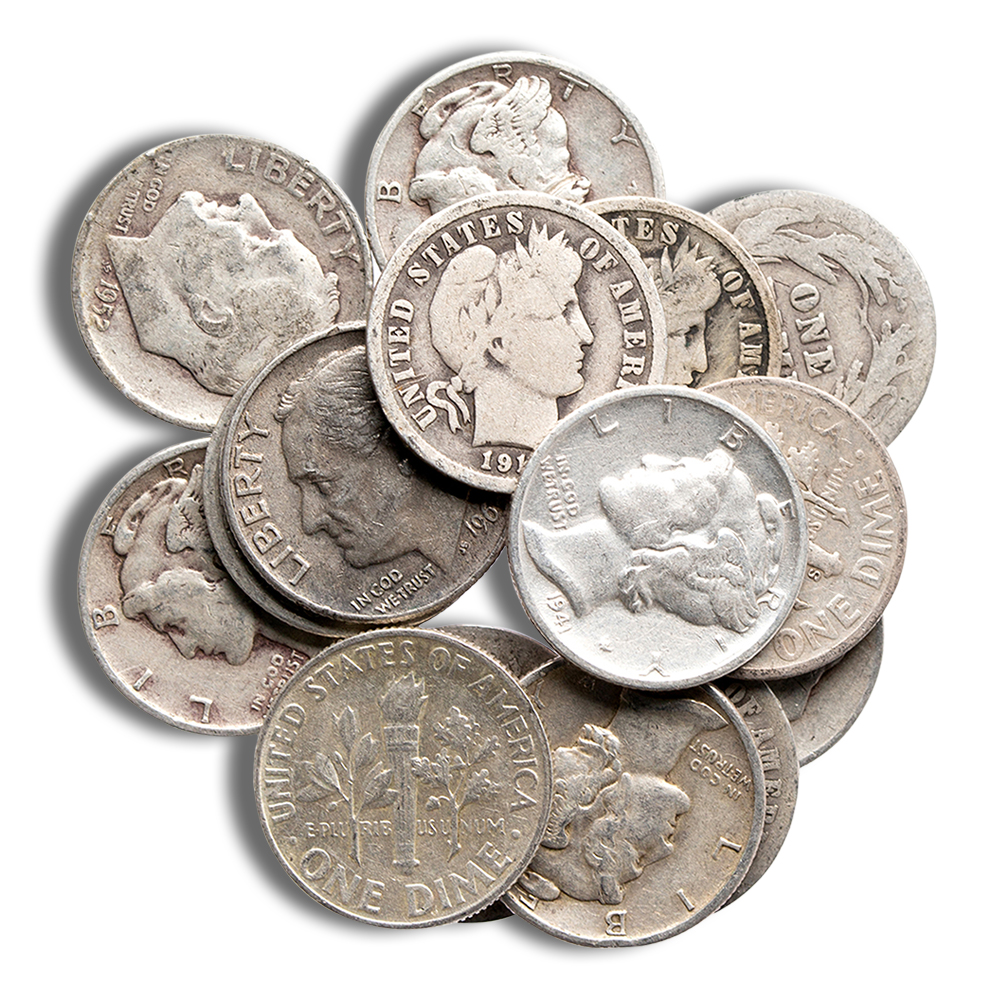
$1 FV 90% Silver Roosevelt Dimes
Ten Roosevelt dimes totaling one dollar in face value under the listing terms.
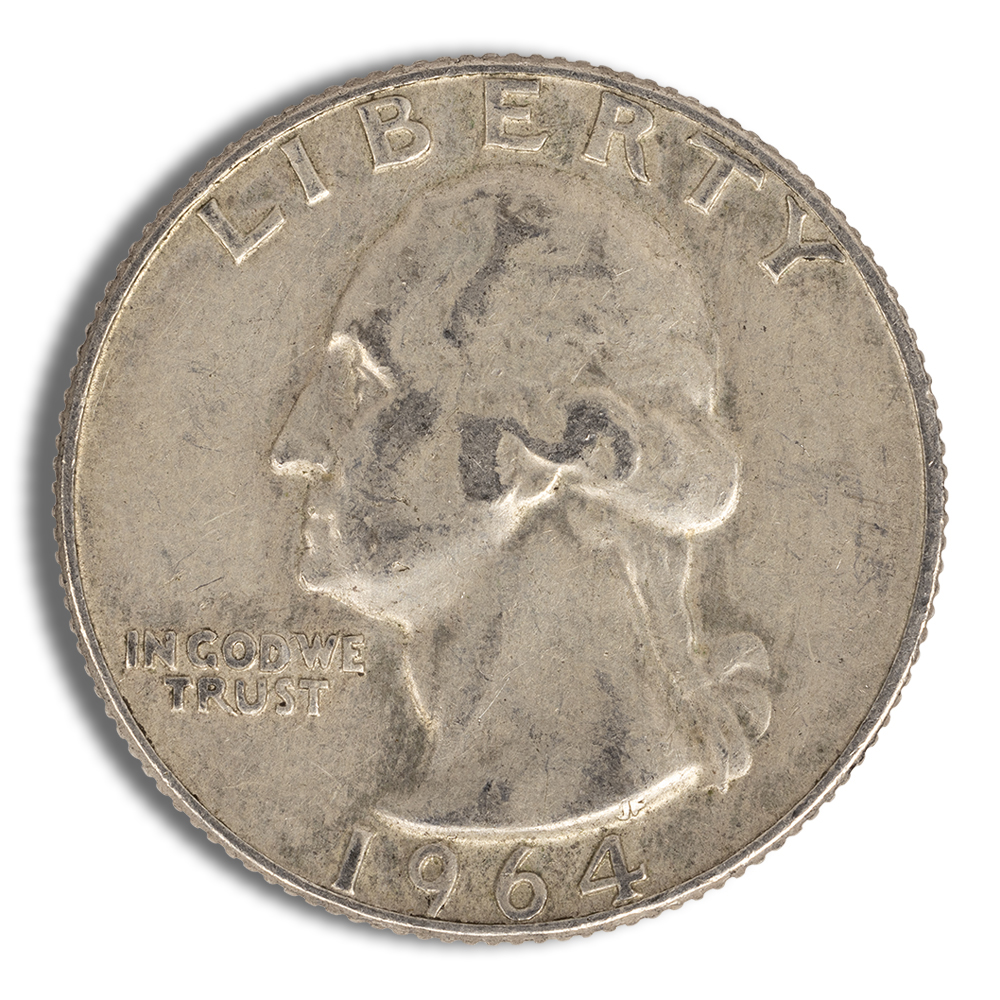
$1 FV 90% Silver Washington Quarters
Four Washington quarters totaling one dollar in face value.
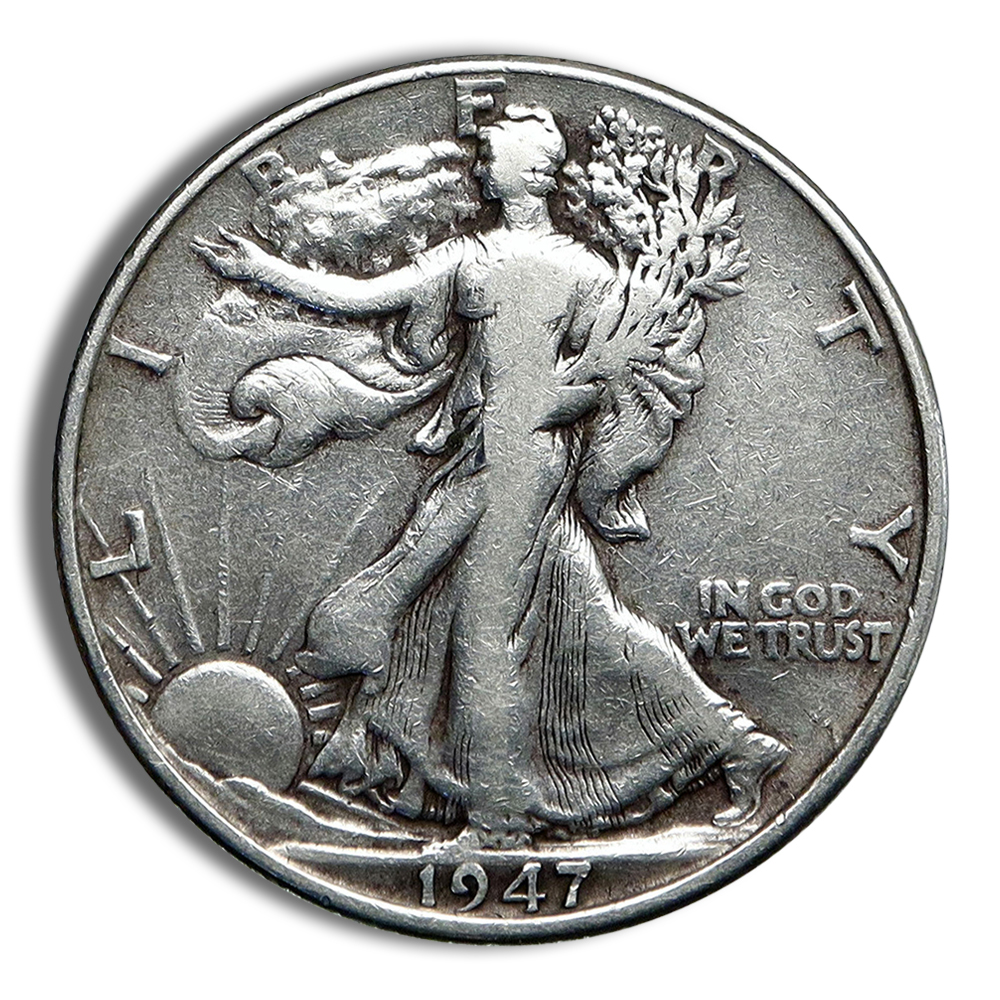
$1 FV 90% Silver Walking Liberty Half Dollar
Walking Liberty half dollars sold by face value under the live listing.
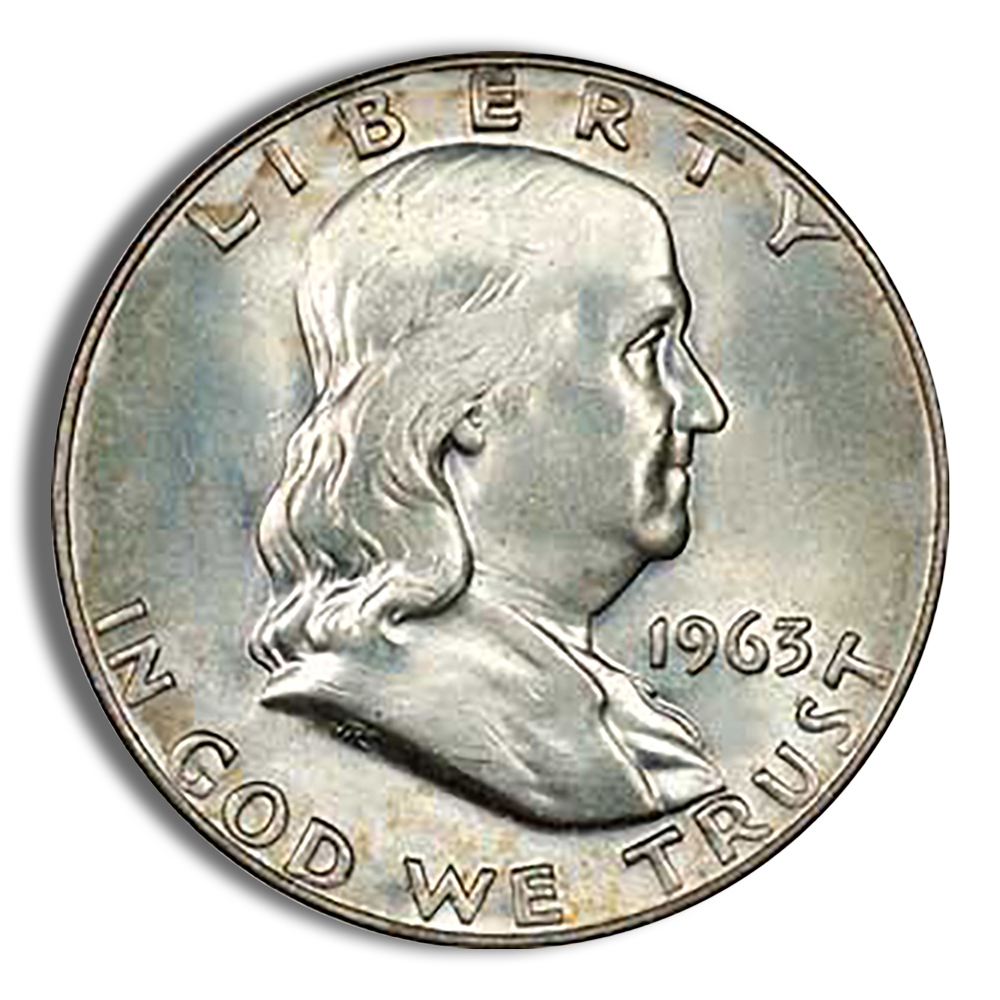
$1 FV 90% Silver Franklin Half Dollars
Two Franklin half dollars per one dollar of face value.
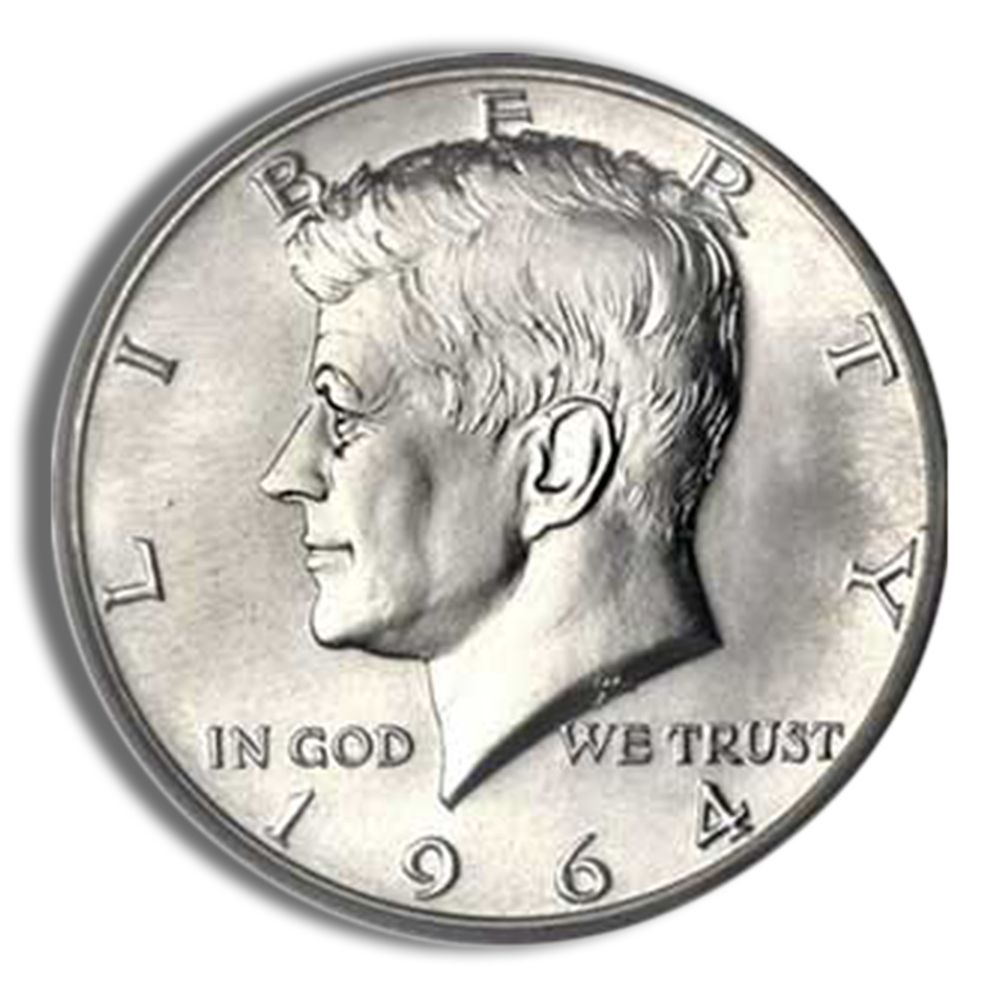
$1 FV 90% Silver 1964 Kennedy Half Dollars
1964 Kennedy half dollars in a one-dollar face-value listing.
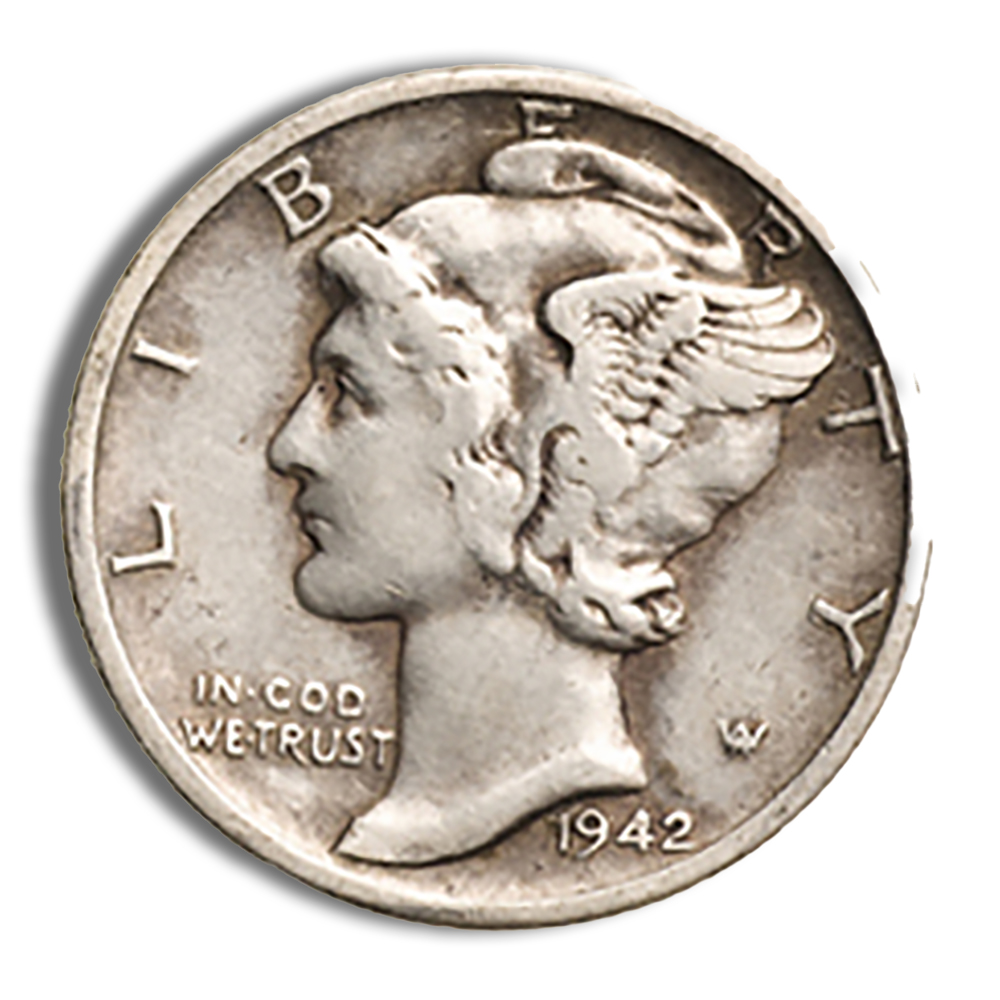
$1 FV 90% Silver Mercury Dimes
Mercury dimes sold by face value; dates and wear should be checked.
Prices, premiums, years, packaging, and availability can change. Open each product page for current specifications and checkout terms.
Frequently Asked Questions
How much silver is in $1 face value of 90% coins?
At original full weight, common 90% dimes, quarters, or halves total about 0.7234 troy ounce per dollar face. Circulated estimates often use about 0.715 because of wear.
Are all pre-1965 U.S. coins 90% silver?
No. Verify the denomination and series. The shorthand generally refers to qualifying dimes, quarters, and half dollars.
Are 1965 Kennedy half dollars 90% silver?
No. Kennedy halves dated 1965 through 1970 use a 40% silver composition.
Why is it called junk silver?
It is trade slang for common-date circulated coins valued mainly for silver, not a statement that the coins are worthless.
Should I clean old silver coins?
No. Cleaning can damage surfaces and reduce collector value.
Sources and Buyer References
This article provides general educational information and is not individualized investment, tax, legal, appraisal, or financial advice. Precious-metal prices, premiums, inventory, grades, years, packaging, product terms, and buyback conditions change. Confirm the exact item and all transaction terms before purchasing.