
Carded Gold Bars: What Assay Cards, Serial Numbers, and Sealed Packaging Tell You
Agate Precious Metals Buyer Guide
Carded Gold Bars: What “In Assay,” Serial Numbers, and Sealed Packaging Mean
Primary topic: carded gold bar. Educational content; verify live product and market details before ordering.
A carded gold bar is a minted bar secured in manufacturer packaging that commonly combines product identification, assay information, and protection from handling. The card can help buyers verify weight, purity, refiner, and—where used—a serial number, but packaging alone is not a substitute for checking the bar, the card, the seller, and the listing together.
Five Things to Match
- Weight printed on the bar and described on the card
- Purity or fineness on the bar, card, and product page
- Refiner or mint name and logo
- Serial number on the bar and card, when that product uses one
- Packaging style, visible damage, and listing condition
What an Assay Card Usually Tells You
An assay card is the manufacturer’s presentation of specifications and quality-control information. Depending on the brand and product, it may state metal, weight, fineness, refiner, assayer information, production marks, or a serial identifier. Features differ. A buyer should not assume that every carded bar has the same fields or security system.
The card also creates a larger, easier-to-handle package around a small bar. That can reduce fingerprints and scratches, improve gift presentation, and keep the bar and its identifying information together. It does not make the gold content greater than an equal-weight uncarded bar.
Bar, Card, and Listing Comparison
| Check | On the Bar | On the Card | On Agate’s Listing |
|---|---|---|---|
| Metal and weight | Stamped or minted marking | Commonly repeated | Product title/specification |
| Fineness | Such as 999.9 or .9999 | Often repeated | Confirm exact stated purity |
| Maker | Logo or refiner name | Brand design | Named or brand-varies terms |
| Serial number | Present on some products | May match the bar | Do not assume unless stated |
| Condition | Marks visible through plastic | Seal, scuffs, bends, opening | New, secondary, or other disclosure |
What a Serial Number Does
A serial number can identify one bar within a manufacturer’s system and may match a number printed on the assay card. That match is useful evidence. It is not a universal government registry, and serial practices differ by refiner, size, and production line. Some genuine small bars may not use an individually visible serial number.
Before buying a serial-sensitive product, enlarge the listing photos, read the description, and ask whether the image is the exact item or a representative image. For a brand-varies product, never infer a guaranteed serial system from a sample picture.
Sealed Packaging and Tamper Evidence
Factory-sealed packaging protects presentation and makes unauthorized opening more noticeable. “Tamper evident” does not mean “tamper proof.” Seals can be damaged, packages can age, and counterfeit packaging can exist. Compare print quality, alignment, holographic or scan-based features when applicable, and the physical bar visible inside.
PAMP states that registered products can be authenticated using its VERISCAN system within or outside sealed CertiPAMP packaging. That is a brand-specific feature, not a promise about every carded product. Valcambi, Argor-Heraeus, Perth Mint, Rand Refinery, Frontier, and other makers use their own product and packaging systems.
Joe’s dealer note: I do not authenticate a bar because the plastic looks clean. I check the metal, dimensions or weight as appropriate, markings, card relationship, source, and the exact product’s security features.
Mint Packaging Versus Dealer Authentication
Manufacturer packaging records how the product was presented at production. Dealer authentication is a separate process performed when acquiring and selling inventory. A dealer may review weight, dimensions, conductivity or other non-destructive tests, visual details, and provenance. The appropriate method depends on the bar and package; destructive testing would defeat the purpose of a sealed card.
Ask what the dealer guarantees and what the listing promises. A reputable transaction should identify the product clearly and provide a return or resolution policy. Packaging adds evidence and convenience, but the seller still matters.
When Card Condition Matters
A bent or scuffed card does not change the bar’s gold content, but it can affect gift presentation or what a packaging-focused buyer will pay. Opening a sealed card can remove part of the product’s original presentation and may require additional verification at resale. If you bought the product for metal exposure and the packaging is already impaired, the effect may be smaller—but disclose it accurately when selling.
Buyer Decision: Named or Brand Varies?
- If you require a particular refiner, choose the exact named listing.
- If you need a specific serial or security system, verify it in the exact SKU.
- If the item is a gift, prioritize card condition and presentation.
- If weight and purity matter more than design, compare a brand-varies bar.
- If you plan IRA custody, use the IRA verification checklist; a card alone does not establish acceptance.
Transparent limitation: Card designs and security features change, and stock photos may represent a product family. The live listing and the item delivered under its terms control; contact Agate before ordering if a detail is essential.
Bottom Line
A carded gold bar provides organized product information, protection, and sometimes a serial or brand-specific authentication feature. Treat those as useful evidence—not magic. Match the bar, card, and listing, then choose a named or brand-varies product based on which details you genuinely require.
Roadmap Upgrade: “In Assay” Gold Bar Glossary
| Term | Plain-English Meaning | What It Does Not Guarantee |
|---|---|---|
| In assay | Bar is presented in manufacturer-style assay packaging | That the package is genuine or untampered |
| Assay card | Card displays product and quality-control information | A universal government certificate |
| Serial number | Identifier used on some bars and cards | Authenticity by itself; numbers can be copied |
| Tamper evident | Packaging is designed to reveal opening or alteration | Tamper proof |
| Carded | Bar is sold in a protective card format | Specific brand, serial system, or IRA acceptance unless stated |
How to Store a Gold Bar in Assay
Keep the card flat, dry, and protected from bending, puncture, heat, adhesive residue, and direct sunlight. Do not tape over security features or write on the card. Photograph both sides and record the visible serial number where present. Use a holder sized for the complete card rather than forcing it into a coin sleeve.
Removing a bar from its assay card does not change the gold content, but it can reduce presentation and require additional verification at resale. If testing is necessary, ask a knowledgeable dealer about non-destructive methods before opening the package.
Compare Carded Gold Bars
These Agate listings show different brands, sizes, card designs, and security approaches. Inspect the exact product description before ordering.
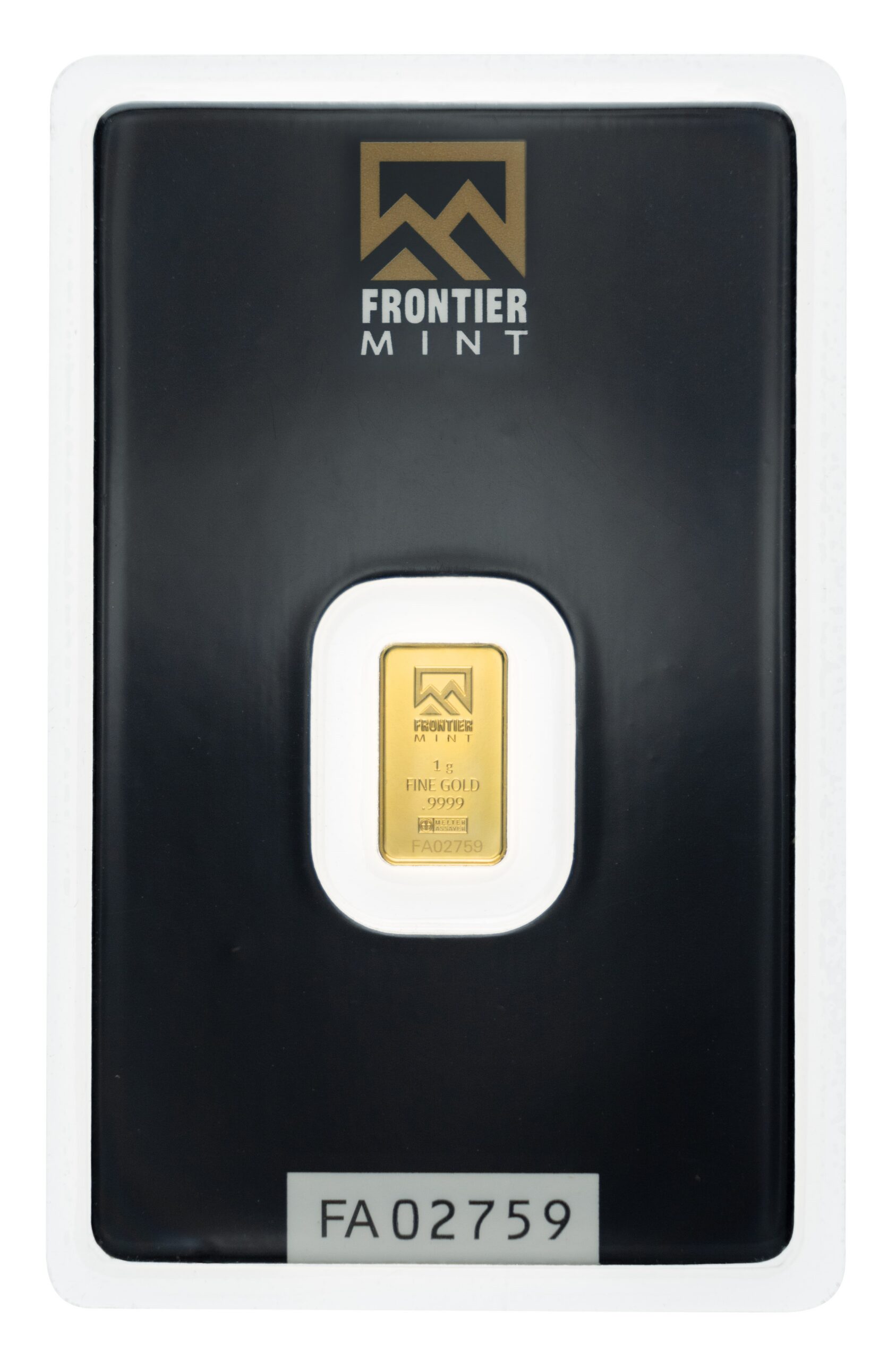
1 gram Gold Bar – Frontier (Carded)
A compact Frontier bar for comparing card format, markings, and presentation.
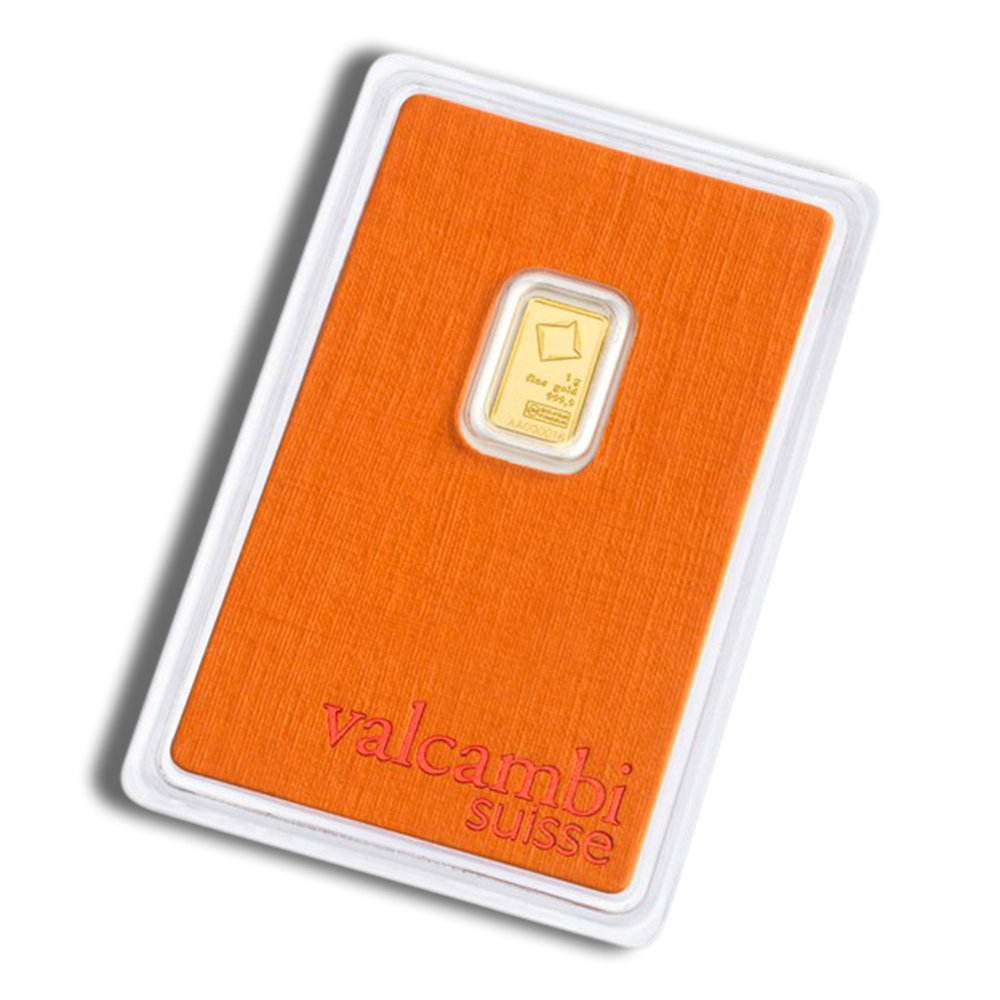
1 gram Gold Bar – Valcambi (Carded)
A named one-gram Valcambi bar in carded packaging.
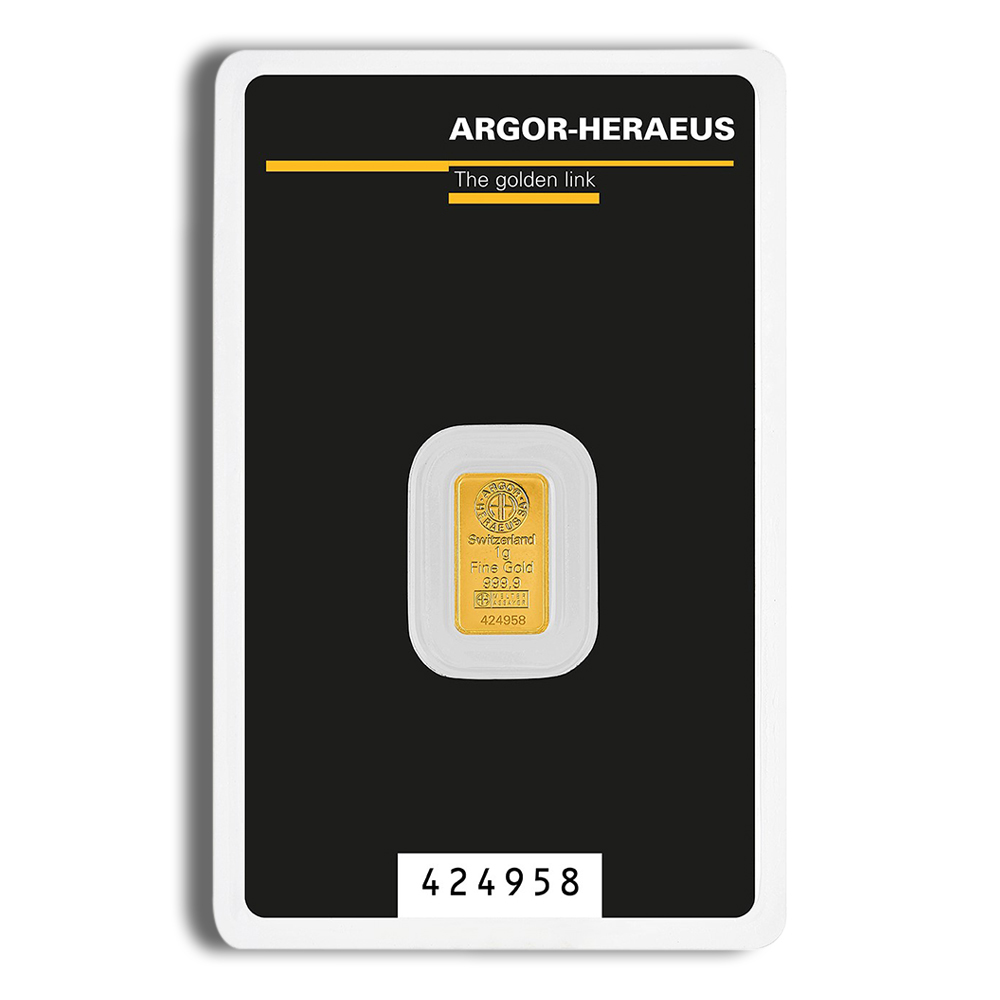
1 gram Gold Bar – Argor-Heraeus (Carded)
A one-gram Argor-Heraeus bar sold in its carded format.
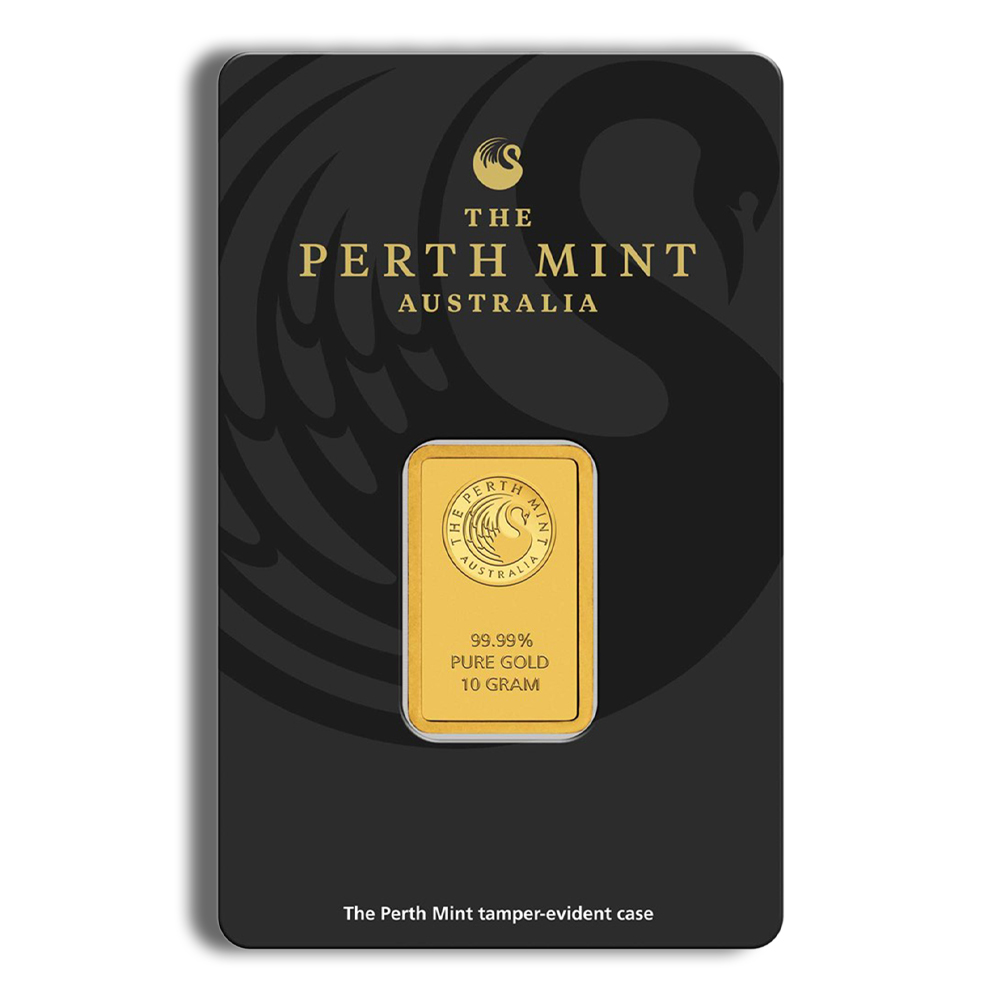
10 gram Gold Bar – Perth Mint (Carded)
A ten-gram Perth Mint bar in carded packaging.
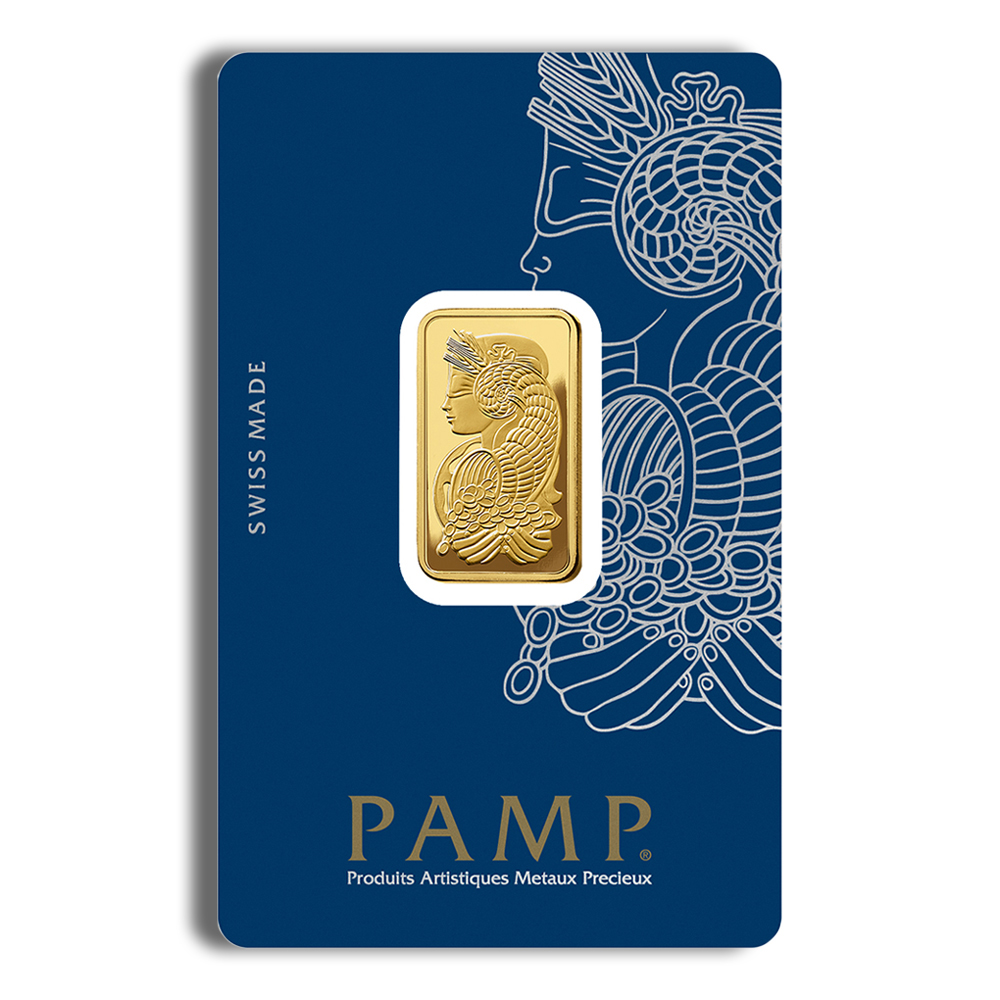
10 gram Gold Bar – PAMP Fortuna (Carded)
A ten-gram PAMP Fortuna bar in carded assay packaging.
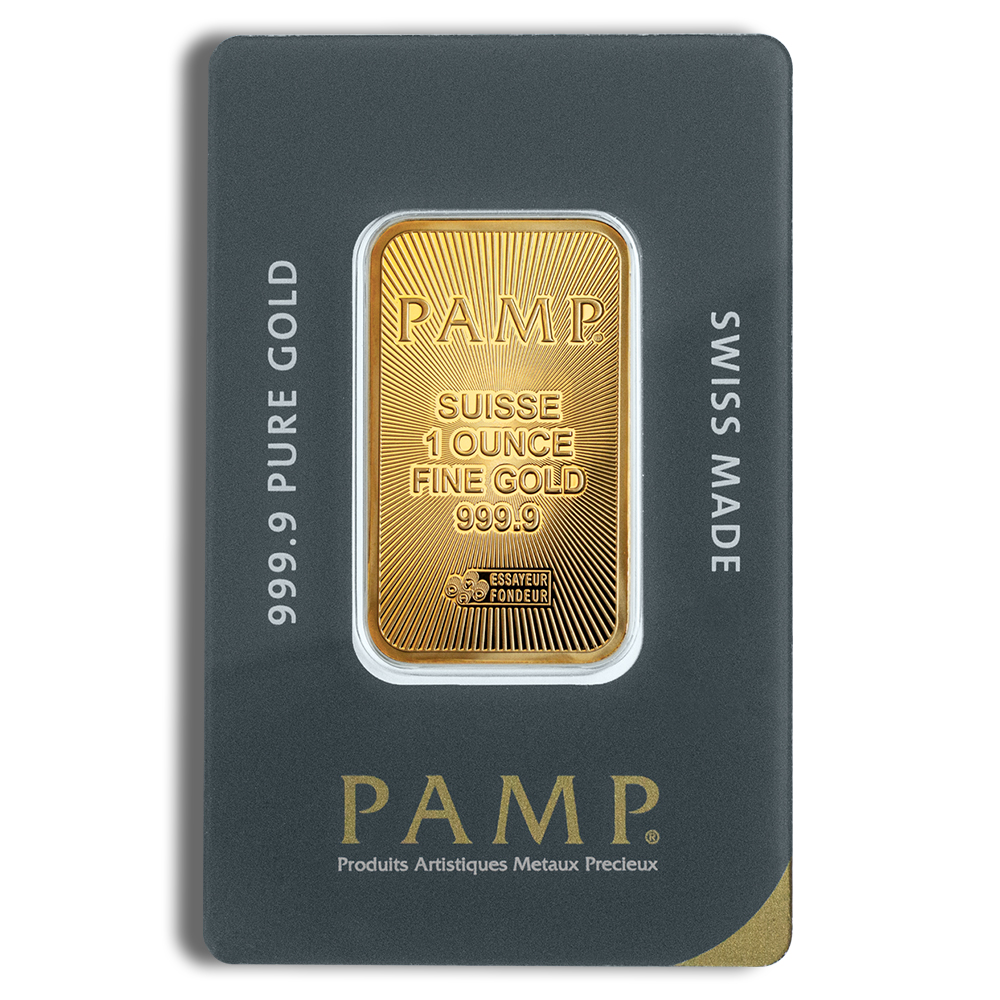
1 oz Gold Bar – PAMP Suisse (Carded)
A one-ounce PAMP Suisse bar in carded assay packaging.
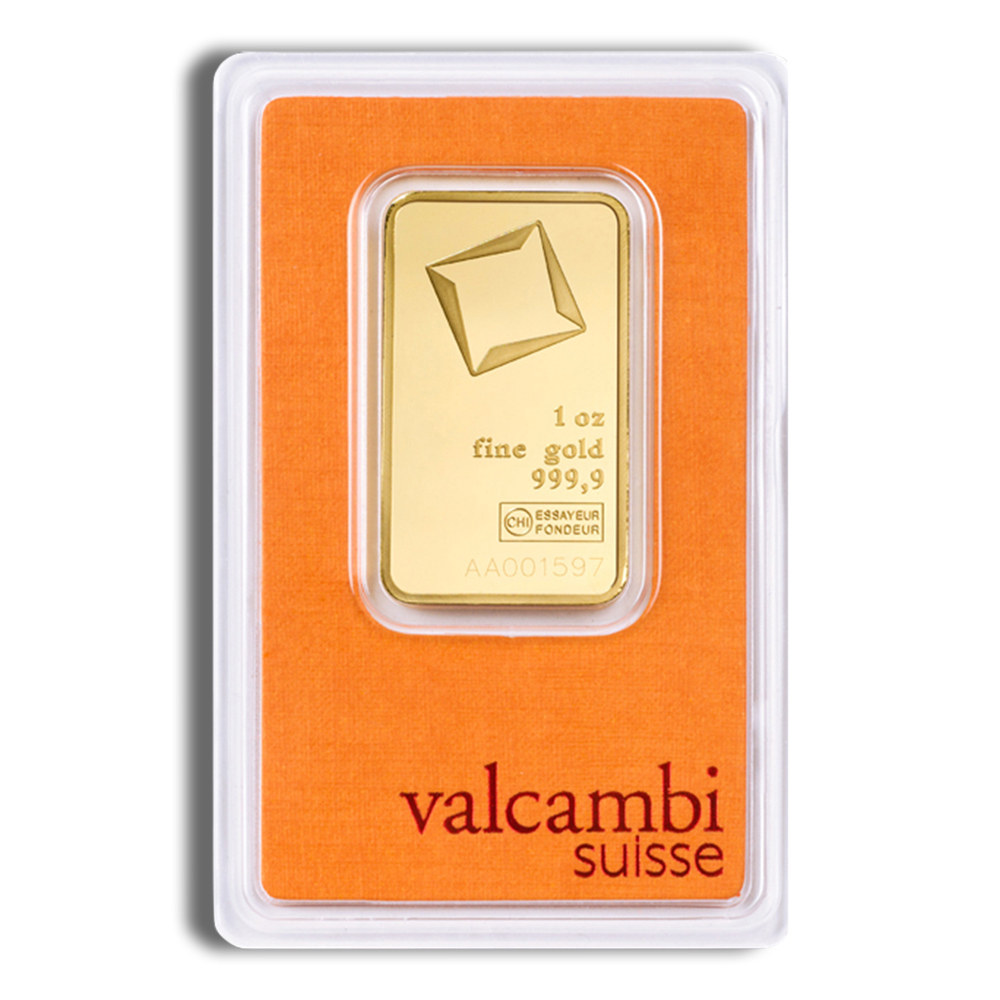
1 oz Gold Bar – Valcambi (Carded)
A one-ounce Valcambi bar with named-brand packaging.
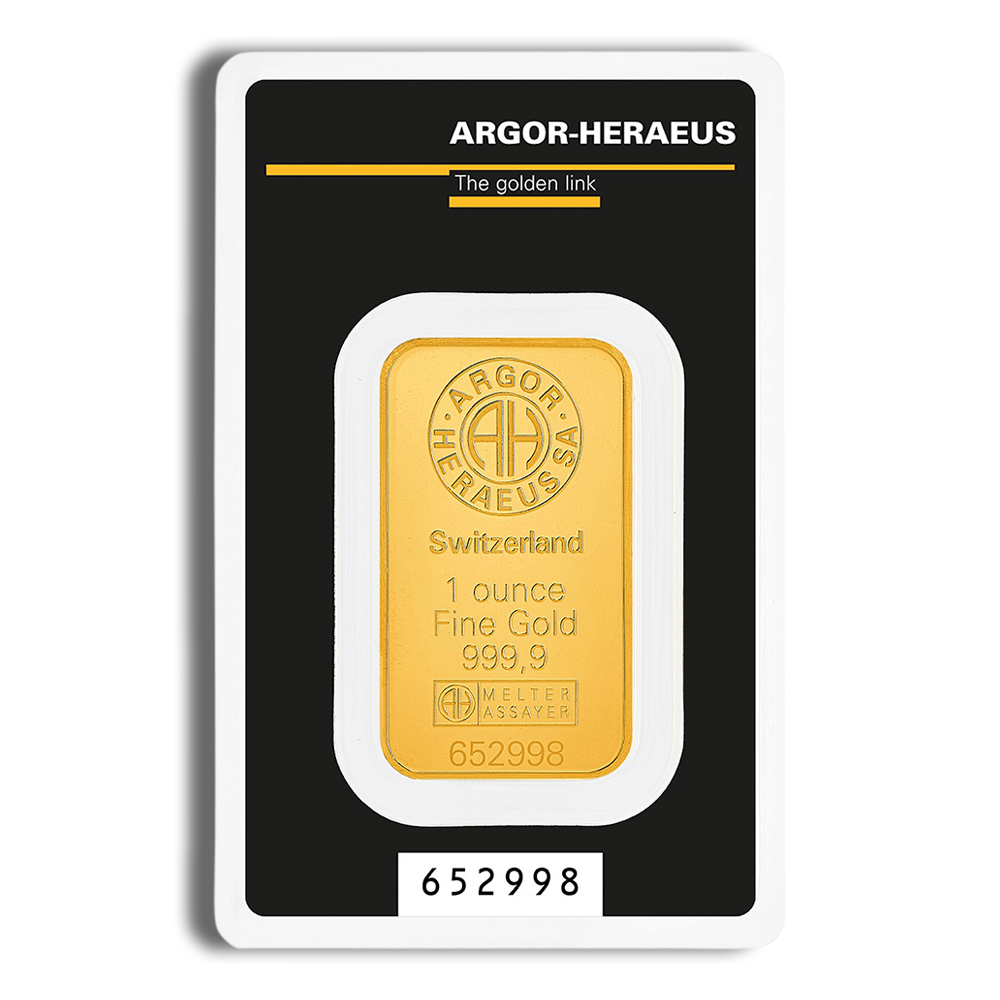
1 oz Gold Bar – Argor-Heraeus (Carded)
A one-ounce Argor-Heraeus bar in a carded format.
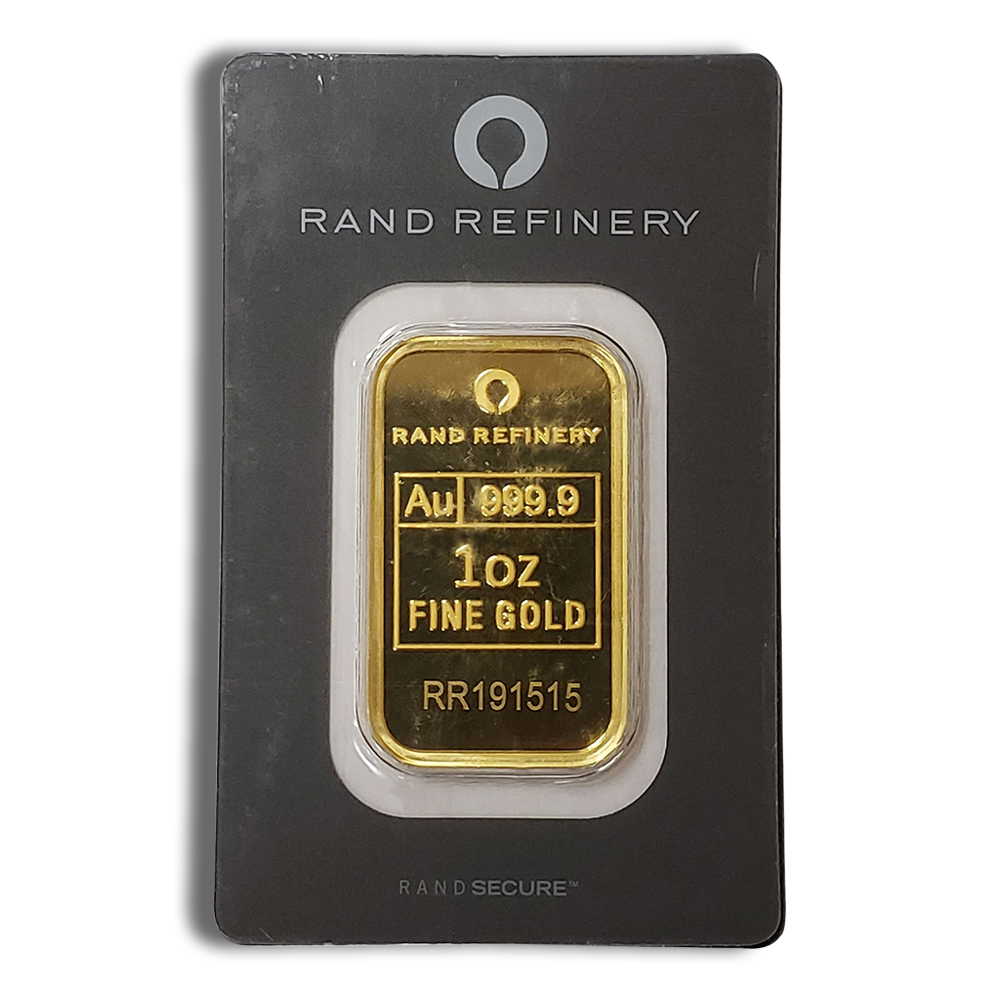
1 oz Gold Bar – Rand Refinery (Carded)
A one-ounce Rand Refinery product in carded packaging.
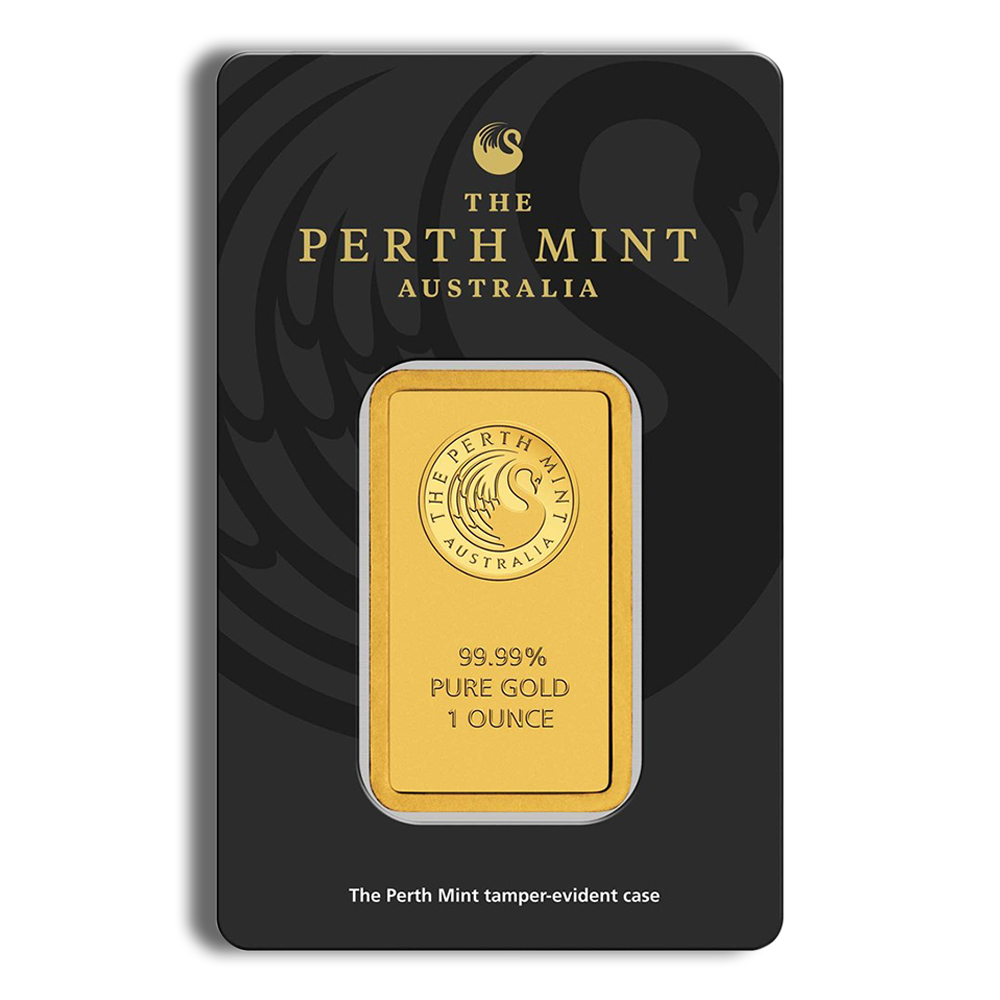
1 oz Gold Bar – Perth Mint (Black Card)
A one-ounce Perth Mint bar in its black-card presentation.
Prices, premiums, years, packaging, and availability can change. Open each product page for current specifications and checkout terms.
Frequently Asked Questions
What is a carded gold bar?
It is a gold bar packaged in a manufacturer card that commonly displays assay or product information and protects the bar from direct handling.
Does every carded gold bar have a serial number?
No. Serial practices vary by manufacturer, size, and product. Confirm the exact bar and listing.
Should I remove a gold bar from its assay card?
Usually not if original presentation matters. Opening can affect packaging value and may require additional verification later, though it does not change the gold itself.
Does an assay card guarantee authenticity?
It is useful evidence but should be evaluated with the bar, seller, listing, and brand-specific security features.
Is a damaged assay card a problem?
Damage does not change contained gold, but it can affect presentation, buyer confidence, and resale terms. Make sure it is disclosed.
Sources and Buyer References
This article provides general educational information and is not individualized investment, tax, legal, appraisal, or financial advice. Precious-metal prices, premiums, inventory, grades, years, packaging, product terms, and buyback conditions change. Confirm the exact item and all transaction terms before purchasing.