
Coin Bullion Guide: Gold, Silver, and Platinum Investment Coins
Coin Bullion
Coin bullion refers to government-minted coins valued primarily for their precious metal weight and purity rather than numismatic rarity or historical significance. Whether you’re looking to invest in physical gold, diversify with silver bullion, or explore platinum options, coin bullion offers a transparent, liquid way to hold tangible wealth. Agate Precious Metals stocks an extensive inventory of coin bullion at prices consistently below what you’d pay through major mints and most well-known distributors – making it an ideal place to start or grow a precious metals portfolio.
Types of Coin Bullion
Coin bullion breaks down by the metal it contains and the purity standards each mint guarantees. Here are the three popular categories you’ll encounter.
Gold Coin Bullion
Gold coin bullion includes government-issued coins struck in .999 fine gold or higher, offering direct exposure to gold with sovereign backing. Examples include the American Gold Eagle (22-karat, 91.67% gold alloyed with copper and silver for durability), the Canadian Gold Maple Leaf (.9999 fine), and the South African Krugerrand. These coins are ideal for investors seeking long-term wealth preservation and inflation hedging with the confidence of government authentication.
Silver Coin Bullion
Silver coin bullion – typically .999 fine – offers a lower entry point than gold, making it perfect for new precious metals investors and dedicated silver stackers. The American Silver Eagle, Canadian Silver Maple Leaf, and Austrian Silver Philharmonic are among the most recognized worldwide. Because gold and silver bullion prices are based on market values that fluctuate daily, silver’s lower price per ounce means your first purchase can be well under $100 per coin, opening the door to precious metals investing on nearly any budget.
Platinum Coin Bullion
Platinum coin bullion, struck at .9995 fineness, serves as a diversification tool for advanced investors seeking exposure to an industrial precious metal with constrained supply. The American Platinum Eagle is the most widely traded example. Platinum prices move with both investment demand and industrial consumption (automotive, chemical, jewelry), which creates a different risk and reward profile than gold or silver alone.
What to Look For in Coin Bullion
Understanding a few specific attributes helps you buy with confidence and ensures the coins you purchase hold their value over time.
Purity and Metal Content
Bullion is valued by its precious metal weight and purity – not by face value or decorative appeal. Fineness expressed as .999, .9999, or even .99999 tells you how much of the coin’s weight is pure metal. Higher purity coins track the live spot price of metals more closely, which supports liquidity when you sell. Always verify the metal purity and weight before purchasing; reputable mints and dealers like Agate Precious Metals make this information transparent on every item listing.
Government Mint Authentication
Coins produced by sovereign mints – the U.S. Mint, Royal Canadian Mint, Perth Mint, and others – carry official guarantees of weight and content. Standard bullion coins generally have higher global recognition, which translates to tighter bid-ask spreads and broader dealer acceptance worldwide. Counterfeit risks are significant in precious metals, so buying coins with security features such as micro-engraving, radial lines, or DNA anti-counterfeiting technology from a trusted source reduces that exposure considerably.
Premium Over Spot Price
Bullion tracks the live spot price of metals plus a manufacturing premium that covers minting, distribution, shipping, and dealer markup. The U.S. Mint’s authorized purchaser pricing adds roughly 3% over spot for a 1-oz Gold Eagle, scaling up to about 9% for a 1/10-oz fractional coin. Bullion generally has lower premiums than numismatic coins, and Agate Precious Metals maintains prices below what major mints and most national coin distributors charge – meaning customers receive more metal value per dollar paid. Where a typical bullion dealer might match or exceed mint-direct pricing, Agate’s business model aims to keep premiums lean and fair prices the standard.
How to Choose the Right Coin Bullion
- Investment Goals – If your priority is long-term wealth preservation, 1-oz gold coins (Maple Leaf, Eagle, Buffalo) offer maximum metal content per purchase with strong resale liquidity. Bullion is used for wealth preservation and inflation hedging across economic cycles. For shorter-term trading flexibility, fractional sizes or silver coins give you more options to sell in smaller increments.
- Budget and Metal Preference – Silver coins suit smaller budgets; a single American Silver Eagle costs a fraction of a gold coin. Gold concentrates value in less space – essential when storage and insurance for gold and silver are important considerations. Platinum adds diversification. Taxes on precious metals can differ by country and state, so check your local rules before committing to a metal type.
- Premium Tolerance – Recognizable coins from major mints earn higher trust and narrower resale spreads, but they can carry higher premiums at retail. Agate’s competitive inventory lets you purchase popular sovereign coins at prices that undercut what you’d find through well-known mints directly or most large-scale distributors, so you don’t have to sacrifice recognition for cost.
- Storage Considerations – Physical possession of precious metals requires secure storage. Silver occupies far more volume per dollar of value than gold; a 100-oz silver stack demands serious shelf space and protective packaging. Gold stores more compactly. Consider insurance, security, and whether you plan to arrange a safe, vault, or third-party custodian.
Frequently Asked Questions
What’s the difference between coin bullion and collectible coins?
Coins can be either bullion or numismatic items – and sometimes both. Bullion coins derive their value from metal content and trade near spot price plus a modest premium. Numismatic coins derive value from rarity, history, and demand, which means premiums for numismatic coins can vary significantly based on collector interest and condition. Numismatic coins are collected for artistic and historical value and can have higher risk and potential rewards. Bullion has lower risk as prices are tied to commodity markets, and liquidity for bullion is typically higher compared to numismatic coins, since numismatic coins require finding specialized buyers for sale.
Which coin bullion is best for beginners?
For a first purchase, American Silver Eagles and Canadian Silver Maple Leafs offer the best combination of low cost, high recognition, and easy resale. Bullion has high liquidity and is easy to sell globally, so these coins can be converted back to currency quickly. If you want gold exposure on a smaller budget, fractional gold coins – 1/10-oz Eagles or Maple Leafs – let you invest at a lower dollar amount while still holding physical gold from a sovereign mint. Bullion can come in forms such as bars, rounds, or coins, but government-minted coins tend to be the simplest starting point.
How do premiums compare between different coin bullion types?
Gold bullion coins in 1-oz sizes typically carry the lowest percentage premium over spot – around 3–6% from most dealers. Fractional gold (1/4-oz, 1/10-oz) costs more per fine ounce, with premiums reaching 7–9% or higher. Silver coins, because of their lower base price, carry higher percentage premiums – often 5–15% depending on the coin and current demand. Agate Precious Metals consistently prices below major mint direct-sale channels and most well-known distributors, giving customers a measurable advantage. Current market prices for precious metals fluctuate daily, so comparing Agate’s live website pricing to spot is the fastest way to see the savings.
Shop Coin Bullion at Agate Precious Metals
Government-minted coin bullion remains one of the most straightforward ways to invest in precious metals with complete transparency in weight, purity, and value. Agate Precious Metals offers fair prices that undercut the premiums charged by major mints and most established distributors, combined with an extensive selection of gold, silver, and platinum coins across multiple sizes. Browse the coin bullion collection with confidence – every item ships with the authenticity and quality you’d expect from sovereign mints, at prices built to earn your trust and your business.
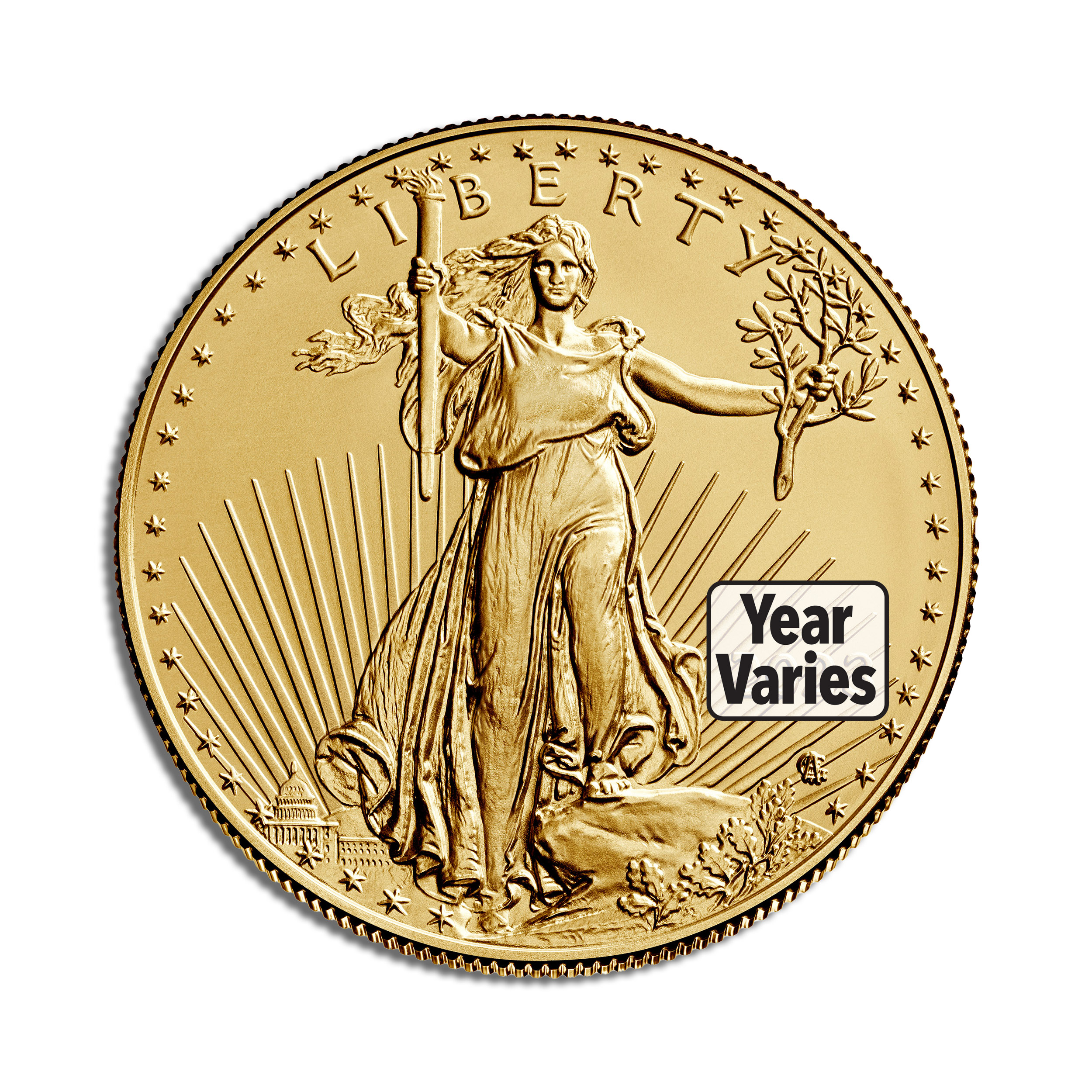
1 oz Gold Eagle – BU
A highly recognizable year-varies American Gold Eagle bullion coin.
View Current Price & Availability →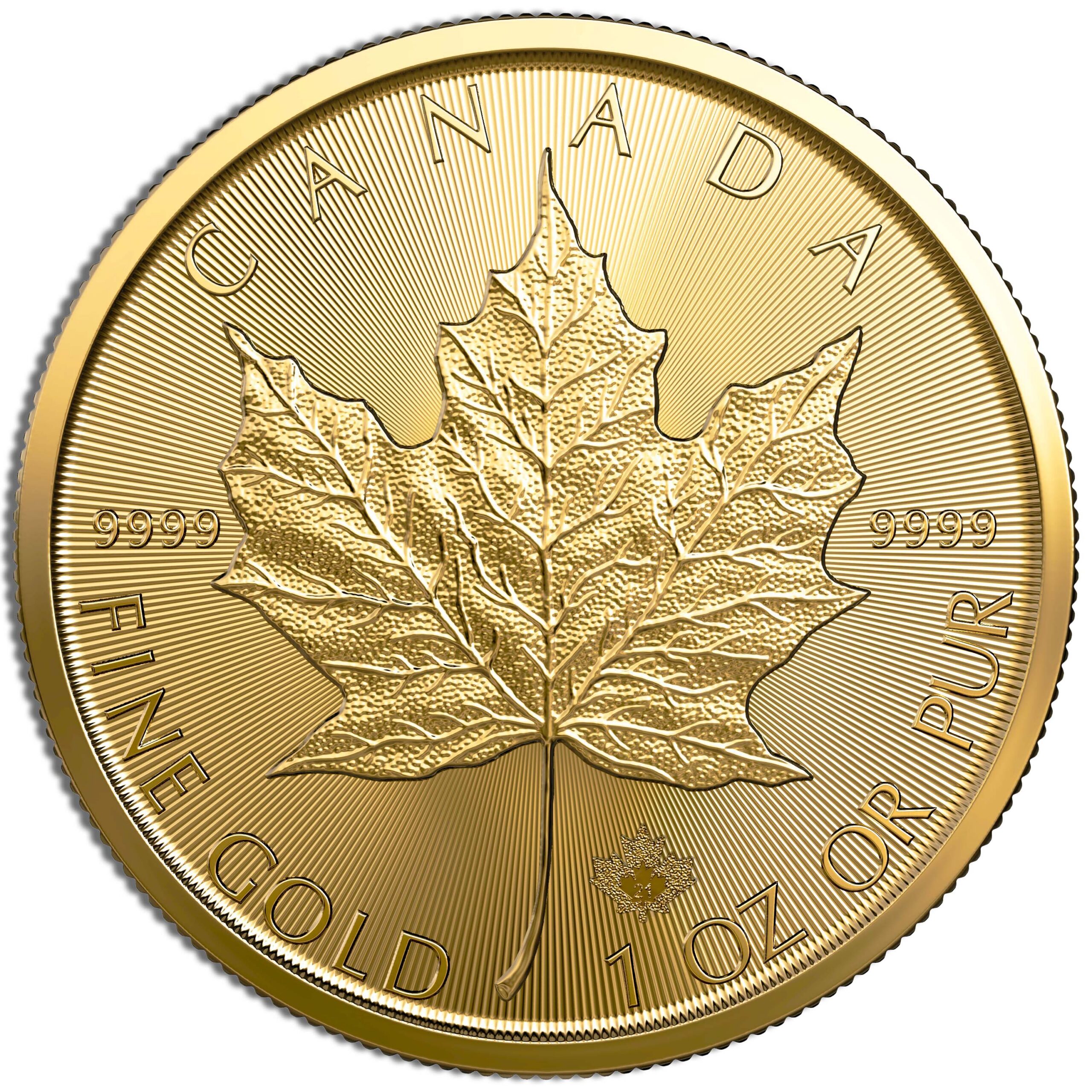
1 oz Gold Maple Leaf
A year-varies Canadian sovereign coin struck in .9999 fine gold.
View Current Price & Availability →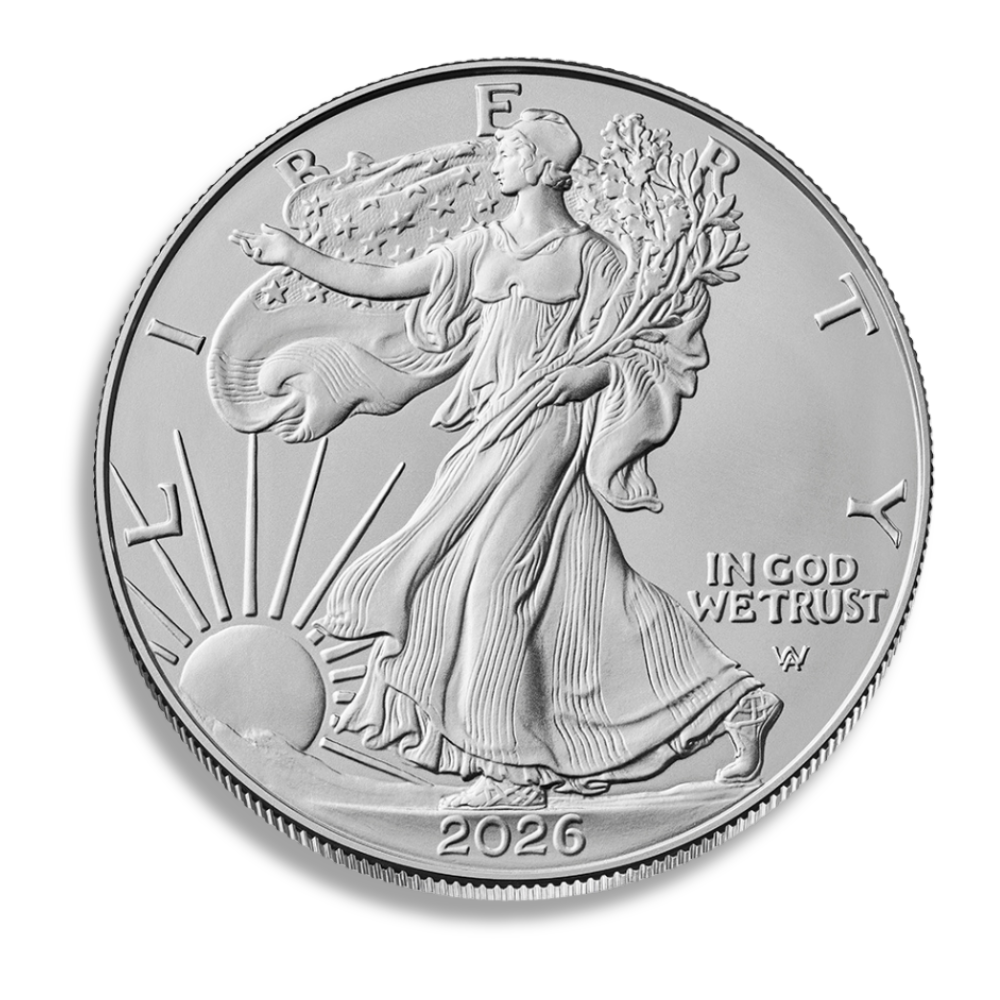
2026 Silver American Eagle
A current-year one-ounce American silver bullion coin.
View Current Price & Availability →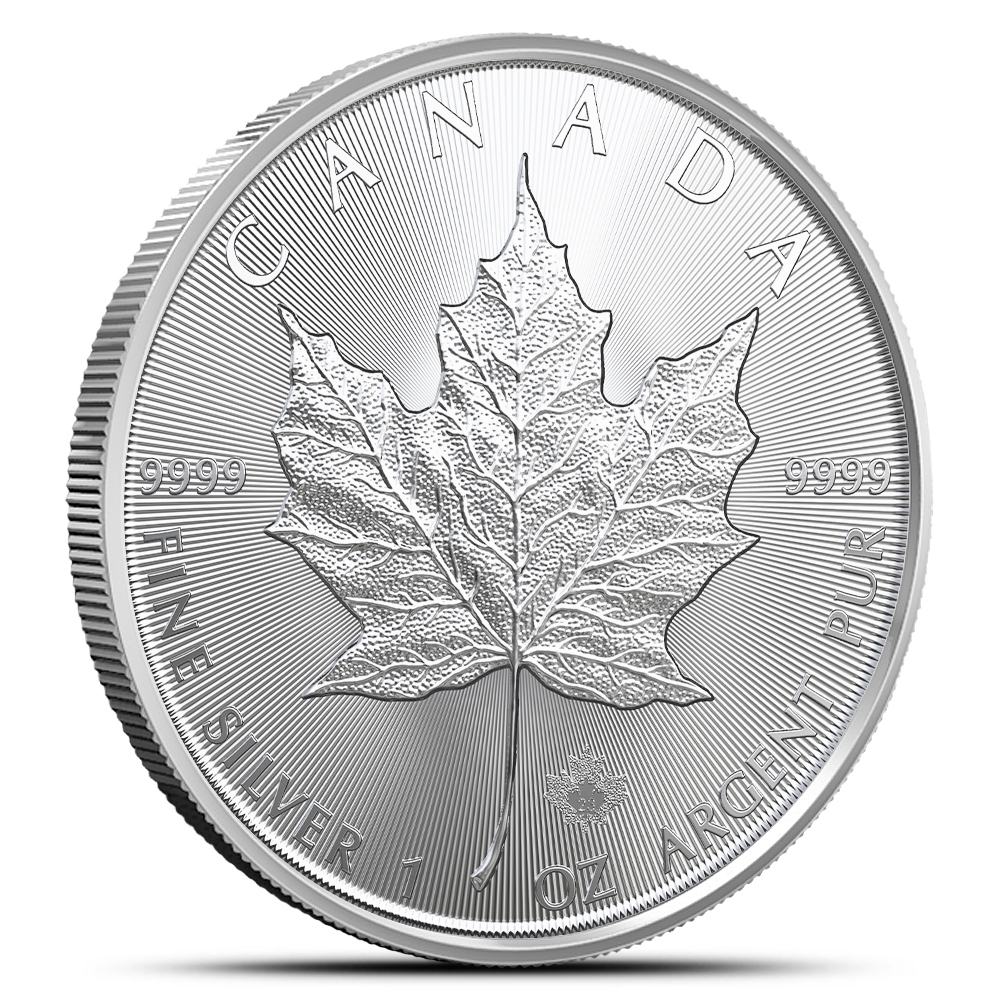
2026 1 oz Silver Maple Leaf
A current-year Canadian bullion coin struck in .9999 fine silver.
View Current Price & Availability →Product availability and pricing can change with inventory and precious-metal markets. Follow each product link for current information.
Explore the complete precious-metals selection at Agate Precious Metals.
Related Guides for Coin Buyers
Compare gold bars and coins, review the Silver American Eagle buying guide, and learn how to screen for counterfeit silver. Confirm live product details and pricing before purchase.
Frequently Asked Questions
Are investment coins the same as collectible coins?
Not always. Investment or bullion coins are usually valued mainly for metal content and recognition, while collectible or numismatic coins may carry premiums based on rarity, condition, history, design, or demand.
Which coin is easiest for a beginner to compare?
A widely recognized bullion coin with clearly published weight and purity can be easier to evaluate. Compare its delivered price and premium with similar products rather than relying on the label alone.
Do higher premiums guarantee better performance?
No. A higher premium may reflect collectible features, limited mintage, packaging, or dealer costs, but it does not guarantee future demand or resale value.