
Agate Precious Metals Field Guide
Gold Coin Diameter and Thickness Chart: Eagle, Buffalo, Maple Leaf, Britannia, and Krugerrand
Primary keyword: gold coin dimensions. Specifications and live listings were checked on the review date; verify the exact item before acting.
One-ounce gold bullion coins are not one universal size. The Gold Maple Leaf is about 30 mm across, while the Eagle, Buffalo, Britannia, Kangaroo, and Krugerrand are roughly 32.6–32.7 mm. Thickness and total weight also vary with alloy, relief, rim, and year. Use the exact mint specification for your coin before choosing a capsule or judging authenticity.
Measurement Rule
Identify country, program, year, denomination, bullion or proof format, and fine-gold size first. A 1/4-ounce Eagle cannot be compared with a one-ounce Eagle, and a proof may have different published tolerances or packaging.
One-Ounce Gold Coin Dimensions
| Coin | Diameter | Nominal Thickness | Total Weight | Gold Fineness |
|---|---|---|---|---|
| American Gold Eagle | 32.70 mm | About 2.83 mm | 33.930 g | 91.67% (22 karat) |
| American Gold Buffalo | 32.70 mm | About 2.95 mm | 31.108 g | .9999 |
| Canadian Gold Maple Leaf | 30.00 mm | About 2.8 mm | 31.11 g | .9999 |
| British Gold Britannia | 32.69 mm | About 2.8 mm | 31.1035 g | .9999 |
| Australian Gold Kangaroo | 32.60 mm | 2.95 mm maximum | 31.107 g | .9999 |
| South African Krugerrand | 32.69 mm | About 2.84 mm | 33.930 g | 91.67% (22 karat) |
Chart note: values are nominal reference specifications for common one-ounce bullion formats. Mints may publish maximum, minimum, or nominal dimensions differently, and specifications can change. Verify the official page for the exact year and version.
Why Equal Gold Content Produces Different Sizes
A one-ounce Gold Eagle and Krugerrand each contain one troy ounce of fine gold but also include copper or silver alloy, so total mass is about 33.93 grams. A .9999 Buffalo, Maple Leaf, Britannia, or Kangaroo has much less non-gold material and a total mass close to the fine-gold content. Diameter, thickness, rim, and relief distribute that mass differently.
This is why total weight cannot be interpreted without purity. It is also why a capsule advertised for a 32.7 mm coin may fit an Eagle but not necessarily every coin with the same listed diameter: relief, rim profile, and capsule tolerances matter.
Joe’s dealer note: I use dimensions to catch contradictions, not to declare a coin genuine. A counterfeit can be built to one correct measurement while failing another.
How to Measure a Gold Coin Safely
- Work over a clean, soft surface with dry hands or appropriate non-abrasive gloves.
- Use a calibrated digital scale capable of 0.01 gram resolution.
- Use non-marring calipers and close them gently at the widest diameter.
- Measure thickness at several rim positions without compressing or scraping the coin.
- Record the smallest and largest readings and compare them with the correct mint source.
- Do not remove a coin from a certified holder or sealed mint card just to measure it.
- Escalate any mismatch to professional testing.
Capsule Fit: Diameter Is Only the Start
Direct-fit capsules match a narrow size range. Ring-style capsules use an insert that can accommodate different diameters. Check interior diameter, usable depth, and whether the manufacturer identifies the exact coin series. Avoid forcing a high-relief coin into a shallow capsule. A loose fit can allow movement; a tight fit can mark the rim or make removal risky.
See the coin capsule size guide and the gold coin weight chart before ordering storage. For product selection, browse Agate’s gold coin collection.
Dimensions as a Counterfeit Screen
Weight and volume constrain what metals can imitate a coin, so an obvious mismatch is meaningful. But a correct diameter does not prove metal, and a correct weight can hide incorrect thickness. Combine measurements with design details, edge, magnetic response, conductivity or XRF as appropriate, and trustworthy provenance. Screening tools reduce uncertainty; they do not create certainty by themselves.
Common Measuring Mistakes
- Comparing a fractional coin to one-ounce specifications.
- Using a capsule’s outside dimension instead of its interior dimension.
- Squeezing soft gold or measuring across relief rather than the rim.
- Ignoring the difference between nominal and maximum thickness.
- Assuming proof, bullion, and commemorative versions share specifications.
- Rounding a home scale result too aggressively.
Bottom Line
Gold coin dimensions are useful for storage, identification, and rejecting obvious mismatches. Start with the exact issue, compare diameter, thickness, total weight, and purity together, and use official mint data. If a result is outside expected tolerance—or simply does not make sense—pause and have the coin professionally examined.
Compare Gold Coins and Sizes
These listings let you compare sovereign one-ounce and fractional formats. Confirm the exact year, type, specifications, and holder needs before ordering.
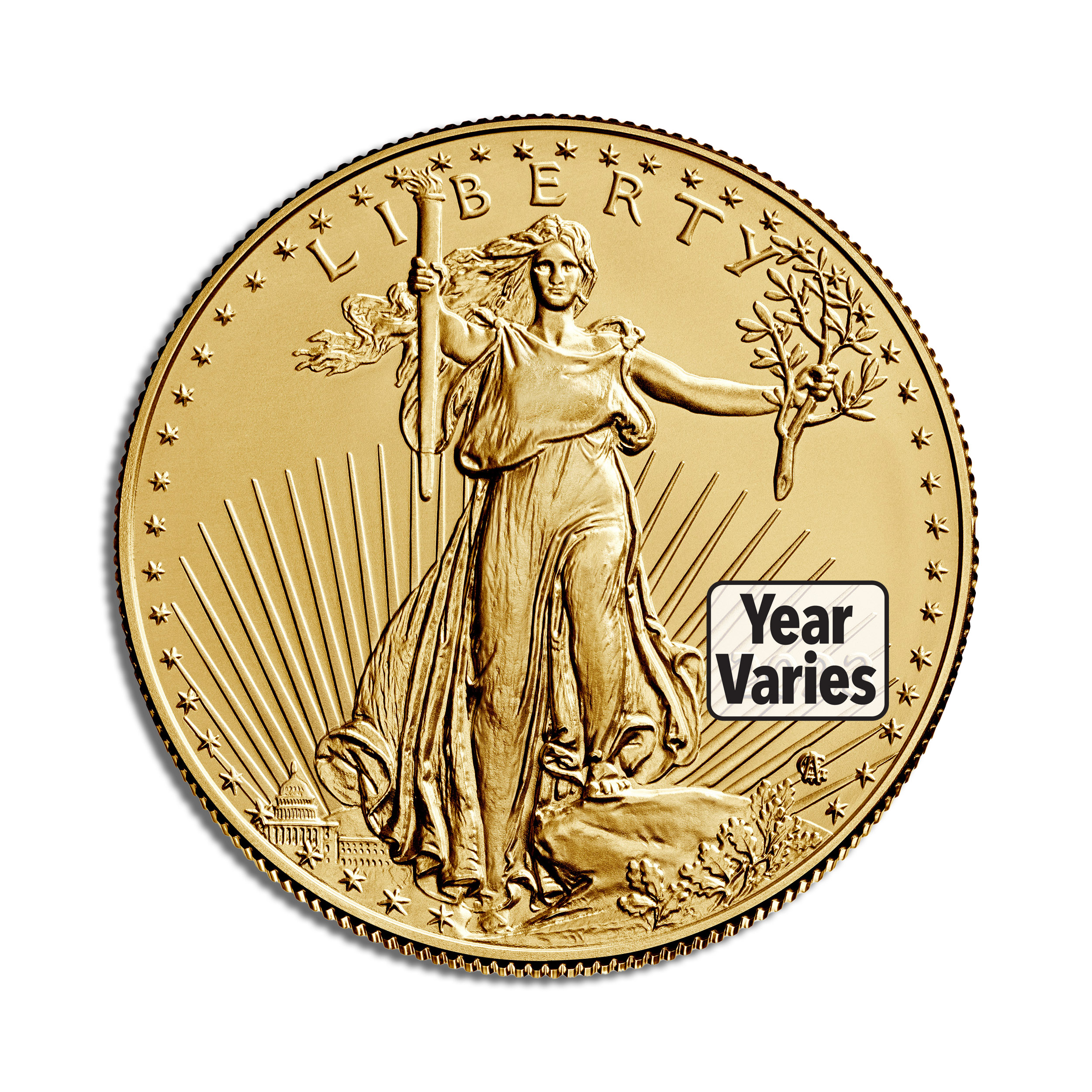
1 oz Gold Eagle – BU (Year Varies)
A one-ounce Gold Eagle with year selected under the listing terms.
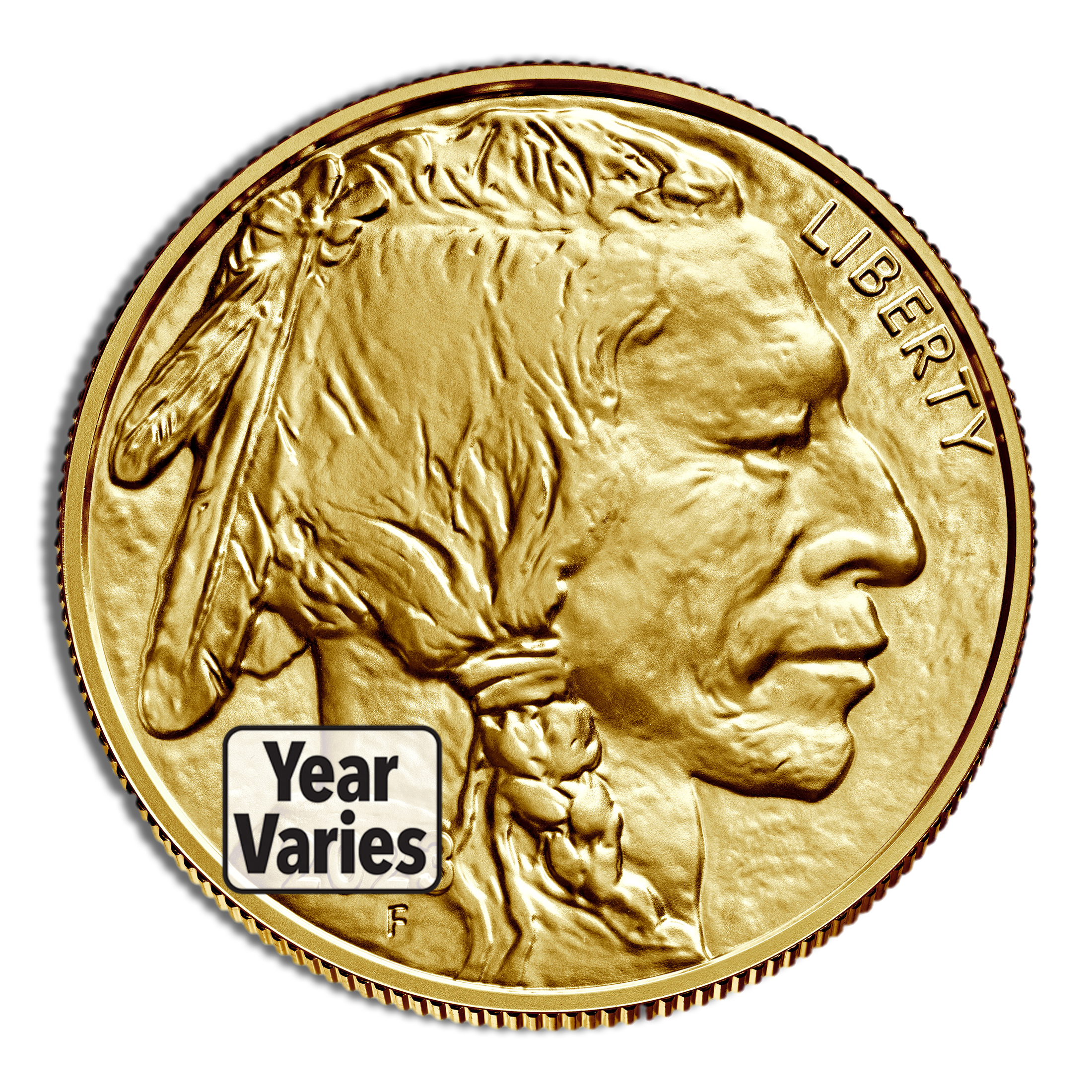
1 oz Gold Buffalo – BU (Year Varies)
A one-ounce .9999 Gold Buffalo with year varying.
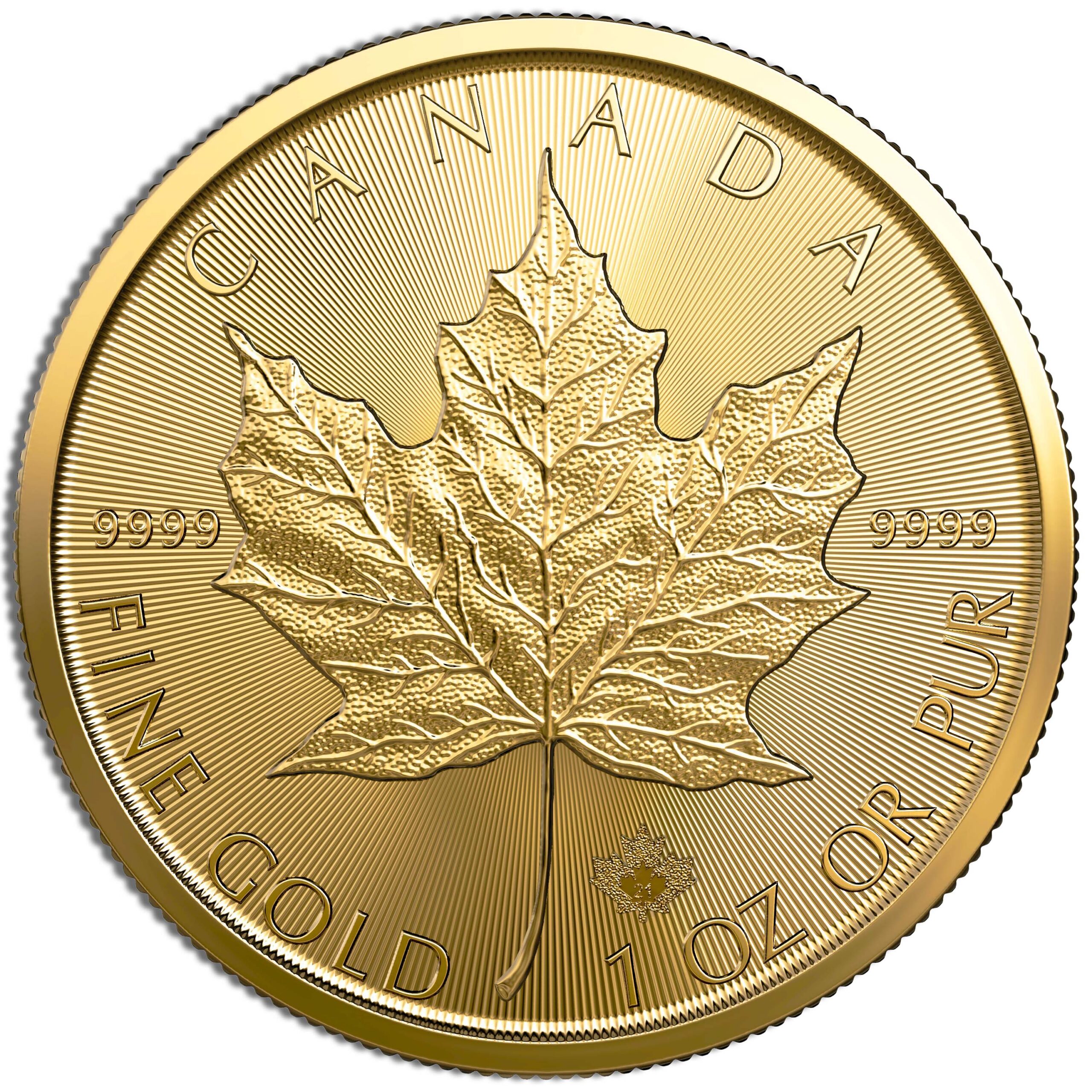
1 oz .9999 Gold Maple Leaf (Year Varies)
A one-ounce .9999 Gold Maple Leaf where the year varies.

1 oz Australian Kangaroo Gold Coin (Year Varies)
A one-ounce .9999 fine gold Perth Mint Kangaroo; the supplied year may vary.
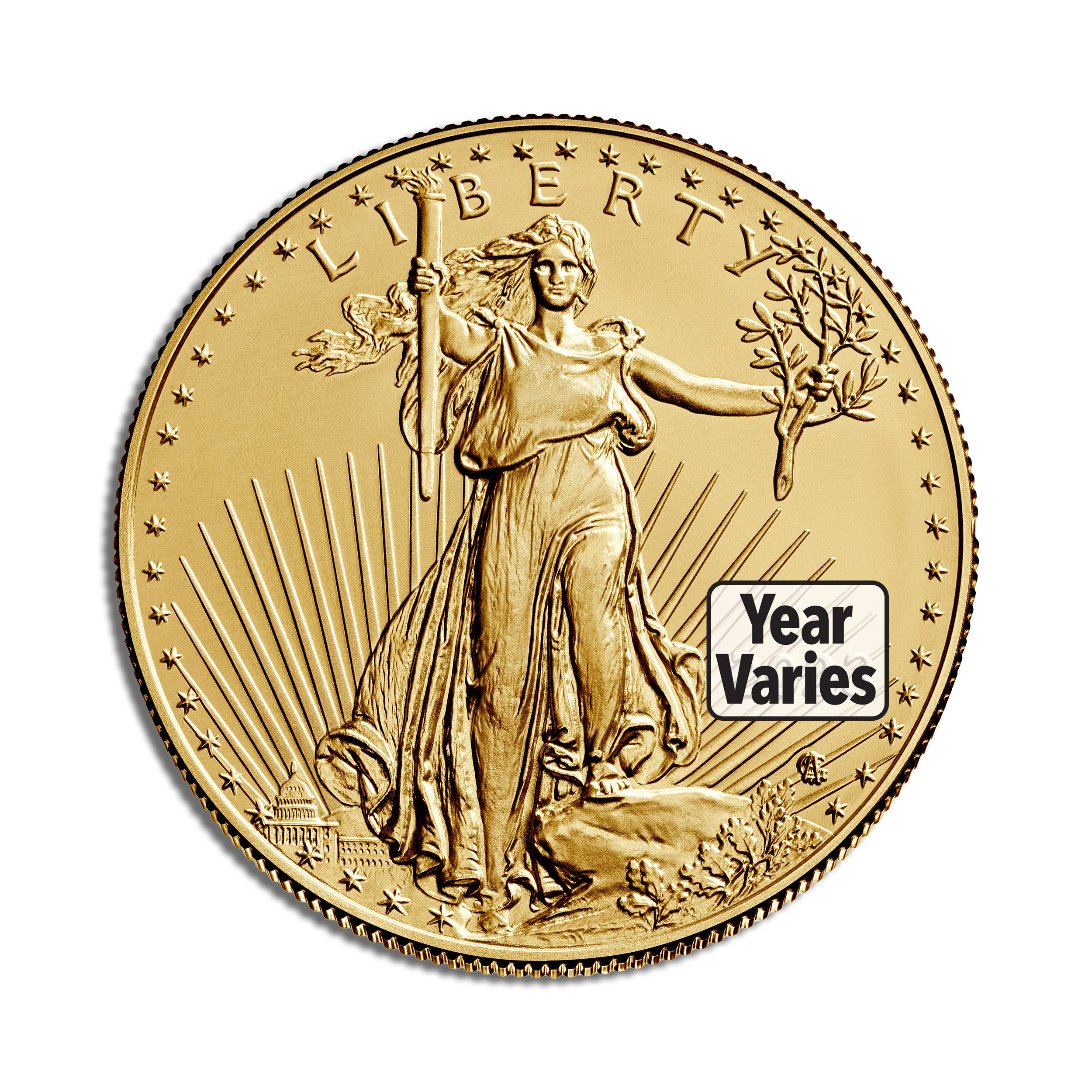
1/4 oz Gold Eagle – BU (Year Varies)
A quarter-ounce Gold Eagle for buyers comparing divisibility with per-ounce cost.
Product pages, images, prices, premiums, packaging, years, and stock were reviewed September 3, 2026 and can change. The live listing controls the order.
Frequently Asked Questions
Are all one-ounce gold coins the same diameter?
No. A one-ounce Gold Maple Leaf is about 30 mm, while several other major one-ounce bullion coins are about 32.6–32.7 mm.
Why is a Gold Eagle heavier than a Gold Buffalo?
The Eagle is 22-karat alloy and includes additional silver and copper while still containing one troy ounce of fine gold.
Can the same capsule fit a Gold Eagle and Gold Buffalo?
Diameter is similar, but relief, rim, and thickness can affect fit. Use a capsule specified for the exact coin.
Can dimensions prove a gold coin is real?
No. Correct dimensions are useful evidence but must be combined with metal testing, design review, and provenance.
Should I measure a certified gold coin?
Do not remove it from its holder. Verify the certification and use holder-compatible screening or professional examination.
Sources and Verification References
Educational information only—not individualized investment, tax, legal, insurance, appraisal, or financial advice. Screening tests can reject suspicious pieces but cannot conclusively authenticate precious metal. Prices, premiums, bids, inventory, packaging, product specifications, shipping, payment methods, and policies can change; verify the live listing and transaction terms.