
Agate Precious Metals Field Guide
How to Store Gold Bars at Home: Safe, Bank Box, or Professional Vault?
Primary keyword: how to store gold bars at home. Specifications and live listings were checked on the review date; verify the exact item before acting.
Gold bars can be stored at home, in a bank safe-deposit box, or with a professional vault, but no option eliminates risk. A home safe offers direct access; a bank box separates the metal from your residence; a professional facility may provide purpose-built controls and inventory reporting. Compare access, coverage, privacy, documentation, disaster exposure, and exit procedures before deciding.
Start With Five Questions
- How quickly must I be able to access the bars?
- What loss events does my insurance actually cover?
- Who else knows, and who can legally retrieve them if I cannot?
- Can I identify every bar and prove acquisition cost?
- How will I inspect, move, or sell the metal later?
Storage Options Compared
| Option | Access | Main Strength | Main Limitation | Verify |
|---|---|---|---|---|
| Home safe | Immediate under normal conditions | Direct control | Residential theft, fire, disclosure, and insurance exposure | Safe rating, anchoring, location, policy coverage |
| Bank safe-deposit box | During institution access procedures | Metal is away from home | Contents are generally not FDIC-insured; access can be restricted | Lease terms, access, separate insurance |
| Professional vault | By provider withdrawal rules | Purpose-built custody and records | Ongoing fees and counterparty dependence | Allocation, audits, coverage, delivery and exit terms |
| Split storage | Varies by location | Reduces single-location concentration | More records and logistics | Complete location inventory and succession access |
Using a Home Safe
Choose a safe based on tested burglary and fire ratings, not adjectives such as “secure” or “fireproof.” Fasten it according to the manufacturer’s instructions to a suitable structure and locate it where removal and casual discovery are harder. Do not post photos, delivery details, or storage locations publicly. Limit access knowledge, but make sure a trusted person or estate representative can follow a lawful recovery plan.
Homeowners or renters insurance may impose sublimits or exclusions on bullion. Ask the carrier in writing what property is covered, which events apply, whether scheduling or a specialty policy is required, how valuation works, and what proof a claim requires. A safe and an alarm may affect underwriting, but neither guarantees coverage or recovery.
Using a Bank Safe-Deposit Box
A bank box places the bars outside the home, but the box contents are not a bank deposit. The FDIC explains that safe-deposit box contents are not insured by FDIC deposit insurance. Review the institution’s lease, access hours, identity rules, prohibited contents, closure procedures, and what happens after incapacity or death. Arrange separate coverage if appropriate.
A box can also create timing friction. You may not be able to retrieve metal outside business hours or during a closure, legal hold, emergency, or estate transition. Keep an off-site inventory that does not reveal more than necessary, and never put the only copy of access or estate instructions inside the box.
Evaluating a Professional Vault
Ask whether holdings are allocated to you or pooled, how bars are identified, who owns the metal legally, which insurer provides coverage, what exclusions and limits apply, how often independent audits occur, and whether you can receive specific bars back. Review fees for storage, insurance, handling, sale, and physical withdrawal. Read the contract—not only the marketing page.
For retirement-account metal, custody and storage rules are separate from ordinary personal storage. Consult the custodian before purchase and review Agate’s IRA-eligible gold bar guide.
Protect the Bar and Its Records
- Keep carded bars sealed unless a professional verification plan requires otherwise.
- Use inert sleeves or capsules for loose bars; avoid PVC and adhesive contact.
- Control humidity and keep metal away from chemicals, salt air, and flooding risk.
- Photograph front, back, packaging, and serial number where present.
- Record weight, purity, refiner, quantity, purchase date, seller, and invoice.
- Store encrypted record backups separately from the metal.
- Do not attach a full-value inventory to the outside of a container.
Joe’s dealer note: The best storage plan is the one you can document, insure appropriately, access lawfully, and unwind without improvising. “Hidden” is not a complete security system.
A Practical Layered Plan
- Inventory the exact bars and packaging.
- Estimate replacement value using a documented method.
- Discuss coverage with an insurance professional.
- Choose one or more locations based on access and concentration risk.
- Document authorized access and estate instructions.
- Inspect records and physical condition on a schedule.
- Revisit the plan after a move, major purchase, policy change, or provider change.
Also see how to document a collection, gold bar serial-number checks, and the gold bar collection.
Bottom Line
A home safe maximizes direct access, a bank box separates risk from the residence, and a professional vault adds specialized custody at a cost. Many owners split storage. Whatever you choose, verify insurance, keep precise records, preserve packaging, and plan lawful access for emergencies and estate administration.
Compare Gold Bar Formats Before Planning Storage
Carded, loose, gram, and one-ounce bars have different storage footprints. Verify the exact packaging and dimensions on each live listing.
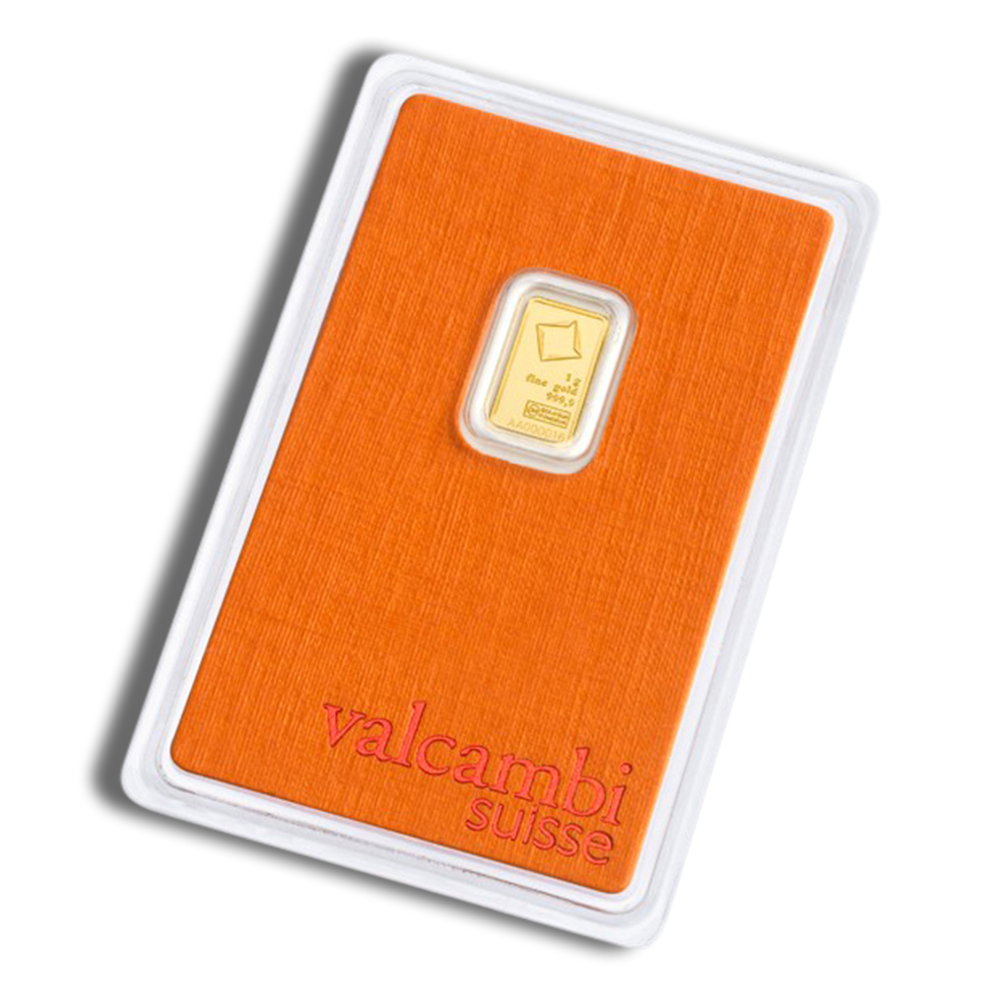
1 gram Gold Bar – Valcambi (Carded)
A named one-gram Valcambi bar in carded packaging.
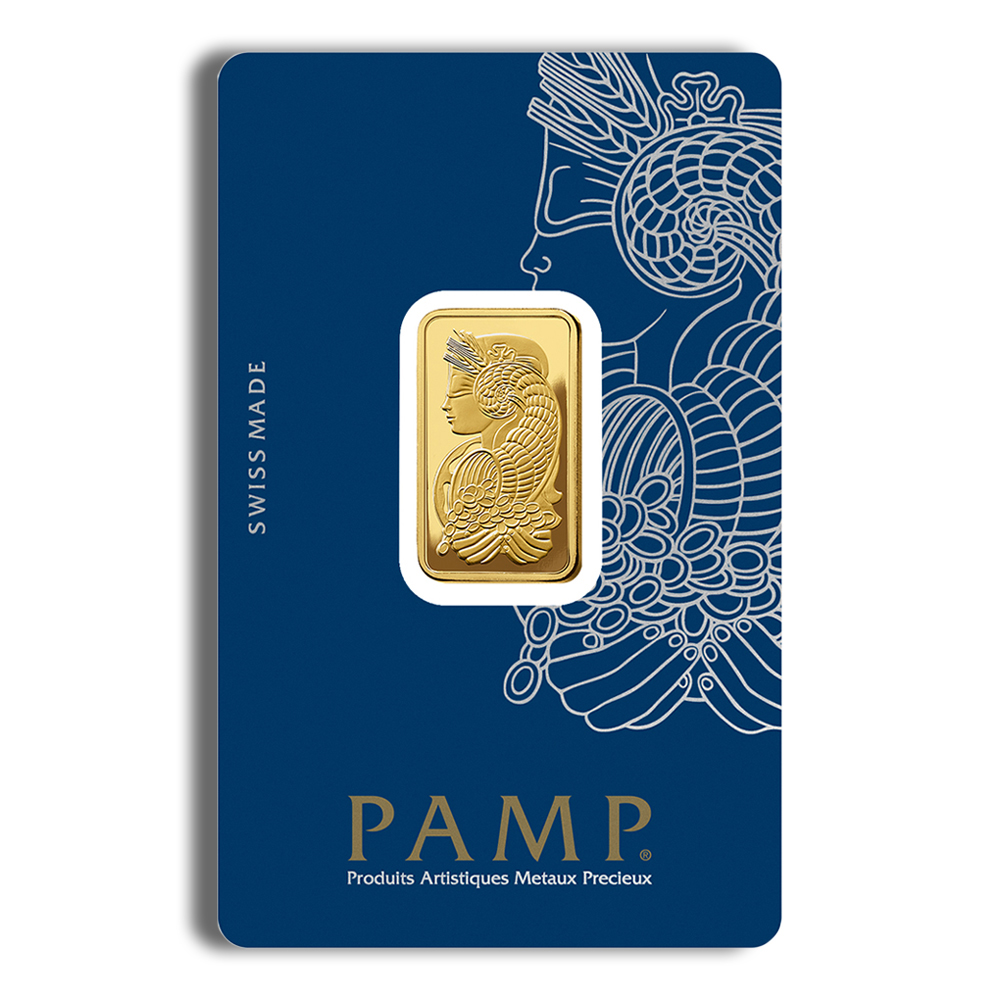
10 gram Gold Bar – PAMP Fortuna (Carded)
A ten-gram PAMP Fortuna bar in carded assay packaging.

1 oz Gold Bar – PAMP Suisse (Carded)
A one-ounce PAMP Suisse bar in carded assay packaging.

1 oz Gold Bar – Brand Varies .9999 (Carded)
A carded one-ounce .9999 listing where the brand is selected at fulfillment.
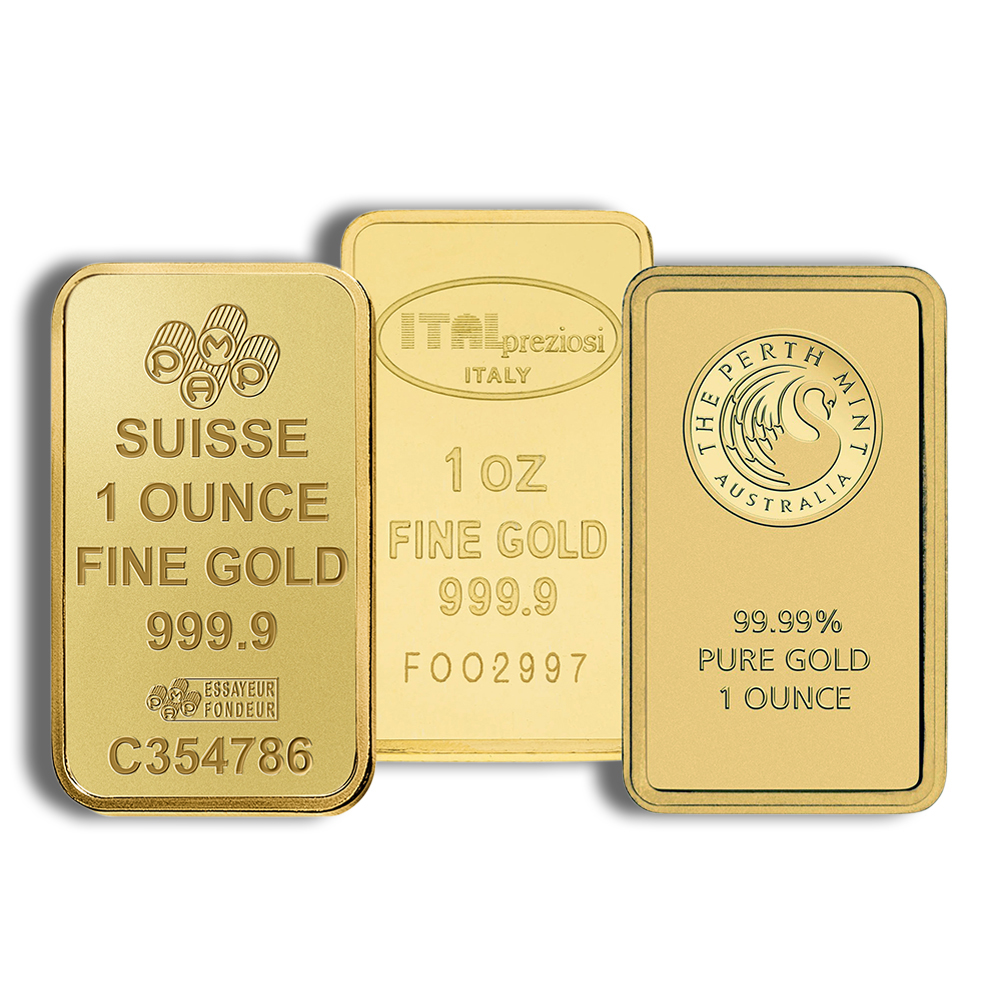
1 oz Gold Bar – Brand Varies (Not in Card)
A one-ounce no-card listing for buyers who do not require sealed presentation.
Product pages, images, prices, premiums, packaging, years, and stock were reviewed September 3, 2026 and can change. The live listing controls the order.
Frequently Asked Questions
Is it safe to keep gold bars at home?
It can be part of a reasonable plan, but no home setup is risk-free. Use a properly rated and installed safe, limit disclosure, and verify insurance.
Are gold bars in a bank safe-deposit box FDIC-insured?
No. FDIC deposit insurance does not cover the contents of safe-deposit boxes.
Should I remove gold bars from assay cards for storage?
Usually not when original packaging matters. Preserve the seal unless a qualified professional recommends a specific verification procedure.
What does allocated vault storage mean?
It generally means identified metal is held for a specific owner, but contract definitions vary. Confirm title, bar identification, audit, insurance, and withdrawal terms.
Should all gold be stored in one place?
That depends on access, value, insurance, and personal risk. Splitting locations can reduce concentration but adds recordkeeping and logistics.
Sources and Verification References
Educational information only—not individualized investment, tax, legal, insurance, appraisal, or financial advice. Screening tests can reject suspicious pieces but cannot conclusively authenticate precious metal. Prices, premiums, bids, inventory, packaging, product specifications, shipping, payment methods, and policies can change; verify the live listing and transaction terms.