
Silver Price per Gram: Calculator, Conversion & Buying Tips
Silver Price per Gram: How to Read, Calculate, and Use It
Whether you are stacking silver bars, collecting coins, or evaluating scrap jewelry, the silver price per gram is the single number that ties every transaction back to reality. This guide walks you through how that number is determined, how to calculate it yourself, and how to use it to make smarter buying decisions at Agate Precious Metals and beyond.
Key Takeaways
As of September 1, 2026, the fine silver price per gram sits at approximately $2.06 for .999 pure silver, while the current silver price per gram for sterling silver is $1.90. These are indicative figures based on live spot data and change minute by minute during trading hours, so always confirm with a trusted price feed before acting.
The silver price per gram is derived from the global silver spot price per troy ounce (31.1035 grams). This benchmark underpins pricing for silver bullion, silver coins, and scrap silver worldwide.
The price consumers actually pay is always higher than the raw price per gram. That final number includes:
- The spot price of silver (the base metal value)
- Dealer premiums and fabrication or minting costs
- Packaging, shipping, and insurance
- Any applicable sales taxes or credit card processing fees
Agate Precious Metals focuses on transparent pricing for physical silver-bars, rounds, and coins-and encourages readers to compare the price per gram across products before committing to a purchase.
Tools like a silver gram calculator and awareness of the gold to silver ratio help buyers and collectors decide when and what to purchase, keeping cost per gram front and center.
What Is the Current Silver Price per Gram?
If the current silver spot price is roughly $64 per troy ounce today, that equals about $2.06 per gram of fine silver. This is an illustrative calculation, not a live quote-prices shift continuously throughout the trading day.
The current silver price refers to the live spot market price for one troy ounce of .999 fine silver. The silver spot price is set by trading on COMEX in New York, the primary commodity exchange for precious metals in the United States. Silver prices update continuously during market hours, so the per-gram figure recalculates with every tick.
Most financial sites display silver pricing in the following ways:
- Per troy ounce in US dollars (the default)
- Per gram or per kilogram, often as a toggle option
- In multiple currencies including euros, British pounds, and Japanese yen
You can monitor the live silver spot price intraday and over time via interactive silver price charts on reputable precious metals websites. Agate Precious Metals references these same benchmarks when pricing its silver products.
How to Calculate the Silver Price per Gram from Spot
Nearly all professional silver pricing starts with the spot price per troy ounce, then converts down to a price per gram for scrap, silver jewelry, and small bullion pieces. The silver price per gram is derived from the spot price using a single formula.
Worked example: If spot silver is $62.20 per troy ounce, dividing by 31.1035 gives approximately $2.00 per gram. Silver value is calculated using the current spot price in exactly this way.
Once you know the base price per gram for fine silver, you can estimate melt value for any item by multiplying weight by purity:
- 20 grams of 92.5% sterling silver × $2.06/g × 0.925 = approximately $38.11 in melt value
Agate Precious Metals uses standard troy ounce to gram conversions for all internal calculations, whether products are sold as 1 oz rounds, 10 oz silver bars, 1 kg bars, or fractional silver pieces.
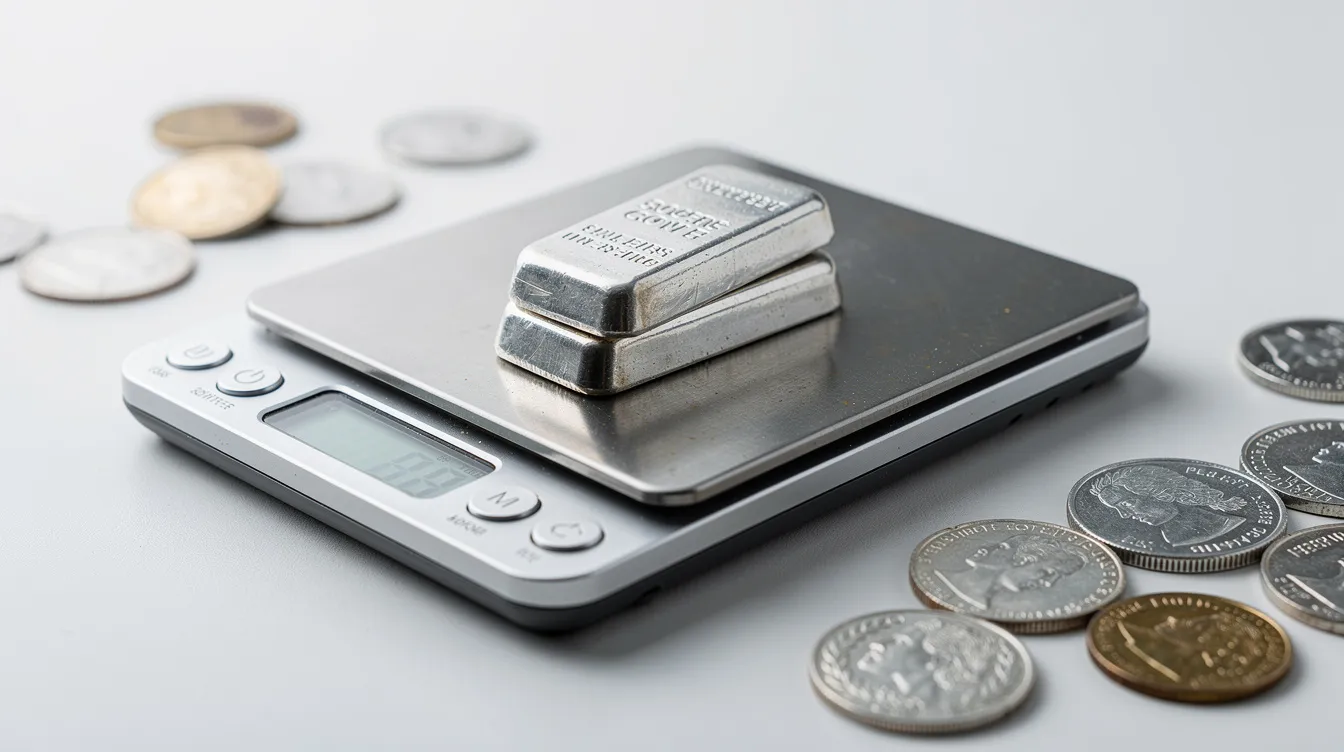
Silver Price per Gram vs. Price per Troy Ounce
The global silver market quotes prices per troy ounce, but many consumers and scrap sellers think in silver grams-especially when dealing with silver jewelry and small items. Understanding both units prevents costly confusion.
One troy ounce equals 31.1035 grams. This is not the same as a “regular” avoirdupois ounce (28.35 g) used at the grocery store. Precious metals always use troy ounces.
Here are quick conversions at plausible 2026 spot levels:
| Spot Price per Troy Ounce | Price per Gram |
|---|---|
| $58.00 | ~$1.86 |
| $64.00 | ~$2.06 |
| $70.00 | ~$2.25 |
Investors typically compare silver products on a price-per-ounce basis, while pawn shops, refiners, and local coin shop dealers may quote the price per gram, pennyweight, or kilogram depending on the transaction. Understanding the relationship between grams and troy ounces helps you evaluate whether a 1 oz coin, 10 oz bar, or 100 g bar in bar form offers the best value per gram for your budget.
Understanding Fine Silver, Purity, and Face Value
Fine silver (.999 or higher) is what spot prices and per-gram quotes refer to. The current silver spot price reflects one troy ounce of .999 fine silver-not alloyed metal. The silver price per gram can vary based on purity levels, so knowing what you are buying matters.
Common purities you will encounter:
- .999 fine silver – Bullion bars, rounds, and many modern silver coins. Fine silver is 99.9% pure, priced at $2.06 per gram at today’s spot price.
- 92.5% sterling silver – Sterling silver is 92.5% pure and commonly used in jewelry and flatware. Sterling silver is 92.5% pure and priced at $1.90 per gram.
- 90% coin silver – Older U.S. dimes, quarters, and half dollars minted before 1965.
- .958 Britannia silver – Found in some historical British coins.
- 80% silver – Common in certain European and historical coinage.
The silver gram value must always be adjusted by purity: melt value = weight in grams × price per gram for pure silver × purity factor.
Face value is the legal tender amount stamped on government minted coins (for example, $1 on a Silver Dollar), while market value is driven by silver content, investment demand, and collectibility. At Agate Precious Metals, product listings clearly separate purity, weight, and face value so buyers can distinguish bullion value from nominal currency value.
Silver Coins vs. Silver Bullion Bars: Price per Gram Comparison
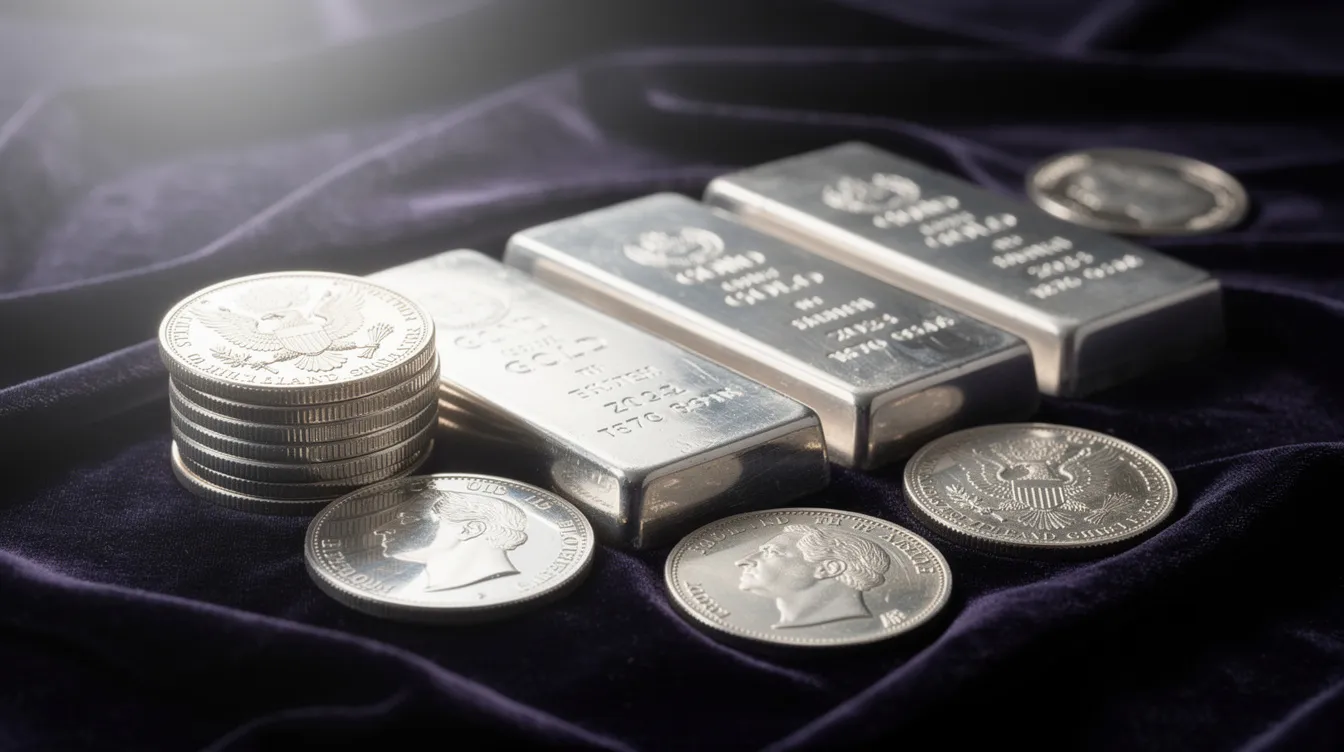
Silver coins and bullion bars both contain physical silver, but they carry different premiums over the base silver price per gram. Physical silver bullion includes coins, bars, and rounds-each with its own cost profile.
Well-known sovereign silver coins with typically higher premiums:
- American Silver Eagle
- Canadian Silver Maple Leaf
- Mexican Libertad
- Britannia
- Silver Krugerrand
These government minted coins command higher per-gram pricing due to legal tender status, brand recognition, and strong collector demand among retail investors.
Generic silver bullion bars and silver rounds (1 oz, 10 oz, 100 oz, 1 kg) tend to offer the lowest price per gram because they focus on raw silver content over design or numismatic value. Larger silver bars typically have lower premiums per ounce compared to smaller pieces.
Collectible, low-mintage, or graded coins may trade at a multiple of melt value. Their price per gram can be far above spot-based bullion pricing. Collectors should understand the distinction between collectible value and bullion value before purchasing.
Agate Precious Metals carries both low-premium bullion and higher-premium collectible coins. Buyers primarily interested in stacking metal compare products strictly on price per gram, while collectors weigh artistry, rarity, and series completion.
Using a Silver Gram Calculator Effectively
A silver gram calculator is an online tool where users enter weight, purity, and the current silver price to estimate melt value in real time. Silver calculators allow input of weight and purity for valuation, making them essential for quick assessments.
Step-by-step usage:
- Choose your unit: grams, troy ounces, or kilograms
- Select purity: .999 fine, .925 sterling, .900 coin silver, etc.
- Enter the current market price per ounce or per gram
- Read off the item’s estimated silver value
Keep in mind that a calculator estimates bullion or scrap value only. It does not include dealer premiums, fabrication costs, or numismatic value.
Common use cases:
- Checking the intrinsic silver worth of a sterling necklace by weight
- Comparing the melt value of junk silver coins versus their asking price at a local coin shop
- Confirming the metal value in a 1 kg silver bar before buying silver online
Agate Precious Metals encourages customers to run their own calculations so they understand the difference between raw silver value, dealer premium, and any added collectible value.
What Influences the Silver Price per Gram Today?
The gram price of silver moves in real time based on the same global forces that affect the spot price per ounce: supply, demand, currency trends, and investor sentiment. Market sentiment and speculation can cause sharp intraday volatility in silver prices.
Key supply side factors:
- Mining production from major producers (Mexico, Peru, China). Most silver is mined as a byproduct of other metals, with only about 26% coming from primary silver mines. Silver supply is affected by mining production and scrap recycling.
- U.S. mine production affects silver price levels annually, and near-term capacity additions have declined roughly 80% since 2013.
- Available above-ground inventories can significantly impact silver prices.
Key demand drivers:
- A significant portion of silver is consumed in industrial applications. Industrial demand accounts for approximately 58% of total global silver demand-around 657 million troy ounces projected for 2026. Silver is used in various industrial applications including electronics and renewable energy, particularly solar panels and electric vehicles.
- Investment demand from many investors seeking physical silver and silver ETFs. Silver ETFs track silver prices without physical ownership. Silver is available in physical and paper forms.
- Rising inflation drives demand for silver as a store of value, and investors treat silver as a safe-haven asset during economic uncertainty.
Macro factors:
- Higher interest rates increase the opportunity cost of holding silver, and interest rate changes can influence the demand for silver more broadly.
- Strength or weakness of the U.S. dollar affects purchasing power globally, since the silver spot price is quoted in U.S. dollars globally.
- Geopolitical tensions drive safe-haven investment in silver. Silver prices respond to shifts in macroeconomic conditions overall.
- Silver prices are influenced by industrial demand and supply deficits, creating a structural backdrop that mining companies and financial institutions watch closely.
Premiums for physical silver products-especially popular silver coins-can also expand or contract based on retail demand and wholesale availability, influencing the total price per gram that buyers actually pay. A silver price change at the wholesale level ripples through every product on a dealer’s shelf.

Gold to Silver Ratio and What It Means for Price per Gram
The gold to silver ratio is the number of ounces of silver required to buy one ounce of gold, calculated by dividing the gold price by the silver price. The gold-silver ratio helps investors gauge silver’s relative value to gold.
Using recent 2026 data: with gold near $4,401 per ounce and silver near $65 per ounce, the silver ratio sits at approximately 67.5:1. A high ratio (above 70–80) historically suggests silver may be undervalued relative to gold; a low ratio (below 40–50) suggests silver is relatively strong. According to the Silver Institute, the ratio remains a relevant analytical tool as markets have become more financialized.
Silver often tracks the price of gold but is more volatile, meaning silver can deliver sharper gains-and sharper drops-than gold over comparable periods.
When the ratio is historically high, silver’s price per gram may be relatively low compared with gold, which some investors interpret as silver being undervalued. However, the ratio is one input among many, not a timing guarantee. Pair it with your own research, risk tolerance, and time horizon.
At Agate Precious Metals, many buyers watch the gold to silver ratio when deciding whether to allocate new funds to fractional gold, silver bars, or additional silver coins.
Comparing Silver Price per Gram Across Currencies (Including Japanese Yen)
Global spot prices are quoted in US dollars, but the effective silver price per gram varies by local currency due to exchange rates. Buyers outside the United States need to factor in currency conversion.
Live precious metals charts allow users to view the price per gram in EUR, GBP, Japanese yen, Chinese yuan, and other factors affecting local cost. This helps international buyers benchmark costs against their own currencies.
Example: If fine silver is $2.06 per gram in USD and the USD/JPY rate is 160.25, then the indicative price per gram in Japanese yen is approximately ¥330. The math: $2.06 × 160.25 = ~¥330 per gram.
Published foreign currency prices are often “indicative only” and may not account for local taxes, import duties, or dealer premiums. Final purchase prices in yen or euros can differ meaningfully from chart values.
Buyers using non-USD currencies should track both the metal price trend and their domestic currency’s strength against the dollar when planning larger silver purchases. A silver futures contract priced at the New York Mercantile Exchange (often referenced as the York Mercantile Exchange) and traded on COMEX reflects USD values, so currency exposure is unavoidable for international buyers. The silver spot price is set by COMEX trading activity, and futures contracts along with options contracts traded there during market hours determine the benchmark that flows to every other market.
How Retail Prices Differ from the Raw Silver Price per Gram
The spot-based price per gram is only the starting point. Retail prices for physical silver must cover a full cost structure and a reasonable profit margin for online dealers and mints.
What gets added on top of the raw silver price per gram:
- Refining and minting costs (fabrication)
- Packaging, shipping, and insurance
- Marketing and operational overhead
- Dealer premiums, which vary by product and current market conditions
- The bid ask spread between what dealers pay (bid price) and what they sell at (ask price)
Silver coins with intricate designs, enhanced finishes, or low mintages-especially graded or slabbed pieces-carry substantial premiums, so their price per gram can sit significantly above generic bullion. Payment method also matters: credit card purchases may result in higher effective prices than bank transfers because dealers must cover card processing fees, though some offer the lowest price for wire payments.
Agate Precious Metals aims for transparent, competitive premiums on both bullion and collectibles, with clear product descriptions that separate melt value, bullion value, and any numismatic or limited-edition appeal. When you buy physical silver, knowing the breakdown helps you understand exactly what you are paying for.
Strategies for Buying Physical Silver at a Competitive Price per Gram
If your primary goal is to maximize silver content per dollar spent, every fraction of a cent per gram matters over time. Here is how to keep your average cost down when buying silver online or at a local coin shop.
- Prioritize low-premium bullion. Generic 1 oz silver rounds, 10 oz bars, and 100 oz bars typically offer lower premiums and the most metal per dollar. A 1 kg bar often delivers among the lowest cost per gram available to retail investors.
- Compare across formats. Before clicking “buy,” check the price per gram or per ounce across different product sizes. Larger units usually carry lower premiums but may be less flexible to resell in small portions.
- Monitor the live price. Watch the current silver price and consider buying during dips or when dealers run spot deals. A fixed amount invested at regular intervals (dollar-cost averaging) can smooth out volatility without requiring you to time the market perfectly.
- Avoid overtading. Chasing every small silver change or intraday move rarely benefits long-term stackers. Silver remains volatile, so patience typically outperforms frantic trading activity.
Agate Precious Metals serves both investors and collectors. The site features low-premium bullion for pure silver exposure alongside limited-mintage or artwork-focused pieces for buyers who value design and scarcity as much as melt value.
When to Focus on Price per Gram vs. Other Factors
Price per gram is essential for bullion investors, but it is not the only factor that matters when you buy silver products. Your goals should dictate how heavily you weight it.
Investors who care primarily about metal content, hedge potential, and long-term stacking typically prioritize the lowest possible cost per gram from reputable dealers. For them, generic bullion bars and rounds at the tightest premiums are the default choice.
Coin collectors and numismatists take a different view. They may intentionally choose products with higher premiums-limited-mintage coins, historical pieces, or graded sets-where artistry, rarity, and series completion outweigh pure gram pricing. The numismatic value of such pieces can appreciate independently of the spot price.
Liquidity and recognition also matter. Widely known coins from major mints may command slightly higher premiums but are often easier to resell at strong prices through online dealers or at any local coin shop. Silver remains one of the most liquid precious metal assets globally-part of the broader other precious metals and precious metals industry landscape.
Agate Precious Metals helps buyers understand the distinctions among bullion value, collectible value, and overall price per gram so they can choose products that match their personal strategy.
How Agate Precious Metals Fits into Your Silver Buying Plan
Agate Precious Metals is a modern, trustworthy source for silver bullion, silver coins, fractional silver, and specialty collectibles. Whether you are a first-time buyer or an experienced stacker, the goal is the same: know what you are buying and pay a fair price for it.
Key product categories for readers tracking the silver price per gram:
- Low-premium silver bars and rounds for stackers focused on maximizing silver content per dollar
- Fractional silver pieces for budget-conscious buyers who want to start small
- Limited-mintage and graded coins for collectors who value design, history, and rarity
- Original copper collectibles featuring detailed artwork, antique finishes, and serialized limited editions-chosen for display appeal and scarcity, not just metal value
Product descriptions clearly state weight, purity, mintage (where applicable), and whether an item is primarily bullion, collectible, or numismatic. This transparency makes it straightforward to compare pieces on a price-per-gram basis and understand where the highest price or premium comes from.
Combine real-time monitoring of the price of silver with Agate’s curated selection to build a diversified stack or collection over time-balancing cost per gram with enjoyment and long-term goals. The silver price per gram updates frequently during trading hours, giving you every opportunity to buy at the moment that fits your plan.
Shop Silver from Agate Precious Metals
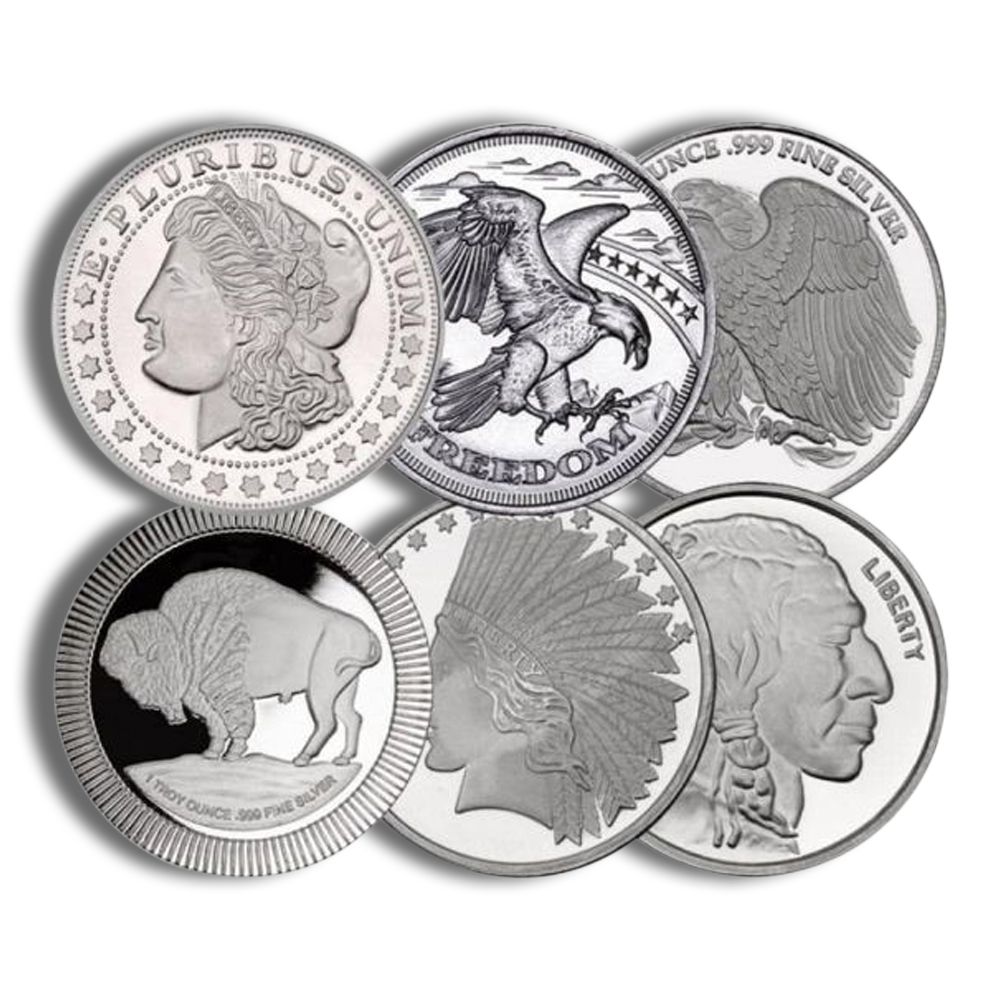
1 oz Silver Round
IRA-eligible .999 silver with a design that varies.
View Current Price & Availability →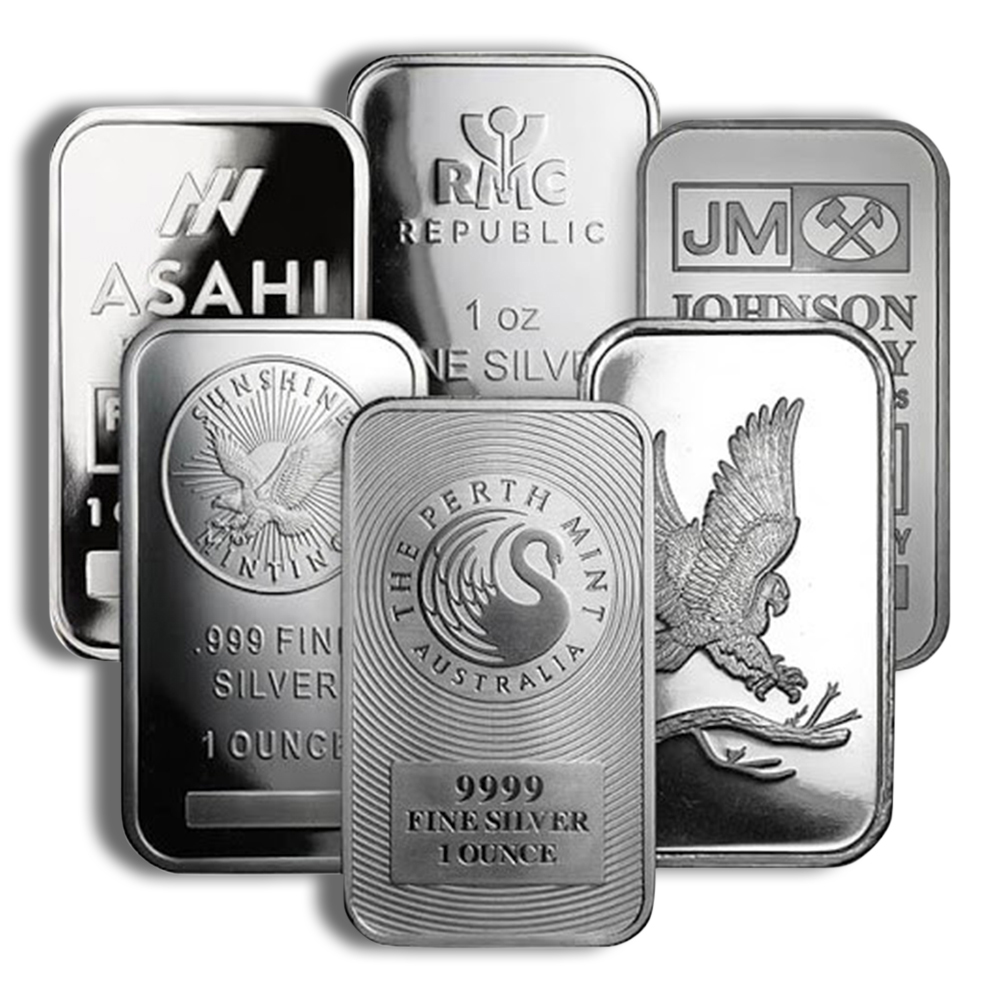
1 oz Silver Bar
IRA-eligible one-ounce silver bar from a recognized brand.
View Current Price & Availability →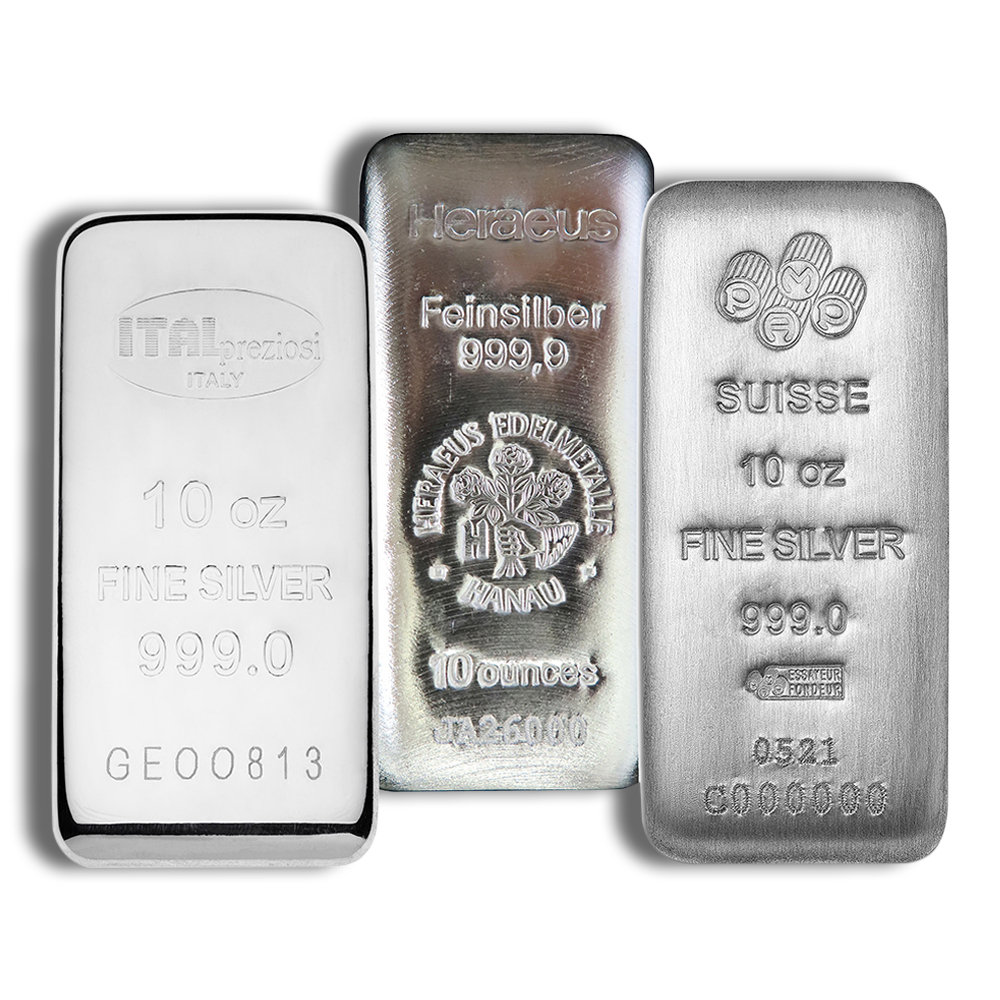
10 oz Silver Bar
IRA-eligible silver bar from a recognized brand.
View Current Price & Availability →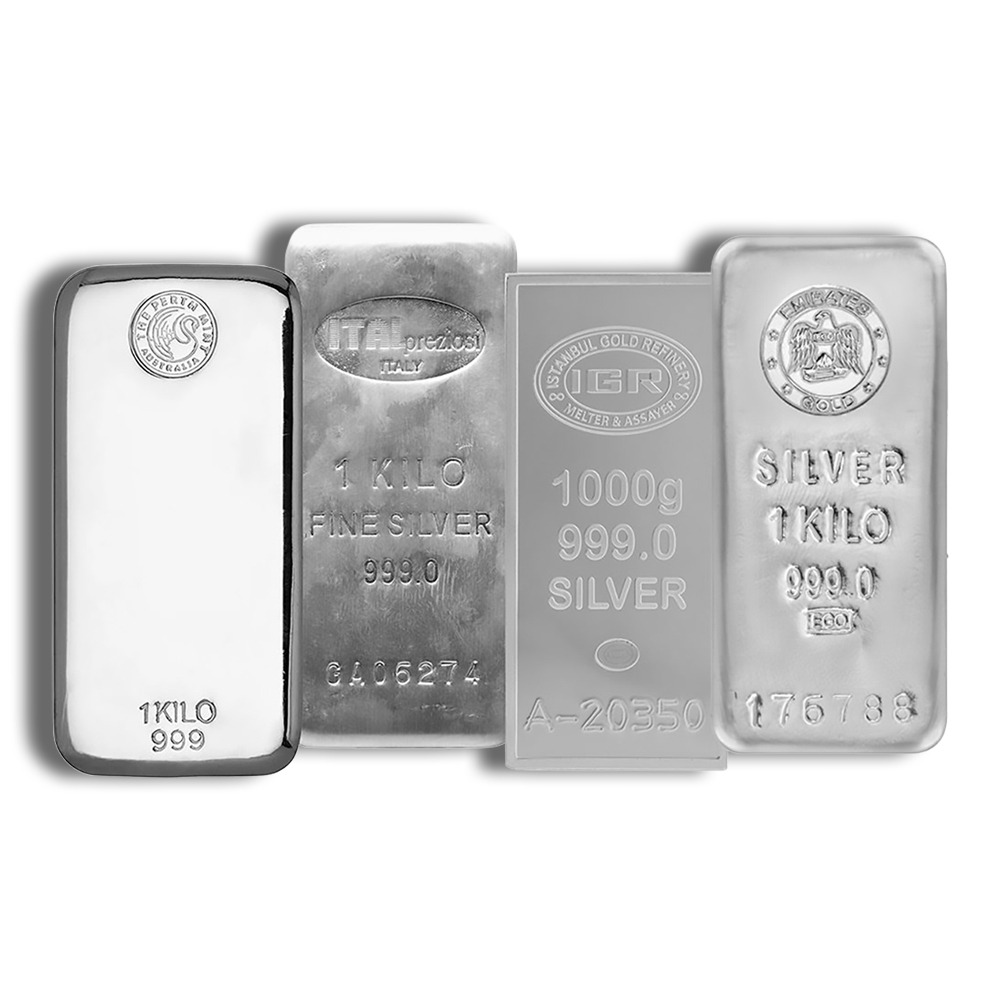
1 Kilo Silver Bar
IRA-eligible kilo silver bar with a design that varies.
View Current Price & Availability →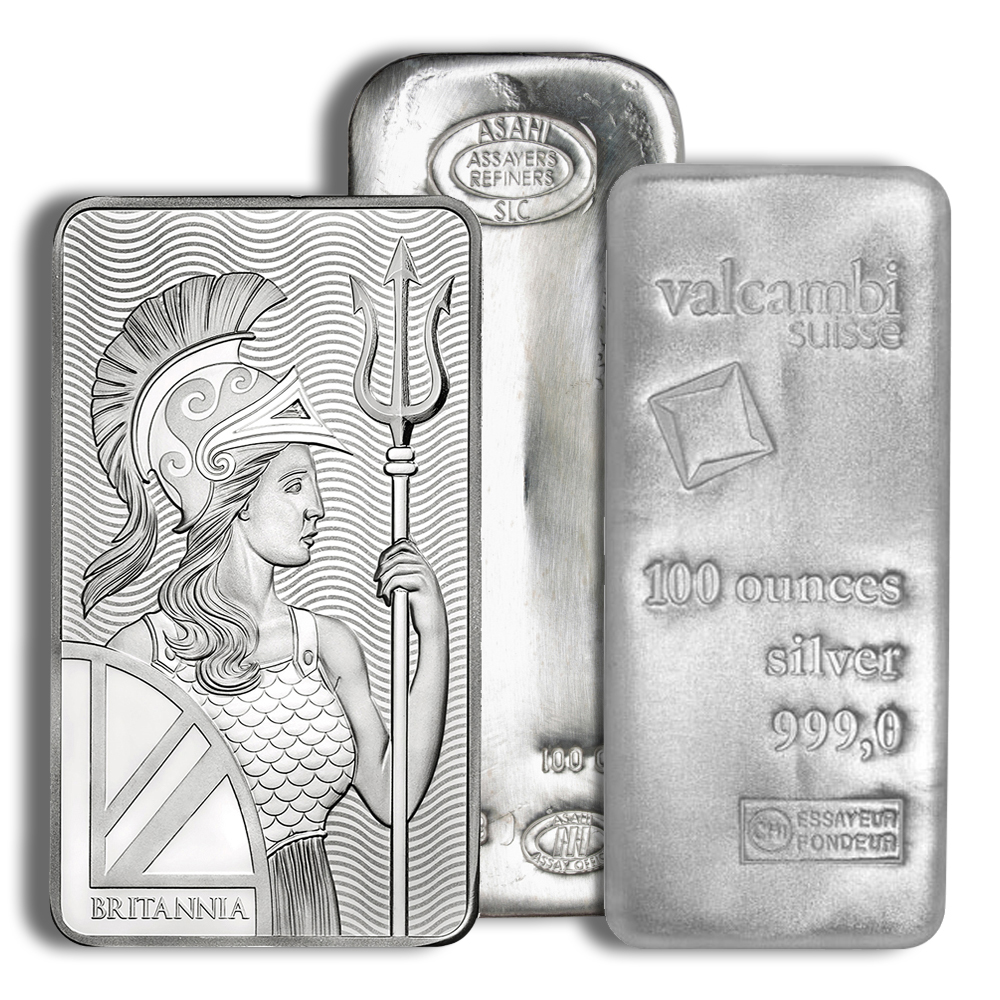
100 oz Silver Bar
IRA-eligible high-volume silver bar from a recognized brand.
View Current Price & Availability →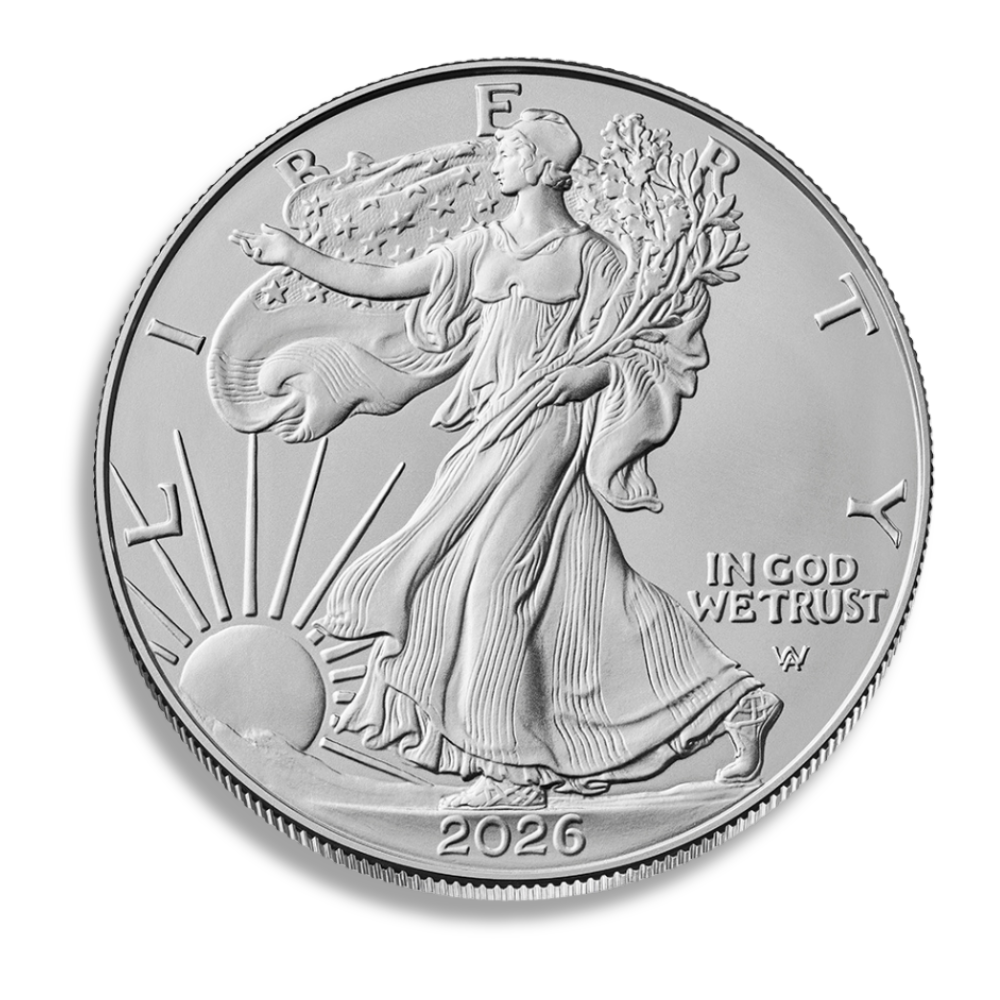
2026 Silver American Eagle
A current-year one-ounce American silver bullion coin.
View Current Price & Availability →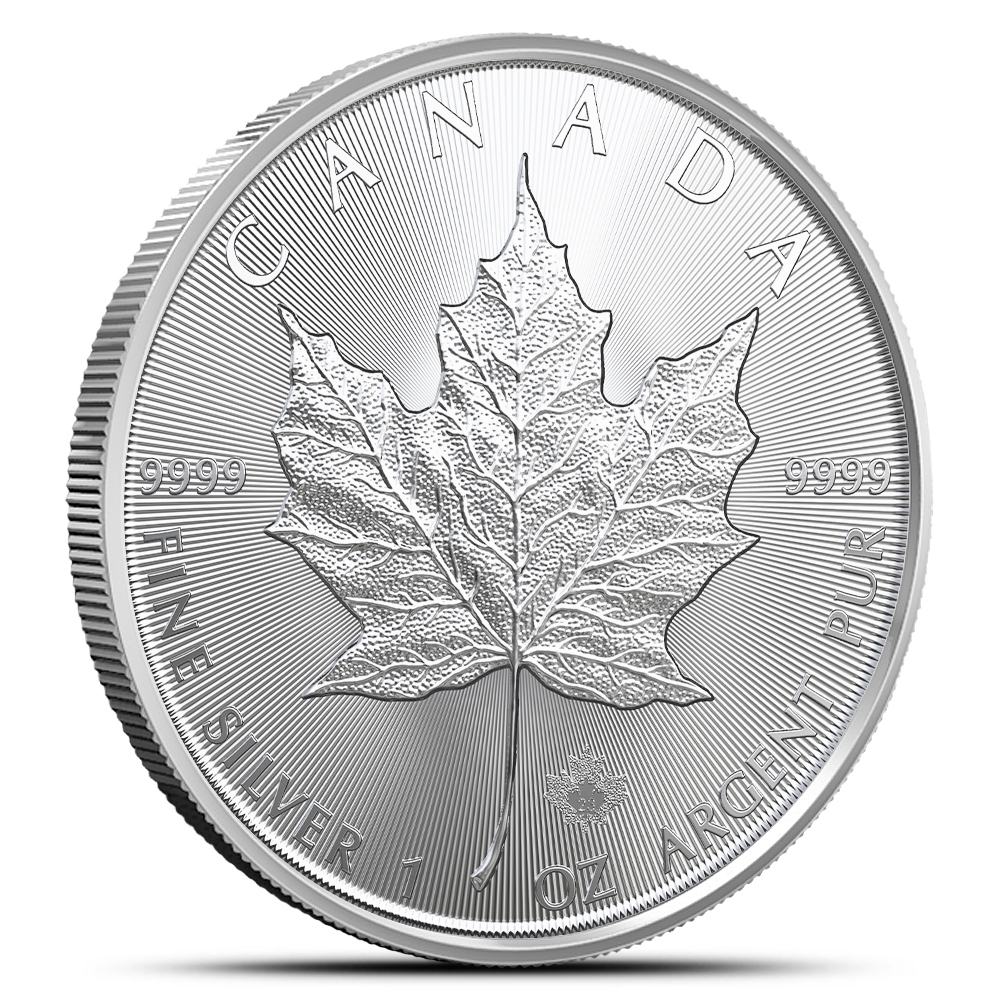
2026 1 oz Silver Maple Leaf
A .9999 fine Canadian silver bullion coin.
View Current Price & Availability →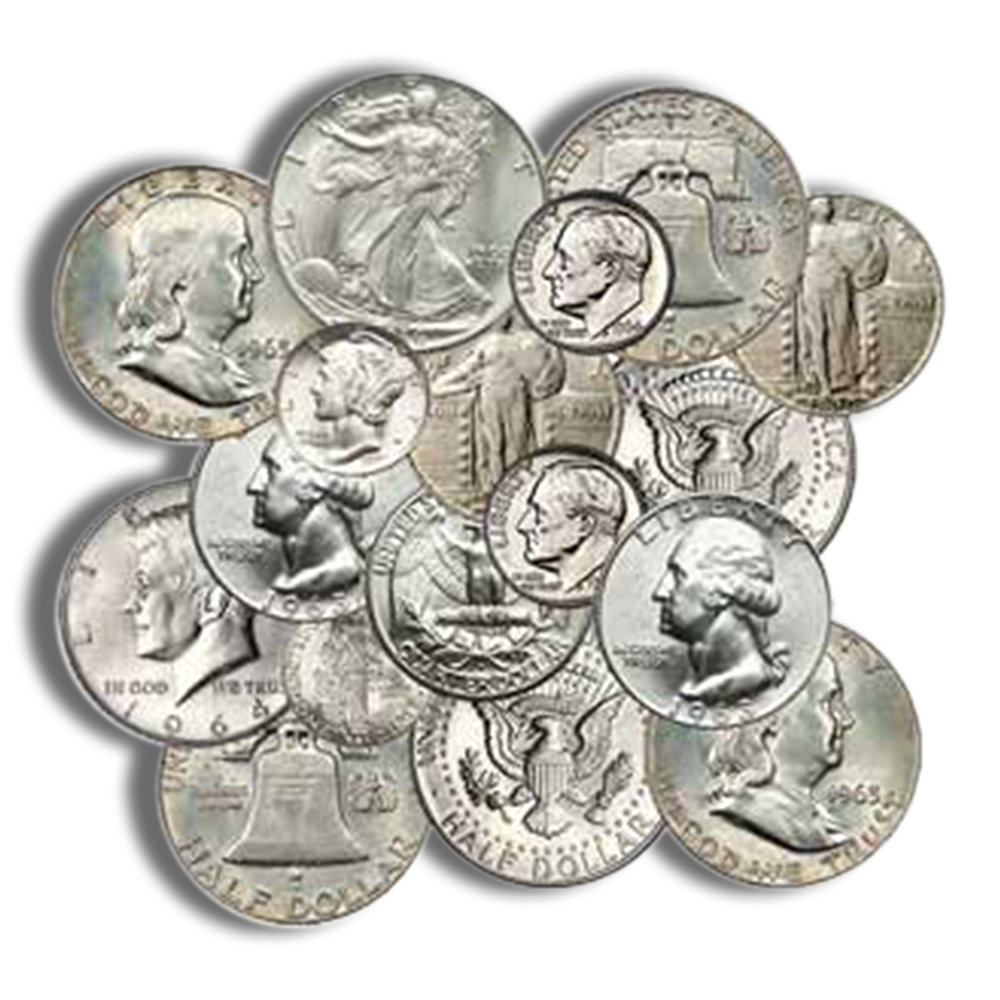
$1 FV 90% Silver Coins
Various denominations of pre-1965 U.S. silver coinage.
View Current Price & Availability →Product availability and pricing can change with inventory and precious-metal markets. Follow each product link for current information.
FAQ
Below are answers to common questions not fully covered in the sections above.
How often should I check the silver price per gram if I plan to buy soon?
Active traders may watch prices intraday, but most long-term buyers only need to check once every few days or when they are close to placing an order. If you have a target price per gram in mind, set simple price alerts on a trusted platform so you are notified automatically rather than obsessively refreshing charts. Focusing on overall trends and your personal budget is usually more productive than reacting to every small short-term price move. Remember that immediate delivery pricing on the spot market shifts constantly, but weekly or monthly trends tend to be more actionable for physical buyers.
Is it better to buy silver or gold if I’m starting with a small budget?
Silver’s lower price per gram and per ounce typically makes it more accessible for first-time buyers building small, regular positions. You can acquire meaningful weight in silver for a relatively modest outlay. Fractional gold pieces can also fit small budgets, but they tend to carry higher premiums over spot compared with silver bullion. Many investors gradually add both metals over time, using the gold to silver ratio and their personal goals to balance holdings across other precious metals.
How can I tell if a silver product’s price per gram is fair?
Start by comparing the item’s total silver content and price against the current spot-based price per gram, then calculate the premium percentage above melt value. Next, compare similar products-for example, 1 oz rounds versus 1 oz sovereign coins-across two or three reputable dealers to see where dealer premiums typically fall. Significantly higher premiums might be justified for low-mintage, graded, or highly artistic pieces, but generic bullion should usually be priced with lower premiums, closer to spot.
Does the silver price per gram affect what I can get when selling my silver?
Dealers generally base their buy offers on the current spot price and the silver price per gram, then apply a payout percentage-typically 70–95% of melt value depending on item type and condition. Common scrap silver and silver jewelry usually sell closer to the lower end of that range, while popular bullion coins and bars can command better payouts relative to melt value. Contact multiple buyers or coin shops and ask for written estimates so you can compare offers against the underlying melt value you calculated yourself.
Will taxes change the effective silver price per gram I pay?
Many regions apply sales taxes or value-added tax (VAT) to silver purchases, which increases the total price paid per gram above the untaxed online quote. Rules vary widely by country, state, and product type-some jurisdictions exempt investment-grade bullion while taxing other precious metal items. Check local tax regulations or consult a tax professional before placing large orders, especially if purchasing from an overseas dealer where import duties may also apply.
Explore silver bullion, coins, and bars from Agate Precious Metals.