
Bullion Explained: Gold and Silver Bars, Coins, and Rounds
What Is Bullion? Gold and Silver for Investors and Collectors
Gold and silver have served as stores of value for thousands of years, and bullion remains one of the most direct ways to own these precious metals today. Whether you’re a first-time buyer curious about a 1 oz silver round or an experienced stacker adding fractional gold to your holdings, understanding what bullion is, how it’s priced, and how to buy it safely can save you money and protect your wealth over time. This article covers everything from purity standards and spot pricing to the differences between bars, coins, and rounds, along with practical advice on storage and building a strategy with Agate Precious Metals.
What Is Bullion? Clear Definition and Why It Matters
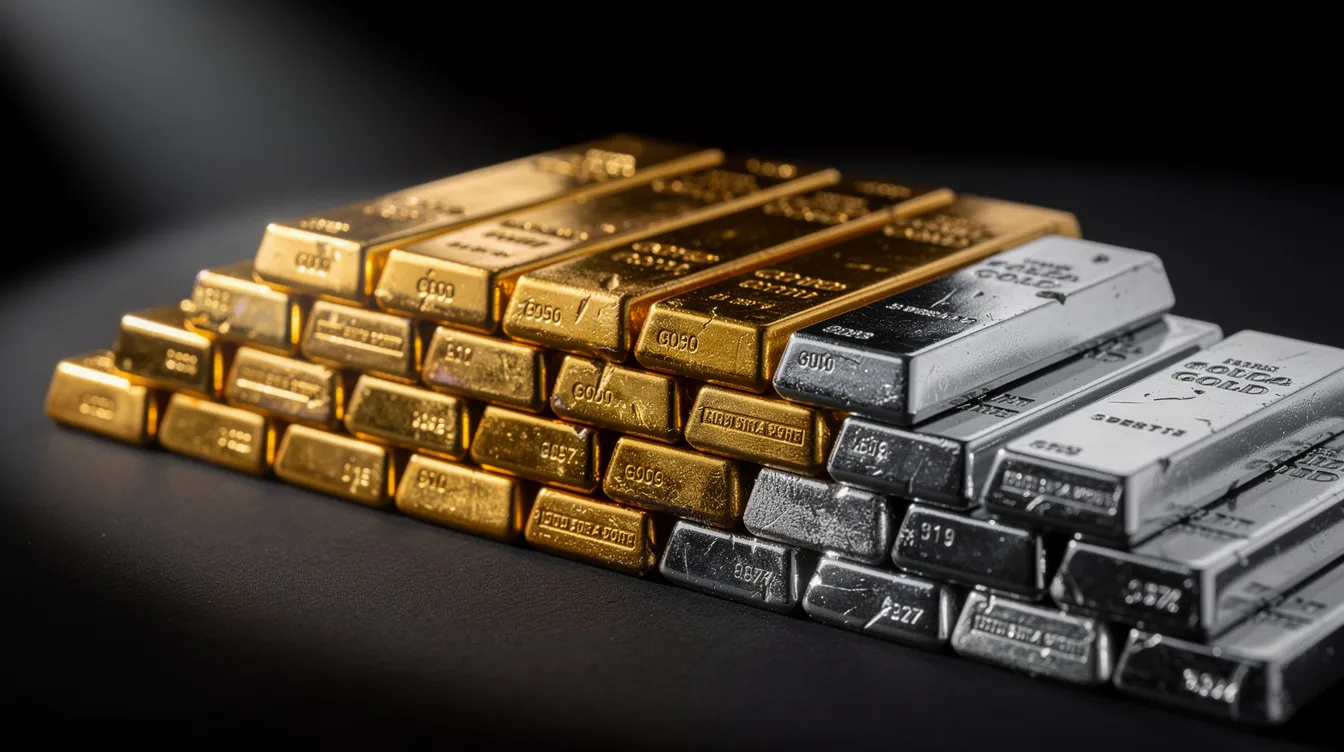
At its core, bullion refers to gold or silver that has been refined to at least 99.5% purity and is valued primarily for its metal content rather than any artistic design or face value. Bullion is typically held as bars, ingots, or coins, and the bullion content is measured in troy ounces. Unlike jewelry or decorative objects, bullion exists specifically so that buyers can own physical gold or physical silver as close to pure form as possible. Think of it this way: a 1 oz gold bar at .9999 purity is worth almost exactly the current spot price of gold multiplied by its weight. A 14-karat gold ring, on the other hand, is only about 58.3% pure gold, with the rest being alloy. Most of that ring’s price comes from craftsmanship and brand, not metal content. Bullion is important for calculating the value of precious metals because it strips away everything except weight and purity.
Here are the key points to remember:
- Bullion is gold or silver with at least 99.5% purity, produced specifically for investment and trade.
- Gold bullion purity starts at 99.5% (995 fine), with many modern products reaching 99.99% (9999 fine). Silver bullion standards typically require 99.9% purity or higher.
- Common forms include bars (also called ingots), bullion coins issued by governments, and rounds produced by private mints.
- Value comes from the underlying metal, not from artistic design, face value, or brand prestige.
- Agate Precious Metals specializes in all of these formats, offering gold and silver bullion alongside collectible copper pieces and limited-mintage releases.
Understanding Bullion Value: Weight, Purity, and Spot Price
Bullion value comes down to a simple calculation: weight in troy ounces × purity × the live spot price for that metal. Understanding each part of that equation keeps you from overpaying.
- A troy ounce equals 31.1035 grams, which is heavier than the standard avoirdupois ounce at 28.3495 grams. Every bullion transaction worldwide uses troy ounces, so knowing this distinction matters when comparing prices or weighing a purchase on a household scale.
- Investment-grade bullion is stamped with weight and purity markings. On a typical gold bar or silver bar, you’ll see the weight (e.g., “1 oz t”), the purity or fineness (e.g., .9999 fine gold), the mint or refiner’s logo, and often a serial number. These markings establish trust and make resale straightforward.
- Gold bullion bars must have at least 99.5% purity for investment purposes. Silver bullion bars must have at least 99.9% purity. These thresholds define what qualifies as investment grade bullion.
- Bullion typically costs more than the underlying metal’s spot price. The difference, called the premium, covers fabrication, shipping, insurance, and dealer margin. A 1 oz American Gold Eagle might carry a 4–7% premium over spot gold, while a generic 1 oz gold bar from a major refiner often costs less because of simpler production and no legal tender status.
- Live spot prices for gold and silver are set through global wholesale markets in London, New York (COMEX), Zurich, and Shanghai. Retail pricing at dealers like Agate Precious Metals reflects these benchmarks, adjusted upward for the costs of bringing a finished product to market.
- Beyond bullion value, some products carry collectible or numismatic value driven by scarcity, condition, or design. A graded coin with a low mintage can trade at multiples of its melt value, while a generic bar rarely sells for much above spot.
Main Types of Bullion: Bars, Coins, and Rounds
Gold and silver bullion is most commonly purchased in three forms: bars, bullion coins, and rounds. Major forms of bullion can be bought and sold easily through global markets, but each format serves a slightly different purpose. Agate Precious Metals offers a mix of investment-focused bullion and collectible bullion, including specialty silver rounds and copper products. The sections below dive deeper into each category, but here’s a quick comparison:
- Cost per ounce. Bars usually have the lowest premium over the metal’s spot price because production is simpler. Rounds typically fall in the middle, while sovereign coins carry the highest premiums.
- Recognizability and liquidity. Coins are government or sovereign-minted and typically carry a premium over their melt value, partly because their legal tender status and security features make them instantly recognizable worldwide.
- Design variety. Rounds are minted pieces that are not legal tender and generally have lower premiums, but they offer far more creative freedom in artwork and themes.
- Storage efficiency. Bars stack neatly and take up less space per ounce, which matters especially for silver bullion where volume adds up fast.
- Aesthetic and collector appeal. Limited-mintage rounds, colorized coins, and series-based releases attract collectors who value artistry alongside metal content.
Bullion Bars: Gold Bars and Silver Bars Explained
Bullion bars, also called ingots, are solid blocks of refined precious metal sold primarily for their gold or silver content. They come in two main production styles: cast (poured into molds, producing a rougher, more traditional look) and minted (pressed and machined for sharp edges and a polished finish). Both contain the same amount of metal, but minted bars often appeal more to collectors.
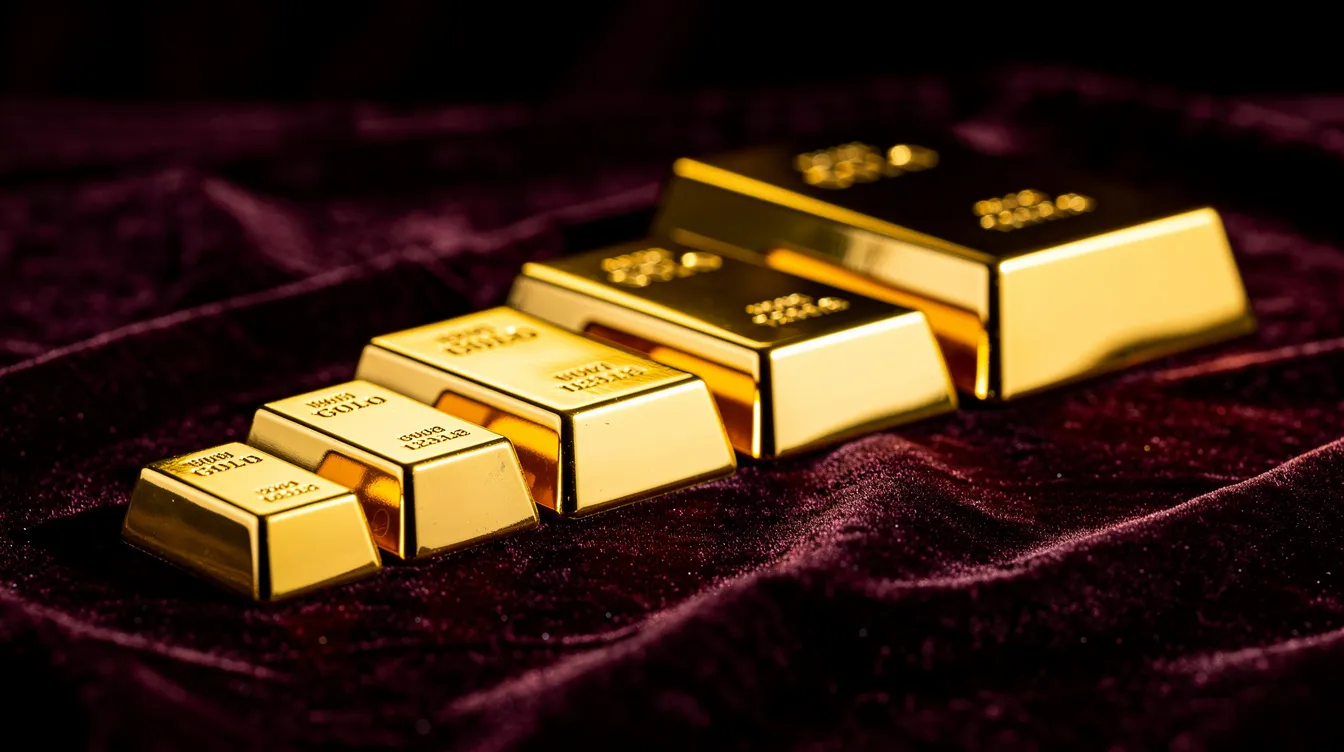
- Common retail sizes for gold bars include 1 gram, 5 g, 10 g, 1 troy ounce, 10 oz, and kilo bars (approximately 32.15 troy ounces). Silver bars are available in 1 oz, 10 oz, 100 oz, and kilo sizes.
- Bars tend to carry lower premiums than bullion coins because production costs are lower. There’s no legal tender face value, less elaborate packaging, and fewer security features to manufacture.
- Widely recognized bar producers include PAMP Suisse, Valcambi, Royal Canadian Mint, Perth Mint, Heraeus, and Metalor. Agate Precious Metals sources bars from established mints and manufacturers to ensure each product meets fineness standards.
- In institutional markets, the London Bullion Market Association recognizes good delivery bars: approximately 400 troy ounces for gold and 1,000 troy ounces for silver. Private investors typically buy much smaller sizes, but their bars are still priced relative to these wholesale benchmarks.
- Gold is extremely dense, so even a kilo gold bar is compact enough to hold in one hand. Silver is far bulkier for the same dollar value. A $10,000 silver holding weighs roughly 10 pounds and takes up meaningful shelf space, making storage planning essential.
- Storing bars in capsules or protective sleeves preserves condition and resale appeal. Larger bars can be stacked efficiently in a quality safe, but consider insurance and access before committing to heavy accumulation in a single location.
Bullion Coins: Gold and Silver Coins from Major Mints
Bullion coins are minted by official agencies for investment. They carry legal tender status from their issuing government, though their face value is purely symbolic. A 1 oz American Gold Eagle, for instance, has a face value of $50, but its actual value is based on the current gold price plus a retail premium, putting it well above several thousand dollars today. Here are the major bullion coin programs every buyer should know:
- American Gold Eagle and American Silver Eagle from the United States Mint. The Gold Eagle contains 1 oz of fine gold at .9167 fineness (22 karats), with fractional sizes in 1/2, 1/4, and 1/10 oz. The Silver Eagle contains 1 oz of .999 fine silver.
- American Buffalo also from the United States Mint. Introduced in 2006, this is the U.S. government’s first .9999 fine gold bullion coin, appealing to buyers who want the highest purity with sovereign backing.
- Canadian Gold Maple Leaf and Silver Maple Leaf from the Royal Canadian Mint. Both are struck at .9999 purity with advanced security features including micro-laser engraving.
- Australian Kangaroo and Kookaburra from the Perth Mint. The gold Kangaroo is .9999 fine with annually changing designs, adding collector appeal. The silver Kookaburra runs at .999 fine.
- Britannia coins from The Royal Mint in the UK. Upgraded to .9999 fine gold in 2013, Britannias carry strong recognition across European and global markets.
Bullion coins tend to command higher premiums than generic bars or rounds because of government backing, built-in security features, and strong brand recognition. For many private investors, that premium is worth paying for the liquidity and trust these coins carry at resale. Agate Precious Metals offers both classic bullion coins from these sovereign mints and limited-mintage or graded versions for collectors seeking numismatic potential alongside metal value.
Rounds and Specialty Bullion: Silver Rounds, Copper, and Collectibles
Rounds are coin-shaped bullion pieces produced by private mints. They have no face value or legal tender status, and rounds are similar to coins but lack legal tender status. What they offer instead is creative freedom: private mints can produce designs spanning mythology, history, pop culture, and original artwork without the restrictions sovereign mints face.
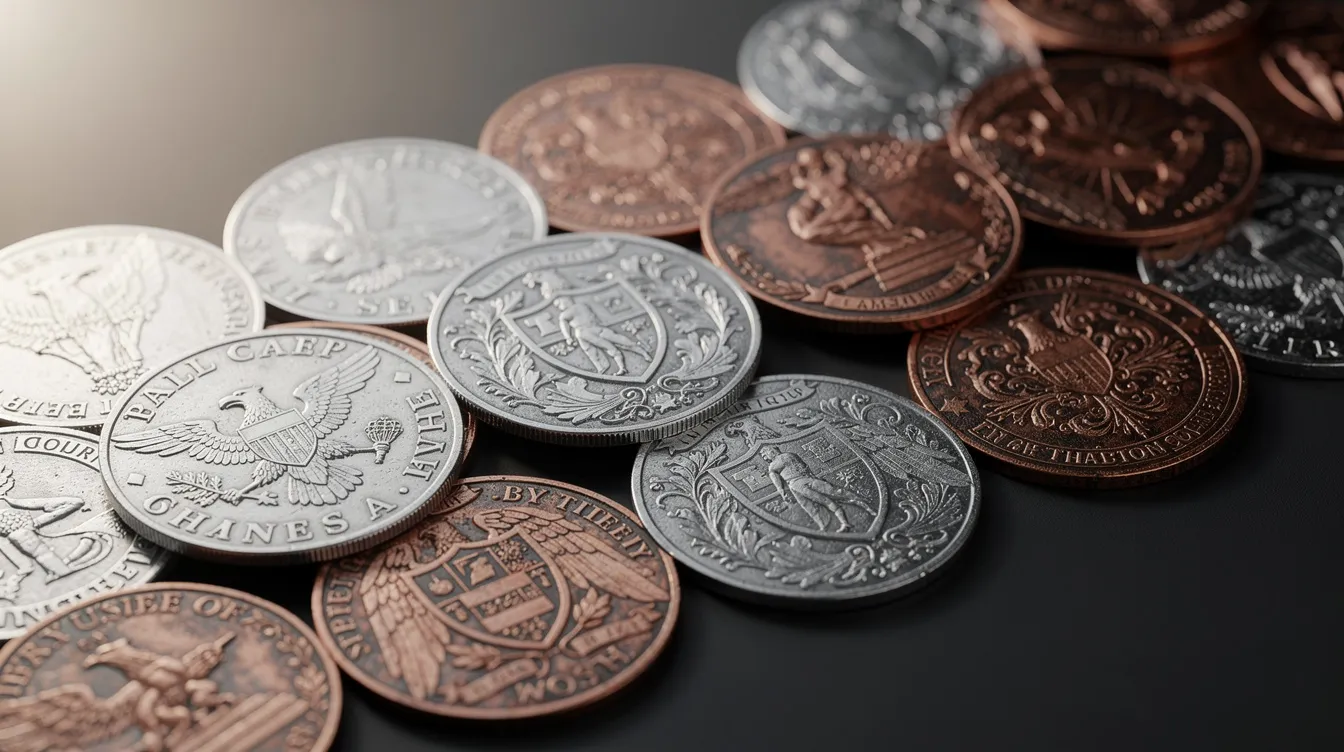
- Silver rounds often carry premiums significantly lower than sovereign bullion coins, making them a cost effective way for stackers to accumulate ounces. For buyers focused on metal weight per dollar, rounds frequently offer the best pricing after generic bars.
- Specialty bullion includes limited-mintage 2 oz high-relief silver rounds, colorized or antiqued finishes, and serialized releases that build series-based collectibility. These products blend bullion value with artistic and scarcity-driven premiums.
- Copper rounds and copper bars offer an accessible entry point for new collectors. Priced far below gold and silver, .999 fine copper pieces mirror bullion coin aesthetics at a fraction of the cost, letting buyers collect detailed medallic art without a large financial commitment.
- Agate Precious Metals designs and develops original .999 fine copper rounds and bars featuring antique finishes, UV color, protective capsules, and limited mintages. These serialized releases add genuine collectible value beyond the commodity price of copper.
- The distinction between utility bullion (for stackers who want the cheapest prices per ounce) and artistic bullion (for those who collect for design, scarcity, and craftsmanship) is important. Both have a place in a well-rounded collection.
The London Bullion Market and Global Bullion Trading
The London bullion market is the world’s primary over-the-counter wholesale market for gold and silver bullion, where large institutions trade 400 oz gold bars and 1,000 oz silver bars. It’s the backbone of global precious metals pricing.
- The London Bullion Market Association sets quality standards for bullion, including minimum purities (99.5% for gold, 99.9% for silver), weight ranges, and physical marking requirements for good delivery bars. These standards ensure fungibility across vaults and banks worldwide.
- Bullion banks facilitate trading, lending, and vaulting of precious metals. They act as intermediaries between miners, refiners, central banks, and large institutional buyers, providing liquidity to the global market.
- Central banks lend gold to generate liquidity or income, and gold swaps involve exchanging gold for cash with a future reversal agreement. These transactions influence overall market supply and sentiment, which eventually filters down to the retail prices private individuals pay.
- OTC trading in centers like London, New York, and Zurich underpins the spot prices that retail buyers see when they purchase gold and silver bullion from dealers. Even though private investors rarely interact with the London market directly, their gold bars, silver bars, and bullion coins are all priced according to these institutional benchmarks.
- Central banks and sovereign governments hold vast gold reserves and bullion reserves. When these entities buy or sell, it can move prices meaningfully. Industry experts watch central bank activity closely as a signal of broader market direction.
Why Investors and Collectors Buy Gold and Silver Bullion
People buy gold and silver bullion for different reasons, but the motivations generally fall into two camps: protecting wealth and building a collection. Often, the two overlap.
- Bullion is a hedge against inflation and economic instability. When the purchasing power of currency declines, physical gold and silver have historically held or gained value. Investors buy bullion to protect wealth during economic uncertainty.
- Bullion can help diversify an investment portfolio by moving independently of stocks and bonds. Adding physical bullion to investment portfolios provides exposure to an asset class that doesn’t correlate tightly with equities or fixed income.
- Precious metal prices are affected by supply and demand, inflation expectations, and geopolitical uncertainty. Gold and silver bullion are viewed as safe-haven investments, which is why demand spiked during the 2008–2009 financial crisis, the 2011 silver price surge, and the COVID-era volatility of 2020–2021.
- Many investors prefer physical bullion over exchange traded funds (ETFs) to minimize counter-party risk. Owning bullion outright means you hold bullion directly, with no intermediary between you and your metal. ETFs are convenient, but you don’t possess the underlying asset.
- Investment gold, particularly bullion meeting purity and form standards, may receive favorable tax treatment in some jurisdictions. Numismatic coins, by contrast, are often taxed differently. Always seek professional tax advice before making decisions based on potential tax benefits.
- Gold bullion has a minimum purity of 99.5% for investment, and stackers focused on accumulating metal at fair prices typically choose bars or rounds. Collectors, on the other hand, may pay higher premiums for limited-mintage releases, graded coins, or historically significant pieces.
- Agate Precious Metals does not promise guaranteed returns on any product. Precious metals can be volatile, and prices fluctuate. The goal is informed decision-making, not speculation.
How to Buy Bullion Safely: Dealers, Mints, and Marketplaces
Buying bullion safely starts with choosing the right seller. Not every marketplace offers the same level of trust, and a few precautions go a long way.
- Buy from dealers with clear contact information, published return and shipping policies, customer reviews, and a verifiable business history. A trusted source will always provide detailed product specifications including weight, purity, mint, and condition.
- Sovereign mints like the United States Mint or the Perth Mint sell bullion coins directly, but product variety is limited to their own issues. Private dealers like Agate Precious Metals offer broader selection, including products from multiple mints, graded coins, exclusive releases, and original collectible series.
- Common purchasing channels include online bullion dealers, local coin shops, coin shows, and social-commerce platforms such as eBay, Etsy, Facebook, Instagram, and TikTok. Each channel has tradeoffs. Online dealers typically offer the best pricing and selection. Local shops let you inspect products in person. Social commerce offers great deals but requires extra caution around authenticity.
- Platforms like BullionVault let you buy and sell bullion 24/7, managing $9 billion in bullion assets for over 130,000 users. BullionVault charges a maximum of 0.50% for buying or selling, making it a viable option for investors who want to trade without handling physical metal. However, this approach doesn’t give you the tactile experience of holding your own bars or coins.
- To avoid counterfeits, check weight and dimensions with a precision scale and calipers. Inspect security features on major bullion coins (micro-engraving, privy marks, edge lettering). Be cautious of any transaction where prices fall far below market. If a deal looks too good to be true, it almost certainly is.
- Agate Precious Metals sources from established wholesalers and mints, provides clear product descriptions with weight and purity details, and ships with protective packaging. Every product listing is designed so buyers understand exactly what they’re purchasing.
Storing and Protecting Your Gold and Silver Bullion
Once you own bullion, protecting it becomes the next priority. Gold and silver bullion are typically stored in professional vaults, but private individuals have several options depending on their budget, access needs, and risk tolerance.
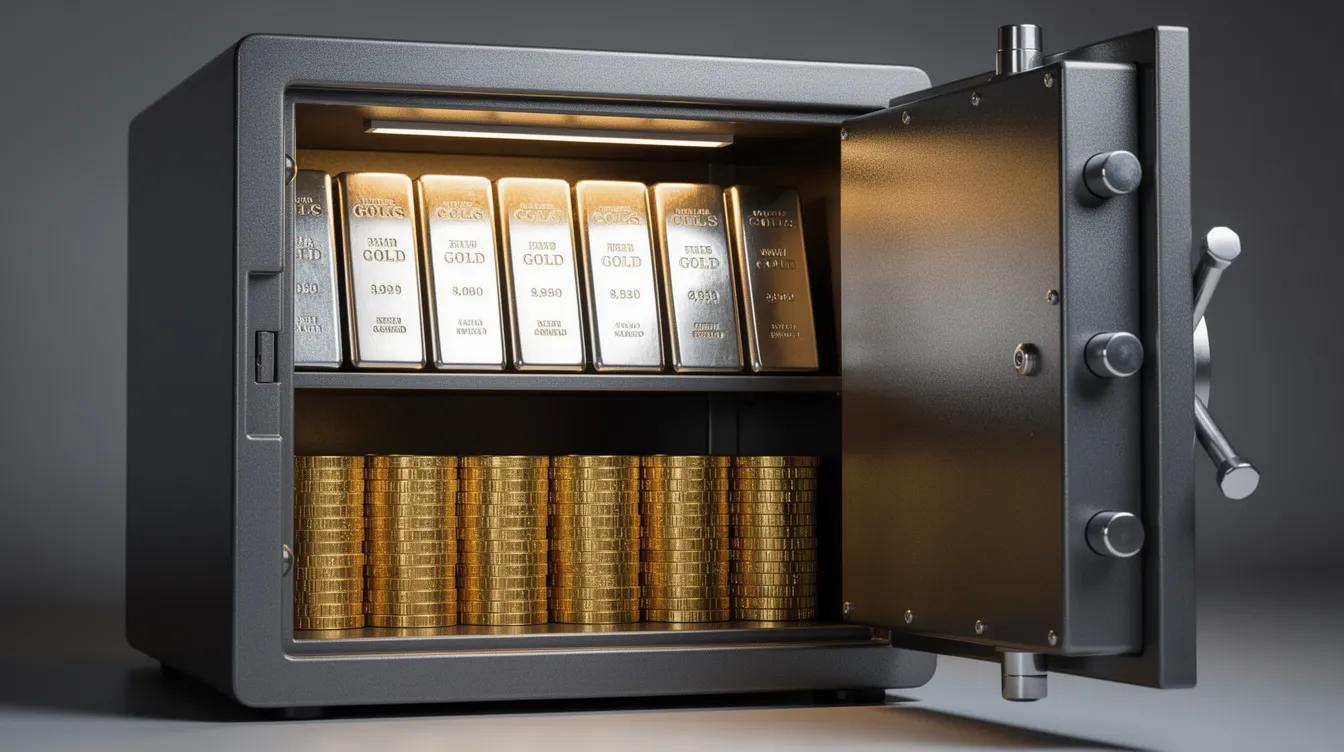
- Home storage gives you immediate access. Use a high-quality, fire-rated safe bolted to a wall or floor. Keep purchase receipts and certificates stored separately, and avoid publicizing your holdings.
- Bank safe deposit boxes offer reasonable security but may have limited access hours and aren’t always insured by the bank for contents. Verify your bank’s specific policies before relying on this option.
- Professional vaulting services provide the highest prices of security and typically include insurance. BullionVault manages $9 billion in bullion assets for investors who prefer not to store metal at home. Understand the difference between allocated and unallocated storage: allocated means specific bars or coins are designated as yours; unallocated means you own a share of a pool, carrying greater counterparty risk.
- Protect bullion coins, silver rounds, and gold bars by storing them in capsules, tubes, or protective sleeves. Minimize handling of bare surfaces. Keep humidity and temperature stable to prevent tarnish on silver.
- Gold is compact and easy to store, even in large quantities. Silver is far bulkier. The vast majority of silver stackers eventually face a storage constraint that gold buyers never encounter, so plan accordingly.
- Agate Precious Metals focuses on selling bullion and collectible products rather than operating vaults. Factor storage plans, including cost and insurance, into every purchase decision before you invest.
Building a Bullion Strategy with Agate Precious Metals
There’s no single correct way to build a bullion collection or portfolio. Your approach should reflect your goals, budget, and whether you lean more toward investing or collecting.
- Consider how you want to allocate between gold and silver. Silver offers more ounces per dollar and can deliver larger percentage gains during bull markets, but it’s more volatile and requires more storage space. Gold is rarer, denser, and has historically been less volatile, making it a natural anchor for larger holdings.
- A simple stacking plan might start with 1 oz silver rounds to build weight affordably, then add 10 oz silver bars for efficiency, then introduce fractional gold (1/10 oz or 1/4 oz pieces) for diversification, and eventually move into full-ounce gold coins or bars. This layered approach spreads your cash outlay over time and across metals.
- Fractional gold and silver give buyers flexibility. Smaller pieces are easier to sell in partial amounts, and they let you dollar-cost average into positions without committing large sums at once.
- Agate Precious Metals curates products for both investment and collecting purposes. The lineup includes investment grade bullion bars and coins, limited-mintage silver bullion, exclusive copper rounds, and graded coins for numismatists who want certified quality. You can browse the company’s website and purchase through multiple ecommerce and social-commerce platforms.
- Before any purchase, research each product’s specifications: weight, purity, mintage, condition, packaging, and the payment method accepted. Compare premiums per ounce across bars, coins, and rounds. Sometimes a silver bar gives you the most metal for your money; other times a limited-edition round from a respected mint carries collectible upside that justifies a higher premium.
- Precious metals like gold, silver, platinum, palladium, and even copper each play a different role in a diversified holdings strategy. Bullion investments should complement, not replace, your broader financial planning.
Whether you’re looking to hedge against inflation, collect limited-edition artwork on metal, or simply hold a tangible asset outside the banking and trading system, bullion gives you direct ownership of something the world has valued for millennia. Start with what fits your budget, learn as you go, and make every ounce count. Explore Agate Precious Metals’ full range of gold, silver, and copper products to find your next addition.
Shop Gold and Silver Bullion
Compare current availability across recognizable sovereign coins, fractional gold, and investment-grade bars and rounds from Agate Precious Metals.
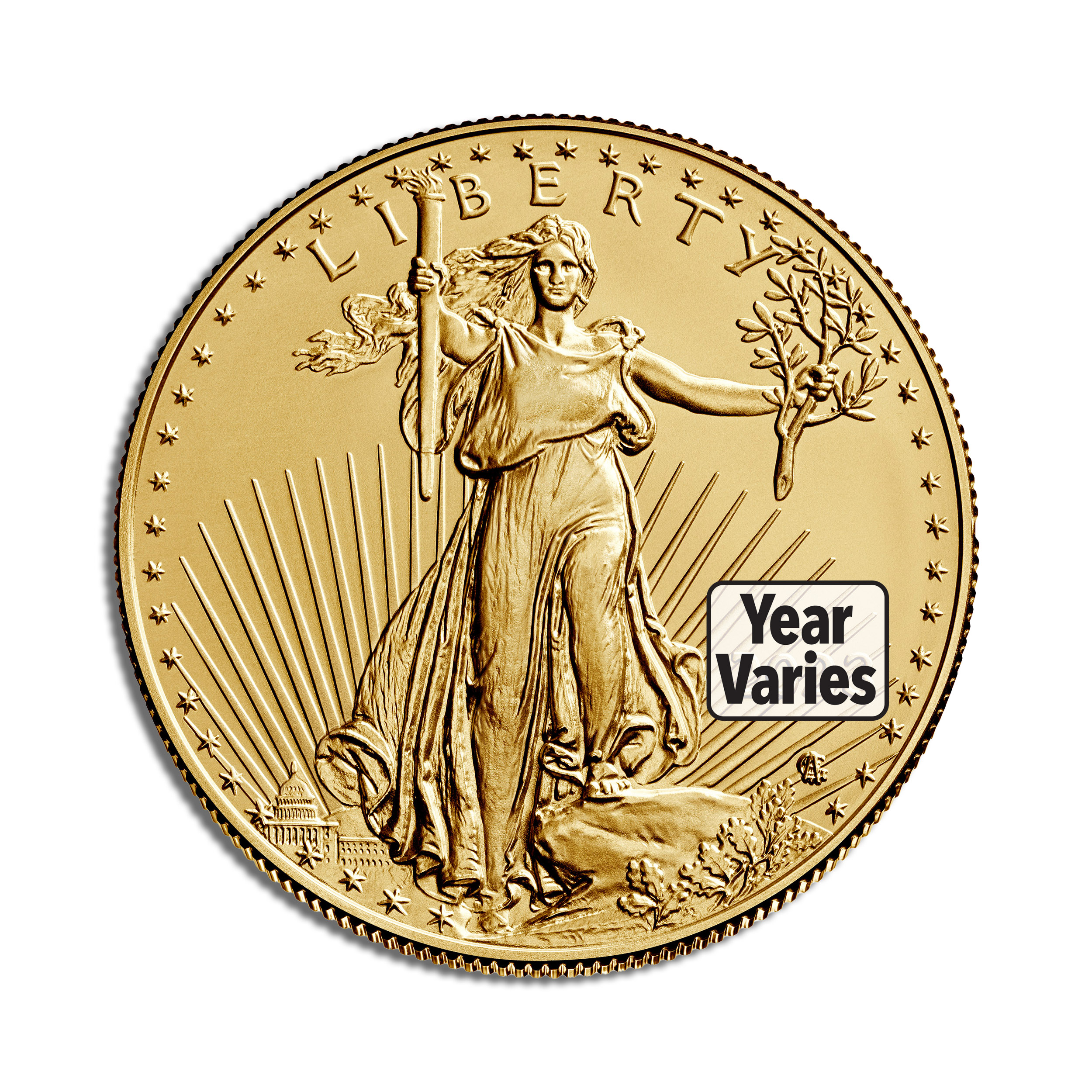
1 oz Gold Eagle – BU
A highly recognizable year-varies American Gold Eagle bullion coin.
View Current Price & Availability →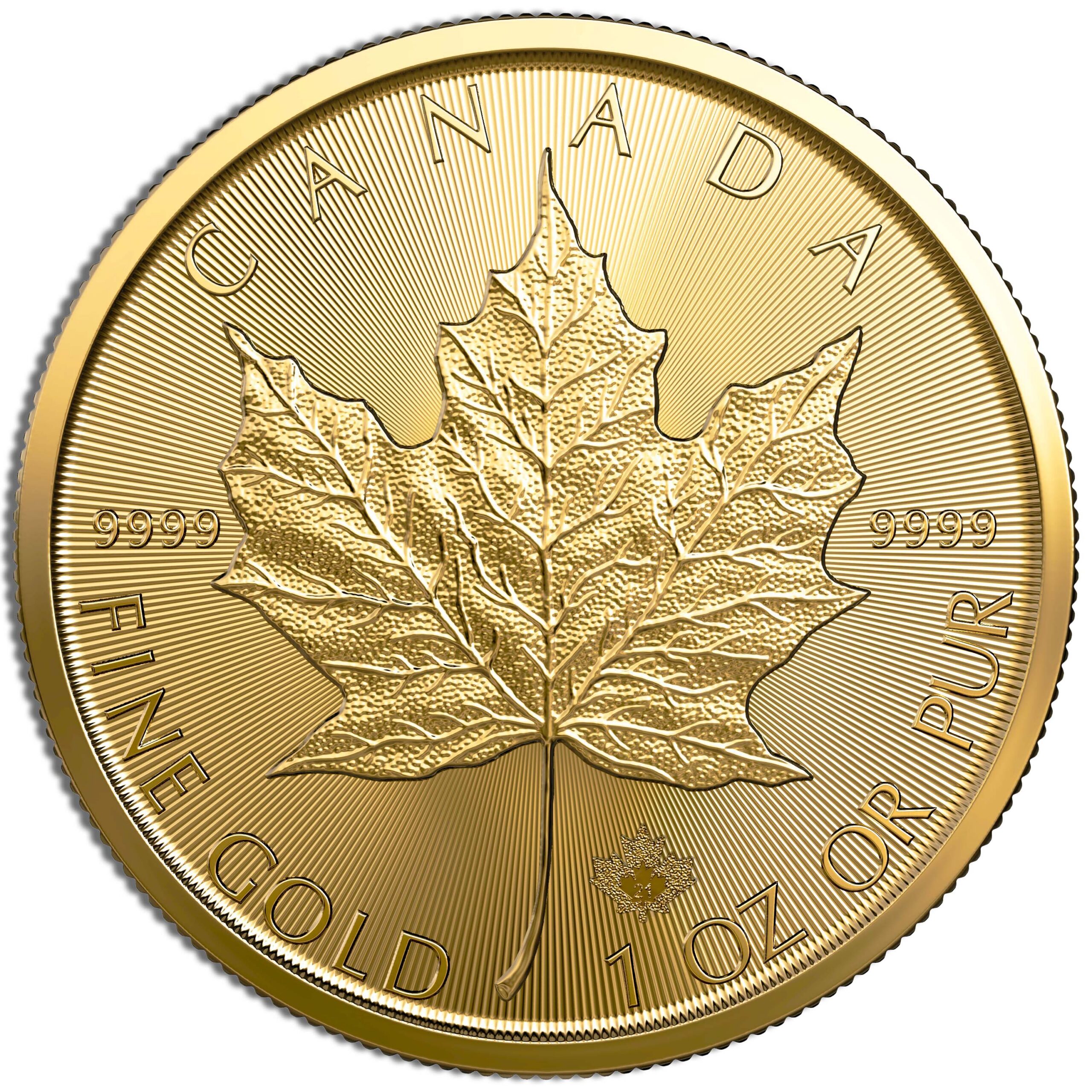
1 oz Gold Maple Leaf
A year-varies Canadian sovereign coin struck in .9999 fine gold.
View Current Price & Availability →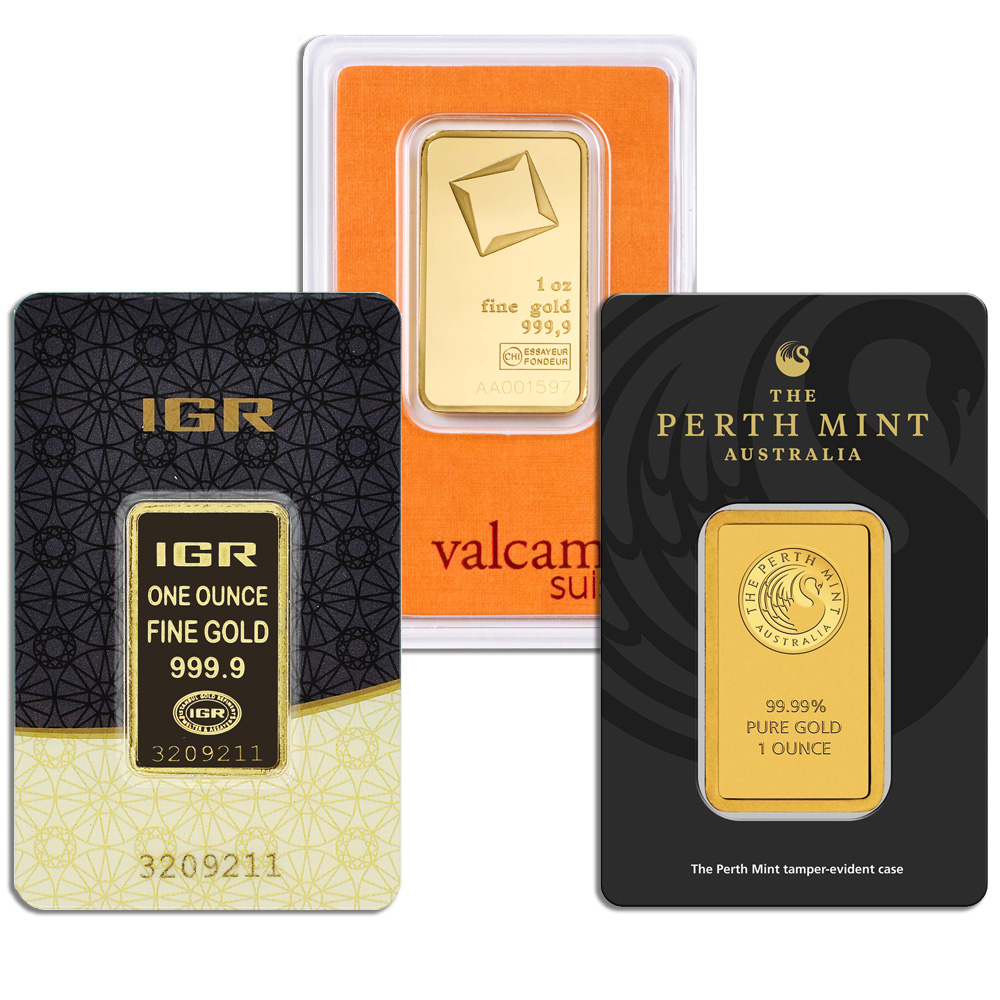
1 oz Gold Bar – Carded
A .9999 fine one-ounce gold bar from a recognized producer.
View Current Price & Availability →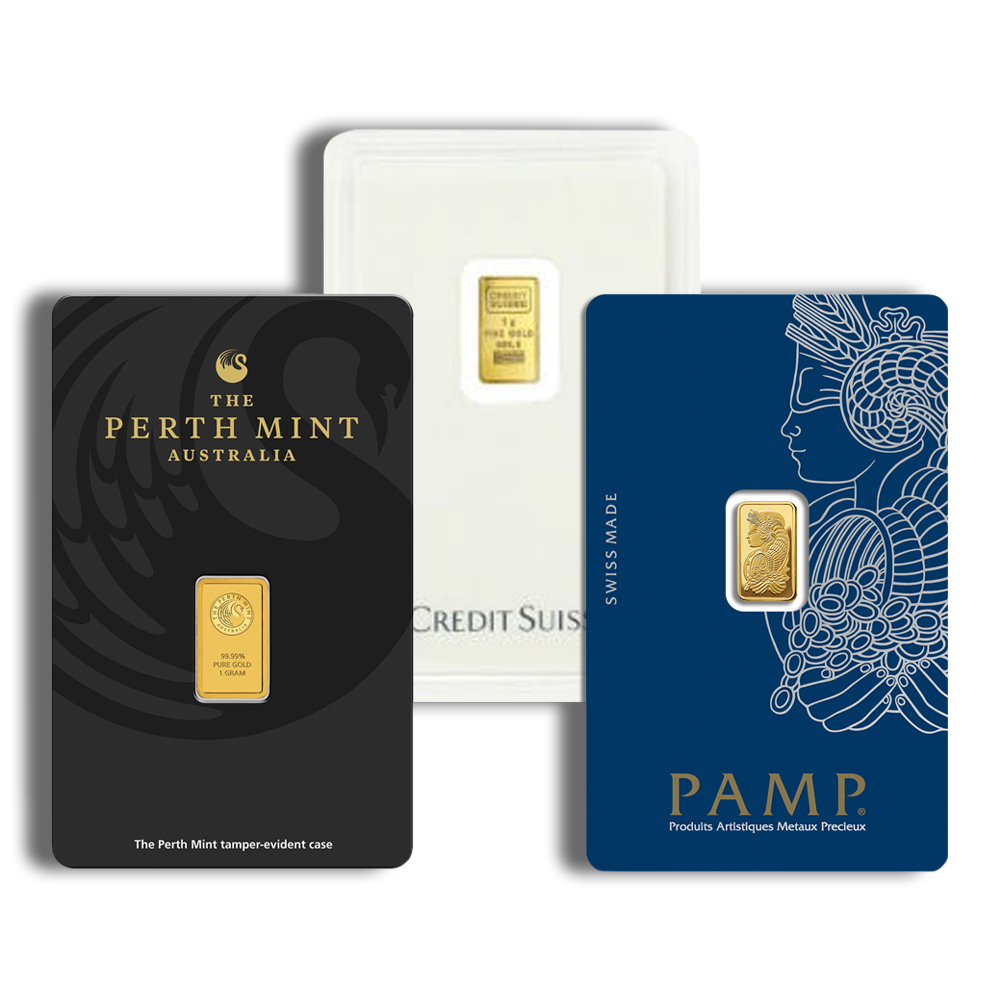
1 gram Gold Bar – Carded
A compact fractional gold bar sealed in a protective assay card.
View Current Price & Availability →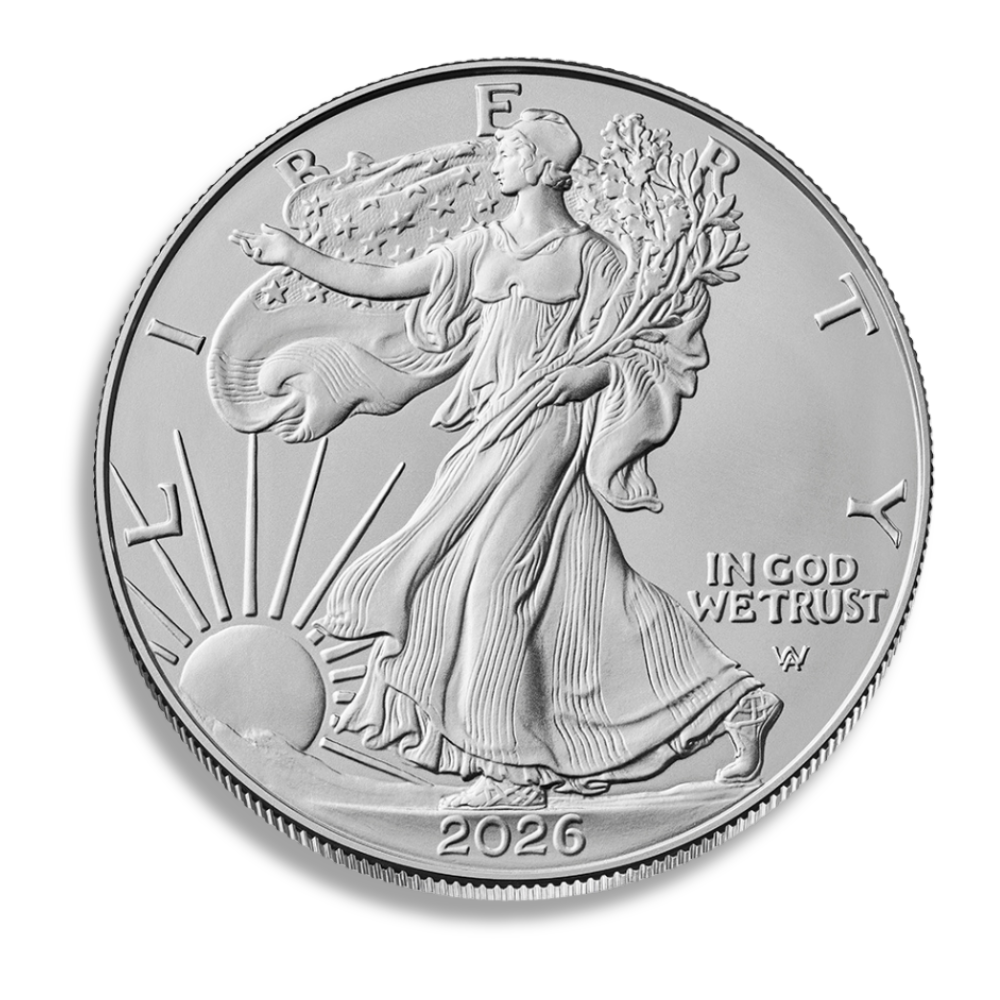
2026 Silver American Eagle
A current-year one-ounce American silver bullion coin.
View Current Price & Availability →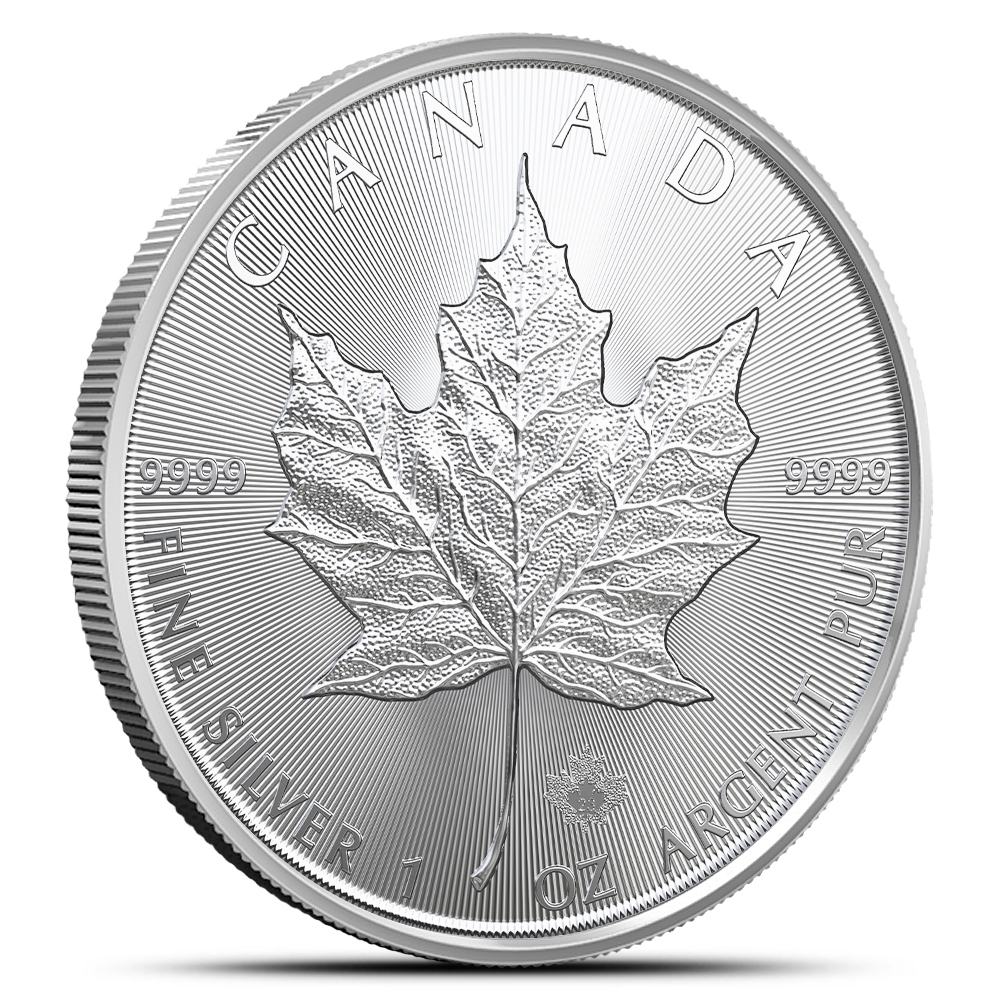
2026 1 oz Silver Maple Leaf
A current-year Canadian bullion coin struck in .9999 fine silver.
View Current Price & Availability →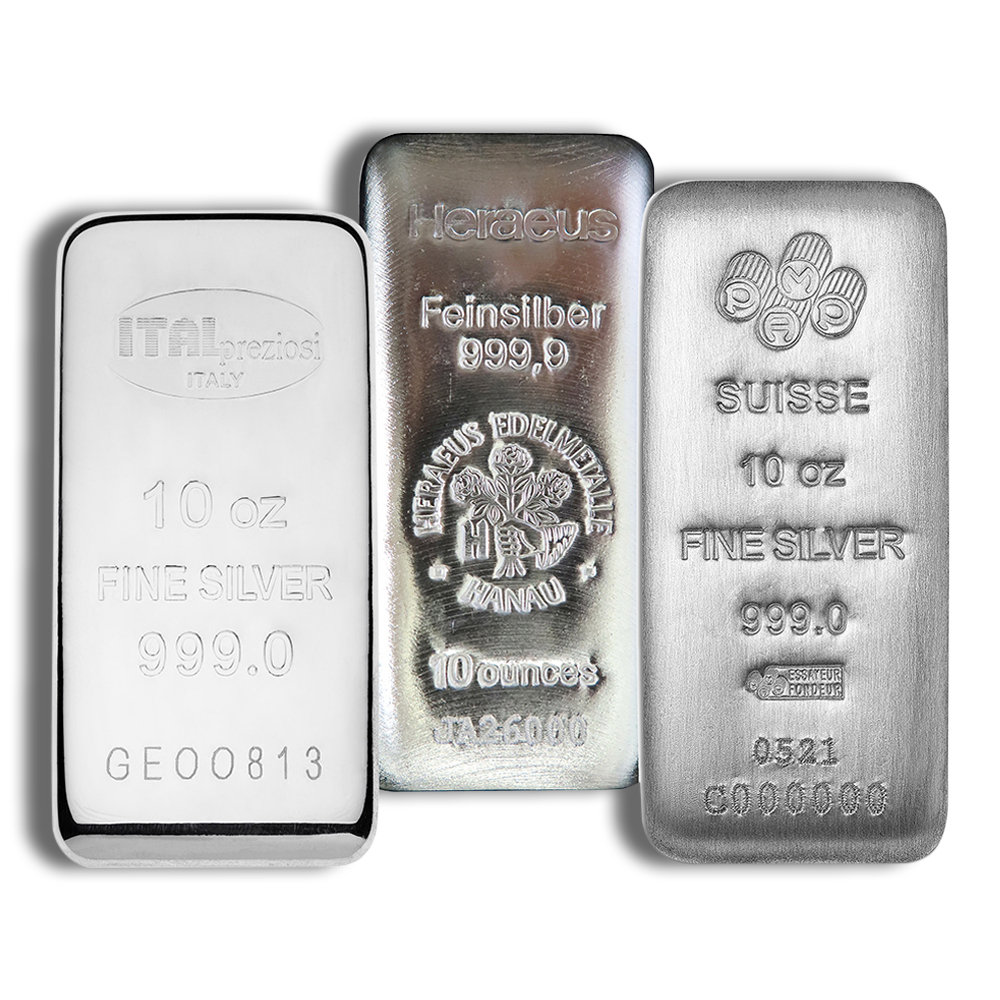
10 oz Silver Bar
An IRA-eligible silver bar offering efficient weight and storage.
View Current Price & Availability →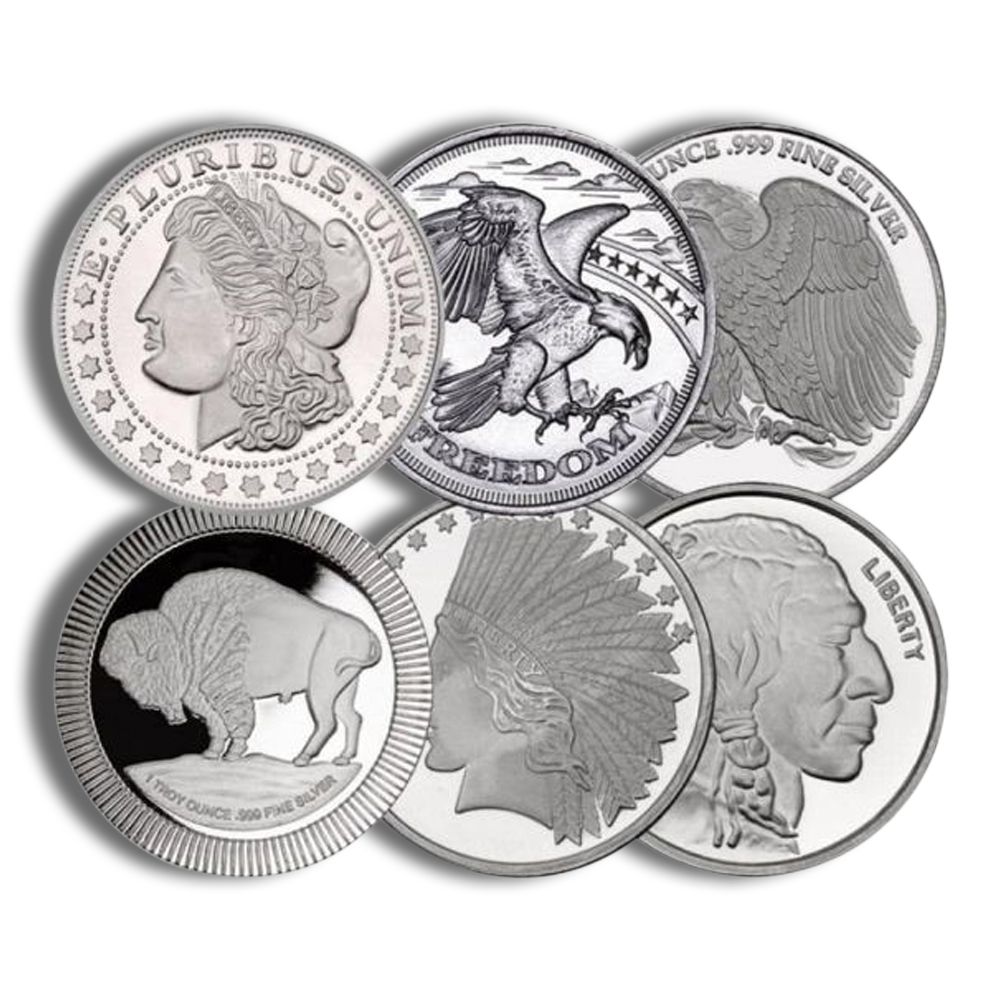
1 oz Silver Round
An IRA-eligible .999 silver round with a design that varies.
View Current Price & Availability →Product availability and pricing can change with inventory and precious-metal markets. Follow each product link for current information.
Bullion FAQs
What is bullion?
Bullion is refined gold, silver, or another precious metal valued primarily by its weight, purity, and current market price. It is commonly sold as bars, government-issued bullion coins, and privately minted rounds.
What is the difference between bullion coins and rounds?
Bullion coins are issued by sovereign governments and carry legal-tender face values. Rounds are produced by private mints, have no legal-tender status, and often cost less per ounce.
Why does bullion cost more than spot price?
The retail price includes the metal’s spot value plus a premium covering refining, minting, distribution, insurance, dealer costs, and market demand.
Are gold bars or gold coins better for investors?
Bars often provide a lower premium per ounce, while widely recognized sovereign coins may offer easier verification and stronger retail liquidity. The better choice depends on budget, storage, and resale priorities.
How should physical bullion be stored?
Bullion can be stored in a secured home safe, bank safe-deposit box, or professional vault. Buyers should consider access, insurance, privacy, humidity control, and documentation.
Explore the complete precious-metals selection at Agate Precious Metals.