
Top Gold and Silver Refiners: A Guide
Best Gold Refiners: Seven Leading Gold and Silver Refineries
Compare Gold Bars by Refiner
Shop PAMP, Valcambi, Argor-Heraeus, and More
Looking for finished bullion rather than a refining service? Compare gold bars from the producers featured below, with product images, direct listing links, and current pricing on each product page.
Compare the exact weight, fineness, packaging, and checkout cost. Availability varies by product.
Recognized gold and silver refiners include Asahi Refining, Metalor, Argor-Heraeus, MKS PAMP, Valcambi, Rand Refinery, and the Royal Canadian Mint. This is a representative list, not a formal ranking. The right choice depends on whether you want to purchase finished bullion or submit material for refining.
Retail buyers usually compare individual bars, their specifications, and the seller’s terms. Commercial customers also need to evaluate accepted material, lot sizes, sampling, assay methods, fees, and settlement procedures.
Key Takeaways
- Refining and minting are different. Refining purifies metal; minting and fabrication turn metal into finished products. Some organizations perform both.
- Credentials have a defined scope. A recognized company name does not make every product acceptable in every market.
- Customer requirements vary. Major refiners may primarily serve approved commercial accounts.
- Sampling and settlement matter. Understand how the lot is evaluated and what deductions apply before shipping.
- Older bullion brands need historical context. A collectible bar’s original producer is not necessarily a business accepting new refining work.
What Is Precious-Metals Refining?
Refining separates precious metal from impurities and produces material that meets an agreed purity specification. Feed material can include mine doré, jewelry scrap, industrial residues, electronic material, and previously manufactured bullion. Different materials require different preparation, testing, and processing methods.
Refining is not simply melting. Melting changes physical form but does not necessarily remove unwanted elements. A refinery may use chemical, electrolytic, thermal, or combined processes to separate metals and improve purity.
The refined output may become wholesale bars, smaller investment bars, grain, wire, blanks, or material for another manufacturer. Recycling also returns existing precious metal to usable supply.
How Refining, Assay, and Settlement Work
- Customer and material review. The refiner determines whether it accepts the customer and material, including required origin and shipping documentation.
- Weighing and preparation. The lot is weighed and prepared using methods appropriate to its composition. Preparation may include sorting, melting, crushing, or homogenization.
- Sampling and assay. Representative samples are analyzed to establish metal content. Methods may include fire assay, instrumental analysis, or wet chemistry, depending on the material and purpose.
- Separation and purification. The refinery applies a process suited to the feed and required output.
- Final testing and fabrication. Finished metal is evaluated against its specification and may be cast or manufactured into the agreed form.
- Settlement. Payment, metal return, or account credit follows the contract’s rules for assay results, payable metals, pricing, and deductions.
Why sampling matters: A sample must represent the lot being valued. Before submitting material, ask how it is prepared, how samples are retained, and how disagreements are handled. An independent umpire assay may be available under the contract.
Seven Recognized Gold and Silver Refiners
These organizations serve different parts of the precious-metals supply chain. Their inclusion does not mean they offer identical services, accept the same materials, or work directly with every retail customer.
| Refiner | Geographic Context | Known For | Buyer Consideration |
|---|---|---|---|
| Asahi Refining | Japanese group with North American operations | Gold and silver refining, assaying, and bullion products | Distinguish its current products from historical Johnson Matthey bars. |
| Metalor | Switzerland and international operations | Precious-metal evaluation, refining, and industrial products | Confirm the facility, service, and product specification. |
| Argor-Heraeus | Switzerland | Refining, bars, and semi-finished precious-metal products | Compare exact bar size, presentation, and identifying features. |
| MKS PAMP | Switzerland with international distribution | Refining, cast and minted bars, and branded products | Check the specific design, packaging, and supported security features. |
| Valcambi | Switzerland | Refining, cast bars, minted bars, and CombiBar products | Compare conventional bars with divisible formats on total cost. |
| Rand Refinery | South Africa | Gold and silver refining, bullion bars, and Krugerrand blanks | Distinguish refining and blank production from finished coin minting. |
| Royal Canadian Mint | Canada | Refining, assaying, bullion bars, and coinage | Compare bars and coins as separate product formats. |
Asahi Refining
Asahi’s business includes gold and silver refining, assaying, and bullion production. Its connection with former Johnson Matthey refining operations helps explain why both names appear in discussions of North American bullion. For a purchase, identify the producer and markings on the individual bar.
Metalor Technologies
Metalor’s work extends from evaluating and refining precious-metal-bearing material to manufacturing products for industrial and bullion markets. A commercial customer should confirm material eligibility and settlement terms with the relevant operation.
Argor-Heraeus
Argor-Heraeus combines refining with the production of bars and semi-finished products for financial, jewelry, watchmaking, and industrial uses. Retail buyers should compare the exact bar and packaging rather than assuming every Argor-Heraeus product has the same presentation.
MKS PAMP
PAMP pairs refining and fabrication with a recognizable retail bullion range, including Lady Fortuna bars. Design, bar size, packaging, and verification features vary by product, so use the specific listing and official product information.
Valcambi
Valcambi produces cast and minted precious-metal products and is known to retail buyers for its bars and CombiBar formats. Compare fine-metal content and delivered price while accounting for the format and any additional fabrication premium.
Rand Refinery
Rand Refinery is associated with South Africa’s gold supply chain, refining operations, bullion bars, and blanks used in Krugerrand production. Its role illustrates why refining, blank manufacture, and final coin striking should be distinguished.
Royal Canadian Mint
The Royal Canadian Mint operates in both refining and finished-product manufacturing. Its bullion range includes bars and Maple Leaf coins. Those products share a producer but differ in design, format, denomination where applicable, and retail pricing.
What About Johnson Matthey, Engelhard, and Sunshine Minting?
Historical bullion brands and current service providers should not be treated as interchangeable. An older bar may remain desirable even when its original producer no longer offers the same business or product line.
- Johnson Matthey: Its historical gold and silver refining operations have a connection with Asahi through acquisition. Older Johnson Matthey bars should be evaluated as their own products. Read Agate’s Johnson Matthey silver bar guide for additional context.
- Engelhard: The name remains important in vintage bullion collecting. Do not assume that an Engelhard-marked bar identifies a present-day standalone refining service accepting new submissions.
- Sunshine Minting: Its minting and fabrication role deserves separate consideration from services offered by a large commercial refinery. Confirm the specific product or service you need.
What Does LBMA Good Delivery Mean?
The London Bullion Market Association maintains separate gold and silver Good Delivery lists. These relate to defined wholesale bars and qualifying refining operations—not blanket approval of every retail item bearing a company’s name.
Check the applicable metal, facility, bar markings, and current listing. A small minted investment bar is not the same product as a wholesale Good Delivery bar, even when both originate from a recognized refiner.
For retail purchases, focus on the exact product specification, authenticity, seller, packaging, and transaction terms. Brand recognition supports product identification but does not replace verification.
How to Choose a Refinery for Your Material
A suitable refinery must accept your material and volume while providing clear evaluation and settlement terms. Before opening an account or shipping, ask the following questions.
- What material is accepted? Specify whether you have jewelry, bullion, mine doré, dental material, industrial residues, or another feed type.
- What is the minimum lot size? Confirm whether a business account is required and whether your quantity qualifies.
- How is the lot sampled and assayed? Ask about preparation, retained samples, test methods, and dispute procedures.
- Which metals are payable? Understand how recovery, settlement percentages, and deductions are calculated.
- What fees apply? Review treatment, assay, minimum-lot, transport, insurance, and pricing charges.
- How and when is settlement made? Confirm payment timing, price-fixing rules, and any metal-return or account-credit options.
- Which credentials apply? Verify relevant accreditation with its issuer for the specific facility and metal.
- Who bears transit and custody risk? Obtain written shipping instructions, coverage limits, and claim procedures.
- What turnaround should you expect? Ask how processing, sampling, and disputes could affect the timeline.
Can Individual Investors Use a Major Refinery?
Customer eligibility varies. Large refining businesses may require approved commercial accounts, minimum quantities, origin records, and specific material types. Contact the operation before shipping anything.
An individual with a few bullion coins or bars may find a dealer sale more practical than a refining submission. Jewelry or other scrap may require a buyer that specializes in that material.
Check for value beyond the metal: Before refining a coin, vintage bar, watch, or piece of jewelry, determine whether rarity, brand, craftsmanship, or collector demand adds value. Refining can permanently remove the characteristics a collector would pay for.
Metal Value, Product Premium, and Refining Return
| Value Component | What Influences It | How to Compare |
|---|---|---|
| Metal value | Fine-metal weight and the reference market price. | Verify weight, purity, authenticity, and the price timestamp. |
| Fabrication premium | Manufacturing, size, packaging, brand, distribution, and demand. | Compare equivalent products and complete checkout costs. |
| Collector premium | Rarity, condition, history, design, and collector demand. | Review relevant completed sales and specialist opinions. |
| Refining return | Payable metal under the contract, less applicable processing and settlement costs. | Compare written terms for the same material and quantity. |
Shop Gold Bars from the Featured Refiners
Compare these Agate product listings by size, presentation, and producer. The 10 oz and kilo bars represent substantially larger purchases than the one-ounce options; compare cost per fine ounce as well as total checkout cost.
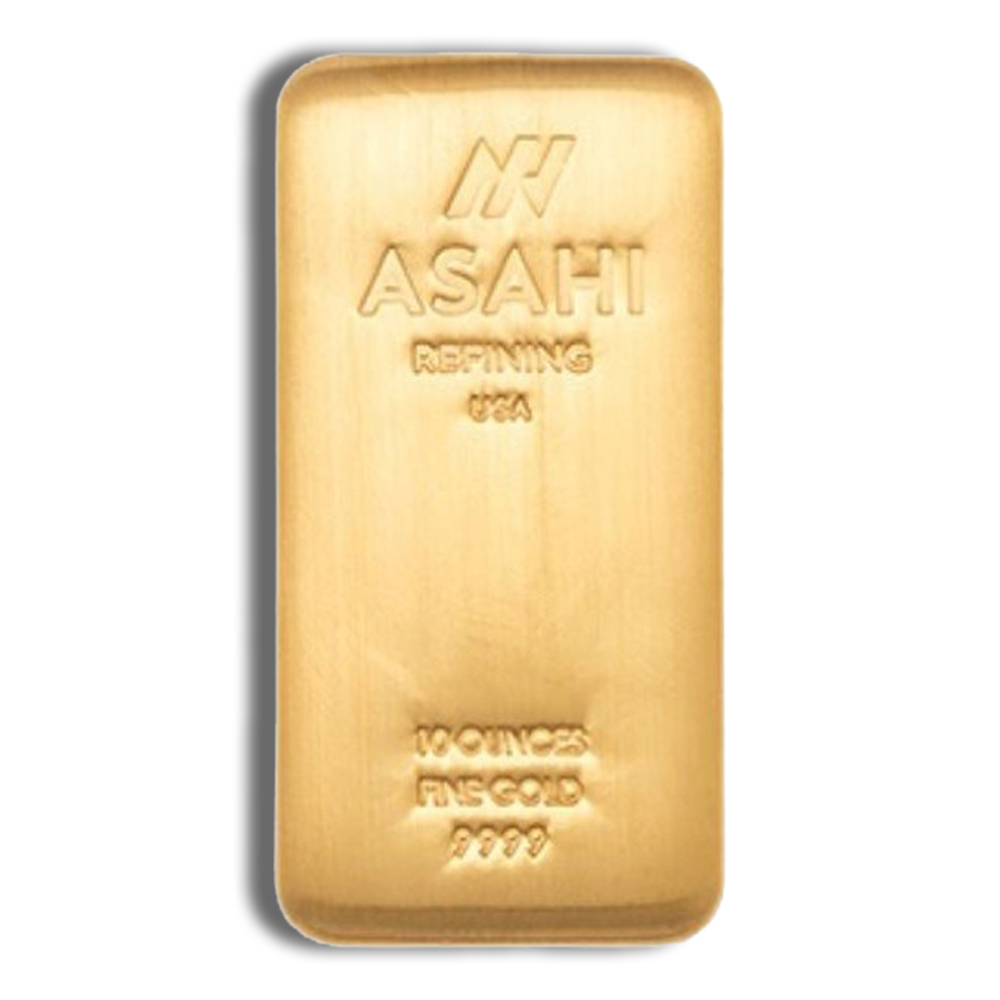
Asahi Refining
10 oz Gold Bar – Asahi Refining
A large cast-bar format. Review the listed fineness, identifying markings, and delivery arrangements before comparing it with smaller bars.
View Price & Availability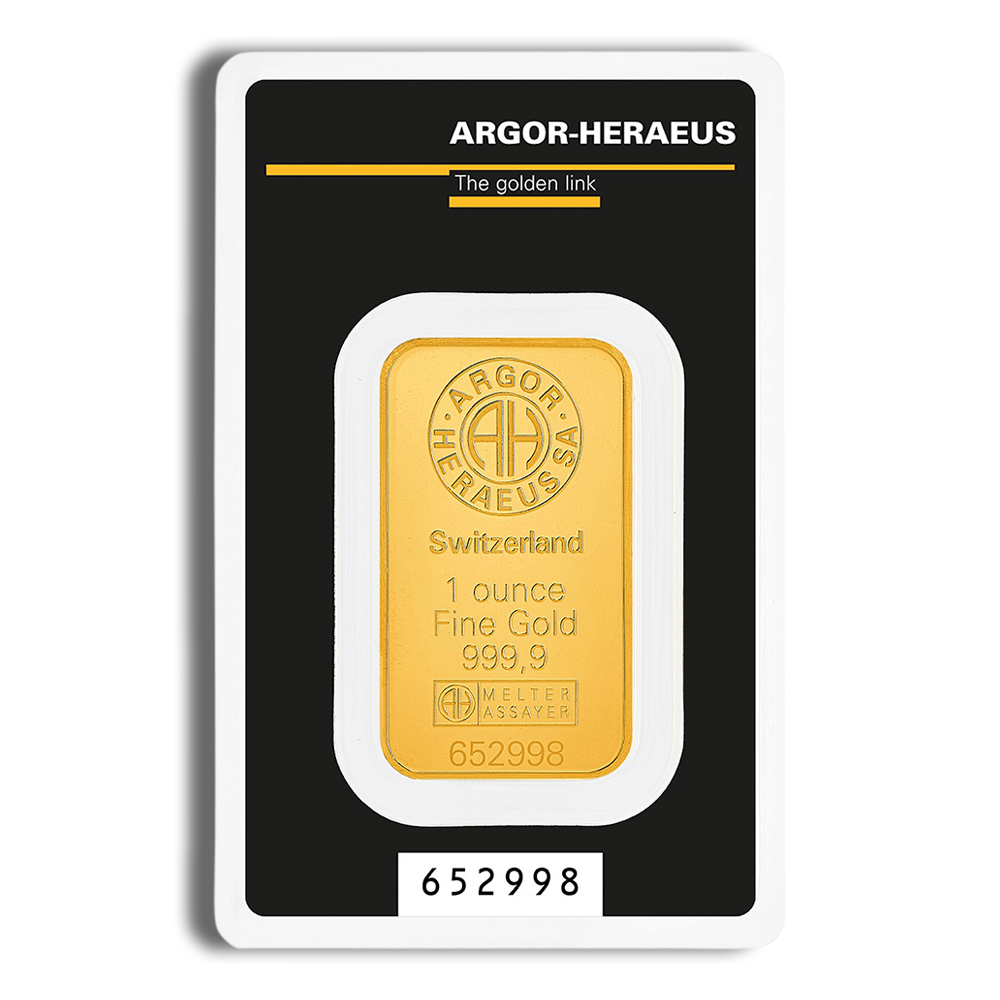
Argor-Heraeus
1 oz Gold Bar – Argor-Heraeus
A carded one-ounce option for buyers comparing recognized Swiss refiners. Check the exact packaging and condition terms.
View Price & Availability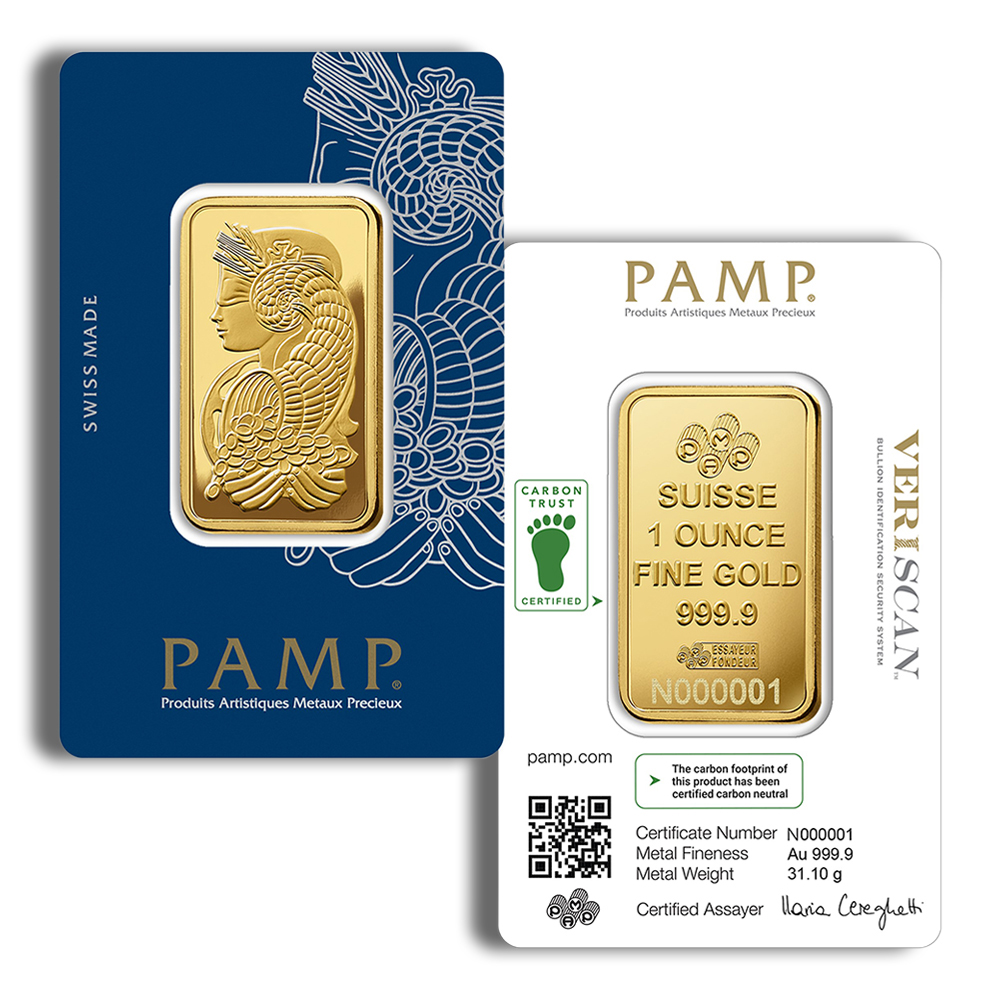
PAMP
1 oz PAMP Lady Fortuna Gold Bar
Features the Lady Fortuna design. Review the listing’s VERISCAN designation and packaging details alongside its delivered price.
View Price & Availability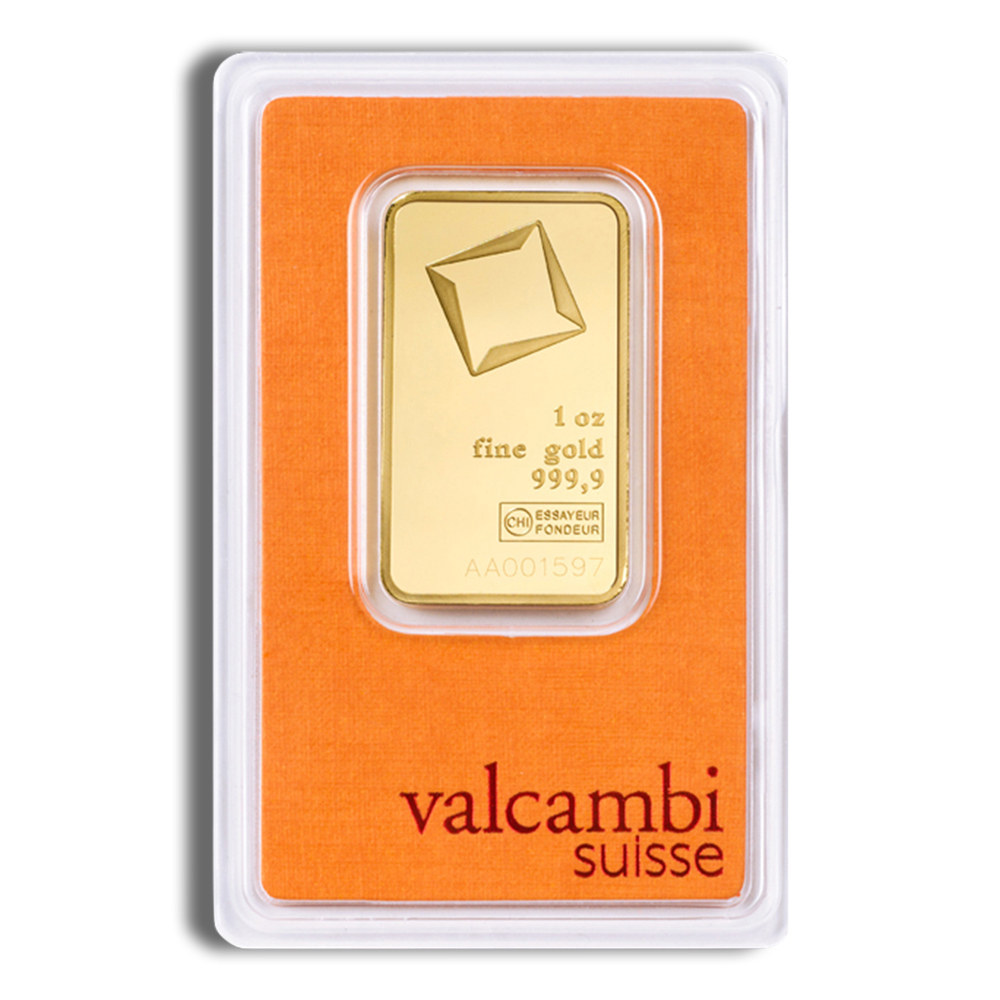
Valcambi
1 oz Gold Bar – Valcambi
A conventional one-ounce carded bar. Compare it with other one-ounce products using the same payment and shipping assumptions.
View Price & Availability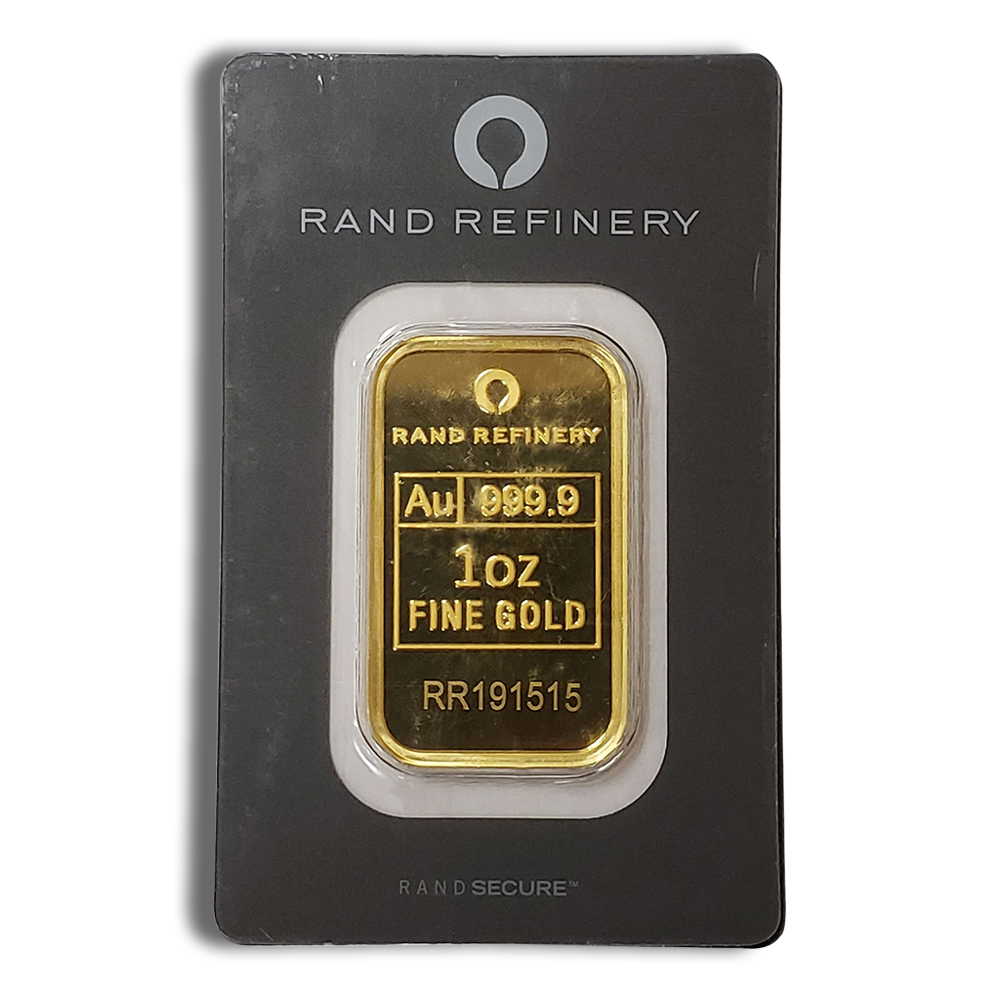
Rand Refinery
1 oz Gold Bar – Rand Refinery
A carded gold-bar option from the South African refiner. Check current specifications and pricing for the exact listing.
View Price & Availability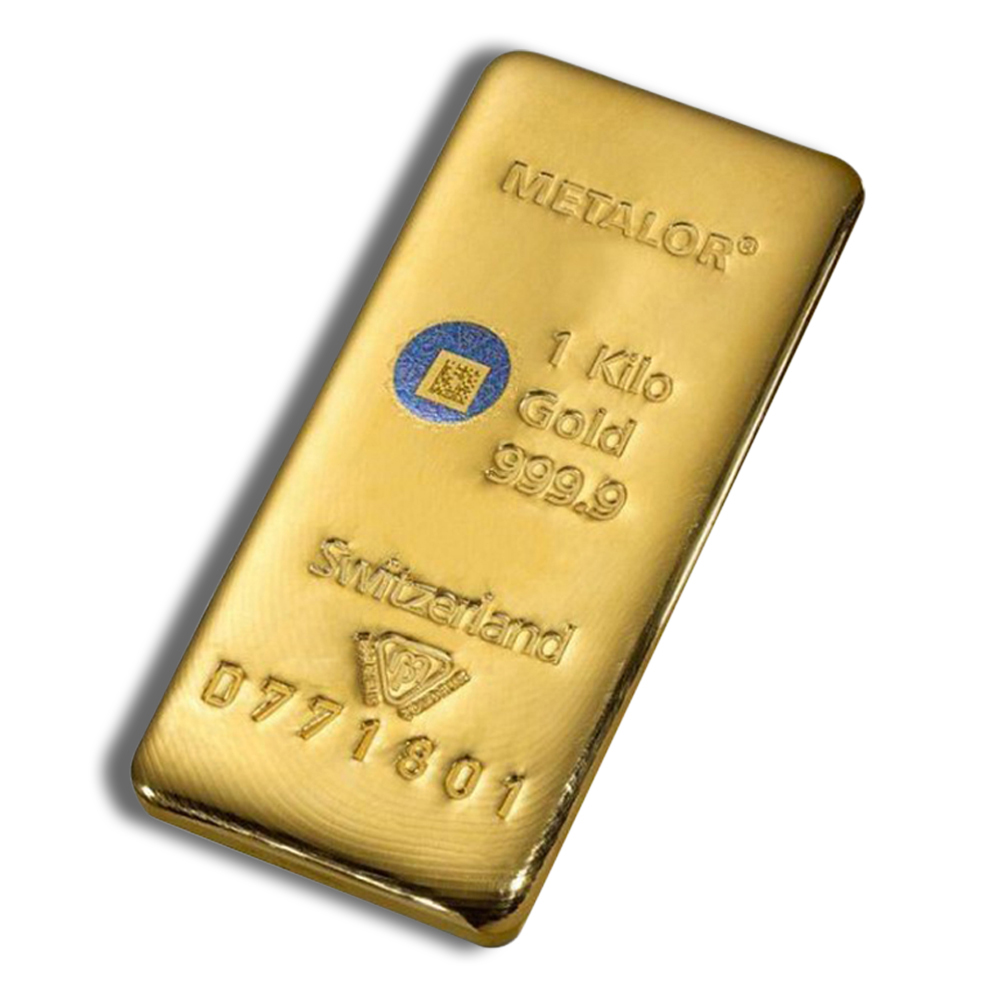
Metalor
1 Kilo Gold Bar – Metalor
A large-format bar requiring a different budget and resale plan from smaller pieces. Review storage and transaction arrangements.
View Price & Availability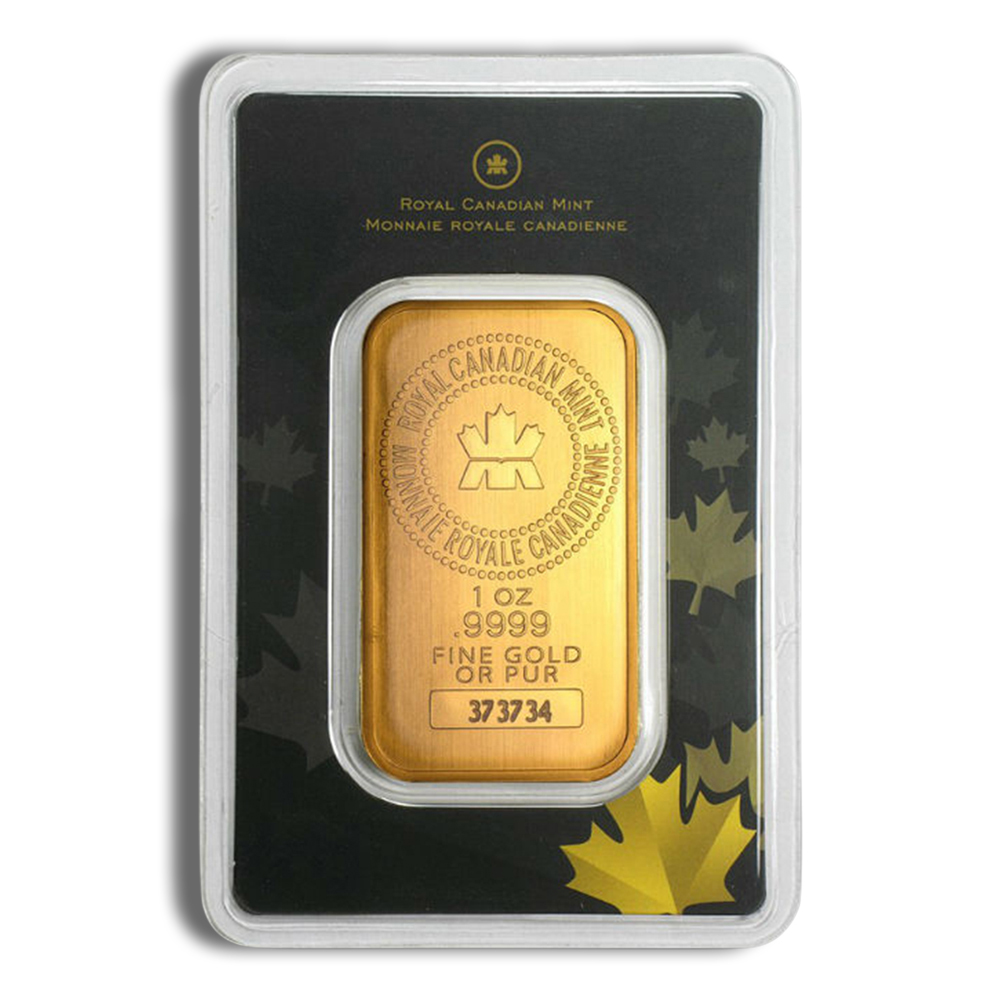
Royal Canadian Mint
1 oz Gold Bar – Royal Canadian Mint
A one-ounce bar alternative to the Mint’s coin products. Compare packaging, specifications, and the total purchase price.
View Price & AvailabilityProduct images illustrate the linked listings. Prices, premiums, packaging, and availability can change. Review the exact product page and checkout terms before ordering.
Frequently Asked Questions
What is a gold and silver refiner?
A refiner evaluates precious-metal-bearing material, separates impurities, and produces metal that meets an agreed specification. Some also fabricate bars, blanks, grain, wire, or other finished and semi-finished products.
Which gold refiner is best?
There is no single choice for every buyer or material type. For finished bullion, compare the exact product, seller, and delivered price. For a refining service, compare accepted materials, sampling procedures, payable metals, fees, and settlement terms.
Does LBMA listing cover every bar from a refiner?
No. Good Delivery status has a defined scope involving the relevant operation, metal, and wholesale bar requirements. Do not treat it as automatic authentication or approval of every retail product carrying the brand name.
Can I send a few coins or jewelry pieces directly to a major refinery?
That depends on its customer, material, and minimum-lot requirements. Contact the refiner first. A dealer or specialist buyer may be more practical for a small lot, particularly when an item could have value beyond its metal content.
Are Johnson Matthey and Engelhard bars still worth considering?
Older bars can have bullion or collector demand, but their value depends on authenticity, type, condition, and market interest. Separate the historical product from any claim about a current refining service.
What should I confirm before shipping material to a refinery?
Obtain account approval, written shipping instructions, accepted-material terms, sampling procedures, fees, and settlement details. Confirm who bears loss risk and the exact scope of insurance coverage.
Is a refinery’s payout the same as melt value?
Not necessarily. Settlement depends on the contract’s payable-metal calculation, assay results, pricing method, and deductions. Compare the expected net proceeds rather than only an advertised payout percentage.
Compare the Product, Then Choose the Refiner
Start with the size and format you want. Compare the bar’s specifications, packaging, and complete checkout cost across the featured brands.
Refiner and Industry References
- LBMA — Current Gold Good Delivery List
- LBMA — Current Silver Good Delivery List
- Asahi Refining — Refining Services
- Metalor — Evaluation and Refining
- Argor-Heraeus
- PAMP
- Valcambi — At a Glance
- Rand Refinery — Services
- Royal Canadian Mint
Service eligibility, accreditations, product availability, prices, and settlement terms can change. Confirm the relevant facility, product, and written terms before purchasing bullion or submitting material.