
Silver Bar Storage: 1 oz vs 10 oz Bars Compared
Agate Precious Metals Buyer Guide
How to Store 1 oz and 10 oz Silver Bars Safely
Primary topic: silver bar storage. Educational content; verify live product and market details before ordering.
Store one-ounce silver bars in individually compatible sleeves, capsules, or organized bar boxes; store ten-ounce bars in fitted holders or protective wraps inside a secure safe or vault. Weight does not determine physical dimensions. Measure the exact bar and avoid PVC, trapped moisture, abrasive contact, and unlabeled mixed stacks.
Silver Storage Priorities
- Correct fit for the exact bar dimensions
- Inert materials that do not contain harmful plasticizers
- Dry, stable environment with limited temperature swings
- Protection from rubbing, fingerprints, drops, and theft
- Private inventory records, receipts, and photographs
- Insurance appropriate to location and total replacement value
Storage Options by Silver Bar Size
| Format | Primary Container | Secondary Storage | Main Risk | What to Verify |
|---|---|---|---|---|
| 1 oz minted bar | Original card, capsule, or inert sleeve | Compartment box or safe tray | Scratches, lost small pieces | Exact width, length, thickness |
| 1 oz cast/loose bar | Inert sleeve or fitted capsule | Bar box inside safe | Surface rubbing and mix-ups | Maker-specific dimensions |
| 5 oz bar | Fitted capsule or protective sleeve | Reinforced shelf or tray | Drop damage and concentrated weight | Load rating and footprint |
| 10 oz minted bar | Original packaging or fitted capsule | Safe shelf with divider | Packaging damage and scratches | Seal, dimensions, stacking stability |
| 10 oz cast bar | Soft inert wrap/sleeve if desired | Separated safe tray | Abrasion between uneven bars | Shape variation and label visibility |
Original Packaging, Capsules, and Sleeves
Keep sealed or carded products intact when the packaging identifies the maker, purity, weight, serial number, or product condition. Opening does not change silver content, but it can remove presentation and require more verification at resale. If the factory plastic is already damaged, document it before moving the bar.
Capsules provide rigid protection but must fit. A capsule that is too tight can damage packaging; one that is too loose allows movement. Use archival-quality, inert flips or sleeves when a capsule is unavailable. Avoid soft PVC holders for long-term storage because plasticizers can migrate and leave residue.
Moisture and Tarnish
Silver tarnish is a surface reaction and does not mean the metal has disappeared. Reduce exposure by keeping storage dry, clean, and stable. Use desiccant appropriate to the container and replace or reactivate it according to its instructions. Do not let desiccant touch the metal.
Avoid basements with flooding risk, attics with heat swings, and locations near household chemicals, rubber, sulfur-containing materials, or salt air. Never polish bullion simply to remove toning. Abrasive cleaning can scratch the surface and harm collectible presentation.
Safe Selection and Weight
Silver becomes heavy quickly. Ten ten-ounce bars weigh more than six pounds before containers; a larger stack can overload a shelf or make a small portable safe easy to carry away. Verify shelf rating, anchor the safe according to manufacturer instructions, and avoid concentrating all weight on one edge.
Fire ratings, burglary ratings, water resistance, lock quality, and anchoring are different features. A lightweight fire box is not automatically a burglary safe. For larger holdings, compare professional vaulting or safe-deposit arrangements, access rules, privacy, and insurance.
Joe's dealer note: I’m Joe Agate, a working coin dealer in Buffalo. The best storage system lets you count and identify each piece without constantly touching it. A neat stack with no inventory record is still an avoidable problem.
Inventory and Insurance
Record purchase date, dealer, product name, weight, purity, quantity, serial number when present, and storage location. Photograph the front, back, packaging, and identifying marks. Keep a copy of records away from the metal. Do not put your full inventory or safe location on social media.
Standard homeowners or renters coverage may have limits or exclusions for bullion, coins, or collectibles. Ask the insurer in writing about scheduled property, appraisals, storage requirements, deductibles, and whether market-value changes are covered. A receipt proves purchase but does not automatically establish full insurance coverage.
What Not to Do
- Do not stack bare prooflike bars where surfaces rub.
- Do not use unverified PVC flips for long-term storage.
- Do not store silver directly on damp wood, cardboard, rubber, or chemical materials.
- Do not advertise your safe, delivery dates, or inventory.
- Do not assume all one-ounce or ten-ounce bars share dimensions.
- Do not put more weight on a shelf than it is rated to hold.
Storage Decision Tree
- Identify each exact bar and measure it.
- Keep original packaging when it adds identification or presentation.
- Select an inert individual holder.
- Group holders in a labeled box or tray.
- Place the group in an anchored safe, vault, or approved facility.
- Control moisture and inspect without cleaning.
- Update inventory and insurance after every purchase or sale.
For purchase-size decisions, compare 1 oz vs. 10 oz silver bars . For bulk coins and rounds, see Silver Tubes vs. Monster Boxes .
Inventory note: Agate bar formats were reviewed September 3, 2026. Brands, dimensions, packaging, and stock change. Confirm the exact product before buying fitted storage.
Bottom Line
Protect each bar with compatible inert materials, control moisture, support the weight, restrict access, and maintain private records. Security and organization matter more than buying the most elaborate display case.
Compare Silver Bar Sizes Before Choosing Storage
Exact dimensions and packaging vary by mint and refiner. Open the current product page and measure the delivered bar before ordering capsules, sleeves, or fitted cases.
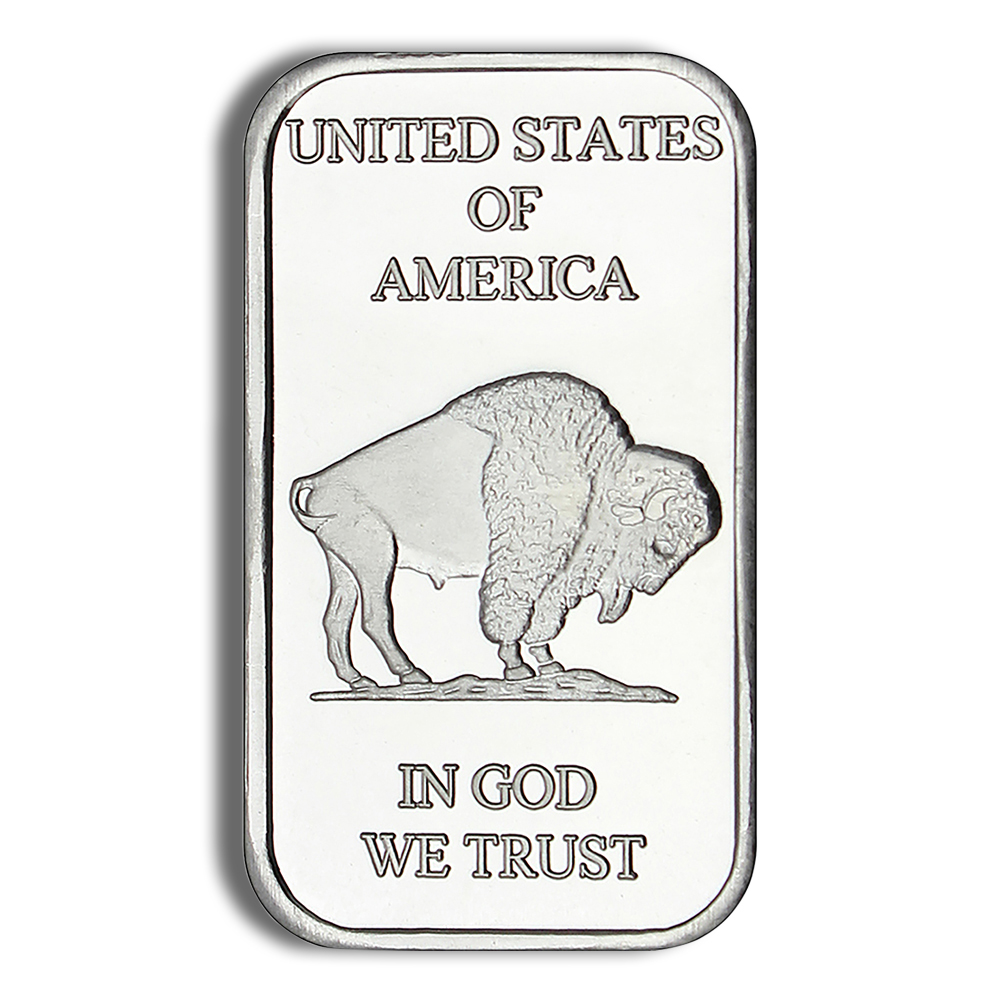
1 oz Silver Bar – Buffalo Design
A one-ounce silver bar with a familiar Buffalo-inspired design.
View Current Price & Availability →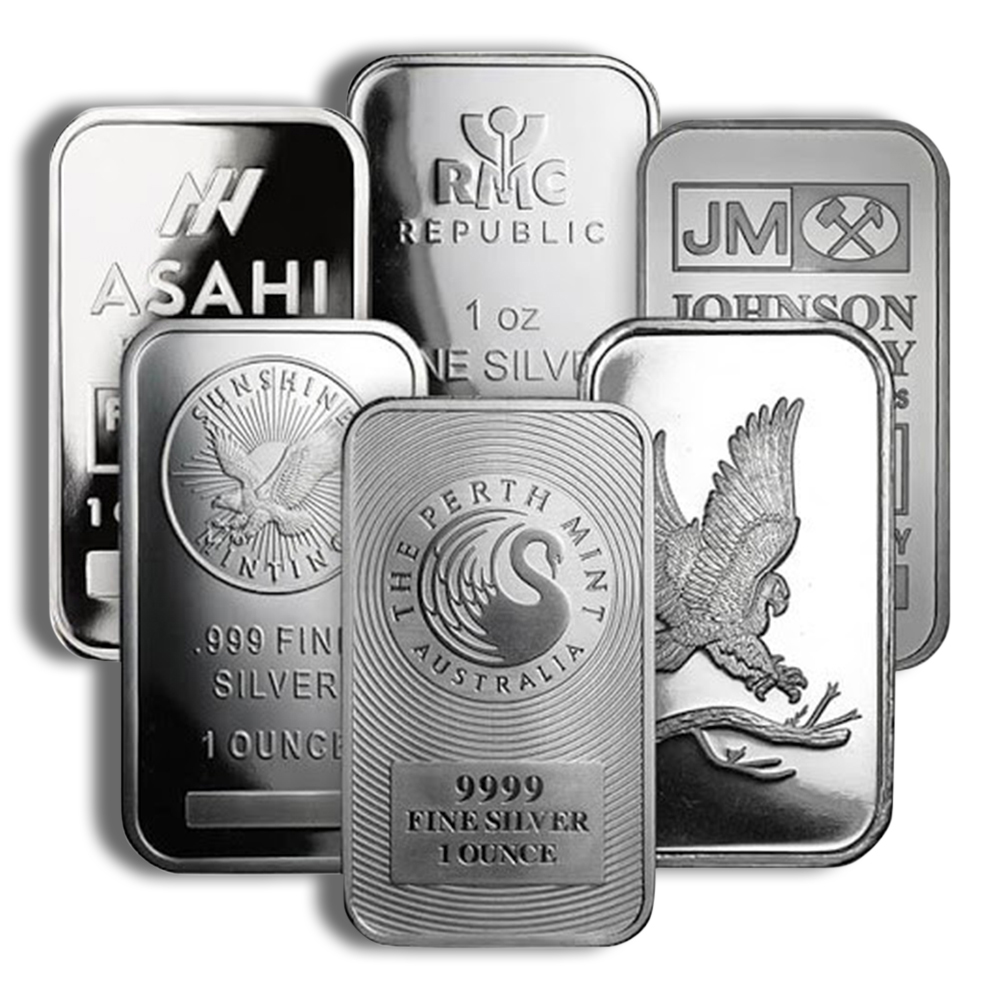
1 oz Silver Bar – Brand Varies (IRA Eligible)
A metal-first one-ounce bar listing where the qualifying brand may vary.
View Current Price & Availability →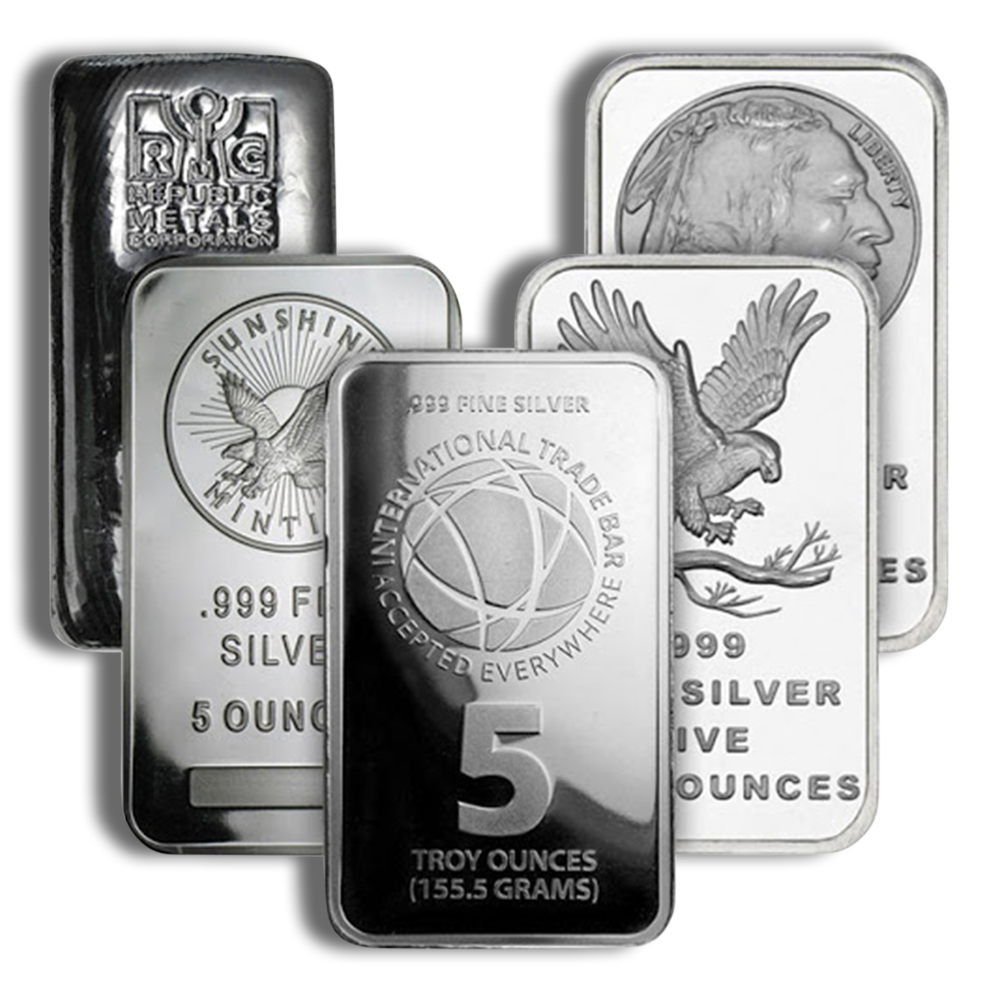
5 oz Silver Bar – Brand Varies
A five-ounce middle size for comparing divisibility and storage.
View Current Price & Availability →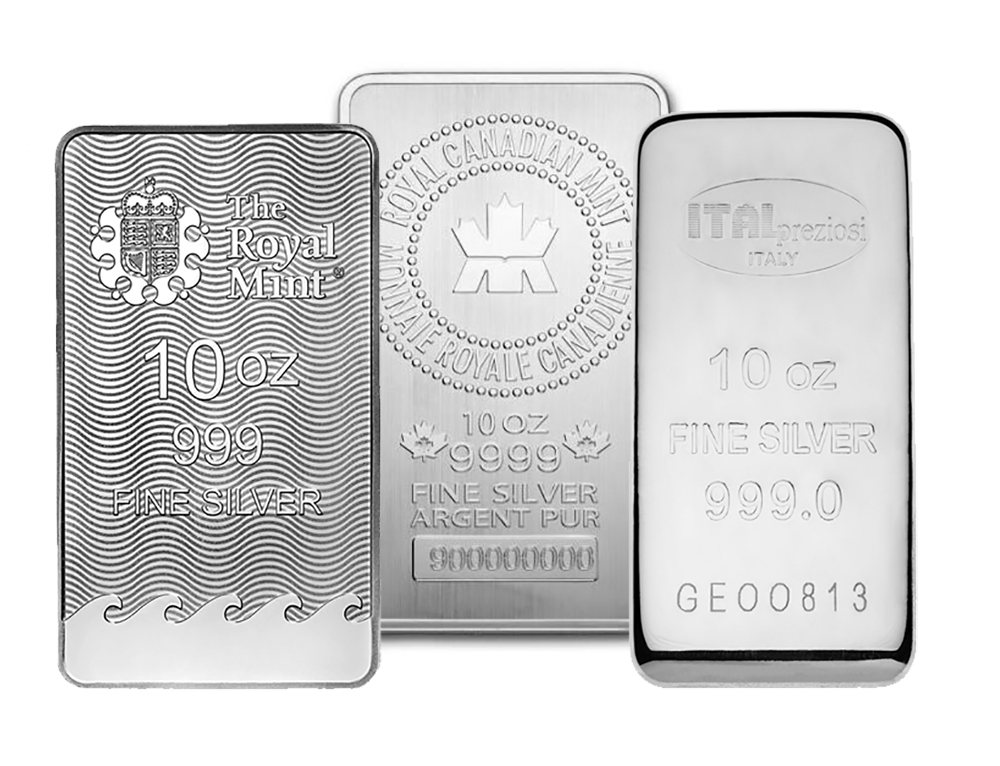
10 oz Silver Bar – Brand Varies
A ten-ounce bar where the qualifying brand is selected from inventory.
View Current Price & Availability →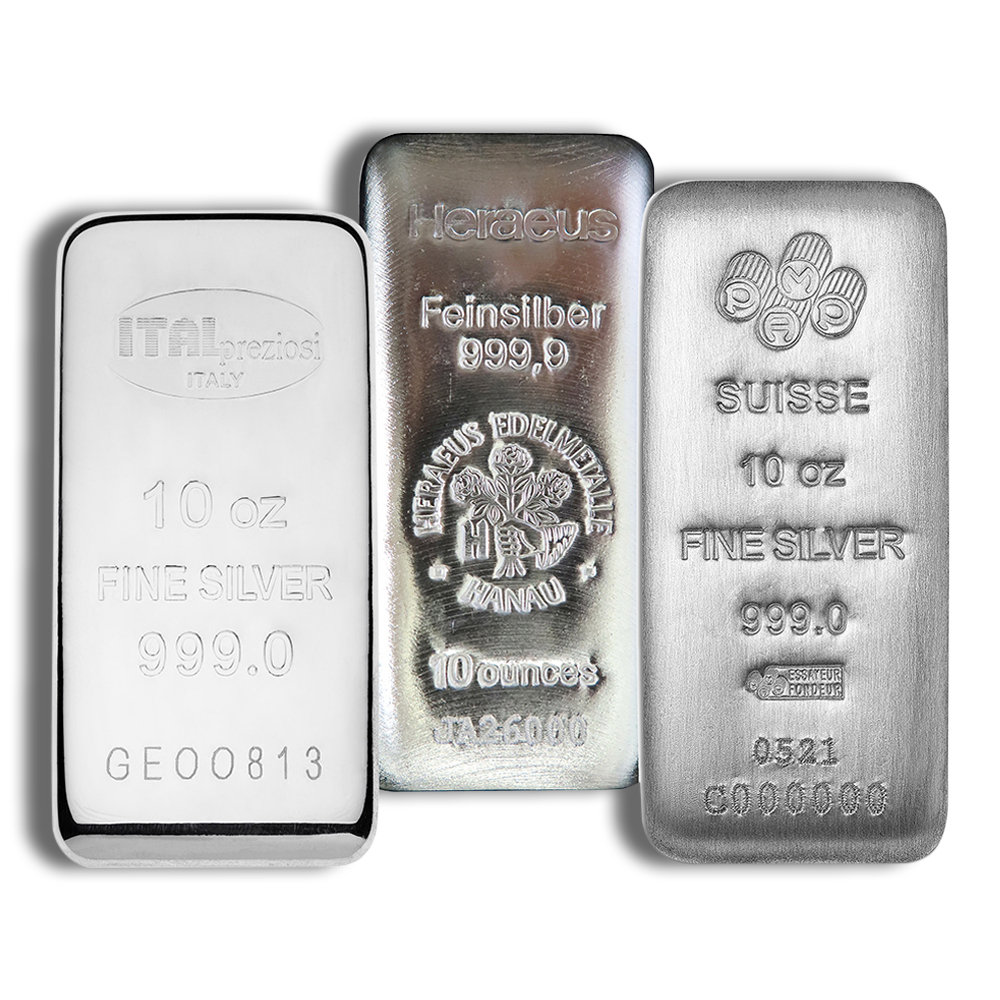
10 oz Silver Bar – Brand Varies (IRA Eligible)
A ten-ounce listing specifically identified by Agate for IRA consideration.
View Current Price & Availability →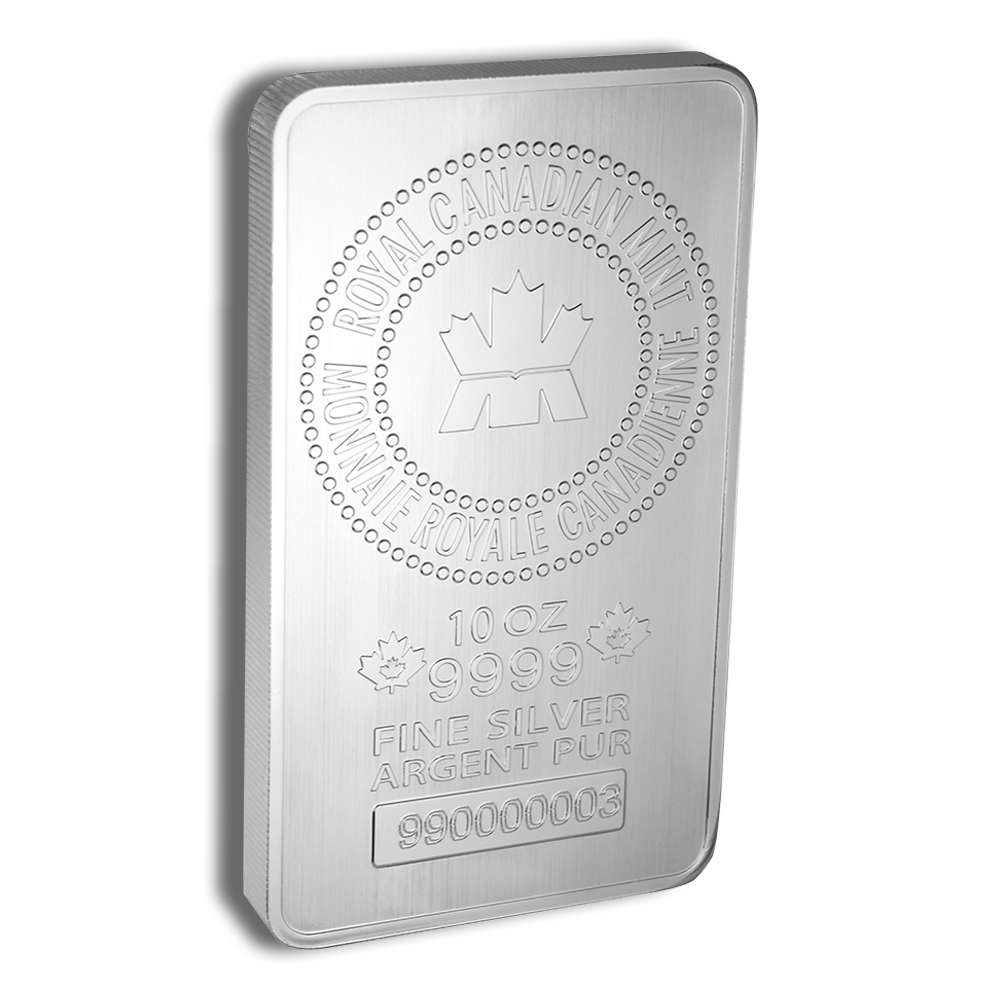
10 oz Silver Bar – Royal Canadian Mint – RCM (Sealed)
A named Royal Canadian Mint ten-ounce silver bar in sealed presentation.
View Current Price & Availability →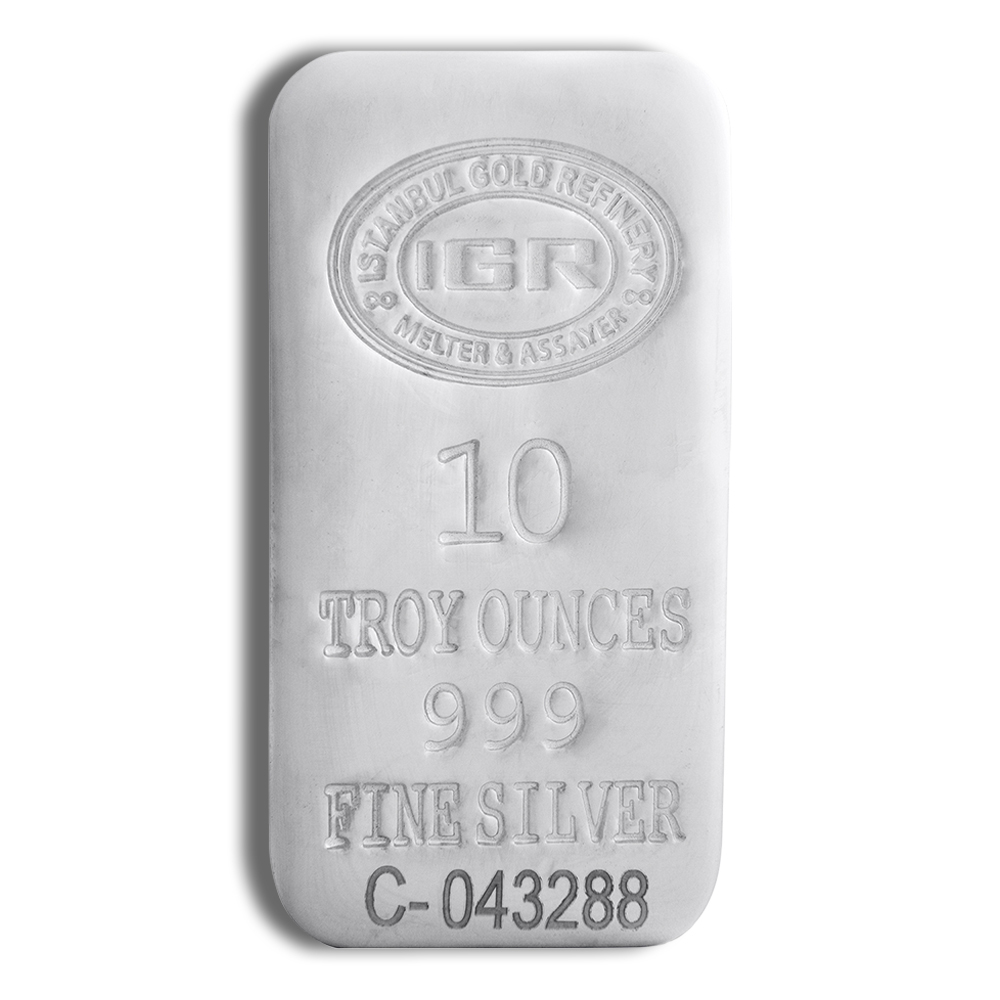
10 oz Silver Bar – IGR Metals
A named IGR Metals ten-ounce silver bar.
View Current Price & Availability →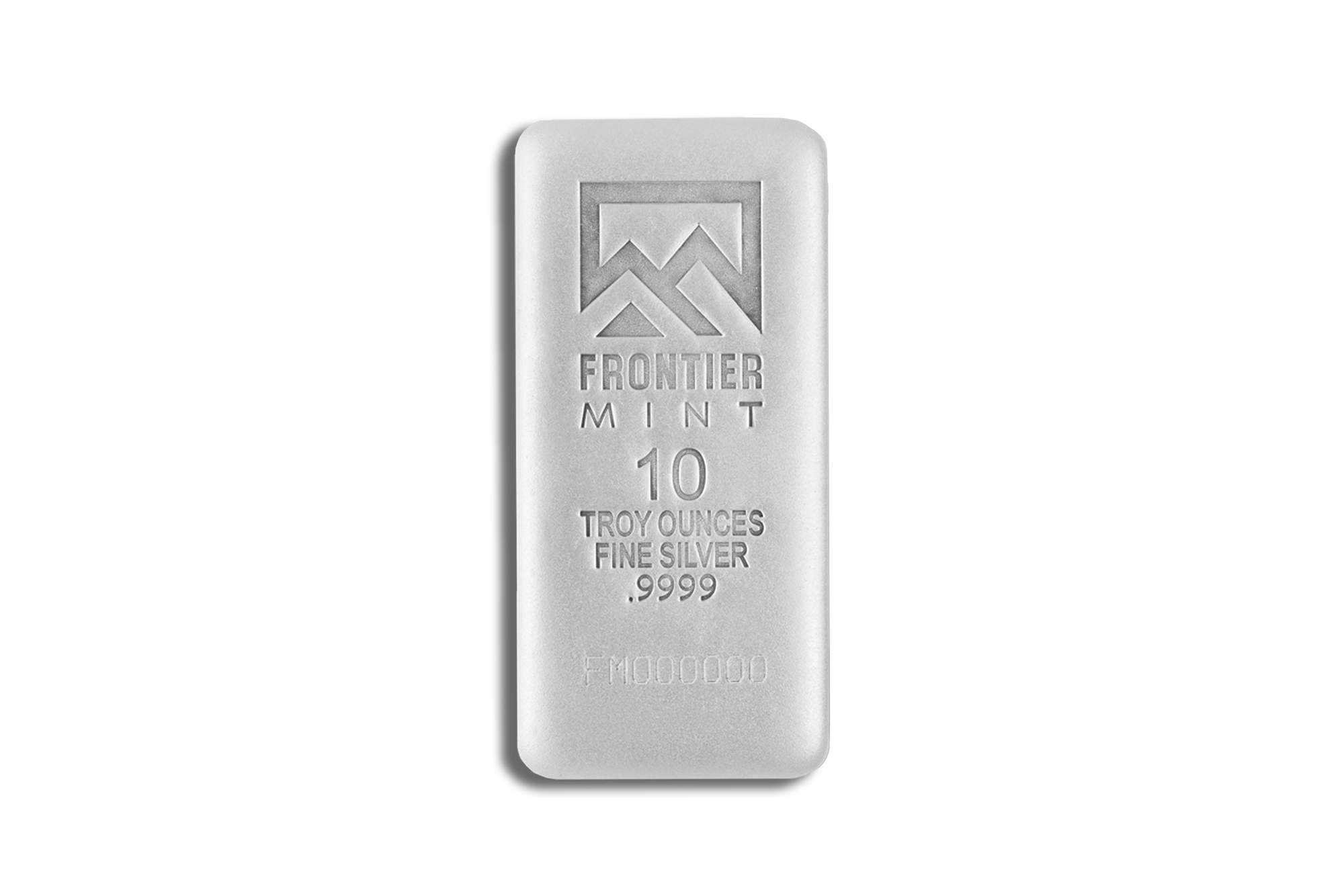
10 oz Silver Bar – Frontier Mint (Frosted)
A Frontier Mint ten-ounce bar with a frosted finish.
View Current Price & Availability →Prices, premiums, years, packaging, and availability can change. Open each product page for current specifications and checkout terms.
Frequently Asked Questions
What is the best way to store one-ounce silver bars?
Use the original package, a fitted capsule, or an inert sleeve, then organize bars in a secure box or safe.
Do all 10 oz silver bars fit the same capsule?
No. Dimensions vary by mint, refiner, and cast or minted format. Measure the exact bar.
Should I remove tarnish from a silver bar?
Usually not. Abrasive cleaning can scratch surfaces and reduce presentation value.
Can silver bars be stored in PVC flips?
Avoid unverified soft PVC for long-term storage because plasticizers can migrate and leave residue.
Does homeowners insurance cover silver bars?
Coverage varies and may be limited or excluded. Ask the insurer in writing about bullion, coins, storage, and scheduled coverage.
Sources and Buyer References
This article provides general educational information and is not individualized investment, tax, legal, appraisal, or financial advice. Precious-metal prices, premiums, inventory, grades, years, packaging, product terms, and buyback conditions change. Confirm the exact item and all transaction terms before purchasing.