
Silver Coin Melt Value Calculator: U.S. Denomination Chart and Formula
Agate Precious Metals Buyer Guide
Silver Coin Melt Value Calculator: U.S. Denomination Chart and Formula
Primary topic: silver coin melt value calculator. Educational content; verify live product and market details before ordering.
Silver coin melt value is the market value of the silver inside a coin: silver weight multiplied by the current silver spot price. Enter a current spot price and quantity below. The result is an estimate of metal value—not a dealer offer, retail price, grade, or collector appraisal.
Silver Coin Melt Value Calculator
Use a silver price quoted per troy ounce. For circulated 90% dimes, quarters, and halves sold by face value, this tool uses the common 0.715 troy-ounce estimate per $1 face. Individual-coin presets use original specification-based silver weights.
U.S. Silver Coin Denomination Chart
| Coin Type | Common Qualifying Dates | Silver Fineness | Silver per Coin | Common Pricing Unit |
|---|---|---|---|---|
| Mercury/Roosevelt dime | Through 1964 | 90% | About 0.07234 troy oz at full weight | Coin or face value |
| Washington quarter | Through 1964 | 90% | About 0.18084 troy oz | Coin or face value |
| Walking Liberty/Franklin/1964 Kennedy half | Through 1964 | 90% | About 0.36169 troy oz | Coin or face value |
| Kennedy half | 1965-1970 | 40% | About 0.1479 troy oz | Coin or face value |
| Morgan/Peace dollar | Series-specific | 90% | About 0.77344 troy oz | Individual coin |
| Silver war nickel | 1942-1945 qualifying mint marks | 35% | About 0.05626 troy oz | Individual coin |
| American Silver Eagle | 1986-present program | .999 fine | 1 troy oz | Individual coin |
The Formula Behind the Calculator
Melt value = quantity × silver weight per unit × current silver spot price. For example only, if a coin contains 0.36169 troy ounce and silver is entered at $50, its calculated metal value is $18.08. That teaching example is not a current price or offer.
For circulated 90% lots, dealers often estimate 0.715 troy ounce per $1 face value to account for ordinary wear. At original full weight, common dimes, quarters, or halves total about 0.7234 troy ounce per $1 face. A seller and buyer should agree which assumption applies.
Melt Value, Dealer Offer, and Collector Value
| Value | What It Measures | Why It Can Differ |
|---|---|---|
| Melt value | Contained silver × spot | Changes with silver and actual weight |
| Dealer offer | Amount a dealer will pay now | Testing, handling, resale demand, condition, quantity, and spread |
| Retail bullion price | Customer purchase price | Melt plus fabrication, sourcing, operations, and market premium |
| Collector value | Numismatic market value | Date, mint mark, grade, originality, variety, eye appeal, and demand |
Joe’s dealer note: I’m Joe Agate, a working coin dealer in Buffalo. I calculate metal value first, then I check every coin for dates, mint marks, varieties, condition, or damage. A calculator can prevent bad math; it cannot see a key date.
Why a Dealer Offer Can Be Below Melt
Spot is a wholesale benchmark, not a promise that every local transaction clears at that exact number. The dealer may need to authenticate, sort, count, insure, ship, hedge, refine, or hold the material. Worn, damaged, mixed, or difficult-to-resell items can require more work. Market depth and the dealer’s current inventory also matter.
Sometimes a desirable retail product trades above melt on both sides. Ask for the exact unit used in the quote—per coin, per dollar face, per troy ounce, or as a percentage of melt—and request the spot-price timestamp.
Coins That Need Separate Treatment
Do not put every old U.S. coin into a 90% formula. Cents and most nickels are not ordinary silver coins. Kennedy halves dated 1965 through 1970 are 40% silver. Morgan and Peace dollars contain more silver than one dollar face of dimes, quarters, or halves and are commonly evaluated individually. Commemoratives and world coins have their own specifications.
Never clean a coin before seeking an opinion. Cleaning can disturb surfaces and reduce numismatic value. Separate unusual dates, mint marks, high-grade coins, proofs, errors, and certified pieces before pricing a bulk lot.
How to Use the Result
- Enter a current silver spot price and record the time.
- Select the exact coin type or face-value assumption.
- Count accurately and keep denominations separate.
- Compare the result with a current dealer quote.
- Ask whether the offer is firm before or after inspection.
- Set aside coins that could have collector value.
- Read 90% Silver Coins Explained for face-value buying details.
Calculator methodology reviewed September 3, 2026: Results use the entered spot price and the silver-content constants shown on this page. Values are rounded for display. Wear, tolerances, damage, counterfeit risk, and numismatic value can change the real transaction.
Bottom Line
Use melt value as a transparent starting point. Record the formula, silver price, time, and quantity. Then separate bullion math from dealer spread and collector value so one number is not asked to do three different jobs.
Compare Silver Coins by Denomination and Format
These live Agate listings let you compare mixed 90% silver, specific dime, quarter, and half-dollar lots, and a modern one-ounce sovereign coin. The calculator does not replace each listing’s exact specifications.
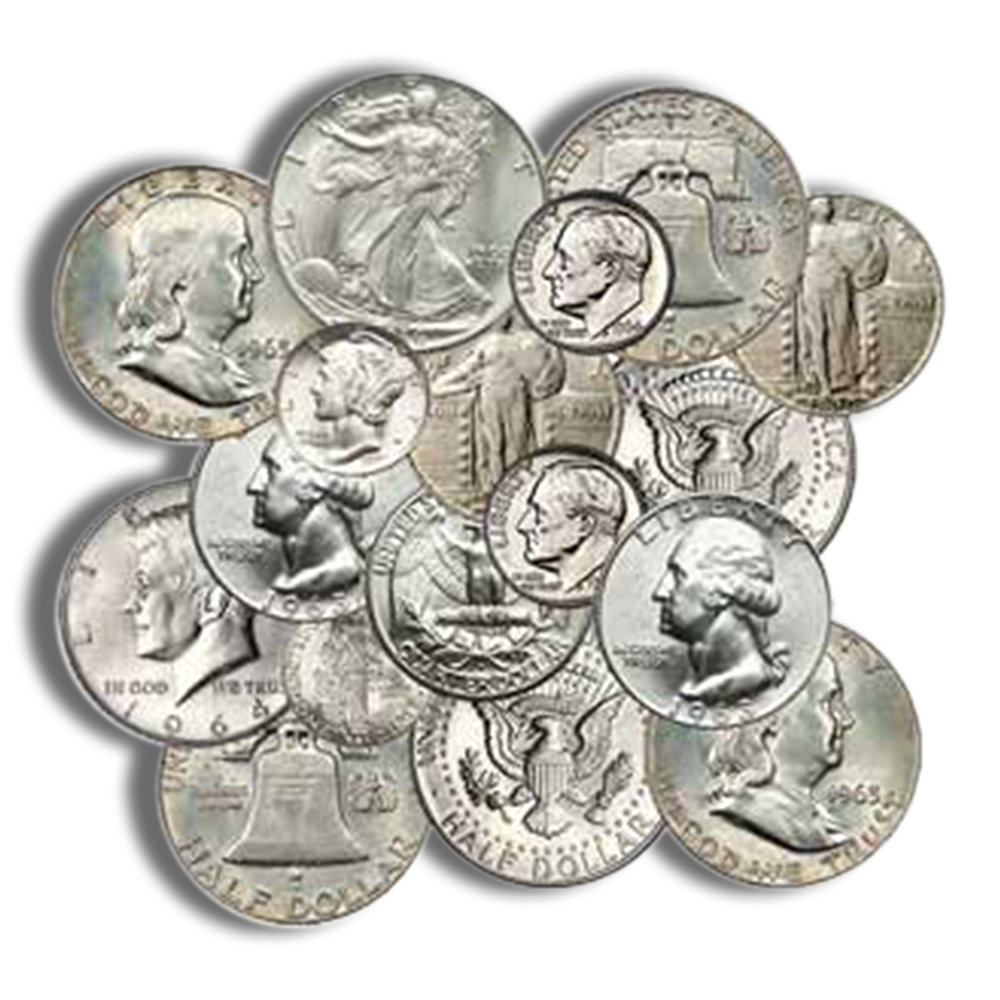
$1 FV 90% Silver Coin Various Denominations (Pre-1965)
A one-dollar face-value lot of qualifying pre-1965 90% silver denominations.
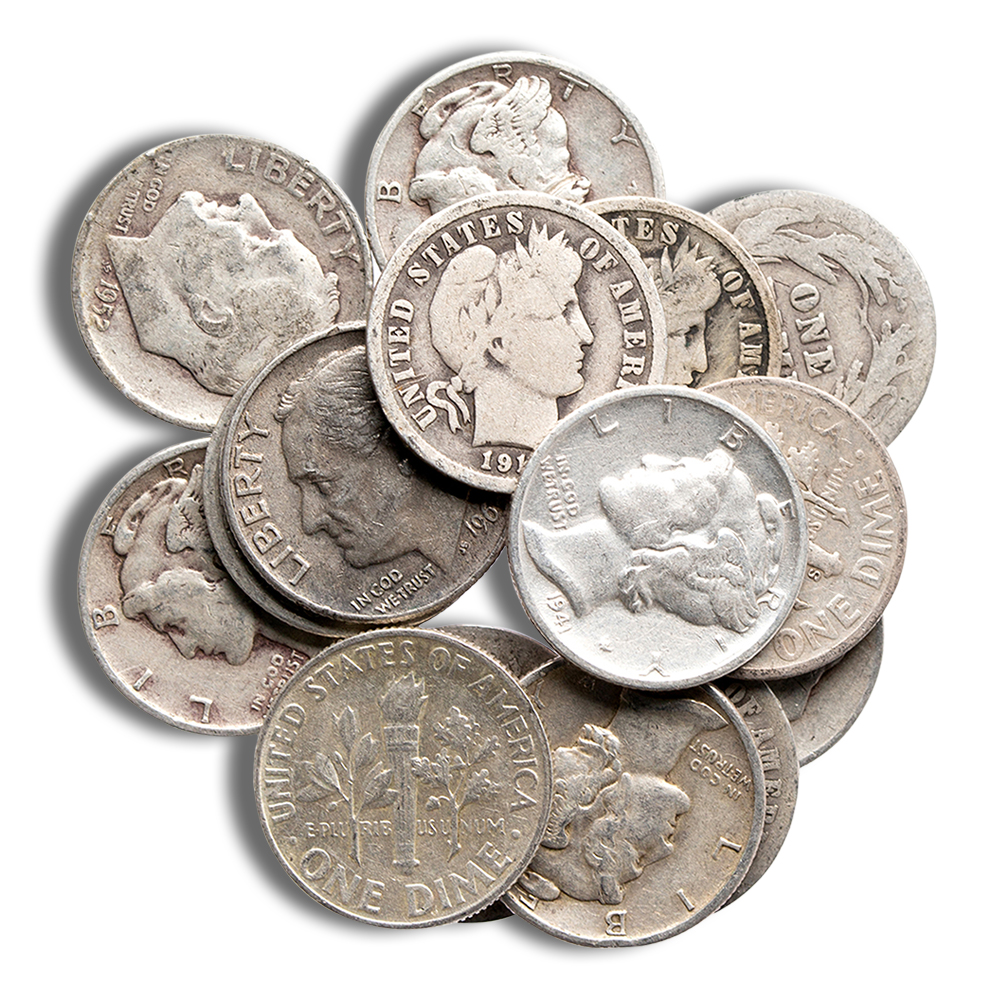
$1 FV 90% Silver Roosevelt Dimes
Ten Roosevelt dimes totaling one dollar in face value under the listing terms.
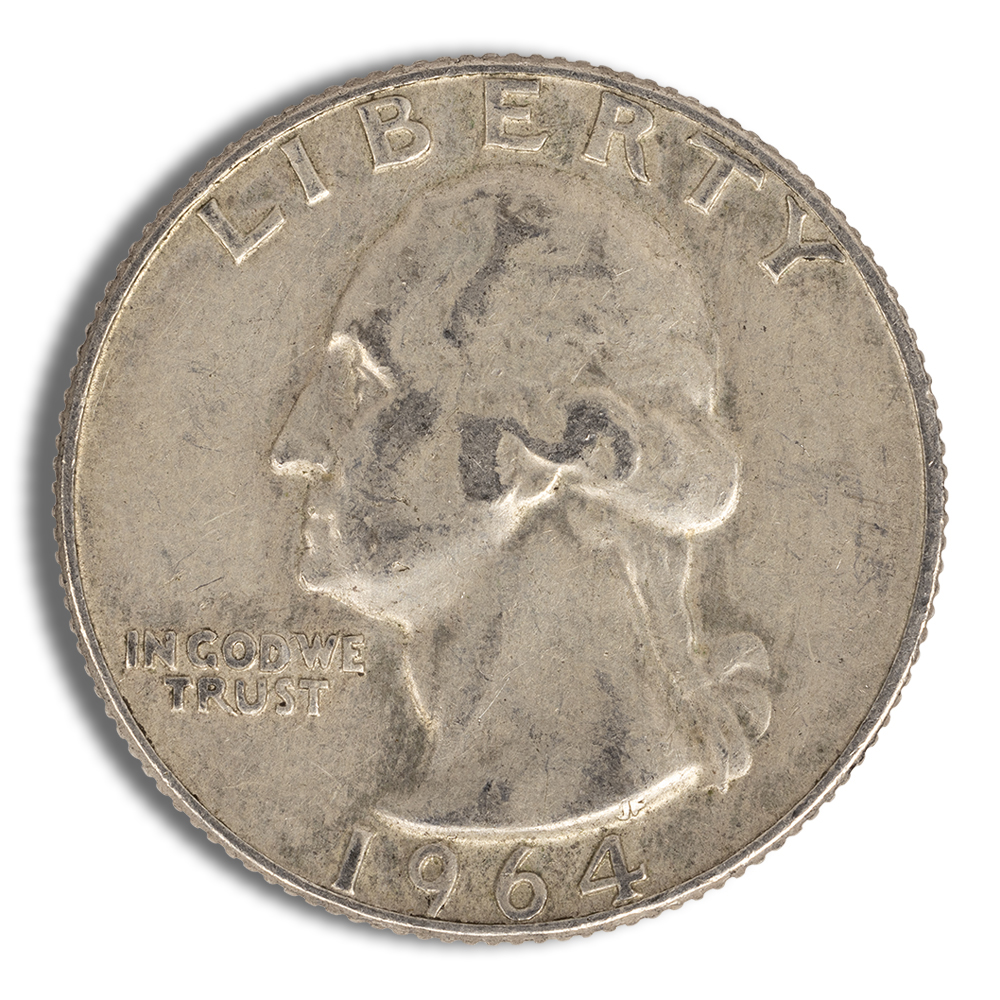
$1 FV 90% Silver Washington Quarters
Four Washington quarters totaling one dollar in face value.
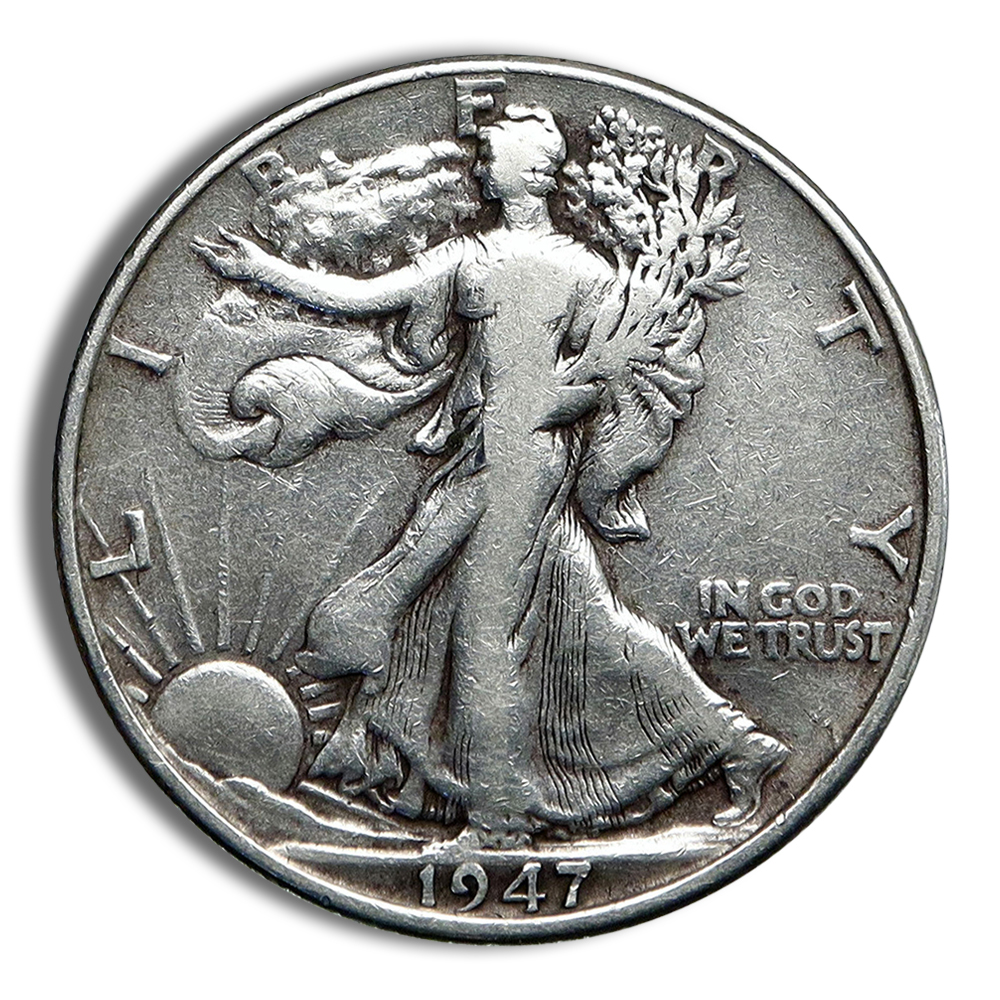
$1 FV 90% Silver Walking Liberty Half Dollar
Walking Liberty half dollars sold by face value under the live listing.
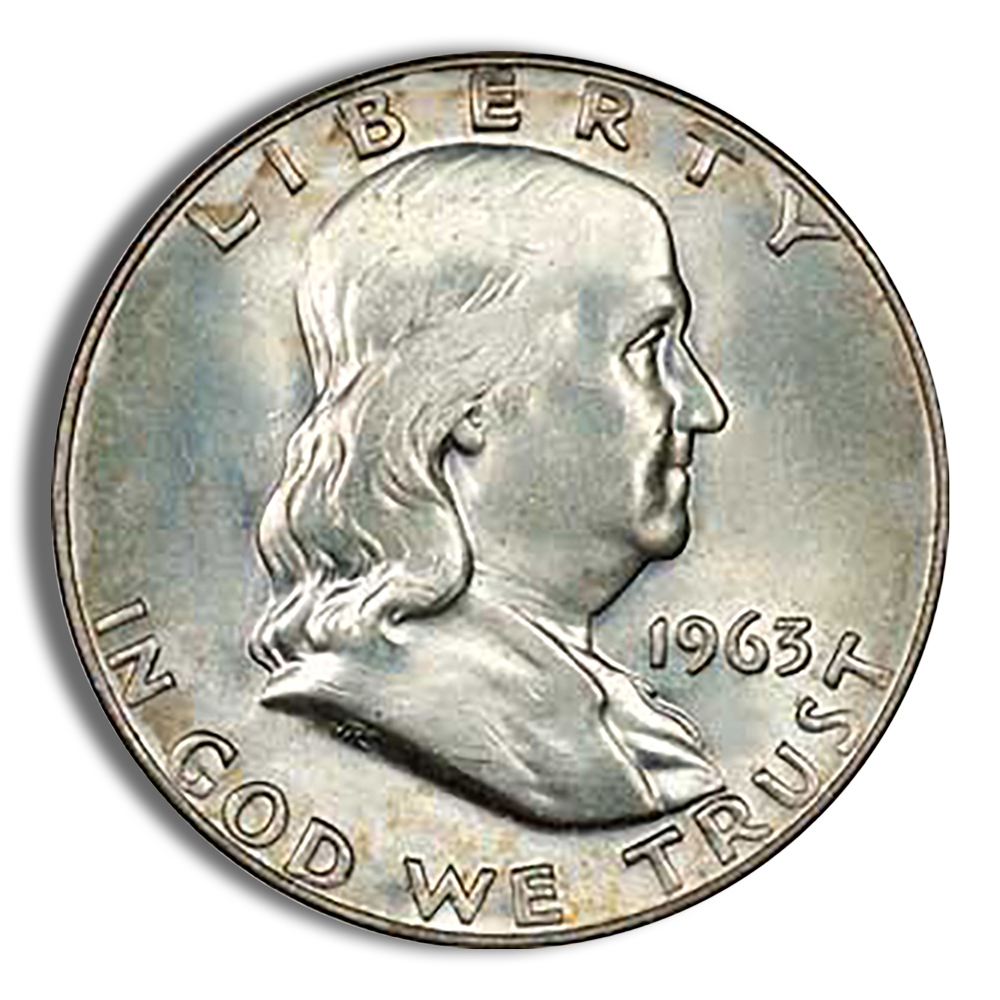
$1 FV 90% Silver Franklin Half Dollars
Two Franklin half dollars per one dollar of face value.
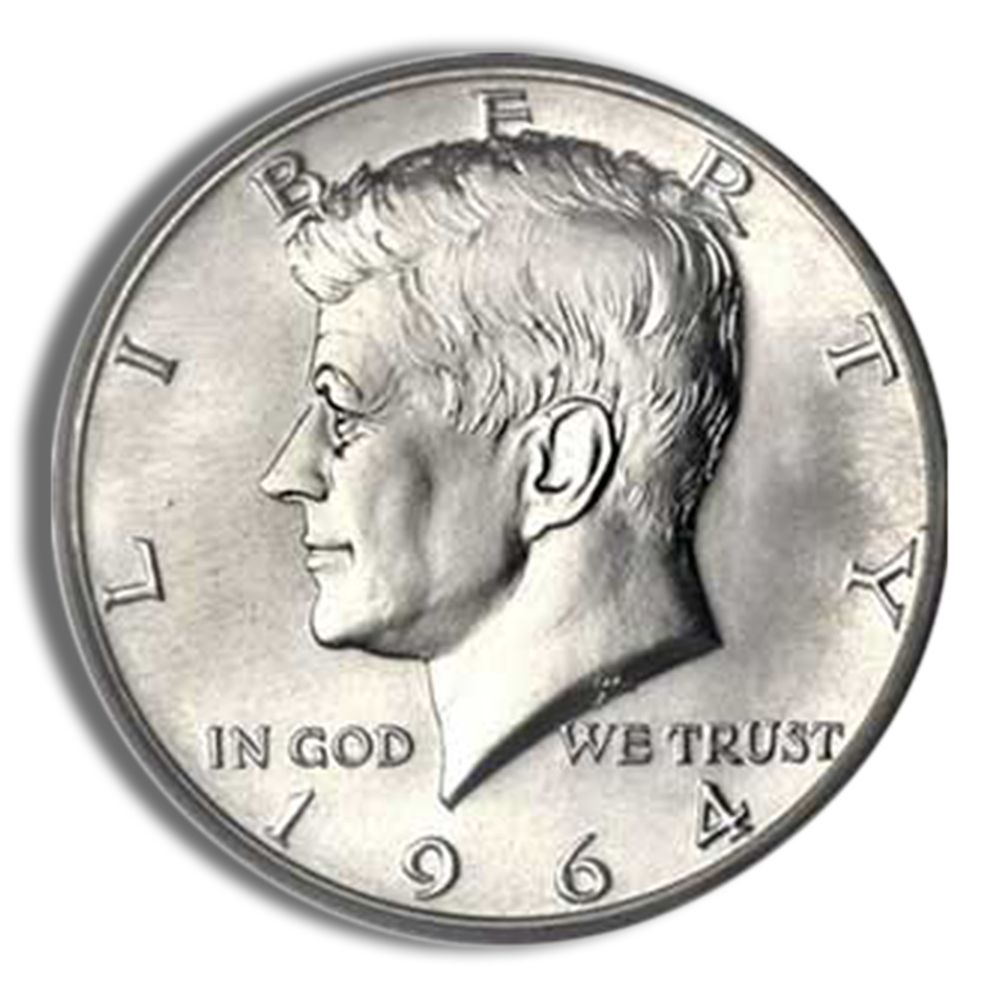
$1 FV 90% Silver 1964 Kennedy Half Dollars
1964 Kennedy half dollars in a one-dollar face-value listing.
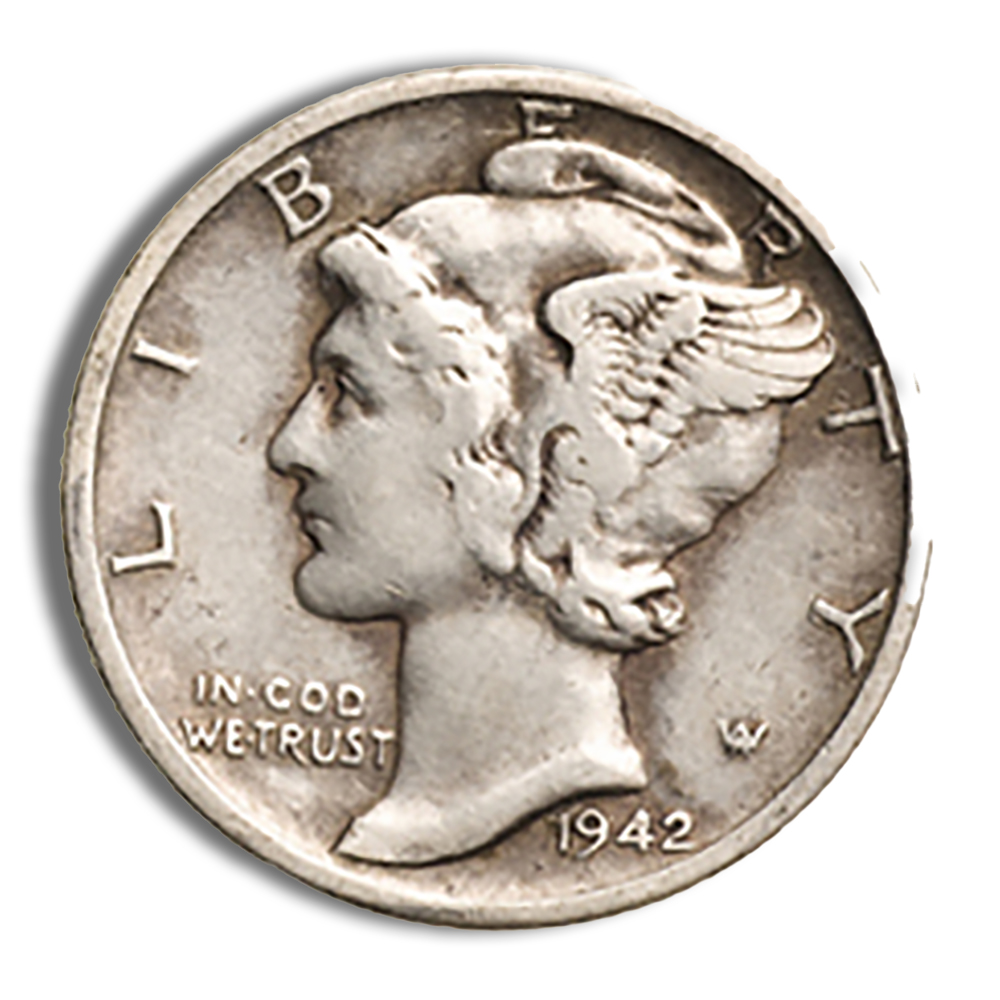
$1 FV 90% Silver Mercury Dimes
Mercury dimes sold by face value; dates and wear should be checked.
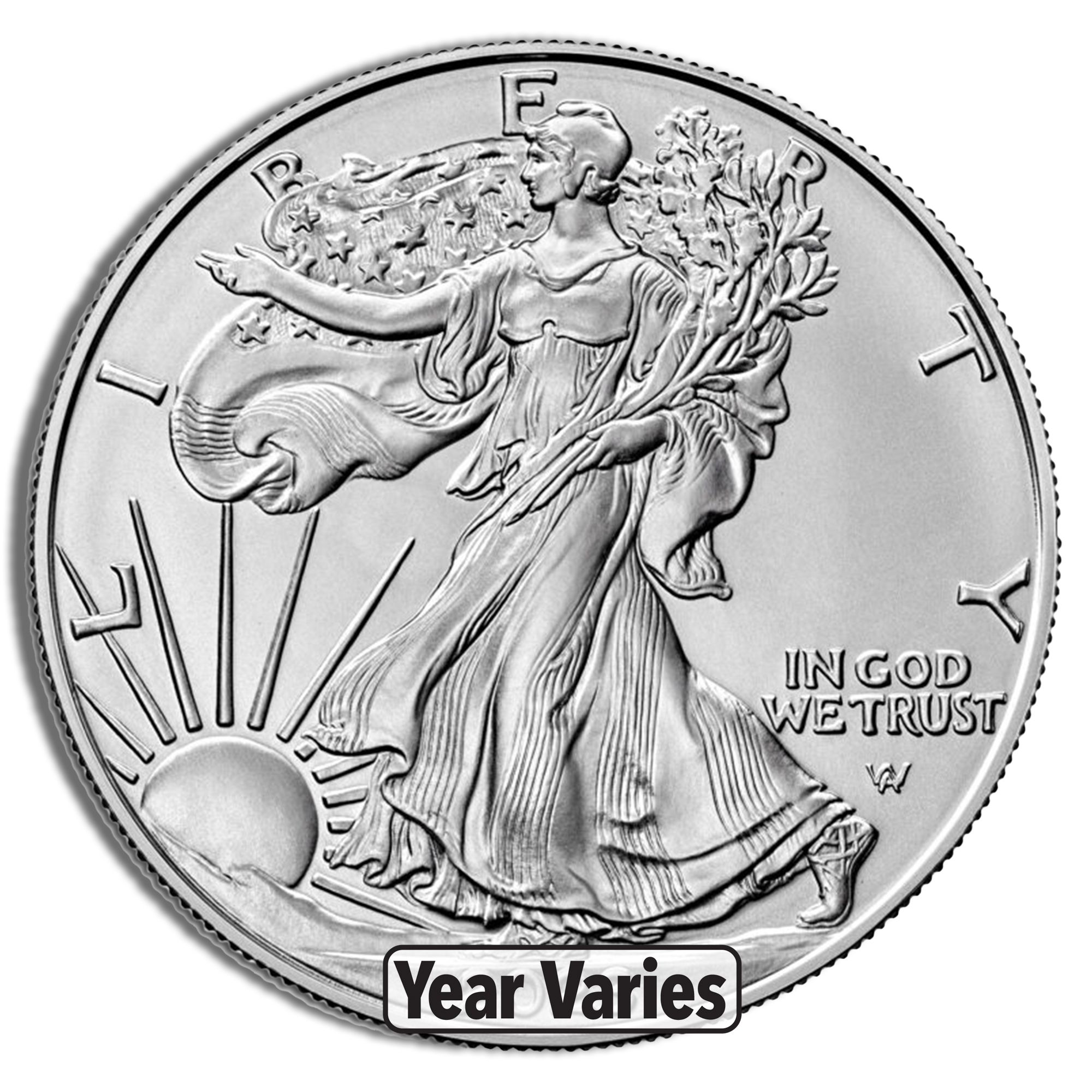
Silver American Eagle – BU (Year Varies)
A one-ounce .999 American Silver Eagle in BU condition with year varying.
Prices, premiums, years, packaging, and availability can change. Open each product page for current specifications and checkout terms.
Frequently Asked Questions
What is silver coin melt value?
It is the estimated market value of the silver contained in a coin, calculated from silver weight and current spot price.
How much silver is in $1 face value of 90% coins?
At original full weight, common dimes, quarters, or halves total about 0.7234 troy ounce. A common circulated estimate is about 0.715 because of wear.
Why is a dealer offer different from melt value?
A dealer considers authentication, sorting, condition, quantity, market demand, handling, shipping, refining, and resale spread.
Does this calculator determine rare-coin value?
No. It calculates metal value only and cannot evaluate date, mint mark, variety, grade, originality, or eye appeal.
What silver price should I enter?
Use a current silver spot price quoted per troy ounce and record its source and timestamp.
Sources and Buyer References
This article provides general educational information and is not individualized investment, tax, legal, appraisal, or financial advice. Precious-metal prices, premiums, inventory, grades, years, packaging, product terms, and buyback conditions change. Confirm the exact item and all transaction terms before purchasing.