
1943 Steel Penny Value: Errors, Grades & Identification
1943 Steel Penny Value: Steel, Copper Errors, and Collector Premiums
Most ordinary circulated 1943 steel pennies have modest collector value rather than rare-coin value. Their price depends on condition, mintmark, original surfaces, and the buyer. An exceptional certified grade or a genuine copper-alloy error belongs in a different market. Start by identifying the coin before applying an auction headline to it.
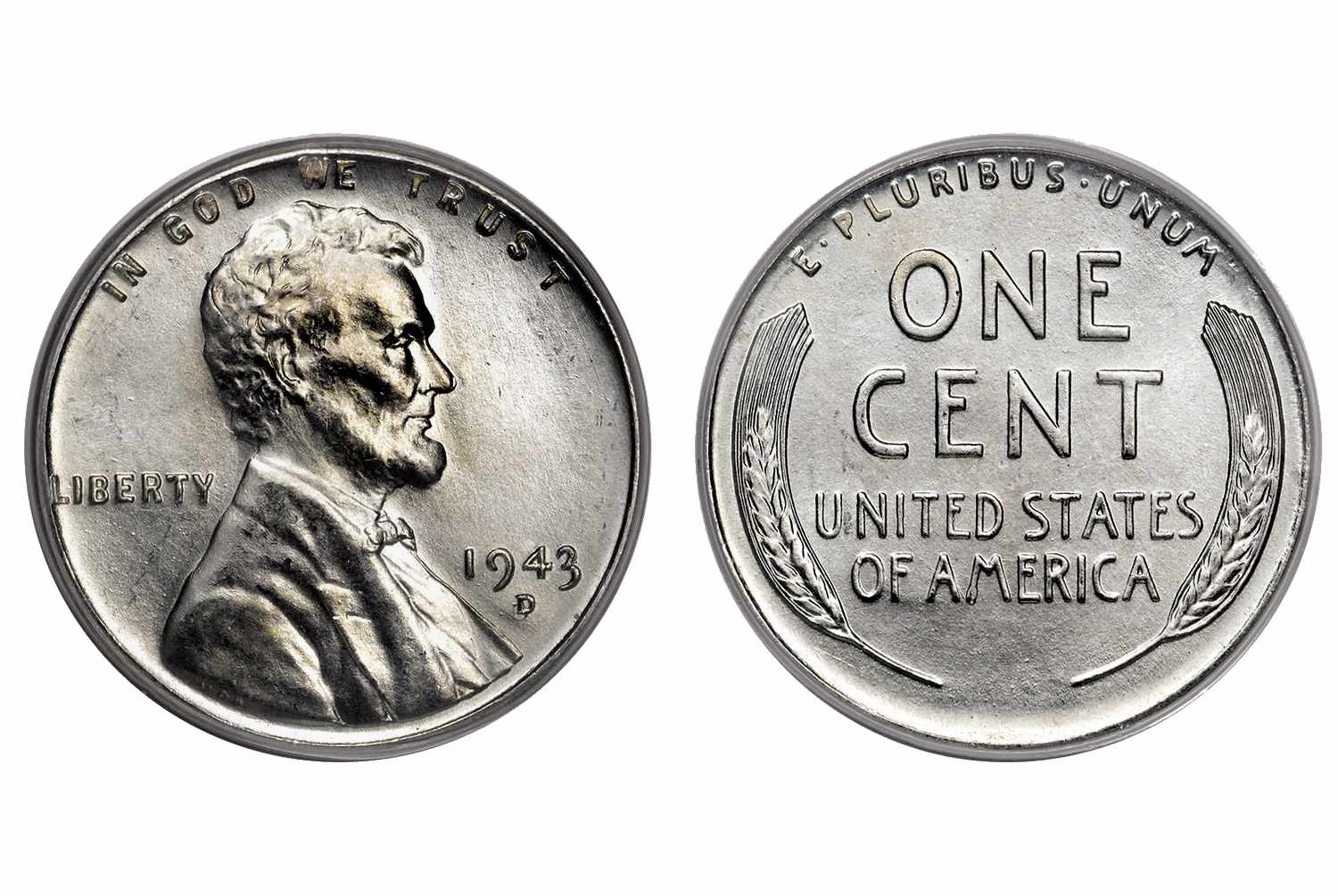
1943 steel penny value at a glance
I would first sort a 1943 cent into the groups below. A date alone cannot support a reliable cash valuation, and a shiny surface does not establish an uncirculated grade.
| Coin or condition | Useful value starting point | What to check next |
|---|---|---|
| Ordinary circulated steel cent | Modest collector premium, if a buyer wants it | Wear, corrosion, and comparable circulated sales |
| Lightly circulated steel cent | Compare the same mint and degree of wear | Original surface and remaining detail |
| Apparently uncirculated example | Grade-sensitive collector value | Luster, marks, reprocessing, and professional opinion |
| Certified high-grade example | Recent sales for the exact grade and designation | Holder authenticity and a genuinely comparable coin |
| Suspected copper-alloy 1943 cent | No reliable rare-error value until authenticated | Altered date, plating, weight, and expert examination |
This is an evaluation table, not a price list or an Agate purchase offer. No unsupported current dollar range is assigned to an unidentified circulated coin. To estimate a sale value, use completed transactions for the same mint, condition, and problem status, then account for selling costs.
Why the Mint used steel in 1943
The U.S. Mint changed the cent to zinc-coated steel during World War II to conserve copper. That gives the ordinary 1943 issue its familiar gray appearance. A small number of copper-alloy pieces were struck by mistake. The U.S. Mint’s penny history confirms that distinction.
A normal steel cent is not a silver coin. Do not place it in a silver-melt calculation because it looks silver-colored. For mixed collections, Agate’s silver-coin identification guide explains why appearance and age need to be checked against the actual issue.
How to identify an ordinary 1943 steel cent
The basic specification is zinc-coated steel, approximately 2.70 grams, and 19 millimeters in diameter. The Philadelphia issue has no mintmark; Denver and San Francisco examples carry D and S marks below the date. PCGS’s 1943 cent reference provides the steel issue’s physical specifications.
Use these checks together:
- Read the entire date. Photograph it closely enough to inspect the shape and spacing of the digits.
- Look below the date. Record no mintmark, D, or S without assuming any one is automatically rare.
- Examine both surfaces and the edge. Note corrosion, unusual color, scratches, and possible added coating.
- Check magnetic attraction carefully. Avoid dragging a magnet across the surface.
- Weigh the unencapsulated coin on a suitable scale. A holder’s weight cannot be compared with the bare-coin specification.
- Treat inconsistent results as a reason for examination. A home check can flag a question without resolving it.
Wear, damage, coating, and scale accuracy can affect an observation. Neither a plausible weight nor an attractive photograph establishes authenticity by itself.
The magnet test: a screen, not a verdict
An ordinary steel cent is attracted to a magnet. A copper-colored coin that is magnetic may simply be a plated steel cent. A nonmagnetic coin dated 1943 needs further investigation; it has not passed a complete authentication test.
The U.S. Mint’s explanation of the 1943 copper penny warns about copper-coated steel pieces and altered dates. It recommends expert authentication for a potentially copper example. That release is dated March 8, 1999: its identification advice is useful, but its old rarity counts and sale figures should not be presented as current values.
Philadelphia, Denver, and San Francisco
All three mints produced ordinary steel cents in large quantities. A D or S is an identification detail, not a certificate of rarity. The important comparison is the same mint at the same preservation level.
| Issue | Mintmark | Reported original mintage |
|---|---|---|
| Philadelphia | None | 684,628,670 |
| Denver | D | 217,660,000 |
| San Francisco | S | 191,550,000 |
Sources: PCGS entries for Philadelphia, Denver, and San Francisco, checked September 11, 2026. Mintage measures production, not how many examples survive in a particular grade.
For a collector assembling a three-mint set, matching appearance may matter. For a high-grade buyer, small differences in original surfaces can matter much more than the production total. Do not price a worn S-mint coin from the sale of a superb certified example.
What is a 1943 copper penny error?
The famous error is a cent struck on a copper-alloy blank instead of the normal steel blank. A planchet is the prepared blank that receives the design. Genuine wrong-planchet coins require specialist authentication because ordinary pieces can be plated and dates can be altered.
If you suspect one, keep the coin unchanged. Photograph both sides, the edge, and the date; record its magnetic response and weight if you can do so safely. Obtain an informed opinion before paying for a submission or buying the coin at an error premium.
Do not file, scratch, chemically strip, or polish the coin to reveal the underlying metal. Such treatment can damage an authentic collectible and still fail to resolve the date or manufacture. The sensible next step is professional examination of the complete item.
Condition, corrosion, and reprocessed surfaces
On steel cents, the surface deserves close attention. Brightness can reflect original luster, but it can also result from later treatment. A reprocessed or replated coin should not be compared casually with a problem-free Mint State coin.
Look for rust, pitting, wear, contact marks, and unnatural texture. Do not assign a top grade simply because the design remains clear. When the price depends on a high grade, use an independent grading opinion and verify any certification record against the actual holder and coin.
A verified auction example—and its limits
PCGS records a 1943-D cent graded MS68+ PCGS CAC selling for $19,520 at Heritage’s January 2026 FUN auction, lot 3595. The individual auction record identifies the coin and sale. This record was checked September 11, 2026.
That result illustrates the premium for an exceptional certified example. It is not the expected price of an ordinary circulated 1943-D cent, a raw coin described as “mint,” or an unverified error. A reported auction sale also does not establish the seller’s net proceeds after commissions and expenses.
Should you pay to have it graded?
Start with the likely benefit. Certification may make sense for a credible rare error, an important variety, or a coin whose condition could support a substantial premium. For a routine circulated example, submission and shipping costs may exceed the likely benefit.
Ask for the complete cost: grading, handling, shipping, insurance, and any required service or membership charges. Get an experienced opinion on the coin before choosing a service level. Do not assume the best possible grade when deciding whether the expense is justified.
How to compare selling offers
Face value, a dealer’s bid, an online asking price, and a completed auction result describe different things. Compare like transactions and keep the deductions visible. Agate’s buyback-quote guide explains the net-offer approach; a collectible cent still needs a coin-specific assessment.
Before selling, photograph the coin, preserve its holder and paperwork, and obtain more than one informed opinion when a meaningful premium is at stake. Keep steel cents separate from a 90% silver coin group. If your collection also contains dollars, use the separate Morgan dollar guide or Peace dollar silver-content guide for those coins.
The practical goal is to establish what you actually own, then find a comparable market. A compelling story should follow the identification, not replace it.
Frequently asked questions
Is every 1943 penny magnetic?
An ordinary zinc-coated steel cent is magnetic. A copper-alloy error would not respond the same way, but a nonmagnetic result alone does not prove an authentic error.
How can I tell steel from copper?
Use magnetic response, weight, appearance, and expert examination together. Copper-colored steel cents can be plated, and the dates of other copper-alloy cents can be altered.
Are 1943-D and 1943-S pennies automatically valuable?
No. Both mints produced large quantities of ordinary steel cents. Condition, originality, varieties, and authenticity determine which market comparisons apply.
Should I clean a 1943 penny?
No. Cleaning, polishing, or removing a coating can damage the coin and affect its assessment. Preserve it as found and seek advice before any treatment.
Should I get my steel penny graded?
Consider it when a credible error, variety, or exceptional condition may justify the full cost. Have an experienced person assess a routine circulated coin before paying submission fees.
What is a 1944 steel penny?
It is a transitional wrong-metal issue from the following year, when the normal cent was again copper alloy. A suspected example needs professional authentication; it should not be priced as an ordinary 1943 steel cent.
Keep the next step simple
Identify the coin, preserve its surfaces, and compare the appropriate market before deciding to sell or seek certification. If your interest also includes silver collecting, explore Agate’s silver collection; silver bullion is a separate product category from steel cents.