
Why Is Silver Going Up? Demand, Supply, and Price Drivers
Silver prices can rise when investment buying, industrial demand, currency movements, or supply constraints increase demand relative to available supply. Several forces can operate together, and none guarantees a lasting rally. Before reacting to a headline, check the time period and separate the metal’s spot price from a retail product’s premium.
Reviewed September 18, 2026. This is an explanation of price drivers, not a claim that silver rose today. It contains no live price, return forecast, or trading signal.
First establish what is actually going up
A screenshot of a coin price does not establish a silver-market rally. Check a consistently defined silver benchmark over the period you mean: today, the past month, or a full year. Compare matching currencies and timestamps. A product’s retail ask may rise because its premium changed even when the underlying metal price barely moved.
Record the starting price, ending price, and dates before searching for explanations. The percentage change is the ending price minus the starting price, divided by the starting price, multiplied by 100. This simple step keeps a dramatic headline from replacing a measurable question.
Industrial demand is one part of the picture
Silver is used in electronics, solar technology, and other industrial applications. Changes in manufacturing activity and technology can affect demand. The Silver Institute’s World Silver Survey archive provides annual market research, including a listed 2026 edition. Separate historical estimates from forecasts when reading any report.
Demand does not rise mechanically with the number of finished products. Manufacturers can reduce metal use per unit, change designs, or substitute materials where practical. Stronger factory output can coexist with efforts to use less silver in each unit.
Investment demand and financial conditions can move faster
Investors can buy or sell silver exposure through physical products and financial markets. Shifts in expectations about interest rates, inflation, currencies, or risk can change their willingness to hold the metal. These are explanatory channels, not reliable one-variable forecasting rules.
Silver does not pay interest. Changes in the return available on other assets can influence its appeal, but the relationship is not constant. A weaker dollar can also change the cost to buyers using other currencies. To explain a particular day, you need dated evidence rather than a permanent claim that one indicator always controls silver.
| Possible driver | Evidence to examine | What could change the story |
|---|---|---|
| Industrial demand | Dated fabrication and sector reports | Thrifting, substitution, weaker output |
| Investment buying | Reported holdings, flows, and market activity | Profit-taking or renewed selling |
| Supply constraints | Production and recycling data | Inventory releases or supply recovery |
| Currency and rate expectations | Comparable exchange-rate and yield observations | Policy surprises or changing expectations |
| Retail product shortage | Premiums for the same coin or bar | Restocking without a matching spot-price move |
Why a reported deficit does not guarantee a rally
An annual supply-and-demand balance is an accounting view of flows. A reported shortfall can be met from previously accumulated metal. The availability, ownership, and willingness to sell those stocks affect the market. A deficit figure does not say that every dealer is out of silver or that a price increase must occur on a particular date.
Likewise, a product shortage can be specific to a mint, size, distribution channel, or region. A sold-out collectible and a tight market for standard bullion are different situations. Ask which product and which part of the supply chain a shortage claim describes.
Spot price and your purchase cost can move differently
Imagine silver spot rising hypothetically from $30 to $33 while a one-ounce product premium falls from $6 to $4. The retail price moves from $36 to $37 before other costs. Spot rose 10%, but that retail ask rose about 2.8%.
The reverse can happen when demand for a specific product expands. A premium can rise faster than spot. Track both numbers if you want to understand the price you actually pay, and compare the same payment method, quantity, and delivery terms.
Use a product listing as a separate comparison
A bullion bar listing helps illustrate the retail side of the calculation. Its ask is not the same thing as a wholesale market benchmark or a future buyback bid.
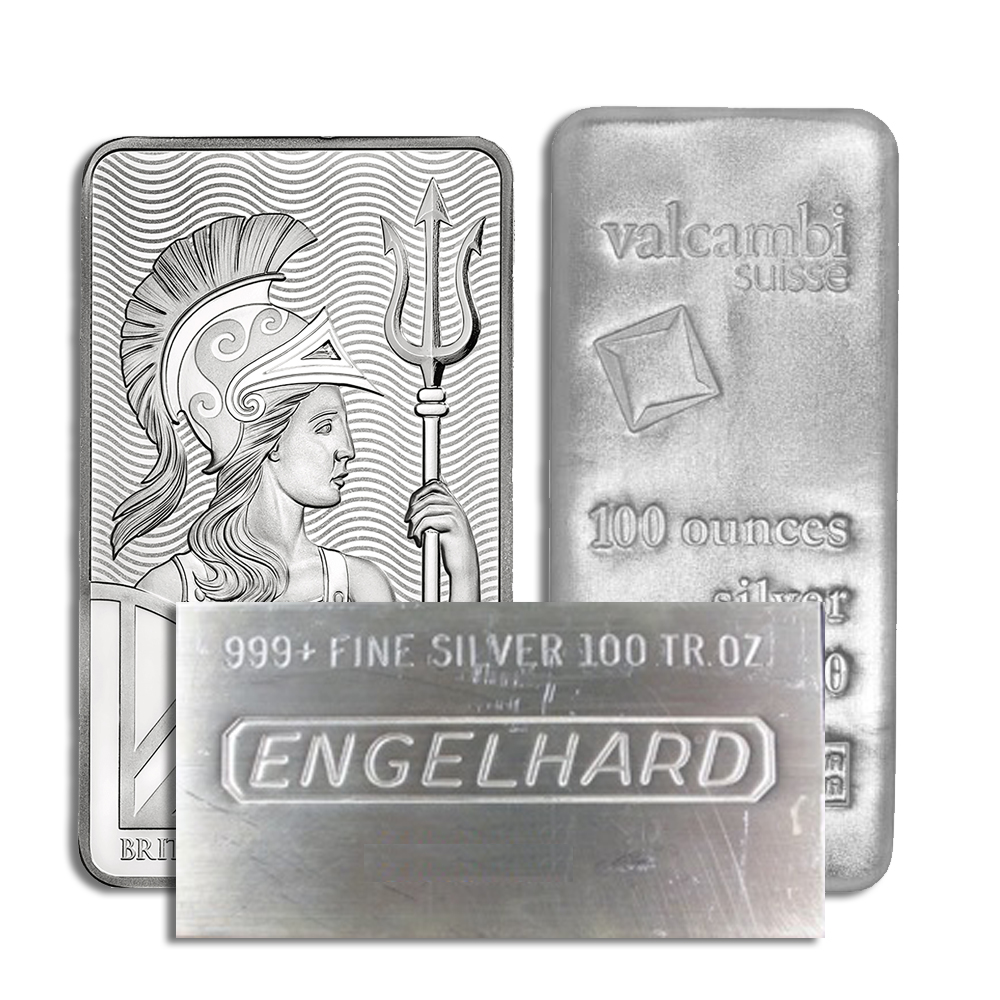
100 oz Silver Bar – Brand Varies
100 oz .999 silver, varying brand. Check its current total cost and compare like-for-like bar quotes.
Prepared September 18, 2026. Product prices, premiums, availability, and transaction terms change. Examples are educational, not offers or predictions.
A practical response to a rising market
Decide the quantity and purchase budget before reacting to urgency. Compare delivered cost per fine ounce, consider how you would sell later, and keep money for near-term obligations outside the purchase. A compelling demand story does not eliminate the possibility of a price decline.
For further research, use Agate’s silver unit-price guide alongside the silver-format comparison. The education hub connects the broader buying and pricing topics.
Frequently asked questions
Is silver going up today?
This article does not provide a live market update. Check a current benchmark with a timestamp and compare it with the same benchmark at your chosen starting point.
Does solar demand guarantee higher silver prices?
No. Demand is only part of the market. Supply, existing stocks, investment flows, and metal-saving technology also matter.
Can silver fall during inflation?
Yes. Inflation does not create a guaranteed price path for silver. Other economic and market forces can outweigh it.
Why did a coin price rise when spot barely moved?
Its premium or order costs may have changed. Compare the exact product and terms, not only the spot chart.
Should I buy because a dealer says supplies are limited?
First identify what is limited and compare other sources and formats. A product-specific shortage is not proof of a market-wide shortage.