
Roosevelt Silver Dime Value: Years, Silver and Grades
Agate Precious Metals · Coin education
Roosevelt Silver Dime Value: Years, Mintmarks and Melt Value
Roosevelt silver dime value depends on the date, mintmark, condition, finish and collector demand, alongside its silver content. Standard 1946–1964 examples are 90% silver. Melt value measures that metal at a stated spot price; it is different from a retail price, collector appraisal or dealer’s net offer.
Reviewed .
Which Roosevelt Dimes Are Silver?
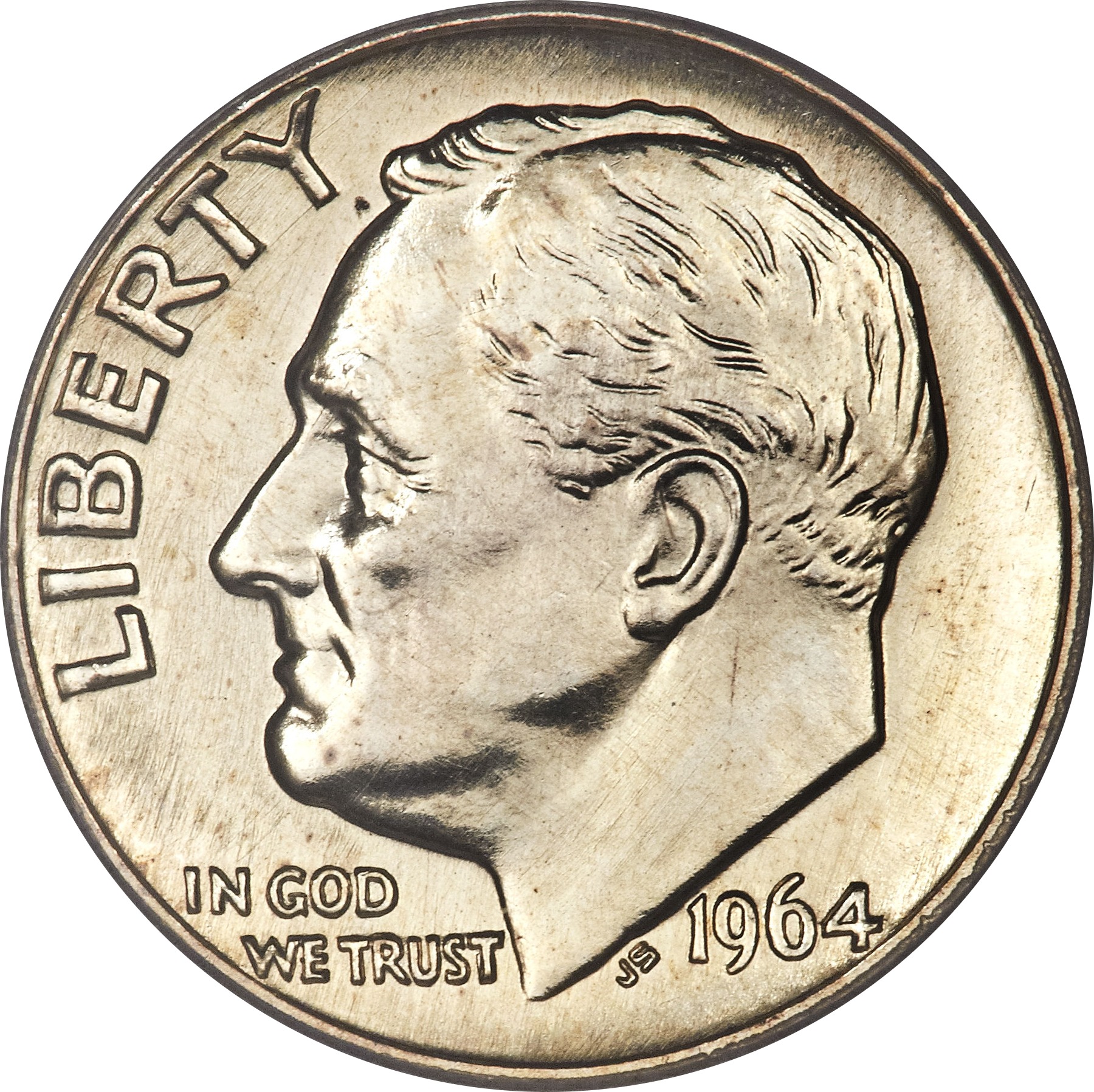
The Roosevelt dime began in 1946. Standard issues through 1964 contain 90% silver and 10% copper. Ordinary circulation dimes changed to copper-nickel clad composition in 1965.
Later silver collector issues also exist. A modern date, proof appearance or mintmark alone should not be used to infer composition. Check the exact issue against reliable specifications.
How Much Silver Is in a Roosevelt Dime?
A standard full-weight 1946–1964 Roosevelt dime weighs 2.5 grams and contains 2.25 grams of fine silver, approximately 0.07234 troy ounce. Circulation wear can reduce the actual weight.
Estimated melt value = fine-silver troy ounces × silver spot price per troy ounce.
Record the source, currency and timestamp of the spot price. Use Agate’s silver coin melt-value calculator for individual coins or the relevant face-value assumption.
For a wider identification reference, see which years of U.S. coins contain silver.
Find the Date and Mintmark
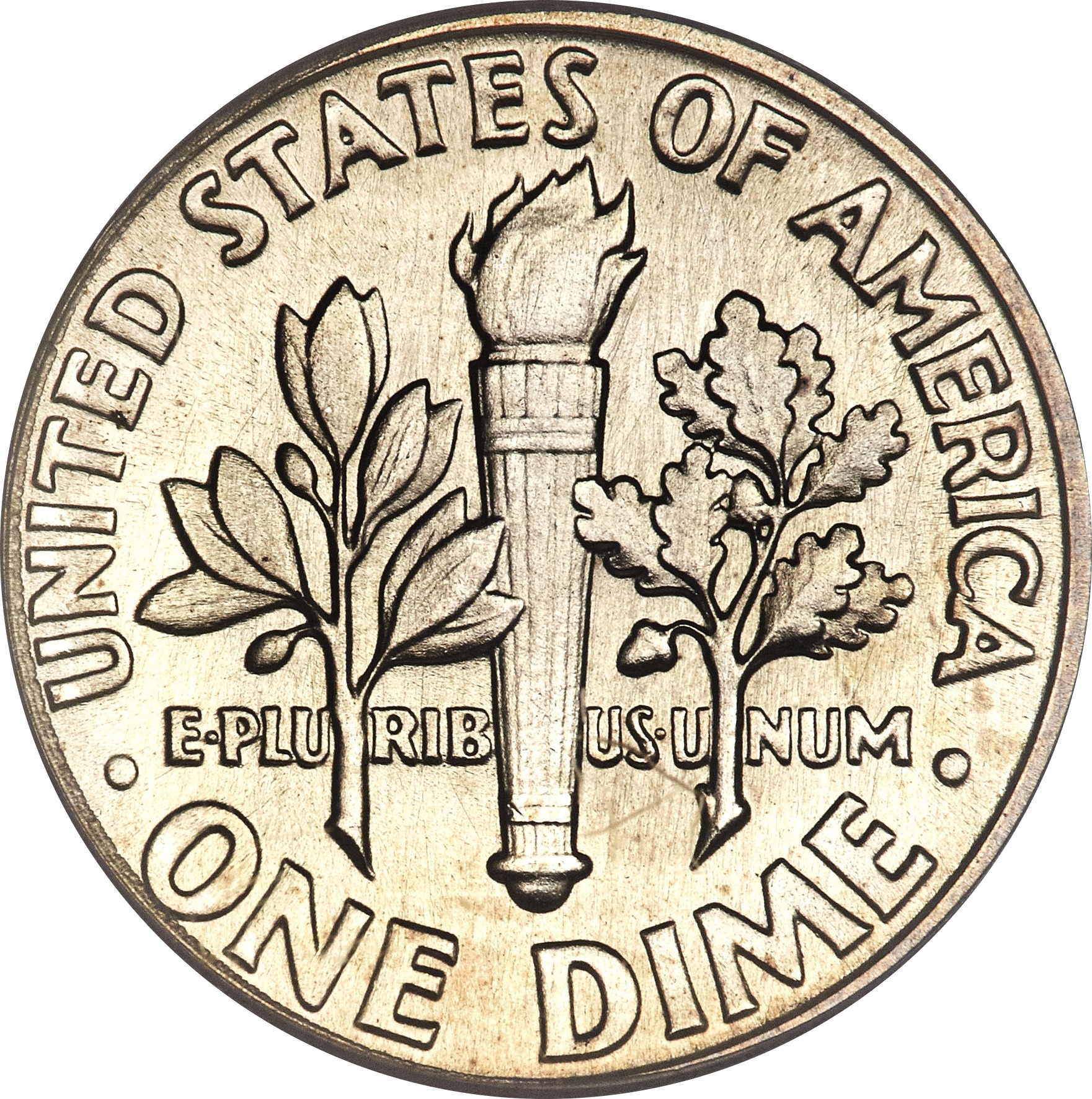
The date is on the obverse. For silver-era Roosevelt dimes, D or S mintmarks appear on the reverse near the base of the torch. Philadelphia examples normally have no mintmark.
Later dime mintmark practices differ. Do not apply the silver-era location or no-mintmark rule to every modern issue.
Condition, Proofs and Collector Interest
Review wear on Roosevelt’s portrait, torch detail, luster, scratches, contact marks and rim damage. Strike quality can affect detail independently of circulation wear. Cleaning or polishing may leave hairlines and reduce originality.
Proof status refers to production, not silver content or a perfect grade. An ordinary shiny dime should not be described as a proof without supporting identification. Certified pieces should be checked against the grading-service record and the actual holder.
Common circulated examples may be evaluated primarily as silver, while exceptional preservation or a recognized variety can require a separate collector assessment.
Compare Dealer Offers and Retail Listings
| Reference | What It Measures |
|---|---|
| Melt value | Silver content multiplied by a timestamped spot price |
| Dealer offer | A purchase quote subject to the buyer’s terms and inspection |
| Retail price | The seller’s asking price for a particular product |
| Collector comparison | Comparable sales matching date, mintmark, grade and surfaces |
Keep quantity, composition and market timestamp consistent. Ask whether the quote is per coin, per dollar of face value or per fine ounce, and subtract disclosed costs when comparing net proceeds.
Before Buying or Selling
- Confirm the date, mintmark, composition and finish.
- Record photographs and certification information.
- Separate collector candidates from common circulated lots.
- Do not clean or acid-test the coin.
- Keep invoices and obtain written net transaction terms.
Frequently Asked Questions
Which Roosevelt dimes are made of silver?
Standard 1946–1964 issues contain 90% silver. Later designated silver collector issues must be identified separately.
How much silver is in a 1964 Roosevelt dime?
At original full weight, it contains 2.25 grams of fine silver, approximately 0.07234 troy ounce. Wear can reduce actual metal weight.
Where is the mintmark on a silver Roosevelt dime?
For 1946–1964 issues, look on the reverse near the base of the torch. Philadelphia examples normally have no mintmark.
Are all silver Roosevelt dimes worth the same?
No. Although standard silver content is similar, condition, finish, mintmark, varieties and demand can change collector value and dealer offers.
Should I clean a Roosevelt silver dime?
No. Cleaning can damage original surfaces and reduce collector appeal. Preserve it as found.