
Corrosion on Coins: Verdigris, Storage and Value
Agate Precious Metals · Coin care
Corrosion on Coins: Verdigris, Prevention and Value
Corrosion on coins is a chemical change affecting the metal surface; green deposits on copper alloys are often described as verdigris. Surface color alone cannot identify the compound or determine whether deterioration is active. Avoid scraping, polishing, acids and abrasive cleaning, which can permanently damage a collectible coin.
Reviewed .
Corrosion, Toning and Verdigris
Toning and tarnish describe surface changes that may be stable or aesthetically valued by collectors. Corrosion can also cause pitting, loss of metal and unstable deposits. These categories overlap chemically, so attractive color is not proof of stability.
Verdigris is commonly used for green copper-based corrosion products. Green material may also involve residues or contamination. Identifying the cause may require examination rather than a photograph.
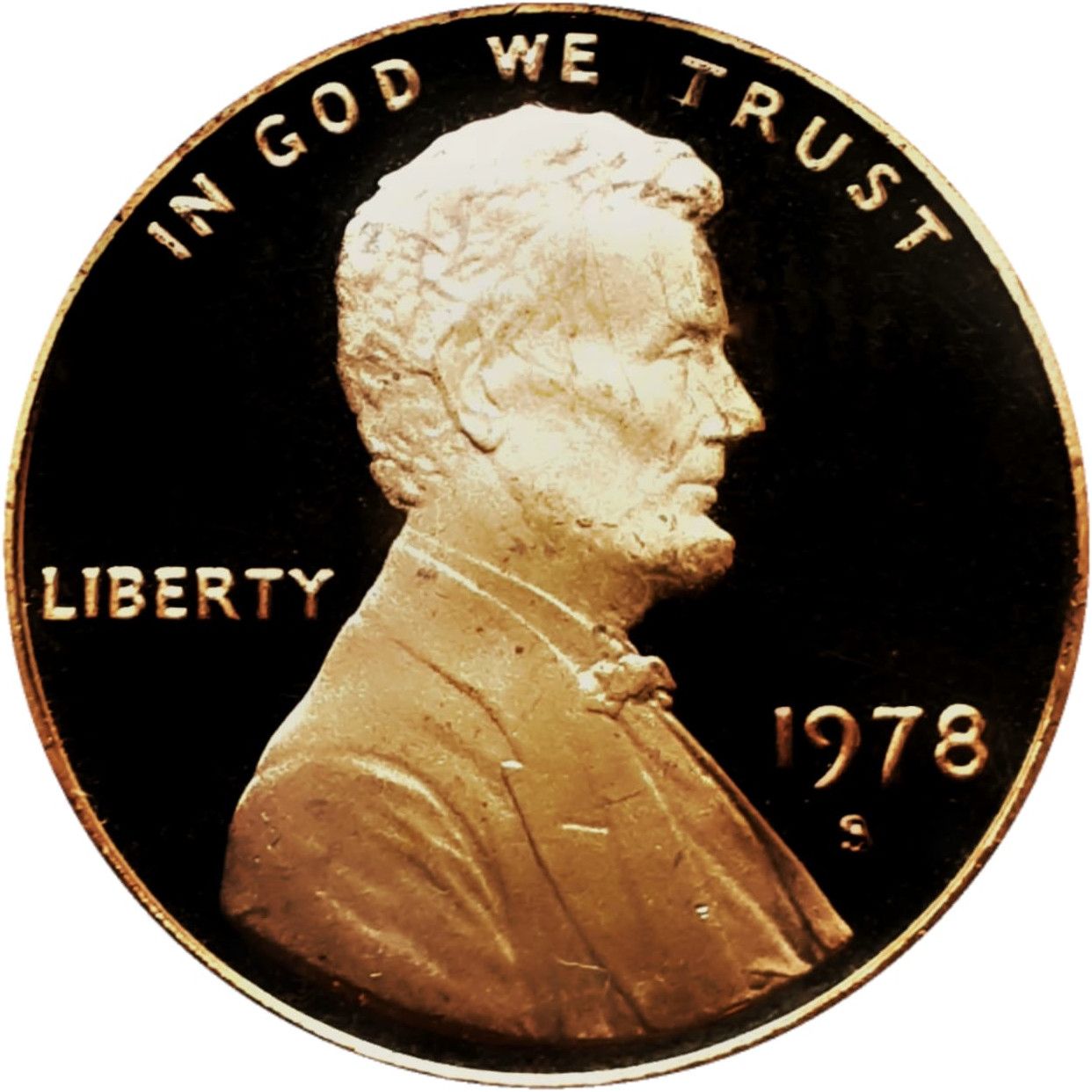
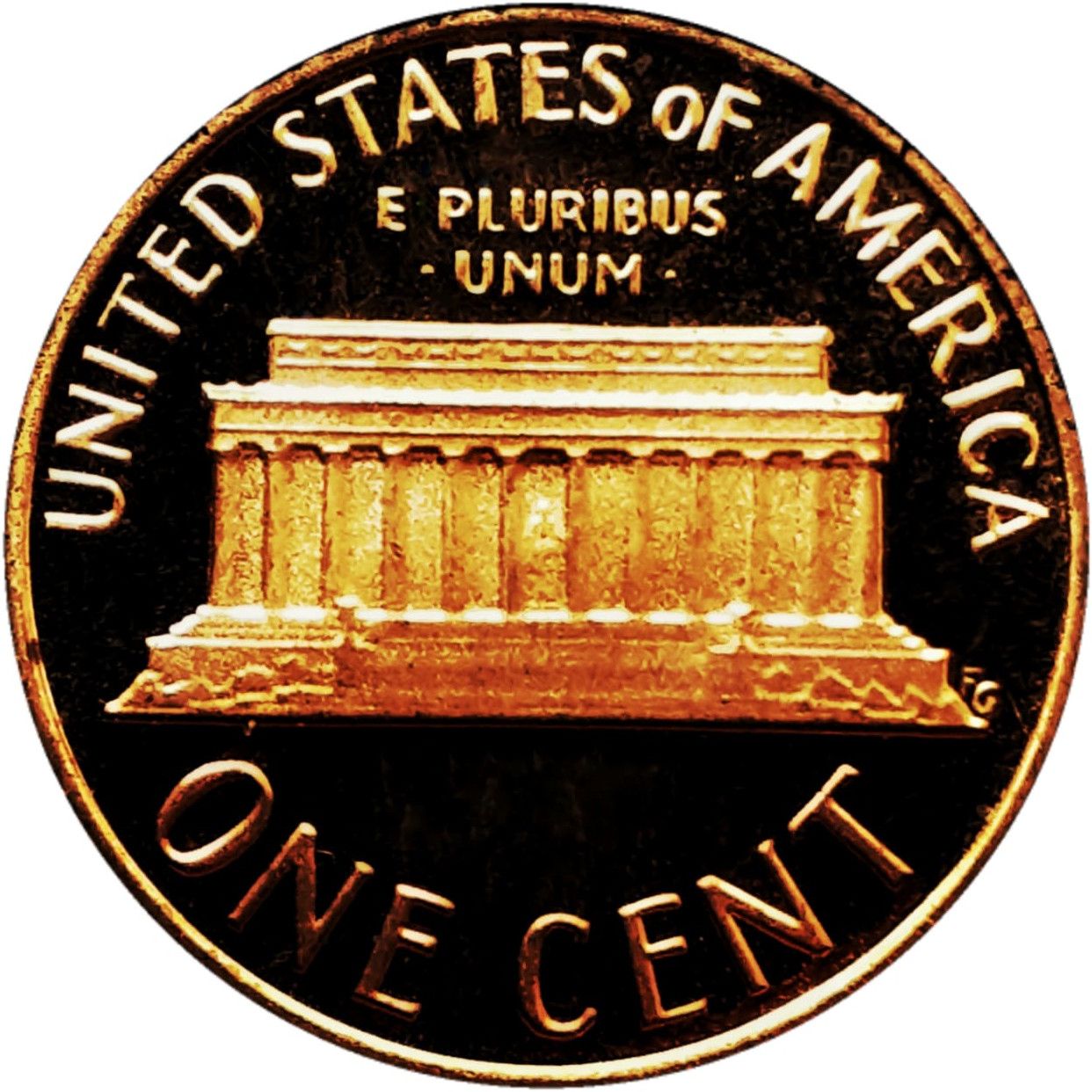
What Causes Corrosion on Coins?
Moisture, salts, pollutants, fingerprints and unsuitable storage materials can contribute to deterioration. Copper and bronze can develop colored compounds, while exposed steel can rust. The metal, environment and previous treatment affect the process.
Not every Lincoln cent has the same composition. Do not apply a bronze-cent reference automatically to a copper-plated zinc cent or a 1943 steel cent.
| Observation | What to Investigate |
|---|---|
| Green deposits | Copper corrosion products, contamination or storage residue |
| Pitting or flaking | Possible metal loss or unstable surface layers |
| Powdery changes | Potential active deterioration requiring assessment |
| Smooth discoloration | Toning, tarnish or another surface change; color alone is inconclusive |
How Corrosion Affects Coin Value
Corrosion can obscure details, change surfaces and reduce collector appeal. The effect depends on severity, rarity and the market for that exact coin. A rare damaged coin may still have collector interest, but comparisons with undamaged examples are misleading.
Metal value is a separate calculation. A silver-content estimate does not measure originality or collector demand. See Agate’s silver coin melt-value methodology when the composition has been verified.
Why Aggressive Cleaning Can Make Things Worse
Scraping, polishing, abrasive cloths and uncontrolled chemical treatments can remove metal, scratch the surface or change its appearance. Removing a deposit does not restore metal already lost to corrosion.
Professional conservation is different from household cleaning. A trained specialist assesses the metal, deposits, significance and treatment risks before recommending action. Even successful stabilization cannot promise restoration of the original condition or value.
Safer Handling and Storage
- Handle coins by the edge and avoid touching surfaces.
- Use suitable inert holders and avoid soft PVC-containing flips.
- Keep storage dry and temperatures reasonably stable.
- Separate a suspect coin from other pieces while it is assessed.
- Photograph changes and retain packaging and provenance records.
- Use monitored humidity control rather than assuming a closed box is dry.
For related surface-care considerations, read Agate’s silver coin storage guide. Different metals and surface problems may require different approaches.
When to Seek Professional Conservation
Obtain qualified advice if deposits are spreading, powdering or flaking, or if the coin is rare, certified or difficult to identify. Do not remove a certified coin from its holder without discussing the consequences with the grading service or conservator.
If selling, disclose the observed condition accurately. A retail listing for a clean example does not establish the value of a corroded piece.
Frequently Asked Questions
What is the green corrosion on a copper coin?
It may be copper-based corrosion commonly called verdigris, but green residue can have other causes. Examination is needed before selecting a treatment.
Is verdigris the same as toning?
No. Verdigris describes certain green copper-related deposits, while toning is a broader description of surface color changes. Neither term alone establishes stability.
Should I clean corrosion off a coin?
Avoid household cleaning or scraping. Preserve the coin and consult a qualified conservator when treatment may be warranted.
Can corrosion permanently reduce value?
Yes. It can remove metal and damage surfaces. Stabilization may limit further deterioration but cannot recreate lost detail.
How should corroded coins be stored?
Use suitable inert housing, a dry and stable environment, and separate storage while the problem is assessed. Document any changes.