
1960 Canadian Quarter Value: Silver and Condition
Agate Precious Metals · Coin education
1960 Canadian Quarter Value: Silver Content and Collector Checks
1960 Canadian quarter value depends on its silver content, condition, originality, finish and collector demand. The standard issue is 80% silver with a specification weight of 5.83 grams. Its metal value is a starting reference, not a retail price, appraisal or guaranteed dealer offer. Verify the exact coin before comparing values.
Reviewed .
What Is a 1960 Canadian Quarter?
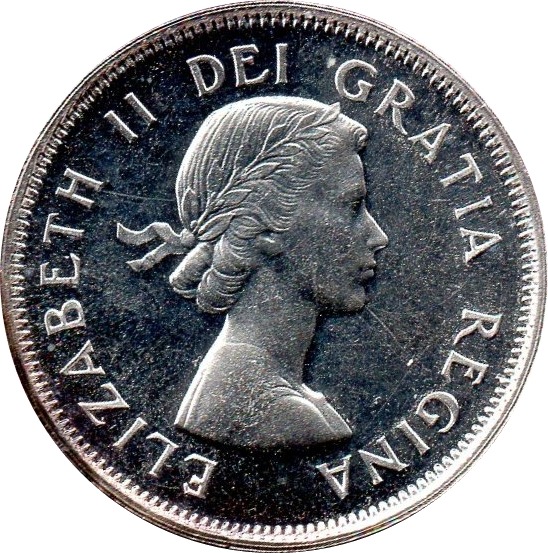
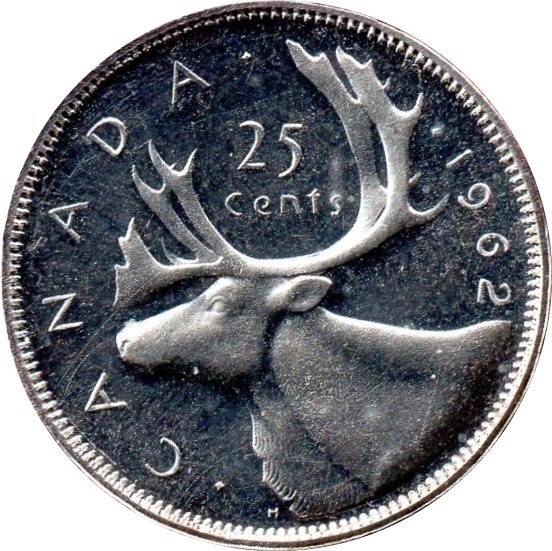
The 1960 Canadian 25-cent coin belongs to the Elizabeth II first-portrait series. The obverse carries Mary Gillick’s portrait of the Queen, while the reverse features the familiar caribou design associated with Emanuel Hahn.
Confirm the 1960 date on the reverse and the 25-cent denomination. A photograph of another date in the same series is a design reference, not an exact-date product image.
Is the 1960 Canadian Quarter Silver?
Yes. The standard 1960 issue is 80% silver and 20% copper. Its original specification weight is 5.83 grams, giving 4.664 grams of fine silver, approximately 0.14995 troy ounce.
Do not apply these specifications to every Canadian quarter. Composition changed in later periods, and the exact year and issue must be identified.
Estimated melt value = gross grams × silver fineness ÷ 31.1034768 × silver spot price per troy ounce.
For a full-weight standard example: 5.83 × 0.800 ÷ 31.1034768 × spot price.
Wear can reduce actual weight. Keep the source, currency and timestamp with the calculation. Agate’s silver melt-value guide explains the formula, but U.S. denomination presets should not be used for this Canadian coin.
Design, Condition and Finish
Compare the portrait, reverse, lettering and reeded edge with reliable references. Inspect wear, luster, scratches, contact marks, toning, corrosion and signs of cleaning. A bright coin is not necessarily original or high grade.
Canada issued collector sets with proof-like presentation. Do not describe an ordinary reflective circulation coin as a proof-like set issue without supporting identification. Finish and preservation should be compared separately.
Varieties and Authentication
Only assign a variety when a recognized reference supports it and the required diagnostics are present. An unusual mark or apparent doubling can result from damage or production effects without establishing a scarce variety.
Weight and dimensions are screening evidence, not proof of authenticity. Seek qualified evaluation when a coin conflicts with specifications or carries a significant claimed premium. Do not clean, drill, file or acid-test it.
How to Compare Canadian Coin Prices
| Price Reference | What to Check |
|---|---|
| Metal estimate | Fine silver, spot source, timestamp and currency |
| Retail asking price | Exact date, condition, finish and delivery costs |
| Completed auction sale | Matching preservation, attribution, fees and sale date |
| Dealer offer | Inspection conditions, deductions, net payment and timing |
Keep CAD and USD comparisons separate or record the exchange rate and time used. A price guide or unsold listing does not establish what a buyer will pay today.
For broader price terminology, read Agate’s spot price, premium and market-value guide.
Safe Buying and Selling Checklist
- Confirm the 1960 date and correct denomination.
- Record composition, weight and observed condition.
- Photograph both faces and the edge.
- Preserve original surfaces and supporting packaging.
- Compare like-for-like completed sales and written net offers.
- Keep invoices, certification and any provenance records.
Frequently Asked Questions
Is a 1960 Canadian quarter made of silver?
Yes. The standard issue is 80% silver and 20% copper, with an original specification weight of 5.83 grams.
How do I identify a 1960 Canadian quarter?
Confirm the reverse date and 25-cent denomination, Elizabeth II first portrait, caribou reverse and correct specifications. These checks support identification but do not independently authenticate it.
What affects value besides silver content?
Condition, originality, finish, an authenticated variety, certification and collector demand can affect the premium or dealer offer.
Does cleaning reduce its value?
Cleaning can alter surfaces and reduce collector appeal. Preserve the coin as found and seek advice before any treatment.
How should I compare a dealer offer with an online price?
Match the coin and condition, confirm the currency, distinguish asking prices from completed sales, and compare net amounts after disclosed costs.