
Best Precious Metals to Buy: Gold, Silver, Platinum, and Collectible Bullion
Best Precious Metals to Buy: A Guide to Gold, Silver & Collectible Bullion
The best precious metals to buy depend on your budget, collecting goals, storage needs, and resale plans. Gold concentrates value in a compact format, silver offers smaller purchase increments, and platinum or palladium provide different market exposure. Copper collectibles are primarily design-led purchases rather than substitutes for precious-metal bullion.
Start by deciding what you want the purchase to accomplish. Buying recognizable bullion for its metal content is different from collecting a limited-edition design. This guide explains the main formats, the costs beyond spot price, and the details to compare before ordering.
Prices, premiums, availability, and dealer bids change. This guide avoids fixed “current” prices and does not predict which metal will deliver the highest return.
Quick Answer: Which Metals Should You Compare?
- Gold bullion: Compare when compact storage and concentrated metal value matter.
- Silver bullion: Compare when you want smaller purchase amounts and a choice of coins, bars, or rounds.
- Platinum and palladium: Research when you understand their industrial exposure and have checked the available resale market.
- Copper collectibles: Choose for artwork, themes, and collecting enjoyment while keeping the metal value separate from the retail price.
Why Buy Physical Precious Metals?
Physical gold and silver offer tangible ownership. A genuine bar held directly does not depend on a corporate issuer making interest payments or repaying principal. That does not make the purchase risk-free: authenticity, theft, storage, insurance, transaction costs, and market prices still matter.
Some buyers use precious metals to diversify their holdings. Others collect coins, give bullion as gifts, or prefer owning a physical object. The reason for buying should guide the product choice.
- Tangible ownership: Coins, bars, and rounds can be held, stored, transferred, or collected.
- Different market exposure: Metal prices can respond differently from other assets, although those relationships change.
- Recognizable formats: Established bullion products can be easier for buyers to identify and compare.
- Collecting appeal: Designs, historical subjects, finishes, and series can matter beyond metal content.
Precious metals do not pay interest or dividends, and their prices can fall. They should not be treated as a guaranteed inflation hedge, a guaranteed source of profit, or a replacement for evaluating your broader financial needs.
Physical Metals vs. Financial Exposure
Owning a bar differs from owning shares in a fund, a mining company, or a futures position. Those financial products also differ from one another, so their structure and terms deserve separate review.
| Format | What You Hold | Costs and Questions to Review |
|---|---|---|
| Physical coins, bars, and rounds | A specific physical product, held directly or under a storage arrangement. | Retail premium, authenticity, storage, insurance, shipping, and resale spread. |
| Metal-linked fund shares | Shares in a fund with its own structure, holdings, and terms. | Fees, tracking, custody arrangements, trading costs, and any redemption restrictions. |
| Mining shares | Equity in a mining business rather than direct ownership of bullion. | Company operations, financing, management, production costs, and equity-market risk. |
| Futures or other derivatives | A contract linked to market prices. | Leverage, margin requirements, expiry, settlement, and potential losses. |
Agate’s shopping guides focus on physical products. If your goal is to receive a coin or bar you can keep, compare physical formats and their ownership costs directly.
Gold Products to Compare
Gold buyers can choose between bars, bullion coins, fractional pieces, and collectible issues. The best format depends on the amount you want to spend and the features you value.
Gold Bars
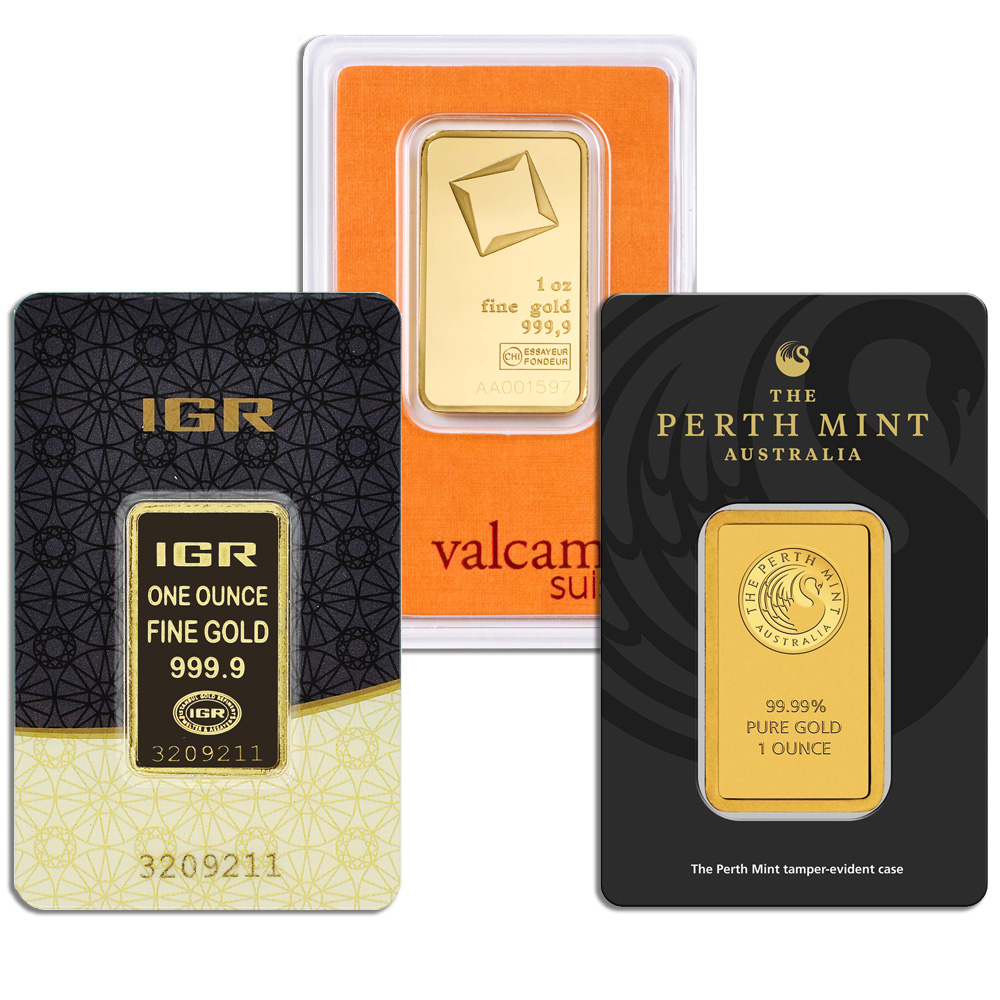
Bars emphasize weight, purity, refiner, and presentation. Compare named-refiner products with brand-varies offers, and check whether the bar is carded, sealed, or supplied without its original packaging.
A larger bar may have a lower percentage premium than a small bar, but it also requires selling or transferring a larger amount at once. A one-ounce bar is not automatically the cheapest option in every market.
Fractional Gold
Gram bars and fractional-ounce coins allow smaller purchases. Their fabrication and handling costs are spread over less gold, which can increase the premium per fine ounce.
Use Agate’s one-gram gold bar versus one-tenth-ounce gold coin comparison to separate purchase price from metal content.
Recognizable Gold Coins
Buyers often compare products such as American Gold Eagles and Canadian Gold Maple Leafs. Match the exact issue, fine-gold content, condition, and premium rather than assuming all coins with the same stated ounce size have identical gross weight or fineness.
Legal-tender face value is also different from bullion market value. Compare the coin’s contained gold and actual sale terms when evaluating an offer.
Silver Coins, Rounds, and Bars
Silver offers a broad choice of physical formats. Compare the total delivered cost and likely selling process rather than choosing only by the lowest advertised price.
| Format | Main Appeal | What to Check |
|---|---|---|
| Silver coins | Identifiable issuing authority, recognizable series, and collecting options. | Exact issue, silver content, finish, condition, and retail premium. |
| Silver rounds | Private-mint designs and a range of bullion or collectible formats. | Manufacturer, stated weight and purity, design selection, and buyback terms. |
| Silver bars | A range of weights for accumulating metal in fewer individual pieces. | Refiner, size, premium, storage space, and the resale market for that weight. |
Do not assume all silver coins contain one ounce of .999 silver. Older circulation coins and modern bullion issues can have different compositions. Likewise, a round with elaborate artwork may carry a collectible premium beyond the value of its silver.
Silver prices can move sharply. Industrial demand is part of the market, but it does not guarantee rising prices or a profitable sale.
Platinum, Palladium, and Copper Collectibles
Platinum and Palladium
Platinum and palladium offer different exposure from gold and silver. Their industrial uses and supply conditions can influence demand, while their physical retail markets may offer fewer convenient buyers for a particular product.
Before purchasing, compare both the retail offer and an indicative buyback quote for the same bar or coin. A lower purchase price alone does not tell you whether the resale spread is attractive.
Check product weight, fineness, packaging, and manufacturer carefully. Avoid choosing either metal simply because it is described as rare or because an earlier price increase attracted attention.
Copper Collectibles
Copper is a base metal, not a precious metal. Copper rounds and bars can be enjoyable purchases for their designs, finishes, and themes, but their retail price may be much higher than the underlying copper value.
Evaluate a copper collectible as a designed object. Confirm its dimensions, weight, finish, packaging, and any documented mintage. A limited production quantity does not guarantee future demand or a profitable resale.
Match the Product to Your Purpose
| Your Priority | Formats to Compare | Main Tradeoff |
|---|---|---|
| Compact storage | Gold bars and recognizable gold coins. | A larger amount of money may be concentrated in each piece. |
| Smaller purchases | Silver bullion and fractional gold. | Shipping and percentage premiums can be significant relative to the purchase. |
| Metal weight for the budget | Compare standard bars, rounds, and bullion coins. | Use delivered cost per fine ounce and actual buyback terms. |
| Collecting artwork or a series | Themed bullion, graded coins, and copper collectibles. | Collector premiums depend on demand and may not be recovered. |
| Selling in smaller increments | Multiple smaller pieces rather than one large bar. | Greater divisibility may come with higher acquisition costs. |
There is no universal allocation percentage or starter mix that suits every buyer. Consider your budget, access to cash, storage arrangements, and ability to tolerate price changes before making a purchase.
Buying Precious Metals Online Safely
Dealer selection involves more than comparing the price shown next to a product image. Read the terms that govern the actual transaction.
- Business identity: Look for clear contact details and a verifiable seller.
- Product clarity: Confirm weight, fineness, refiner or mint, condition, and packaging.
- Complete cost: Compare payment-method pricing, applicable tax, shipping, and other disclosed charges.
- Delivery terms: Check dispatch estimates, signature requirements, insurance terms, and the process for reporting a problem.
- Returns and cancellations: Read the seller’s written policies before placing an order.
- Verification: Treat markings, assay cards, and certification numbers as information to check—not substitutes for appropriate authentication.
For a more detailed checklist, read Agate’s guide to choosing a gold dealer.
What to Check on Every Product
- Weight: Identify the unit and whether the specification states gross weight or fine-metal content.
- Purity: Check the stated fineness or karat value for the exact product.
- Condition: Distinguish circulated, uncirculated, impaired, and professionally graded examples.
- Finish: Proof describes a production method or finish, not a guarantee of perfect condition.
- Mintage: Confirm the stated production limit and remember that low mintage alone does not establish value.
- Packaging: Identify the holder, capsule, card, or certificate actually included.
- Product selection: Read year-varies, brand-varies, and representative-image terms.
For carded bars, see what an assay card on a gold bar does and does not prove. For broader format comparisons, review bar sizes, purity, and premiums.
Storage, Security, and Insurance
Decide where the metals will be stored before buying. A small gold purchase and a large silver holding create different space and security needs.
- Home storage: Evaluate the safe’s security rating, installation, access, and insurance coverage. Do not assume a household policy fully covers bullion.
- Safe deposit boxes: Review access arrangements and confirm whether separate insurance is needed.
- Third-party storage: Read ownership, allocation, insurance, withdrawal, and fee terms carefully.
Keep an inventory with photographs, invoices, weights, and identifying numbers where applicable. Store records securely and separately from the items when practical.
How to Start Small
A first purchase can be an opportunity to learn the ordering, delivery, storage, and recordkeeping process. Choose an amount that fits your budget and a product whose specifications you understand.
- Choose whether your priority is bullion weight, collecting, or gifting.
- Compare a few products with the same fine-metal content.
- Calculate the complete purchase cost.
- Check the likely resale process and any testing requirements.
- Arrange storage and keep the purchase records.
Regular purchases can spread buying dates across different market conditions, but they do not guarantee a profit or prevent losses. Small orders also deserve a shipping-cost comparison.
Shop Gold and Silver
Compare the following Agate listings by format, metal content, packaging, and current terms. Product links provide pricing and availability; no fixed prices are quoted here.
 Gold Coin
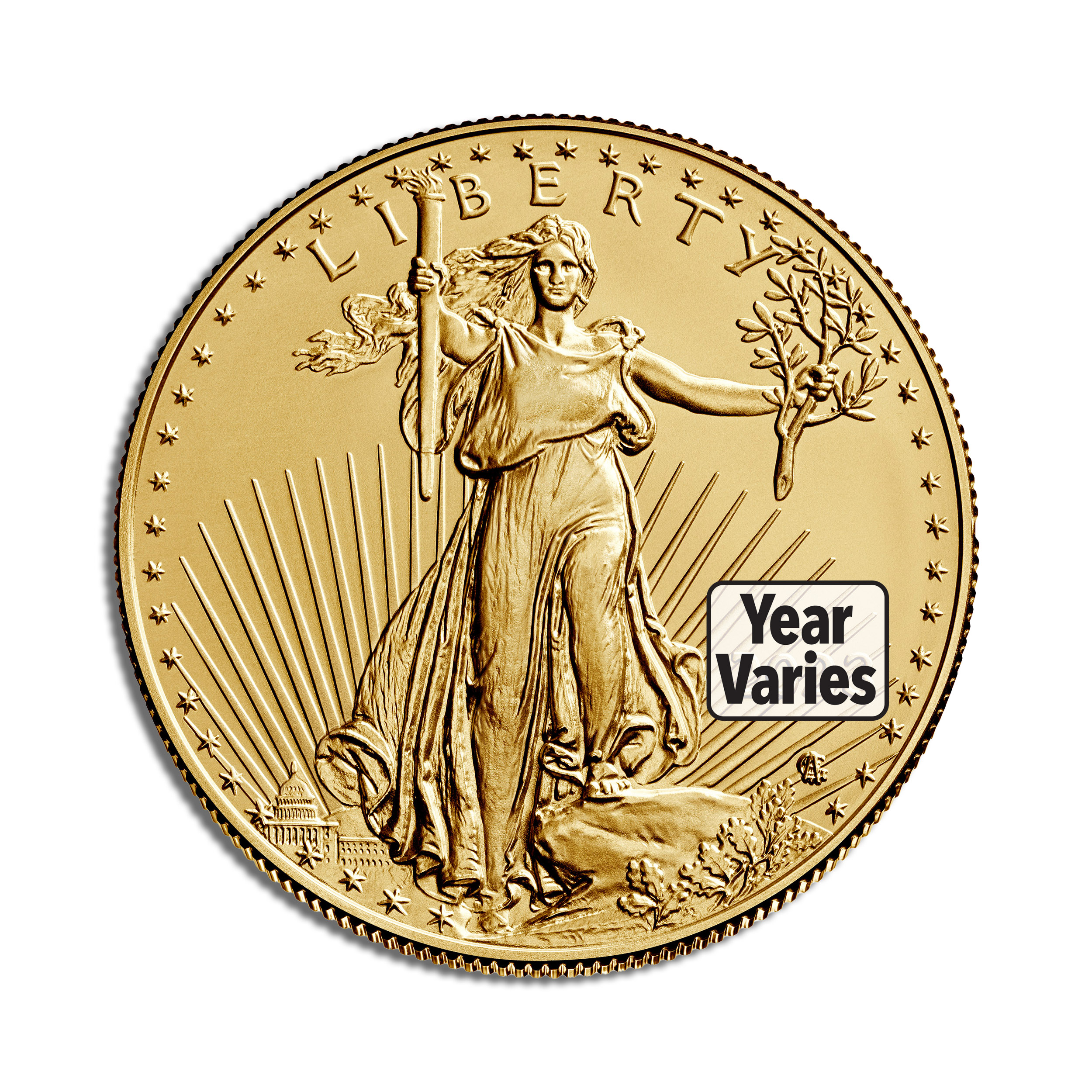
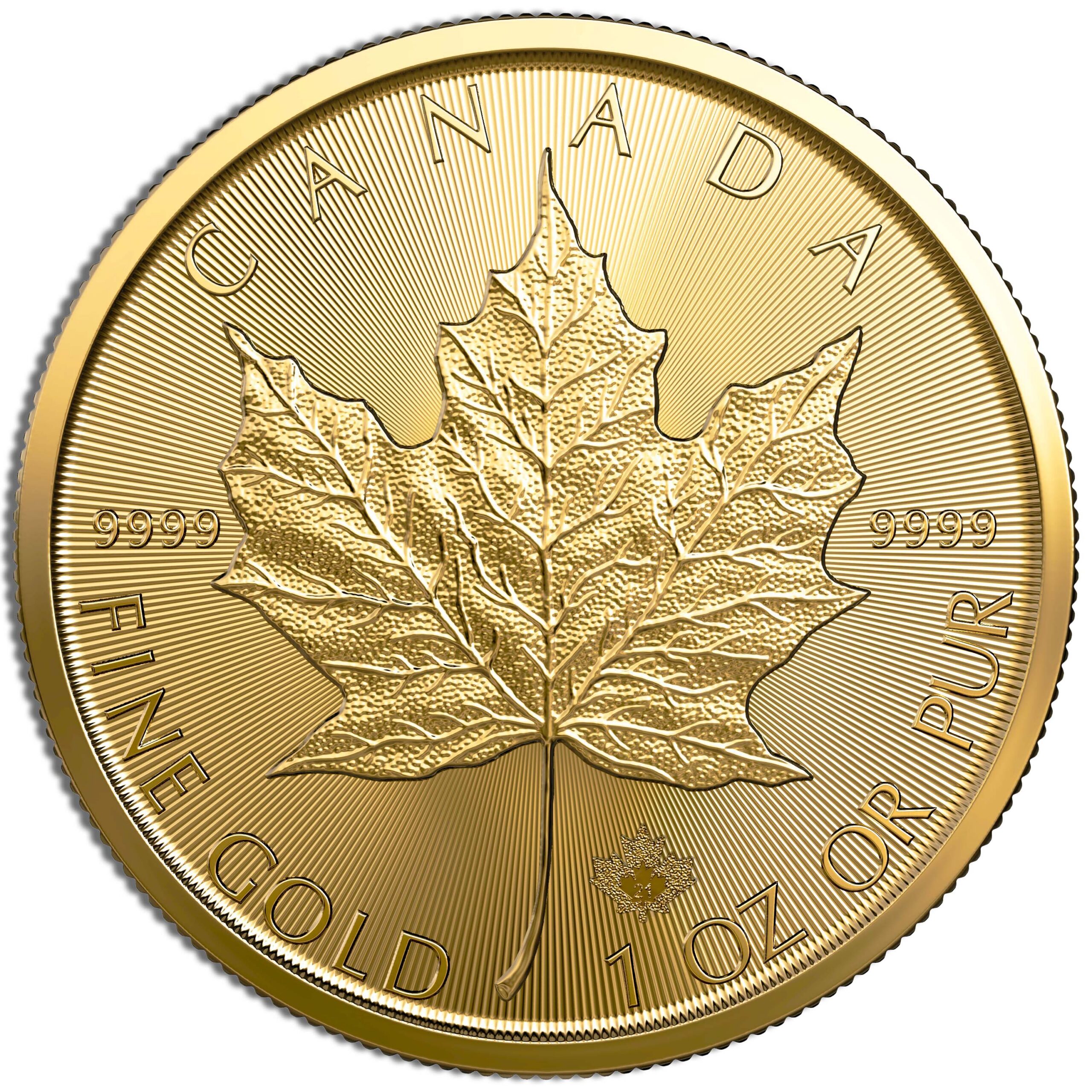
1 oz Gold Eagle — BU
A year-varies American Gold Eagle listing. Review the exact condition and selection terms.
 Fractional Gold
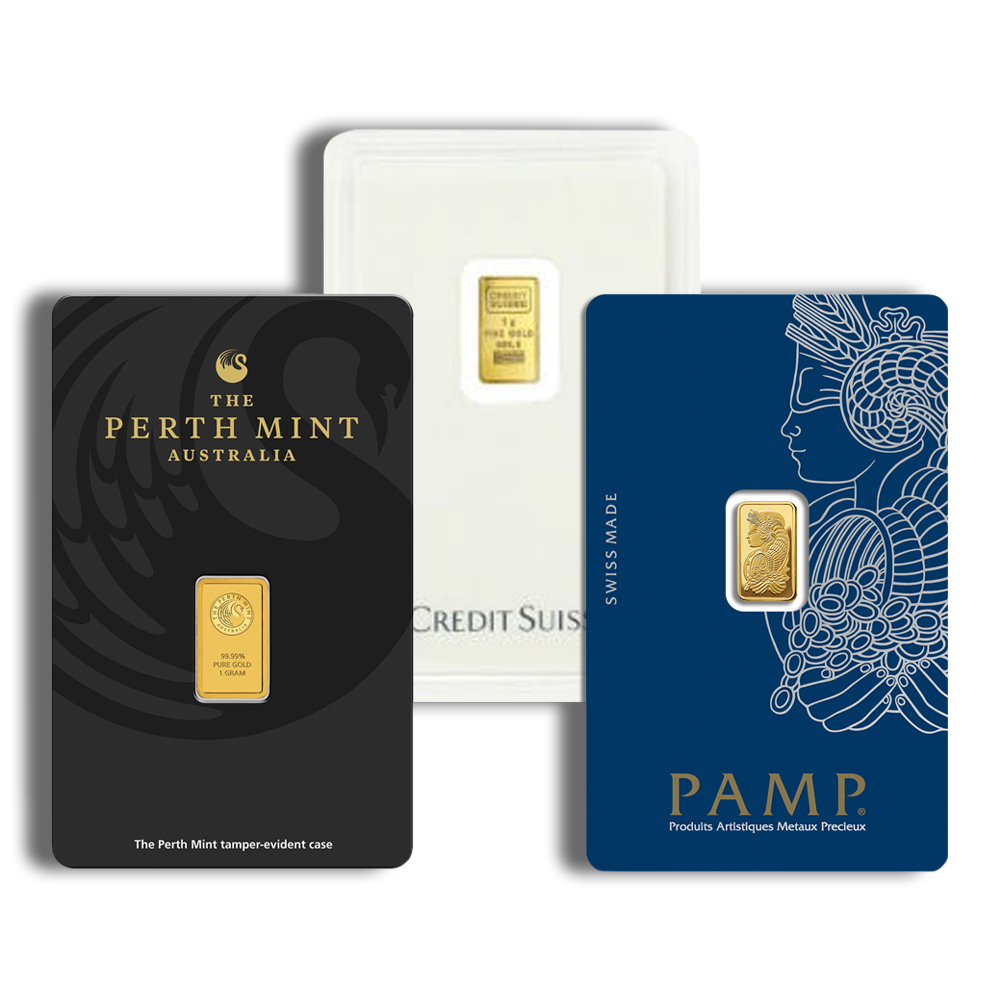
1 Gram Gold Bar — Carded
A smaller gold-bar format with carded presentation. The supplied brand may vary.
 Silver Coin
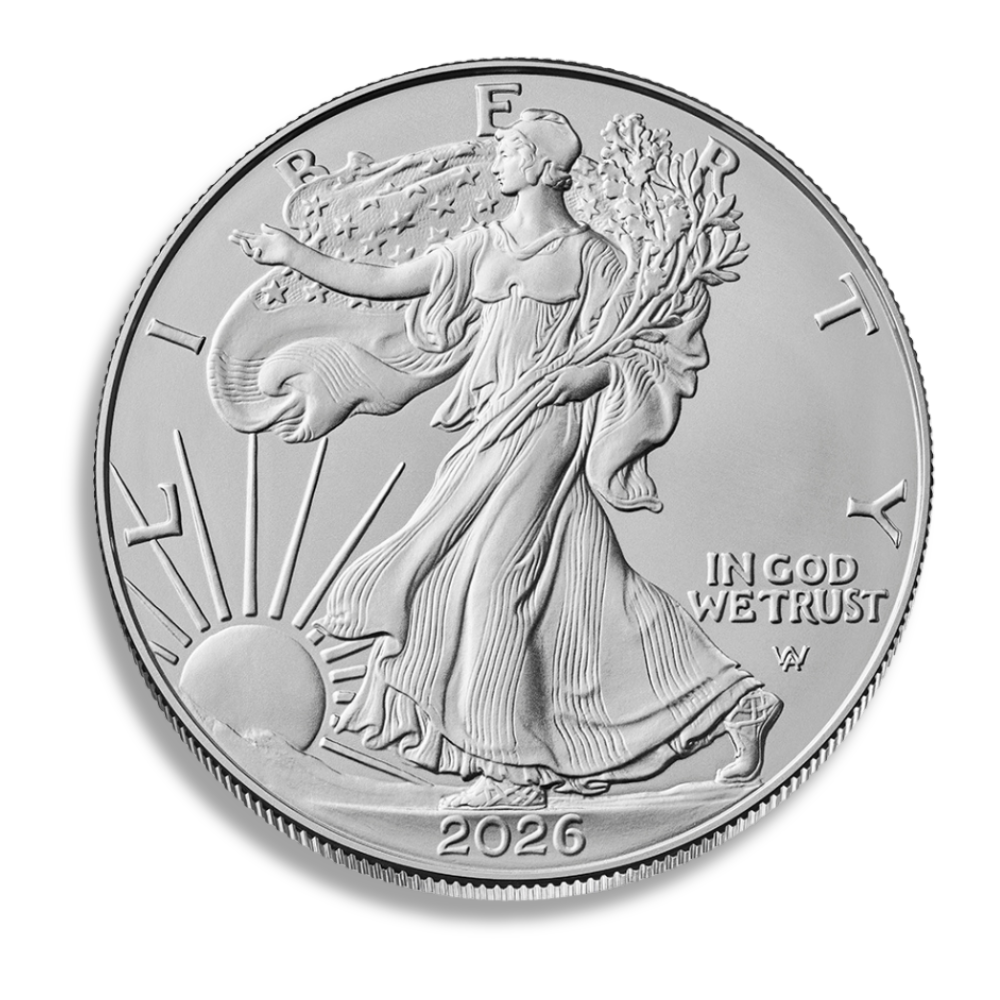
2026 American Silver Eagle
A 2026-dated American Silver Eagle listed in Brilliant Uncirculated condition.
 Silver Coin
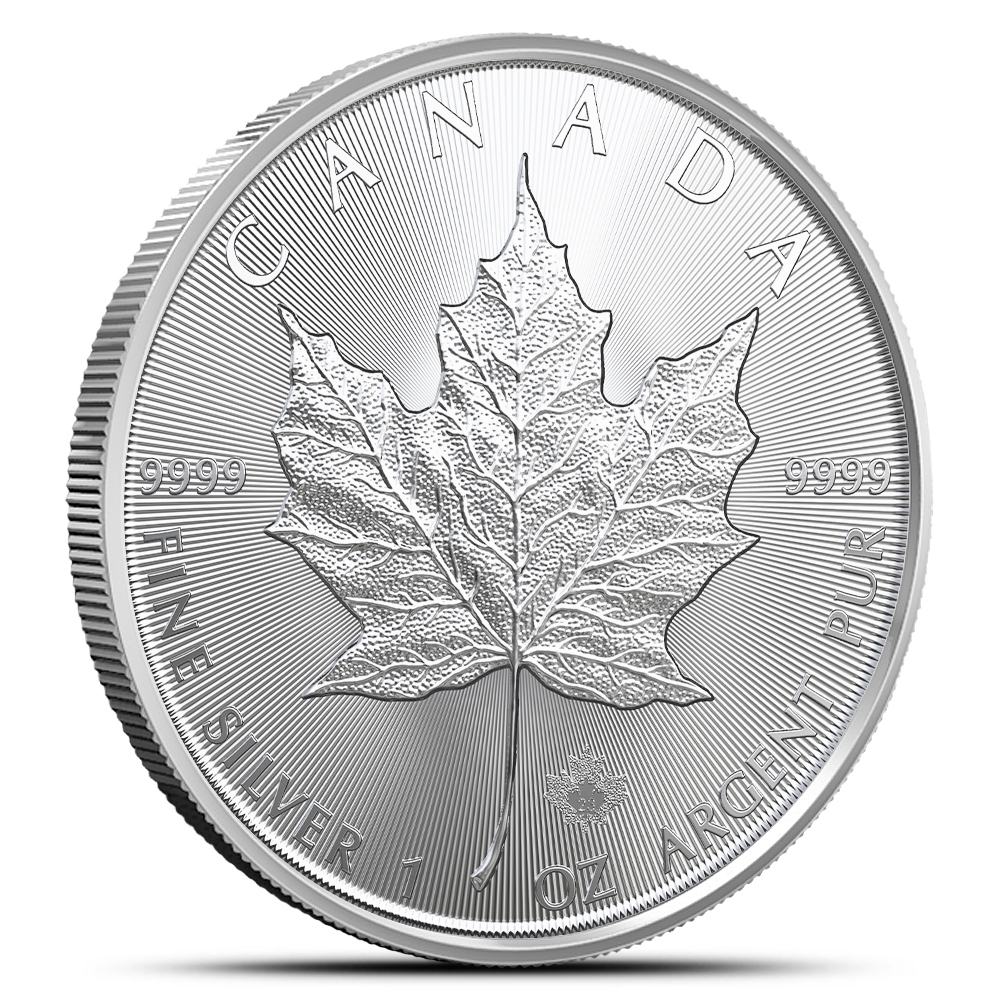
2026 Silver Maple Leaf
A one-ounce Canadian Silver Maple Leaf listing for the 2026 issue.
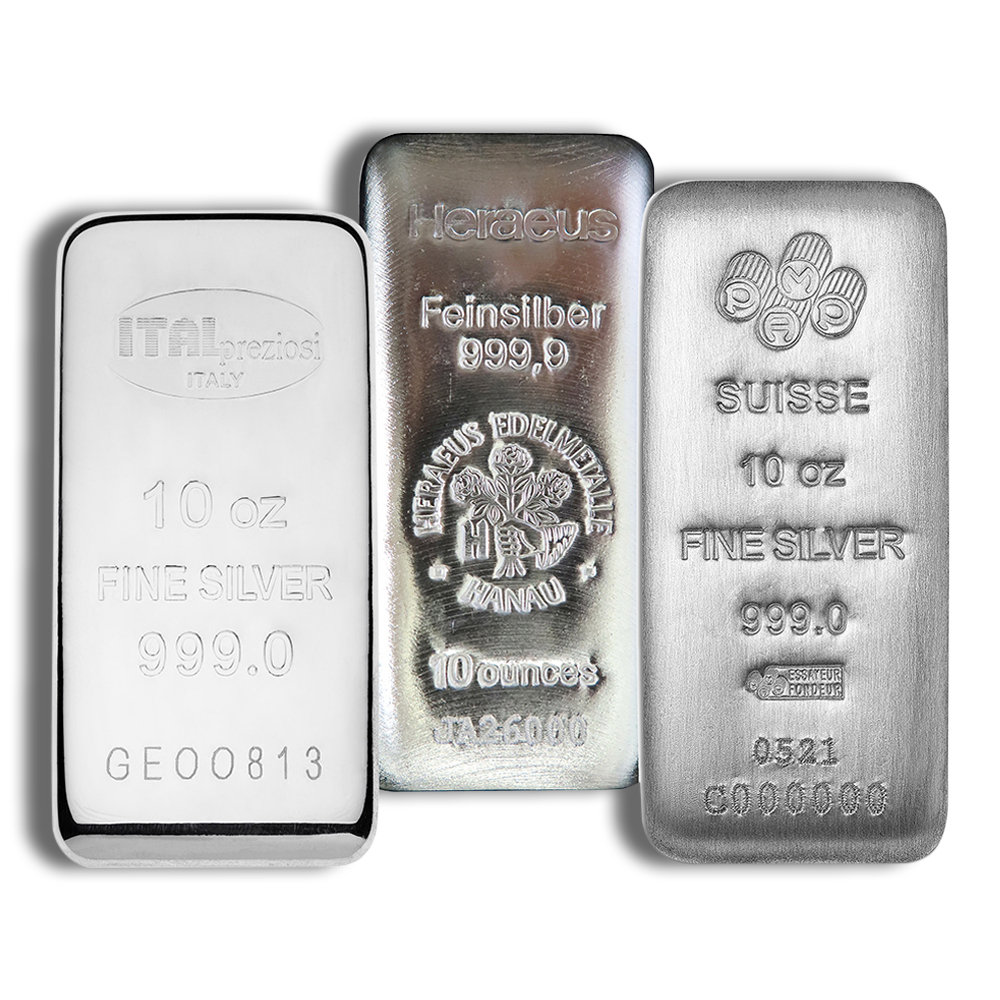
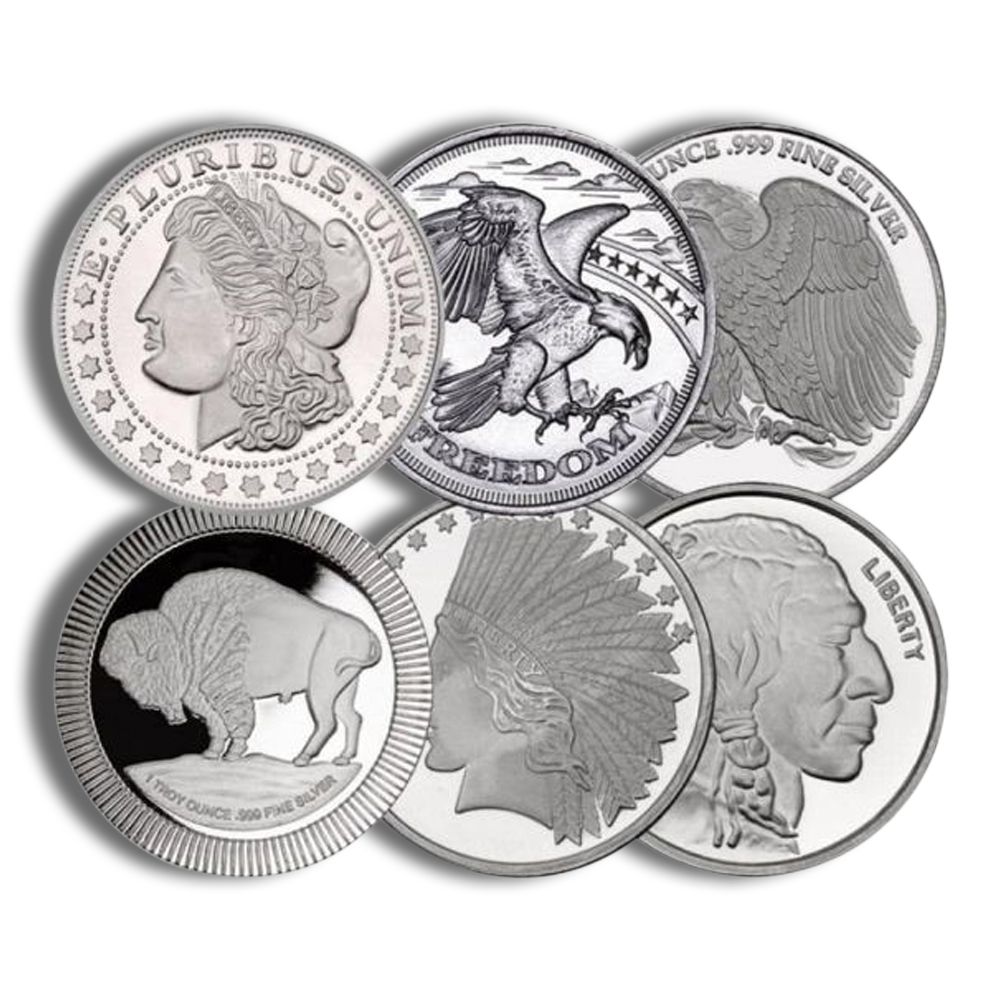
Review each live listing before ordering. Representative images do not guarantee a particular date, design, or brand where the listing allows variation.
Frequently Asked Questions About Buying Metals
Is it better to buy gold or silver first?
That depends on your purchase budget, storage space, and purpose. Compare smaller silver purchases with fractional gold using total delivered cost and fine-metal content. Neither metal guarantees better future performance.
Are silver rounds as good as silver coins?
They serve different preferences. Compare weight, purity, manufacturer, premium, and resale terms. A government-issued coin may appeal for its series and denomination, while a private round may appeal for its design or purchase cost.
How much should I pay over spot?
There is no single appropriate premium for every product. Compare current offers for the same weight, refiner or issue, condition, and payment method. Include shipping and other applicable charges, and keep collectible premiums separate from metal value.
Is buying silver online safe?
Evaluate the seller’s identity, written policies, product details, payment process, and delivery terms. Keep records of the listing and transaction. A polished website or low price alone does not establish authenticity or reliable fulfillment.
Should I buy graded coins or bullion?
Graded coins may suit collectors who value a specific date, variety, and assessed condition. Standard bullion is generally evaluated more directly by metal content and premium. Certification does not guarantee a future selling price.
Are copper rounds precious-metal investments?
Copper is a base metal. Copper rounds can be collectible objects, but their retail price often reflects production and design rather than copper content alone. Buy with that distinction in mind.
Find Your Next Piece at Agate Precious Metals
Browse bullion and collectibles by metal, weight, design, and presentation. Use the product specifications and current checkout terms to compare your options before ordering.
Agate Metals disclosure: This guide is educational and does not provide individualized investment advice. Precious-metal prices and collectible premiums can decline. Availability, specifications, delivery terms, and dealer bids can change. Verify the exact listing and transaction terms before purchasing.