
Silver Melt Value Calculator Guide: Sterling, 925, and 90% Silver
Silver Melt Value Calculator Guide: Sterling, 925, and 90% Silver
Silver melt value is estimated from eligible metal weight, silver purity, and a reference price per troy ounce. Sterling uses a .925 fraction; a confirmed 90% silver alloy uses .900. Do not apply those fractions to silverplate or to the full weight of filled objects. This is a calculation guide, not a live quote or a guaranteed selling price.
How to estimate silver melt value
Melt estimate = eligible grams × silver fraction ÷ 31.1034768 × silver price per troy ounce.
The key word is eligible. A solid spoon and a weighted candlestick are different weighing problems. The first may be mostly the marked alloy; the second may include substantial filler. You need the weight of the relevant alloy, not simply the number displayed when the entire object is placed on a scale.
Sterling silver, 925, 900, and silverplate
| Description | Starting point | Main caution |
|---|---|---|
| Sterling or 925 | .925 if composition is confirmed | Filled parts and attachments may not share that composition |
| Confirmed 900 silver | .900 | Verify the actual coin or item, not just a general category |
| Fine silver bullion | Use its stated, verified fineness or fine-metal content | Avoid applying purity twice to a stated fine weight |
| Silverplate or EPNS | No whole-item sterling fraction | A silver surface does not make the base metal silver |
Hallmarks help identify what to investigate; they do not authenticate an item by themselves. Keep unclear pieces in a separate group until evaluated. See the FTC’s jewelry and precious-metal terminology guidance for distinctions between precious-metal descriptions.
Troy ounces versus standard ounces
Precious-metal price references commonly use troy ounces, each equal to 31.1034768 grams. The ordinary ounce used by many kitchen scales is approximately 28.3495 grams. A scale reading of “oz” is therefore not enough: check which unit it uses. Grams make the conversion explicit.
For example, 100 grams is about 3.2151 troy ounces of gross material. That is not 3.2151 troy ounces of pure silver when the object is sterling. Apply the purity fraction to obtain the fine-silver amount.
Worked examples: sterling and 90% silver
These examples use an intentionally hypothetical $30 per troy ounce silver reference. It is not today’s silver price or a purchase quote. The 90% example uses a weighed lot, not an assumption about any specific denomination’s face value.
| Eligible material | Fine silver | Estimated melt at the hypothetical reference |
|---|---|---|
| 100 g confirmed sterling alloy | 92.5 g | $89.22 |
| 100 g confirmed 90% silver alloy | 90 g | $86.81 |
| 10 g confirmed sterling alloy | 9.25 g | $8.92 |
The sterling calculation is 100 × .925 ÷ 31.1034768 × 30 = $89.22. Use a new reference price when making your own estimate and retain full precision until rounding the final amount.
For coins, confirm the issue and composition before using .900. Silver-looking coins are not automatically silver, and different issues can have different alloys. Wear can reduce actual weight. If using a published standard weight instead of a measured weight, disclose that assumption.
Coins may be worth more than melt
Date, mintmark, condition, scarcity, grading, and collector demand can all affect resale value. A common bullion coin also trades as a recognized product, not simply as unidentified scrap. Keep coins in their holders and original packaging, and do not polish them before asking for an assessment.
The product example below illustrates the distinction: a retail bullion listing is not a bid for an unrelated scrap lot. Its asking price must not be used as a per-ounce scrap payout assumption.
Why a dealer offer may differ
Testing, refining, sorting, handling, and market risk can affect the bid. Non-silver components can change the payable weight, and assay findings can change the purity assumption. Request an itemized net offer and ask how it relates to the estimate. An unexplained lump sum is harder to compare than a transparent calculation.
How to sell scrap silver safely
Photograph the items and markings, keep an inventory, and confirm acceptance before traveling or mailing anything. Ask about testing methods and get authorization terms before any destructive assessment. For mail-in evaluation, confirm coverage for precious metals, payment timing, and the cost of returning declined items. Save the final settlement paperwork.
Compare recognizable bullion products
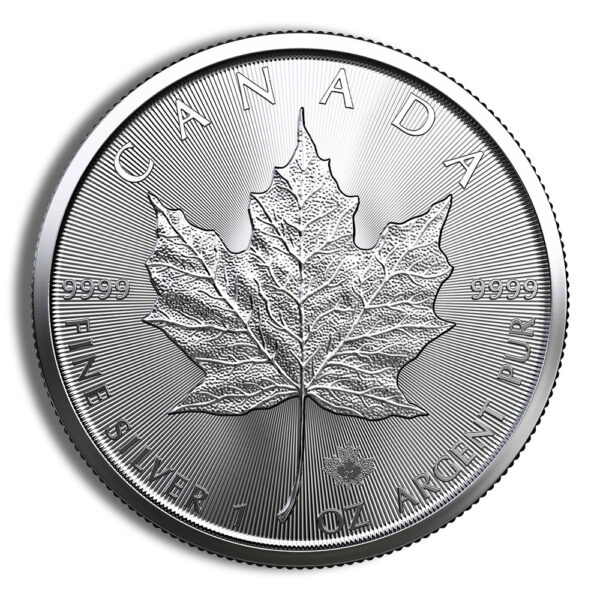
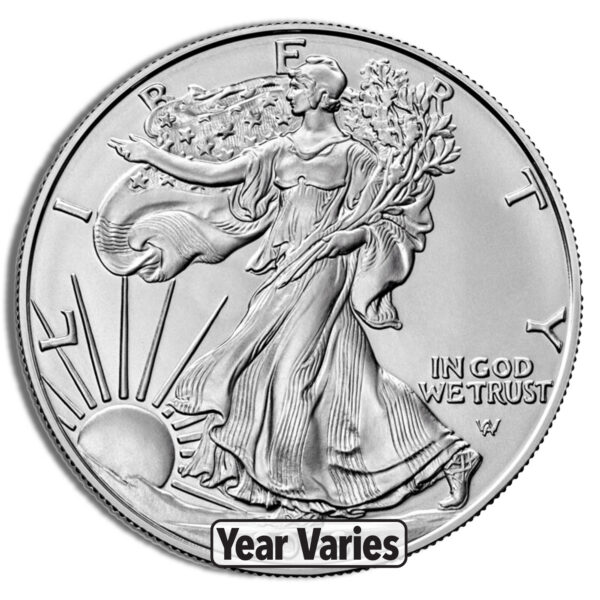
Coins and bars deserve a product-level evaluation before being treated as scrap. These Agate catalog examples show familiar bullion formats; retail asking prices are not offers for your items.
Silver coin
1 oz Canadian Silver Maple Leaf
A year-varies silver bullion coin. Compare its retail presentation with a metal-only estimate.
Silver coin
Silver American Eagle — BU
A year-varies American silver bullion coin; its retail price is separate from a scrap buyback offer.
Follow each listing for current details and availability. Contact Agate separately to discuss selling or evaluation arrangements.
Frequently asked questions
Is 925 the same as sterling?
It commonly denotes the sterling purity of 92.5% silver. The composition still needs confirmation, and non-silver components must be handled separately.
Can I use the whole weight of a weighted candlestick?
No. Its gross weight can include filler. Obtain an appropriate assessment of the silver-bearing material instead of treating all the weight as sterling.
Is silverplate worthless?
Not necessarily as an object, but do not estimate it as solid sterling. Design, maker, use, and resale interest are separate from recoverable silver content.
Should every 90% silver coin be sold at melt?
No. Identify the coin and consider collectible value before accepting a metal-only offer.
Why is my estimate different from the buyer’s?
Compare units, actual eligible weight, confirmed purity, reference time, and deductions. Any of those differences can explain the result.
Related Agate guides
Where to Sell Scrap Gold and Silver Near Buffalo and West Seneca · How to Sell Scrap Gold and Silver · Gold Melt Value Calculator Guide: 10K, 14K, 18K, and 24K
Contact Agate Metals to discuss evaluation arrangements before visiting or shipping.