
Where to Buy Silver Coins Near You: Local Dealer Tips
Where to Buy Silver Coins Locally
If you want to buy silver coins in person, local coin shops and precious metals dealers let you inspect every coin before paying, walk out with your purchase the same day, and avoid shipping delays or package theft. Selecting a reputable local coin shop can provide immediate possession of purchased coins, and the hands-on experience of examining weight, purity, and condition is something online ordering cannot replicate.
For a deeper look at the price drivers behind this coin, read Agate’s guide to American Silver Eagle prices.
Find trusted local silver coin dealers in your area and start building your collection today.
Why Local Silver Coin Buying Works
Walking into a store and holding a coin before you purchase it removes several risks that come with online orders. You can verify weight on a precision scale, check purity markings, and examine the condition of each piece under proper lighting. Silver has intrinsic value, appealing to collectors and investors alike, and confirming that value in person before handing over cash matters.
Local buying also supports privacy. Cash transactions require no digital trail for amounts below federal reporting thresholds. For investors who want to add silver bullion to a portfolio without creating an extensive paper record, a neighborhood coin shop is the most direct way to do it.
Building a relationship with a dealer pays off over time. Repeat customers at many local shops receive better buyback offers and early access to new arrivals. A dealer who knows your collecting goals, whether you focus on rare coins, government-minted bullion, or vintage 90% silver pieces, will set items aside when they come through the door. The US Mint issued 90% silver coins until 1964, and these pre-1965 pieces still circulate through local shops via estate purchases.
Why Choose Local Dealers for Silver Coins
Hands-on examination is the primary reason to buy locally instead of clicking “add to cart.” Silver coins typically contain .999 or .9999 pure silver, and verifying that purity against published mint specs takes a scale, a magnet, and about 60 seconds at a dealer’s counter.
Established local dealers often offer buy-back policies that online-only retailers do not match. Selling silver back to an online dealer means shipping, insurance costs, and waiting days for payment. For a broader comparison, see how to compare local and online selling options. A local shop can hand you cash or store credit in minutes. Buyback prices for liquid bullion like American Silver Eagles typically land between spot price and spot minus $1 per ounce at reputable shops, while less common items may see wider spreads.
No shipping costs or insurance fees apply. Online orders from dealers like JM Bullion or SilverTowne (which offers free shipping on orders over $200) still expose you to delivery risks. Walking out of a local shop with coins in hand eliminates that variable entirely.
Local dealers also tap into estate sales and inherited collections that never appear on e-commerce sites. A collector in a Midwest shop might find a Morgan Dollar variety or a key-date Walking Liberty half that an online marketplace would price at full catalog value, while a local dealer prices it based on what they paid at an estate buy.
Types of Local Silver Coin Sources
Coin and Precious Metals Shops
Dedicated coin shops carry the widest variety of silver products under one roof. Most local coin shops offer bullion coins and collectible types of coins, from American Silver Eagles (a popular bullion coin backed by the U.S. government) to graded numismatic pieces in NGC or PCGS slabs.
Staff at these shops typically know grading standards, mint history, and current market conditions. Many carry annual-release silver bullion coins issued by sovereign mints around the world, including products from Australia, Great Britain, and Canada. Gilded silver bullion coins with a thin layer of 24-karat gold and colorized silver bullion coins featuring lacquered designs fall into popular categories that dedicated shops stock. Inventory changes based on market prices and local supply, so calling ahead saves time.
Premiums at coin shops run roughly $1.75 to $2.50 over spot for generic 1-oz silver rounds, according to a survey of 25 U.S. coin shops. Government-minted coins carry higher premiums; Silver Eagles sometimes sell for $8 to $12 above spot depending on the market and region.
Pawn Shops and Estate Buyers
Local pawn shops frequently buy and sell silver coins and precious metals. Pricing at pawn shops for silver coins can vary and should be checked against current market values. The advantage here is the chance to find estate silver priced below what a specialized dealer would charge. A pawn shop owner who acquired a collection as part of a broader estate lot may not price individual pieces at full numismatic value.
The trade-off is risk. Pawn shop staff may lack the depth of knowledge that a coin dealer has, making authentication your responsibility. Bring a magnet, know the correct weight specs for the coins you’re examining, and compare prices to live bullion prices online before negotiating. Silver spot prices fluctuate throughout the trading day, so checking within the hour matters.
Coin Shows and Local Events
Regional coin shows feature multiple independent dealers offering competitive pricing, and the format works in the buyer’s favor. With 20 or 30 dealers in a single convention hall, you can compare premiums on identical products and negotiate from a position of knowledge.
Local coin shows offer a wide selection of silver coins and competitive pricing because dealers at shows face direct price competition from the tables next to them. Traveling dealers also bring inventory you won’t find at your neighborhood shop, including rare coins, limited-mintage series, and collectible coins with uncommon designs from mints worldwide.
Shows also serve as an educational opportunity. Talking to dealers who specialize in different eras or regions builds your knowledge faster than reading pages of catalog descriptions. Many shows include presentations on grading, authentication, and market trends.
How Local Silver Coin Buying Works
Step 1: Research and Contact Local Dealers
Search for licensed precious metals dealers in your area using directories like CDXList, which maintains a network of 7,500+ verified U.S. coin shops, or PeerMetals, which lists over 200 stores across 44 states with physical locations and live inventory. Many national bullion dealers have local storefronts or partnerships with shops, so check whether brands you trust have a nearby presence.
It is advisable to check the current spot price of silver before purchasing. An ounce of silver is valued based on the current silver spot price, and knowing that number lets you calculate premiums on the spot. Silver prices are influenced by market demand and global economic conditions, so the number you see in the morning may shift by afternoon.
Call ahead to confirm inventory and current pricing. A shop that had a case of Silver Eagles yesterday may have sold them all by today.
Step 2: Visit and Inspect
At the dealer’s counter, examine coins for authenticity, condition, and proper weight. Reputable shops provide precision scales (accurate to 0.01 g) and calipers. Use a magnet; pure silver is non-magnetic, and any coin that sticks to a magnet contains base metal. The ping test is another quick check: a genuine silver coin produces a sustained, clear ring when tapped, while counterfeits with different core metals sound flat.
Comparing live bullion prices online helps in evaluating fairness of local shop premiums. Pull up spot prices on your phone and calculate the dealer’s premium per ounce. For generic rounds, anything in the $1.75 to $2.50 range over spot is within the normal band for brick-and-mortar shops.
For graded or numismatic coins, verify the certification. PCGS and NGC both offer online verification tools where you can enter a cert number and confirm the grade, coin type, and serial match. Fake slabs exist, and this 30-second check catches them.
Step 3: Complete Your Purchase
Negotiate final pricing. Some dealers reduce premiums for cash payments, bulk orders, or repeat customers. Silver is more affordable than gold for investors, making it easy to start with a single ounce and scale up as your budget allows.
Get a receipt that includes the date, coin type, weight, grade (if applicable), and price paid. This documentation matters for insurance, tax reporting, and future sale. For certified coins, keep the slab and any accompanying paperwork together. Buying silver diversifies investment portfolios, and maintaining clean records makes that diversification easier to track and manage.
What to Look for in Local Silver Coin Dealers
A trustworthy dealer operates transparently. Here are the specific signs to watch for:
- Licensing and compliance. Federal law requires any dealer purchasing or selling more than $50,000 annually in precious metals to register with FinCEN as a Money Services Business with an anti-money laundering program. Many states add their own requirements. Ohio charges a $200 investigation fee plus up to $300 in license fees for precious metals dealers. Minneapolis requires a specific precious metals dealer license covering coins, ingots, and jewelry, with all owners and managers submitting personal information. Minnesota mandates that dealers post their minimum buy prices per ounce in large type and use state-approved scales. Ask to see a dealer’s license; legitimate shops display it.
- Transparent pricing. The shop should show or explain the premium over spot for each item. If a dealer cannot tell you the current spot price of silver or explain their markup, leave.
- Authentication equipment. At minimum, a reputable shop has a precision scale, calipers, and magnets. Better-equipped dealers offer XRF (X-ray fluorescence) testing. NOVA Onsite Coin & Bullion Testing in Northern Virginia, for example, provides on-site XRF plus ultrasonic testing for customers who want lab-grade verification.
- Buyback policies. Ask what the dealer will pay if you want to sell coins back. Shops offering buyback at or near spot for liquid bullion (like Silver Eagles or Canadian Maple Leafs) demonstrate confidence in their products and commitment to ongoing relationships.
- Professional affiliations. Membership in the American Numismatic Association (ANA) or the Professional Numismatists Guild (PNG) indicates accountability to industry standards. These memberships are verifiable online.
Local Buyer Experiences
This section will feature testimonials from customers who have purchased silver coins at local shops and coin shows. Specific examples of deals found, authentication experiences, and long-term dealer relationships will be added as they are collected.
If you have a buying experience to share, contact us with your story, including the type of coins purchased, the dealer type, and what made the transaction work well.
Where to Find Local Silver Coin Dealers
National directories make finding nearby shops straightforward. US Coin Shops (part of the SpotPro network) lets you search by ZIP code and shows verified brick-and-mortar locations within 50 miles. CDXList covers over 7,500 shops with details on services, inventory specialties, and contact information.
Jewelry stores often stock silver rounds and government-issued bullion coins alongside their gold and gemstone inventory. These shops may not advertise as coin dealers, but many carry products from mints like the Perth Mint in Australia or the Royal Mint in Great Britain.
Major metropolitan areas tend to have established precious metals districts or clusters of dealers, while suburban coin shops in communities with active collector bases maintain steady inventory. Antique districts and collectibles markets often house one or two dealers specializing in vintage and numismatic coins. Monthly coin shows at convention centers bring 20 to 50+ dealers together; check local numismatic club websites for schedules.
You can purchase silver coins by visiting local coin shops or pawn shops in virtually any mid-sized or larger city. You can also buy silver coins online from multiple trusted dealers like Golden State Mint, which produces .999 fine silver rounds and bars, if local availability does not match your needs.
Shop Silver Products from Agate Precious Metals
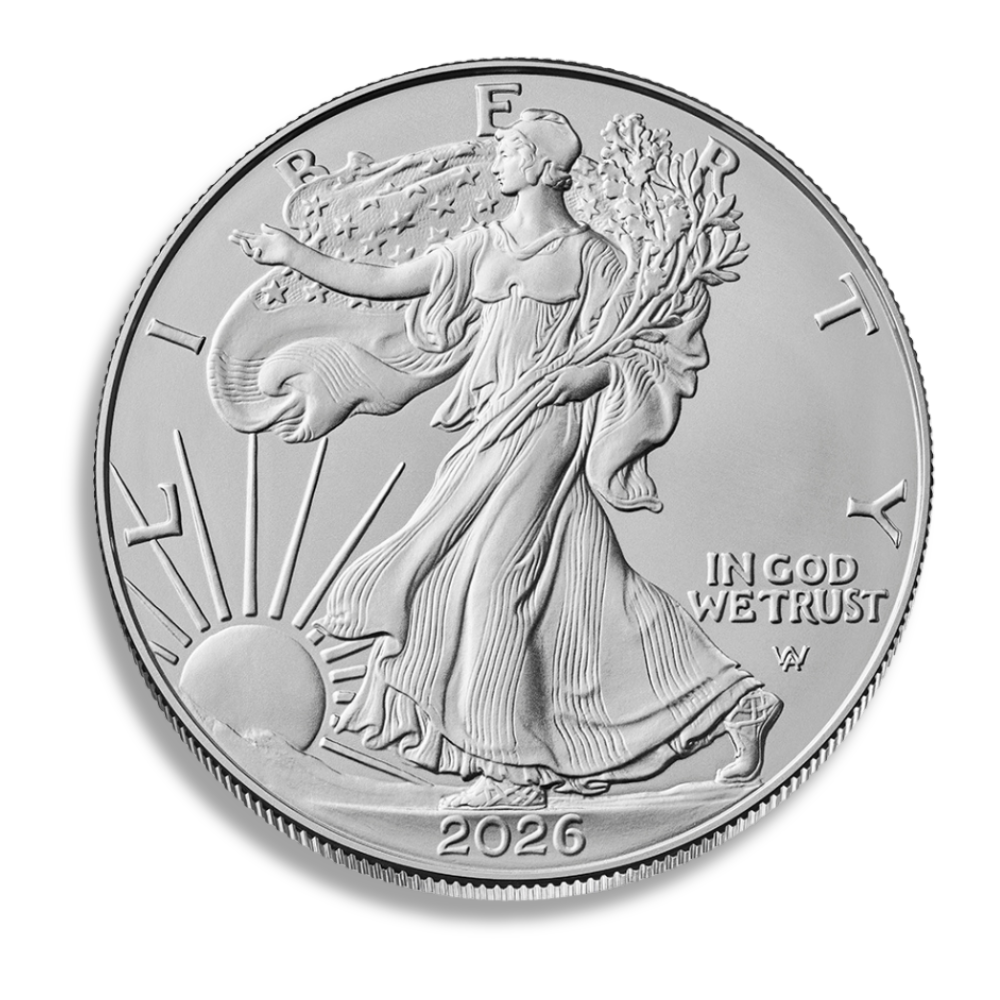
2026 Silver American Eagle – BU
A current-year one-ounce American silver bullion coin.
View Current Price & Availability →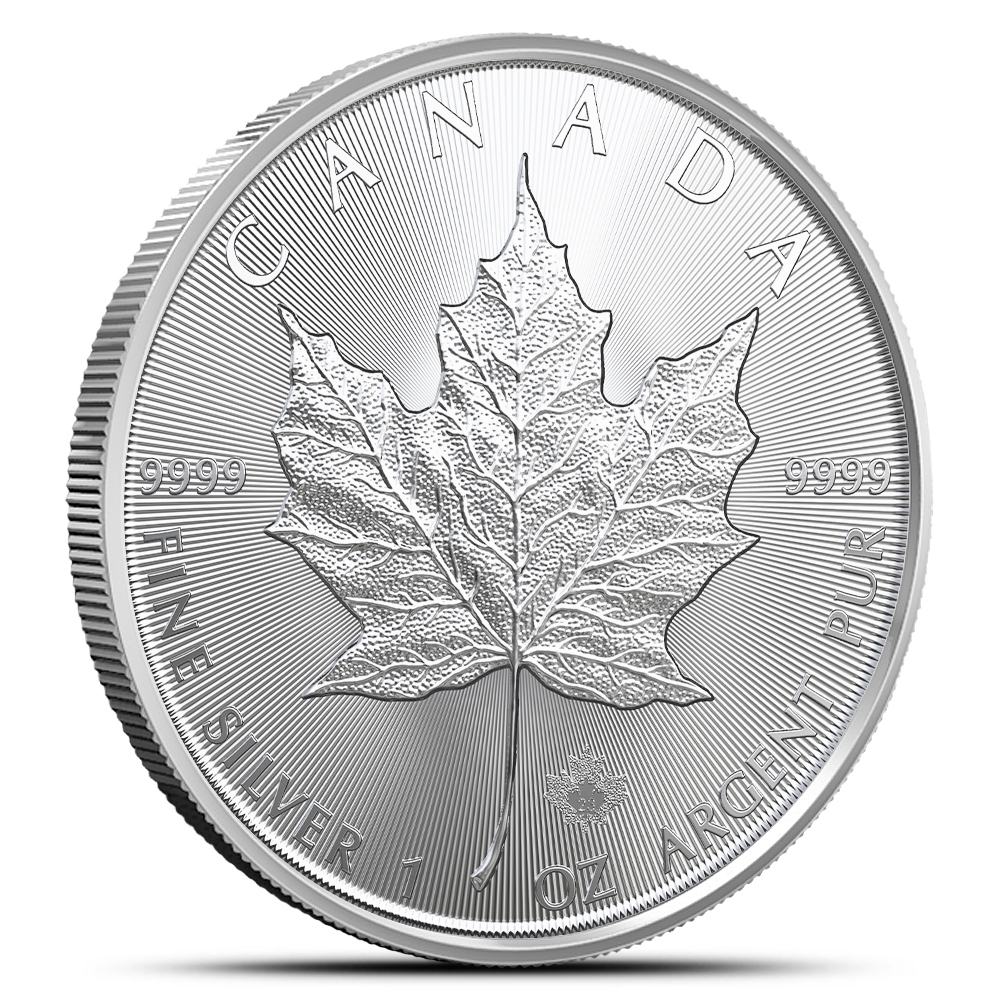
2026 1 oz Silver Maple Leaf
A .9999 fine silver bullion coin from Canada.
View Current Price & Availability →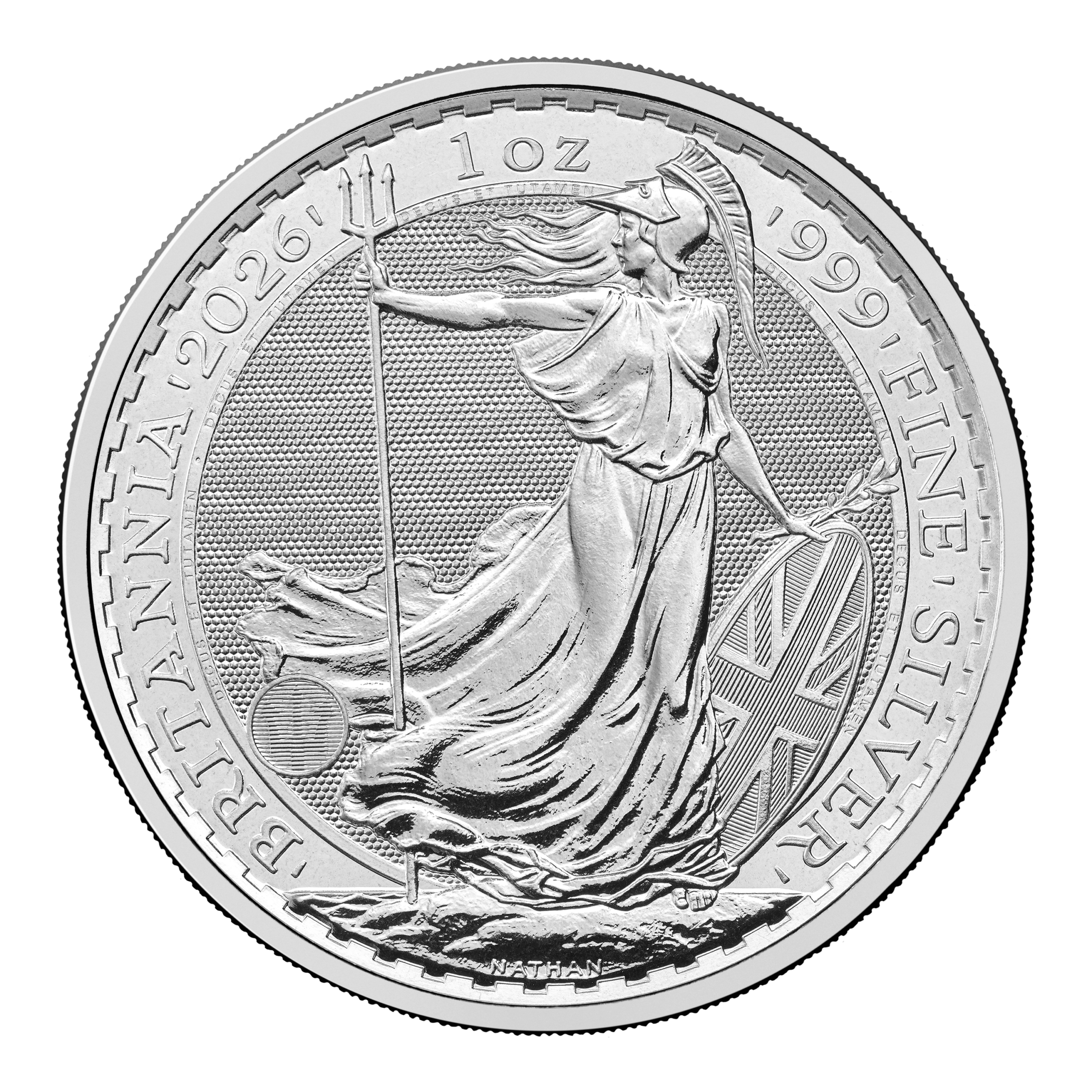
2026 1 oz Silver Britannia
A current-year British sovereign silver bullion coin.
View Current Price & Availability →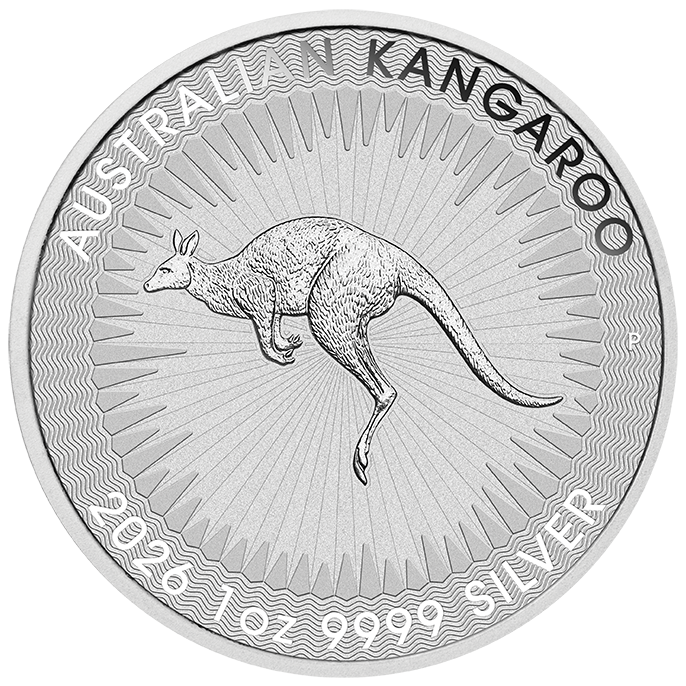
2026 1 oz Silver Kangaroo
A one-ounce Australian silver bullion coin.
View Current Price & Availability →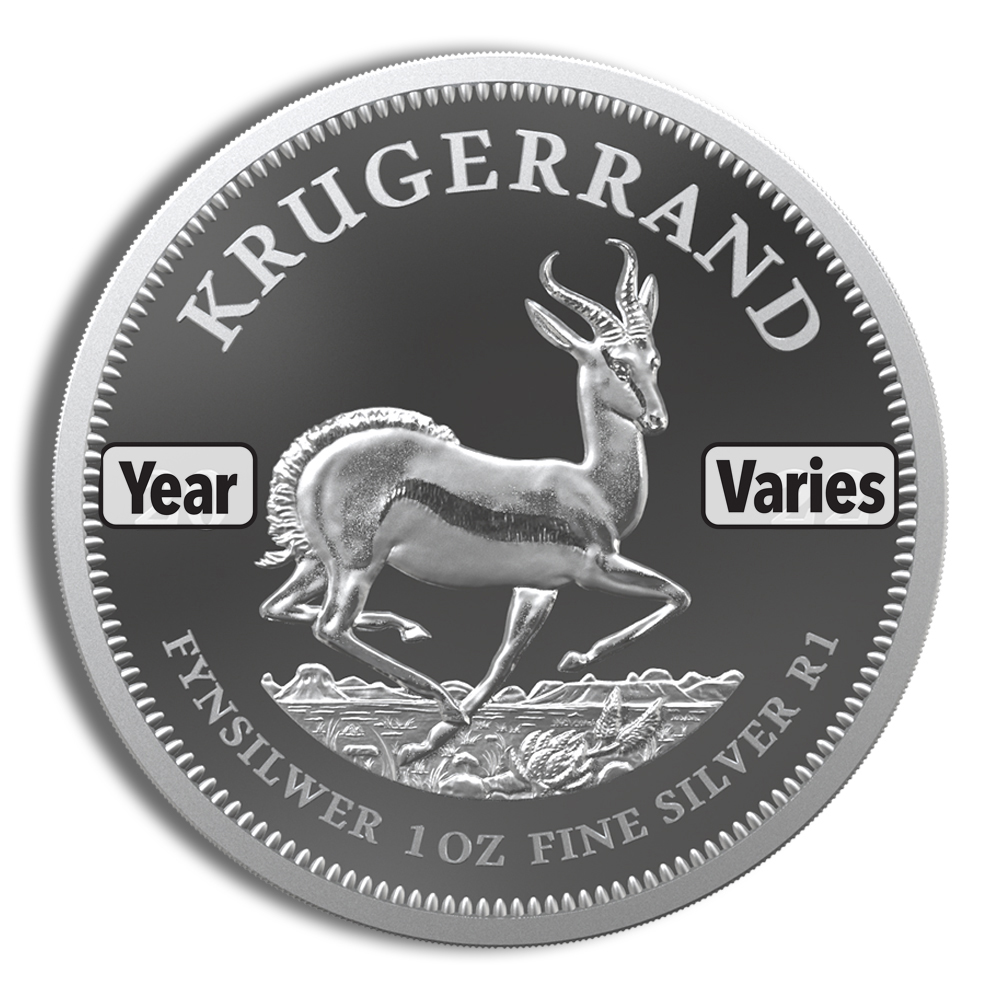
1 oz Silver Krugerrand – BU
A year-varies South African silver bullion coin.
View Current Price & Availability →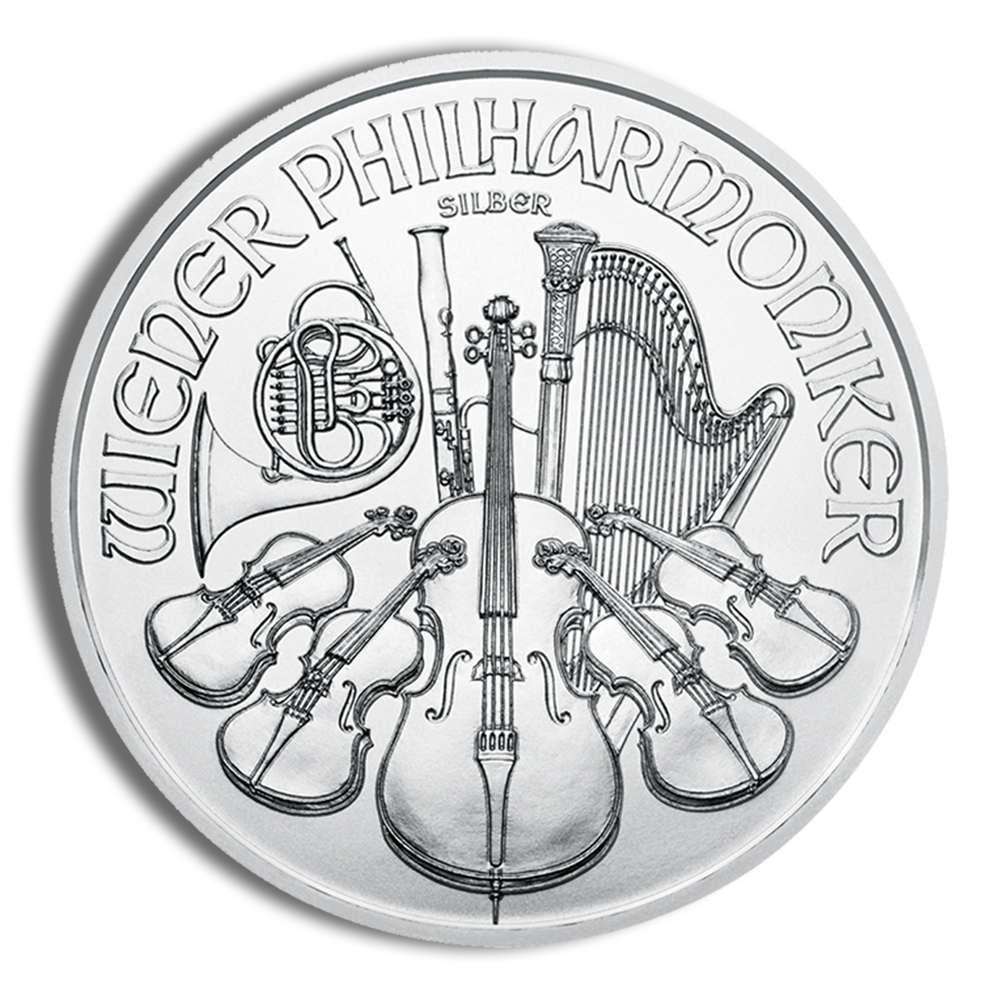
1 oz Silver Philharmonic
A year-varies Austrian silver bullion coin.
View Current Price & Availability →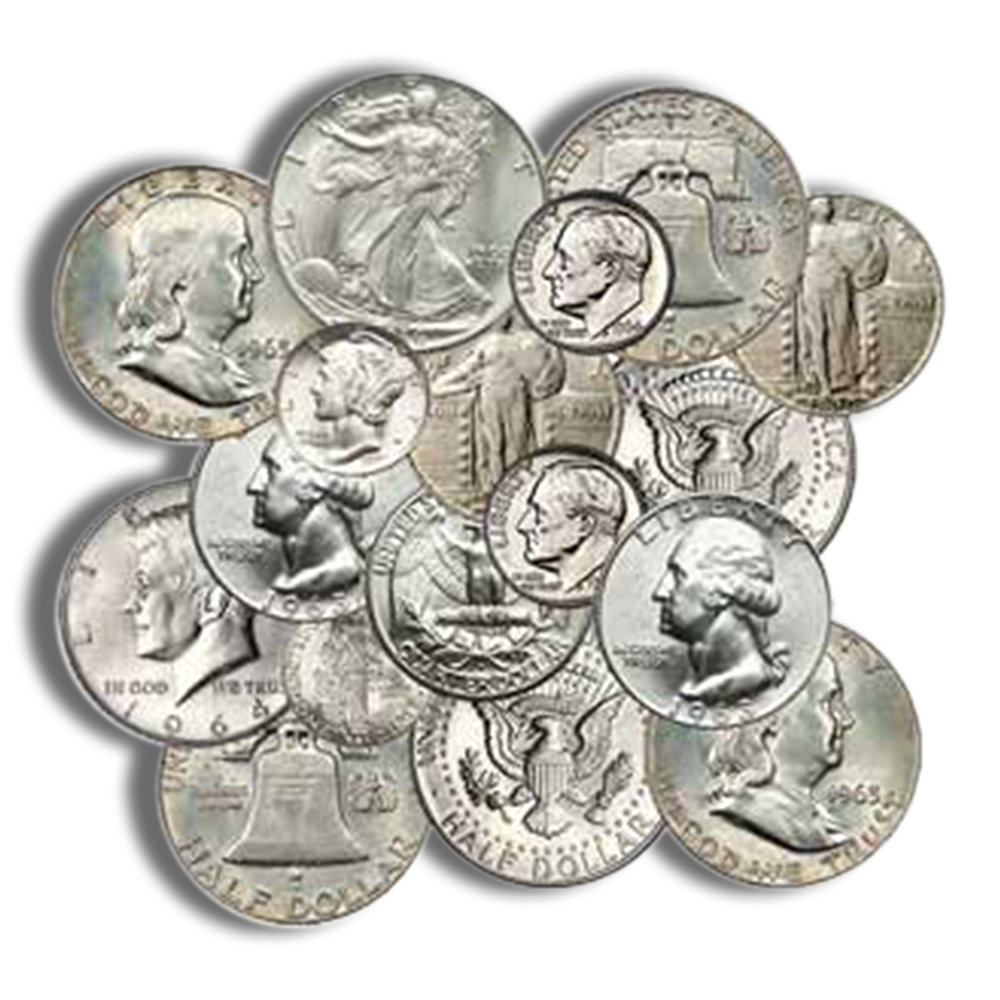
$1 FV 90% Silver Coins
Various denominations of pre-1965 U.S. silver coinage.
View Current Price & Availability →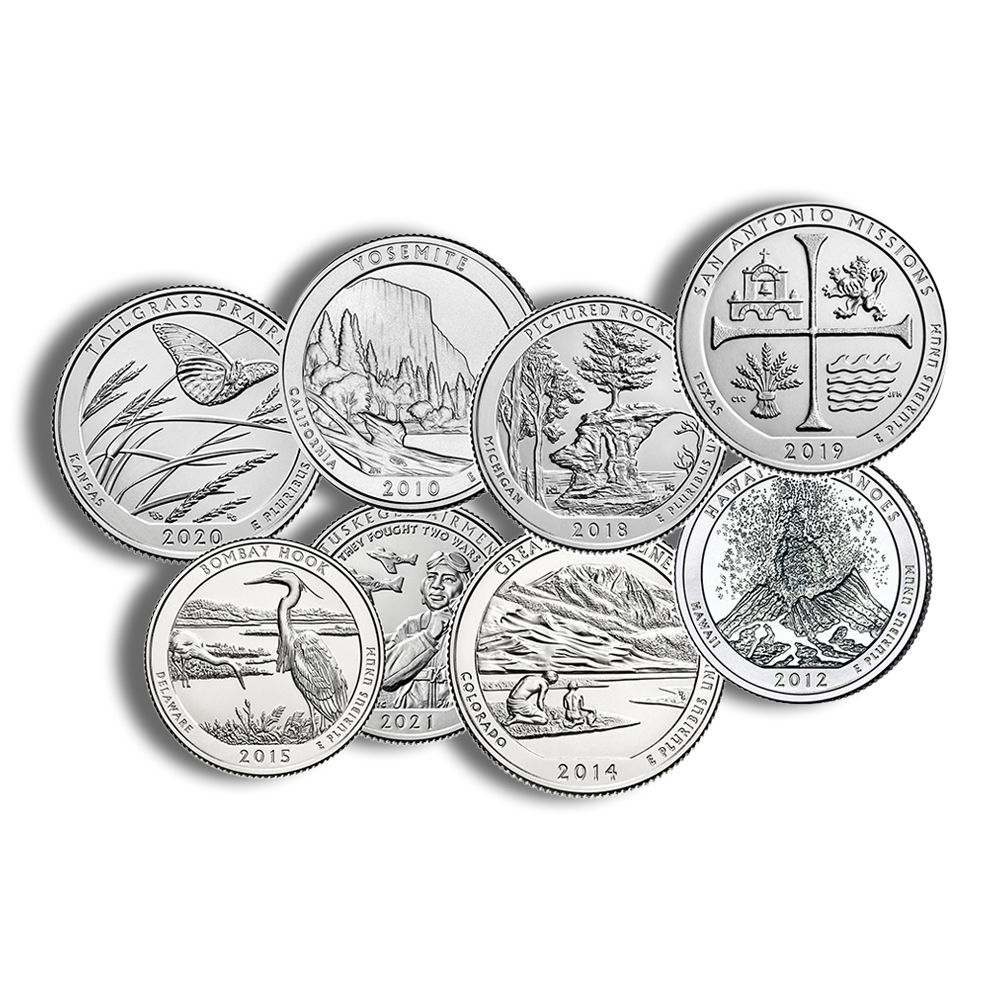
5 oz America The Beautiful
A five-ounce U.S. silver coin with a design that varies.
View Current Price & Availability →Product availability and pricing can change with inventory and precious-metal markets. Follow each product link for current information.
Frequently Asked Questions About Local Silver Coin Buying
How do local prices compare to online silver dealers?
Local coin shops typically charge 8% to 20% above spot for silver bullion, while online dealers average 3% to 8% above spot. The gap narrows once you factor in shipping and insurance costs from online orders. In some states, sales tax on bullion purchases can add 5% to 10% to either channel, so check your state’s exemption rules. Coin shows often produce the best local pricing because dealers compete directly with each other.
What should I bring when shopping for silver coins locally?
Bring valid government ID (required for purchases above certain thresholds), your preferred payment method (cash typically gets better pricing), and a phone with a live spot price reference. If you want to do your own testing, a small neodymium magnet and a reference chart of coin weights and dimensions help. Learn the published specs for the coins you plan to buy before you walk in.
How can I verify the authenticity of silver coins when buying locally?
Use at least three tests. First, weigh the coin on a precision scale and compare to the mint’s published weight. Second, measure diameter with calipers. Third, apply a magnet; silver is non-magnetic. For additional confirmation, use the ping test (apps like Coin Pinger compare the sound signature to known-good coins). For high-value numismatic coins in graded slabs, enter the certification number on PCGS Cert Verification or NGC’s security center to confirm the grade and coin match the slab.
Is physical gold or silver a better investment for beginners?
Silver is more affordable than gold per ounce, making it easier to start with a low budget and buy in small increments. An investor can purchase several ounces of silver for the price of a single gram of physical gold. Both metals serve as portfolio diversification tools. Silver bullion coins are backed by central governments when issued as legal tender (like the American Silver Eagle or the Canadian Maple Leaf), giving them the same sovereign backing as gold bullion equivalents.
Start Building Your Silver Collection Locally
Contact local precious metals dealers to ask about current silver coin inventory and pricing. Visit an established coin shop to examine silver bullion and collectible coins in person. Whether you are an experienced collector hunting for rare coins or an investor making a first purchase, the ability to hold, inspect, and verify your silver before buying is the clearest way to buy with confidence.
Explore silver coins and precious metals from Agate Precious Metals.