
Gold Coin Dealers: How to Find Trusted Sellers and Buy Safely
Gold Coin Dealers
Gold coin dealers sell bullion, numismatic, and collectible gold coins to investors and collectors. The right dealer affects what you pay in premiums, whether your coins are authentic, and how easily you can sell them later. Purchasing from established dealers provides a verifiable paper trail simplifying future resale, and buying from reputable dealers offers better liquidity and access to trusted products.
If you are comparing recognizable gold coins, continue with Agate’s guide to gold coin dealer buying guide.
This page covers the types of gold coin dealers, what separates a reliable operation from a risky one, and how to match a dealer to your specific needs.
Types of Gold Coin Dealers
Gold coin dealers range from neighborhood shops to global online platforms to specialized auction houses. Each model serves different buyers and carries distinct trade-offs in pricing, selection, and service.
Local Coin Shops
Brick-and-mortar coin shops let you inspect coins in hand, check weight and condition under a loupe, and walk out with your purchase the same day. The staff at these shops can answer questions in person, which suits buyers who want a friendly, face-to-face relationship with their dealer. U.S. Coins and Jewelry, for example, has operated for over 35 years, building trust through decades of local transactions. The trade-off: local shops carry smaller inventories than online competitors, and their premiums on standard bullion tend to run higher because they move lower volume.
Online Precious Metals Dealers
Online dealers stock a broader range of products: modern sovereign bullion coins, fractional sizes, gold and silver bullion, platinum, and limited-edition numismatics. Competitive pricing is the main draw; overhead costs are lower, and buyers can compare premiums across multiple sites in minutes. BGASC is recognized as a trusted online precious metals dealer in the U.S., offering free shipping on orders over $199 with no hidden fees or order minimums. The limitation is that you cannot physically examine coins before buying, so shipping insurance, return windows, and authentication guarantees become critical factors in your purchase decision.
Auction Houses and Estate Dealers
Auction houses deal in rare coins, graded numismatics, and historical pieces where collector premiums can reach 50% to 500% or more above melt value depending on rarity and grade. These venues attract buyers selling rare coins or acquiring high-end collections with documented provenance. Expect auction fees and longer timelines; liquidity is narrower because the pool of qualified buyers for a $15,000 MS-65 pre-1933 Double Eagle is smaller than the market for a standard 1-oz Gold Eagle.
What to Look For in Gold Coin Dealers
Three attributes separate trustworthy dealers from the rest: verifiable credentials, transparent pricing, and reliable authentication.
Industry Credentials and Memberships
Choose dealers with industry memberships like the American Numismatic Association or Professional Numismatists Guild. PNG requires applicants to demonstrate knowledge, integrity, and professional responsibility; many PNG members have 25+ years in the business. The guild enforces a Code of Ethics and offers arbitration for disputes. ANA membership provides access to dealer directories where you can verify a dealer’s history and physical address. Long-standing dealers should have verifiable physical addresses and licenses, reducing the risk of scams.
Transparent Pricing and Buyback Policies
Reputable dealers emphasize clear pricing and low spreads in their transactions. For standard 1-oz sovereign bullion coins, typical premiums run 3% to 8% over spot price; during tight supply, premiums can climb to 10% to 12%. Fractional gold coins (½ oz, ¼ oz, 1/10 oz) carry premiums of 8% to 12% or more per ounce due to higher production costs relative to metal weight. Established dealers typically have transparent buyback programs for coins, often repurchasing at spot minus 1% to 3% for bullion in good condition. Look for clear, written policies on return windows and payment methods from dealers before you send money.
Product Authentication and Guarantees
Authentic dealers guarantee the purity of gold coins to reduce the counterfeit risk. Authentication layers multiple methods: XRF analyzers detect elemental composition, electronic conductivity testers like Sigma Metalytics expose tungsten-core fakes (tungsten density is 19.25 g/cm³ versus gold’s 19.32 g/cm³), and visual inspection under magnification catches surface defects. Third-party grading from respected agencies like PCGS and NGC ensures the authenticity of collectible coins; their tamper-evident holders include serial numbers that buyers can verify online. Dealers should provide invoices detailing mint, weight, and purity of the coins sold. Canadian Gold Maple Leafs dated 2014 and later incorporate Bullion DNA micro-engraved security marks that authorized dealers can verify electronically.
How to Choose the Right Gold Coin Dealer
Selecting a dealer comes down to four criteria that depend on what you are buying and why.
- Your collecting goals – If your aim is wealth preservation or hedging against inflation, prioritize bullion dealers with low premiums and high-liquidity products like American Gold Eagles or Canadian Maple Leafs. Gold and silver serve as financial insurance during economic uncertainty; precious metals have been a safe haven for thousands of years. If you collect for numismatic value, seek dealers who stock graded, limited-mintage, or pre-1933 coins and can explain the Sheldon grading scale. Established dealers offer strategic guidance on IRS-approved gold for retirement investments.
- Product selection – Match the dealer’s inventory to your interests. A dealer focused on gold and silver bullion coins and popular categories of sovereign issues suits an investor. A dealer with deep stock in rare coins, proof sets, and silver bullion coins suits a collector. Reputable dealers maintain a diverse inventory of coins from trusted mints, reducing fraud risk. The U.S. Mint offers a variety of bullion coins, and many dealers carry its full range alongside products from the Royal Canadian Mint, Perth Mint, and others.
- Service preferences – If you value availability and want to inspect physical gold before you pay, local shops and coin shows are the way to go. If you want to browse thousands of products, compare prices across dealers, and place orders at any time, online dealers are more practical. Verification of contact information and customer service lines is crucial when selecting a dealer; avoid dealers with high-pressure sales tactics, which often indicate potential fraud.
- Pricing competitiveness – Compare premiums against published data. As of mid-2026, 1-oz American Gold Eagle premiums run about 5% to 7% over spot; Canadian Gold Maple Leafs sit at 4% to 6%; generic 1-oz gold bars at 1.5% to 2.5%. Competitive pricing structures reduce overall costs compared to individual purchases. Austin Coins, in business since 1989 with over a billion dollars in transactions, is one example of a high-volume dealer where scale can translate to tighter spreads for buyers.
Shop Gold Products from Agate Precious Metals
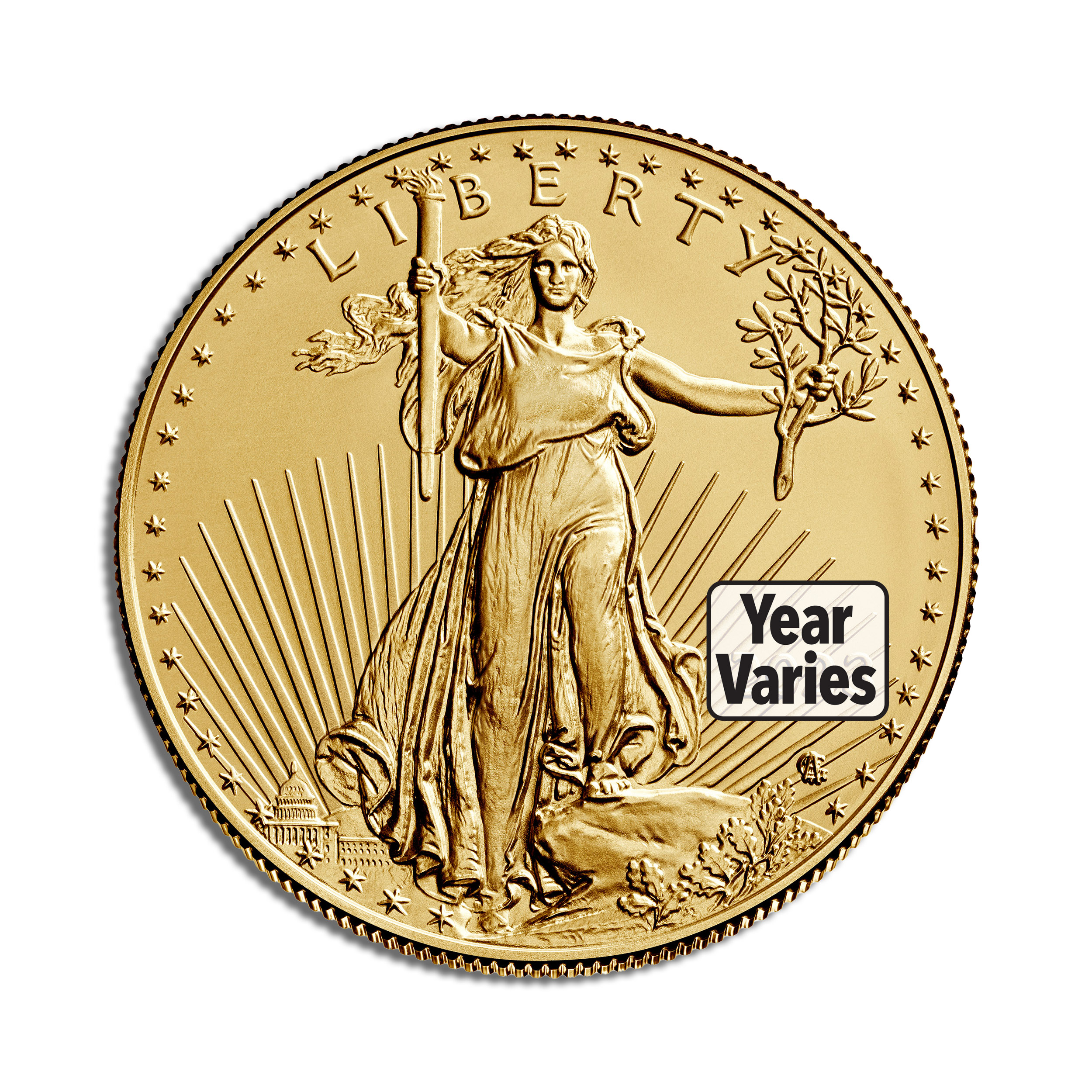
1 oz Gold Eagle – BU
Year-varies American Gold Eagle bullion coin.
View Current Price & Availability →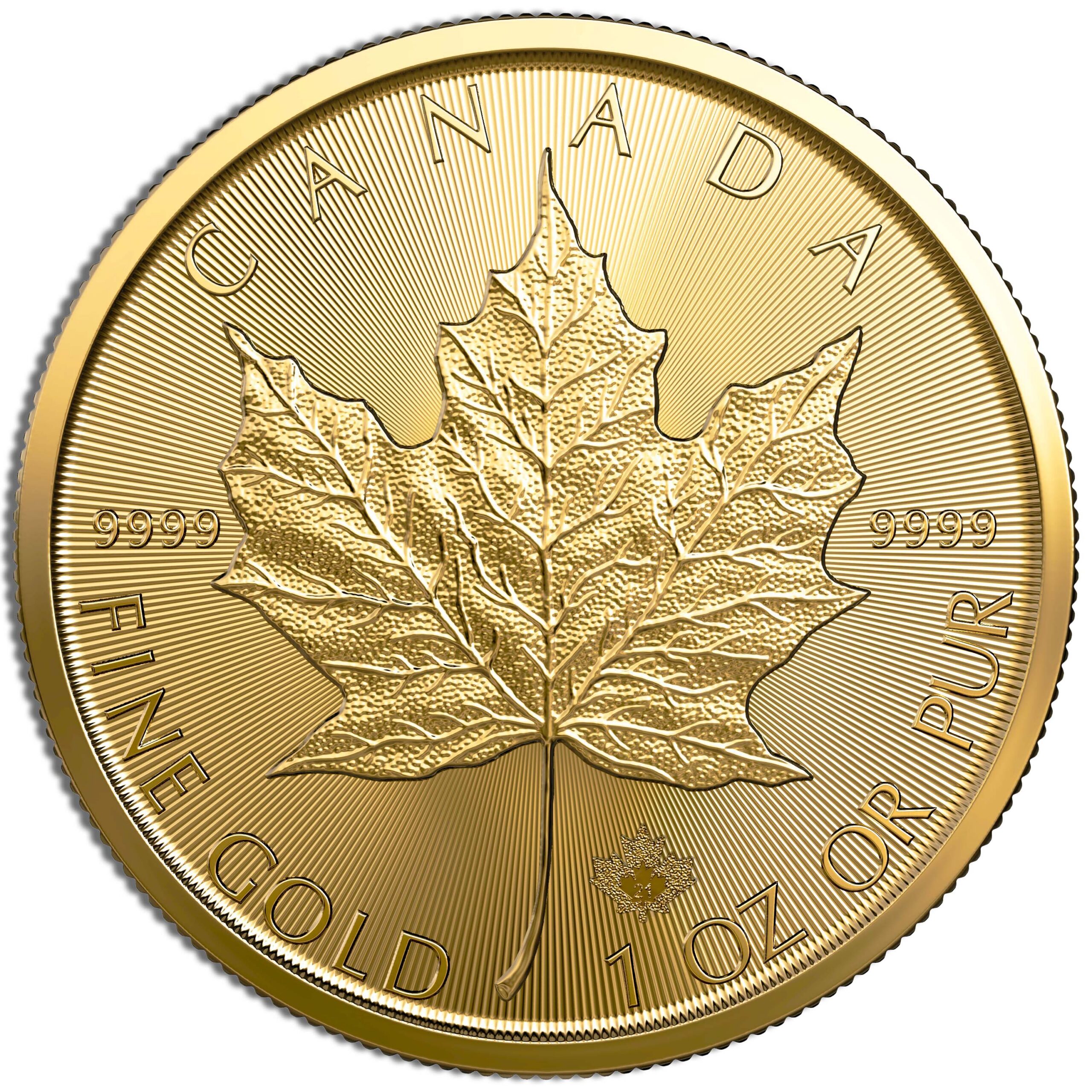
1 oz .9999 Gold Maple Leaf
Year-varies Canadian Gold Maple Leaf bullion coin.
View Current Price & Availability →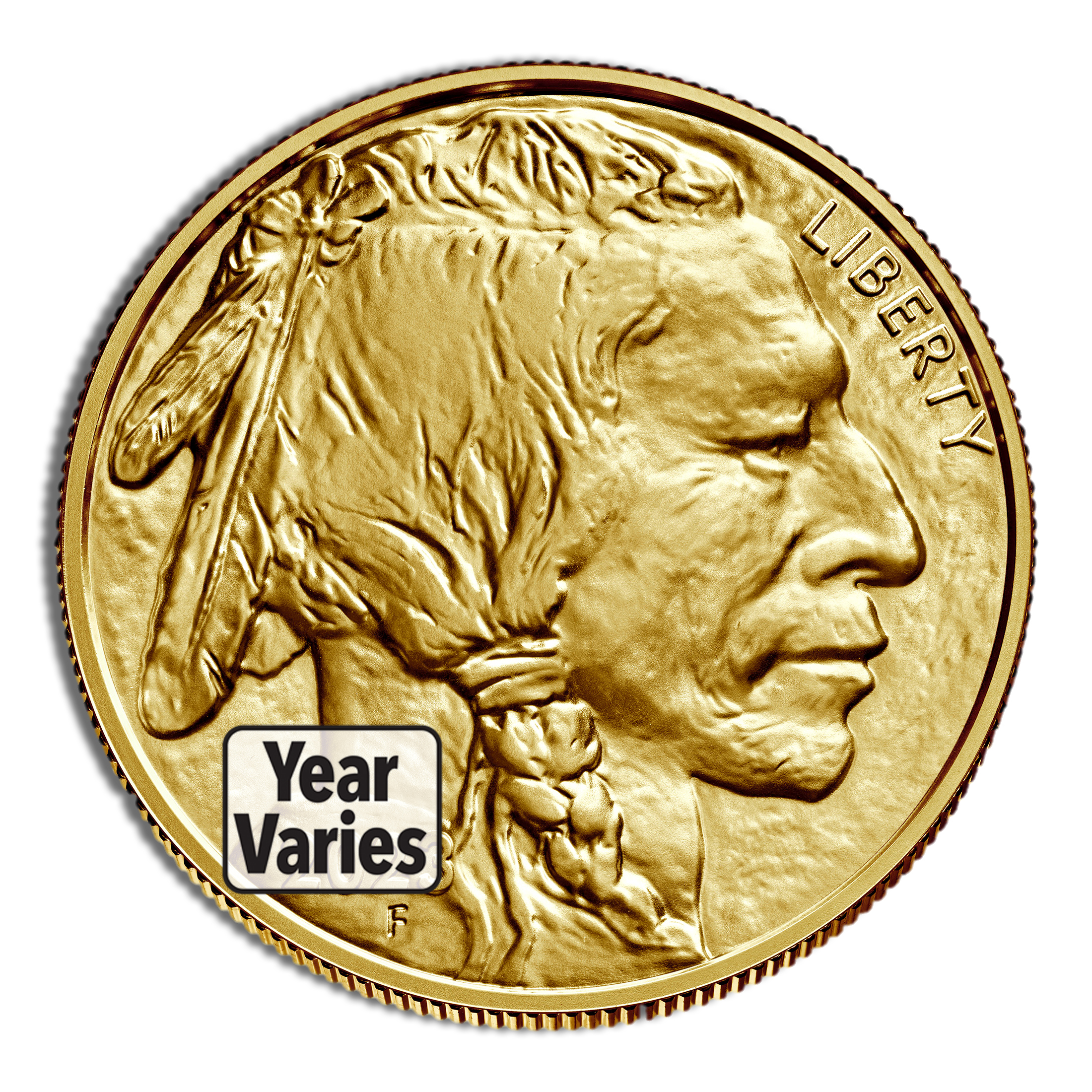
1 oz Gold Buffalo – BU
Year-varies American Gold Buffalo bullion coin.
View Current Price & Availability →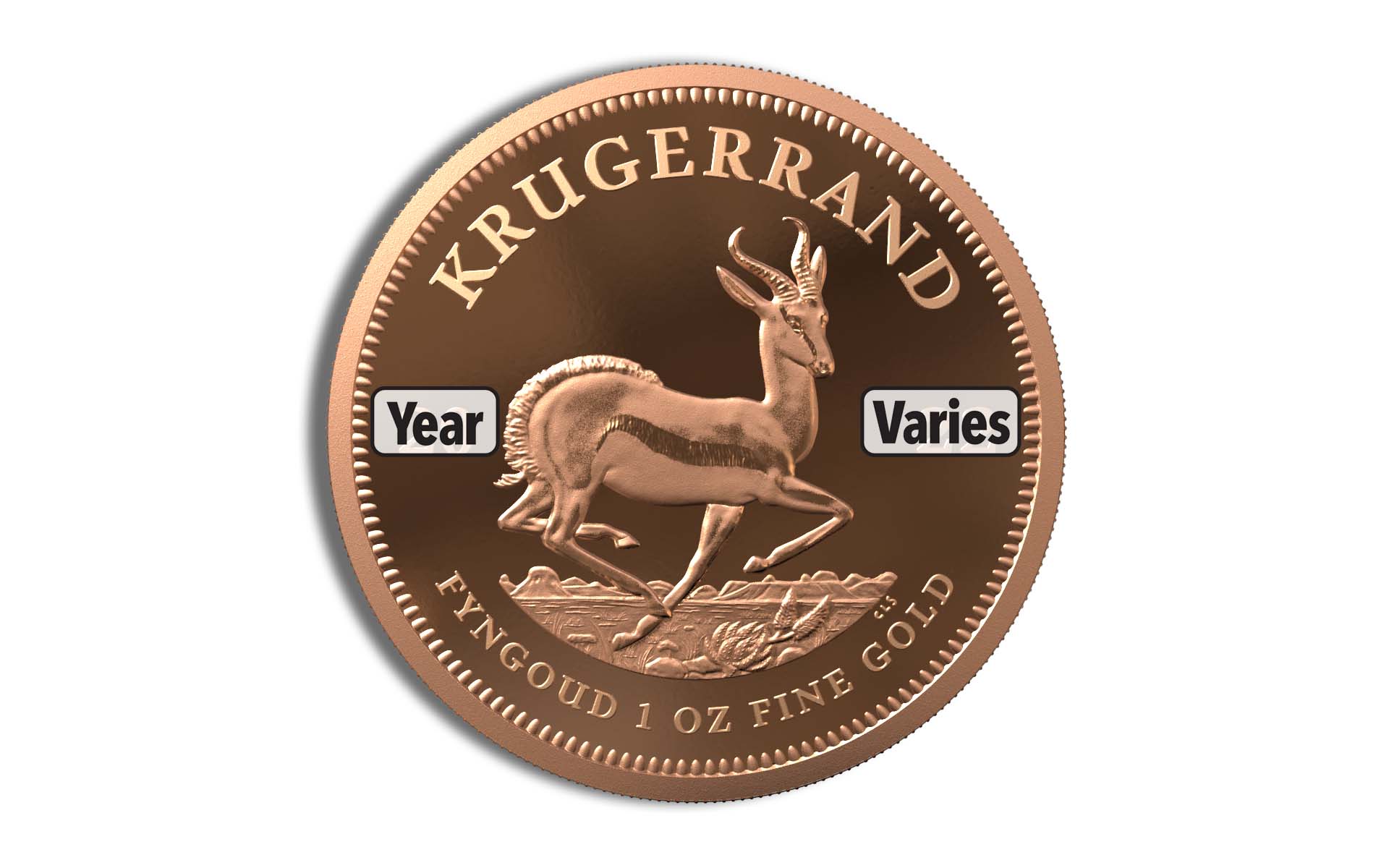
1 oz Gold Krugerrand
Year-varies South African Gold Krugerrand coin.
View Current Price & Availability →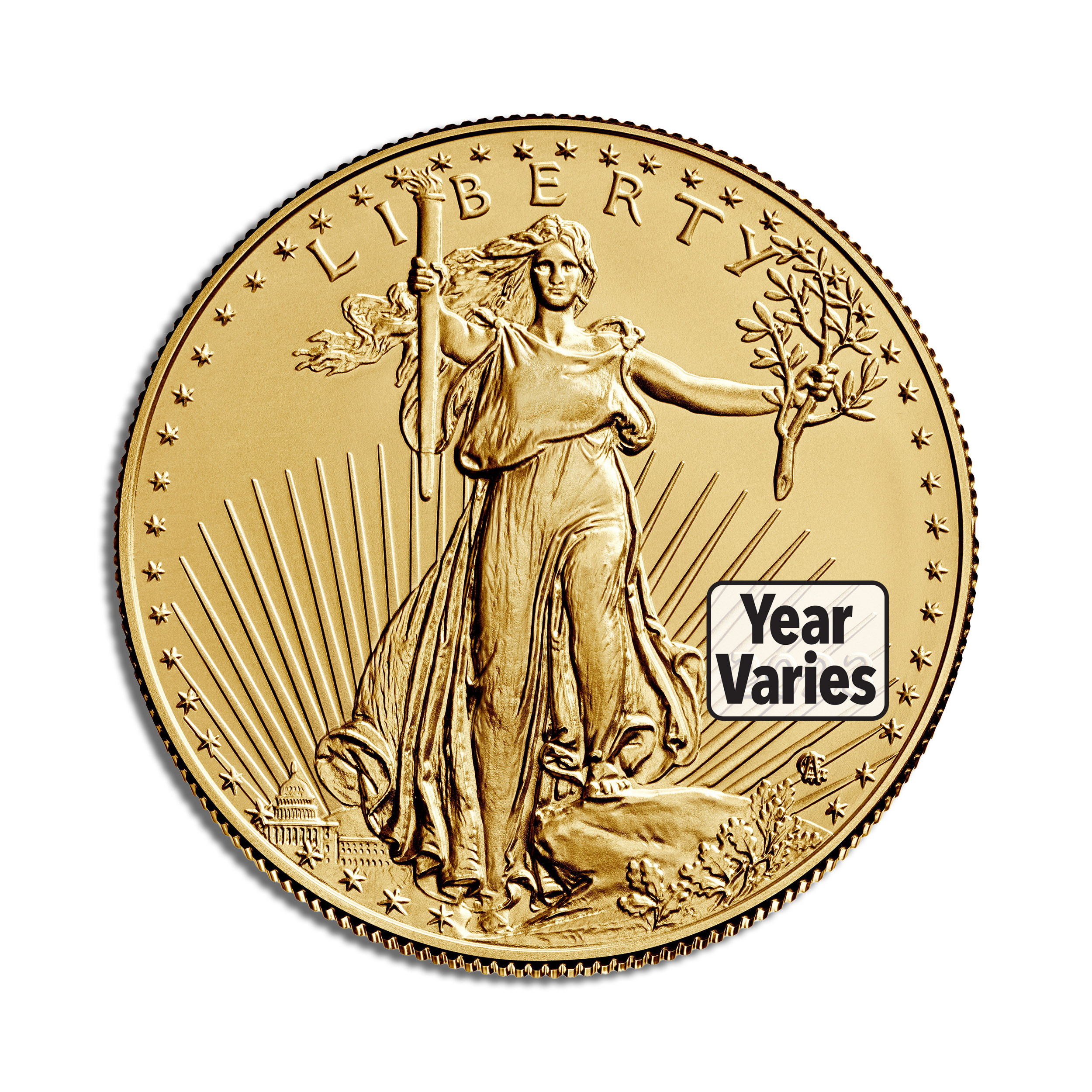
1/10 oz Gold Eagle – BU
Year-varies fractional American Gold Eagle coin.
View Current Price & Availability →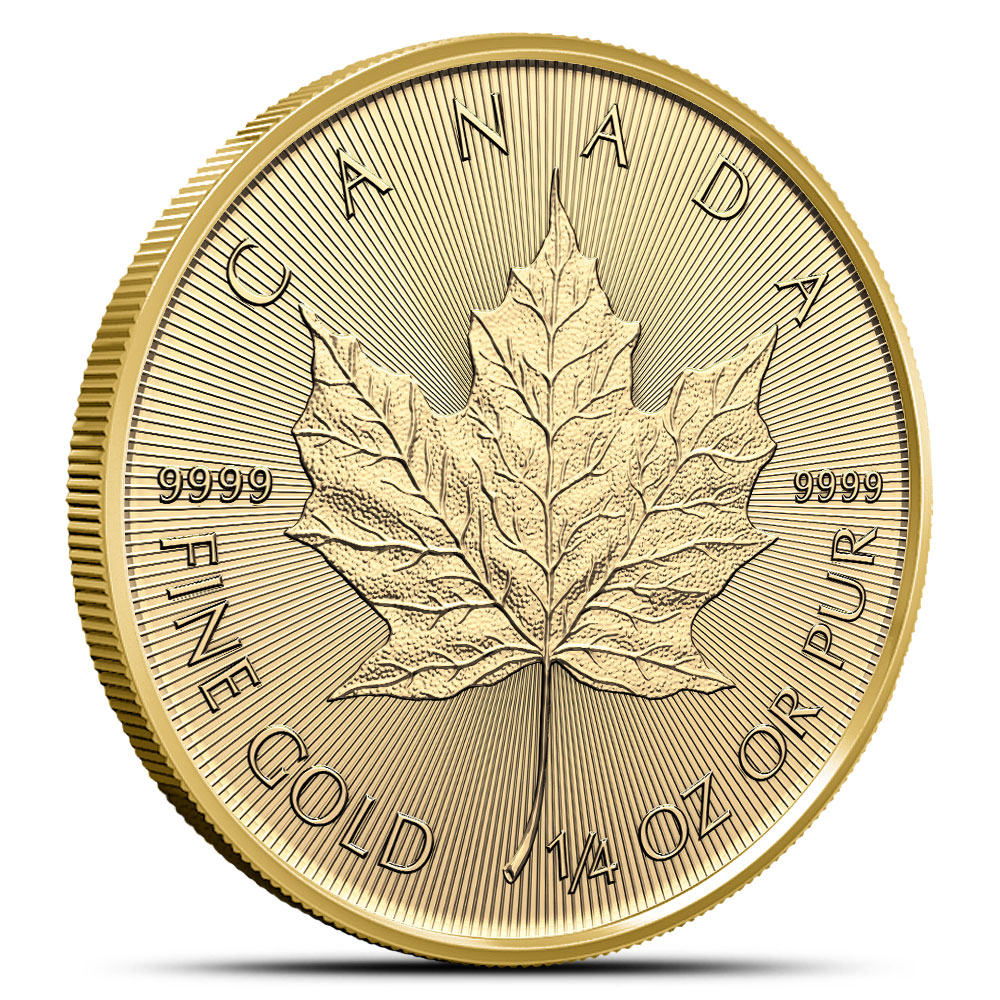
2026 1/4 oz Gold Maple Leaf
Current-year fractional Canadian Gold Maple Leaf coin.
View Current Price & Availability →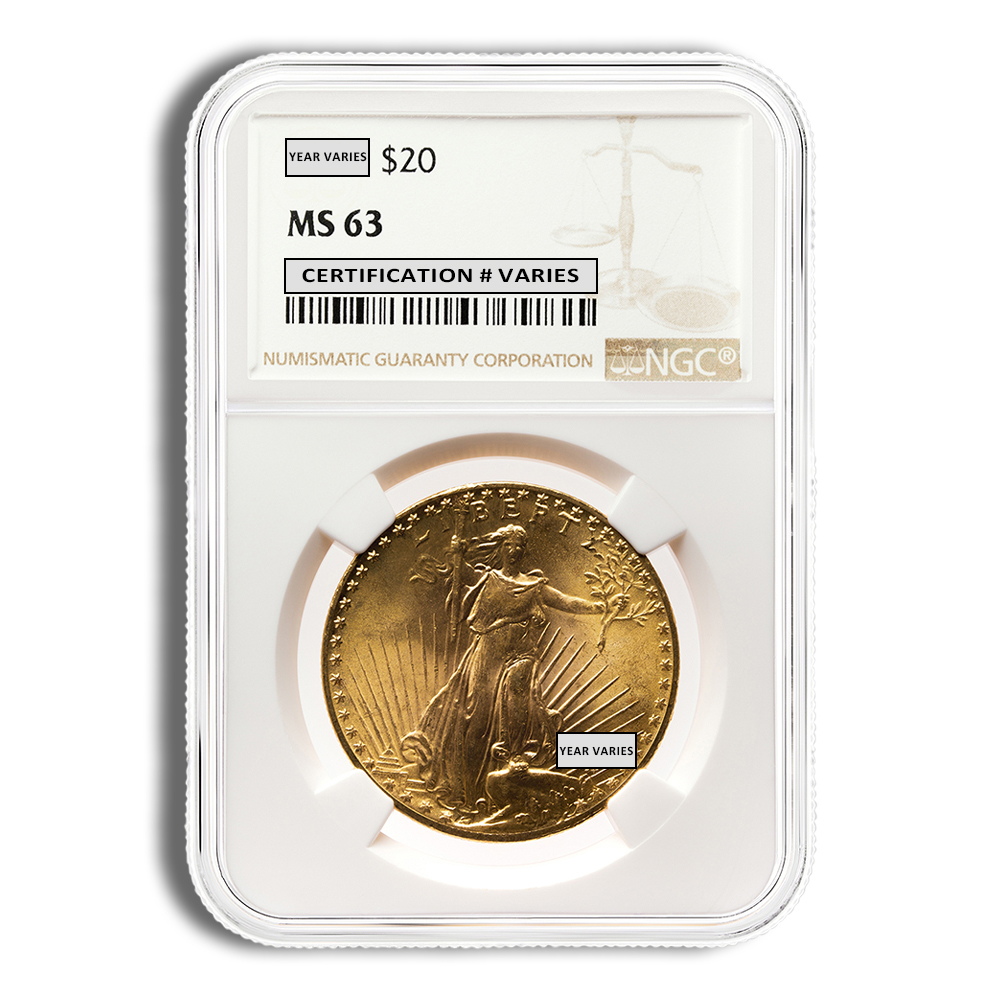
$20 Saint-Gaudens – NGC MS63
A certified pre-1933 U.S. gold coin graded by NGC.
View Current Price & Availability →Product availability and pricing can change with inventory and precious-metal markets. Follow each product link for current information.
Frequently Asked Questions
How do I verify a gold coin dealer is legitimate?
Confirm membership in the Professional Numismatists Guild or American Numismatic Association through their online directories. Check the dealer’s BBB profile for complaint history. Verified customer reviews from independent platforms like Google and Trustpilot enhance trust in a dealer. A legitimate operation will have a verifiable physical address, published contact information, and a track record you can read about. Rebrandings, vague phone numbers, or missing return policies are red flags.
What should I expect to pay in premiums when buying gold coins?
For 1-oz sovereign bullion coins, premiums typically fall between 3% and 8% over spot in normal market conditions. Fractional coins cost more per ounce of gold; expect 8% to 12% or higher. Numismatic and graded coins carry premiums that vary widely based on grade and rarity: common-date pre-1933 U.S. gold in MS62 to MS63 condition trades at roughly 8% to 15% over melt, while coins graded MS65 or above can reach 100% to 200% or more above spot. Physical gold and silver coins are taxed as collectibles in the U.S., with a maximum long-term capital gains rate of 28%.
Do gold coin dealers buy back the coins they sell?
Many do, but terms differ. Standard bullion buyback prices typically fall at spot minus 1% to 3%. Some dealers repurchase only coins they originally sold or require minimum quantities. Coins in graded holders retain buyback value better if the holder is undamaged and the serial number is intact; wear, tampering, or missing original packaging can reduce what a dealer will pay. Purchasing from established dealers provides a verifiable paper trail that simplifies future resale. Precious metals can diversify an investment portfolio, and gold and silver bullion coins are among the most liquid options when you need to sell.
Finding Your Trusted Gold Coin Dealer
The dealer you choose determines your premiums, your protection against counterfeits, and your ability to sell when the time comes. Learn what each dealer offers, compare pricing against published premium data, and verify credentials before placing your first order. Investing in gold and silver can hedge against inflation, and the right dealer makes that step straightforward. Explore Agate Precious Metals‘ selection of gold coins, silver coins, and precious metals to find products matched to your needs.