
PAMP Suisse vs. Valcambi Gold Bars: Which Is Better for Buyers?
PAMP vs Valcambi Gold Bars: Which Is Better for Buyers?
PAMP and Valcambi are established Swiss refiners; neither is automatically the better buy. Compare the exact bars by fine-gold weight, delivered premium, packaging condition, authentication features, and resale bid. PAMP’s Fortuna designs and supported VERISCAN products offer different features from Valcambi’s straightforward minted bars and divisible CombiBar formats.
The useful question is not which logo wins. It is what you receive for the additional money—and whether those features matter when you store, verify, or eventually sell the bar. Two bars containing the same fine-gold weight can have different retail prices without containing different amounts of gold.
What to Check Before Buying
- Confirm the exact product, weight, and stated fineness.
- Match the bar and packaging serial numbers when that product uses both.
- Inspect the assay card for cuts, separation, or signs of resealing.
- Compare total delivered cost using the same gold-price reference and timestamp.
- Ask what a dealer would currently pay for the same bar in the offered condition.
- Confirm VERISCAN compatibility for the specific PAMP product rather than assuming every bar supports it.
PAMP vs Valcambi at a Glance
| Feature | PAMP | Valcambi |
|---|---|---|
| Design and presentation | Known for Lady Fortuna artwork, alongside other minted, cast, and themed products. | Known for refinery-branded minted and cast bars, plus divisible CombiBar formats. |
| Common retail gold-bar fineness | Many investment bars are .9999 fine gold; verify the specific item. | Many investment bars are .9999 fine gold; verify the specific item. |
| Assay packaging | Many minted bars use CertiPAMP packaging identifying the enclosed product. | Many minted bars come with assay packaging and identifying information. |
| Verification features | VERISCAN surface authentication is available for supported products. | Markings, serial information where applicable, specifications, and appropriate testing help support verification. |
| Divisibility | Compare the exact format; an ordinary solid bar is not intended to be divided. | CombiBars are designed to separate into specified smaller units. |
| Premium | Depends on weight, design, packaging, seller, and market conditions. | Depends on weight, format, packaging, seller, and market conditions. |
| Resale | Dealer acceptance and bids depend on the actual bar, condition, verification, and demand. | Dealer acceptance and bids depend on the actual bar, condition, verification, and demand. |
Refiner Recognition and Gold Content
A recognizable refiner gives buyers a useful starting point: an identifiable manufacturer, published product specifications, and a product that dealers may already know. It does not remove the need to inspect the individual bar or evaluate its source.
The LBMA Gold Good Delivery List is a reference for refiners and qualifying wholesale bars. It should not be treated as authentication of an individual retail bar, an assay card, or a secondary-market package.
For a retail comparison, begin with fine-gold content. If two bars each contain one troy ounce of fine gold, neither contains more gold merely because its brand commands a higher price. Any difference in cost needs to be evaluated through design, packaging, security features, availability, and resale terms.
Assay Packaging and Serial Numbers
An assay card commonly records the refiner, weight, fineness, and identifying details. When a product carries a serial number on both the bar and card, those numbers should agree. A mismatch or unexplained alteration calls for further verification before purchase.
Packaging practices vary by product and production generation. Refer to Valcambi’s minted-bar information and the exact PAMP product documentation when comparing markings and presentation. Agate’s guide to what an assay card can and cannot prove explains why the package is supporting evidence rather than a complete authenticity test.
PAMP’s VERISCAN system uses microscopic surface characteristics on compatible products. That is different from simply finding a serial number on a card. Follow the manufacturer’s instructions for the exact bar and supported verification method.
Premiums: Which Brand Costs Less?
There is no permanent price winner. Compare the same weight and a comparable format at the same time. A decorative PAMP bar, a standard Valcambi minted bar, and a divisible CombiBar are different products, even when their total fine-gold content is equal.
Small bars and specialized formats can carry higher costs per fine ounce because fabrication and packaging are spread across less gold or involve additional production steps. Whether that extra cost is worthwhile depends on the features you actually want.
All-in premium percentage
(Total delivered cost − reference metal value) ÷ reference metal value × 100
Include applicable shipping, payment charges, insurance charges, and tax in delivered cost. An all-in premium includes transaction costs and is not the same as a dealer’s product markup.
A Simple Comparison Example
Suppose two bars each contain one fine troy ounce and the hypothetical reference gold price is $4,000 per ounce. One bar costs $4,120 delivered; the other costs $4,080 delivered.
| Comparison | Bar A | Bar B |
|---|---|---|
| Reference metal value | $4,000 | $4,000 |
| Delivered cost | $4,120 | $4,080 |
| Amount above metal value | $120 | $80 |
| All-in premium | 3% | 2% |
The difference is $40 for the same fine-gold weight. Decide whether the more expensive bar’s particular features justify that difference. Then compare current buyback bids: an additional retail premium is not automatically recovered when you sell.
For the wider pricing framework, read Agate’s explanation of spot prices, premiums, and market value.
Sizes and CombiBar Divisibility
Gram bars let buyers purchase smaller amounts at a time. Larger bars can offer a lower premium per fine ounce, but they also require selling a larger amount in one transaction. Compare the actual quotes rather than assuming a particular size is always the best value.
Valcambi’s CombiBar format adds another option: a larger unit designed to separate into marked smaller pieces. Its usefulness comes from that planned divisibility, not from creating additional gold.
Before paying extra for a divisible format, ask how a prospective buyer handles intact CombiBars and separated pieces. Testing procedures, packaging requirements, and bids can differ. Do not assume every dealer buys loose sections on the same terms as an intact package.
Agate’s guide to gold-bar sizes, purity, and premiums can help you compare formats before choosing a refiner.
Resale: Compare the Bid as Well as the Purchase Price
A familiar brand can help a dealer identify the product, but recognition does not guarantee a buyer or a specific price. Dealers consider the exact bar, authenticity, packaging, demand, and their current inventory needs.
A damaged assay card does not automatically make the gold counterfeit. It can, however, change how a dealer verifies or markets the bar. Some buyers may treat an opened example as a loose bar rather than a sealed retail product.
Ask these questions before paying a brand premium:
- Do you currently buy this exact bar?
- Does your bid differ for sealed and opened packaging?
- What remains subject to inspection or testing?
- Are there fees or shipping costs that reduce the net offer?
- How does the bid compare with an equivalent brand-varies bar?
A same-time purchase quote and buyback quote help show the immediate gap between buying and selling. They do not predict the price or spread available when you sell later.
Which Gold Bar Fits Your Priorities?
PAMP May Fit When Design and Supported Verification Matter
Consider PAMP if you specifically want the Lady Fortuna design, a particular themed presentation, or VERISCAN compatibility on an eligible product. Confirm those features in the exact listing: a generic PAMP listing does not necessarily promise a particular design or verification feature.
Valcambi May Fit When You Prefer Its Format or Presentation
Consider Valcambi if you prefer its refinery-branded design, find a suitable size at a competitive delivered cost, or have a practical reason to choose a CombiBar. Compare an ordinary minted bar separately from a divisible product.
A Brand-Varies Bar May Fit When Cost Comes First
If a particular refiner is not essential, a brand-varies listing may offer a useful alternative. Confirm what the seller promises about weight, fineness, condition, and packaging. You are accepting flexibility in the delivered brand, so the listing terms matter more than a representative photograph.
Compare Gold-Bar Listings at Agate
Use these listings to compare carded bars and smaller formats. Confirm the exact design, packaging, specifications, and availability on each product page before ordering.
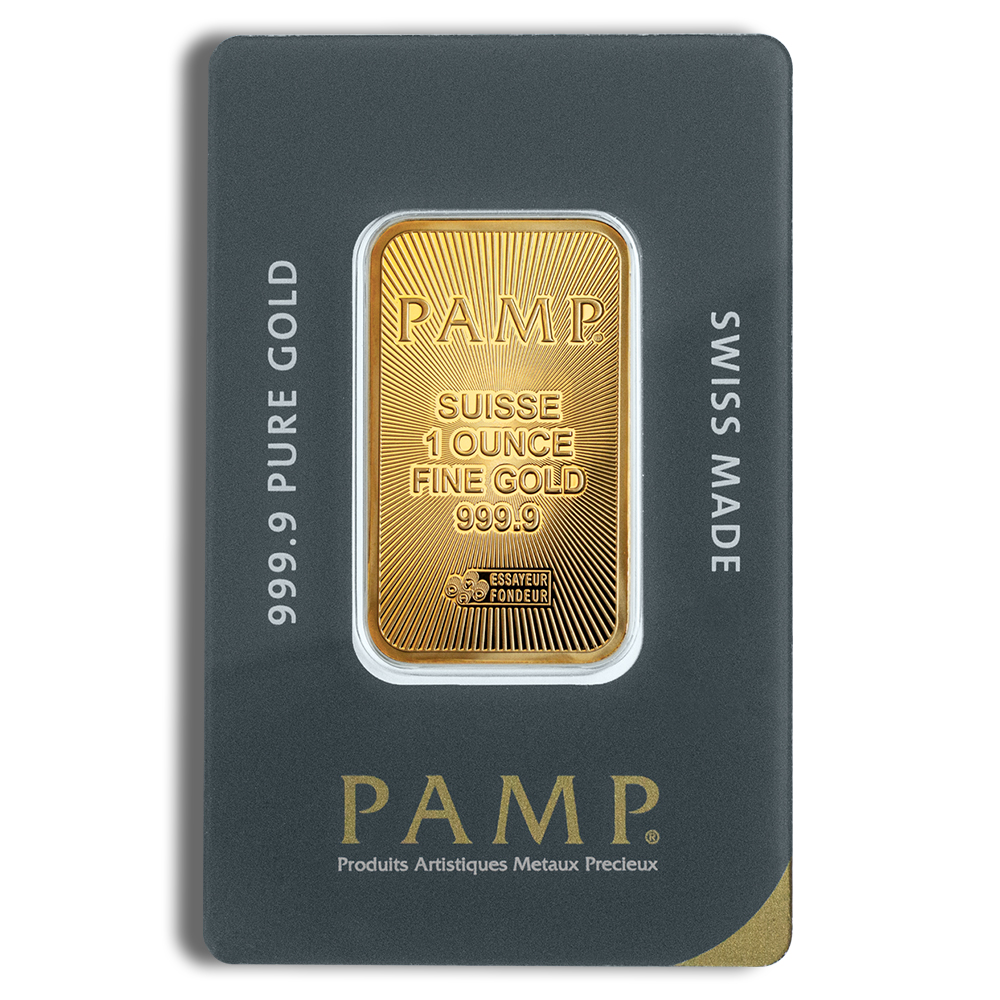
1 oz Gold Bar – PAMP Suisse (Carded)
Compare the listed PAMP design and carded presentation. Check the exact item’s verification features before purchase.
View Product & Availability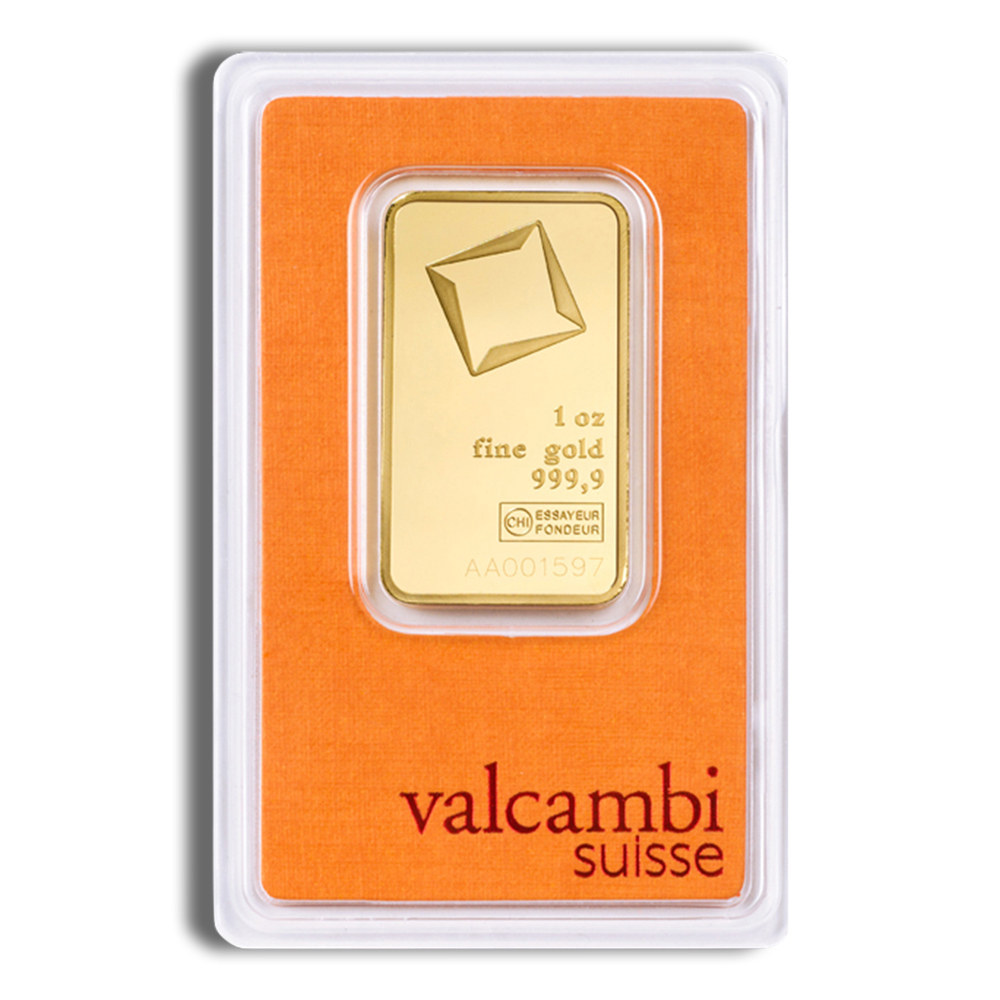
1 oz Gold Bar – Valcambi (Carded)
A carded Valcambi format for comparison with other one-ounce bars. Review the current product and packaging terms.
View Product & Availability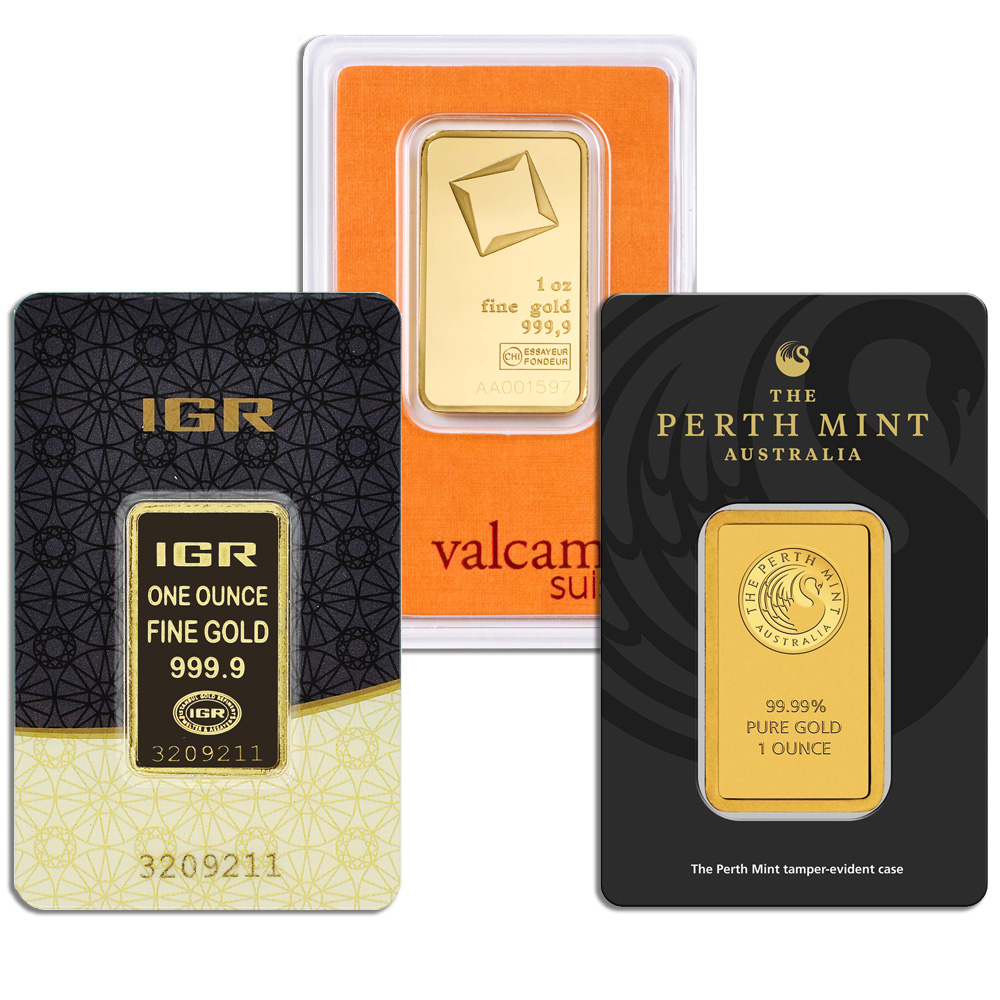
1 oz Gold Bar – Brand Varies .9999 (Carded)
Compare an alternative for buyers who do not require a specific refiner. The delivered brand is governed by the listing.