
How to Test If a Silver Round Is Real
Primary keyword: how to test if a silver round is real. Specifications and live listings were checked on the review date; verify the exact item before acting.
For the next step in authentication research, see Agate’s guide to precious metal verifier testing.
If you are learning how to test if a silver round is real, start with identification, weight, dimensions, a careful magnet screen, and a comparison with the manufacturer’s specifications. Those checks can expose obvious problems without damaging the round, but no single home test proves authenticity. If the results conflict—or the value is meaningful—have a reputable precious-metals dealer test it with appropriate professional equipment.
Safe Testing Order
- Identify the exact round and read every marking.
- Compare weight and dimensions with a reliable specification.
- Use a strong magnet as a rejection screen, not proof.
- Inspect edge, lettering, relief, and surface under magnification.
- Escalate uncertainty to non-destructive professional testing.
Know What You Are Testing
A silver round is privately manufactured bullion, not government-issued legal-tender coinage. That difference affects which reference specifications, security features, and resale markets apply. Agate’s guide to silver rounds and how they differ from coins explains the format before you begin testing. Record the maker, design, stated weight, fineness, diameter, thickness, edge style, and any serial or batch information. “One ounce” should mean one troy ounce in bullion context, equal to approximately 31.1035 grams. Do not compare a one-ounce round with a one-ounce avoirdupois weight of 28.35 grams.
How to Test If a Silver Round Is Real: Four Home Screens
Weight Check
Calibrate the scale with a proper reference weight and weigh the round without a capsule. Compare the result with the stated producer specification, allowing for the scale’s accuracy and ordinary manufacturing tolerance. A large mismatch is a stop sign. A correct weight is only one piece of evidence because a counterfeit can be engineered to match weight while failing diameter, thickness, or metal response.
Diameter and Thickness
Measure the widest diameter and several points around the rim. Use gentle pressure; silver is soft and calipers can mark it. A counterfeiter using a metal with a different density may match the weight by changing thickness or diameter. That is why the measurements must agree together.
Magnet Check
Silver is not ferromagnetic, so strong attraction indicates the piece is not solid silver. A neodymium magnet may also move slowly over silver because of eddy currents. But a slow slide does not prove purity: other conductive metals can behave similarly, and plating can hide a different core. Keep strong magnets away from electronics, pacemakers, children, and pinch points.
Visual and Edge Inspection
Use a loupe and good neutral lighting. Compare the exact design with a known genuine example from the same maker. Look for misspellings, mushy lettering, repeated casting pits, incorrect fonts, seams, plated edges, uneven reeding, and surface bubbles. Secondary-market wear and toning can be genuine, so appearance must be interpreted with the listing’s condition terms.
Joe’s dealer note: I’m Joe Agate, a working coin dealer in Buffalo. Weight and calipers are great “this cannot be right” tools. They are not “this must be real” tools. I want several independent checks to agree.
Tests That Need Extra Caution
Ping apps compare sound patterns, but phones, surfaces, cases, and similar alloys can affect the result. Ice melts quickly on silver because silver conducts heat well, but that is not a purity measurement. Specific-gravity testing can be useful when performed carefully, yet trapped air, inaccurate water temperature, a hanging thread, or a plated core can mislead the user.
Acid and scratch tests can damage a round, expose the user to chemicals, and often test only a small surface area. Do not file, drill, scratch, or acid-test a collectible or customer-owned piece without informed permission. Start with non-destructive methods.
Why Authenticity Affects Value
An authentic generic round generally trades around its recoverable silver content plus or minus a market adjustment. Use Agate’s silver price per ounce guide to understand the reference value. Design, mint, quantity, condition, and current demand can affect the actual bid; authenticity only establishes that the claimed metal is present.
Professional Non-Destructive Testing
A dealer may combine weight and dimensions with conductivity, X-ray fluorescence, ultrasound, magnetic analysis, or other methods suited to the product. Each instrument has depth and calibration limits. XRF primarily reads the surface, while ultrasound and conductivity answer different questions. Layering methods is more reliable than treating one display reading as a universal certificate.
Use a seller with clear identification, transaction terms, and testing procedures. Agate’s guide to choosing a reputable precious-metals dealer gives a practical trust checklist.
Handling, Storage, and Resale
Hold the round by the edge over a soft surface. Avoid PVC flips, adhesives, abrasive polishing, and direct contact with sulfur-containing materials. After testing, follow the companion guide to protect and store silver coins properly. Before a sale, learn how to sell silver rounds to a dealer.
Bottom Line
Identify first, then compare weight, diameter, thickness, magnetic response, surface details, and provenance. Any failed check is a reason to pause. Several passed home checks reduce uncertainty but do not conclusively authenticate the round. For an important purchase or sale, use a reputable dealer with layered professional testing.
Compare Current Silver Round Listings
Use the live listings to compare stated weight, fineness, mint or brand terms, condition, design selection, and current availability.
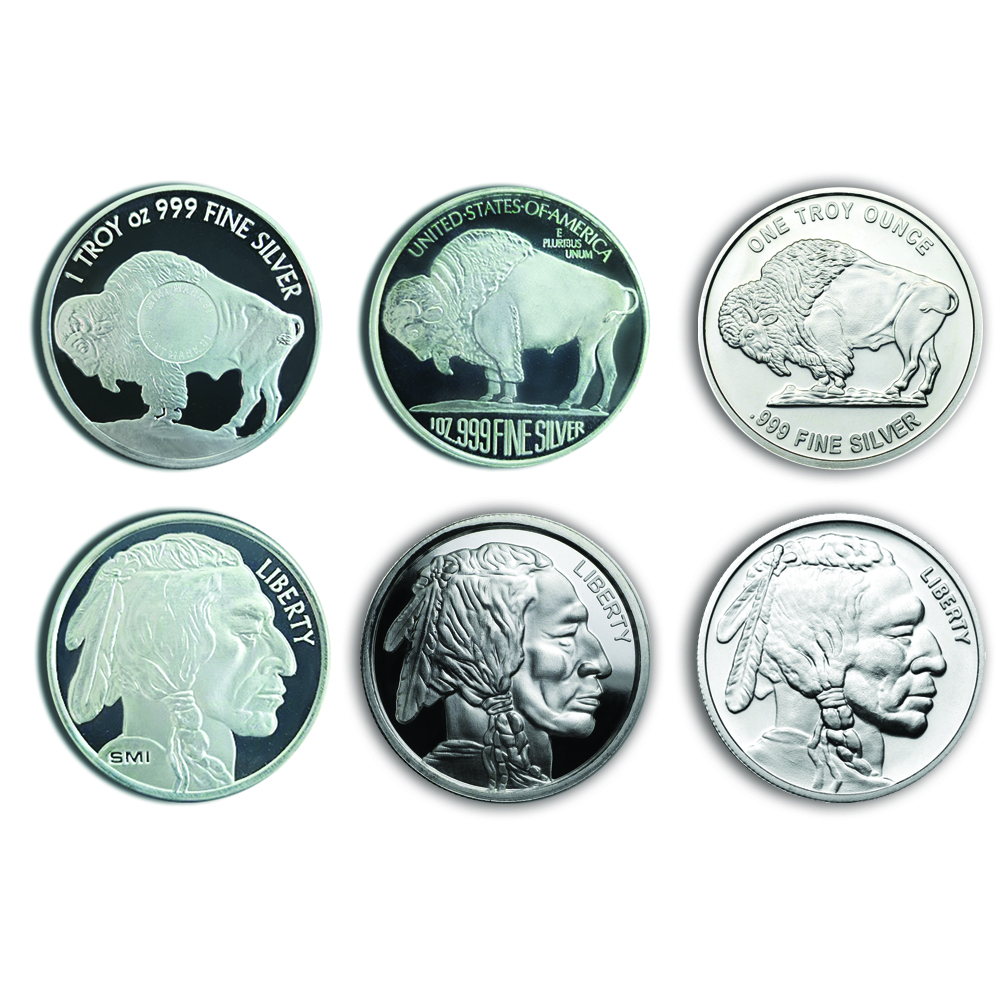
1 oz Silver Round – Buffalo Design
A private-mint one-ounce round; it is not a government coin.
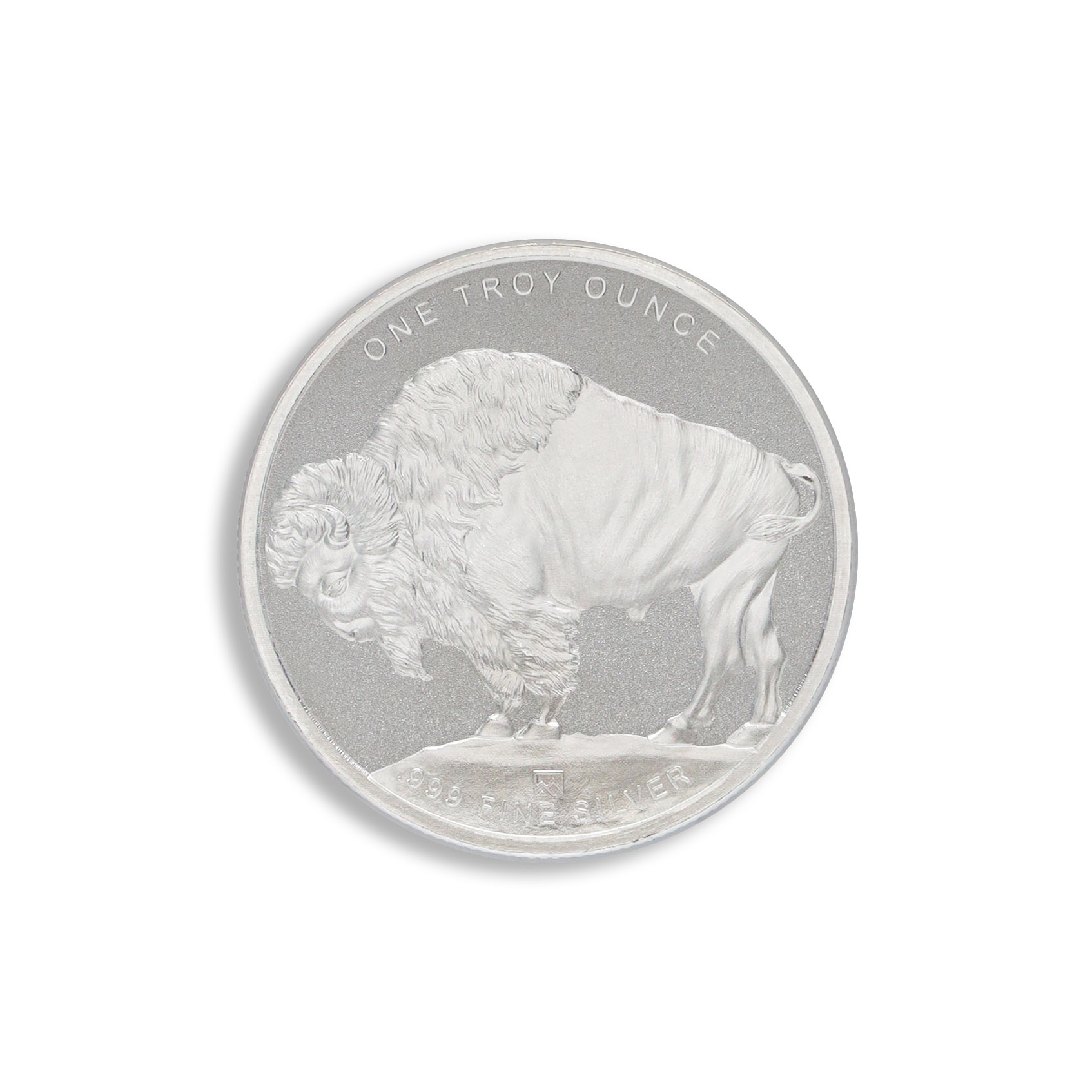
1 oz Silver Round – Buffalo Design .999 – Frontier Mint (New)
A named-mint .999 silver round in new condition.
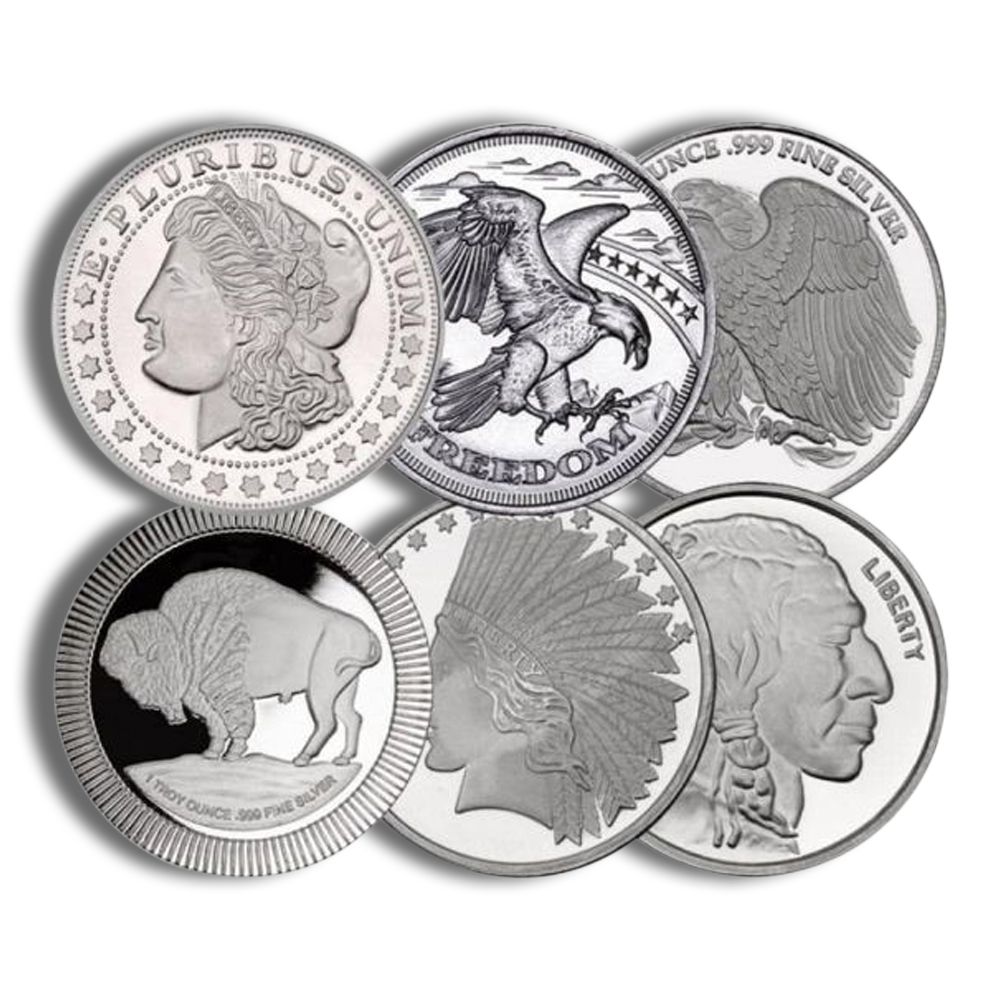
1 oz Silver Round – Design Varies (IRA Eligible)
A one-ounce round listing where the delivered design may vary.
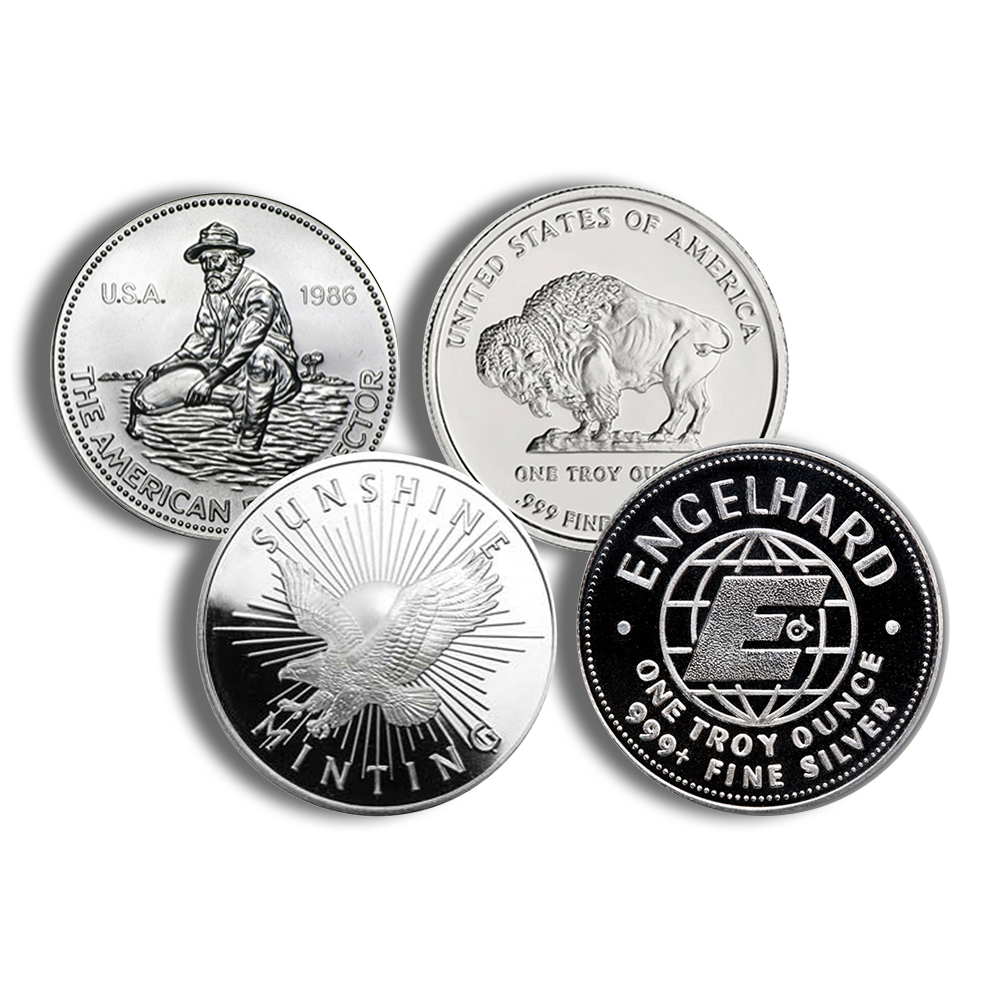
1 oz Silver Round – Design Varies – Secondary Market
A design-varies option for buyers comfortable with secondary-market appearance.
Product pages, images, prices, premiums, packaging, years, and stock were reviewed September 4, 2026 and can change. The live listing controls the order.
Frequently Asked Questions
Will a magnet stick to real silver?
Real silver is not ferromagnetic, so strong attraction is a serious warning. Lack of attraction does not prove the round is silver.
How much should a one-ounce silver round weigh?
A one-troy-ounce bullion round should correspond to approximately 31.1035 grams of stated silver content. Check the exact manufacturer specification and scale accuracy.
Can the ice test prove silver is real?
No. Silver conducts heat well, but other metals do too. The ice test is only a weak observation, not authentication.
Should I acid-test a silver round?
Avoid damaging tests as a first step. Acid is hazardous and may test only the surface; use professional non-destructive methods when possible.
What should I do if one test fails?
Stop the transaction, preserve the round and records, and have a reputable dealer or qualified testing service examine it.
Sources and Verification References
Educational information only—not individualized investment, tax, legal, insurance, appraisal, or financial advice. Screening tests can reject suspicious pieces but cannot conclusively authenticate precious metal. Prices, premiums, bids, inventory, packaging, product specifications, shipping, payment methods, and policies can change; verify the live listing and transaction terms.