
How to Sell Silver Rounds to a Dealer
How to Sell Silver Rounds to a Dealer
To sell silver rounds to a dealer, identify each round, total the fine-silver weight, document condition and packaging, and request a quote tied to a stated spot price and time. Understand what remains subject to authentication, compare estimated net proceeds, and do not clean or alter the rounds before evaluation.
A useful offer explains the products being purchased, the pricing reference, any deductions, and when payment will be issued. A headline percentage of spot does not tell you the complete amount you will receive.
Bring or Send These Items
- Silver rounds organized by weight, purity, mint, and design.
- Original tubes, cards, invoices, or certificates when available.
- A written quantity list with estimated fine-silver ounces.
- Identification required by the dealer’s current policy, provided through a verified channel.
- Questions about the spot reference, deductions, price lock, and payment timing.
Rounds Are Not Government Coins
Silver rounds are generally privately produced bullion or collectible pieces without a government-issued legal-tender denomination. A sovereign bullion coin has a different issuing status. Both formats can contain the same fine-silver weight, but recognition, product demand, and buyer inventory may produce different bids.
A familiar design does not make a round a government coin. Identify the actual maker and product rather than relying on artwork alone. Agate’s guide to who buys silver and how resale works explains the different buyer types.
How to Sell Silver Rounds to a Dealer: Step by Step
- Inventory the lot. List the quantity, stated weight, purity, maker, design, and condition.
- Separate the categories. Keep named-mint, generic, damaged, sealed, and potentially collectible rounds in distinct groups.
- Estimate metal value. Multiply fine troy ounces by the same timestamped spot reference used for the comparison.
- Request written terms. Ask for the product bid, deductions, price-lock procedure, and payment timing.
- Agree on verification. Understand the proposed inspection and testing before authorizing any procedure that could alter the item.
- Review the settlement. Confirm the final offer and net proceeds before accepting the sale.
How a Silver-Round Offer Is Calculated
Fine-silver ounces × reference spot price ± product adjustment − seller-paid transaction costs = estimated net proceeds.
Use verified fine-silver content rather than the weight of tubes, packaging, or non-silver components. When a specification already states fine-silver ounces, do not apply the purity adjustment a second time.
Suppose a hypothetical lot contains 20 rounds, each with one verified fine troy ounce of silver, and the reference spot price is $40 per ounce. The reference metal value is $800. If the dealer bids $0.75 below spot per round, the gross offer is $785.
| Calculation | Example |
|---|---|
| Verified fine-silver content | 20 rounds × 1 fine troy ounce = 20 fine troy ounces |
| Hypothetical spot reference | $40 per fine troy ounce |
| Reference metal value | 20 × $40 = $800 |
| Dealer adjustment | 20 × −$0.75 = −$15 |
| Gross offer | $800 − $15 = $785 |
| Estimated net proceeds | $785 minus any disclosed seller-paid costs |
This is an arithmetic example, not a current silver price or Agate buyback quote. Shipping, insurance, testing, or handling costs must be identified before calculating the final net amount.
Review Agate’s guide to spot prices and bullion premiums before comparing offers.
Why a Bid Can Be Above or Below Spot
Spot is a market reference, not a guaranteed retail buyback price. A dealer may consider replacement cost, customer demand, inventory, mint recognition, quantity, condition, verification costs, and market movement.
A recognizable round may receive a stronger offer when that product is in demand. Damaged or difficult-to-identify items may require additional evaluation. Plated, underweight, or misdescribed pieces may be reclassified or rejected rather than purchased as the claimed silver product.
Uniform lots can be simpler to count and compare than mixed boxes. That does not guarantee a higher bid, so request the actual terms for your inventory.
What the Dealer Tests
The dealer checks whether each item matches its claimed product, weight, and composition. Depending on the material and equipment, evaluation may include visual inspection, weight, dimensions, magnetic response, conductivity, X-ray fluorescence, ultrasound, or other suitable methods.
These methods answer different questions and have limitations. A magnet response alone does not establish authenticity, and a surface measurement does not necessarily establish the composition throughout an item. Ask what the proposed testing measures and whether additional checks are needed.
Before requesting a quote, review how to check a silver round’s authenticity. Home observations can help you organize questions, but the buyer may still require its own verification.
Condition and Packaging
Ordinary handling marks may receive different treatment on generic secondary-market bullion than on a limited collector round. Keep condition categories separate so the dealer can explain how each group is being priced.
Do not polish, wipe, acid-test, file, or drill rounds before an evaluation. Cleaning does not add silver and may alter surfaces or reduce collectible appeal.
Keep tubes, cards, original packaging, invoices, and certificates with the correct items. For storage considerations, review Agate’s guide to reducing storage damage before resale.
Local Sale vs. Insured Shipment
Selling in Person
An in-person sale allows direct discussion and may avoid shipping expense. Confirm the buyer’s identity, whether an appointment is needed, the testing process, and available payment methods before traveling.
For a broader comparison, read selling locally versus selling online. Agate’s local-dealer evaluation guide offers additional business-screening questions.
Selling by Mail
Before shipping, confirm the business name, verified address, carrier requirements, insurance coverage, packaging instructions, tracking, price-lock terms, and rejected-item return process.
Ask who bears loss risk and what documentation is required for a claim. A declared package value does not, by itself, establish that precious metals are covered.
Photograph the contents and packing stages. Use discreet exterior packaging while completing any required carrier or customs declarations accurately. Keep the inventory, shipping receipt, and tracking record.
Questions to Ask Before Accepting
- Which spot feed and timestamp are you using?
- Is the quote per piece, per fine ounce, or for the complete lot?
- What is locked now, and what remains subject to inspection?
- Are there minimum quantities, fees, shipping costs, or other deductions?
- What happens to a rejected or misdescribed round?
- When and how will payment be issued?
- Will potentially collectible pieces be evaluated separately from generic bullion?
Compare the Final Net Offer
Organize the lot, document what you own, and request an item-specific written quote. Compare offers under similar market conditions and account for every seller-paid cost.
The buyer should explain its testing, relationship to spot, deductions, price-lock timing, and payment process. Keep the final settlement and inventory records after the sale.
Examples of Silver Round Categories
Named-mint, design-varies, new, and secondary-market rounds may receive different bids. The following links are retail product examples, not Agate buyback offers. Use them to understand the categories and check current listing terms.
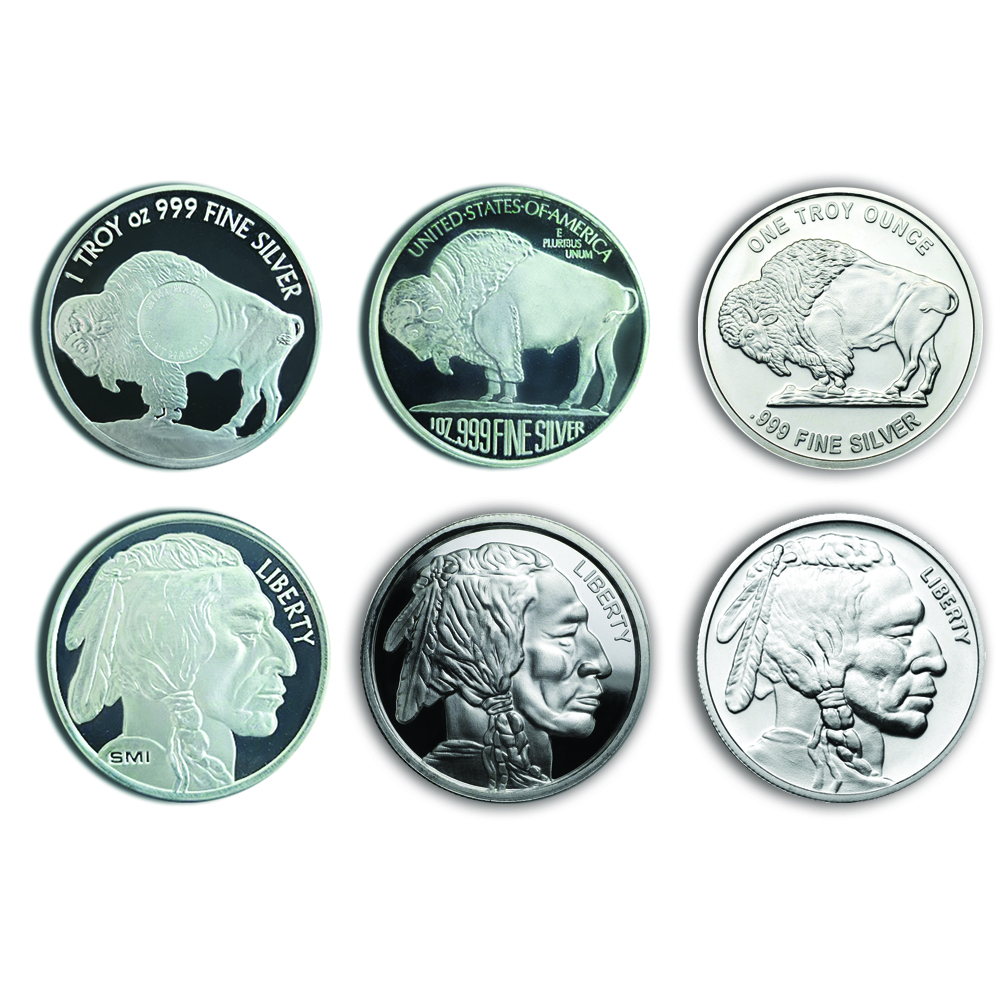 Buffalo Design
1 oz Silver Round — Buffalo Design
A private-mint round format. Buffalo artwork does not make it a government-issued coin.
View Retail Listing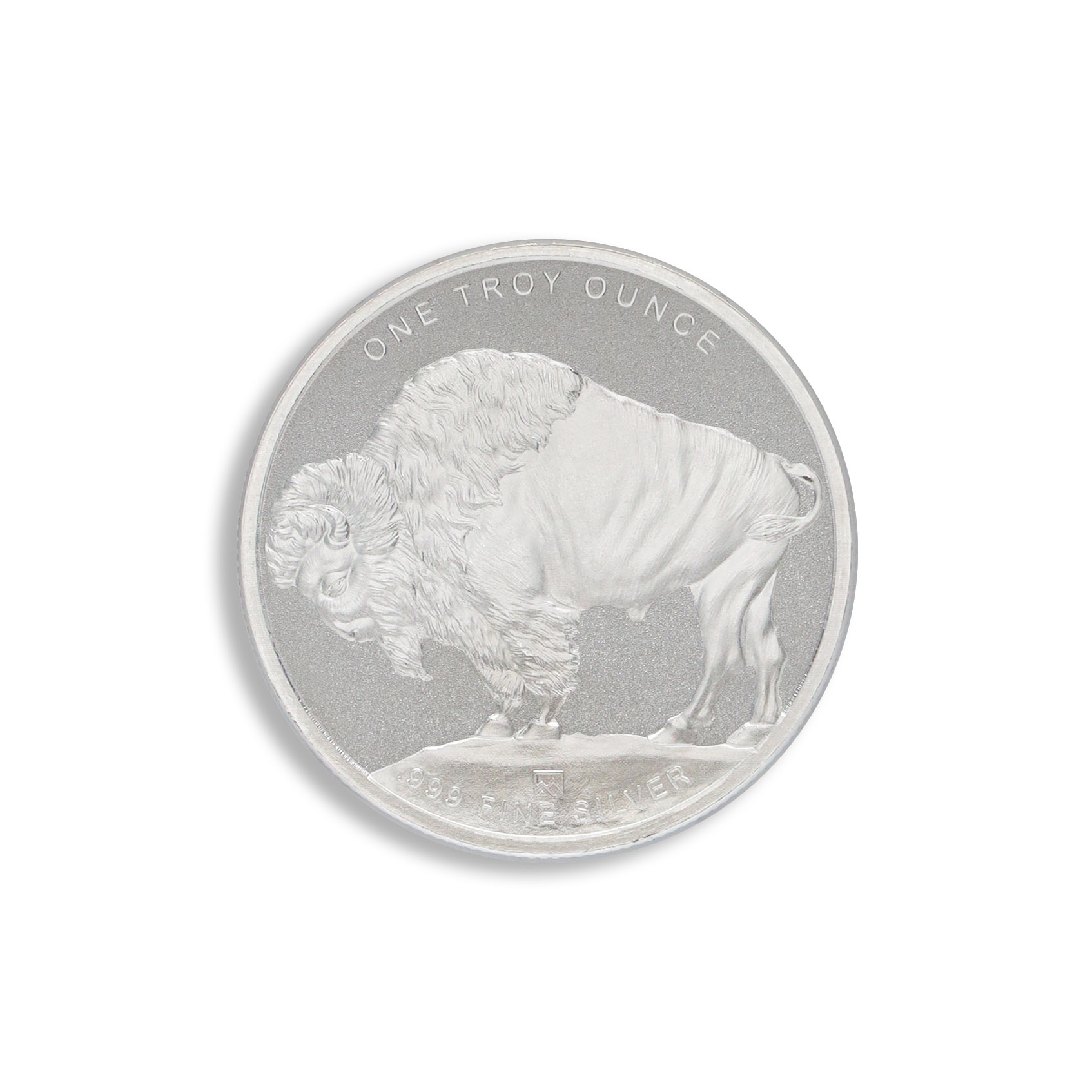 Named Mint
1 oz Frontier Mint Buffalo Silver Round
A Frontier Mint listing identifying .999 silver and new condition. Compare those details with the actual rounds being sold.
View Retail Listing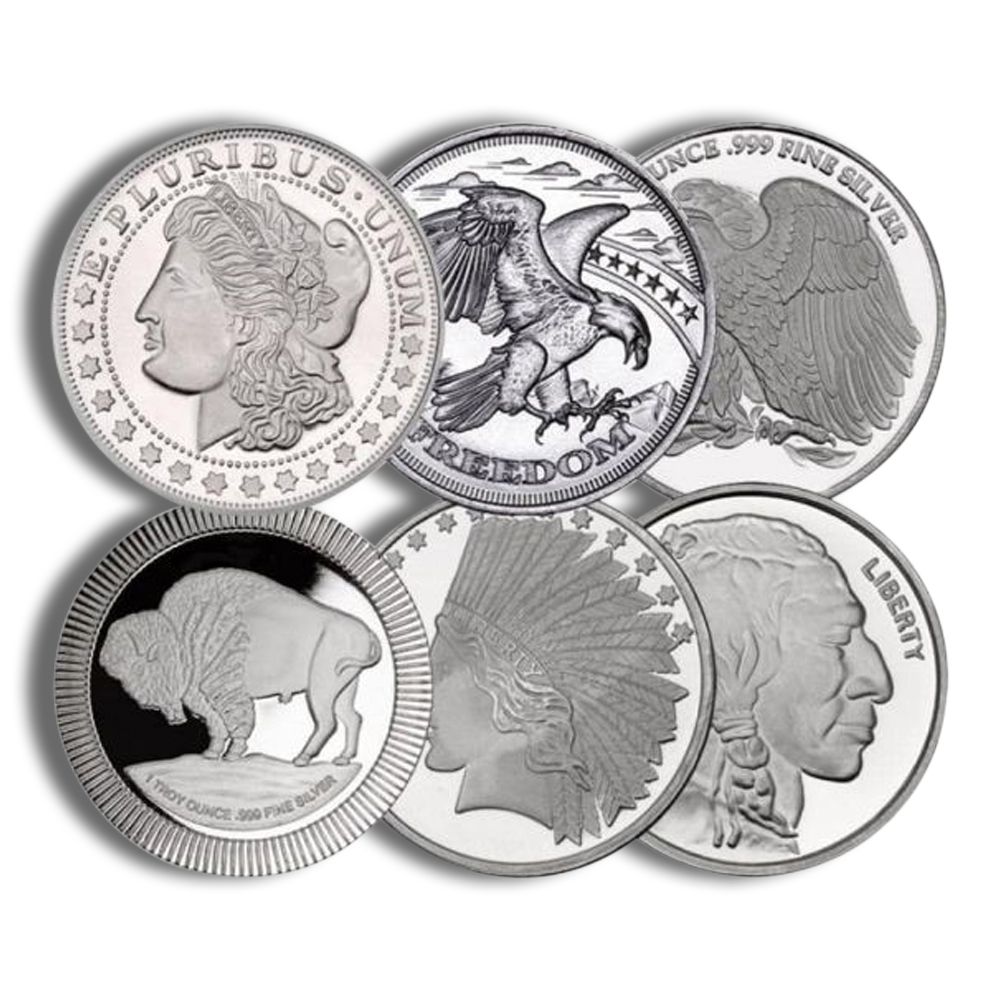 Design Varies
1 oz Silver Round — Design Varies
A variable-design listing. Identify the actual manufacturer, markings, and condition when requesting a resale quote.
View Retail Listing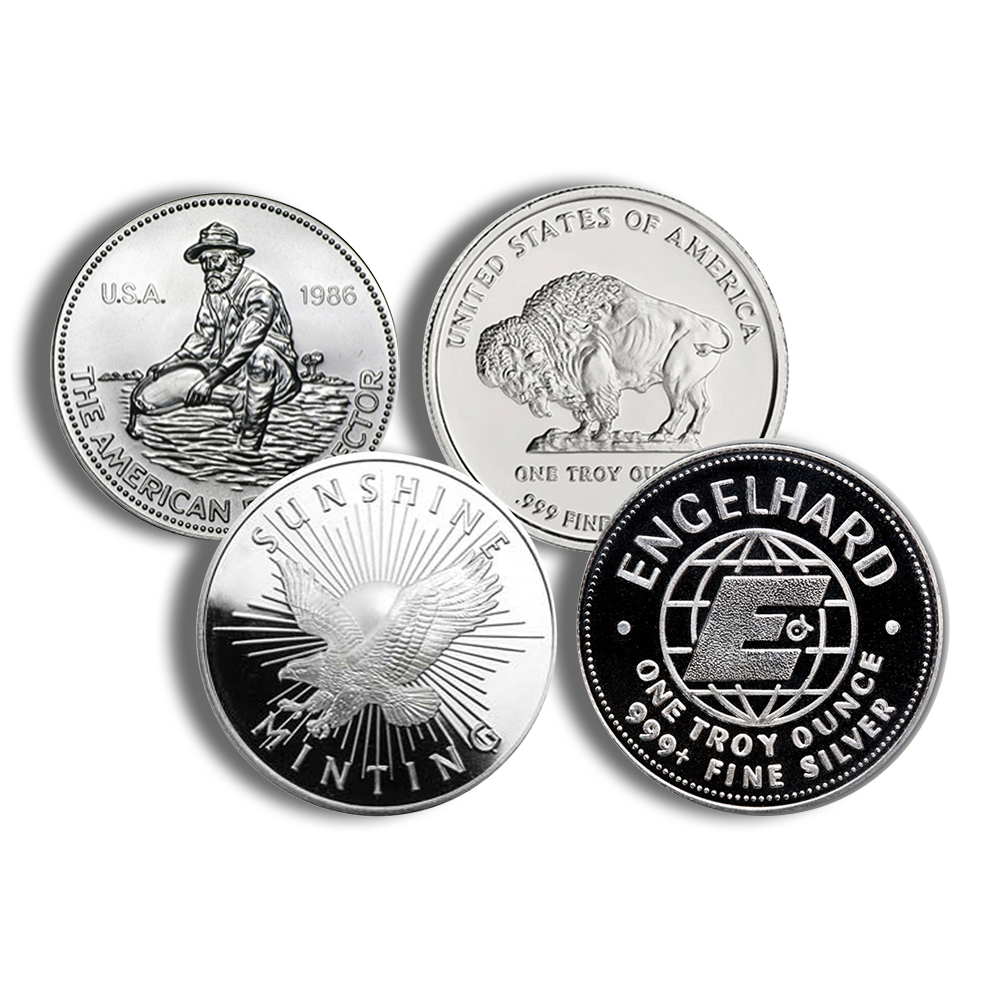 Secondary Market
1 oz Silver Round — Secondary Market
A design-varies secondary-market offering. Review condition terms rather than assuming every piece has the same appearance.
View Retail ListingProduct images, prices, packaging, selection terms, and availability may change. Retail prices do not establish the amount a dealer will pay for your rounds.
Frequently Asked Questions
Do dealers buy generic silver rounds?
Many precious-metals dealers buy verified generic rounds. Confirm that the buyer accepts your products and quantities, then ask how weight, purity, condition, and current demand affect its offer.
Will a dealer pay spot price for silver rounds?
A bid can be above, at, or below spot depending on the product and market. Ask for the exact adjustment, any deductions, and the final net amount rather than assuming spot is a guaranteed buyback price.
Should I clean silver rounds before selling?
No. Cleaning can alter surfaces and does not increase silver content. Keep the rounds as found, preserve their packaging, and disclose known condition issues.
How are silver rounds authenticated by a dealer?
A dealer may combine visual inspection, weight, dimensions, magnetic response, conductivity, XRF, or other suitable methods. The appropriate combination depends on the item, and no single screening result should be treated as universal proof.
Is it better to sell silver rounds locally or by mail?
Compare the local offer with the shipped offer after costs, timing, verification, insurance, and return terms. Local selling avoids outbound shipping; mail-in selling may provide access to additional buyers. Neither route is always better.
Sources and Verification References
Agate Metals disclosure: This guide is educational and does not provide an appraisal or binding buyback offer. Spot prices, dealer bids, testing requirements, shipping coverage, payment methods, and transaction terms can change. Confirm current written terms before sending items or accepting a sale.