
Best Places to Sell Gold and Silver: Local vs. Online Buyers
The best place to sell gold and silver depends on what you own, how quickly you need a decision, how much documentation the items require, and whether you prefer an in-person evaluation or an online quote. Local coin shops, precious-metals dealers, pawn or estate buyers, coin shows, and online buyers can all serve different situations.
The safest comparison is not simply “who pays the highest percentage.” Compare the net offer, evaluation method, payment terms, privacy, shipping or travel risk, and treatment of collectible value. A local shop may be convenient for a small mixed collection. An online dealer may provide a broader buyer network for recognized bullion or a larger, organized lot. In either case, request written terms before transferring ownership.
Key Takeaways
Local dealers are useful when you want face-to-face testing, immediate questions, or help separating bullion from collectible coins.
Online buyers can be practical for organized lots, recognized bullion, and sellers who prefer a wider market, but shipping and inspection terms matter.
Pawn and estate buyers may be convenient, but you should compare their evaluation method and offer against a specialist dealer.
Coin shows can provide several opinions in one place, but each table is a separate transaction and should be evaluated independently.
Compare the final net amount—not just a percentage of spot—and keep an itemized record of the transaction.
Local vs. Online: The Short Answer
Choose a local coin shop or precious-metals dealer when you value an in-person inspection, want to ask questions while the items are being evaluated, or have a mixed collection that needs sorting. Choose an online buyer when your coins or bars are well documented, you are comfortable with insured shipping, and the written terms make the remote inspection process clear.
Neither channel is automatically better. A local buyer can provide convenience without shipping, but the offer may reflect the shop’s local demand and inventory needs. An online buyer may have access to a larger resale network, but the transaction takes longer and your final offer may depend on arrival and authentication.
Compare the Main Places to Sell Gold and Silver
| Selling channel | Best fit | Main advantages | Questions or risks to check |
|---|---|---|---|
| Local coin shop or precious-metals dealer | Small to medium lots, mixed coins, sellers who want in-person review | Face-to-face questions, direct inspection, no outbound shipping | Testing method, written settlement, buyback spread, privacy, payment method |
| Online precious-metals buyer | Organized bullion, documented coins, larger or specialized lots | Broader buyer network, quote comparison, convenient from home | Insurance, price lock, inspection changes, return shipping, payment timing |
| Pawn or general estate buyer | Speed or convenience for common items | Many locations and simple intake process | May not separate collectible value; compare offer and testing process |
| Coin show or multiple-dealer event | Sellers seeking several opinions in one visit | Several specialists in one place, possible comparison | Different standards at each table; protect privacy and records |
| Auction or specialist consignment | Rare, graded, or high-value collectible material | Access to collectors and specialty demand | Fees, waiting period, reserve terms, uncertain final proceeds |
This comparison is a starting framework. The right channel depends on the exact metal, product, condition, market, and transaction terms.
Before Choosing a Buyer, Identify What You Own
A buyer cannot evaluate your options accurately if the lot is an unidentified mixture. Create a simple inventory before calling shops or requesting online offers.
Record:
-
Metal: gold, silver, platinum, palladium, or another material.
-
Product type: sovereign coin, private-mint round, bar, medal, jewelry, flatware, proof, or graded coin.
-
Weight and fineness, when marked or documented.
-
Coin date, denomination, mint mark, and country.
-
Refiner, mint, serial number, and assay-card information for bars.
-
Certification service and certification number for graded coins.
-
Original packaging, certificates, receipts, tubes, capsules, or boxes.
-
Visible damage, cleaning, plating, missing packaging, or uncertainty.
Keep private-mint rounds separate from government-issued coins. Agate’s How to Sell Silver Rounds to a Dealer explains why rounds, sovereign coins, and collectible pieces may receive different treatment.
Do not assume every old coin is rare, and do not assume every modern bullion coin is worth only melt value. Separate the categories first, then ask how the buyer will evaluate each group.
When a Local Coin Shop Is the Better Choice
A local shop can be the better first stop when you want to see the evaluation happen in person. You can ask what equipment is being used, clarify whether a coin is being treated as bullion or collectible material, and receive a receipt without packaging and shipping a valuable lot.
Local selling may suit you when:
-
You have a mixed inheritance or accumulation of different coin types.
-
You are unsure whether some pieces are collectible.
-
You want to compare the buyer’s stated spot reference with the offer.
-
You prefer not to ship precious metals.
-
You need an initial sorting or identification conversation.
-
The lot is small enough that travel is practical.
Call before visiting. Ask whether the shop currently buys the type of material you have, whether an appointment is required, what identification is needed, and whether the shop offers cash, check, bank transfer, or another payment method.
At the counter, ask for an itemized explanation. A reputable buyer should be able to distinguish fine-metal value, product demand, collectible considerations, testing costs, and the final amount being offered.
Agate’s Where to Buy Silver Coins Near You is primarily a buying guide, but its dealer-evaluation principles can help when screening a local business. The new decision here is not where to buy; it is whether a local buyer gives you a clear and comparable selling evaluation.
When an Online Buyer May Be More Practical
An online buyer may be more practical when the lot is organized, the products are recognized, and you are comfortable following insured shipping instructions. Online quotes also make it easier to request the same information from several buyers.
Online selling may suit you when:
-
You own recognized bullion coins or bars with clear specifications.
-
You have a larger or more specialized lot.
-
Local shops do not regularly handle your products.
-
You want to compare written quotes from different markets.
-
You can wait for delivery, inspection, and payment.
-
You understand the insurance and return procedure.
Before shipping, confirm the exact items included, whether the quote is binding or conditional, when the price is locked, what tests may be performed, who pays shipping and insurance, and what happens if the buyer changes the offer after inspection.
The prior estimate or photograph is not necessarily the final settlement. That is acceptable when the inspection process is stated in advance. It is not acceptable when a buyer refuses to explain how reclassification, rejection, deductions, or return shipping work.
For a complete online process, see How to Sell Silver Coins Online. That guide focuses on online liquidation of sovereign silver coins, 90% silver, proofs, and graded material.
Pawn Shops and Estate Buyers: Convenient but Not Always Specialized
Pawn shops and general estate buyers can be convenient, especially when you need an initial opinion or have a broad household collection. Their staff may be experienced with common gold and silver items, but the business model may not be designed to identify every numismatic or specialist premium.
Ask whether the buyer evaluates:
-
Silver and gold bullion by fine-metal content.
-
Recognized sovereign coins by current market demand.
-
Graded coins using certification and comparable sales.
-
Jewelry separately from bullion.
-
Rare or old coins through a specialist review.
If the buyer gives one blended number for a mixed box without identifying the categories, treat that as a starting point rather than a final comparison. A specialist coin dealer or auction professional may be more appropriate for scarce dates, unusual mint marks, high-grade coins, and documented collections.
Coin Shows and Multiple-Dealer Events
A coin show can allow you to speak with several dealers in one location. This may be useful when you want multiple opinions on a collection, especially if it includes both bullion and collectible coins.
However, a show is not one unified marketplace. Each table represents a separate buyer, with separate expertise, inventory needs, policies, and payment procedures. Keep your lot organized and avoid displaying sensitive personal information publicly. Ask each dealer whether the offer is for bullion, wholesale trade, retail resale, or a collectible evaluation.
Write down the terms for each offer. If a dealer asks to take the entire lot into a back room, requests unusual personal information, or pressures you to accept immediately, pause and compare the process with another buyer.
How to Compare Offers Fairly
Use the same inventory and assumptions for every buyer. A simple comparison worksheet can include:
| Comparison field | Buyer A | Buyer B | Buyer C |
|---|---|---|---|
| Identified metal and products | |||
| Reference spot price and time | |||
| Gross offer | |||
| Shipping, insurance, testing, or handling costs | |||
| Return or reclassification costs | |||
| Expected payment method and timing | |||
| Estimated net proceeds | |||
| Price-lock period |
For bullion, estimate the metal component using the current spot reference and fine weight. A rough melt estimate is:
Fine-metal ounces × spot price = approximate metal value
That calculation does not account for collectible value, dealer spread, testing, shipping, insurance, payment costs, or the buyer’s current demand. Agate’s silver coin melt-value guide explains the distinction between melt value and an actual offer. For broader market context, see the gold and silver spot-price guide.
Safety Checklist Before You Sell
Before accepting an offer, verify:
-
The buyer’s legal or trading name and contact details.
-
The physical location or verified mailing address.
-
The testing and authentication method.
-
The exact products and quantities included.
-
The spot-price reference and quote timestamp.
-
All deductions, fees, and shipping responsibilities.
-
The price-lock and inspection conditions.
-
What happens to rejected or reclassified items.
-
Payment method, timing, and documentation.
-
How personal information will be handled.
Do not clean or polish coins. Do not mail valuable material without following the agreed insurance procedure. Do not send passwords, unnecessary financial credentials, or identity documents through an unverified channel. The CFTC precious-metals fraud advisory is a useful reminder to question pressure, unrealistic promises, and unclear transaction terms.
Keep photographs, serial numbers, inventory sheets, receipts, tracking information, and final settlement records. These records help resolve misunderstandings and make future selling decisions easier.
Local or Online: A Practical Decision Tree
Choose local first if you have a mixed collection, need help identifying items, want face-to-face testing, or are uncomfortable shipping valuable property.
Choose online first if you have a clearly inventoried lot, recognized bullion, reliable documentation, and enough time to manage insured shipping and remote inspection.
Seek a specialist or auction evaluation if the lot contains scarce dates, rare varieties, high-grade certified coins, unusual medals, or pieces with possible historical value.
Request more than one offer when the transaction is meaningful to you. Use identical information and compare the net settlement rather than negotiating from different assumptions.
Gold and Silver Products Buyers Evaluate Differently
These live retail listings illustrate different product categories; they are not Agate buyback quotes. A sovereign coin, a sealed bar, common 90% silver, and a raw Morgan dollar can require different authentication, market, and collectible-value decisions.
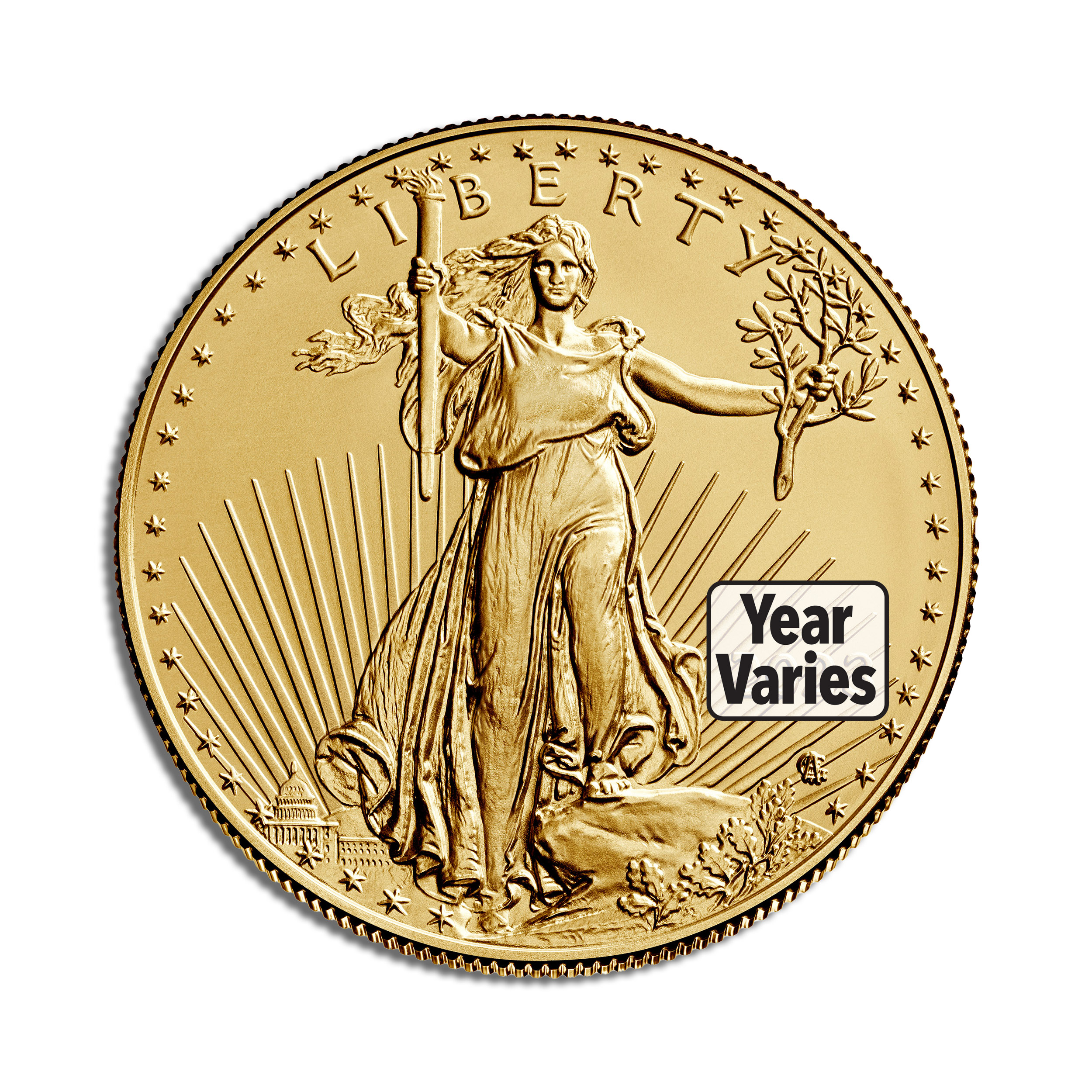
1 oz Gold Eagle – BU (Year Varies)
A one-ounce Gold Eagle with year selected under the listing terms.
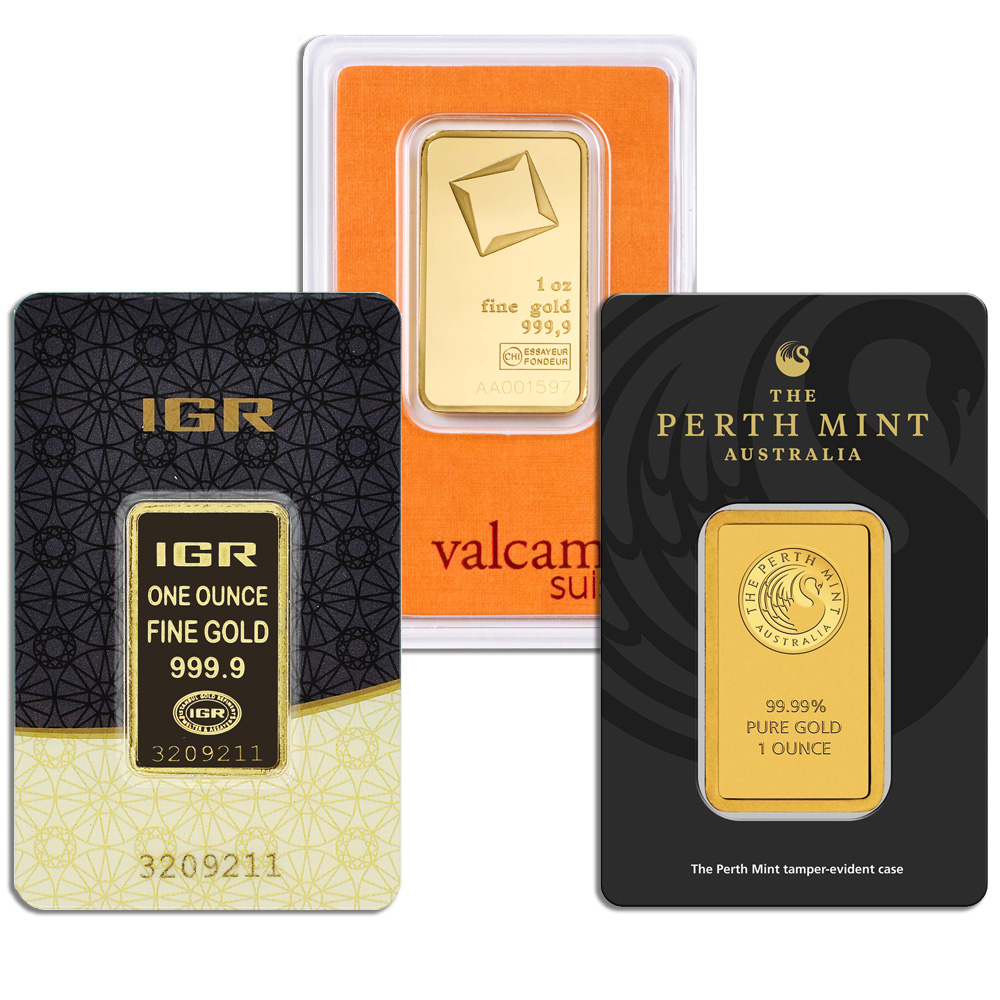
1 oz Gold Bar – Brand Varies .9999 (Carded)
A carded one-ounce .9999 listing where the brand is selected at fulfillment.
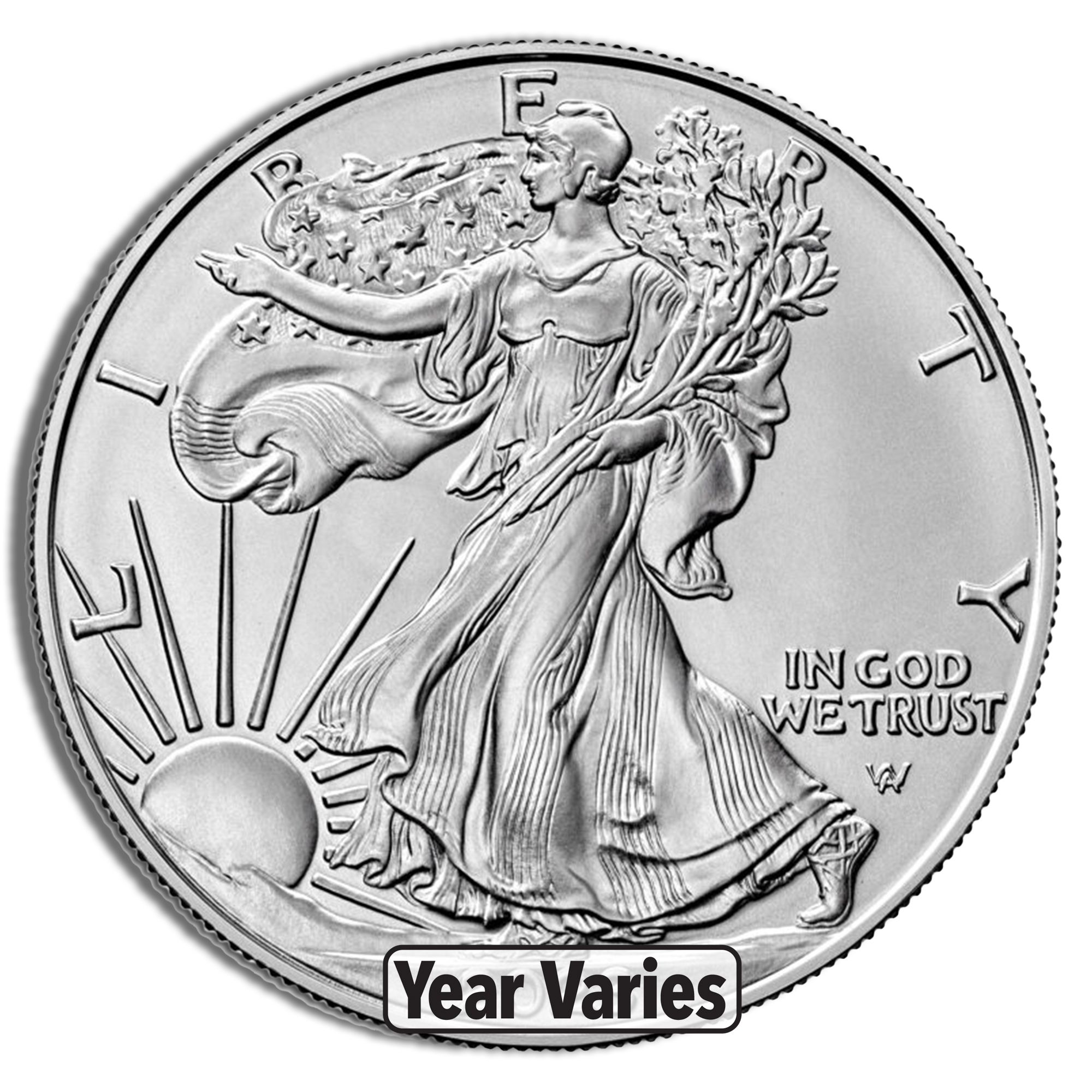
Silver American Eagle – BU (Year Varies)
A one-ounce .999 American Silver Eagle in BU condition with year varying.
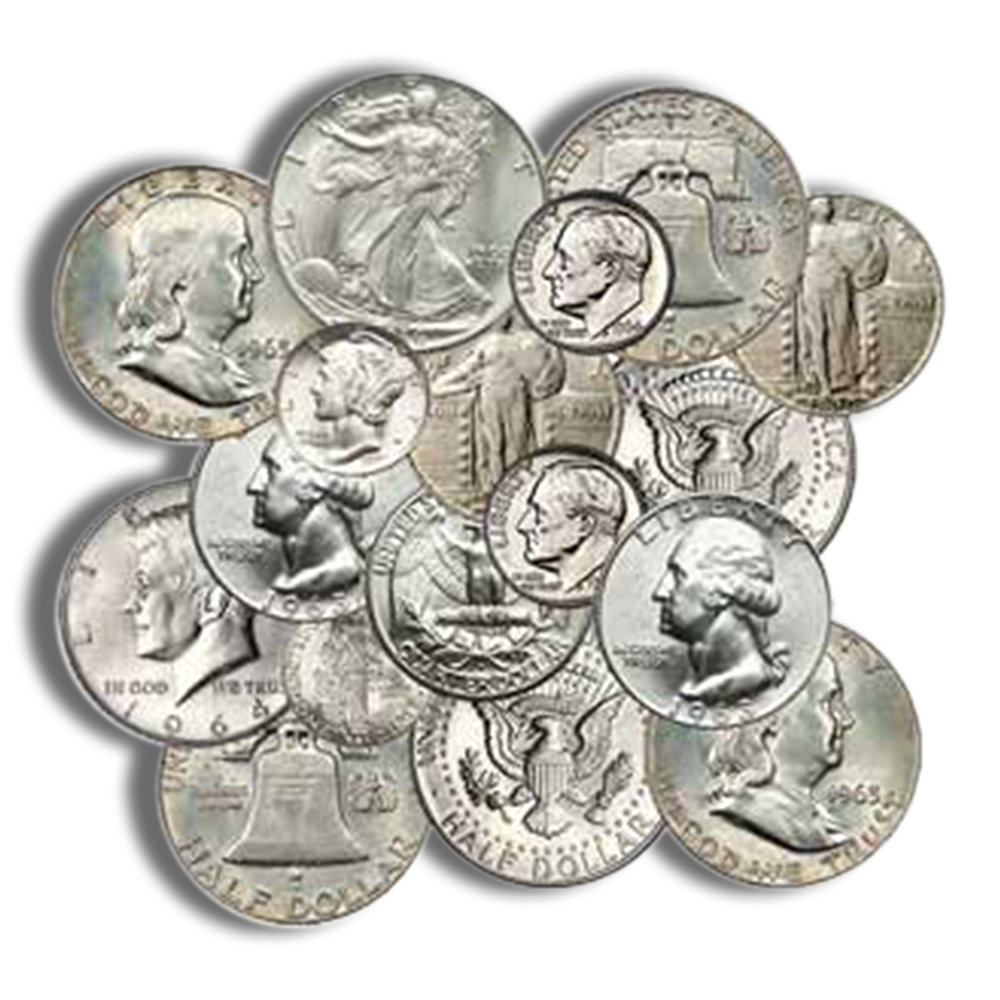
$1 FV 90% Silver Coin Various Denominations (Pre-1965)
A one-dollar face-value lot of qualifying pre-1965 90% silver denominations.
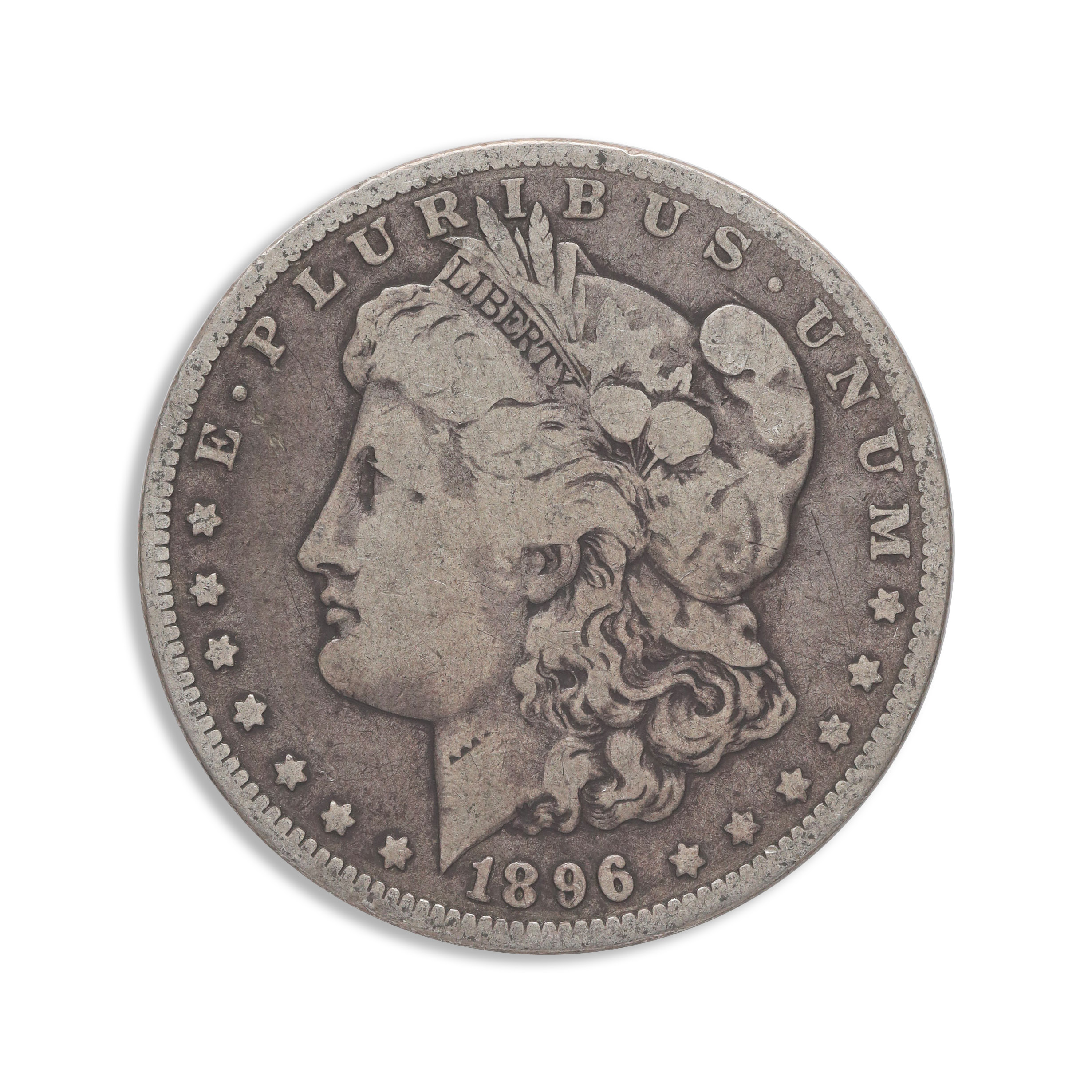
1878–1904 Morgan Silver Dollar – VG
A raw circulated pre-1921 Morgan offered with a dealer condition description.
Product pages, images, specifications, prices, premiums, packaging, and stock were reviewed September 6, 2026 and can change. The live listing controls the order.
What Agate Can Verify
For an Agate transaction, Agate can verify the items received, observed condition, testing performed, resulting classification, current quote terms, and settlement details it provides in writing. A photograph-based estimate may change after physical inspection. Spot prices, dealer bids, product demand, shipping requirements, payment methods, and local identification or reporting requirements can change.
Frequently Asked Questions
Is it better to sell gold and silver locally or online?
Neither is always better. Local selling provides face-to-face review and avoids outbound shipping. Online selling may provide broader access and easier written quote comparison. Choose based on the product, lot size, evaluation needs, timing, and terms.
Who pays more for gold and silver, a coin shop or an online buyer?
The answer changes with the exact item, market conditions, dealer demand, and transaction costs. Compare the net offer after shipping, insurance, testing, payment, and return terms rather than relying on a general claim about one channel.
Are pawn shops a good place to sell coins?
They can be convenient for common items, but not every pawn shop specializes in bullion or collectible coins. Ask how the item will be valued and compare the offer with a specialist dealer before accepting.
Should I sell collectible coins to a local dealer or online?
Request a specialist evaluation when rarity, grade, date, mint mark, or original packaging may matter. A general bullion quote may not reflect collectible value, while an online auction or specialist consignment may involve fees and a longer timeline.
How do I find coin dealers near me that buy coins for cash?
Search for established coin or precious-metals dealers, verify their location and contact information, call before visiting, ask what material they buy, and confirm identification and payment requirements. Obtain an itemized receipt and compare the evaluation with another qualified buyer when practical.
Do I have to pay taxes when selling gold or silver?
Tax treatment depends on your jurisdiction, cost basis, holding period, product, and individual circumstances. The IRS explains the general gain-or-loss framework in Topic No. 409, but it does not replace advice for your facts. Keep complete transaction records and consult a qualified tax professional.
Bottom Line
The best place to sell gold and silver near you versus online depends on the material and the transaction you want. Local dealers are often useful for mixed or uncertain collections and sellers who want face-to-face evaluation. Online buyers can be efficient for organized, recognized bullion when the quote, shipping, inspection, and payment terms are clear.
Identify the items first, compare multiple offers when appropriate, calculate estimated net proceeds, protect collectible value, and keep the full record of the sale. A transparent process is more valuable than an attractive but unexplained headline percentage.
Disclosure and Scope
Agate Precious Metals buys and sells physical precious-metal products and may benefit from transactions resulting from this article. This guide is general educational information, not individualized investment, financial, tax, legal, insurance, appraisal, grading, authentication, carrier, or shipping advice. Spot prices, dealer bids, buyer terms, shipping rules, testing procedures, payment policies, and product availability can change. Confirm the current written terms directly with the buyer and carrier before transferring gold or silver.
Sources
- U.S. Commodity Futures Trading Commission, “Fraud Advisory: Precious Metals Fraud”, accessed September 6, 2026.
- Internal Revenue Service, “Topic No. 409, Capital Gains and Losses”, accessed September 6, 2026.