
Buffalo Nickel Value Guide: Dates, Types and Condition
Agate Precious Metals · Coin education
Buffalo Nickel Value Guide: Dates, Types and Condition
Buffalo nickel value depends on its date, mintmark, design type, condition, originality and any authenticated variety or error. Standard Buffalo nickels are copper-nickel coins, not silver bullion. A readable date and careful identification are more useful than a generalized online price or an unusual-looking surface.
Editorial review: .
What Is a Buffalo Nickel?
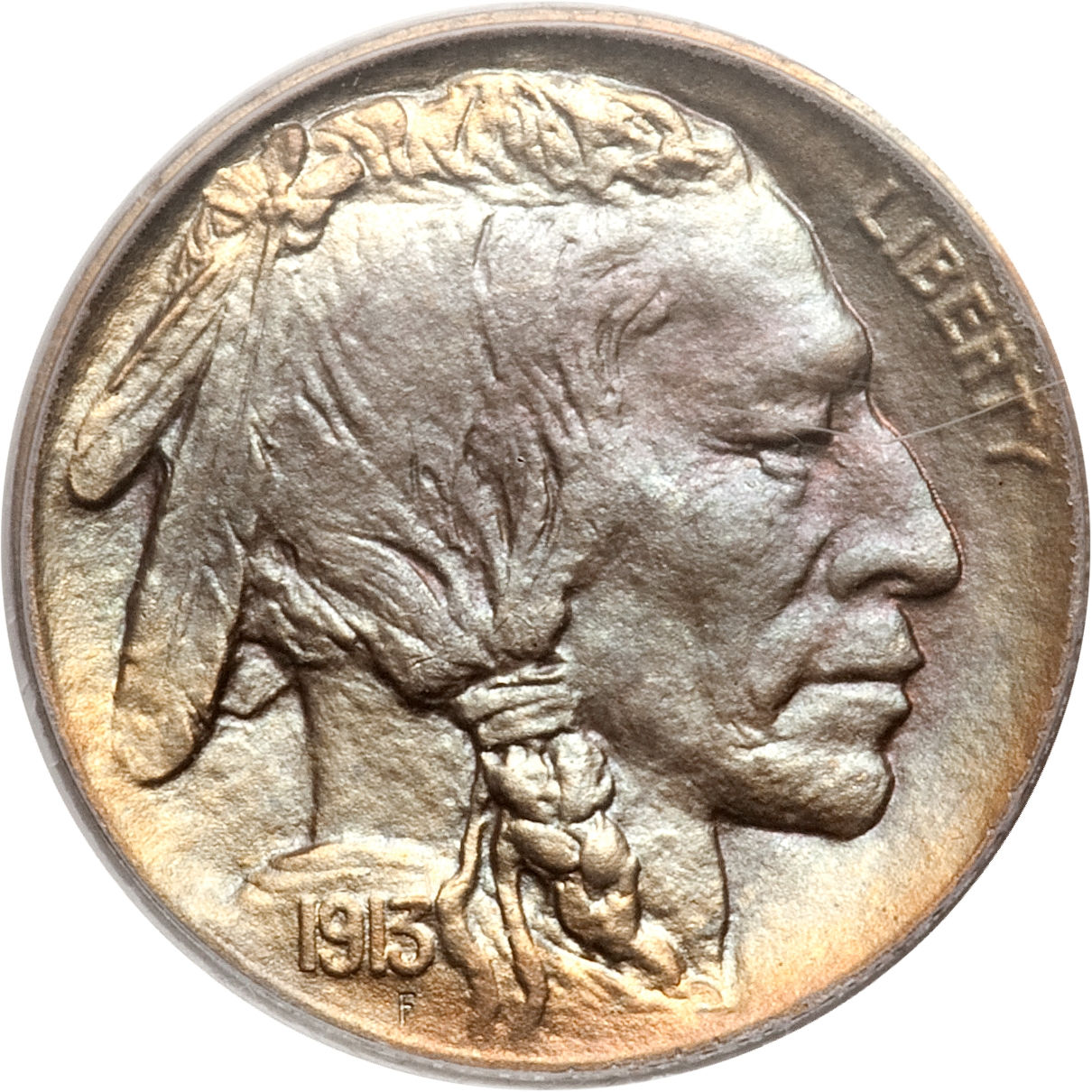
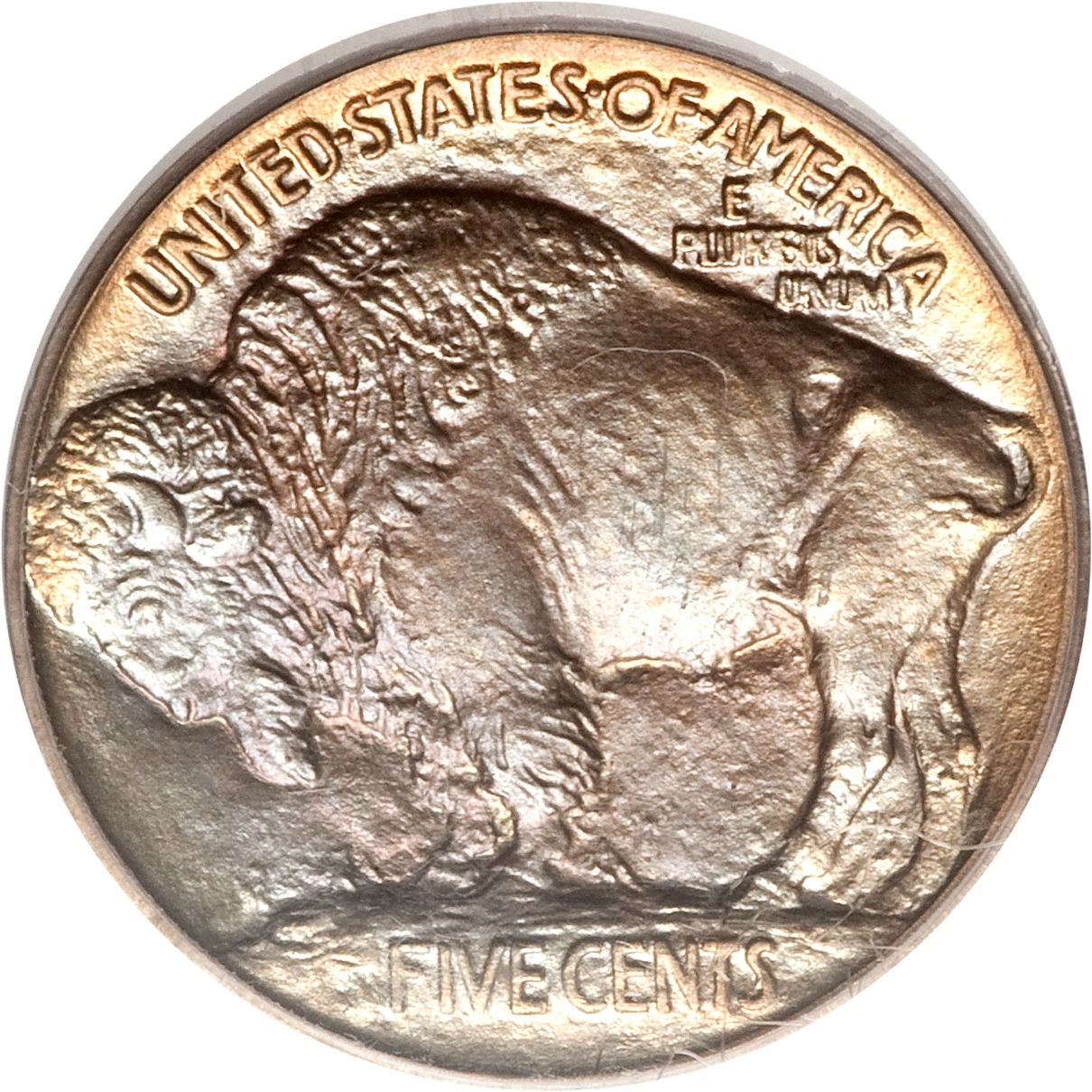
Designed by James Earle Fraser, the Buffalo nickel was issued from 1913 through 1938. Its obverse depicts a Native American profile, while the reverse features an American bison. Collectors also call the series the Indian Head nickel.
Type 1 and Type 2 Buffalo Nickels
The 1913 Type 1 design places the bison on a raised mound. The revised Type 2 design changed the ground and recessed the denomination area to reduce wear. Identify the design before comparing prices.
Type alone does not determine value. The exact date, mintmark, preservation and current collector demand still matter.
Read the Date and Mintmark
The date appears below the portrait on the obverse. This exposed area often wears, making circulated dates difficult to read. The mintmark is on the reverse below the denomination: D indicates Denver, S indicates San Francisco, and Philadelphia issues normally lack a mintmark.
Do not use acid or abrasive methods to restore a weak date. These treatments alter the coin and can reduce its appeal. Record a date as uncertain when the remaining detail does not support a confident identification.
How Condition Affects Buffalo Nickel Value
Inspect the date, portrait detail, bison’s horn, hair, rim and surfaces. A weak strike can resemble wear, so one isolated feature should not determine the grade. Cleaning, corrosion, scratches and tooling also affect desirability.
A bright appearance is not necessarily original. Compare natural surfaces and preservation rather than assuming that shinier means more valuable.
Varieties, Errors and Damage
Recognized overdates, doubled dies and other varieties require specific diagnostics. Die deterioration, circulation damage and alteration can resemble mint-made features. An unusual mark does not automatically make a coin a valuable error.
For an important attribution, use recognized references and qualified examination. If certified, verify the grading-service record and compare it with the actual holder and coin.
Choose the Right Comparison
| Coin Situation | Useful Next Step |
|---|---|
| Readable, ordinary circulated example | Compare completed sales with the same date, mintmark and condition. |
| Uncertain date or possible damage | Resolve identification before applying a price guide. |
| Possible scarce variety or high-grade coin | Seek qualified attribution and condition assessment. |
Keep dealer bids, retail asking prices and auction results separate. Include fees and the observation date when using a completed sale as evidence.
Safe Evaluation Checklist
- Photograph the obverse, reverse and edge.
- Record the date, mintmark and design type.
- Note wear, corrosion, cleaning or other damage.
- Preserve possible varieties without alteration.
- Keep purchase records and certification details.
Frequently Asked Questions
Is every Buffalo nickel valuable?
No. Many worn examples are common. Scarcity, identification, condition and authenticated varieties determine whether a collector premium is justified.
Why is the date worn away?
The date is in an exposed area that wears during circulation. Weak striking and damage can also make it difficult to read.
Do Buffalo nickels contain silver?
Standard Buffalo nickels are copper-nickel coins and do not have a silver melt value.
Should I clean a Buffalo nickel?
No. Cleaning or restoring the date can alter evidence and reduce collector appeal.
How do I confirm a rare variety?
Match the exact diagnostics in recognized references and obtain qualified examination when the attribution affects value.
Sources and Review Information
Catalogue records do not authenticate a specific coin. Prices and buyer demand can change.