
Mercury Dime Value Guide
Agate Precious Metals · Coin education
Mercury Dime Value Guide: Dates, Mintmarks and Grades
Mercury dime value depends on the date, mintmark, condition, strike, originality, recognized varieties and collector demand. Standard Mercury dimes contain 90% silver, but a scarce or well-preserved example may carry a substantial collector premium. Identify the exact coin before comparing melt value, dealer offers or retail prices.
Editorial review: . This guide does not provide a live appraisal.
What Is a Mercury Dime?
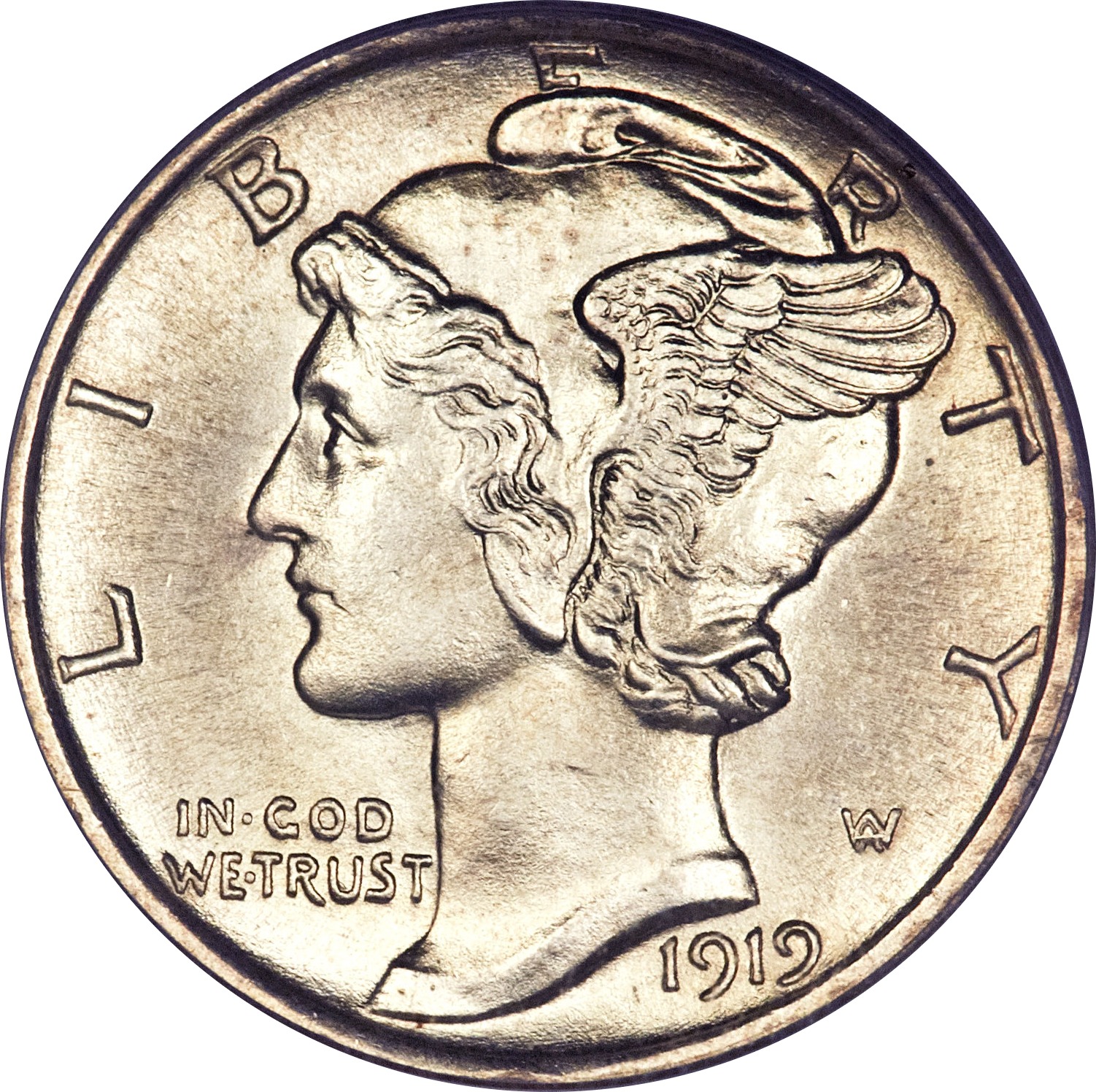
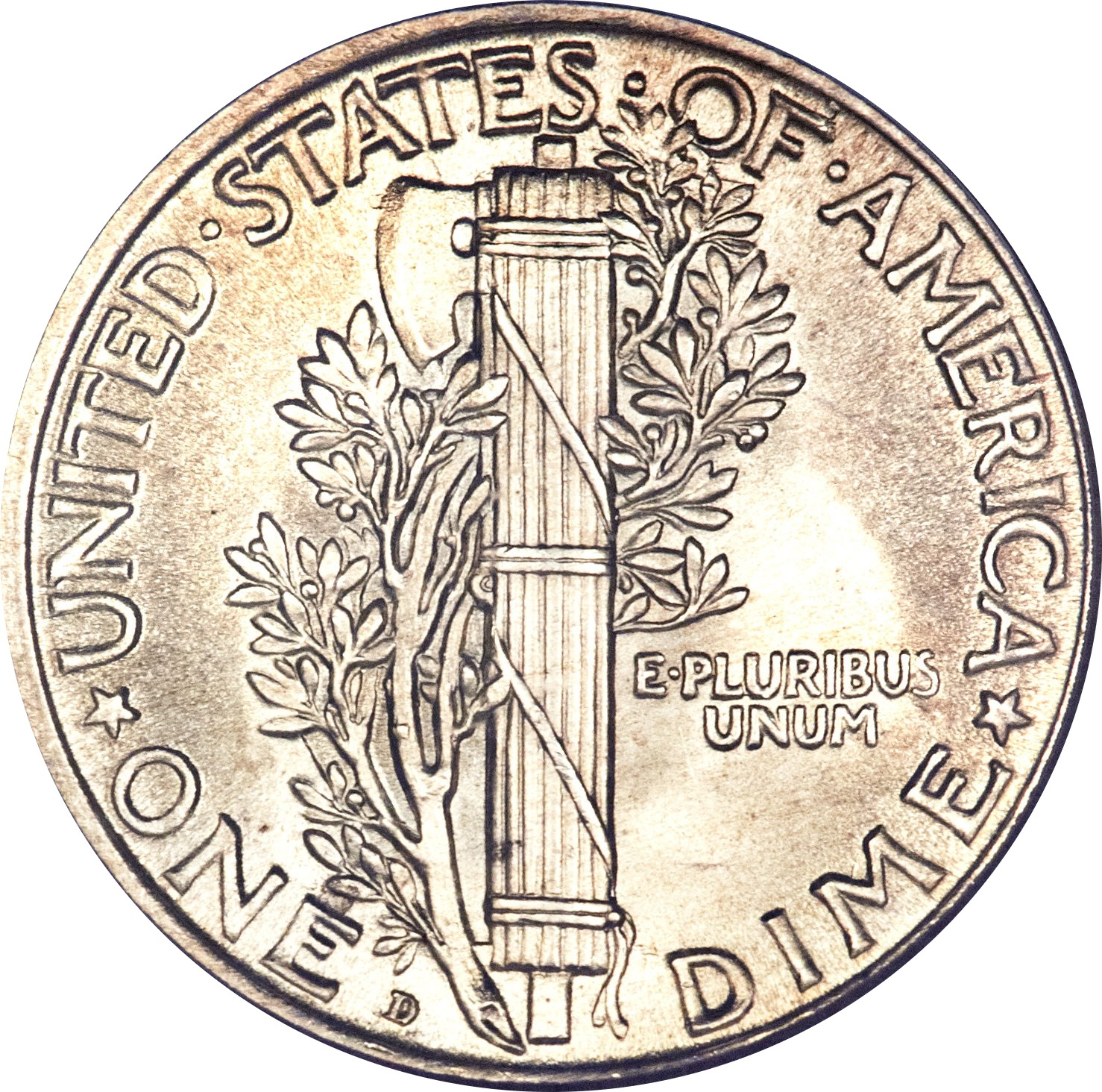
The Mercury dime is the Winged Liberty Head dime issued from 1916 through 1945. Designed by Adolph A. Weinman, it depicts Liberty wearing a winged cap on the obverse. The reverse features a fasces and an olive branch. The familiar nickname refers to the resemblance to Mercury; the portrait represents Liberty.
Silver Content and Melt Value
A standard Mercury dime has 90% silver composition. At its original specification weight, it contains approximately 0.07234 troy ounce of fine silver. Circulation wear can reduce the actual metal weight.
Estimated melt value = verified fine-silver weight × silver spot price per troy ounce.
Record the price source and timestamp. Melt value is a metal reference, not a guaranteed dealer payment or collector appraisal. Use Agate’s silver coin melt-value calculator and denomination chart for the calculation method.
Check the Date and Mintmark
The date appears on the obverse. Denver and San Francisco issues carry a D or S mintmark on the reverse; Philadelphia issues normally have no mintmark. Inspect the lower reverse carefully under neutral light and magnification.
The 1916-D is an important key date. An apparent D mintmark is not enough to authenticate one: altered mintmarks and counterfeits require scrutiny. Preserve the coin and seek qualified evaluation before relying on a high-value attribution.
Condition, Strike and Original Surfaces
Examine wear on Liberty’s hair and cap, reverse detail, luster, contact marks and rim damage. Strike quality and circulation wear are different issues. Cleaning can leave hairlines or unnatural brightness and may reduce collector appeal.
A grading-service holder can provide useful attribution and condition information. Verify the certification record and compare the holder, label and coin; a copied certification number does not establish authenticity.
Which Value Should You Compare?
| Reference | What It Means | What to Match |
|---|---|---|
| Melt estimate | Calculated silver-content value | Fine silver and spot timestamp |
| Dealer bid | An actual purchase offer | Exact coin, deductions and payment terms |
| Retail or auction comparison | Asking price or completed sale | Date, mintmark, grade, surfaces and sale costs |
Compare completed transactions separately from unsold asking prices. Coins with the same date can have very different values when grade, damage or authenticity differs.
Before Buying or Selling
- Photograph both faces, the edge and mintmark.
- Record the date, condition and certification information.
- Do not clean, polish or acid-test the coin.
- Separate possible key dates and varieties from bulk silver.
- Keep invoices, provenance and written transaction terms.
Frequently Asked Questions
Are all Mercury dimes worth the same amount?
No. Date, mintmark, condition, originality, varieties and demand can produce substantial differences even when silver content is similar.
Is a Mercury dime the same as any silver dime?
No. It is a particular U.S. dime series. Roosevelt dimes and other dime types have different designs and collecting considerations.
Should I clean a Mercury dime before selling?
No. Cleaning can alter the surfaces and reduce collector value. Preserve it as found.
Does a magnet prove a Mercury dime is genuine?
No. Strong attraction can flag a problem, but many counterfeit metals are nonmagnetic. Identification requires additional checks.
What records should I keep?
Keep photographs, the date and mintmark, condition notes, invoice, seller information, certification details and any provenance documents.
Sources and Review Information
Catalogue references describe a coin type; they do not authenticate an individual piece. Market values and transaction terms can change.