
Buying Precious Metals: How to Confidently Buy Gold & Silver with Agate Precious Metals
<!doctype html>
Buying Precious Metals With Confidence
Learn how to compare physical gold, silver, fractional products, bullion coins, bars, rounds, and collectibles before making your first—or next—purchase.
Key Takeaways
- Buying physical precious metals means acquiring actual coins, bars, or rounds you can hold, test, insure, and store.
- You can begin with a modest budget through silver, fractional gold, and collectible copper products.
- Gold offers compact value storage, while silver provides lower entry prices and visible, stackable holdings.
- Reputable dealers clearly disclose weight, purity, condition, manufacturer, packaging, and mintage where applicable.
- A blended collection can combine bullion value with selected graded or limited-mintage pieces.
What Buying Precious Metals Means Today
Physical precious metals are tangible products—not shares, derivatives, or digital account balances. Gold, silver, platinum, and palladium each have different markets, uses, storage considerations, and price behavior.
Gold and silver dominate most retail conversations because they are widely recognized and supported by deep global markets. Platinum is used in automotive and chemical applications, while palladium plays an important role in emissions-control technology.
Physical ownership differs from holding an ETF, mining stock, or futures contract. Directly held metal removes some financial counterparties, but it also creates responsibilities for authentication, delivery, storage, insurance, and eventual resale.
Agate Precious Metals offers gold bullion, silver bullion, fractional metals, graded coins, and exclusive copper collectibles for stackers and collectors.
Why People Buy Precious Metals
Diversification
Add a tangible asset class alongside cash, equities, bonds, real estate, and other holdings.
Long-Term Savings
Hold a durable asset with a multi-year time horizon rather than focusing only on short-term price movement.
Value Density
Gold can store substantial value in a compact, portable format when properly secured.
Industrial Demand
Silver, platinum, and palladium have broad commercial uses that influence supply-and-demand conditions.
Collecting
Pursue historical coins, graded pieces, limited mintages, artistic designs, and specialty finishes.
Gifting and Legacy
Give tangible products that can be displayed, passed down, or incorporated into a family collection.
Precious-metal prices fluctuate, and no product guarantees a profit or protection from every economic event. Buyers should distinguish historical appeal from future certainty and consider metals within their overall finances.
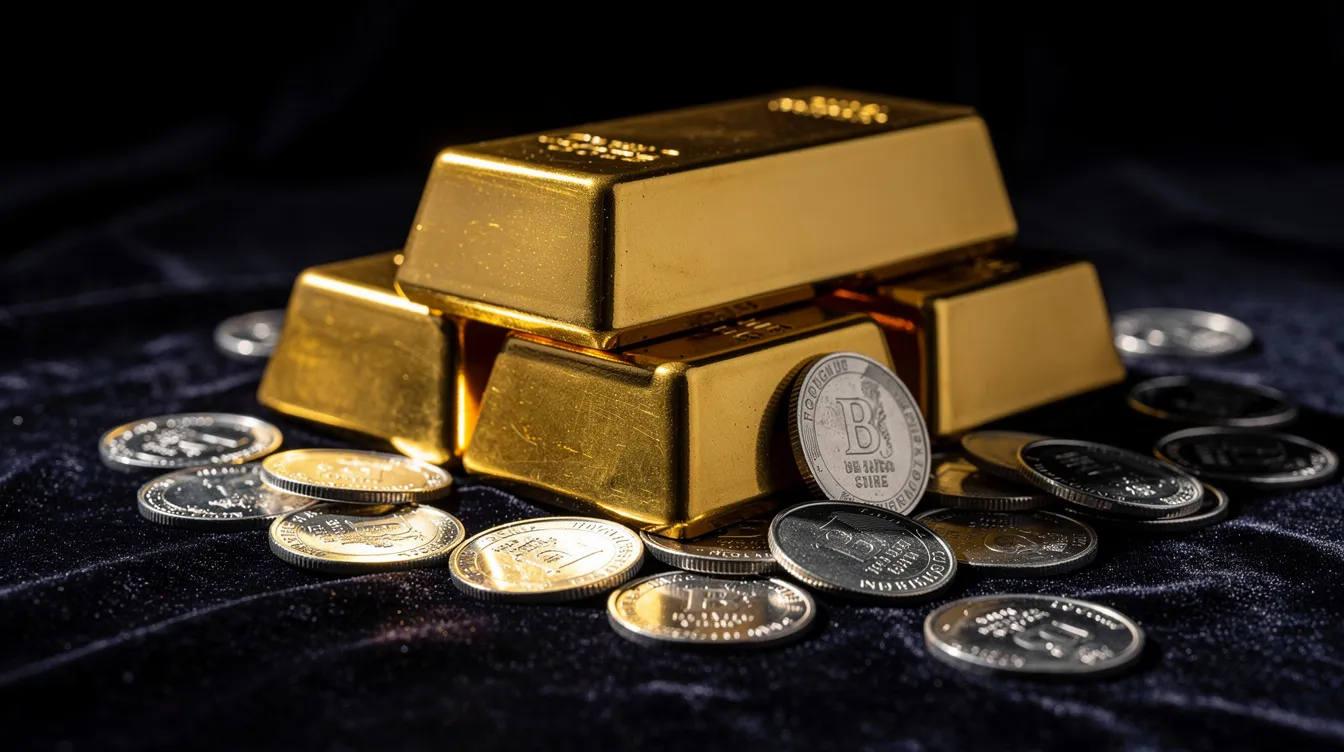
Gold or Silver: Which Should You Buy First?
Gold may suit buyers with a larger budget, limited storage space, or a preference for compact value. Fractional gold products provide smaller entry points, though their premiums per ounce are generally higher than full-ounce products.
Silver may suit buyers who want to make smaller recurring purchases and build a visible stack. One-ounce coins and rounds, along with 10-ounce bars, offer multiple combinations of recognition, affordability, and storage efficiency.
Some buyers watch the gold-to-silver ratio—the number of ounces of silver required to equal one ounce of gold—to evaluate relative pricing. The ratio can offer historical context, but it does not predict when either metal will rise or fall.
| Budget | Possible Approach | Reasoning |
|---|---|---|
| Under $500 | Focus on silver with optional fractional gold or copper collectibles | Lower unit prices make it easier to compare products and build gradually |
| $500–$2,000 | Combine recognized silver with fractional gold | Provides exposure to both metals without requiring a full-ounce gold purchase |
| $2,000+ | Adjust gold, silver, graded coins, and collectibles to specific goals | Greater flexibility across sizes, premiums, liquidity, and storage needs |
Bullion, Collectible Bullion, and Numismatic Coins
Bullion
Coins, bars, and rounds valued mainly for metal weight and purity, generally with premiums linked closely to manufacturing and distribution.
Collectible Bullion
Modern pieces with special artwork, proof or antique finishes, color, serialized packaging, limited mintages, or themed series.
Numismatic Coins
Historical coins whose value can depend on rarity, date, mint mark, condition, provenance, and third-party grading.
The most important question is what the premium represents. With bullion, the premium is primarily tied to fabrication, distribution, brand, and market demand. With collectibles and numismatics, part of the price may reflect scarcity, design, condition, historical importance, or presentation.
Coins, Bars, and Rounds
- Sovereign bullion coins. American Gold Eagles, Canadian Maple Leafs, and Australian Kangaroos offer government-backed specifications, recognition, and legal-tender status.
- Private-mint rounds. These are not legal tender but can provide lower premiums and a wide range of designs.
- Bars. Recognized refiners and mints produce bars in sizes ranging from grams to kilograms, often with efficient premiums at larger weights.
- Fractional products. Smaller gold and silver products support lower purchase amounts, gifting, and greater resale flexibility at a higher cost per ounce.
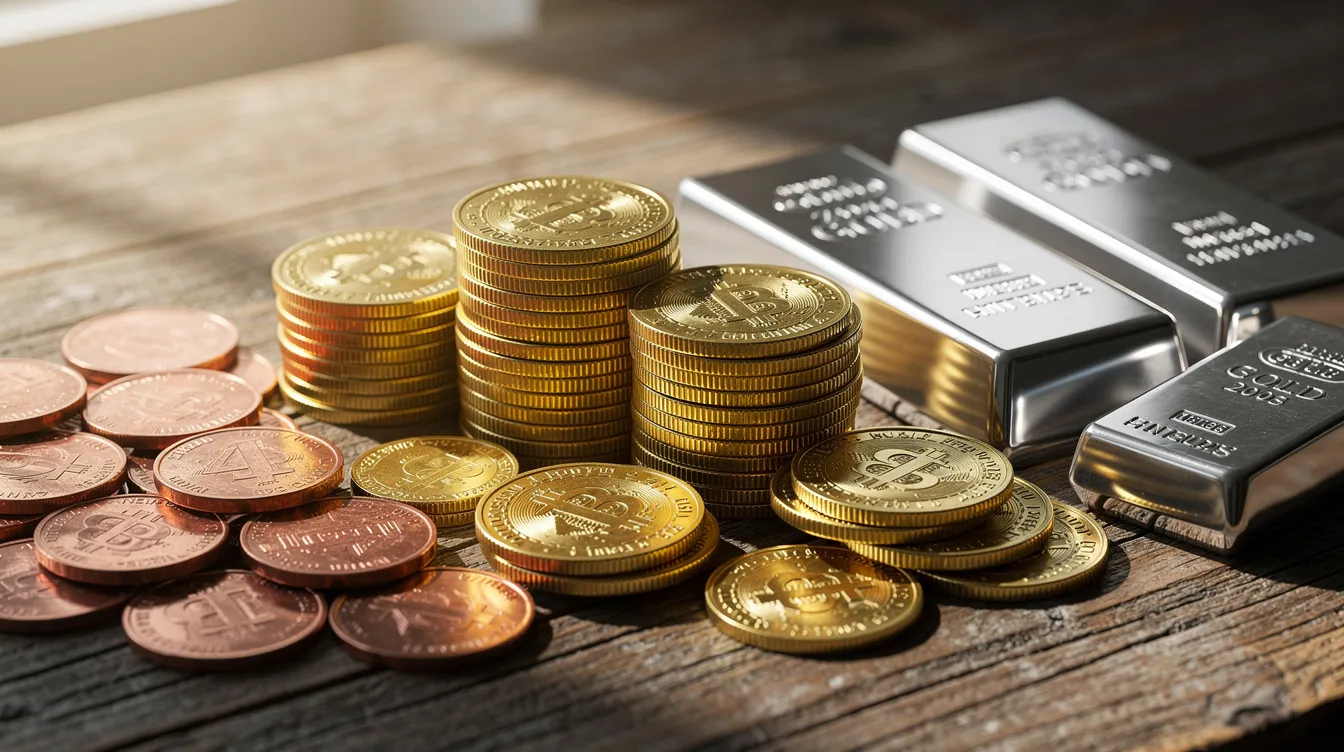
What to Check Before Buying
- Metal. Confirm whether the product is gold, silver, copper, platinum, palladium, or a plated collectible.
- Weight. Check the exact troy-ounce or gram weight and distinguish metal weight from total packaged weight.
- Purity. Look for clearly stated fineness, such as .999 or .9999, and understand exceptions such as 22-karat coins.
- Manufacturer. Identify the government mint, private mint, refiner, or issuing organization.
- Condition and finish. Determine whether the product is new, circulated, proof, antique-finished, colorized, or graded.
- Premium. Compare the complete delivered price with metal value and similar products from reputable sellers.
- Packaging and mintage. Verify assay cards, capsules, tubes, slabs, serial numbers, and published mintage when those details affect the price.
Authenticity testing may include dimensional checks, accurate weighing, electromagnetic testing, specific-gravity analysis, ultrasound, and X-ray fluorescence. The appropriate method depends on the product and value.
How to Choose a Trustworthy Dealer
- Transparent pricing. Prices should connect logically to spot value, product premium, payment method, and quantity.
- Complete specifications. Listings should clearly identify metal, weight, purity, condition, mint, packaging, and mintage where relevant.
- Verifiable business identity. Confirm contact details, operating history, official accounts, and consistent branding.
- Reasonable sales practices. Avoid pressure tactics, guaranteed-return claims, unexplained urgency, and unrealistic below-market offers.
- Clear service policies. Review payment, cancellation, shipping, insurance, returns, delivery claims, and authenticity procedures.
Agate Precious Metals provides clearly described bullion and collector-focused products through a modern ecommerce experience without commissioned phone sales tactics.
From Cart to Delivery
- Select products. Compare specifications, availability, quantity pricing, and how each item fits your budget.
- Choose payment. ACH and wire payments may receive lower pricing than cards because processing costs differ.
- Review the total. Confirm product price, payment adjustment, tax where applicable, shipping, insurance, and estimated processing.
- Track delivery. Use insured, discreet shipping and follow the tracking status. Signature requirements may apply to higher-value orders.
- Inspect promptly. Document the unopened package and verify quantities, condition, packaging, and product specifications after delivery.
- Store records. Retain invoices, photographs, assay documentation, and grading information for insurance and eventual resale.
Storage, Protection, and Inventory Tracking
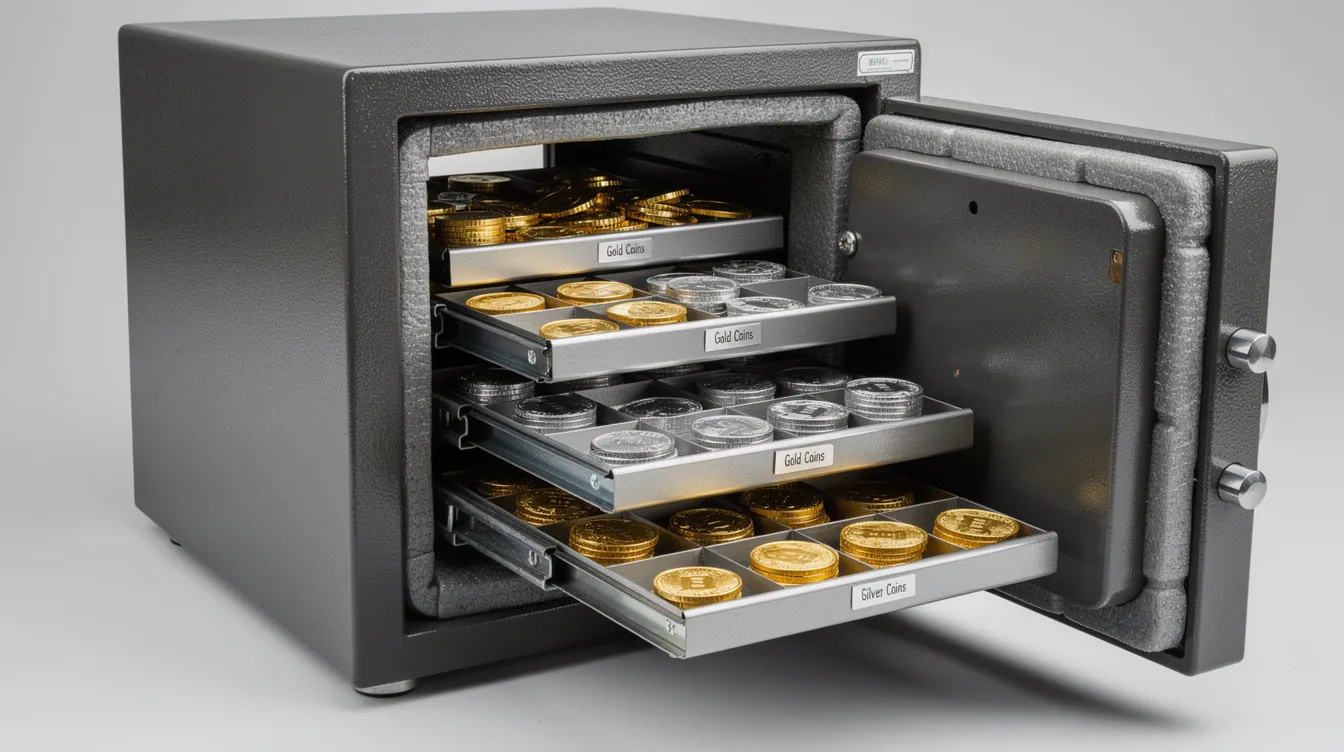
Home Storage
Use a concealed, secured, fire-resistant safe and limit who knows about the holdings. Review insurance limits.
Off-Site Storage
Safe-deposit boxes and professional vaults can add security but may reduce immediate access and create recurring costs.
Protective Packaging
Use capsules for premium coins, tubes for rounds, and retain original assay packaging or grading slabs.
Inventory Records
Track purchase date, seller, product, metal, weight, purity, quantity, serial number, and acquisition cost.
Silver can tone or tarnish when exposed to environmental contaminants. Appropriate capsules, tubes, low-humidity storage, and careful handling can preserve appearance, especially for collector products.
Common Mistakes to Avoid
- Overpaying for unsupported rarity. Ask for mintage, grading, provenance, or other evidence supporting a collectible premium.
- Buying from unverified sellers. Anonymous accounts and copied product images increase counterfeit and non-delivery risk.
- Ignoring premium and liquidity. Unusual sizes or obscure brands may be harder to resell even when the metal is genuine.
- Panic buying. News events and price spikes can create urgency that leads to poor comparisons and oversized purchases.
- Skipping storage planning. Do not wait until a high-value package arrives to decide how it will be secured.
How Agate Helps You Build a Collection
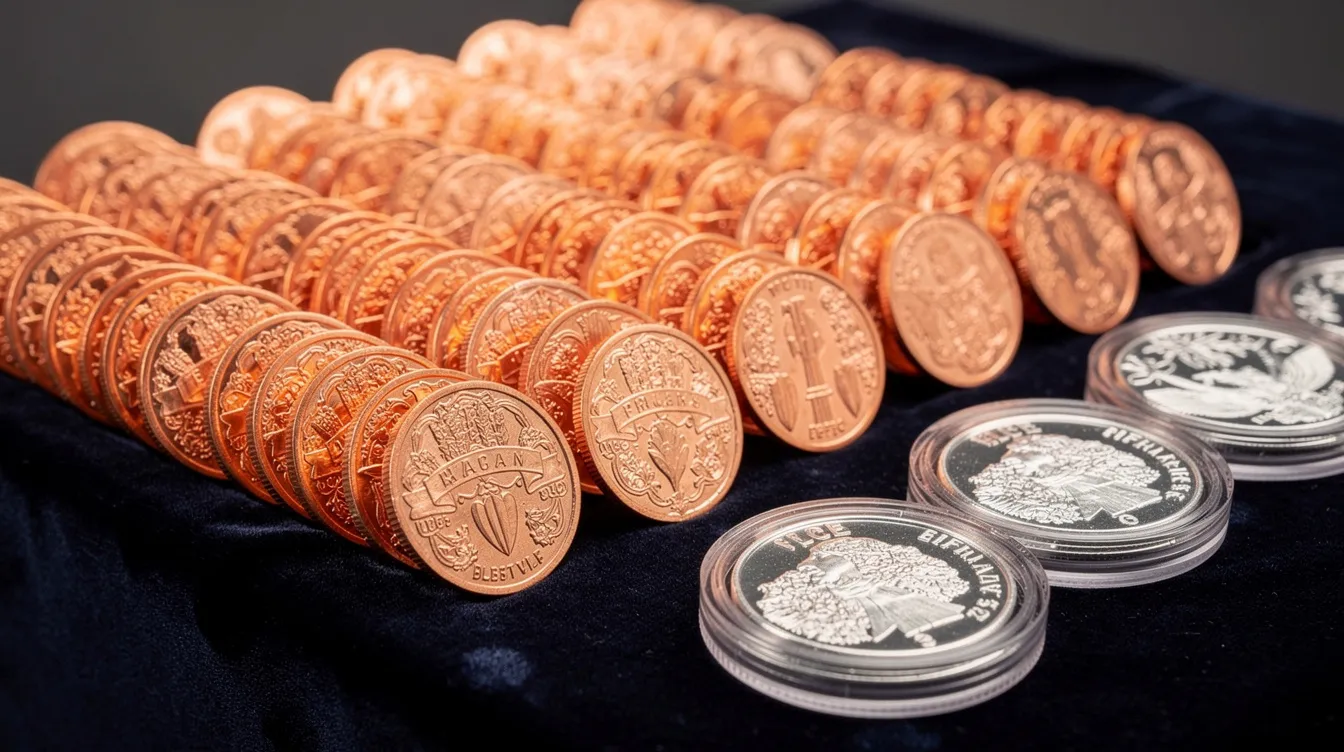
Agate Precious Metals offers gold bars and coins, silver bars and coins, fractional metals, graded coins, and exclusive .999 fine copper collectibles with detailed artwork, specialty finishes, and limited mintages.
Every listing identifies core specifications such as purity, weight, finish, packaging, and whether the piece is regular bullion or a special release. This makes it easier to distinguish metal value from collectible characteristics.
Buyers can begin with recognized silver bullion, a fractional gold product, a graded coin, or a themed copper collectible and build gradually as their knowledge and interests develop.
Frequently Asked Questions
How much money do I need to start buying precious metals?
You can begin with lower-cost silver rounds, silver coins, fractional products, or copper collectibles. Choose a purchase amount that fits comfortably within your finances rather than waiting until you can afford a full-ounce gold product.
Should I only buy well-known bullion coins?
Recognized sovereign coins make strong core holdings because of their familiarity and liquidity. Reputable private-mint and collectible products can add design variety, specialty finishes, or limited mintages.
Is it better to buy large bars or smaller pieces?
Large bars often carry lower premiums per ounce. Smaller products typically cost more per ounce but may be easier to sell, trade, divide, or give as gifts. Many buyers hold a combination.
How often should I buy gold or silver?
Some buyers make planned monthly or quarterly purchases rather than trying to predict short-term prices. The right frequency depends on income, savings, debt, objectives, and risk tolerance.
Can collectible and copper pieces be part of a serious collection?
Yes. They can add artwork, gifting appeal, themes, and scarcity. Buyers focused primarily on metal exposure may keep most of their budget in recognized gold and silver while reserving a smaller portion for collectibles.
Explore Gold, Silver, and Collectible Metals
Compare clearly described bullion, fractional metals, graded coins, and limited-mintage collectibles with secure online ordering.
Visit Agate Precious MetalsRelated Buying Resources
After reviewing the basics, compare gold bars and coins, learn how to buy a gold bar safely, and review investment coin formats. Use current product specifications and delivered prices when making a comparison.
Frequently Asked Questions
What is the safest first precious-metals purchase?
There is no single best product for every buyer. A manageable purchase of recognizable bullion from a reputable dealer can help a new buyer learn about premiums, delivery, storage, and resale without overextending a budget.
Should I buy gold, silver, or both?
Gold is more compact per dollar of value, while silver generally offers a lower entry price. The choice depends on budget, storage, liquidity preferences, and collecting goals; prices can rise or fall.