
Krugerrands: Gold Content, Sizes, Premiums, and Buying Considerations
Krugerrands are South African gold bullion coins made of 22-karat (.9167) gold alloyed with copper, but each standard size is defined by its fine-gold content—1 oz, 1/2 oz, 1/4 oz, or 1/10 oz. To buy intelligently, compare the coin’s fine-gold weight and total retail ask, not purity alone, then separate bullion value from any collector premium.
Key Takeaways
- Gold Krugerrands are .9167 fine (22 karat), with copper added for durability; the one-ounce coin contains exactly one troy ounce of fine gold.1
- Four bullion sizes are issued by fine-gold content: 1 oz, 1/2 oz, 1/4 oz, and 1/10 oz.2
- A coin’s melt value is based on fine-gold content and live spot price. Its retail ask also includes a changing premium, and a collectible date or proof finish can add a separate collector premium.
- Before buying, compare like-for-like quotes, confirm the product’s condition and year treatment, and understand that a future dealer bid may be below the retail ask you paid.
Gold Coins to Compare With Krugerrands
Compare fine-gold content, alloy, size, condition, year treatment, and current premium. The live listing controls the order.
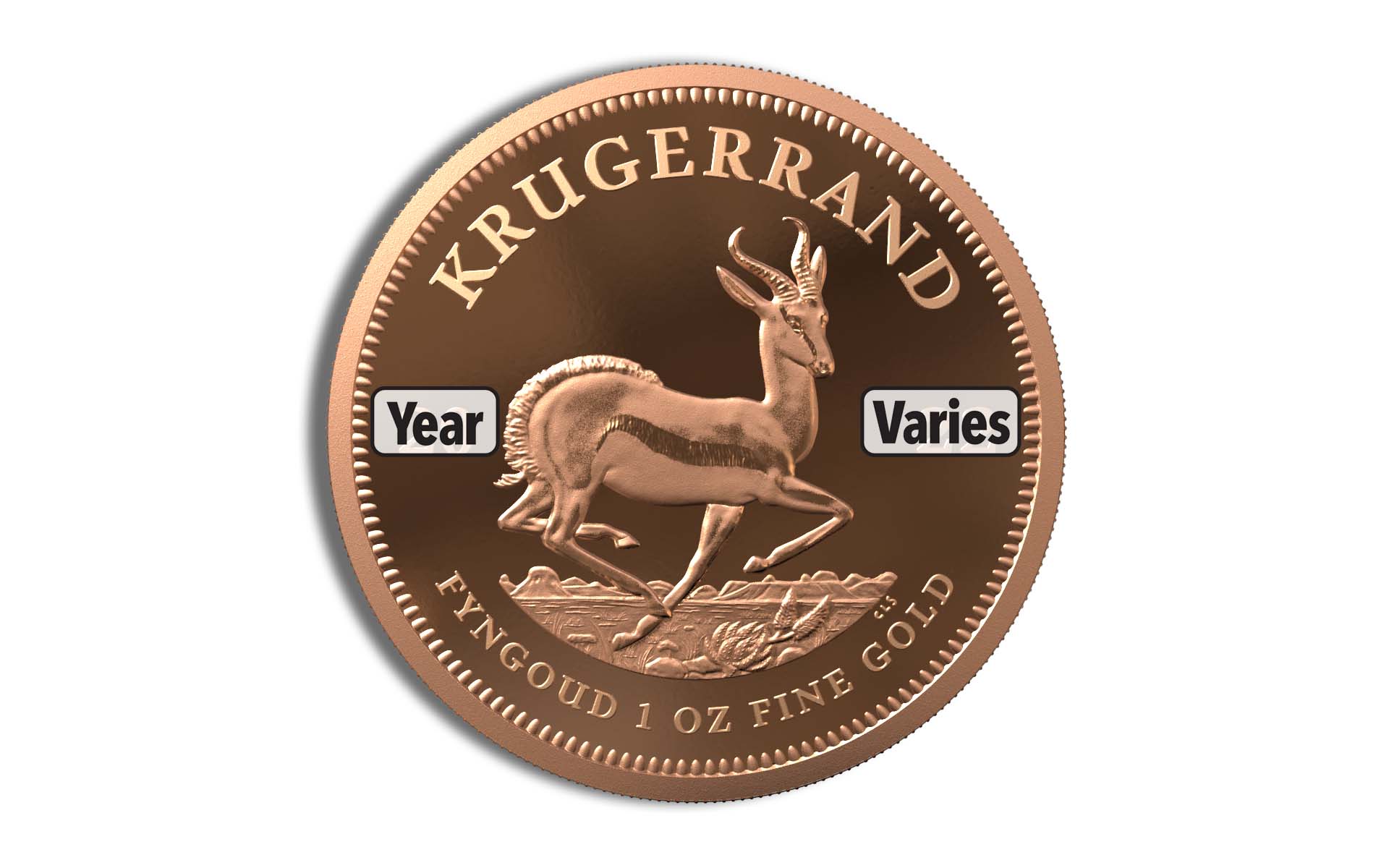
1 oz South Africa Gold Krugerrand (Year Varies)
A year-varies 22-karat Krugerrand containing one troy ounce of fine gold.
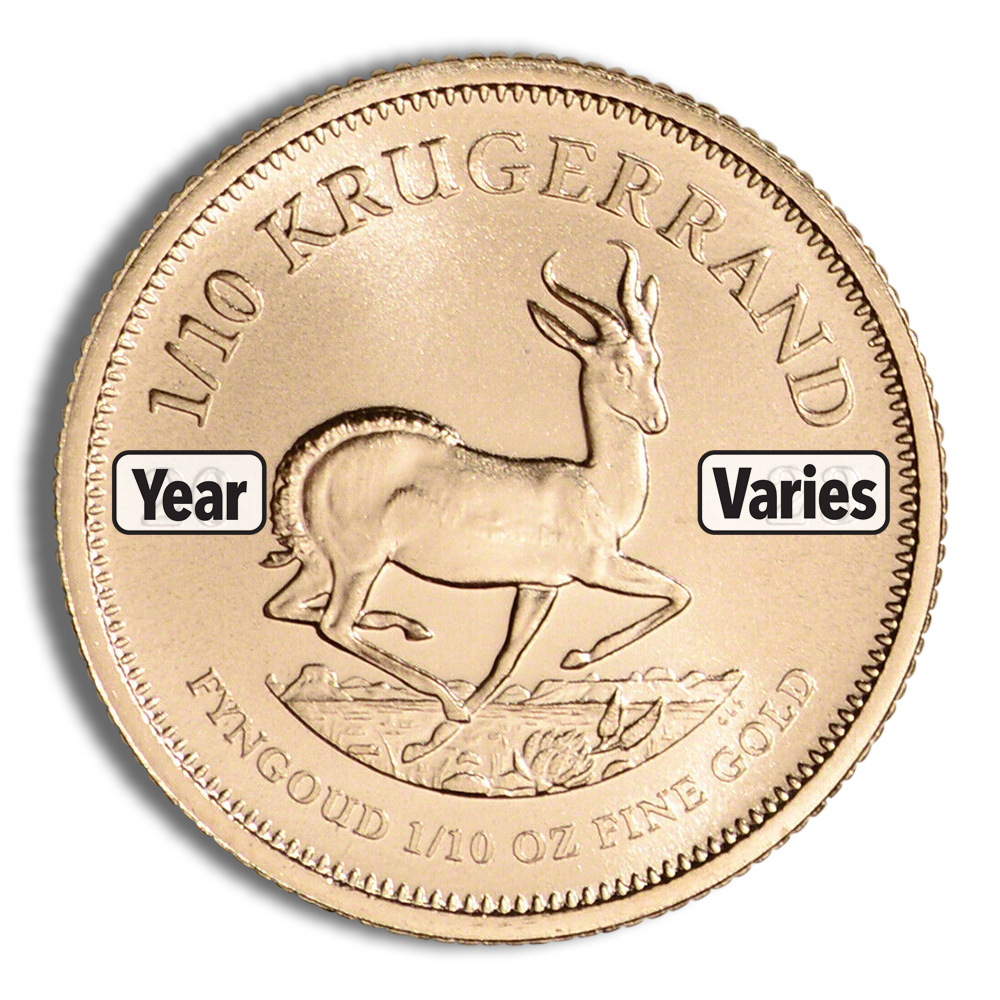
1/10 oz Gold Krugerrand (Year Varies)
A smaller year-varies Krugerrand containing one-tenth troy ounce of fine gold.
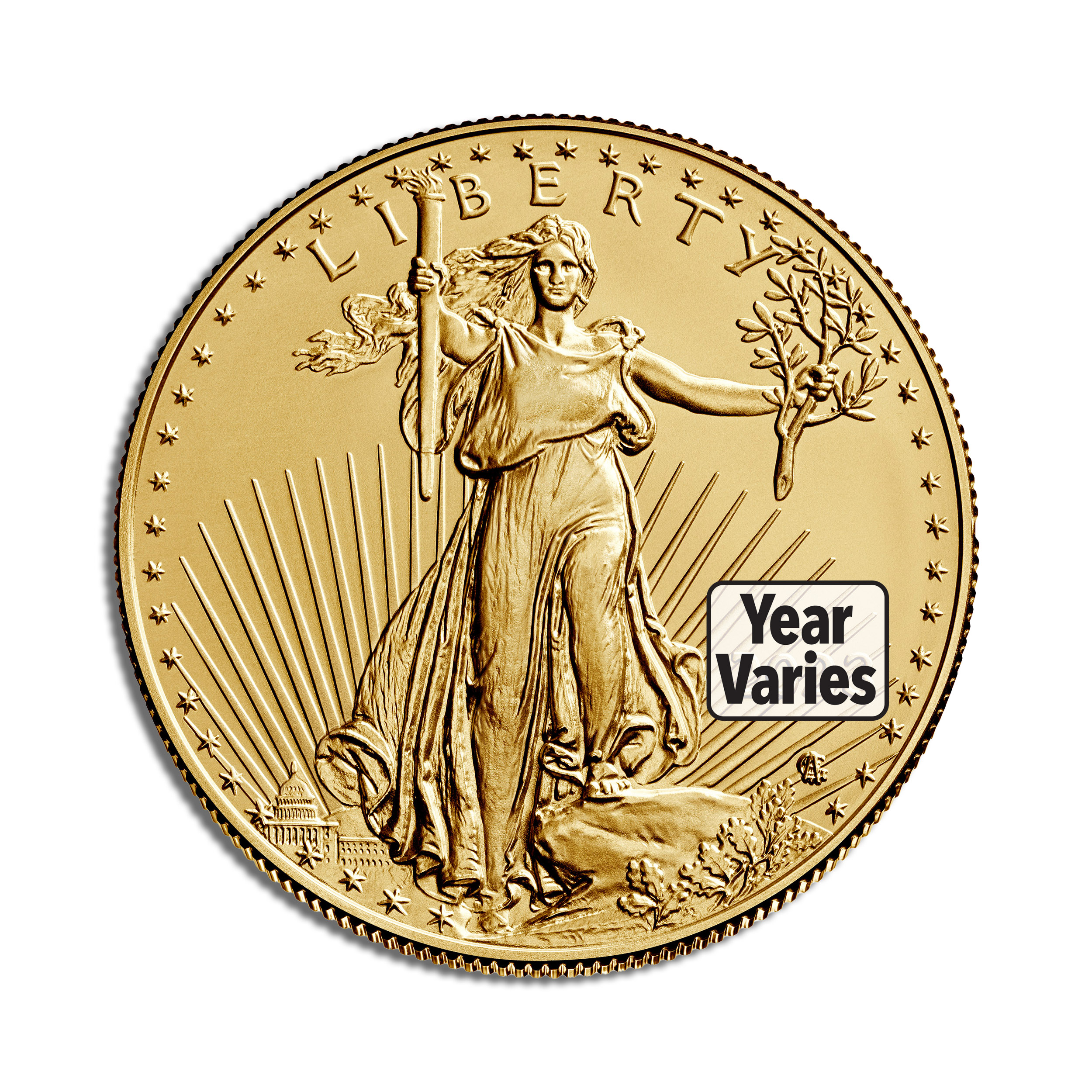
1 oz Gold Eagle – BU (Year Varies)
A one-ounce Gold Eagle with year selected under the listing terms.
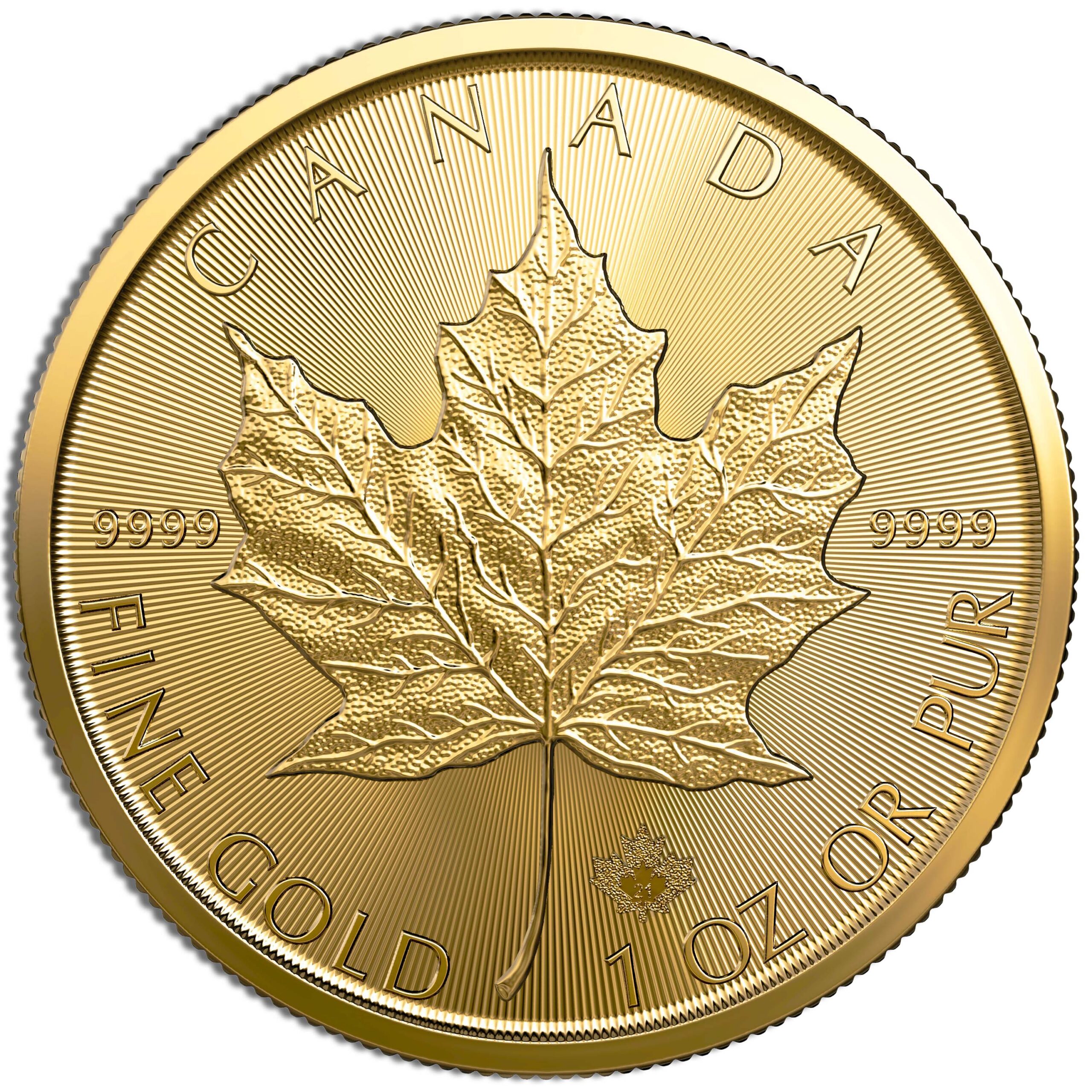
1 oz .9999 Gold Maple Leaf (Year Varies)
A one-ounce .9999 Gold Maple Leaf where the year varies.
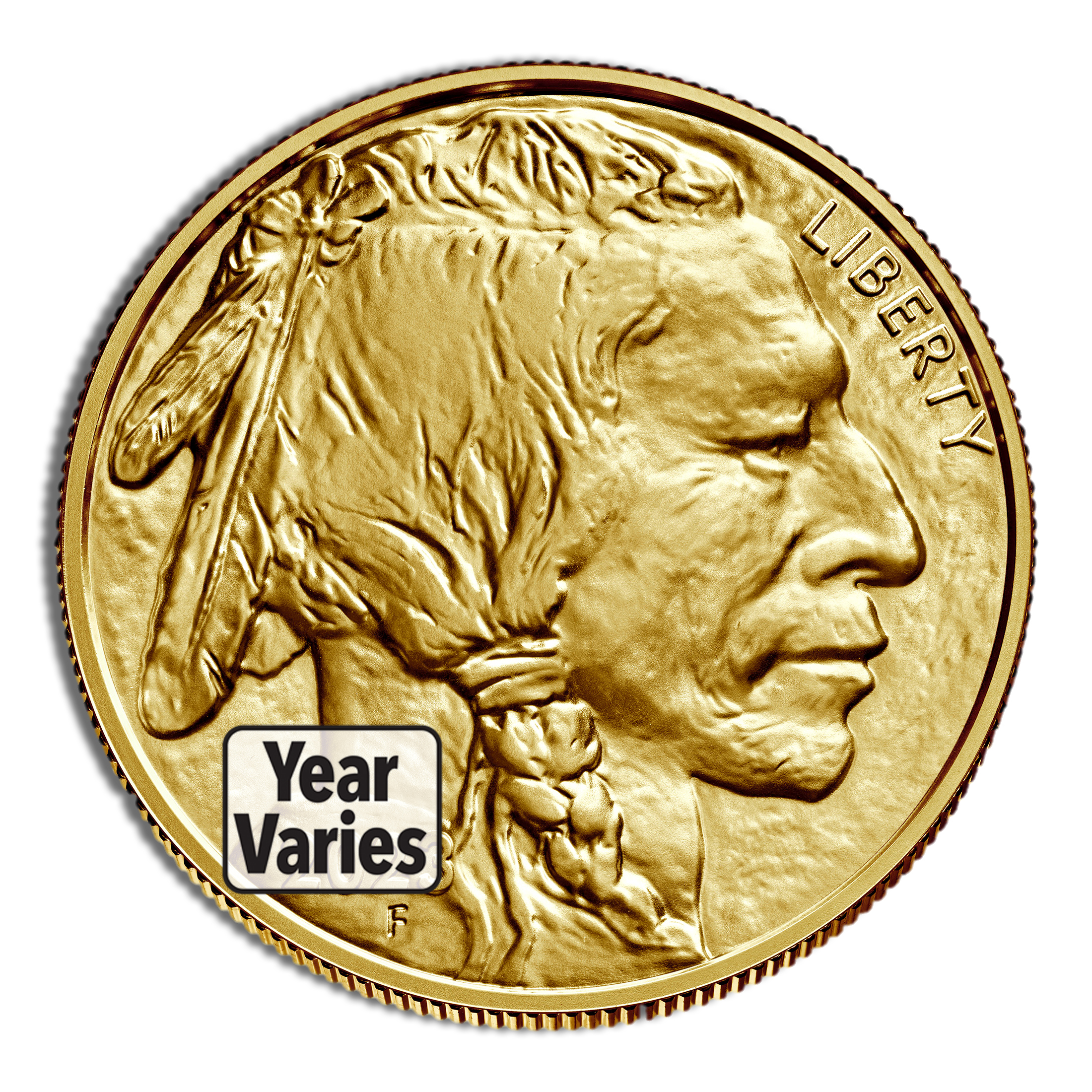
1 oz Gold Buffalo – BU (Year Varies)
A one-ounce .9999 Gold Buffalo with year varying.
Product pages, images, specifications, prices, premiums, packaging, and stock were reviewed September 5, 2026 and can change. The live listing controls the order.
What Agate Can Verify
Agate can verify the product name, stated metal, weight, purity, condition, packaging, and current transaction terms shown on its live listing. Availability, pricing, premiums, payment methods, shipping, returns, and buyback conditions can change. Confirm the exact listing and applicable policies before ordering.
Continue your research: spot-price and premium guide, gold dealer checklist, recognized refiner guide.
What are Krugerrands?
A Krugerrand is a gold bullion coin associated with South Africa. Its name combines Paul Kruger, who appears on the obverse, with the rand, South Africa’s currency. The gold bullion coin was first minted in 1967, according to the official Krugerrand site.3
For a buyer, the practical distinction is that a Krugerrand is a bullion coin: its baseline value begins with the measurable amount of fine gold it contains. That is different from a rare or specially finished coin, whose market price may also reflect condition, scarcity, packaging, provenance, or collector demand. For a broader explanation of the formats buyers encounter, start with this guide to bullion coins, bars, and rounds.
How much gold is in a Krugerrand?
Gold Krugerrands are 22 karat, or .9167 fine. In other words, the alloy is approximately 91.67% gold and 8.33% copper. Rand Refinery says the copper content helps the coin resist scratching and defacement.4 That does not mean a one-ounce Krugerrand contains only 0.9167 troy ounce of gold. It contains one full troy ounce of fine gold; its total coin weight is higher because of the copper alloy.
The key figure for valuation is the fine-gold content, not the gross weight alone. A troy ounce is 31.1034768 grams.5
| Gold Krugerrand size | Fine-gold content | Fine-gold content in grams | What the size label means |
|---|---|---|---|
| 1 oz | 1.000 troy oz | 31.103 g | One troy ounce of fine gold |
| 1/2 oz | 0.500 troy oz | 15.552 g | One-half troy ounce of fine gold |
| 1/4 oz | 0.250 troy oz | 7.776 g | One-quarter troy ounce of fine gold |
| 1/10 oz | 0.100 troy oz | 3.110 g | One-tenth troy ounce of fine gold |
The official Krugerrand site identifies these four bullion sizes.6 As a cross-check on the distinction between fine content and gross mass, the Royal Mint’s archived specification for a one-ounce 2017 Gold Krugerrand lists .9167 fineness, a 33.930 g overall weight, and a 32.77 mm diameter.7 Use specifications for the exact size and edition in front of you; do not infer fractional-coin dimensions from the one-ounce coin.
Krugerrand sizes: how to choose between 1 oz and fractional coins
The right size is the one that matches a buyer’s budget, desired gold exposure, and premium tolerance. There is no universally best size.
| Buyer priority | A size to evaluate | Trade-off to examine |
|---|---|---|
| Comparing common one-ounce bullion options | 1 oz | Higher upfront outlay, but a straightforward one-ounce benchmark for price comparison |
| Dividing a purchase across smaller units | 1/2 oz or 1/4 oz | More flexibility, but compare the premium per ounce rather than only the coin’s ticket price |
| Starting with a lower dollar commitment | 1/10 oz | Lowest fine-gold amount per coin; the premium per ounce may be higher than for larger sizes |
| Seeking an exact date, proof, or superior condition | Any size | Collectibility can dominate the bullion calculation, so distinguish collector value from gold value |
Fractional coins are not simply smaller replicas in pricing terms. Minting, distribution, handling, and market demand do not fall in perfect proportion with gold content, so the premium per ounce can differ by size. Compare a one-ounce quote with the per-ounce equivalent of the fractional quote before deciding. If physical footprint matters, use Agate’s gold coin dimensions reference as a starting point and confirm the specification for the exact coin type.
How to calculate a Krugerrand’s melt value, premium, and retail ask
A careful quote comparison starts by keeping six related terms separate. They answer different questions.
| Term | Meaning | What it does not tell you by itself |
|---|---|---|
| Spot price | The live market reference price for one troy ounce of fine gold | The out-the-door price of a physical coin |
| Melt value | Fine-gold content × current spot price | A guaranteed dealer offer or collector value |
| Premium | Amount above melt value, expressed in dollars or percent | Whether a particular premium is reasonable without a like-for-like comparison |
| Retail ask | The current price a seller asks for that specific coin | What another dealer will pay to buy it back later |
| Collector premium | Value above bullion attributable to date, rarity, grade, finish, packaging, or demand | The value of every ordinary bullion-date coin |
| Possible buyback spread | The difference between a dealer’s current retail ask and its possible bid | A fixed future outcome; bids and policies can change |
The core formula
Melt value = fine-gold content (troy oz) × live gold spot price per troy oz

Dollar premium = retail ask − melt value
Premium percentage = (retail ask − melt value) ÷ melt value × 100
For a 1/4 oz bullion Krugerrand, if spot is represented by S, then its indicative melt calculation is 0.25 × S. If the retail ask is A, its dollar premium is A − (0.25 × S). This is an illustration, not a live quote.
A seller may later quote a bid of B rather than the ask A. The gap, A − B, is the transaction spread at that moment—not a forecast of a future loss or a promised buyback outcome. The size of the premium and bid can change with spot price, market demand, condition, order size, payment method, and dealer policy. For a fuller explanation of the terms behind a quote, read Agate’s spot-price, premium, and market-value guide.
Bullion premium versus collector premium
An ordinary bullion-date Krugerrand is commonly evaluated first for gold weight, condition, and prevailing market premium. A proof coin, a coin in a particular presentation, or an unusual date may require a second analysis: is the amount above melt tied to a durable collector market, or is it simply the seller’s markup? Treat the second question as a collectible-coin decision, not as a shortcut to estimating bullion value.
Do not use a generic “Krugerrand price” result as a valuation for a specific coin. A quote should identify at least the size, year or year-varying status, bullion or proof finish, condition, and total retail ask. If comparing resale possibilities, ask how the dealer evaluates those same attributes on the buy side.
A practical checklist before buying Krugerrands
- Decide whether your goal is bullion exposure or collecting. If gold weight is the priority, compare fine-gold content and premiums. If a date or proof finish is the priority, budget for collector research as well.
- Compare the same product on the same basis. Line up size, condition, year treatment, quantity, payment method, and the time of the spot-price observation. A lower headline price is not meaningful if it describes a different type of coin.
- Read the product description rather than assuming. Confirm the stated fine-gold weight, fineness, mint attribution, condition, and whether the item is year-varying. Photos can be illustrative; the written specification and order terms matter.
- Ask about the other side of the trade. A future sell-back price is not guaranteed, but it is reasonable to understand whether a dealer publishes or explains current bid practices for common bullion products.
- Vet the seller and the transaction terms. A credible dealer should be able to explain the item and pricing clearly without pressure. Agate’s guide to choosing a gold dealer offers a wider due-diligence framework.
- Keep records. Save the listing, invoice, payment record, and any relevant packaging. They can help document what was purchased and the stated product attributes.
Verification: useful checks, and their limits
Verification should build confidence, not create false certainty. Start by comparing the actual coin with the specifications and design details that apply to its particular size, date, and edition. A calibrated scale and calipers can flag an obvious mismatch in weight or dimensions. Visual examination can identify damage or design inconsistencies.
However, those checks have limits. A home scale may lack adequate precision; a genuine-looking surface does not establish metal composition; and a coin that matches a single dimension is not automatically authentic. Smartphone “ping” tools, magnet checks, and specific-gravity exercises can be screening aids, but they cannot rule out every sophisticated counterfeit. Avoid abrasive, destructive, or improvised testing that could harm the coin or obscure its condition.
When the value at stake or the result of a screening check warrants it, consult an established precious-metals dealer, numismatic professional, or other qualified evaluator with appropriate equipment. That is an assessment step, not a universal guarantee of authenticity, value, or resale acceptance.
A current-listing check—without treating it as a price quote
After you understand the specifications and premium math, current listings can help you compare the information disclosed for different sizes. For example, you can inspect Agate’s one-ounce, year-varies Gold Krugerrand listing alongside its one-tenth-ounce, year-varies listing to see the stated weight, fineness, condition language, and current ask at the time you view them. Treat those pages as live product references, not fixed price records.
Frequently Asked Questions about Krugerrands
Are Krugerrands pure gold?
How many sizes of gold Krugerrands are there?
The standard gold bullion range has four fine-gold sizes: 1 oz, 1/2 oz, 1/4 oz, and 1/10 oz.10 Confirm the exact product description when shopping, particularly for proofs, special editions, or year-varying listings.
Do gold Krugerrands have a conventional currency face value?
The official Krugerrand site states that gold bullion and proof Krugerrands do not have a conventional face value; their value is based on fine-gold content, with collector factors potentially affecting particular coins.11 That is why the fine-gold weight and current market quote are central to bullion comparisons.
Why can a fractional Krugerrand cost more per ounce than a one-ounce coin?
Smaller coins can carry a different premium per ounce because fabrication, distribution, and retail costs do not necessarily shrink in direct proportion to gold content. Compare total ask and premium per ounce for the exact products available at the same time rather than assuming that any one size will always be cheaper.
Are old Krugerrands always worth more than their gold content?
No. Age alone does not establish a collector premium. Some dates, finishes, grades, or original packaging may matter to collectors, while many ordinary bullion coins trade principally on gold content and market premium. A specific coin may need a numismatic evaluation before assuming a collectible value.
Can I authenticate a Krugerrand at home?
Basic weight, dimension, and visual checks can help identify obvious concerns, but no single home test proves authenticity. Use specifications for the exact coin and obtain qualified evaluation when the coin’s value or any discrepancy justifies it.
Bottom line
Krugerrands let buyers choose among four well-defined fine-gold amounts while retaining the durable 22-karat copper-gold alloy associated with the series. The most useful buying discipline is simple: identify the coin’s fine-gold content, calculate melt value from a time-stamped spot quote, compare the retail ask and premium on a like-for-like basis, and keep any collector premium separate from the bullion calculation. When you are ready to compare formats more broadly, revisit Agate’s bullion primer before selecting a product.
Disclosure: Precious-metals prices, spot quotes, premiums, retail asks, dealer bids, inventory, product availability, and dealer policies can change without notice. This article is educational only and is not investment, legal, tax, insurance, shipping, or appraisal advice. Confirm current product details and transaction terms directly with the seller, and seek qualified professional advice for decisions requiring it.