
Bullion Buyback Taxes: Cost Basis, 1099-B, and Reporting
Selling gold, silver, platinum, or palladium to a dealer can create tax and recordkeeping questions, but the dealer’s buyback price is not automatically the same thing as your taxable gain. For many individual owners, the starting point is the difference between the amount realized and the asset’s adjusted cost basis. The result may need to be reported even if you do not receive a Form 1099-B, while the exact treatment depends on how you acquired and held the metal, your holding period, the type of transaction, and applicable federal and state rules.
This guide explains the concepts sellers should understand before a bullion buyback: proceeds, basis, capital gain or loss, collectible treatment, information reporting, cash reporting, inherited or gifted metal, business inventory, and the records to give a tax professional.
Key Takeaways
- A dealer’s buyback quote is a transaction price, not a determination of your taxable gain.
- Your potential gain or loss generally depends on the amount realized minus adjusted basis, subject to the rules that apply to your facts.
- Form 1099-B reporting and your own tax-return reporting are separate questions. The absence of a form does not automatically make a sale tax-free.
- Coins and metals may fall under collectible rules, while metal held as business inventory may be treated differently from personal or investment property.
- Keep purchase records, inheritance or gift documents, dealer statements, shipping records, and the final settlement statement.
What Does “Buyback” Mean for Tax Purposes?
A bullion buyback is usually a sale or other disposition of property. The dealer may quote a bid based on spot price, fine-metal content, product type, market demand, and expected resale or refining costs. That quote is the amount the dealer is willing to pay under the stated terms; it does not calculate your basis or decide which tax form applies.
The IRS generally describes a capital gain or loss as the difference between the adjusted basis in an asset and the amount realized from its sale. The IRS Topic No. 409 guidance on capital gains and losses explains that almost everything held for personal or investment purposes can be a capital asset and that gains and losses are classified as short-term or long-term based generally on the holding period.
For a basic illustration:
| Item | Example amount |
|---|---|
| Gross dealer payment | $8,400 |
| Less: eligible selling costs or fees, if applicable | $150 |
| Example amount realized | $8,250 |
| Adjusted basis | $6,700 |
| Illustrative gain | $1,550 |
This is only an educational example. The proper amount realized, basis, and treatment depend on the facts and records. Do not use the example as a tax calculation without professional review.
What Is Cost Basis in Gold or Silver?
Cost basis is generally the starting value used to measure gain or loss. For a straightforward purchase, it may begin with what you paid for the metal, including certain transaction costs. Your adjusted basis can change because of later costs, adjustments, or the way the property was acquired.
Keep records that distinguish the following amounts:
- Purchase price of the coin, bar, round, or lot
- Dealer premium or commission included in the purchase
- Shipping, insurance, or other acquisition costs when relevant
- Selling commissions or transaction costs
- Partial sales from a larger lot
- Refining, grading, or authentication costs, if a tax professional determines they affect basis
- Distributions, gifts, inheritance, or transfers that use a special basis rule
- Currency or exchange differences when the transaction is not denominated in U.S. dollars
Do not assume that a dealer’s current melt value, retail listing, or spot-price calculation is your tax basis. A dealer may value the metal today, while your basis relates to your historical acquisition and tax records.
For a general explanation of the market terms involved in a dealer quote, see Agate’s gold and silver spot prices and bullion premiums guide. For a transaction-focused comparison, see How to Compare a Bullion Dealer’s Buyback Quote.
Short-Term Versus Long-Term Holding Periods
The holding period can affect whether a gain or loss is classified as short-term or long-term. The IRS states that, generally, property held for more than one year before disposal produces a long-term gain or loss, while property held for one year or less is generally short-term. There are exceptions and special rules, so the acquisition date should be documented rather than estimated.
Use purchase records, settlement statements, account records, gift documents, estate records, or other reliable evidence to establish when you acquired the item. If you sell part of a larger purchase, identify which units or lot are being sold and use a consistent, supportable method.
Do not rely solely on memory for a collection purchased over many years. A spreadsheet can be useful, but the underlying invoices, receipts, and transfer documents are more persuasive than an unsupported estimate.
Are Gold and Silver Coins Taxed as Collectibles?
The tax treatment can depend on the type of asset and how it was held. IRS Publication 544 identifies gold, silver, and other metals, along with coins and collections, as examples of capital assets when they are not held as inventory by a dealer. IRS Topic No. 409 states that net capital gains from selling collectibles, such as coins or art, can be taxed at a maximum 28% rate.
That does not mean every bullion transaction receives the same rate or that 28% is the rate every seller pays. The actual result may depend on whether the item is a collectible, the holding period, taxable income, other gains and losses, and current federal and state rules.
A common mistake is treating every coin as either ordinary bullion or a collectible without considering its facts. A common bullion coin may have both metal value and numismatic characteristics. A graded, rare, proof, low-mintage, or historically significant coin may require a different analysis from a generic bar or common bullion coin.
When records are unclear, separate the items by category and ask a qualified tax professional how each group should be treated.
Does a Dealer Have to Send Form 1099-B?
Information reporting is not the same as income-tax liability. A buyer or broker may have reporting obligations in some transactions, but the rules are technical and depend on the form of the metal, quantity, transaction structure, and whether the buyer is acting as a broker or in another capacity.
The current IRS Instructions for Form 1099-B state that a sale of gold, silver, platinum, or palladium in a form for which the Commodity Futures Trading Commission has not approved trading by regulated futures contract is not reportable under that specific precious-metals rule. The instructions also explain that certain approved forms may be exempt when the quantity is below the minimum required quantity for an approved contract, and that sales for one customer during a 24-hour period must be aggregated for the exception analysis.
These rules are not a simple universal “cash threshold.” The form of the product, quantity, aggregation period, transaction facts, and buyer’s role matter. The IRS instructions also warn that the exception does not apply when a broker knows or has reason to know that a customer is structuring sales to avoid information reporting.
A dealer’s decision not to issue Form 1099-B does not decide whether you have a taxable gain. Conversely, receiving a form does not by itself determine the correct basis or final tax. Compare any information statement with your own records and ask a tax professional about discrepancies.
Where Might an Individual Report a Taxable Sale?
The IRS says that most sales and other capital transactions are reported on Form 8949, with subtotals generally carried to Schedule D. Form 8949 is used to reconcile amounts reported to the IRS on Form 1099-B or Form 1099-S, or a substitute statement, with the amounts reported on the taxpayer’s return.
Depending on the facts, the reporting process may require:
- Identifying the asset and acquisition date
- Entering the sale date and proceeds
- Determining the adjusted basis
- Calculating the gain or loss
- Applying the appropriate short-term, long-term, collectible, or other treatment
- Reconciling any information statement received from a dealer or broker
- Carrying the result to the appropriate schedule or return section
This article does not determine which boxes, codes, forms, or schedules apply to your situation. The IRS Form 8949 page and the current Form 8949 instructions should be reviewed alongside advice from a qualified tax professional.
What If I Sell Inherited Gold or Silver?
Inherited metal may not have the same basis as metal purchased directly by the person who sells it. The basis can depend on estate rules, the date-of-death valuation, estate-tax reporting, state law, and the documents supplied by the executor or administrator.
IRS Publication 551 explains that beneficiaries may receive estate information, including a Schedule A associated with Form 8971 in applicable situations, and that certain beneficiaries may be required to use the reported estate-tax value as the initial basis. Do not guess the basis of inherited bullion from an old family receipt if estate records or a qualified appraisal are available.
Before selling inherited metal, gather:
- Estate inventory or executor statement
- Date-of-death valuation or appraisal
- Schedule A or other applicable estate documentation
- Transfer records and ownership history
- Dealer settlement statement
- Records showing later grading, storage, or selling costs
A tax professional can help determine which records control and how a later sale should be reported.
What If I Received the Bullion as a Gift?
Gifted property can involve special basis rules. IRS Publication 551 explains that the basis may depend on the donor’s adjusted basis, the property’s fair market value at the time of the gift, and whether the property is later sold at a gain or loss. The donor’s records may therefore be important even after the metal changes hands.
Ask the donor for purchase records and a written statement identifying the item, acquisition date, original cost, and any relevant adjustments. If the donor cannot document the history, tell the tax professional that the basis is uncertain instead of treating an unsupported number as final.
Does Selling a Large Amount of Bullion Automatically Trigger a Cash Report?
Do not confuse a dealer’s information-reporting obligations with the separate rules that may apply when a business receives more than $10,000 in cash in a trade or business. The IRS Form 8300 rules generally apply when a person engaged in a trade or business receives more than $10,000 in reportable cash in one transaction or related transactions. Their application depends on what was paid, who received it, how the transaction is structured, and whether payments are aggregated.
A private seller should not assume that receiving a check, wire transfer, ACH payment, or ordinary dealer settlement automatically creates the same filing obligation as a business receiving cash. At the same time, intentionally splitting transactions or changing payment methods to avoid a reporting requirement can create serious problems.
For any large transaction, ask the dealer how the payment will be made and retain the final settlement record. Ask a tax professional about Form 8300 or other reporting rules rather than relying on an internet “$10,000 rule” summary.
Records to Keep for a Bullion Buyback
Create a permanent transaction file for each sale. Include:
| Record | Why it matters |
|---|---|
| Original purchase invoice | Supports purchase price and acquisition date |
| Product description and quantity | Identifies the asset sold |
| Serial numbers or assay information | Helps connect the record to a specific bar |
| Grading or appraisal report | May help distinguish numismatic or graded material |
| Gift or inheritance documents | May establish a special basis or holding period |
| Shipping and insurance receipts | Preserves transaction costs and delivery evidence |
| Dealer quote | Shows the quoted bid and terms |
| Final settlement statement | Shows the amount actually paid and deductions |
| Payment confirmation | Confirms how and when proceeds were received |
| Tax-preparer workpapers | Documents the method used for the return |
Save records for the period required by your tax adviser and applicable law. Digital scans should be readable and backed up. Do not rely on a dealer’s records to replace your own basis file.
A Practical Buyback Tax Checklist
Before or after a sale, work through this checklist:
- ☐ Identify whether the metal was personal-use property, investment property, business inventory, or another category.
- ☐ Confirm the original acquisition date and cost.
- ☐ Separate purchased, gifted, and inherited items.
- ☐ Identify ordinary bullion, collectible, proof, graded, and rare items separately.
- ☐ Record gross proceeds and every deduction shown on the settlement statement.
- ☐ Ask whether the dealer will issue an information statement and what transaction it covers.
- ☐ Compare any Form 1099-B or other statement with your records.
- ☐ Ask a tax professional whether Form 8949, Schedule D, or another form applies.
- ☐ Check federal, state, and local rules separately.
- ☐ Keep the quote, settlement, payment, and basis records together.
Bullion Categories That May Require Different Tax Records
These live retail listings illustrate different product and recordkeeping categories; they are not buyback quotes or tax classifications. A sovereign coin, sealed bar, circulated silver lot, and raw collector coin may require different acquisition, basis, condition, and settlement records.
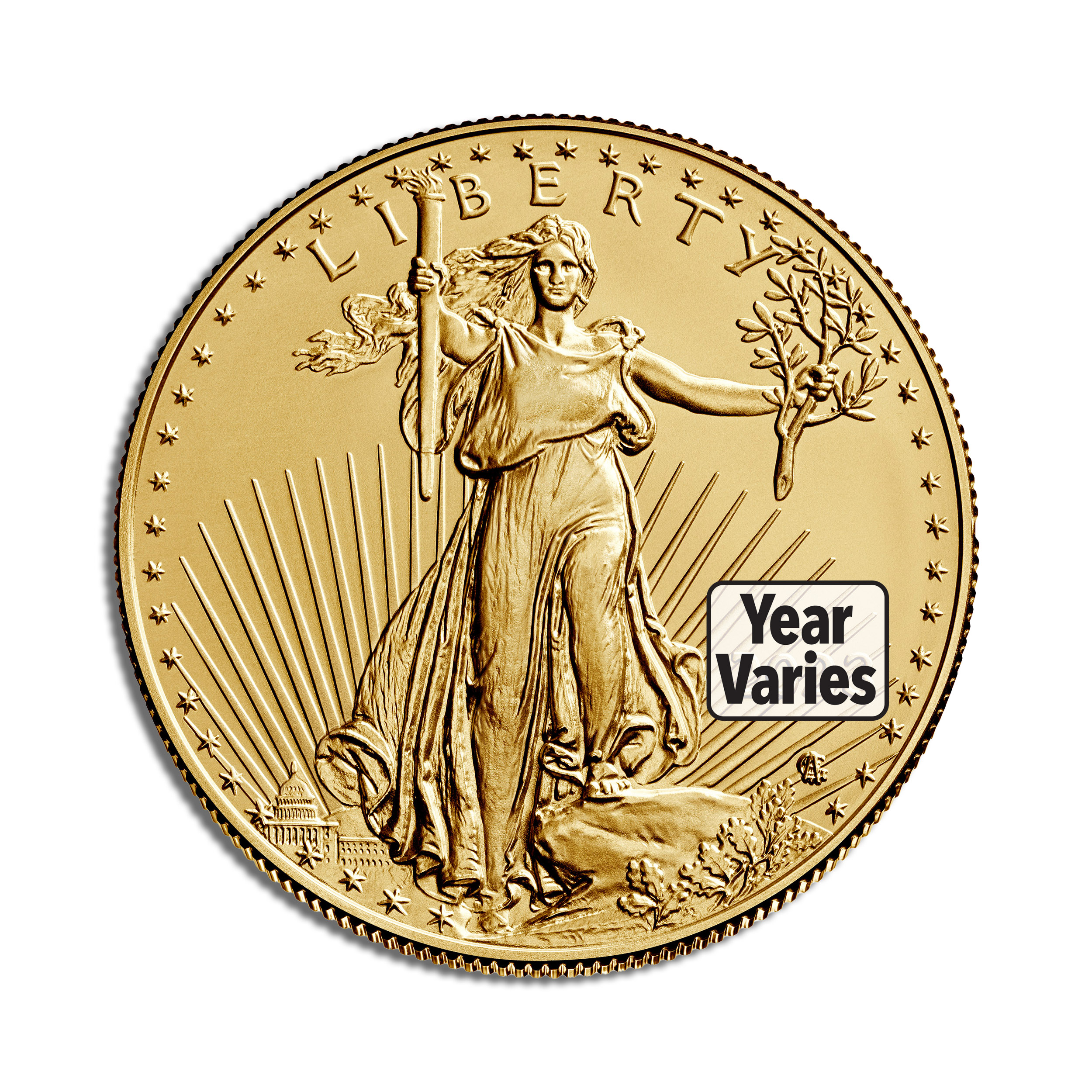
1 oz Gold Eagle – BU (Year Varies)
A one-ounce Gold Eagle with year selected under the listing terms.

1 oz Gold Bar – Brand Varies .9999 (Carded)
A carded one-ounce .9999 listing where the brand is selected at fulfillment.
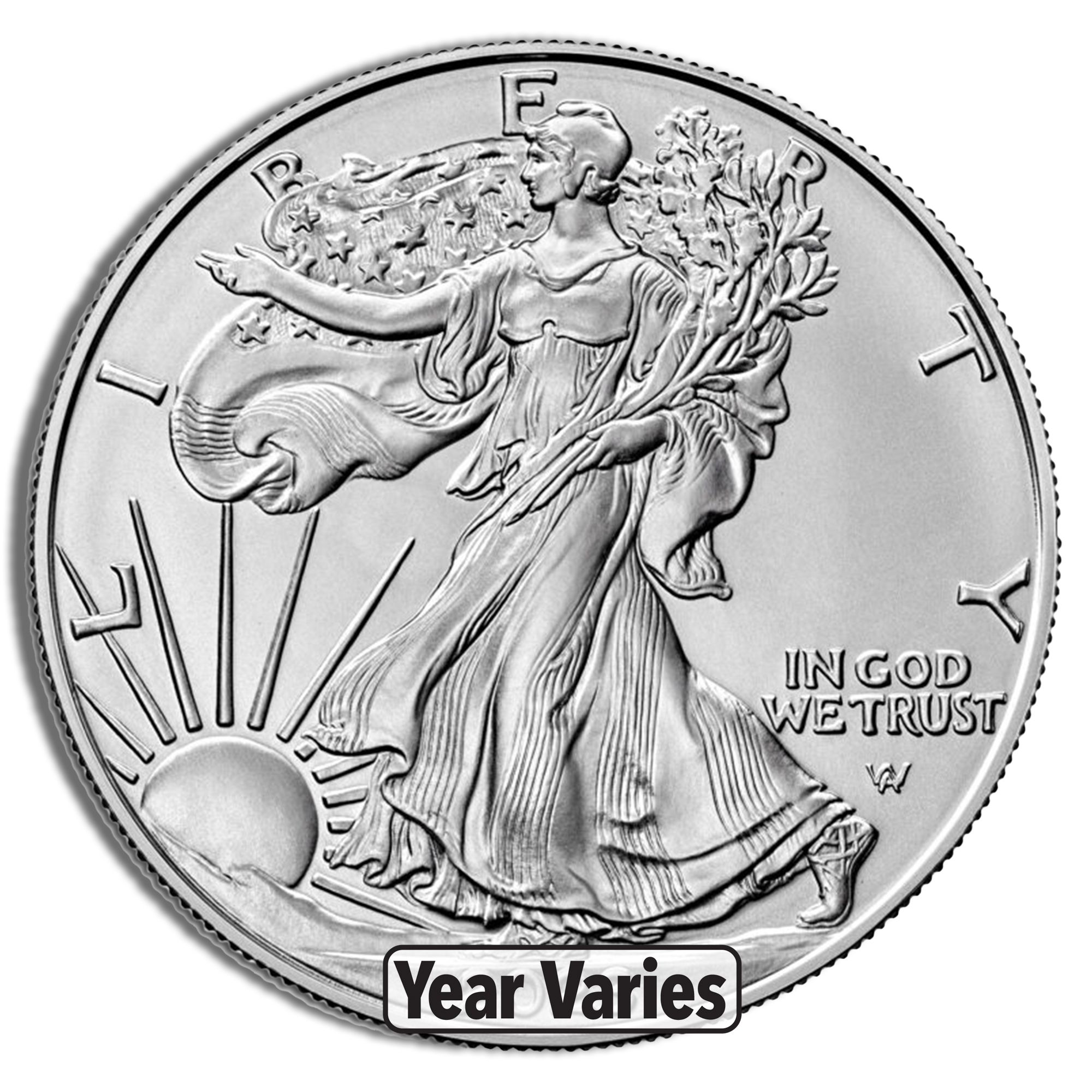
Silver American Eagle – BU (Year Varies)
A one-ounce .999 American Silver Eagle in BU condition with year varying.
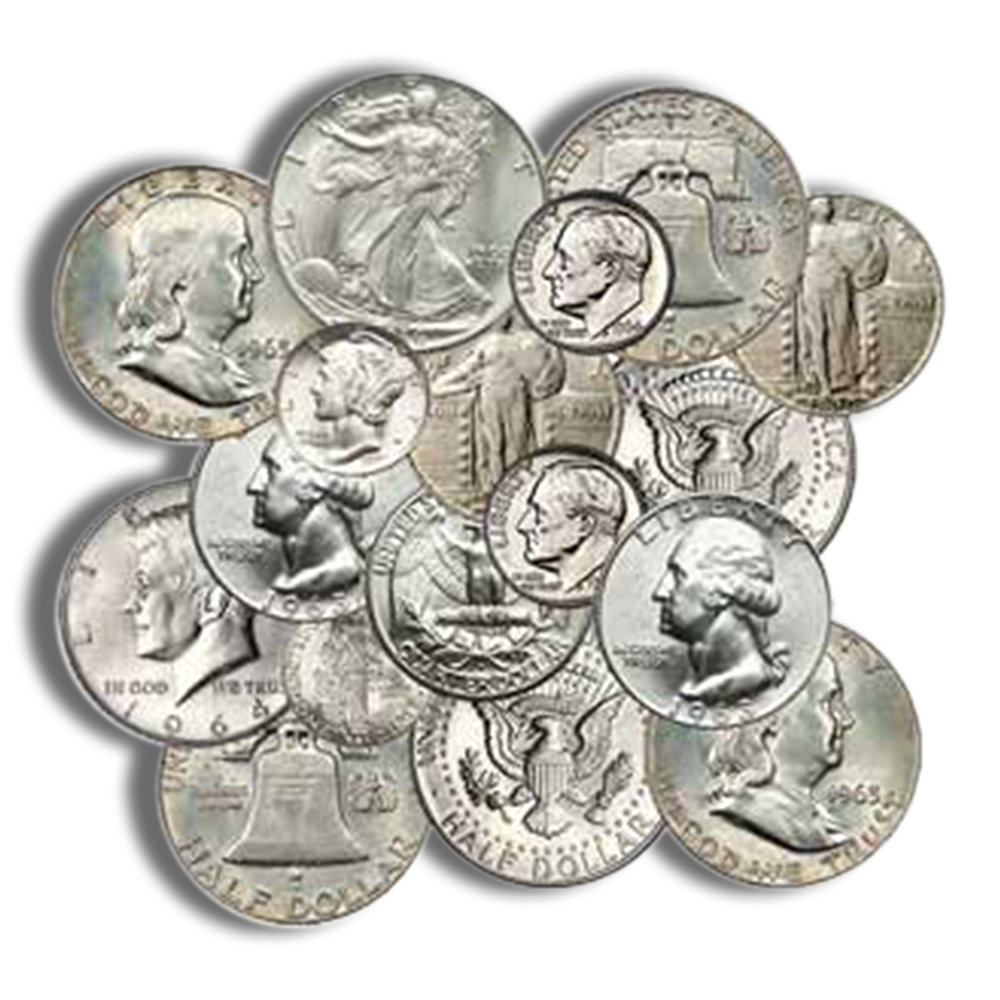
$1 FV 90% Silver Coin Various Denominations (Pre-1965)
A one-dollar face-value lot of qualifying pre-1965 90% silver denominations.
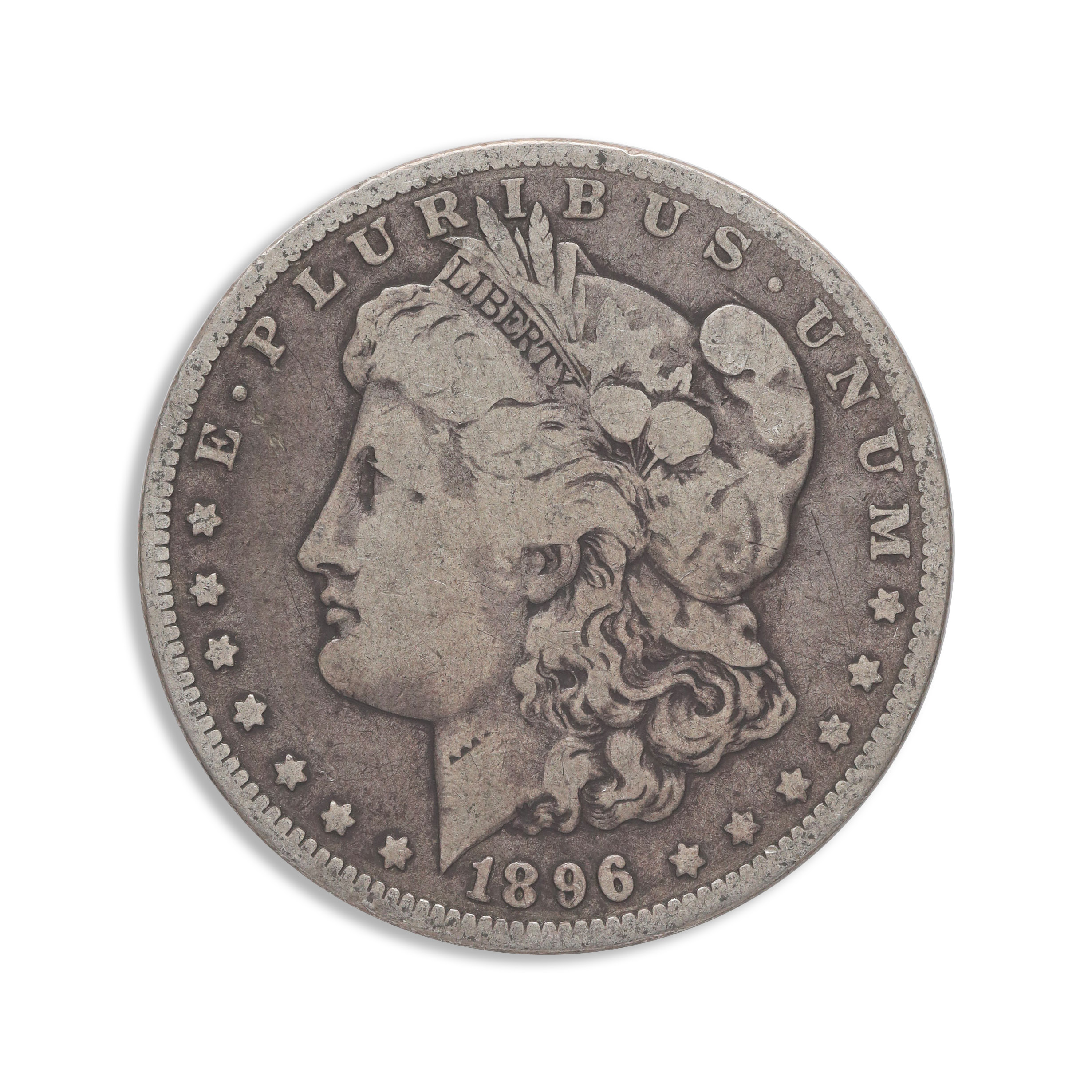
1878–1904 Morgan Silver Dollar – VG
A raw circulated pre-1921 Morgan offered with a dealer condition description.
Product pages, images, specifications, prices, premiums, packaging, and stock were reviewed September 6, 2026 and can change. The live listing controls the order.
What Agate Can Verify
For an Agate transaction, Agate can verify the items received, observed condition, product classification used for the quote, transaction date, gross payment, stated deductions, payment method, and final settlement details it provides in writing. Agate cannot determine a seller’s adjusted basis, holding period, tax classification, gain or loss, filing obligation, or state-tax treatment. Those depend on the seller’s records, circumstances, and current law.
Frequently Asked Questions
Do I owe taxes every time I sell gold or silver?
Not necessarily. Tax treatment depends on whether the sale produces a gain or loss, how the asset was held, its adjusted basis, the holding period, and other facts. A sale can still require recordkeeping and reporting even when no tax is ultimately due.
Does a dealer report every bullion purchase to the IRS?
No single rule covers every transaction. Form 1099-B reporting depends on technical factors such as the product form, quantity, aggregation period, and the buyer’s role. The current IRS Form 1099-B instructions should be reviewed for the transaction, and the seller should not treat the absence of a form as proof that no tax reporting is required.
Is a bullion buyback quote my taxable income?
A quote is an offer or bid under stated conditions. The taxable result, if any, generally requires comparing the amount realized with adjusted basis and applying the rules that fit the property and taxpayer. The final settlement statement is more important than an early quote for documenting the actual transaction.
How do I calculate my basis if I bought several coins over time?
Maintain a lot-level record showing the date, item, quantity, cost, and related expenses. If only part of a lot is sold, identify the units sold and use a consistent method accepted by your tax professional. Do not substitute today’s spot price for historical basis.
Are collectible coins taxed differently from bullion bars?
They may be. The tax treatment can depend on whether the item is a collectible, the holding period, and how it was held. The IRS states that net capital gains from collectibles can be subject to a maximum 28% rate, but the actual result depends on the taxpayer’s facts and current law.
What should I do if the dealer’s tax form does not match my records?
Do not alter your records simply to match a form. Compare the product, proceeds, dates, and basis information, contact the issuer for a correction when appropriate, and ask a qualified tax professional how to report the transaction and reconcile the discrepancy.
Bottom Line
A bullion buyback is a sale of property, not an automatic tax calculation. Start with a reliable record of what you bought, when you acquired it, how much basis you have, what the dealer actually paid, and which costs or special rules apply. Then compare the transaction with the current IRS guidance and obtain professional advice before filing.
Sources and Related Agate Guides
- IRS Topic No. 409: Capital Gains and Losses
- IRS Instructions for Form 1099-B
- IRS About Form 8949
- IRS Publication 544: Sales and Other Dispositions of Assets
- IRS Publication 551: Basis of Assets
- IRS Form 8300 and Reporting Cash Payments Over $10,000
- How to Compare a Bullion Dealer’s Buyback Quote
- How to Sell Silver Coins Online Safely
- How to Ship Bullion Safely: Avoid Scams and Insurance Gaps
- How to Choose a Reputable Gold Dealer
Disclosure and Scope
Agate Precious Metals buys and sells physical precious-metal products and may benefit from transactions resulting from this article. This guide is general educational information, not tax, legal, accounting, investment, appraisal, or financial advice. Federal, state, and local rules can change, and inherited property, gifted property, collectibles, business inventory, large transactions, and multi-state activity can require specialized analysis. Consult a qualified tax professional who can review your records and current law before filing.