
How to Ship Bullion Safely: Avoid Scams and Insurance Gaps
Shipping gold, silver, platinum, or palladium requires more than buying a label and adding insurance. The safest process is to verify the recipient and shipping instructions independently, confirm that the carrier and insurance program actually cover the item, document the package before handoff, use tracking and signature requirements, and understand what happens if the shipment is delayed, damaged, lost, or rejected.
Bullion shipping scams often rely on urgency, fake payment confirmations, altered tracking pages, impersonated dealers, or instructions that move the transaction outside the agreed process. Insurance problems usually arise when a seller assumes that “declared value” means full insurance, a carrier excludes the item, packaging rules were not followed, or the claim lacks evidence.
Key Takeaways
- Never ship bullion because of an email, text, or screenshot alone; verify instructions through an independently confirmed phone number or account portal.
- Read the carrier and insurance terms for precious metals specifically. A declared value, shipping label, or tracking number does not automatically guarantee coverage.
- Record the items, weights, condition, serial numbers, packaging, and handoff evidence before shipping.
- Use the exact carrier, service, packaging, insurance, and signature method required by the authorized buyer.
- Report damage, tampering, delay, or loss promptly and preserve the carton, labels, receipts, and photographs.
Why Bullion Shipments Attract Scams
Precious metals are valuable, compact, and easy to resell. That combination creates opportunities for fraud before, during, and after a shipment.
A scammer may impersonate:
- A dealer offering a buyback quote
- A shipping company or claims department
- A payment processor or bank
- A marketplace buyer
- A customer-service representative
- A relative or business contact asking for a change to the delivery address
The scam does not always involve stealing the package in transit. It may begin with a fake quote, an overpayment, a counterfeit payment confirmation, a request to ship to a new address, or a fraudulent claim that the package has been intercepted.
The central safety rule is simple: treat a change in payment, recipient, address, carrier, or insurance instructions as a new security event and verify it independently.
Common Bullion Shipping Scams to Recognize
Fake dealer or buyer impersonation
A fraudster may copy a real dealer’s logo, website design, email signature, or quote language. The message may use a look-alike domain or a phone number that routes to the scammer.
Before accepting a buyback or sale arrangement:
- Type the dealer’s website address yourself rather than using a message link.
- Compare the email domain character by character.
- Call the phone number shown on the verified website or existing account statement.
- Ask the dealer to confirm the quote, recipient address, payment terms, and expiration time.
- Do not rely on caller ID, email display names, or a forwarded message as proof of identity.
A legitimate quote can still be conditional. Confirm whether it is preliminary, when the price locks, how inspection works, and what happens if the item differs from its description.
Payment screenshot and overpayment scams
A buyer may send a fake bank-transfer receipt, edited payment screenshot, or counterfeit cashier’s-check notice and ask you to ship immediately. Another pattern involves an apparent overpayment followed by a request to refund the difference.
Do not treat a screenshot, pending deposit, or emailed confirmation as cleared funds. Confirm the payment through your bank or the trusted payment platform using contact information you obtained independently. Do not refund an overpayment until the original funds are irrevocably confirmed, and never let the buyer’s urgency replace your normal verification process.
Address-change scams
A scammer may claim that the dealer moved offices, that a carrier cannot deliver to the original address, or that a warehouse requires shipment to a new location. The replacement address may be a residence, mail-forwarding location, or unrelated receiving service.
Use the recipient address already established in the written agreement. If a change is necessary, confirm it through a second channel with the authorized business contact. A new address should not be accepted merely because it appears on a revised PDF or in a new email thread.
Fake tracking and carrier messages
Fraudulent texts and emails may claim that a package requires a small redelivery fee, customs payment, address correction, or identity verification. The link may capture login credentials or payment-card information.
Open the carrier’s website by typing the address yourself and enter the tracking number there. Do not use a link in an unexpected text message. If a dealer supplied the label, contact the dealer through its verified phone number before paying a new fee or changing delivery instructions.
“Insurance upgrade” fraud
A scammer may ask the seller to send money for a special insurance certificate, refundable deposit, release fee, or carrier authorization before payment can be made. These requests often appear after the metal is already in transit.
Pause the transaction. Verify the claim with the carrier and the authorized buyer through independent contact information. Do not send additional money to release a package or unlock a payment unless you have verified the obligation directly and understand the written terms.
Intercept and reroute scams
A fraudster who obtains a tracking number may attempt to redirect the shipment, request a hold at an unauthorized location, or persuade the sender to change delivery instructions. Treat any reroute request as high risk.
Use the carrier account or official customer-service channel, and confirm whether a reroute affects insurance coverage. Tell the authorized recipient if tracking information or delivery instructions appear to have changed.
Insurance Is Not the Same as Declared Value
One of the most common mistakes is assuming that the dollar amount entered on a shipping label automatically means the carrier will reimburse the full amount if something goes wrong.
These terms can have different meanings:
- Declared value: The value stated for a shipment under the carrier’s rules. It may affect liability limits or fees, but it may not be an insurance policy.
- Carrier liability: The amount the carrier may owe under its contract and service terms, subject to exclusions and limits.
- Third-party insurance: Coverage purchased from an insurer with its own definitions, documentation requirements, exclusions, and claims process.
- Self-insurance: The sender accepts the risk and sets aside funds rather than transferring the risk to a carrier or insurer.
- Market value: The current value of the metal or product, which can change while the package is in transit.
Coverage depends on the exact carrier, service, origin, destination, item, packaging, declared value, and contract. Some services or policies treat precious metals differently from ordinary merchandise. A carrier may require a special service, account, packaging method, or documentation.
For example, USPS identifies Registered Mail as a high-security service and states that Registered Mail items can be insured up to specified limits. FedEx publishes declared-value limits and terms that vary by commodity and service. UPS maintains prohibited and restricted-item rules that can differ by route and account. These rules can change, so consult the carrier’s current official terms before shipping.
- USPS insurance and extra services
- FedEx declared value and limits of liability
- UPS prohibited and restricted items
Do not rely on a blog post, a forum comment, or an old shipping label as proof that a particular service covers your shipment today.
Six Insurance Questions to Ask Before Shipping
Ask these questions in writing:
- Does this policy cover gold, silver, platinum, palladium, coins, bars, rounds, or the exact product being shipped?
- Does coverage apply while the package is in transit, at a carrier facility, during delivery, and after a missed delivery attempt?
- Is coverage based on purchase price, current market value, replacement cost, or another valuation method?
- Are theft, porch loss, tampering, partial loss, counterfeit claims, or mysterious disappearance excluded?
- What packaging, carrier, service, signature, and documentation requirements must be followed?
- How quickly must a loss or damage claim be reported, and who is responsible for filing it?
The answers should come from the carrier, insurer, or authorized dealer—not only from an informal salesperson or a message forwarded by someone else.
Use the Authorized Buyer’s Exact Shipping Instructions
When selling bullion to a dealer, do not improvise the shipping method. The written instructions should identify the receiving business, address, approved carrier or service, packaging requirements, insurance expectations, tracking method, signature requirement, and what to do if an item is rejected or a quote changes.
Agate’s current return policy states that sellers should contact Agate before shipping a buyback, wait for instructions, and use secure, fully insured, tracked shipping with signature confirmation as directed. It also states that a buyback quote is not final until the metal is received and inspected. Review the current Agate Return and Refund Policy before sending bullion to Agate or relying on any policy-specific shipping instruction.
Never send bullion to an address copied from a suspicious message when the address differs from the written agreement. Contact the dealer through a verified channel before shipping.
Package Bullion for Evidence and Security
The goal is to protect the contents while also preserving evidence if a claim or inspection dispute occurs.
Before sealing the package:
- Photograph each item and its identifying marks.
- Record weights, purity, dates, mint marks, serial numbers, and visible condition.
- Photograph assay cards, grading holders, capsules, tubes, and boxes when relevant.
- Create an itemized packing list and retain a copy outside the package.
- Photograph the contents inside the packaging before closing the box.
- Use strong, appropriate packaging with no exterior markings that identify precious metals.
- Seal all openings consistently and retain any required receipts or labels.
- Do not include cash, passwords, unnecessary personal information, or unrelated documents.
Avoid packaging that creates a false impression of the contents. The exterior should be discreet, but the shipment must still comply with the carrier and insurance requirements. Do not conceal a prohibited item from a carrier or insurer.
Document the Handoff
Keep a complete shipping file containing:
| Record | Why it matters |
|---|---|
| Written quote or transaction agreement | Establishes the agreed recipient, terms, and price conditions |
| Inventory and photographs | Shows what was included and its condition |
| Postage receipt | Establishes when and how the package entered the carrier system |
| Tracking number | Allows independent monitoring of movement and delivery |
| Insurance or declared-value confirmation | Shows what protection was requested, if any |
| Signature or delivery record | Helps establish who accepted the package |
| Communications log | Preserves changes, instructions, and verification steps |
| Claim reference number | Tracks follow-up if a loss or damage report is filed |
Do not post the tracking number, recipient address, or photographs showing serial numbers publicly. Share them only with the authorized parties and the carrier or insurer when required.
Red Flags During Transit
Pause and investigate if:
- Tracking stops updating immediately after an address-change request.
- A message asks you to pay a new fee through an unfamiliar payment link.
- The recipient says the address changed but will not confirm by phone.
- A carrier message contains spelling errors, a shortened link, or an unusual domain.
- Someone asks you to remove signature confirmation.
- Someone asks you to understate the value or mislabel the contents.
- The package arrives with broken seals, a different label, or visible tampering.
- A buyer refuses to acknowledge receipt or explain an inspection delay.
- A “claims agent” asks for passwords, one-time codes, or remote computer access.
Do not click, pay, reroute, or reship until the instruction is independently verified.
What to Do If a Package Is Delayed, Damaged, or Missing
First, preserve evidence. Keep the box, tape, labels, packing material, receipts, photographs, and tracking history. Do not throw away a damaged package before the carrier, insurer, or dealer gives instructions.
Then:
- Contact the authorized recipient through the verified contact information.
- Check tracking directly on the carrier’s official website.
- Report suspected damage, tampering, or loss promptly.
- Follow the policy’s claim deadline and required documentation.
- Ask who is responsible for filing the carrier or insurance claim.
- Do not accept a revised settlement without understanding what it covers.
- If fraud or theft is suspected, preserve messages and report the matter to the appropriate carrier, platform, financial institution, or law-enforcement channel.
A carrier investigation may take time. Do not promise a replacement, refund, or payment outcome until the responsible party and applicable terms are confirmed.
Related Agate Guides
Before shipping or selling, review the gold and silver spot-price and premium guide to understand the market reference used in a quote. If you are evaluating a new buyer, the reputable gold dealer checklist covers identity, transparency, and transaction safeguards. If the buyer requests testing or the item’s identity is uncertain, read how to test whether a silver round is real without treating one test as a guarantee of authenticity.
How to Avoid Buyback-Specific Shipping Disputes
Shipping is only one part of a buyback transaction. Before sending metal to a dealer, confirm:
- The exact products and quantities included
- Whether the quote is preliminary or locked
- The spot-price reference and valuation time
- Inspection and authentication procedures
- Conditions that can reduce or change the offer
- Who pays for shipping and insurance
- What happens to rejected or reclassified items
- The payment method and expected timing
- The return procedure if you decline a revised offer
For the financial side of the decision, read How to Compare Bullion Buyback Quotes. For the online selling workflow, see How to Sell Silver Coins Online Safely.
Bullion Formats That Require Careful Shipping Documentation
These live retail listings illustrate products with different packaging, serial-number, condition, and authentication considerations. They are not shipping instructions, insurance promises, or buyback quotes. Always follow the verified recipient’s written requirements and the carrier or insurer’s current terms.
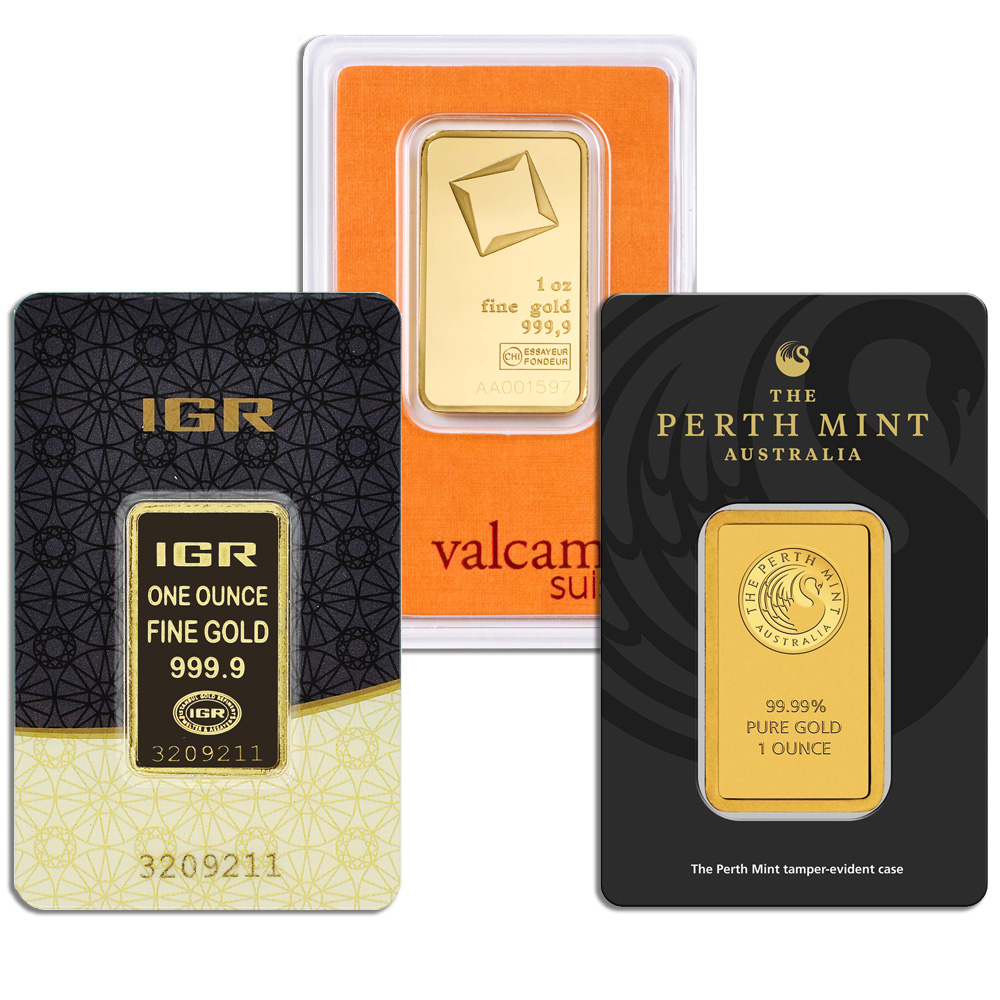
1 oz Gold Bar – Brand Varies .9999 (Carded)
A carded one-ounce .9999 listing where the brand is selected at fulfillment.

1 oz Gold Eagle – BU (Year Varies)
A one-ounce Gold Eagle with year selected under the listing terms.

Silver American Eagle – BU (Year Varies)
A one-ounce .999 American Silver Eagle in BU condition with year varying.
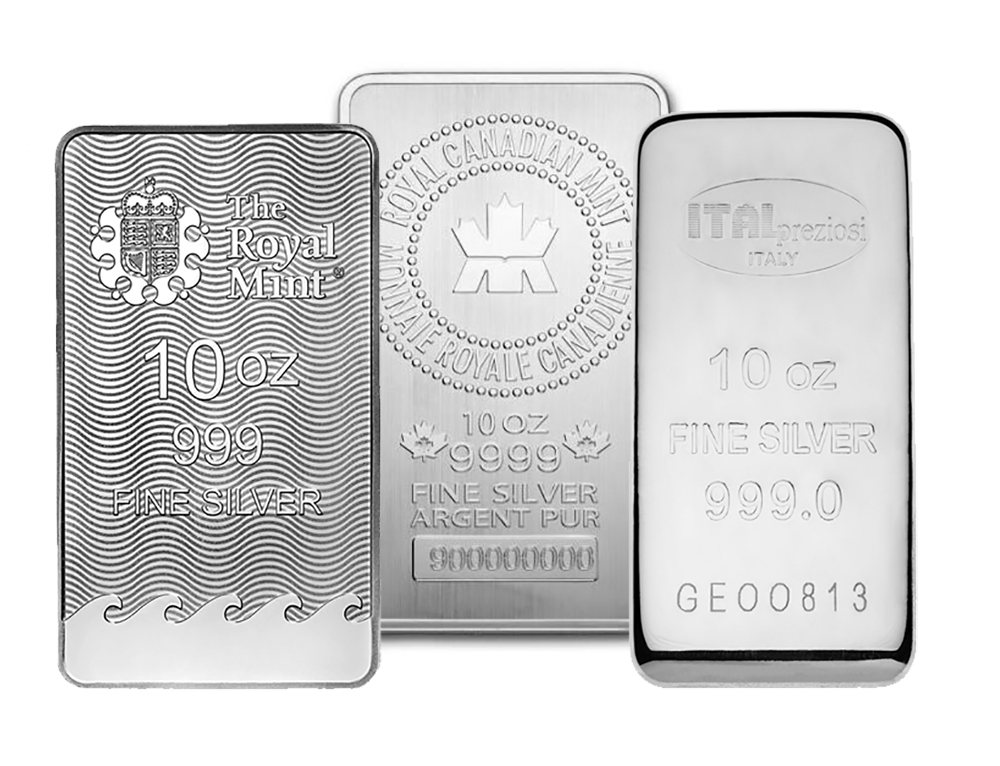
10 oz Silver Bar – Brand Varies
A ten-ounce bar where the qualifying brand is selected from inventory.
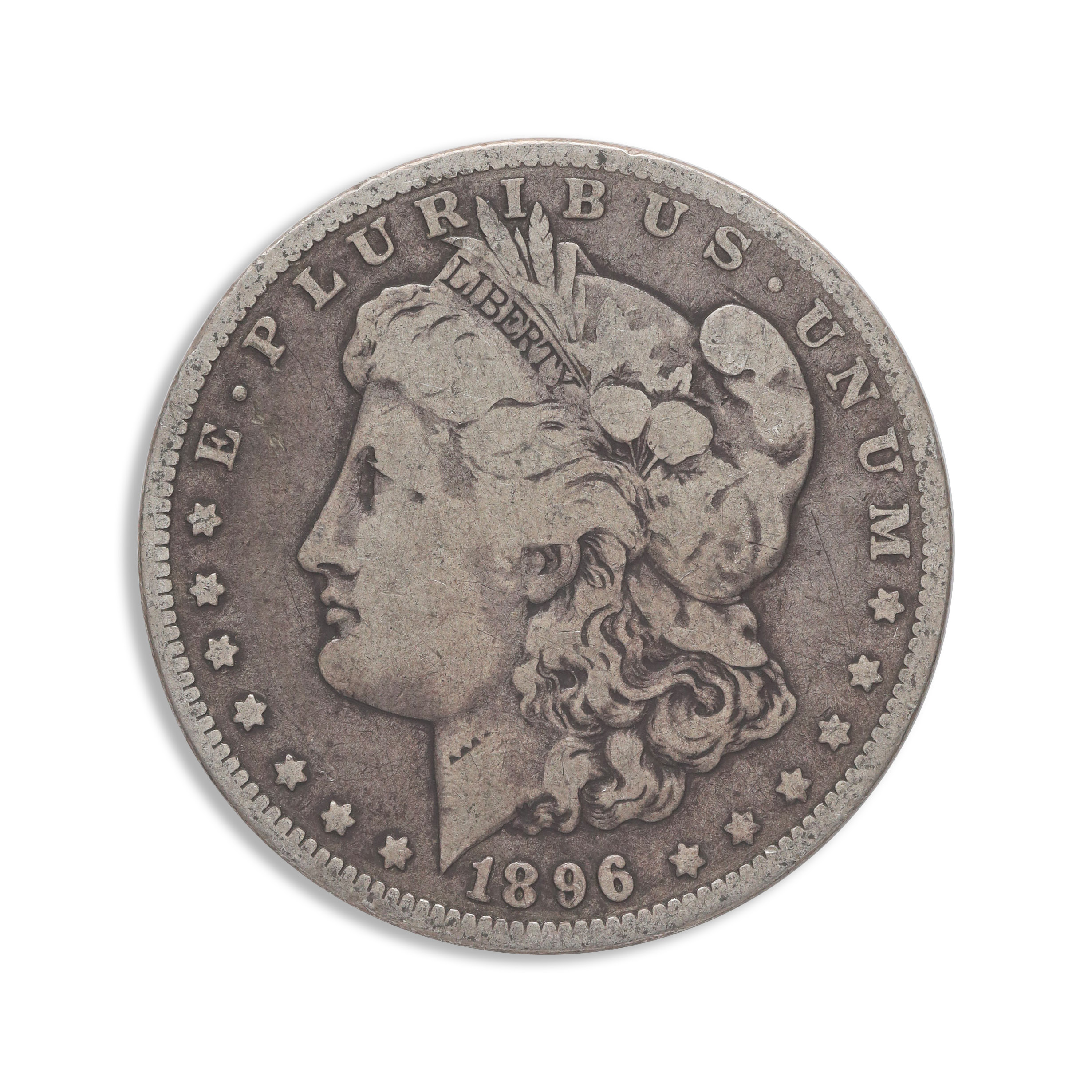
1878–1904 Morgan Silver Dollar – VG
A raw circulated pre-1921 Morgan offered with a dealer condition description.
Product pages, images, specifications, prices, premiums, packaging, and stock were reviewed September 6, 2026 and can change. The live listing controls the order.
What Agate Can Verify
For an authorized Agate transaction, Agate can verify the receiving instructions it issued, items received, observed packaging and condition, tracking information provided to Agate, inspection results, current quote terms, and settlement details it provides in writing. Agate cannot promise coverage under a carrier or third-party policy. Carrier restrictions, insurance terms, claim deadlines, addresses, market values, and buyback policies can change.
Frequently Asked Questions
Is bullion automatically covered when I buy shipping insurance?
No. Coverage depends on the carrier, service, policy, item, value, packaging, and claim requirements. Confirm that the exact precious-metal product is covered and that you are using the required service before shipping.
Is declared value the same as insurance?
Not necessarily. Declared value may establish a liability amount or affect the shipping charge, while insurance is a separate coverage arrangement with its own terms. Read the current carrier or insurer language for the service being used.
Can a buyer change the shipping address after sending a quote?
A legitimate business may occasionally need to change an address, but you should independently verify the change through a trusted phone number or account portal. Do not ship to a replacement address based only on an unexpected email or text.
What should I do if a precious-metals package arrives damaged?
Photograph the package before opening it when practical, preserve the carton and packing materials, notify the recipient and carrier promptly, and follow the written claim instructions. Do not discard evidence or reship the contents without authorization.
Should I remove signature confirmation to make delivery easier?
Generally, do not remove a signature requirement unless the authorized recipient, carrier, and insurer confirm in writing that doing so will not affect the transaction or coverage. A delivery convenience can create a major documentation problem.
Can I use ordinary carrier coverage for gold or silver?
Do not assume so. Precious metals may be restricted, excluded, or subject to special limits under a carrier’s current terms. Confirm the exact service and item before tendering the package.
Bottom Line
The safest bullion shipment is independently verified, properly classified, documented before handoff, sent through an authorized service, tracked directly through the carrier, and covered under terms that specifically address the item being shipped. The most important protection is not a label that says “insured.” It is knowing exactly what the carrier or insurer promises, what it excludes, and what evidence is required if something goes wrong.
Sources
- U.S. Postal Service, “Insurance & Extra Services”, accessed September 6, 2026.
- FedEx, “Declared Value & Limits of Liability”, accessed September 6, 2026.
- UPS, “Prohibited and Restricted Items”, accessed September 6, 2026.
- Agate Precious Metals Return and Refund Policy, effective July 31, 2026 and accessed September 6, 2026.
Disclosure and Scope
Agate Precious Metals buys and sells physical precious-metal products and may benefit from transactions resulting from this article. This guide is general educational information, not individualized legal, insurance, financial, tax, carrier, appraisal, authentication, or shipping advice. Carrier rules, declared-value limits, insurance terms, dealer policies, market values, and claim procedures can change. Confirm the current written instructions directly with the carrier, insurer, and authorized dealer before shipping bullion.