
Idaho vs. Arizona, Florida, and Oklahoma Goldbacks: Collector Comparison
Educational guide for physical-gold buyers and collectors. Product availability, exchange rates, premiums, and market conditions can change.
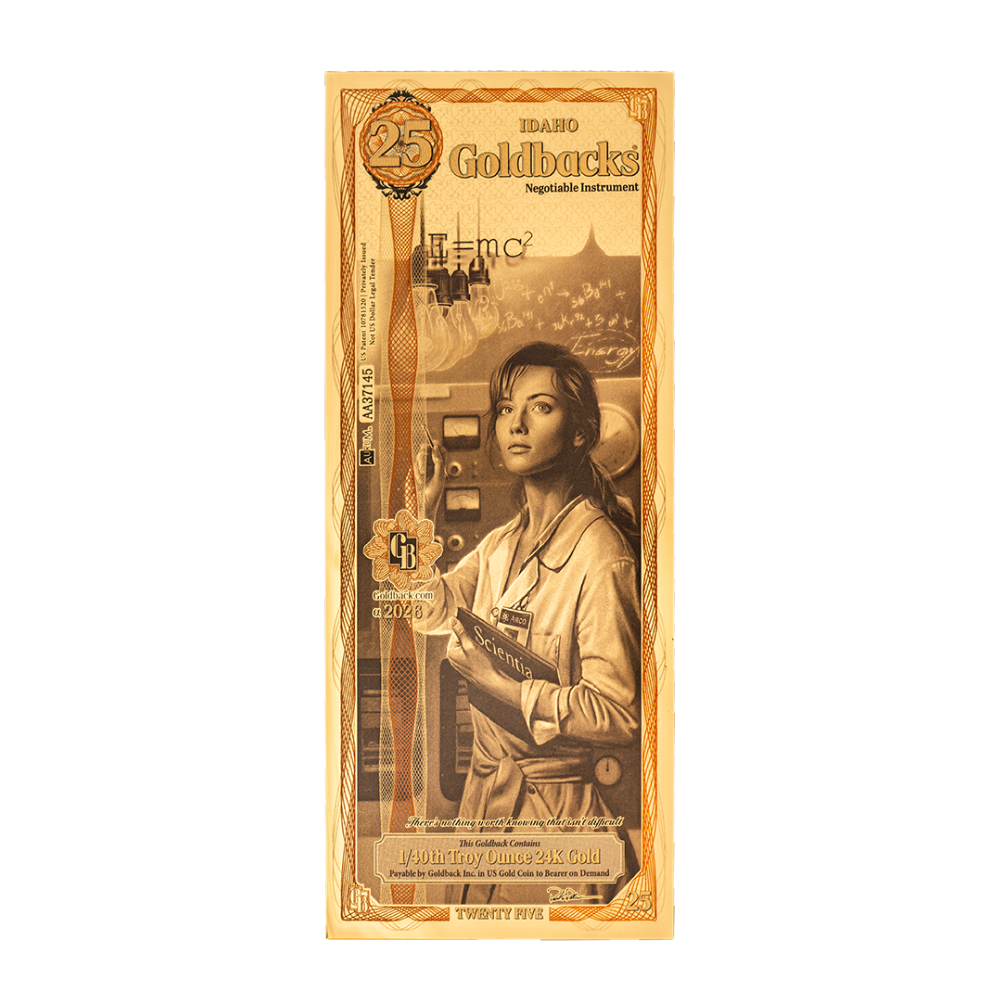
Idaho, Arizona, Florida, and Oklahoma Goldbacks use the same basic denomination-to-gold formula, so the state printed on the piece does not change the stated gold content. Their main differences are artwork, regional identity, available denominations, release details, inventory, and collector demand. A 25 Goldback from any of these series represents 1/40 troy ounce of gold. Choose by design and collecting goal, then compare the exact product’s condition, delivered price, and resale market.
What to Check Before Choosing a State Series
- Exact state, denomination, release, and product image
- Stated gold content and current specifications
- Condition, folds, edge damage, writing, or delamination
- Dealer price versus melt value and exchange rate
- Whether your collection is by state, denomination, design, or complete set
- Availability of matching pieces needed to finish the set
State-Series Comparison at a Glance
| Series | What Makes It Distinct | Collector Question | Gold Content |
|---|---|---|---|
| Idaho | Idaho-specific artwork and regional identity | Do you want a focused Idaho run or selected designs? | Determined by denomination, not state |
| Arizona | Arizona-themed designs and a separate visual series | Which denominations and designs are currently obtainable? | Determined by denomination, not state |
| Florida | Florida identity with its own artwork across multiple sizes | Are you building a complete denomination set? | Determined by denomination, not state |
| Oklahoma | Oklahoma-specific imagery and series character | Will you collect one denomination or the wider series? | Determined by denomination, not state |
The Most Important Similarity: Gold Weight
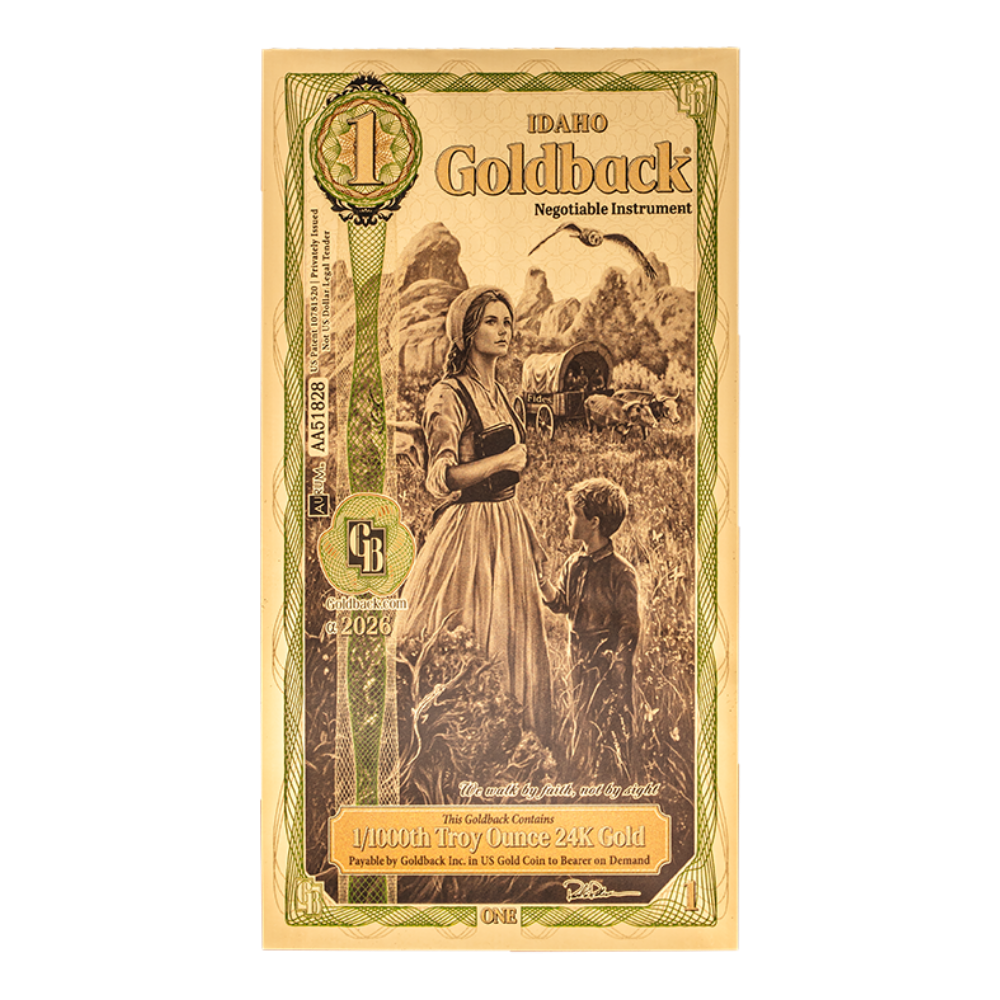
A 1 Idaho Goldback and a 1 Florida Goldback each state 1/1,000 troy ounce of gold. A 25 Arizona and a 25 Oklahoma each state 25/1,000, or 1/40, troy ounce. The artwork can change; the denomination formula does not.
This lets collectors compare like with like. If two state-series pieces have the same denomination but different prices, the gap is not caused by additional gold. It may reflect supply, product condition, artwork demand, release timing, dealer inventory, or collector interest.
Idaho Goldbacks
The Idaho series gives state residents, regional collectors, and Goldback set builders a dedicated design family. A collector can approach it several ways:
- Acquire one representative Idaho piece.
- Build a same-series denomination run.
- Collect one denomination across multiple states.
- Select only the artwork that carries the strongest personal appeal.
Before trying to complete the series, list the denominations you need and confirm they are actually available. The cost of the final hard-to-find piece can change the economics of a set.
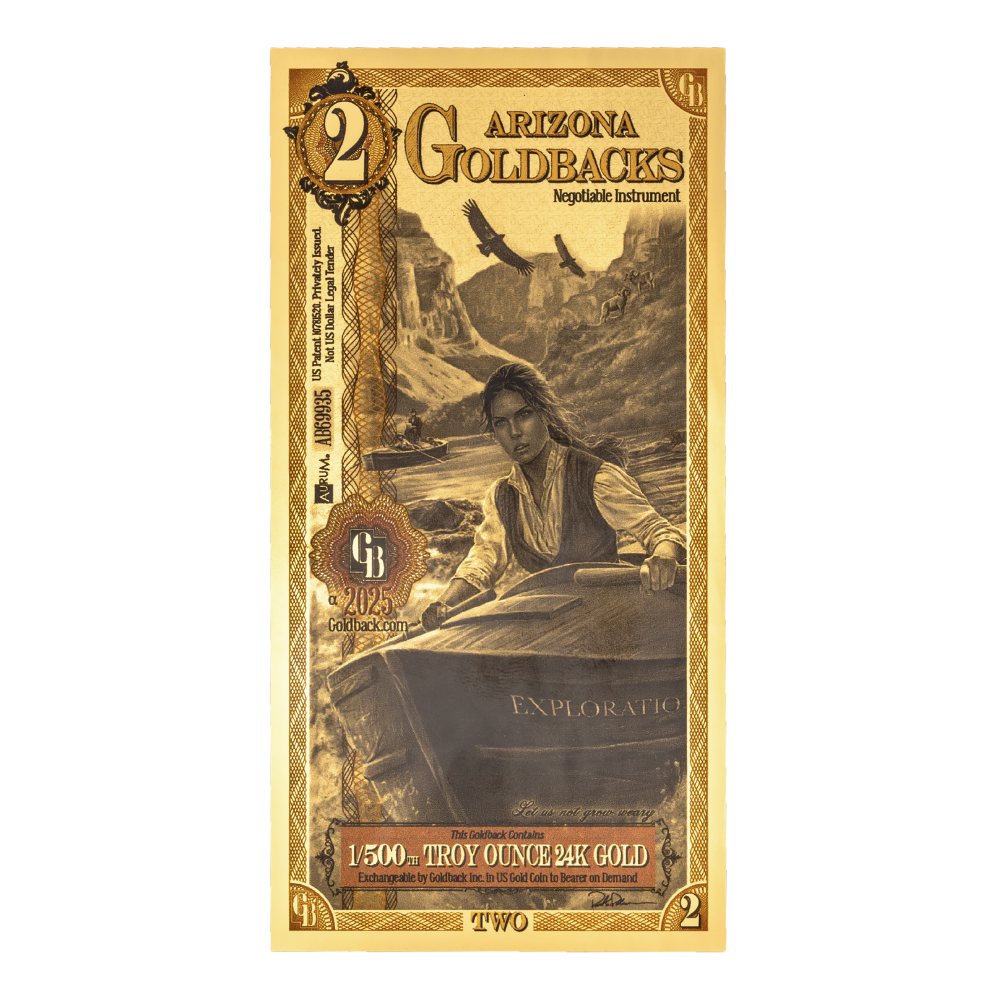
Arizona Goldbacks
Arizona Goldbacks form a separate state-art series while retaining the same proportional gold structure. Arizona may appeal to collectors with a connection to the Southwest or buyers who prefer its visual themes. Do not assume that similarly numbered products from different states are substitutes in a collector set; the state and design are part of the collectible identity.
When comparing an Arizona 25 with an Idaho 25, start with the identical 1/40-ounce gold content. Then compare condition, seller price, image accuracy, and current demand. That prevents design preference from hiding the size of the premium.
Florida Goldbacks
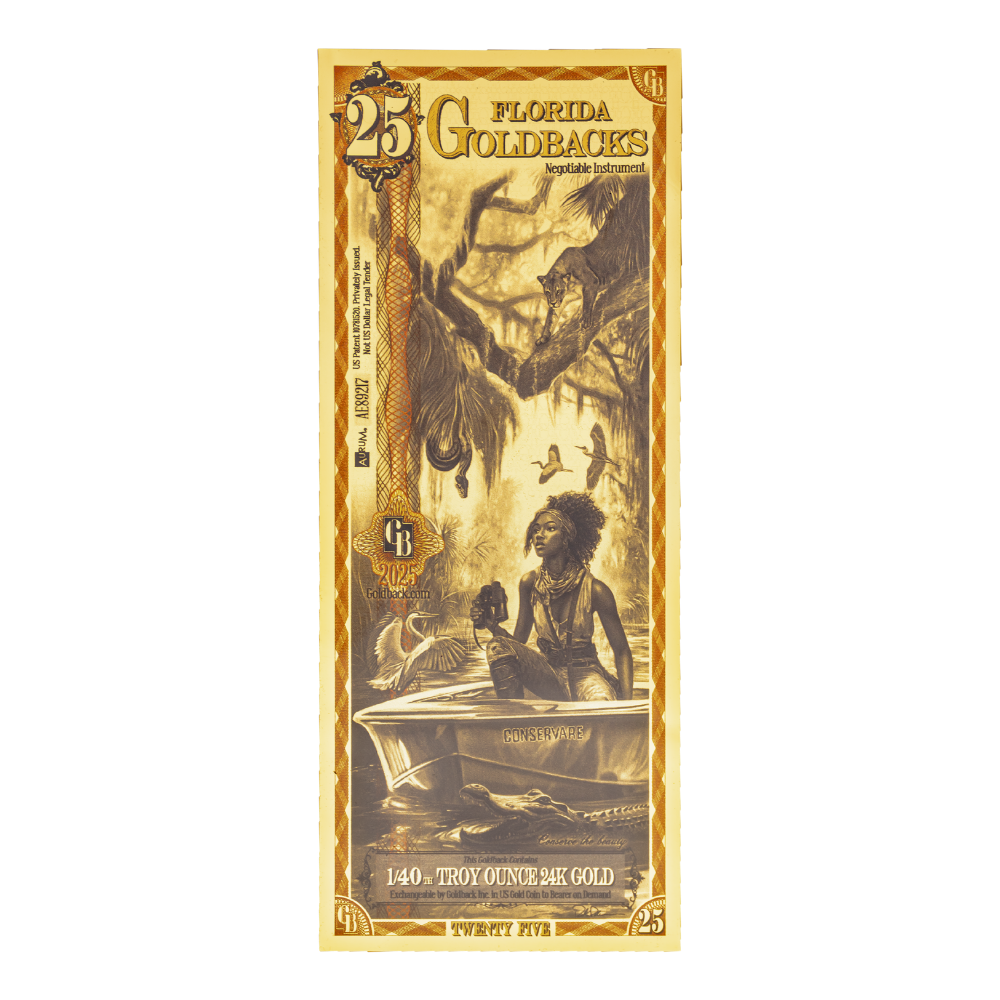
The Florida series is especially useful for explaining how a state collection can stretch across small and large denominations. Agate’s linked product selection ranges from fractional units to larger pieces, subject to inventory. A complete run provides a strong visual progression, but it also multiplies the premium and storage records required.
Collectors who do not need every denomination can choose a representative 1, 10, or 25 Goldback. That creates a clear state-series position without turning availability into an all-or-nothing project.
Oklahoma Goldbacks
Oklahoma offers another distinct regional series within the same Goldback system. Buyers should evaluate it using the same disciplined process: verify denomination, compare official-style imagery, inspect condition, calculate content, and document the purchase.
A new or less familiar series can attract attention, but attention does not guarantee future collector premiums. Buy the artwork and format because you value them, not because a seller promises scarcity-driven returns.
Four Ways to Build a Goldback Collection
1. One Complete State Set
Choose Idaho, Arizona, Florida, or Oklahoma and build across available denominations. This creates a coherent visual set, but completion risk is highest because one unavailable piece can stall the project.
2. One Denomination Across States
Collect the same denomination—such as 1 or 25—across all four state series. Gold content remains constant, so the display focuses on artwork and regional differences.
3. One Representative From Each State
This is the simplest four-state cluster. Choose the same denomination when possible for a clean comparison, or choose the design you prefer from each series.
4. Design-First Collection
Ignore set completion and buy only favorite artwork. This may be the most satisfying approach for collectors who do not want to chase every release.
Condition Matters More Than Many New Buyers Expect
Goldbacks are flexible, but they are still collectible physical objects. Heavy creases, cuts, writing, stains, heat damage, peeling layers, or altered surfaces can affect presentation and resale. A minor handling mark may not change gold content, yet collector buyers can prefer cleaner pieces.
Store them flat in suitable sleeves or holders. Avoid tape, glue, home lamination, solvents, and destructive testing. Keep the invoice with the state, denomination, quantity, and purchase date.
How to Compare State-Series Premiums
- Compare the same denomination whenever possible.
- Calculate the metal value using denomination ÷ 1,000 × current gold spot.
- Add shipping and payment costs.
- Measure the premium above metal value.
- Compare current dealer buybacks for each state series.
- Decide how much of the difference you are willing to pay for design or set completion.
Joe’s dealer note: If two 25 Goldbacks have different prices, the more expensive one does not contain more gold. You are paying the difference for availability, artwork, condition, or collector demand. Make sure that is an intentional purchase.
Authentication and Buying Safely
Compare the item with official and reputable dealer images. Check the printed state and denomination, clarity of design, embedded details, and physical condition. Buy from a seller that clearly identifies the product and stands behind authenticity. Because the gold layer is thin, never cut, scrape, burn, or acid-test a Goldback.
The issuer describes its construction in How Goldbacks Are Made. The official FAQ provides additional background on gold content and use.
Which State Series Is Best?
There is no objectively best state series. Idaho may be best for an Idaho-focused collector; Arizona for someone who prefers its designs; Florida for a buyer attracted to its series range; and Oklahoma for someone building around that state or artwork. For a bullion-only buyer, the best option is usually the authentic product with the lowest complete premium and clearest resale path.
First compare Goldback denominations, then use the premium-versus-content guide before checkout.
Joe Agate’s Bottom Line
State series make Goldbacks collectible; denomination determines the gold. Keep those two facts separate. Build around a clear theme, compare identical denominations, protect condition, and avoid paying an accidental premium merely because one design is temporarily harder to find.
Shop Featured Goldbacks
Compare current Agate Precious Metals inventory across the denominations and state series discussed in this guide.
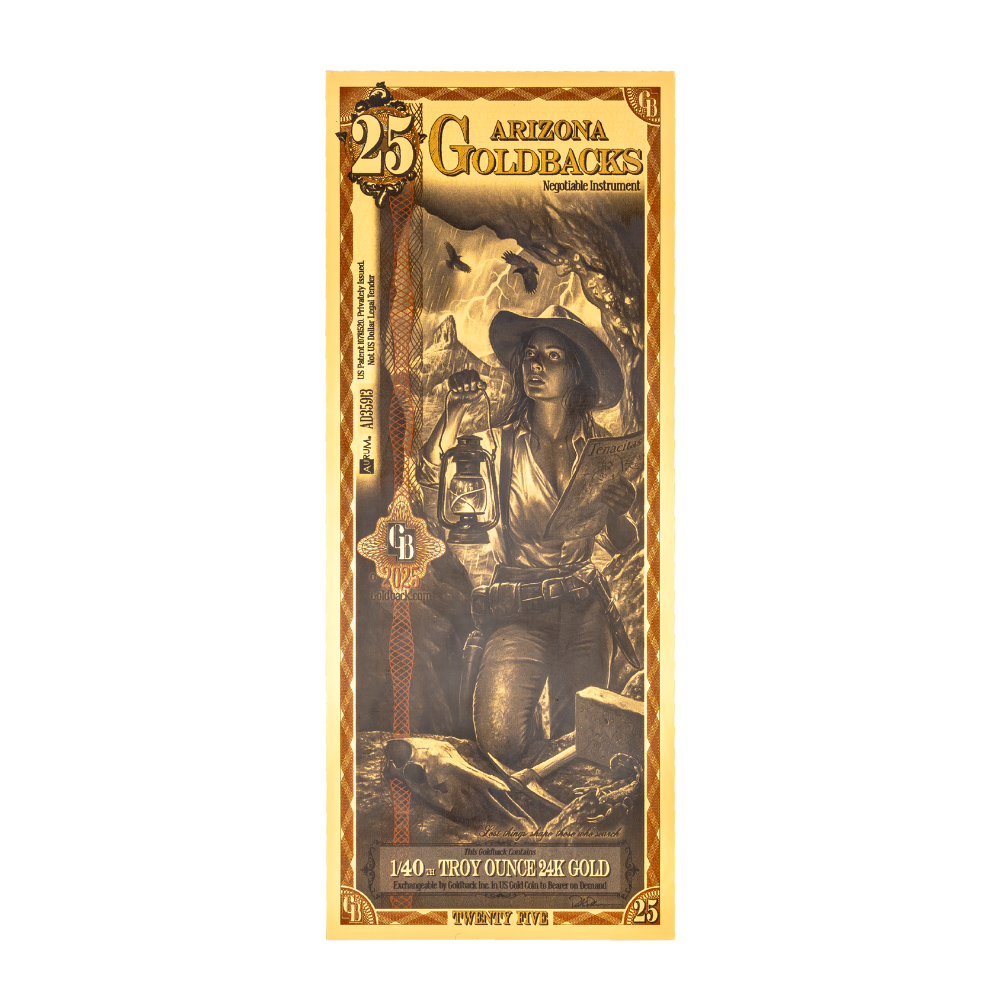
Arizona 25 Goldback
A twenty-five-denomination Arizona Goldback containing 1/40 troy ounce of gold.
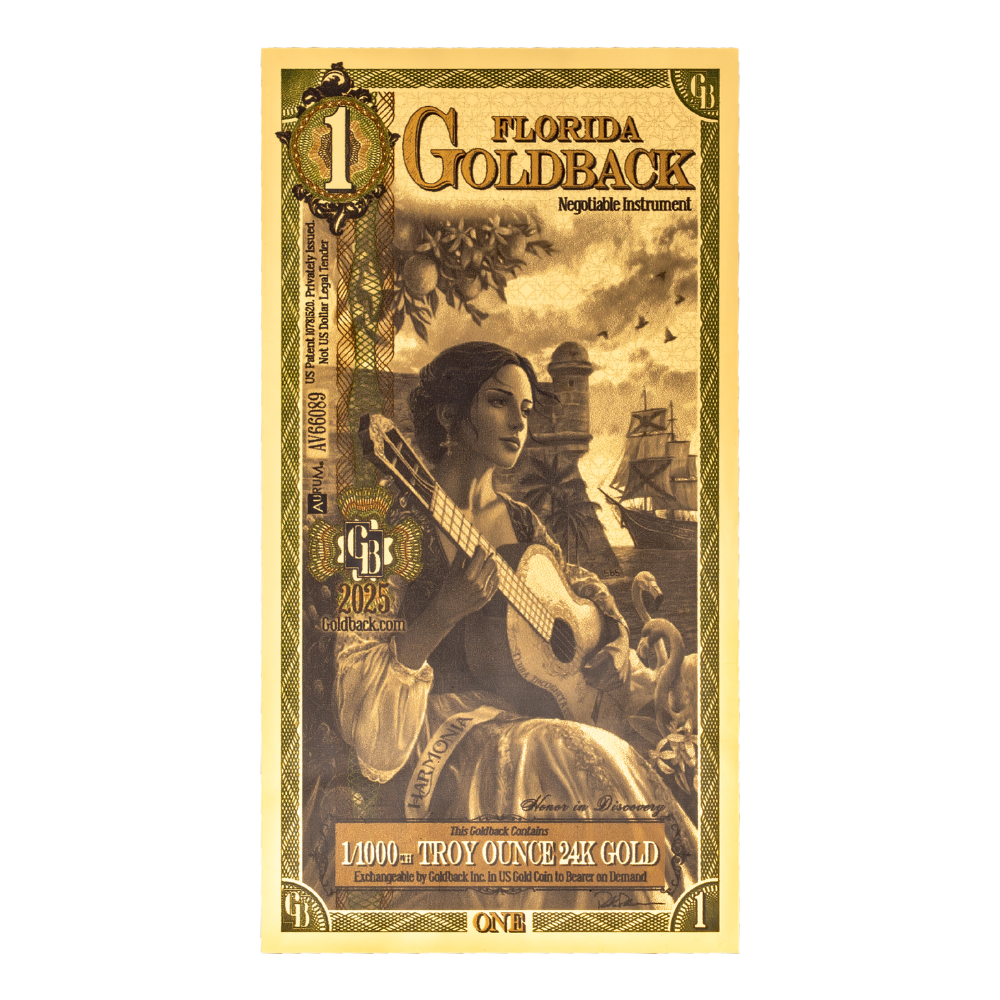
Florida 1 Goldback
The base Goldback denomination, containing 1/1,000 troy ounce of gold.
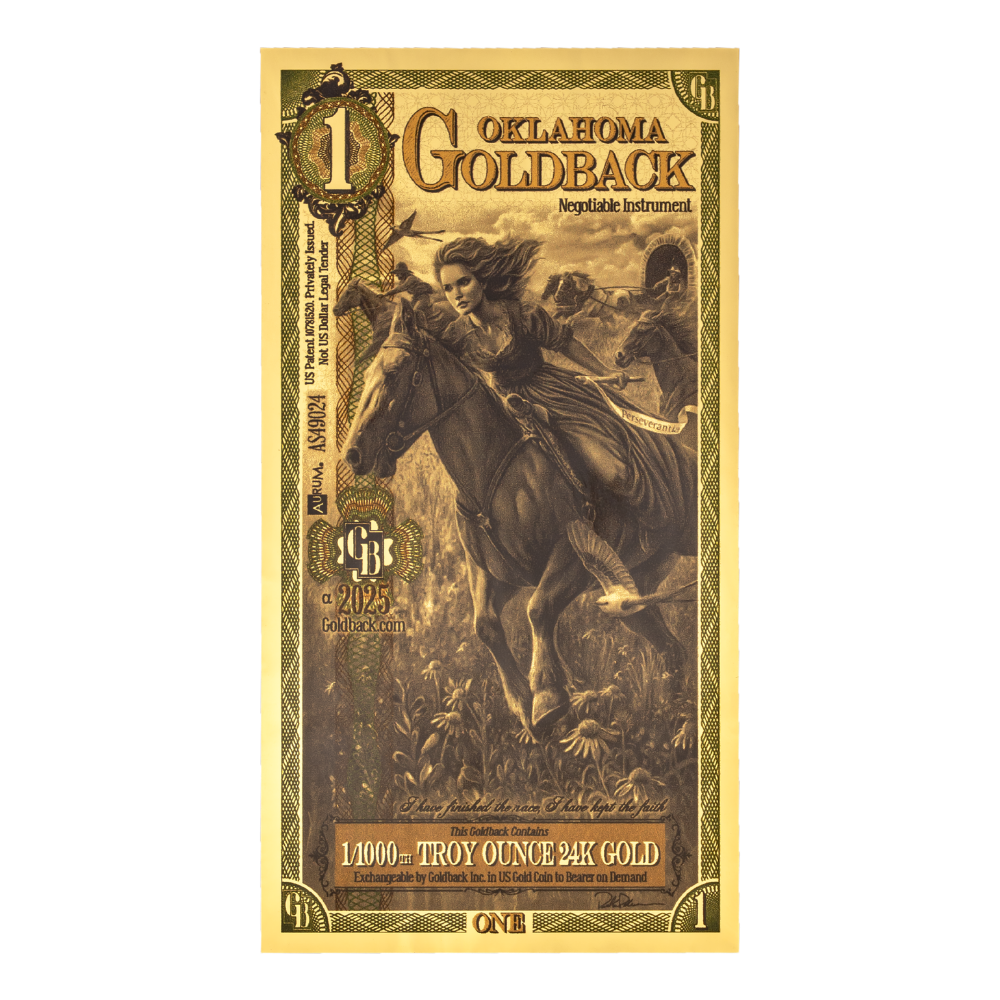
Oklahoma 1 Goldback
A one-denomination Oklahoma Goldback with state-specific artwork.
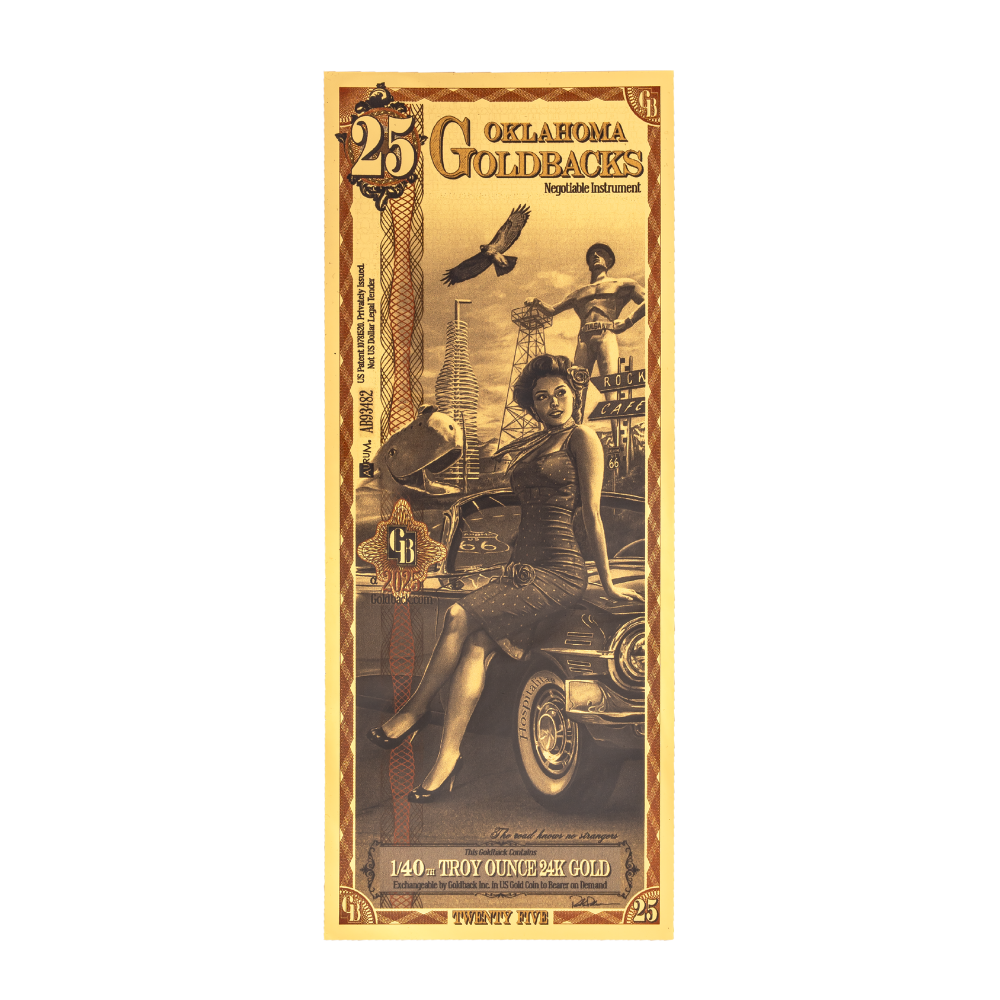
Oklahoma 25 Goldback
A twenty-five-denomination Oklahoma Goldback containing 1/40 troy ounce of gold.
Product availability and pricing can change with inventory and precious-metal markets. Open each product page for current information.
Frequently Asked Questions
Do Idaho, Arizona, Florida, and Oklahoma Goldbacks contain different amounts of gold?
The state does not determine gold content. The denomination does. Goldbacks with the same denomination state the same proportional fine-gold weight.
Which Goldback state series is most valuable?
There is no permanent most-valuable series. Retail and resale prices can vary with denomination, condition, availability, artwork demand, and dealer inventory.
Should I collect every denomination from one state?
That is one valid strategy, but it can become expensive and availability-dependent. Alternatives include one denomination across states or one favorite design from each state.
Does a crease reduce a Goldback’s value?
A crease does not change the stated gold content, but significant wear or damage can reduce collector appeal and may affect what a buyer will pay.
Can I use Goldbacks from one state in another state?
Goldbacks are privately issued products used by voluntary agreement. Practical acceptance and the rate used depend on the other party and local circumstances, not only the state name printed on the piece.
Sources and Buyer References
This article provides general educational information and does not constitute individualized investment, tax, legal, appraisal, or financial advice. Gold prices, exchange rates, premiums, inventory, and buyback terms fluctuate. Confirm current product specifications and transaction terms before purchasing.