
Johnson Matthey Silver Bars: Collectibility, Authenticity, and Premiums
Johnson Matthey silver bars can appeal to buyers because their recognized branding may create collector interest beyond the silver they contain. The sound way to assess one is to separate melt value from the asking premium, verify the specific bar through multiple checks, and treat any collector premium as market-dependent rather than automatic.
A Johnson Matthey bar is still a piece of physical silver first. Its brand, format, condition, packaging, and the buyer pool for that particular variety can affect what someone is willing to pay above metal value. Those factors may matter at purchase and again when selling, but neither a familiar hallmark nor a serial number is a stand-alone guarantee of authenticity or resale value.
If you are new to the category, start with this explanation of what bullion is and how bars fit among other precious-metals formats. It helps keep the metal-content question separate from the collectible question.
Key Takeaways
- A Johnson Matthey bar’s melt value is based on its verified fine-silver content and the live silver spot price; it is not the same as a retail asking price.
- A collector premium can be possible for a recognized brand, a particular variety, condition, or original packaging, but it is not guaranteed and may not be fully recovered on resale.
- Use layered verification: source history, matching physical specifications, careful inspection, and professional testing when the value or uncertainty justifies it. No single home check proves authenticity.
- Compare all-in quotes on the same timestamp and metal basis. A lower retail premium is not automatically the better result if the bar’s condition, verification confidence, or liquidity differs.
Johnson Matthey and Other Silver Bars to Compare
Use the Johnson Matthey listing as the branded example, then compare its live premium and condition with other bar sizes and brands. Do not assume the branded premium will be recovered later.
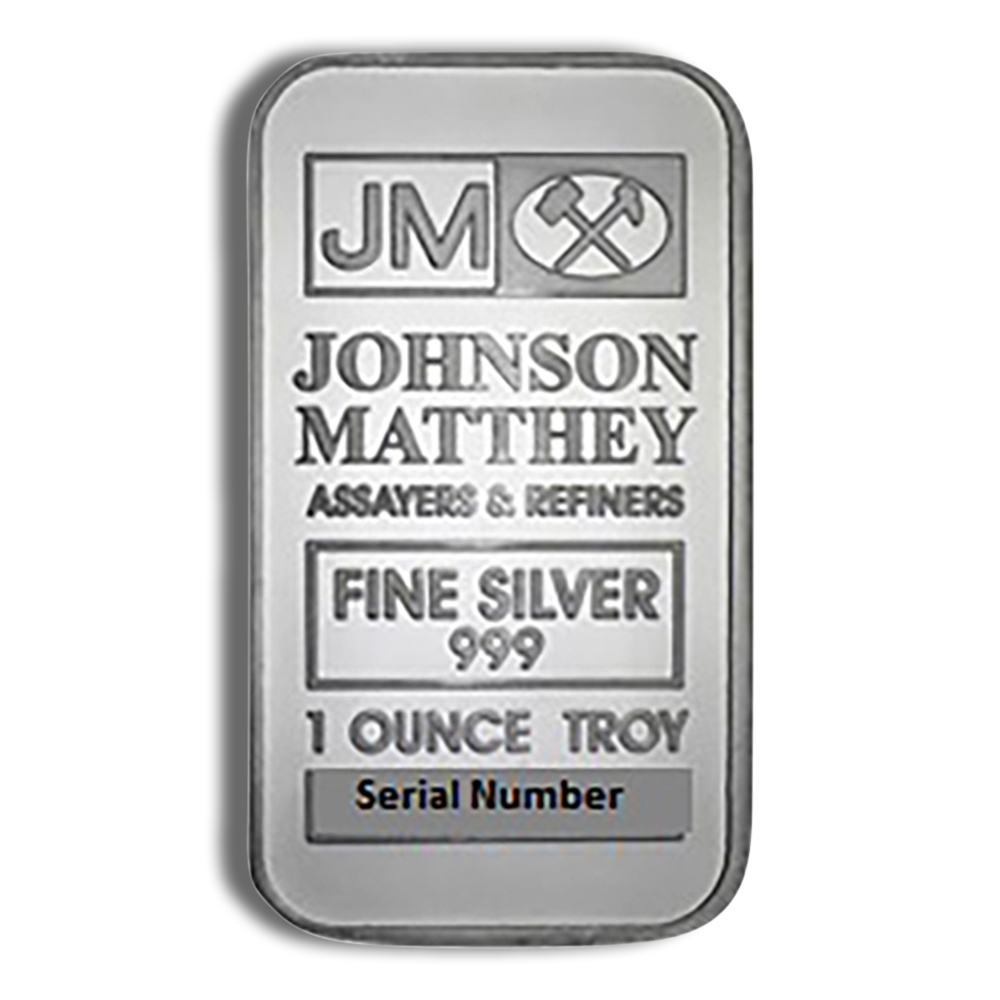
1 oz Silver Bar – Johnson Matthey
A one-ounce Johnson Matthey silver bar offered as a branded bullion format.
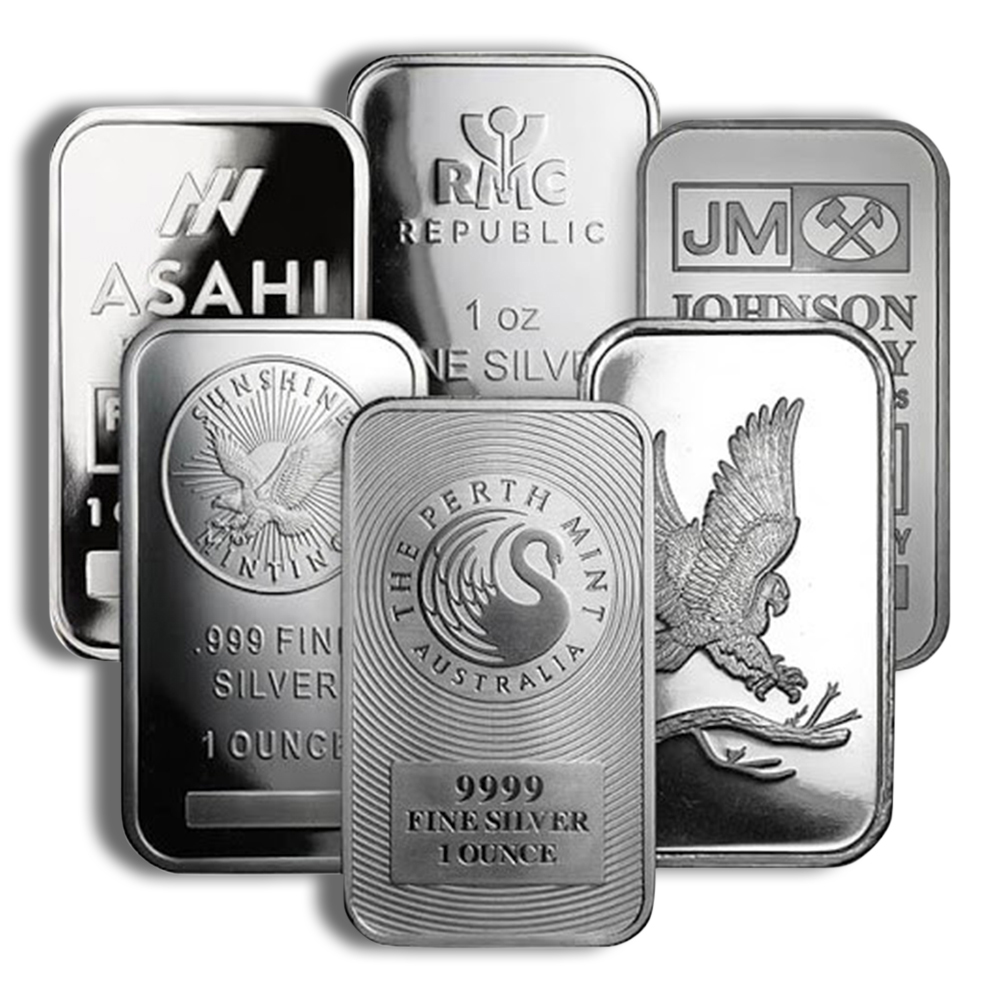
1 oz Silver Bar – Brand Varies (IRA Eligible)
A metal-first one-ounce bar listing where the qualifying brand may vary.
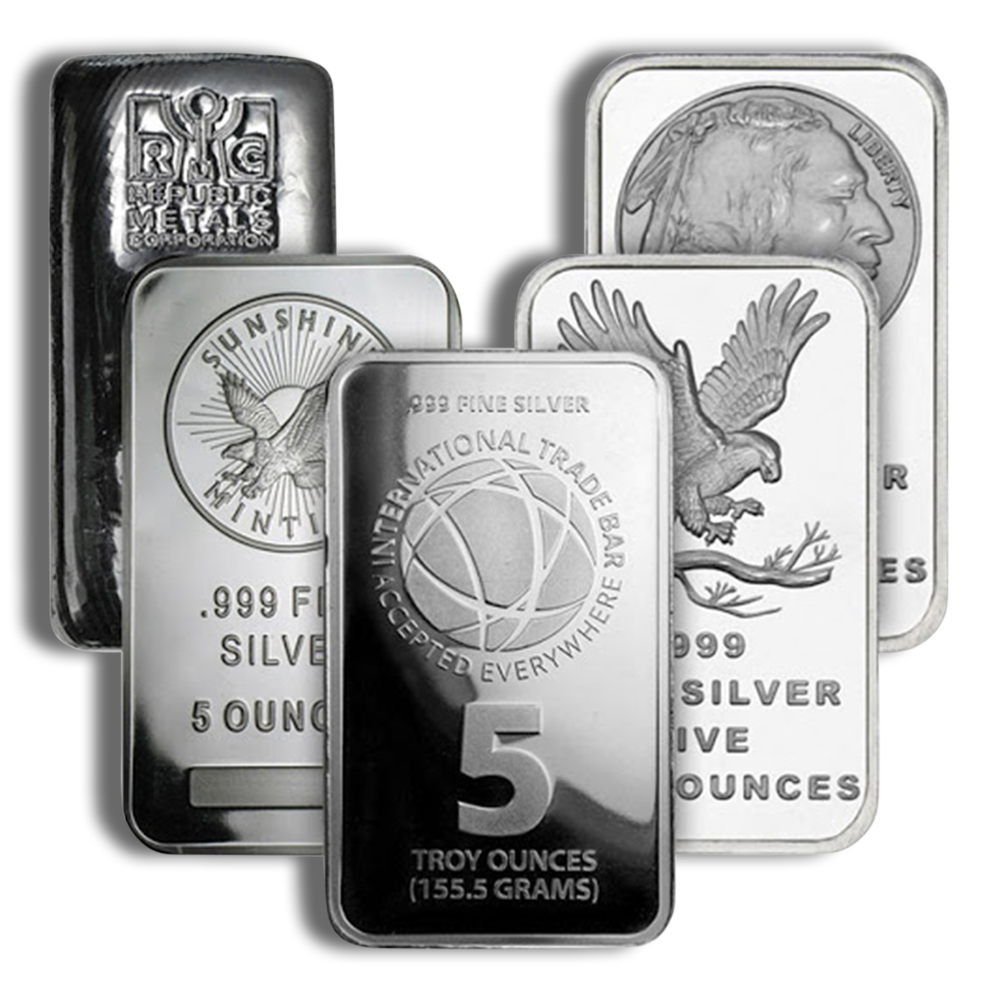
5 oz Silver Bar – Brand Varies
A five-ounce middle size for comparing divisibility and storage.
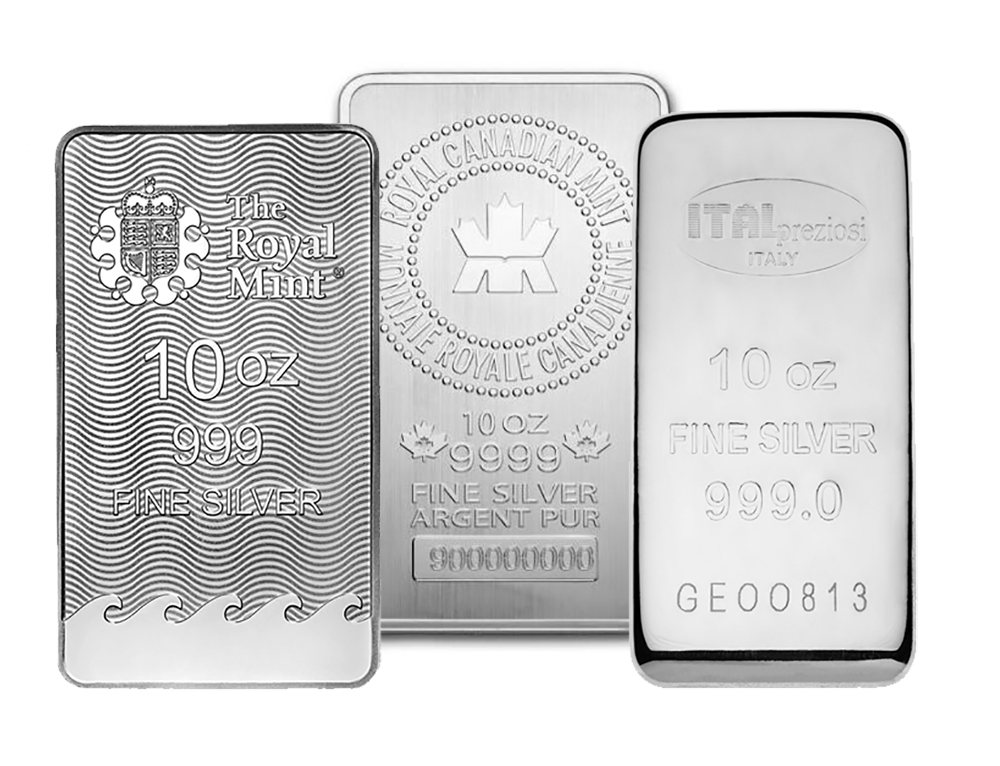
10 oz Silver Bar – Brand Varies
A ten-ounce bar where the qualifying brand is selected from inventory.
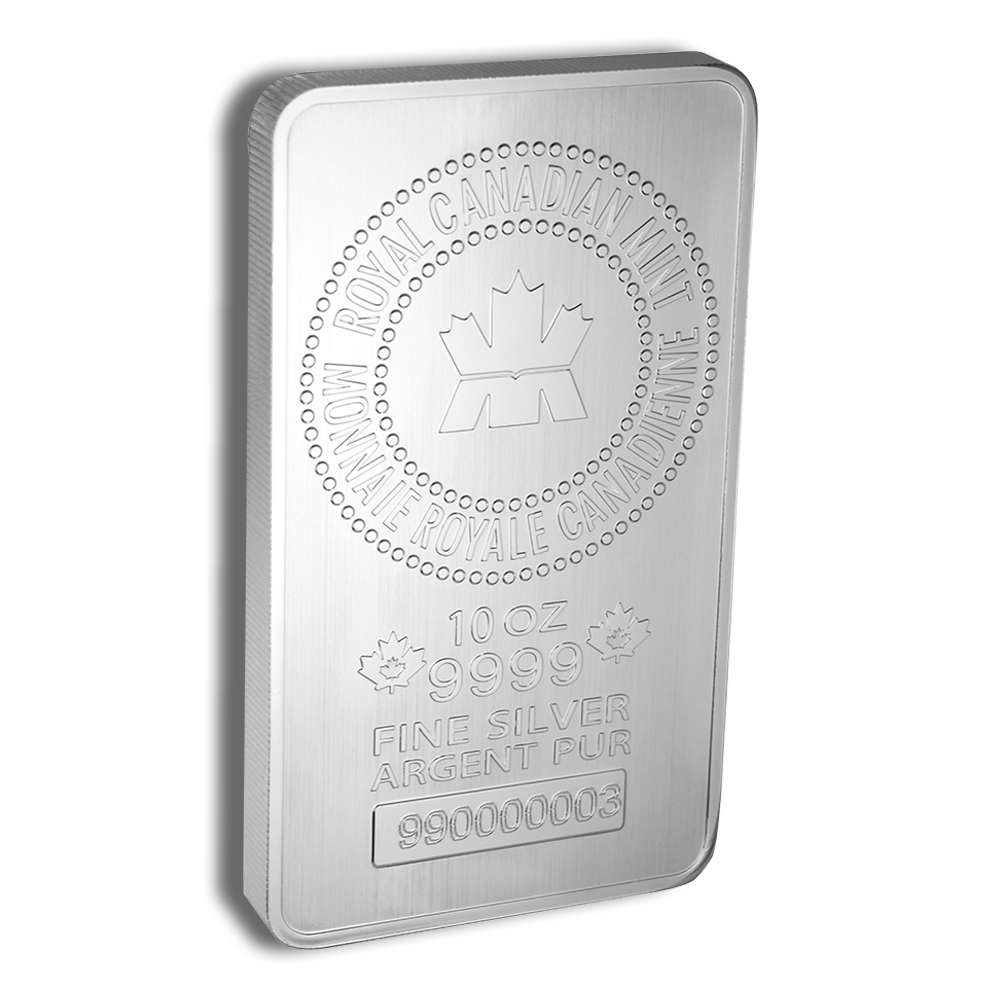
10 oz Silver Bar – Royal Canadian Mint – RCM (Sealed)
A named Royal Canadian Mint ten-ounce silver bar in sealed presentation.
Product pages, images, specifications, prices, premiums, packaging, and stock were reviewed September 5, 2026 and can change. The live listing controls the order.
What Agate Can Verify
Agate can verify the product name, stated metal, weight, purity, condition, packaging, and current transaction terms shown on its live listing. Availability, pricing, premiums, payment methods, shipping, returns, and buyback conditions can change. Confirm the exact listing and applicable policies before ordering.
Continue your research: silver screening guide, spot-price and premium guide, recognized refiner guide.
Why some Johnson Matthey silver bars attract collector interest
Johnson Matthey is a longstanding precious-metals name, and that recognition gives certain bars a ready point of reference for buyers who collect refinery-branded bullion. The company announced in December 2014 that it had agreed to divest its Gold and Silver Refining business to Asahi Holdings; the announcement describes the refining business and its facilities, but it does not establish the date, rarity, or value of an individual bar.1 A brand history is context, not a substitute for identifying the specific piece in hand.
Collectibility usually comes from a combination of details rather than a single label. A buyer may care about a distinctive logo style, a particular form factor, the condition of the surfaces, whether original packaging accompanies the bar, and whether comparable pieces actually trade in an active market. A commonplace example with heavy handling marks may trade much closer to its bullion value than a comparable example with more desirable presentation. The reverse can also occur when a product is unfamiliar, difficult to verify, or simply has few interested buyers.
| Factor | Why it can influence interest | What it does not prove |
|---|---|---|
| Recognized Johnson Matthey hallmark | May make the brand easier for buyers to recognize and compare | Metal purity, a particular production era, or a guaranteed premium |
| Specific design or form | Some buyers prefer certain logo styles, cast/poured looks, or bar sizes | Official rarity or a mintage figure |
| Condition and packaging | Clean surfaces and original presentation can matter to collector-oriented buyers | That the bar is genuine or untouched |
| Serial number | Can help identify a bar or distinguish it from another example | A mintage total, a rarity rank, or authenticity by itself |
| Documented purchase history | Helps a buyer understand where the item came from | A permanent resale price or an independent assay |
Practical implication: do not pay a collector-level premium merely because an online listing calls a bar “rare” or “vintage.” Ask what exact feature is being valued, whether the bar can be compared with like examples, and how that extra amount might affect an eventual resale decision.
Put the price terms in the right order
A useful comparison begins by naming each component of value. Buyers often use “spot,” “melt,” and “premium” interchangeably, but they answer different questions.
| Term | Meaning | Why it matters for Johnson Matthey silver bars |
|---|---|---|
| Spot price | The quoted market reference for one troy ounce of silver at a particular time | A moving benchmark, not a guaranteed transaction price for a physical bar |
| Melt value | Fine-silver content multiplied by the applicable spot-price reference | The metal-only starting point after weight and purity have been verified |
| Bullion premium | The amount above melt associated with fabrication, sourcing, handling, and market demand for a physical bar | May differ by size, condition, dealer, and market conditions |
| Retail ask | What a seller is asking a buyer to pay for the specific bar | Includes some combination of metal value and premium; it is not proof of market value |
| Collector premium | An additional amount a buyer may assign to a particular brand, variety, condition, or presentation | Possible, variable, and especially sensitive to authenticity and buyer demand |
| Buyback spread | The difference between a dealer’s resale reference and its bid to buy the item | A real part of selling economics; the bid may not mirror the retail ask |
For a bar with verified fine-silver content, the basic calculation is:
Melt value = fine troy ounces × silver spot price per fine troy ounceA useful way to express an asking-price premium is:
Total premium = retail ask − melt value
Premium per fine ounce = total premium ÷ fine troy ounces
Premium percentage = (total premium ÷ melt value) × 100
Those are comparison formulas, not appraisals. They do not establish a future bid, a tax result, or a profit. They also do not justify assuming that a higher premium is collectible; first identify whether the extra amount reflects a distinct bar, a legitimate scarcity signal, condition, packaging, current supply, or simply the seller’s ask.
Record a quote so comparisons are meaningful
Because silver prices move and physical inventory can change quickly, compare quotes that are genuinely comparable. Record the metal reference and the seller’s quote at the same point in time rather than comparing a stored screenshot from one day with a live listing from another.
| Record with the quote | Why record it |
|---|---|
| Date, time, and time zone | Spot and retail asks can change during the day |
| Spot-price source and whether it is bid, ask, or another reference | “Spot” is a benchmark that can be displayed differently by different sources |
| Bar’s stated weight and purity | Needed to calculate the metal component correctly |
| Exact variety, condition, packaging, and photos | Aids like-for-like comparison and later verification |
| Retail ask and all disclosed transaction costs | Prevents an incomplete premium comparison |
| Any dealer buyback indication, if offered | Lets a seller understand that bid and retail ask are different sides of the market |
Pricing-method note, reviewed September 5, 2026: this article intentionally uses no live silver quote or current product price. The method above uses the verified fine-metal content multiplied by a spot-price reference captured at the time of comparison, then separates the asking premium and any possible collector component. Obtain a current quote and current policy directly from the seller before acting.
How to assess authenticity without overtrusting a single test
The first authenticity control is the source. A transparent seller, clear description of the exact item, and a transaction record make later questions easier to resolve. That is more useful than relying only on a logo, a listing photo, a plastic sleeve, or a serial number. Counterfeiters can copy surface features and documentation; an industry article published by the London Bullion Market Association notes that no single detection tool offers complete certainty against sophisticated counterfeits.2
For a potentially collectible bar, use a sequence that narrows uncertainty instead of treating one quick test as conclusive:
- Document the bar before handling it further. Retain purchase records and take clear photographs of both sides, edges, packaging, and any identifying marks. Match the listing to the item received.
- Identify the precise style before comparing it. Compare the hallmark, wording, logo placement, serial-number format if present, stated weight, purity mark, and overall form against reliable references for the relevant variety. Do not assume that all Johnson Matthey bars share the same layout.
- Check weight and dimensions with appropriate tools. A calibrated scale and careful measurements can reveal a mismatch with a documented specification. A one-troy-ounce designation refers to 31.1035 grams of troy weight, but manufacturing tolerances and specific dimensions should be evaluated against the particular bar—not a generic internet image.
- Use visual inspection as a screening step. Look for inconsistent lettering, poor edge detail, odd seams, mismatched finish, or packaging irregularities. Normal toning, wear, and handling marks do not themselves prove a bar is fake.
- Escalate when value or uncertainty warrants it. A knowledgeable dealer, refiner, or testing service may use methods beyond basic at-home screening. Ask what the test does and does not evaluate, and keep the result with the transaction record.
The at-home methods described in Agate’s guide on how to test whether a silver round is real are useful for understanding layered screening. Apply them cautiously to bars: a round and a bar have different dimensions and acoustic behavior, and passing one or several checks is not a testing guarantee. A magnetic response, for example, may be a reason to stop and investigate, but a non-magnetic result does not prove that an item is genuine silver.
Verification limitation: Weight, dimensions, visual review, magnet behavior, packaging, serial numbers, and even paperwork are pieces of evidence—not final proof in isolation. Sophisticated counterfeits can imitate several attributes. For a high-value, unfamiliar, or suspect bar, pause the transaction and seek qualified testing rather than relying on this checklist.
When does a premium make sense?
A premium may make sense when it is a conscious payment for a quality you value and can describe. For a Johnson Matthey bar, that might be brand familiarity, a particular design, condition, original presentation, or the convenience of owning a small, recognizable bar. It is less defensible when it is based only on vague rarity language or an unverified story about the item.
Use this decision framework before paying above a comparable generic silver bar:
| Question | A constructive answer looks like | Caution signal |
|---|---|---|
| What is the metal-only benchmark? | The seller provides weight, purity, and a current comparison basis | No clear weight/purity basis or a premium calculated from stale spot data |
| What exact feature carries the extra premium? | A specific, visible variety or condition attribute is identified | “Rare” is asserted without identifying the version or evidence |
| Can I verify the item proportionately? | The item can be checked against credible references and a clear source trail | The seller discourages inspection or relies solely on a photo |
| Who is likely to buy it later? | There is a recognizable bullion or collector audience for that specific piece | The resale case depends on a single optimistic asking price |
| What is the downside if the collector demand fades? | You are comfortable owning the silver at a lower, bullion-oriented value | The purchase only works if a future buyer pays the same high premium |
This is where bars, rounds, and coins deserve distinct treatment. A government-issued coin can have legal-tender status and a separate numismatic market, while a privately produced bar is generally evaluated through its metal content, brand, format, and buyer demand. For the broader format trade-offs, see Agate’s comparison of silver rounds versus coins. A recognized refinery bar can be appealing, but it is not automatically equivalent to a collectible coin or to a generic bar with the same silver content.
Think about selling before you buy
The price a buyer sees on a retail page is an ask. A dealer’s buyback bid is a separate decision that can account for market conditions, verification work, liquidity, condition, and the dealer’s expected resale channel. A bid for a standard bullion bar may be based mostly on verified silver content; a bid for a more distinctive example may also depend on whether the buyer sees real demand for that specific variety.
Before purchasing for collectibility, decide whether your priority is maximizing ounces for the budget, owning a familiar branded format, or building a collection. If the purpose is primarily metal exposure, compare premium per fine ounce against other reputable, readily traded silver products. If the purpose includes collecting, budget for the possibility that part of the extra premium may not return on resale.
When you are ready to evaluate an offer, the framework in how to read a gold buyback quote still applies conceptually to silver: identify the metal basis, the stated weight and purity, the price reference, the spread, and any conditions. Verify a prospective buyer’s current silver-buying process directly; this article does not represent an offer to purchase any bar.
For a current example of the format, readers can review Agate’s 1 oz Johnson Matthey silver bar listing and compare its stated specifications with their own objectives. The listing is an illustration, not a valuation benchmark; confirm the exact product, price, inventory, availability, and policies on the live page before making a decision.
A practical purchase checklist
- Confirm the exact bar, stated weight, purity, condition, and packaging—not just the brand name.
- Calculate melt value using a timestamped silver reference, then calculate the premium separately.
- Identify the reason for any collector premium in one clear sentence.
- Compare like for like: same size, condition, brand/variety, and timing.
- Preserve documentation and photographs if the bar may later be sold as a distinct collectible item.
- Use multiple screening checks and escalate to qualified testing when the risk or value warrants it.
- Treat a retail ask as a seller’s price, not evidence of a guaranteed future resale result.
Frequently asked questions
Are Johnson Matthey silver bars collectible?
They can be, particularly when a buyer values the brand, a specific variety, condition, or original presentation. “Collectible” is not a fixed price category, though. The practical question is whether a defined feature attracts a real buyer pool beyond the bar’s verified silver value at the time you sell.
Do Johnson Matthey silver bars always sell for more than generic silver bars?
No. A retail ask may include a brand or collector premium, but the amount varies by the exact bar, its condition, market supply, buyer demand, and the transaction channel. A future dealer bid can be lower than a retail ask, and it may not recognize the full premium a prior buyer paid.
Does a serial number prove a Johnson Matthey bar is authentic?
No. A serial number can be helpful for identification and documentation, but it is not a stand-alone authenticity test and it does not prove rarity or a production total. Compare the entire bar and its source history, then seek qualified testing if needed.
How do I calculate the melt value of a 1 oz .999 silver bar?
First verify that the bar contains one troy ounce of .999 fine silver. Then multiply the fine-silver content, expressed in troy ounces, by a spot-price reference captured at that time. The result is the metal-only benchmark; it does not include a physical bullion premium, a collector premium, fees, or any dealer buyback spread.
Should I remove a Johnson Matthey bar from its original packaging?
Consider the purpose before doing so. Original packaging can be relevant to presentation and resale, but packaging alone does not authenticate the metal. If inspection or testing is needed, ask a qualified professional about the least disruptive appropriate method for the bar and retain records of what was done.
The bottom line
Johnson Matthey silver bars are best approached as bullion with a possible collector layer. Start with verified fine-silver content and a current spot-price reference, then decide whether the particular bar’s format, condition, provenance, and market interest justify any premium. Use multiple verification steps, keep records, and remember that an enthusiastic retail ask is not a promise of future resale value.
Disclosure: Precious-metals prices, premiums, inventory, availability, and seller policies change. This article is general educational information, not a current quote, appraisal, testing guarantee, offer to buy or sell, tax advice, legal advice, or investment recommendation. Review live product details and current policies directly with the relevant seller or qualified professional before transacting.