
How to Buy Gold Bullion for the First Time: A Step-by-Step Guide
Agate Precious Metals Field Guide
Gold sounds like a smart move until you try to figure out where to start. The industry uses language that feels designed to confuse, prices seem to change by the minute, and a quick search turns up dozens of dealers you’ve never heard of. That combination stops a lot of first-time buyers before they ever place an order. If you’re buying gold bullion for the first time and want a clear, step-by-step path through every decision, this guide covers exactly that, in plain language, with no pressure and no jargon.
Here’s the good news: the process becomes manageable once you answer seven practical questions. What can you comfortably spend? Which format fits the purpose? How much fine gold does the item contain? What is the complete premium? Who is the seller? What are the payment and shipping terms? How will you document and check the delivery? This guide walks through all seven.
One reason this process has gotten less stressful for newcomers is the rise of smaller, owner-operated dealers where you can talk to a real person who actually knows your order. Agate Precious Metals is a strong example of that model, and we’ll come back to it. For now, let’s begin where every first purchase begins: with your budget.
Setting a Budget When Buying Gold Bullion for the First Time
There is no universal amount that a first-time buyer should spend. Choose an amount that does not interfere with emergency savings, required bills, high-priority debt payments, or other near-term needs. Physical gold can fluctuate in price and carries transaction costs, so a first order should be small enough that you can learn the process without creating financial strain.
Fractional coins and gram-denominated bars provide lower total purchase prices than a full ounce, although their premium per fine ounce is often higher. Compare the actual delivered cost and contained gold rather than assuming the least expensive item offers the lowest premium. If you need individualized financial guidance, consult a qualified professional who understands your complete circumstances.
Starting smaller also teaches you something you can’t learn any other way: what the experience actually feels like. You’ll learn how ordering works, what insured shipping looks like in practice, and how to verify a piece when it arrives. That process knowledge is worth just as much as the gold itself on your first buy.
Larger bars and coins often have lower percentage premiums than very small pieces, but that relationship is not guaranteed. A larger unit also concentrates more value in one item and may require selling more gold at once. Compare live listings before changing size, and keep the first transaction focused on learning how the seller, payment, delivery, documentation, and verification process work.
Gold Coins vs. Bars: Picking the Right Format
This is the question many first-time buyers get stuck on. Coins can offer sovereign-mint recognition and a range of unit sizes. Bars can make fine-gold weight and refiner comparison straightforward and may carry lower premiums in some like-for-like comparisons. Neither format is automatically better. Agate’s gold bars versus coins guide explains the trade-offs in more detail.
Coins from recognized government mints carry strong global name recognition. An American Gold Eagle or American Gold Buffalo from the U.S. Mint, or a Perth Mint Kangaroo, is understood and accepted by dealers worldwide. That recognition matters when you want to sell, because you’re not trying to convince a buyer to trust an unfamiliar product. The premium on coins is slightly higher than on bars of the same weight, but that premium buys you flexibility: you can sell a single coin without liquidating your entire position.
Gold bars carry lower premiums and pack more gold into tighter storage, which makes them the better choice for buyers who plan to hold a larger position long-term and don’t need to sell off one piece at a time. The key is sticking with bars from recognized refiners like PAMP Suisse or Valcambi that include a serial-numbered assay card. A well-branded bar with proper documentation is far easier to resell than a generic one.
A practical comparison is to ask how much gold you may want to sell in one transaction, which products local or online dealers currently recognize, how the live premiums compare, and whether packaging or collector features add costs you do not need. You can also mix formats, but each item should have a clear role and complete documentation.
How Spot Price and Premiums Actually Work
Every first-time buyer hits the same moment of frustration: they look up the gold spot price, check a dealer’s website, and find the dealer’s price is higher. That gap feels like a markup. It is, but not in a shady way. Understanding it removes a lot of anxiety.
Spot price is the real-time wholesale market price for raw gold. It does not include the cost of minting a coin, assaying a bar, warehousing inventory, insuring a shipment, or running a legitimate business. No physical gold product ever sells at spot price. That’s not a dealer trick; it’s just the economics of turning raw gold into a finished, verified, deliverable product.
Premiums can change with product size, mint or refiner, fabrication, wholesale availability, payment method, market demand, and seller inventory. Do not use a fixed percentage from an old article as the definition of a fair current premium.
Use one timestamp and one unit of measure when comparing offers. For a product containing one troy ounce of fine gold, the basic calculation is premium dollars = product price − spot value. Then calculate premium percentage = premium dollars ÷ spot value × 100. For fractional or gram products, first convert the stated fine-gold content to troy ounces. Agate’s spot-price and premium guide includes the complete framework. Add every required checkout cost before comparing two dealers.
How to Find a Bullion Dealer You Can Actually Trust
This is the step that causes the most anxiety for new buyers, and it deserves serious attention. Buying gold online requires wiring real money to someone you’ve likely never met. The good news is that reputable dealers are easy to identify once you know what to look for.
Start with a verifiable business address, working contact information, clear product descriptions, written payment and shipping terms, and independent customer feedback. Compare the exact item, total checkout cost, cancellation rules, return or buyback policy, and the seller’s process for resolving a lost, damaged, or incorrect shipment. FINRA’s physical-metals buyer bulletin recommends researching the dealer and getting costs and terms in writing.
The U.S. Mint distributes bullion coins through a network of Authorized Purchasers, which then supplies the wider dealer market. Authorized Purchaser status is a wholesale-distribution role, not a requirement for every legitimate retail dealer. Do not assume a retailer is an Authorized Purchaser unless the Mint identifies it as one, and do not treat that label as a substitute for reviewing the exact retail transaction.
Red flags include pressure to act immediately, guaranteed-return claims, evasive answers about the product or total cost, requests for unusual payment methods, and prices that make no sense relative to the live metal value. Social-media presence alone does not establish or disprove legitimacy; the issue is whether the seller and written transaction terms can be independently verified.
Agate Precious Metals is a family-run dealer established in 2021 and based in Western New York. Its current website lists more than 1,200 gold, silver, platinum, palladium, and related products, subject to inventory. Buyers can contact Joe and the team through Agate’s published phone number and support email. Those facts make the business easier to identify and contact, but every buyer should still review the exact listing and written terms before ordering.
Placing Your Order and Receiving Your Gold Safely
After you’ve chosen what to buy and settled on a dealer, the ordering process itself moves quickly, but a few payment and shipping details are worth knowing before you check out.
Payment Options
Dealers may offer cards, bank wires, ACH or eCheck, and other methods, with different prices, limits, settlement times, and cancellation terms. Confirm the payee, amount, fees, and order number through the seller’s official channel before sending money. Understand whether a payment can be reversed and what protections actually apply; do not assume every card, bank transfer, or payment service provides the same recourse.
Shipping and Insurance
Shipping terms matter. Agate’s current site states that it provides insured nationwide shipping and publishes procedures for reporting a package that arrives damaged, appears tampered with, contains the wrong item, or is lost in transit. Carrier rules, signature requirements, timelines, and remedies can depend on the order, so review the live policy and checkout terms rather than relying on a general article. Ask every seller what happens if a shipment is lost or damaged before you pay.
When the package arrives, don’t sign off before inspecting the outer packaging for signs of tampering. Once everything looks intact, open the box and hold onto every document inside, receipts, assay cards, and any serial number paperwork. Those records are your proof of purchase and your starting point for any verification steps.
Verifying Your Gold Once It Arrives
Buying from a reputable dealer means the odds of receiving a counterfeit are extremely low. Knowing how to verify your purchase anyway gives you confidence and turns you into a more informed buyer for every order that follows.
Start with the hallmark and assay card. Every reputable bullion product from a recognized mint or refiner carries a hallmark showing the weight, purity, and issuer name. Most bars include a serial-numbered assay card; cross-reference that number against the refiner’s verification portal when one is available. The card is supporting evidence rather than definitive proof, so treat it as your starting point, not your conclusion.
Weight and dimensions are your fastest practical verification tools. A calibrated digital scale and a set of digital calipers catch most counterfeits quickly. Compare your measurements against the refiner’s published specifications. If both match, you’re in very good shape. Keep a strong magnet nearby as a quick screen as well: genuine gold is not magnetic, so any attraction is a clear warning sign.
For higher-value pieces, conflicting measurements, damaged packaging, or any unresolved concern, stop and ask a qualified dealer or testing professional which non-destructive method fits the exact product. XRF and electrical precious-metal verifiers can provide useful evidence, but every method has depth, calibration, geometry, and interpretation limits. Agate’s precious-metal verifier guide explains why one reading should not be treated as a universal guarantee.
Buying Gold Bullion for the First Time: Your Step-by-Step Summary
The process comes down to five straightforward steps: set a budget that matches where you are right now, choose a format that fits your goals, understand what a fair price looks like relative to spot, vet your dealer with the same rigor you’d apply to any significant financial transaction, and know what to expect from the moment you place your order to the moment you open the box.
The first buy is always the hardest, because unfamiliarity makes everything feel higher-stakes than it is. Once you’ve completed one transaction with a trusted dealer and held your first piece of physical gold bullion, the process clicks into place. Every purchase after that feels more natural and more intentional.
When you’re ready, use this buying-gold-bullion-for-the-first-time checklist from budget through delivery. Browse Agate’s current shop, compare the exact products and live transaction terms, or contact Joe and the team with a question before ordering. Prices, premiums, stock, payment options, carrier requirements, and policies can change.
Beginner-Friendly Gold Formats to Compare
These products illustrate different entry sizes and formats. Compare fine-gold content, current premium, packaging, total delivered cost, and the amount you may eventually want to sell at one time.
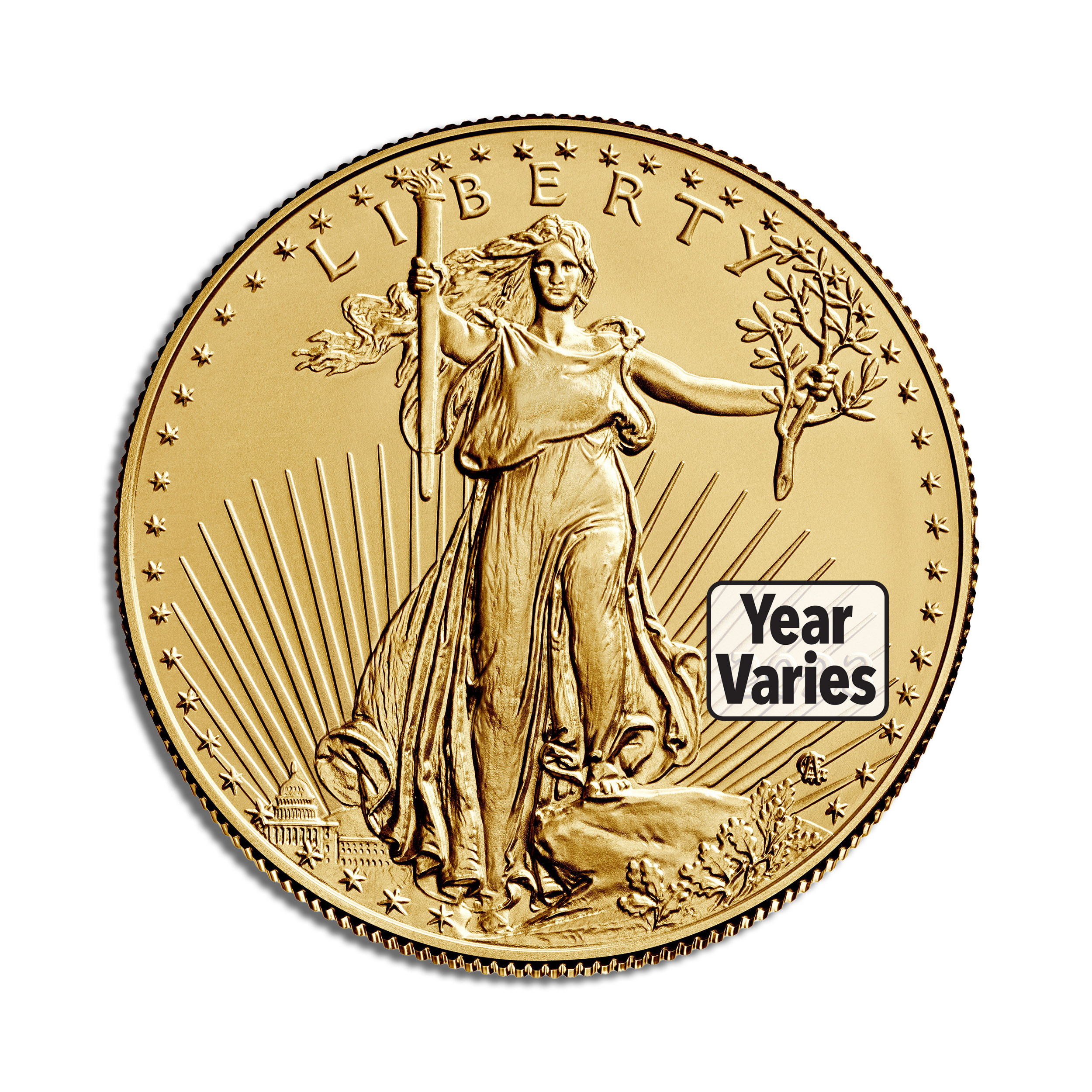
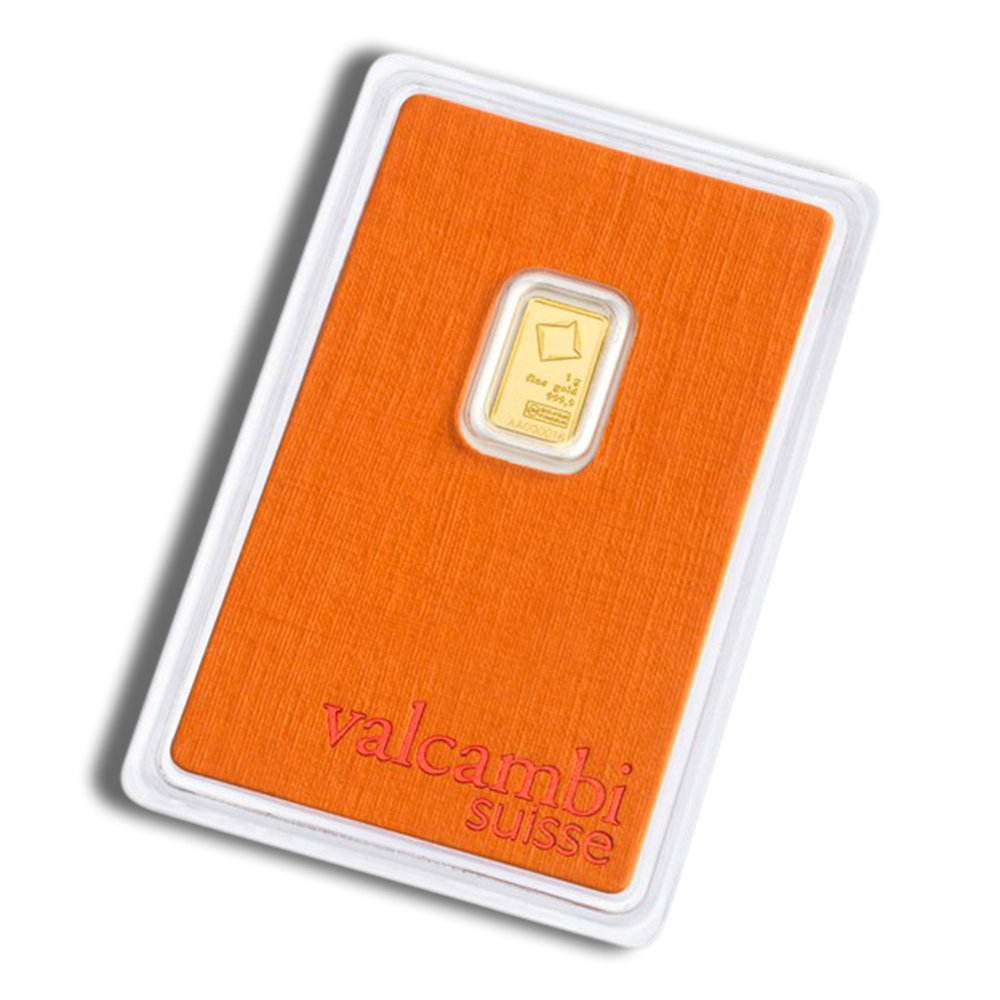
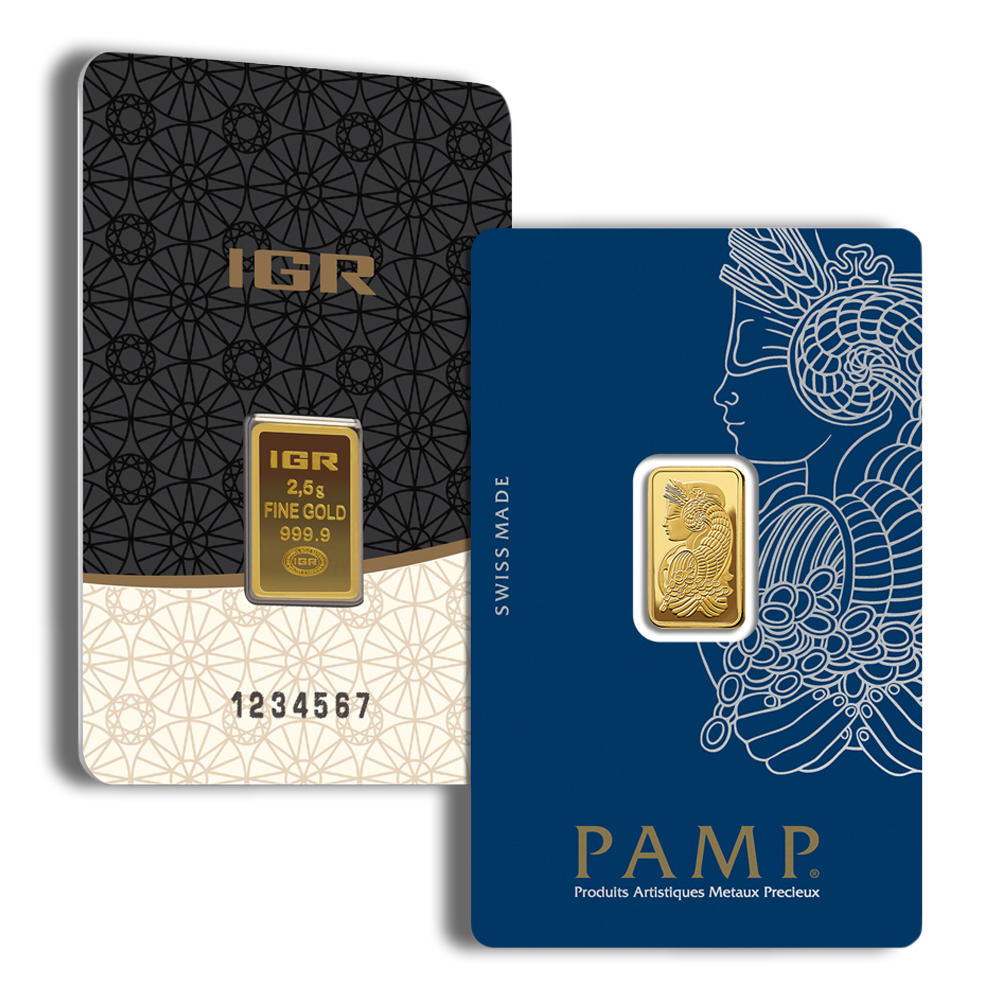
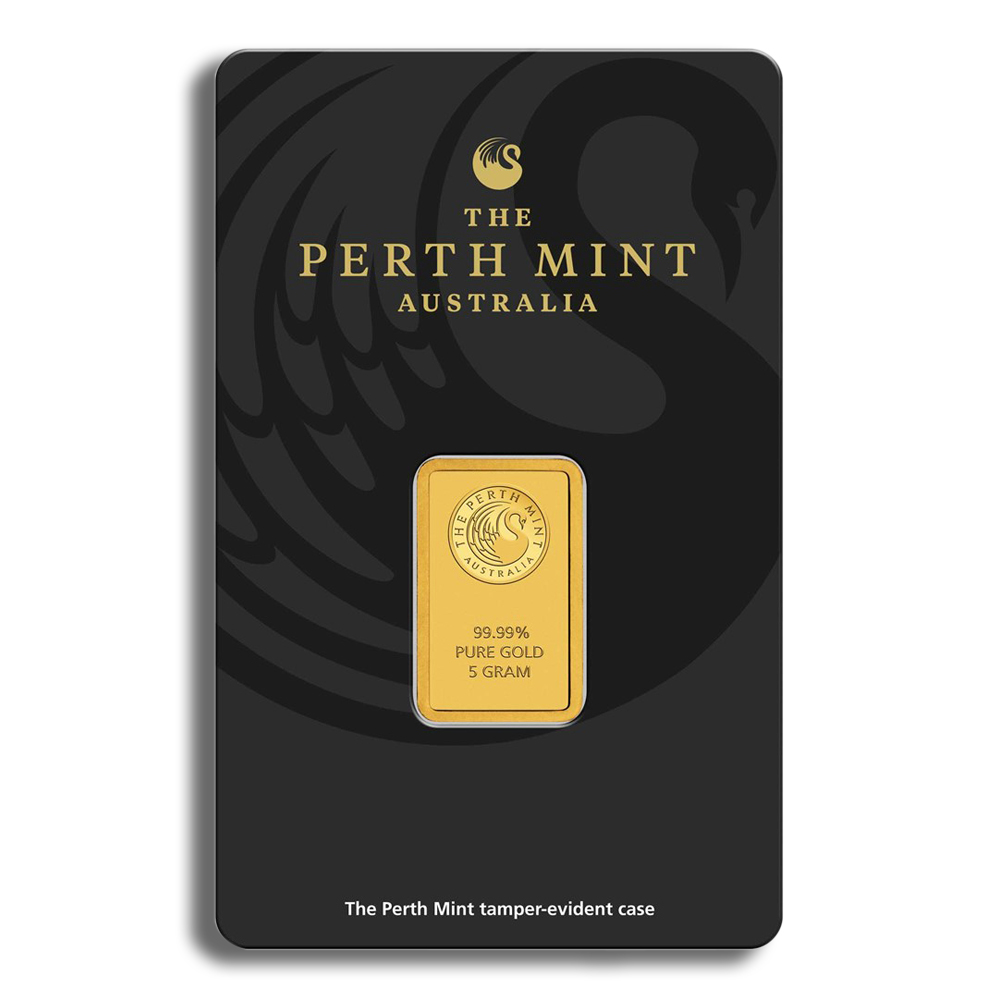
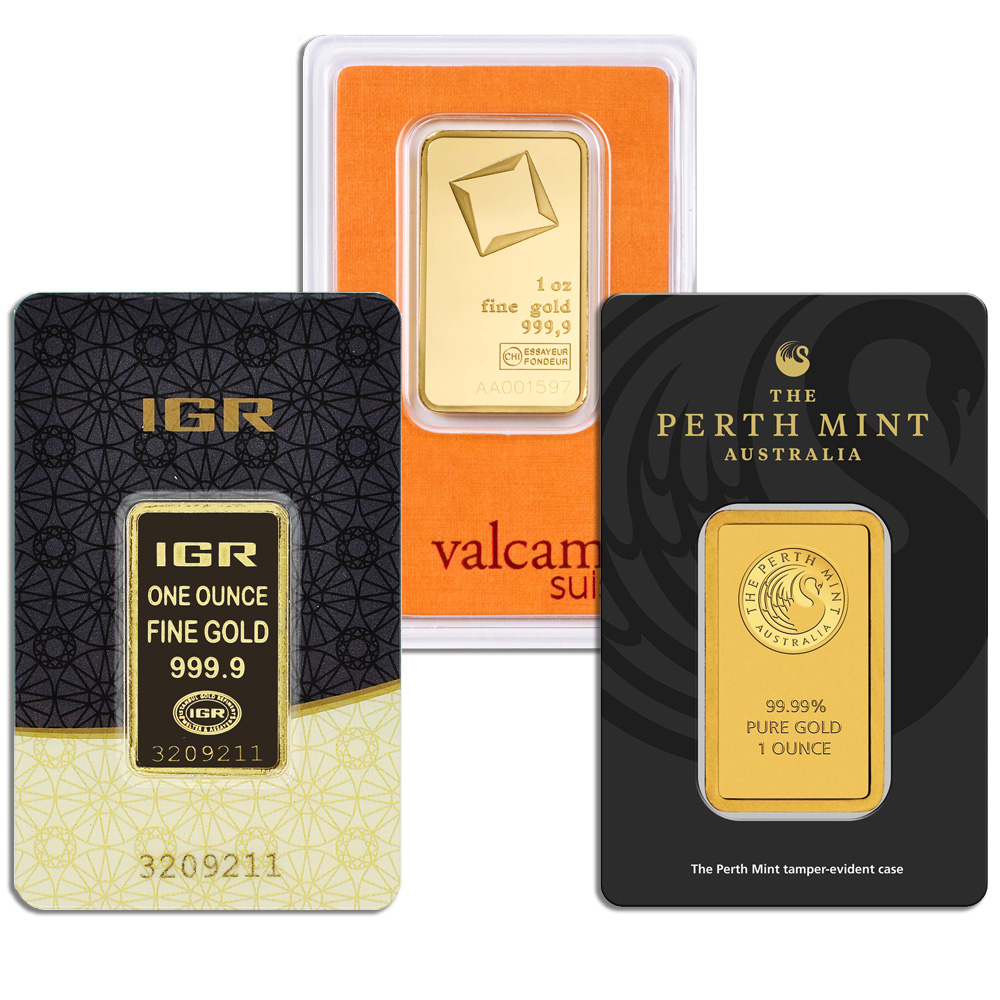
Product pages, images, specifications, prices, premiums, packaging, and stock were reviewed September 6, 2026 and can change. The live listing controls the order.
What Agate Can Verify
Agate can verify the product name, stated metal, weight, purity, condition, packaging, and current transaction terms shown on its live listing. Availability, prices, premiums, payment methods, shipping, returns, and buyback conditions can change. Confirm the exact listing and applicable policies before ordering.
Frequently Asked Questions
How much gold should a beginner buy first?
There is no universal starting amount. Use money that is not needed for emergency savings, required bills, high-priority debt, or near-term expenses. A smaller fractional product can reduce the total purchase amount, but compare its higher potential premium per fine ounce with larger formats.
Are gold coins or gold bars better for a first purchase?
Neither is automatically better. Coins may offer sovereign-mint recognition and flexible unit sizes. Bars may make refiner and fine-weight comparisons straightforward and can carry lower premiums in some like-for-like comparisons. Compare the exact products, total delivered cost, current resale market, and amount you may want to sell at once.
What is a gold bullion premium?
The premium is the amount the physical product costs above its estimated contained-metal value. It can reflect fabrication, minting, distribution, packaging, wholesale supply, payment method, market demand, and dealer operations. Calculate it from a current spot timestamp and the product’s stated fine-gold content.
Can I buy physical gold at the spot price?
Ordinary retail coins and bars generally trade above spot because a finished, available product has costs beyond raw metal value. Occasionally, promotions or unusual market conditions may narrow the difference. Compare the total checkout cost rather than expecting the spot quote to be the retail price.
How do I know whether an online gold dealer is legitimate?
Verify the business identity, address, contact channels, product description, total price, payment instructions, shipping terms, return or buyback policy, and independent feedback. Avoid pressure, guaranteed-return claims, unclear costs, and payment instructions that cannot be verified through the seller’s official channel.
What should I do when my gold order arrives?
Inspect the outer package before opening, preserve the packaging, record the unboxing when appropriate, match the product with the invoice, and compare the visible marks, weight, dimensions, and packaging with an authoritative product reference. If anything conflicts, stop handling the item and contact the seller promptly under the current written policy.
Disclosure and Scope
Agate Precious Metals sells physical precious-metal products, including products linked in this article. This guide is general educational information, not individualized investment, financial, tax, legal, insurance, appraisal, grading, or authentication advice. Gold prices can rise or fall. Premiums, inventory, product specifications, payment methods, shipping requirements, policies, and dealer bids can change. Verify the live listing and written transaction terms before purchasing.
Sources
- FINRA and CFTC, “10 Things to Ask Before Buying Physical Gold, Silver or Other Metals”, March 20, 2024.
- U.S. Mint, “Bullion Coins”, accessed September 6, 2026.
- Agate Precious Metals, Contact, accessed September 6, 2026.
- Agate Precious Metals, Return & Refund Policy, effective July 31, 2026; accessed September 6, 2026.